
3 hours
5.0(4)
Blue Bay: Lagoon, Snorkeling, and Creole Lunch
Discover the barrier reef up closeSwim in a natural aquarium
Pick the right coast before you book a hotel. Compare the calm lagoons of the west and north, the coral gardens of Blue Bay, and the boat trips that get you there, then reserve your spot on a reef excursion that fits the area you choose.
"Trip got switched to a 2-hour tour since the half day was cancelled, but we were told early and refunded the difference in cash. Great crew, great snorkeling. Would do it again."

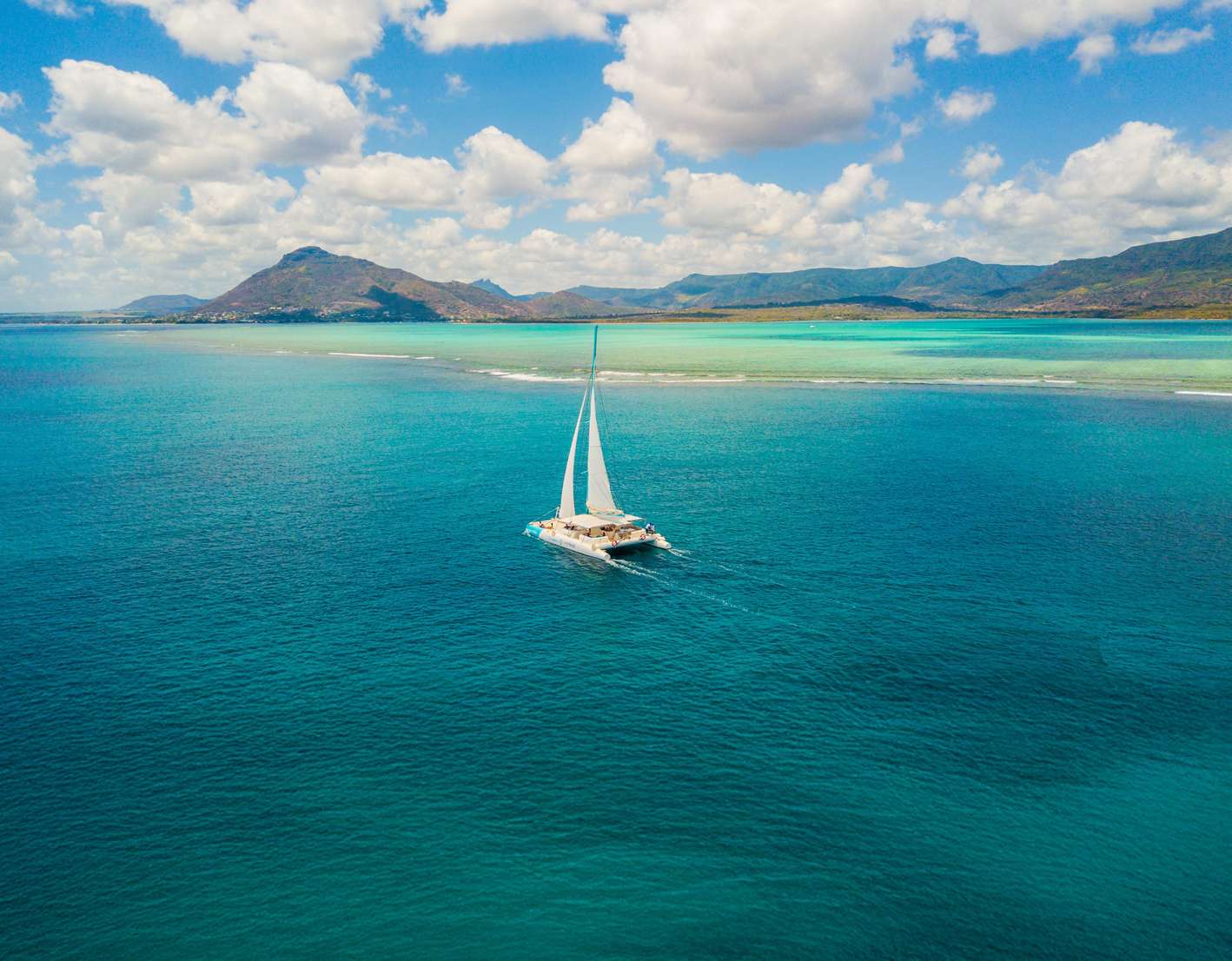
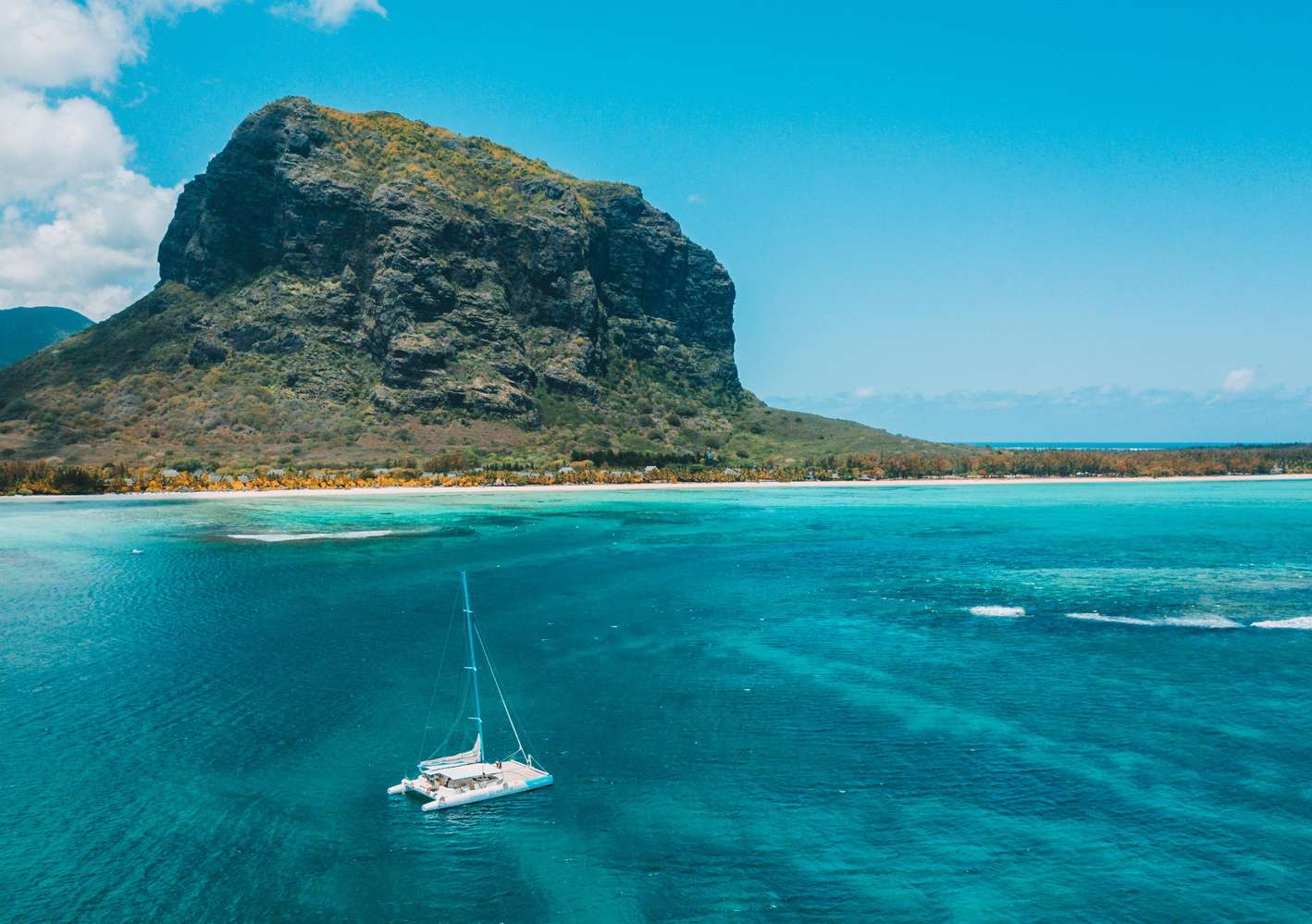
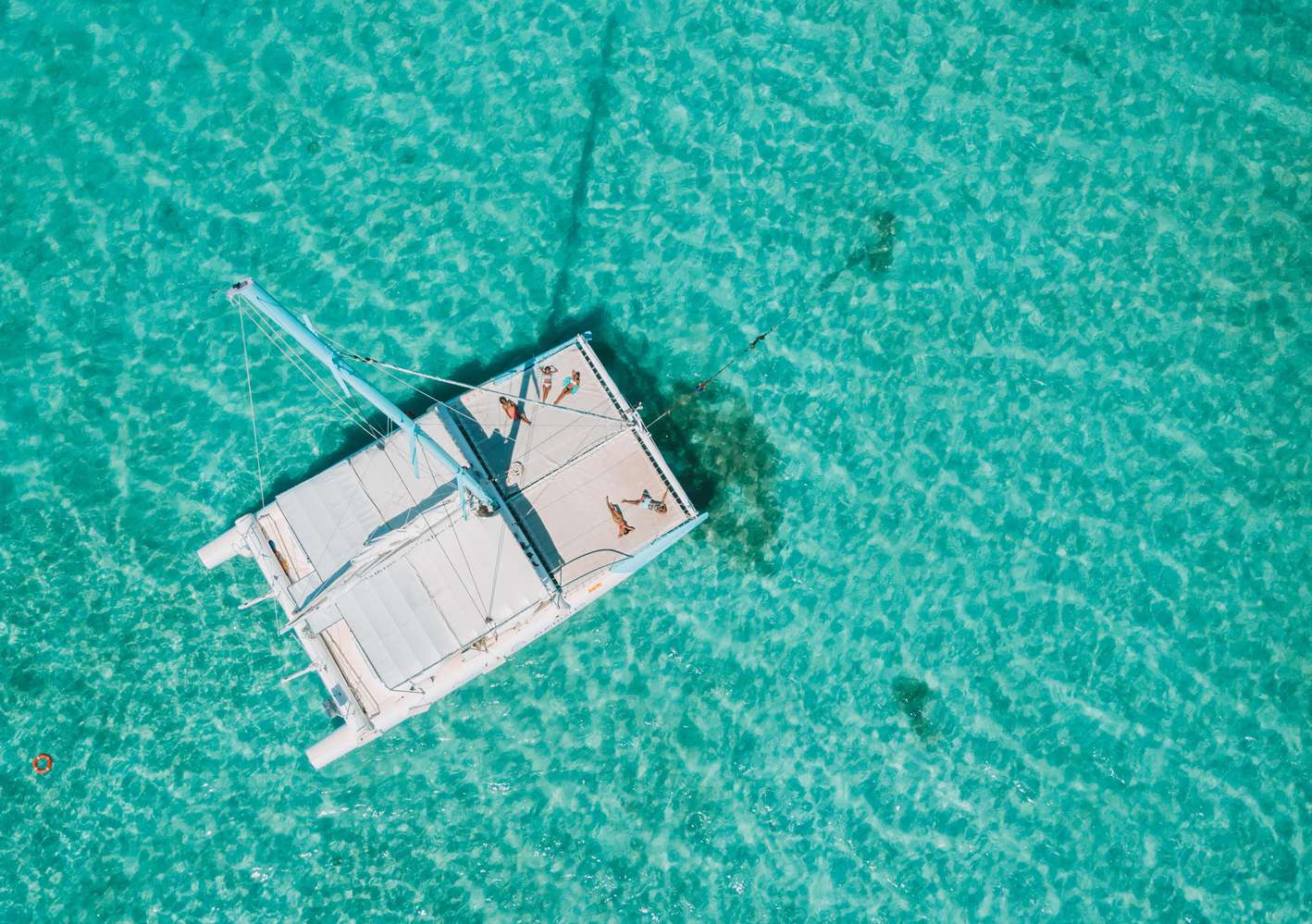
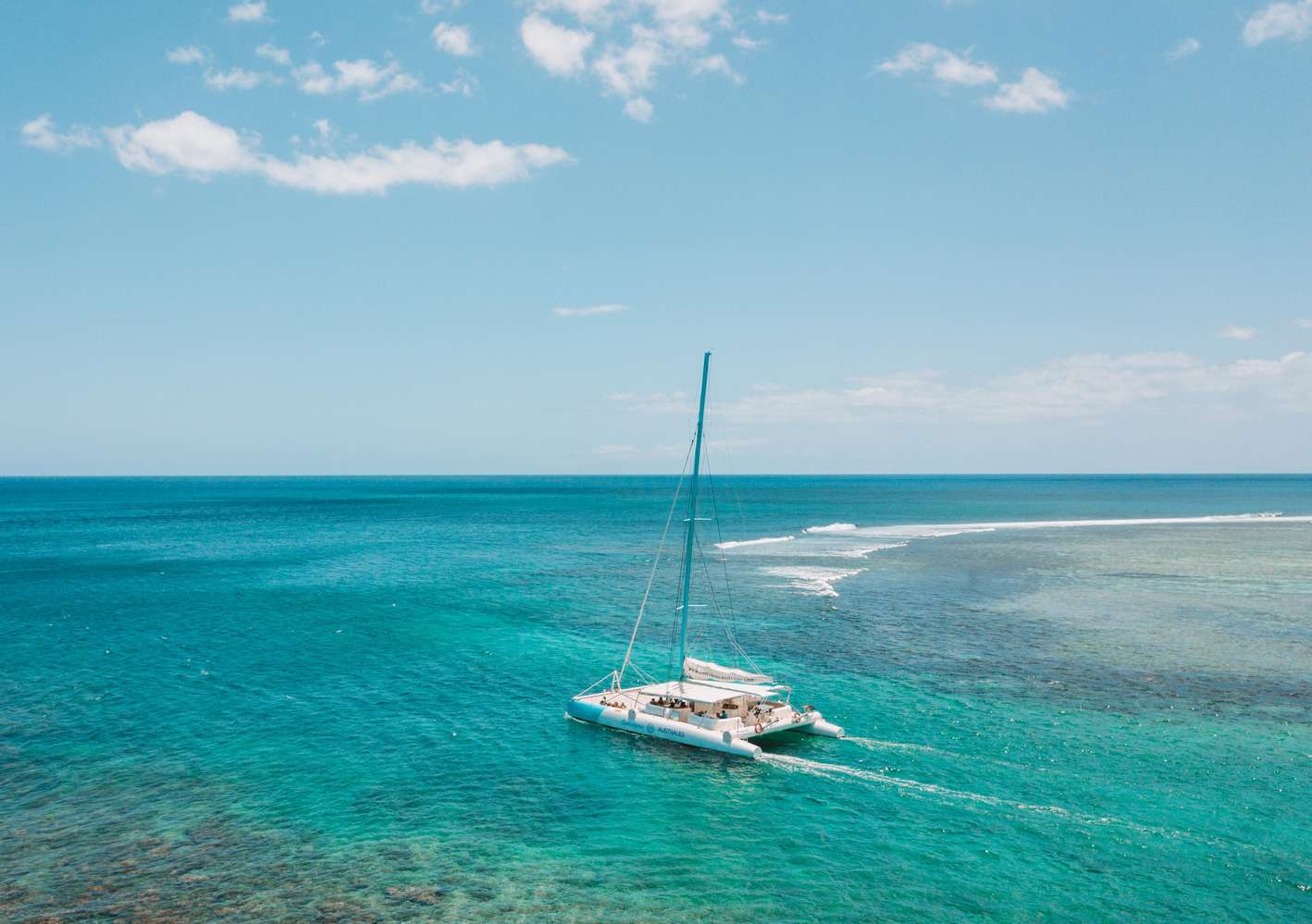
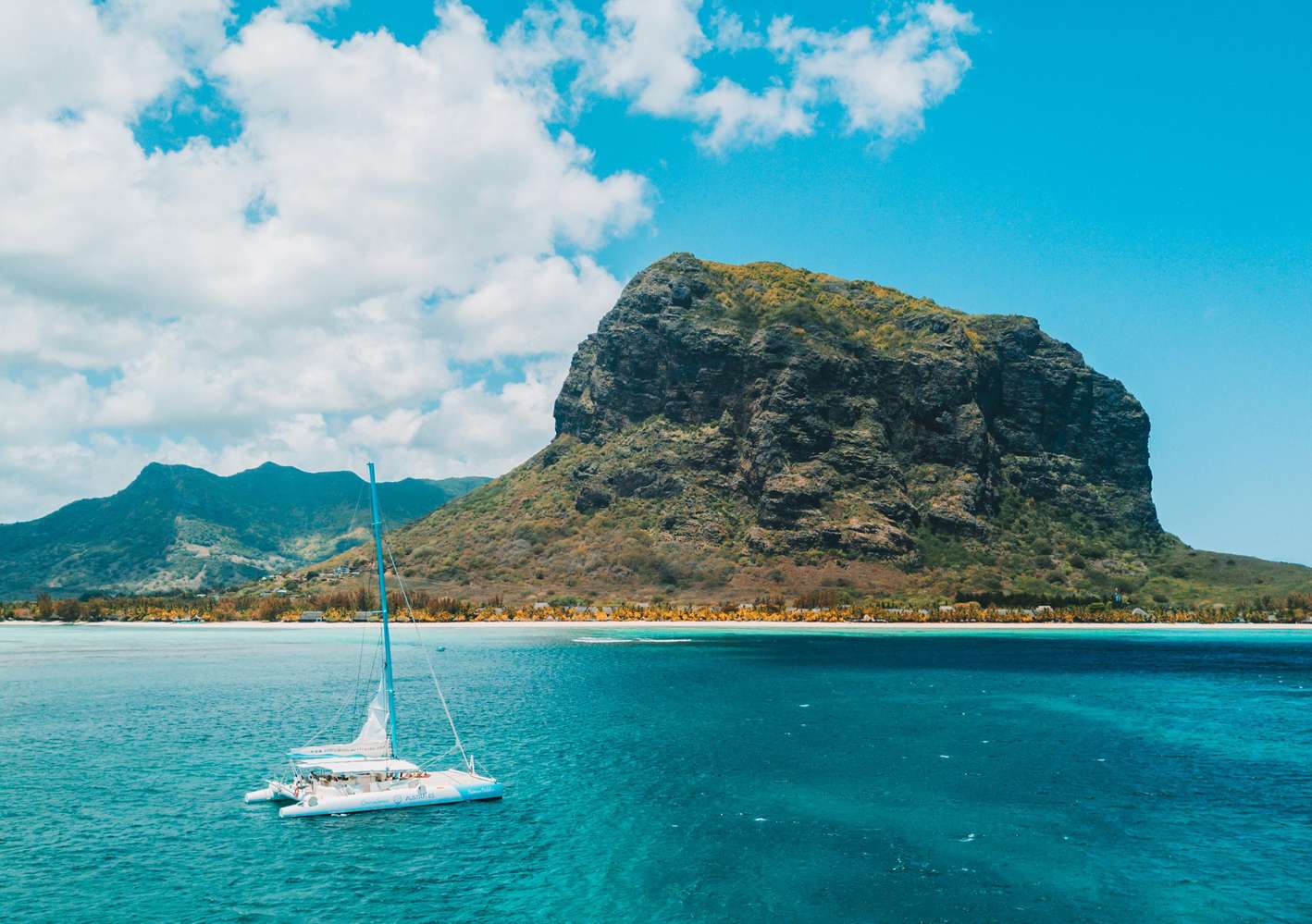
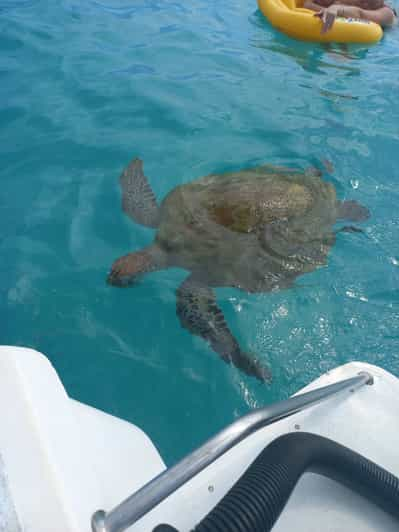
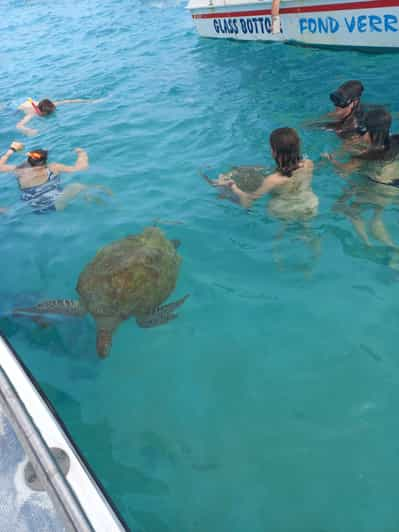
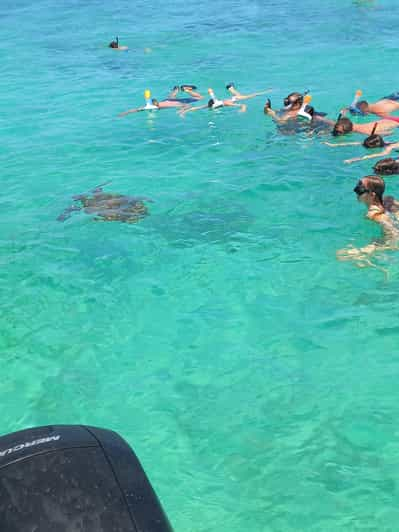
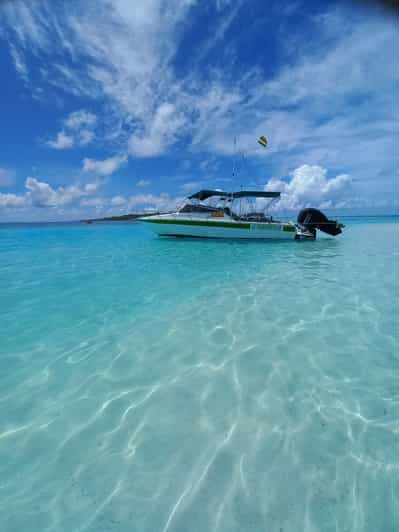
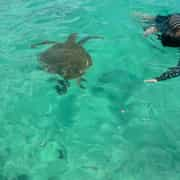

Blue Bay holds the island's densest protected coral, with brain corals up to 5.5 metres across.
Read the guideGreen turtles graze on seagrass at the north reef, and the lagoon stays calm on 80 to 98% of days.
Read the guide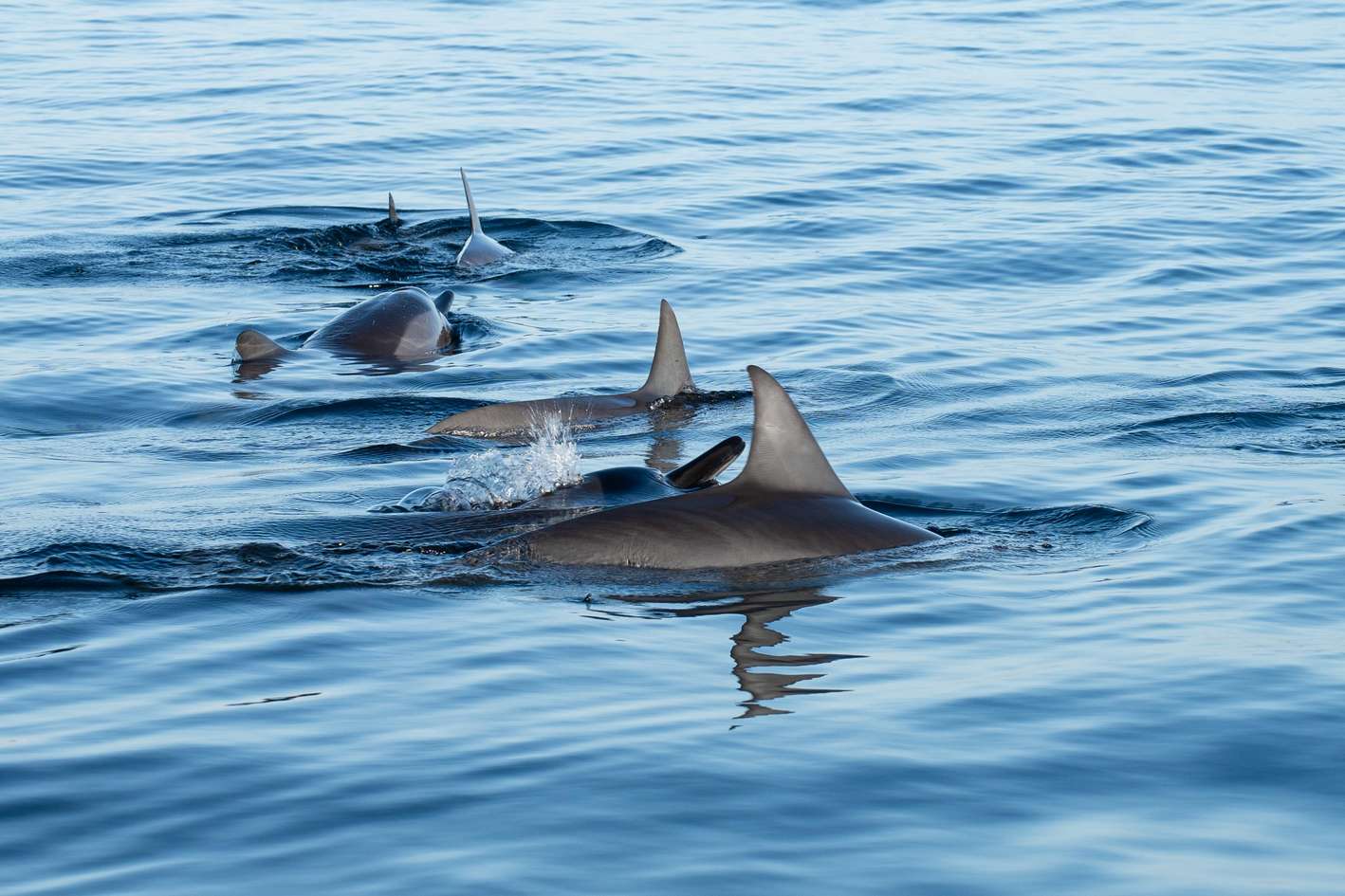
Coral lives opposite the Shivala temple and in front of the Villa Caroline, with turtles fifty metres out.
Read the guide
The lagoon runs calm and shallow under Le Morne Brabant, and Crystal Rock snorkels best before 11 am.
Read the guide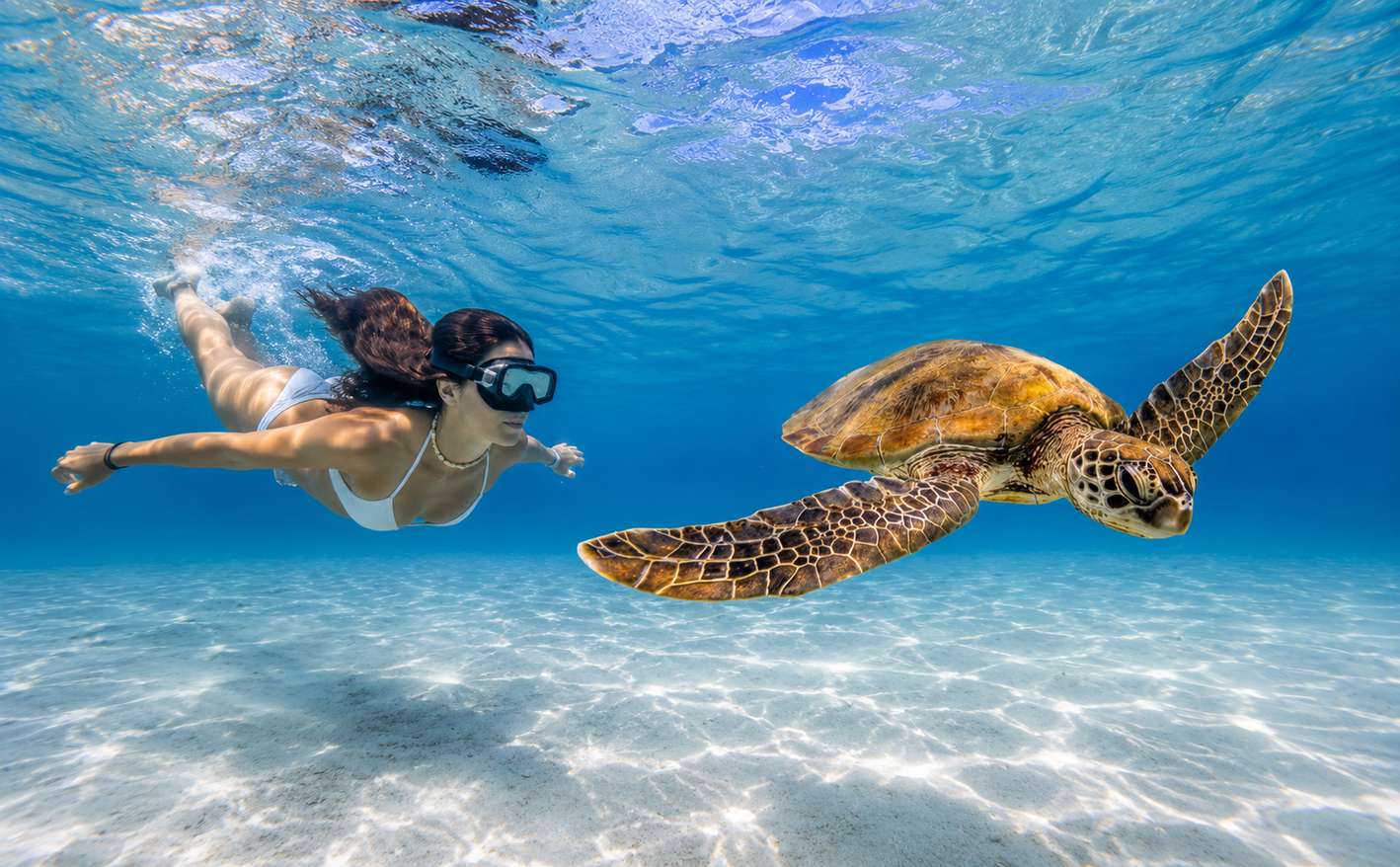
Green and hawksbill turtles feed 50 to 100 metres from the sand, and a boat reaches the outer reef.
Read the guide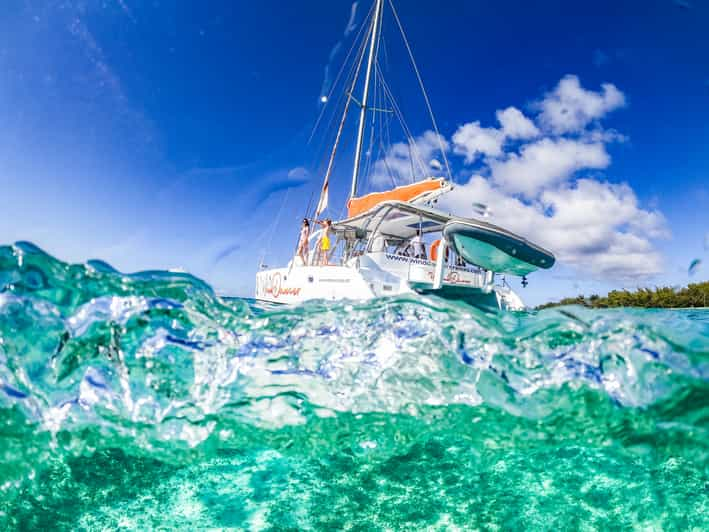
The inner bay holds thin coral, but a morning boat reaches Coin de Mire and three island reserves.
Read the guide
Spinner and bottlenose dolphins rest in the bay between 6 and 7:30 am, and boats leave at first light.
Read the guide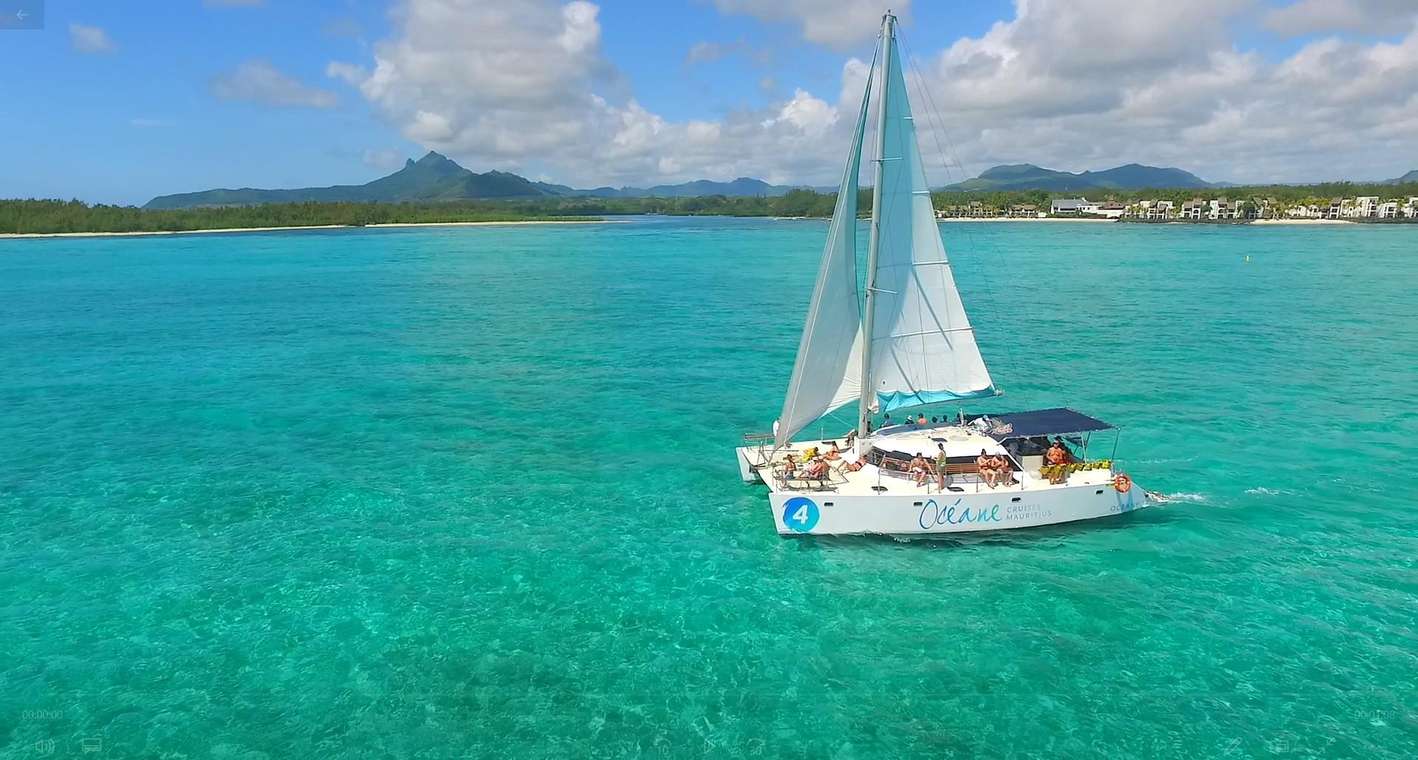
The shore swim is easy over sand, and the healthy coral sits 400 to 600 metres out, reached by boat.
Read the guideThe lagoon is barely 250 metres wide, and the Ile aux Cerfs boats pick up at your lobby.
Read the guideOne of the few corners of Mauritius with living coral, and the bay faces north so it stays flat.
Read the guide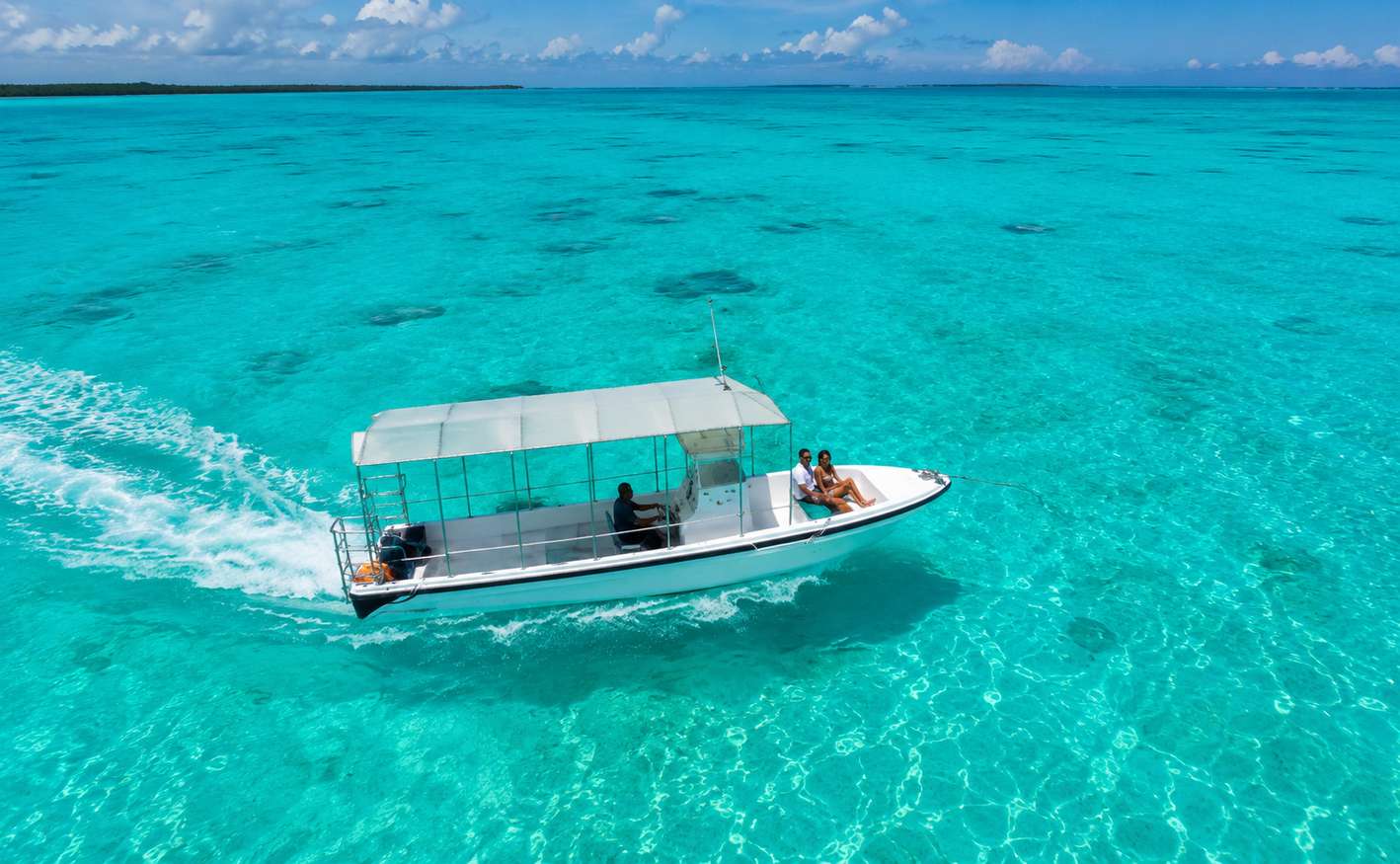
Green turtles still cruise the shallow cove, and the densest reef sits right of the wooden jetty.
Read the guide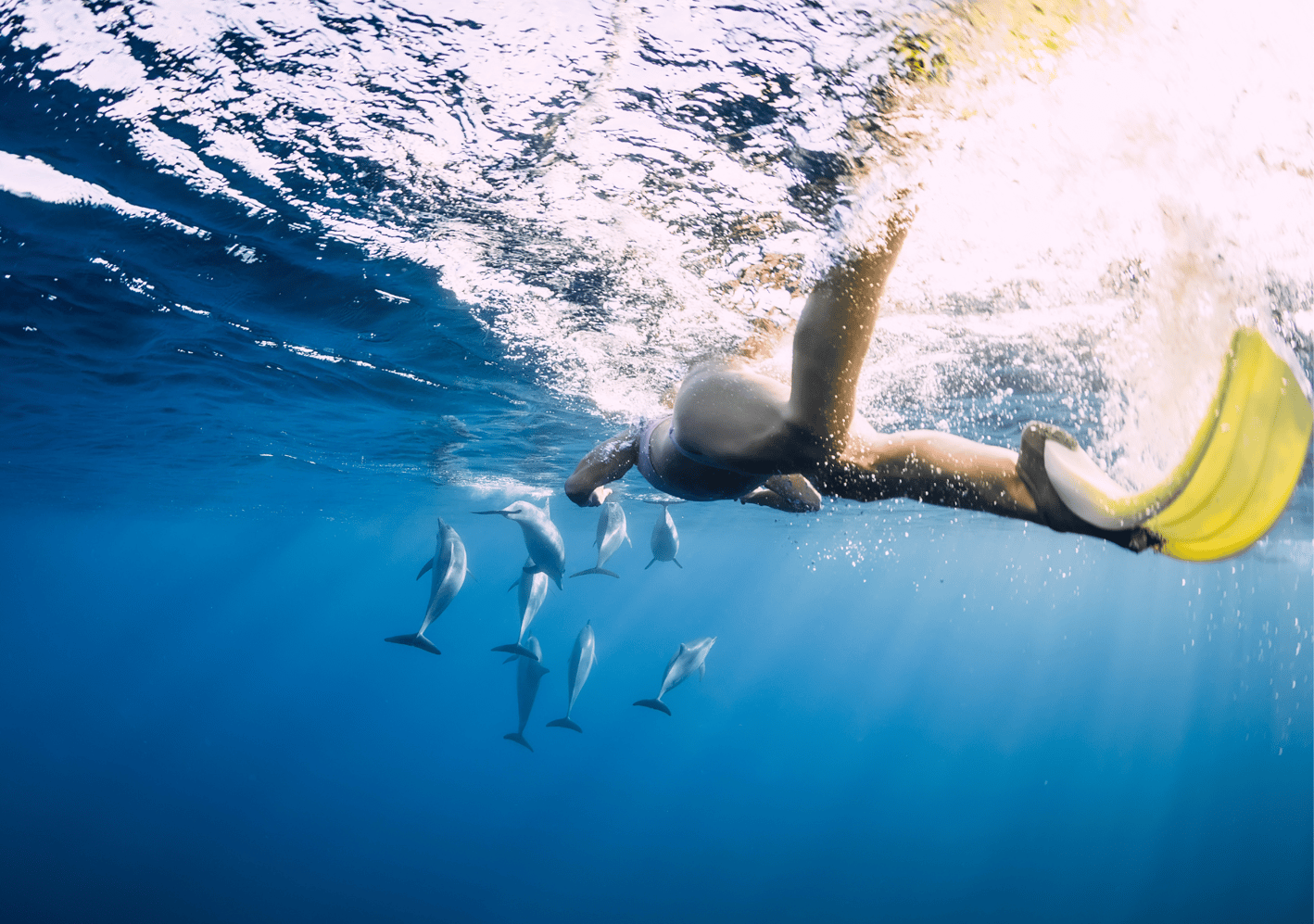
Snorkel the sand around the rocks on calm days, and let a boat carry you to the barrier reef.
Read the guide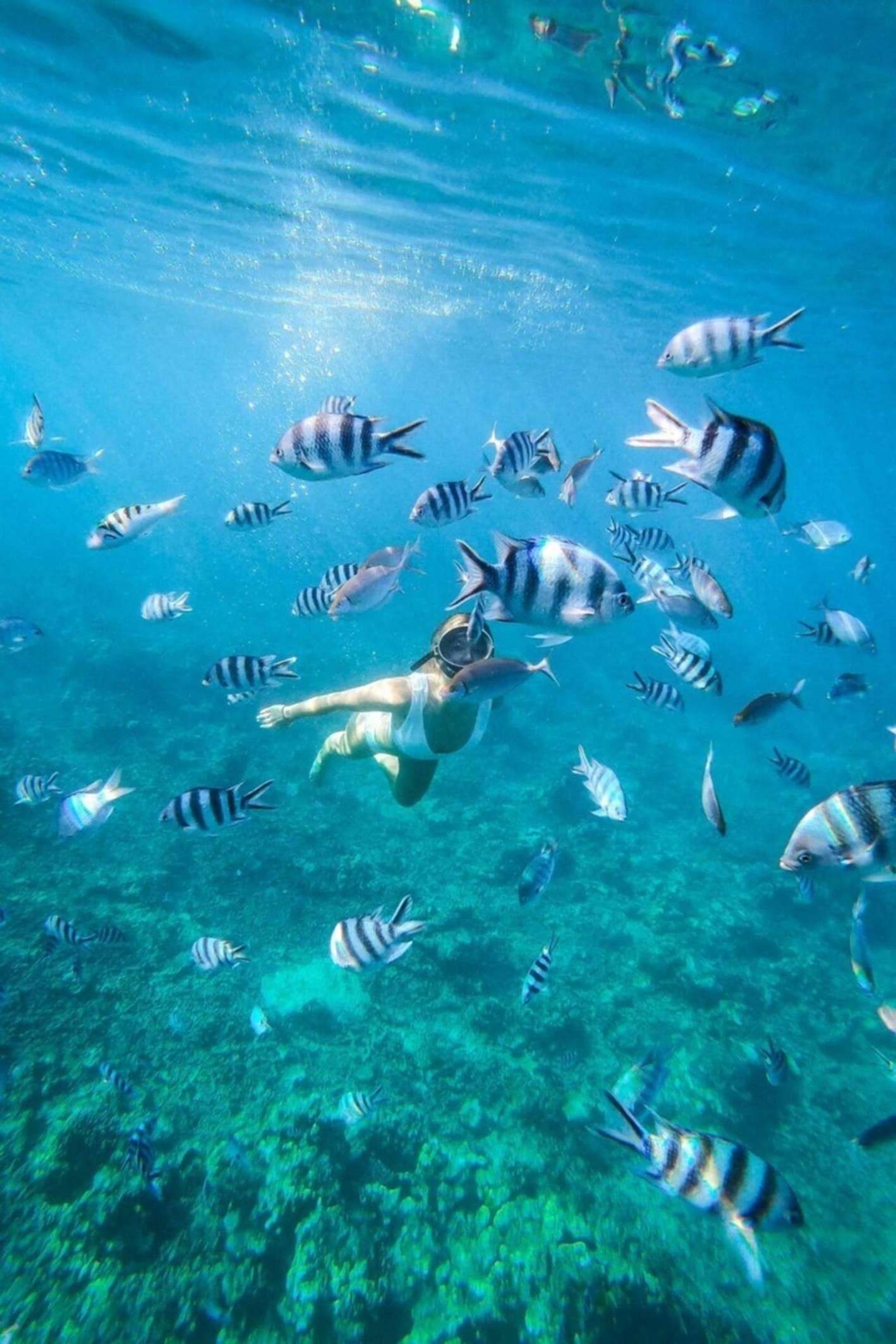
The underwater waterfall shows only from a helicopter or seaplane; the reefs beside it are the real prize.
Read the guide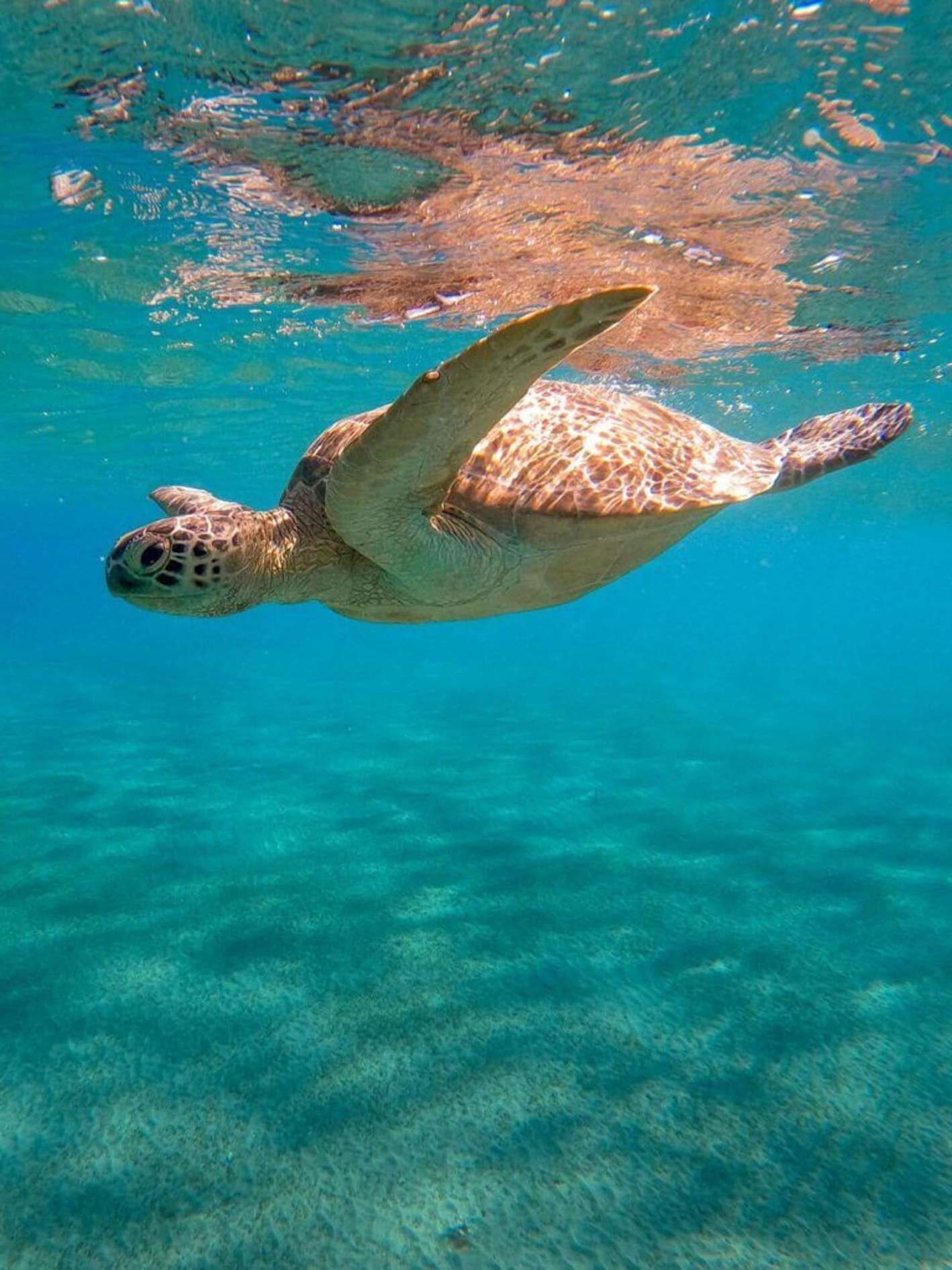
Pereybere, Trou aux Biches and Blue Bay give the best odds, and watching a turtle graze is legal while touching one is not.
Read the guide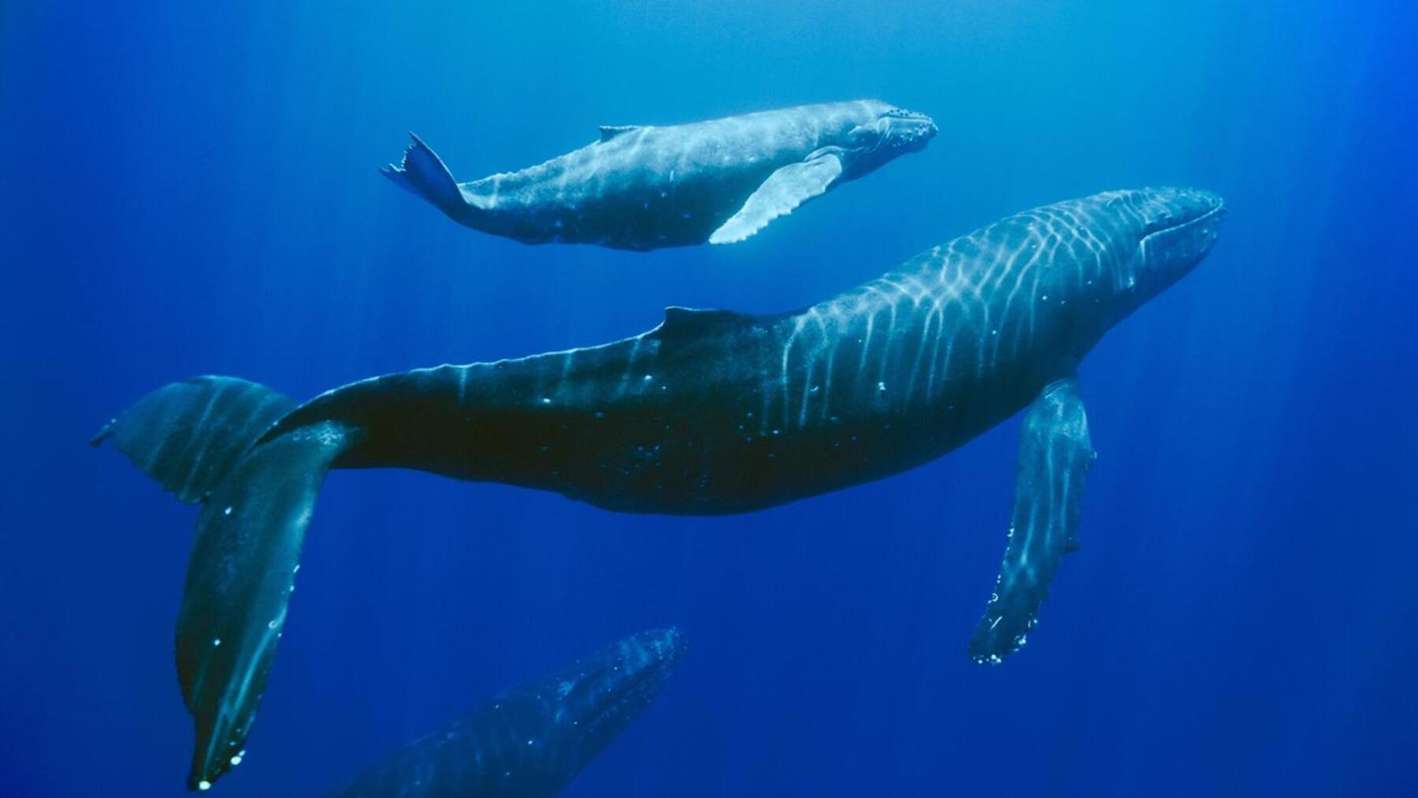
Deep water sits close to the west coast, so sperm whales run all year and humpbacks pass from June to October.
Read the guide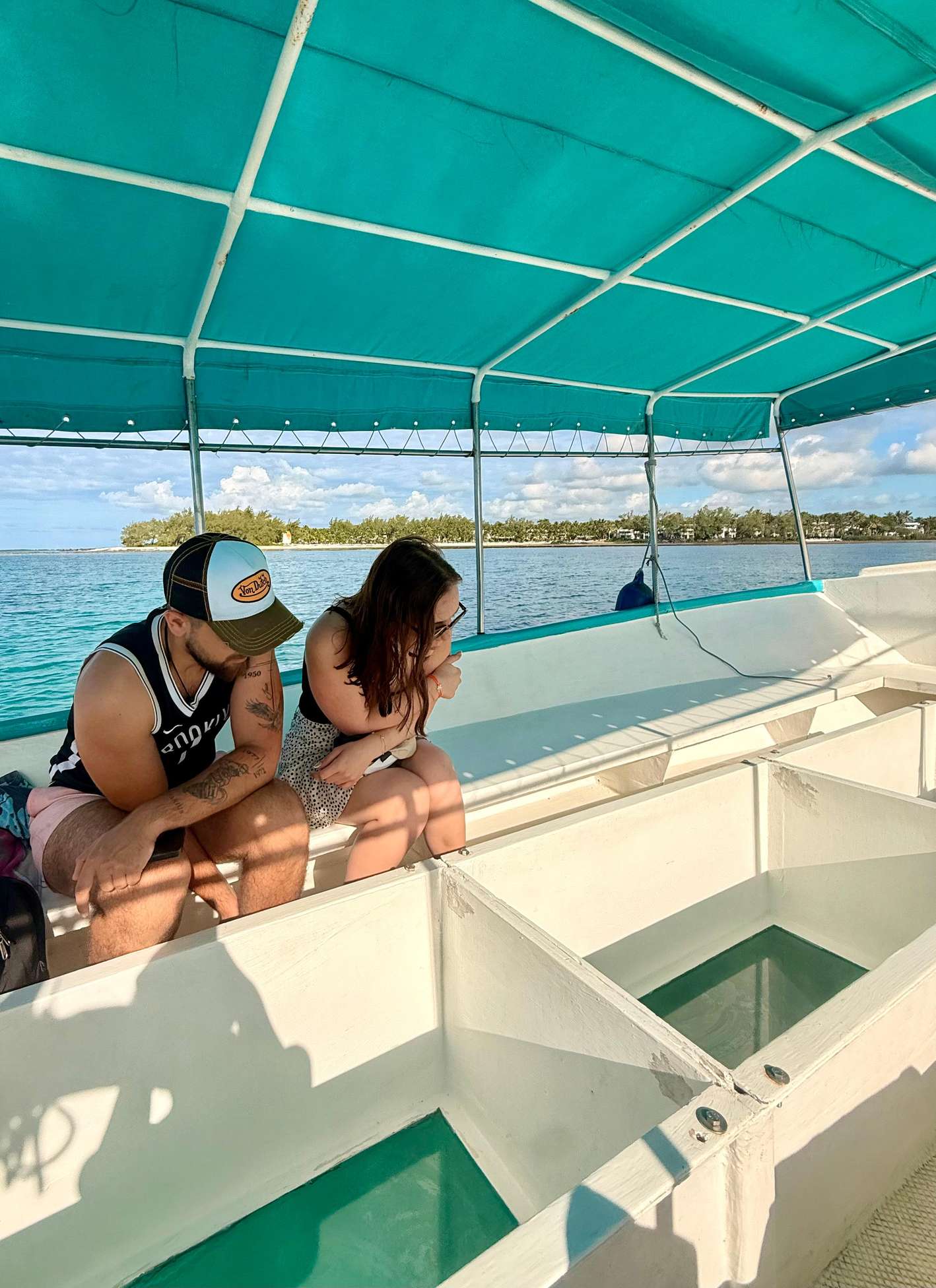
October to December gives warm seas and clarity to 30 metres; February and March carry the cyclone risk.
Read the guide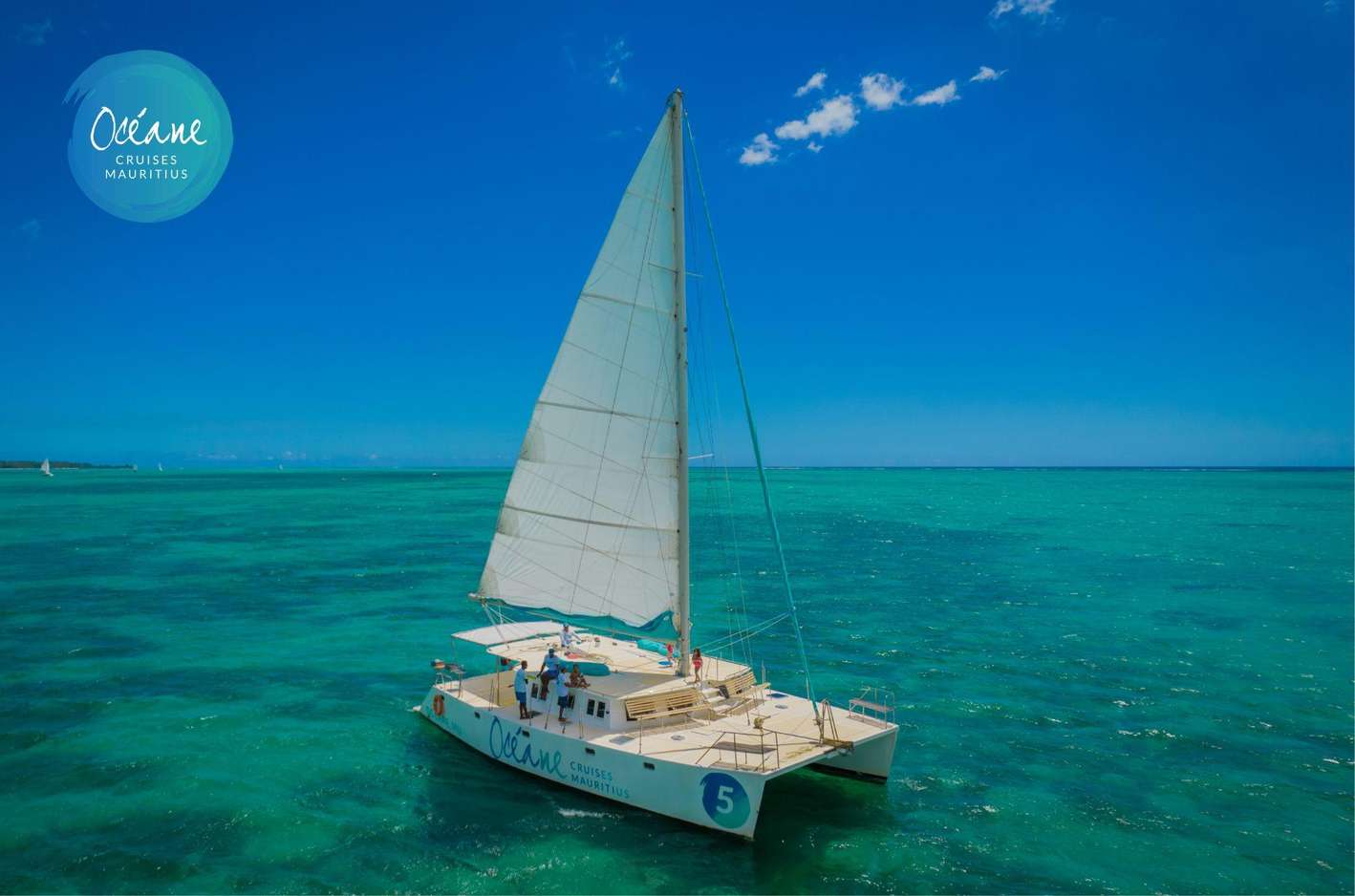
The wide east lagoon keeps the water flat even in August, and boarding is 9 am at Trou d'Eau Douce.
Read the guide
A speedboat crosses in 10 to 15 minutes against a catamaran's 45 to 60, reaching the beach before the crowds land.
Read the guide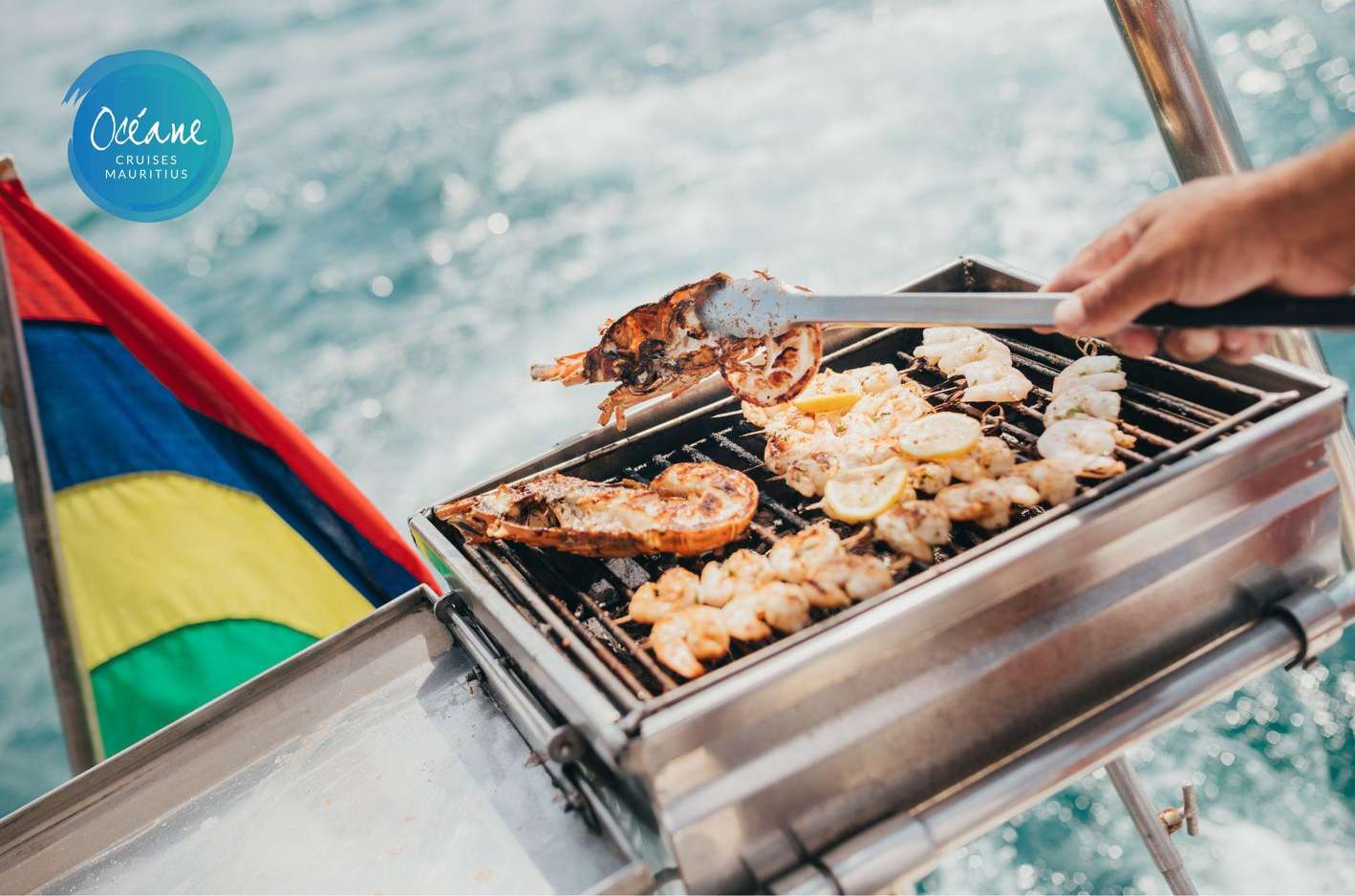
Leave between 8:30 and 8:45 am with a private skipper and you reach the beach before the crowds arrive.
Read the guideEach coast snorkels differently, and the one you pick shapes every morning of the trip.
The densest, best-protected coral garden on the island, reached by glass-bottom boat.
Blue Bay Marine Park is the coral reason to come to Mauritius. It holds about 40% live coral cover after recovering from the 2009 bleaching, brain corals 5.5 metres across, and a shallow tidal inlet full of fish.
Some of it you can reach straight off the public beach; the best gardens sit a short boat ride out.
Book the earliest slot, 7 to 9 am, for the calmest, clearest water. A one-hour trip buys a single snorkel stop, so take two hours or the half-day with lunch if the reef is the point. Swim inside the yellow buoys and leave the coral alone: touching it carries fines.
3 hours · ★ 5.0 (4)Blue Bay: Lagoon, Snorkeling, and Creole LunchFrom $87 2 hours · ★ 4.6 (17)Blue Bay Marine Park: Guided Snorkeling with Video Souvenirs and SnackFrom $58  4 hours · ★ 4.5 (306)Blue Bay: Half-Day Snorkeling Trip with Creole Picnic LunchFrom $67 1 hour · ★ 4.4 (155)Blue Bay Marine Park - 1-hour Snorkeling ExcursionFrom $28
A flat, shallow lagoon with green turtles grazing a short swim from the sand.
Trou aux Biches gives you the easiest turtle snorkeling on the island. Green turtles feed on seagrass behind coral bommies at the north end toward Mont Choisy, and calm morning water puts you with them before the boats arrive. The inner shallows by the main beach are mostly sand, so aim north.
The lagoon sits flat on eight days in ten or better, sheltered by the barrier reef 200 to 300 metres out. Swim it early, stay inside the buoys, and leave the reef pass to a boat: the currents there pull even strong swimmers.
One of the calmest lagoons in Mauritius, swimmable at most tides.
Flic en Flac holds one of the calmest, safest lagoons in Mauritius, and low tide still leaves room to swim.
The central public beach gives you sand and little else, so walk to the coral: opposite the Shivala Hindu temple and in front of the Villa Caroline the coral heads are far better, no boat needed.
Green and hawksbill turtles graze about fifty metres from the shore. Get in before 9 am for clear water, and book a sunrise boat from the beach itself for dolphins and the reefs beyond the lagoon, no pre-dawn taxi required.
8 hours · ★ 5.0 (2)Private Dolphins, Sea Turtles & Île aux Bénitiers TourFrom $850 /group 7 hours · ★ 5.0 (1)Mauritius: Private Whale Watching & Bénitiers BBQFrom $1,025 /group 2 hours · ★ 4.7 (28)Flic en Flac: Private Sunrise Dolphin Watching Boat TourFrom $309 /group 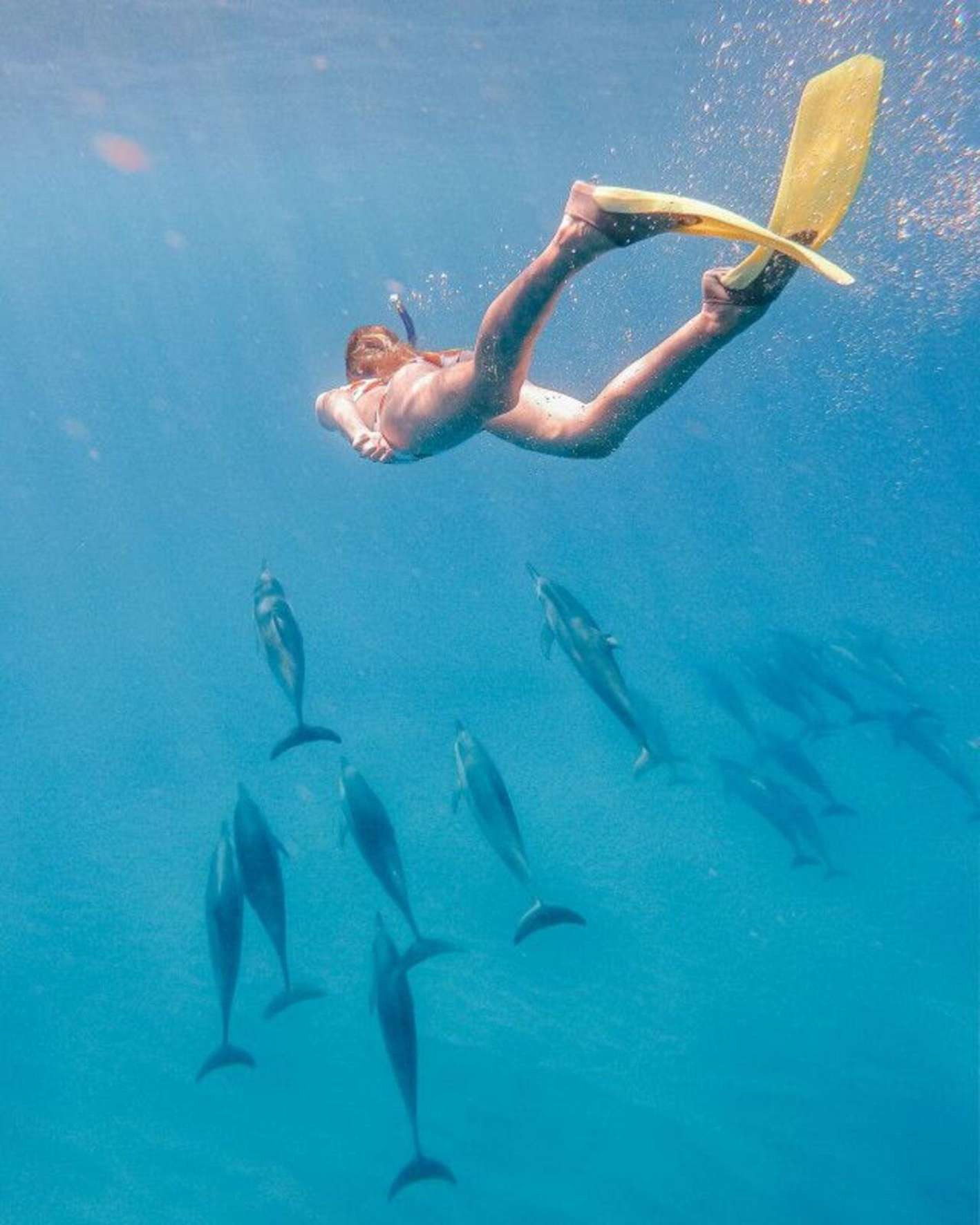 2 hoursMauritius: Private Dolphin Watching and Snorkeling TourFrom $441 /group
A sheltered lagoon under the mountain, with Crystal Rock a short boat ride away.
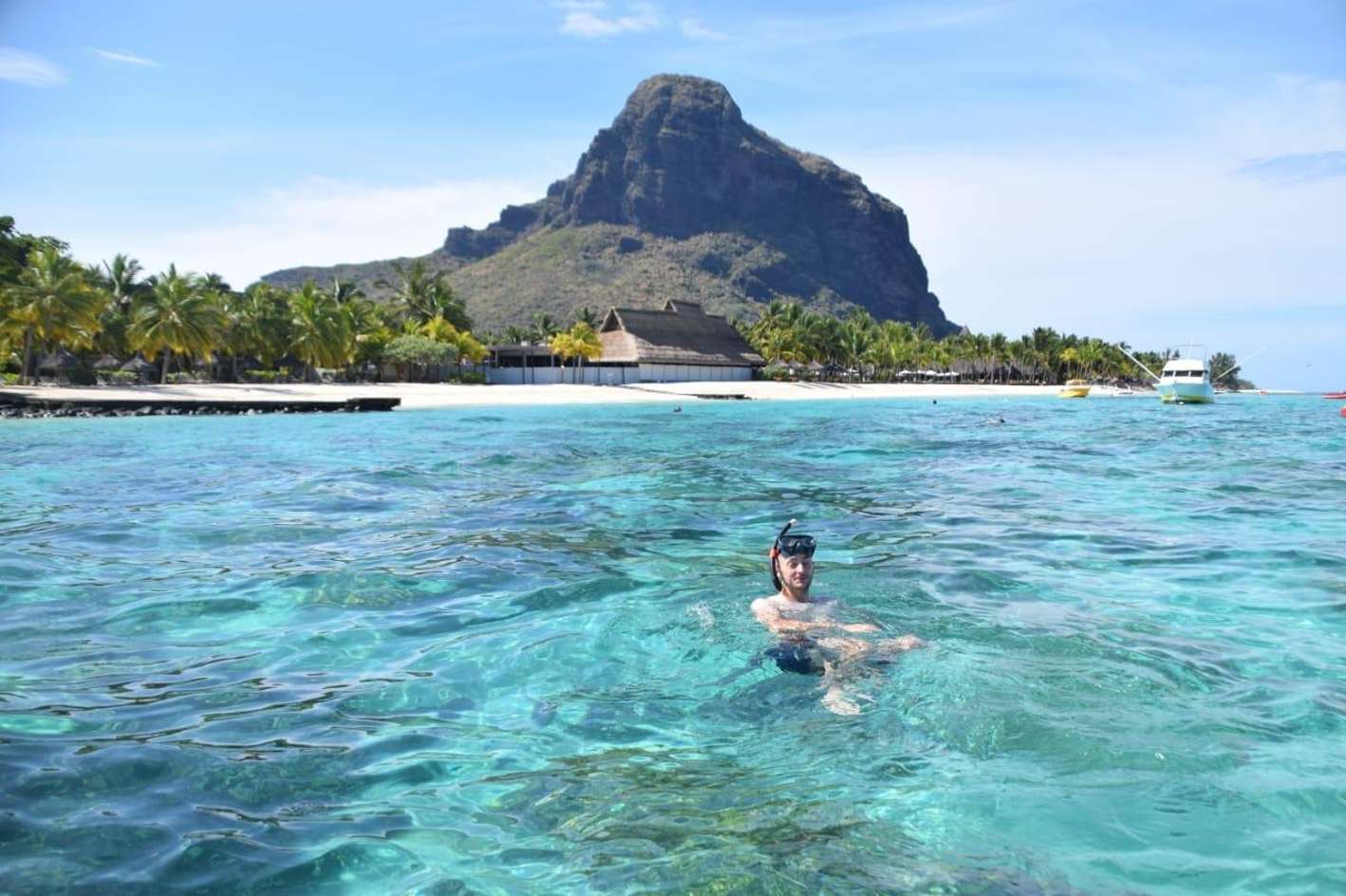
Le Morne puts a calm, shallow lagoon under one of the most photographed mountains in the Indian Ocean. La Prairie beach has waist-deep water over sand with the peak in the background, and a long walk north along the main beach reaches living coral heads.
The currents near the One Eye reef pass outrun any swimmer, so the outer patches and Crystal Rock are boat days. At Crystal Rock itself the snorkeling sits on a field of coral blocks nearby, in water up to four metres deep. Winter mornings bring the clearest water on the island.
7 hours · ★ 5.0 (5)Private Île aux Bénitiers Boat: Dolphin Snorkeling & LobsterFrom $738 /group 7 hours · ★ 5.0 (1)Mauritius: Private Whale Watching & Bénitiers BBQFrom $1,025 /group  2 hours · ★ 4.9 (151)Mauritius Le Morne: Wild Dolphin Watching & SwimmingFrom $331 /group
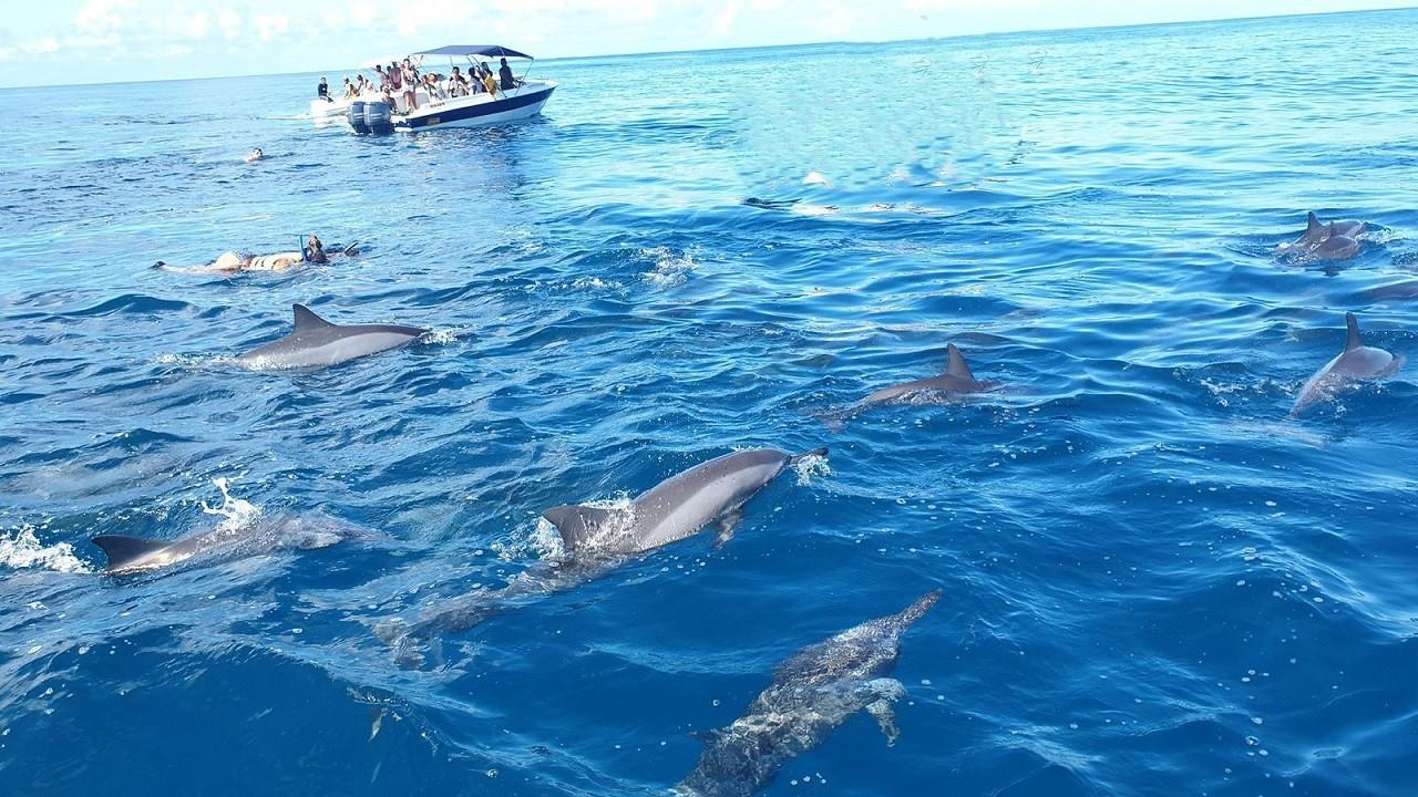 6.5 hours · ★ 4.3 (318)Black River: Swim with Dolphins Speed Boat Tour with lunchFrom $69
The best turtle odds on the island, minutes from Grand Baie.
Pereybere earns its turtle reputation honestly: green and hawksbill turtles visit the inner reef as close as fifty metres from the beach, and a confident swimmer can fin to the main feeding grounds about 300 to 350 metres out. Coral lives on the rocky edges of the cove, while the sandy centre holds little.
Come before ten, on a weekday if you can, and stay inside the yellow buoys, because boats use the channels outside them. A 1.5-hour turtle boat departs straight from the beach for anyone who would rather let a skipper do the finning.
A launch pad for the northern isles, where the offshore coral is genuinely good.
Grand Baie itself is a launch pad. The inner bay holds moored catamarans and live coral under 1%, so book the water instead: a full-day catamaran to the northern isles leaves straight from the public beach and stops at Coin de Mire, where the coral is healthy and the visibility can reach 20 metres.
Take a morning departure between 8 and 10 am for the glassiest crossing, and bring your own mask and reef shoes because the shared gear fogs and the island flats hide urchins. Turtle swims at Pereybere and Trou aux Biches sit twenty minutes away by road.
Dark sand and surf on the beach, wild dolphins minutes offshore at dawn.
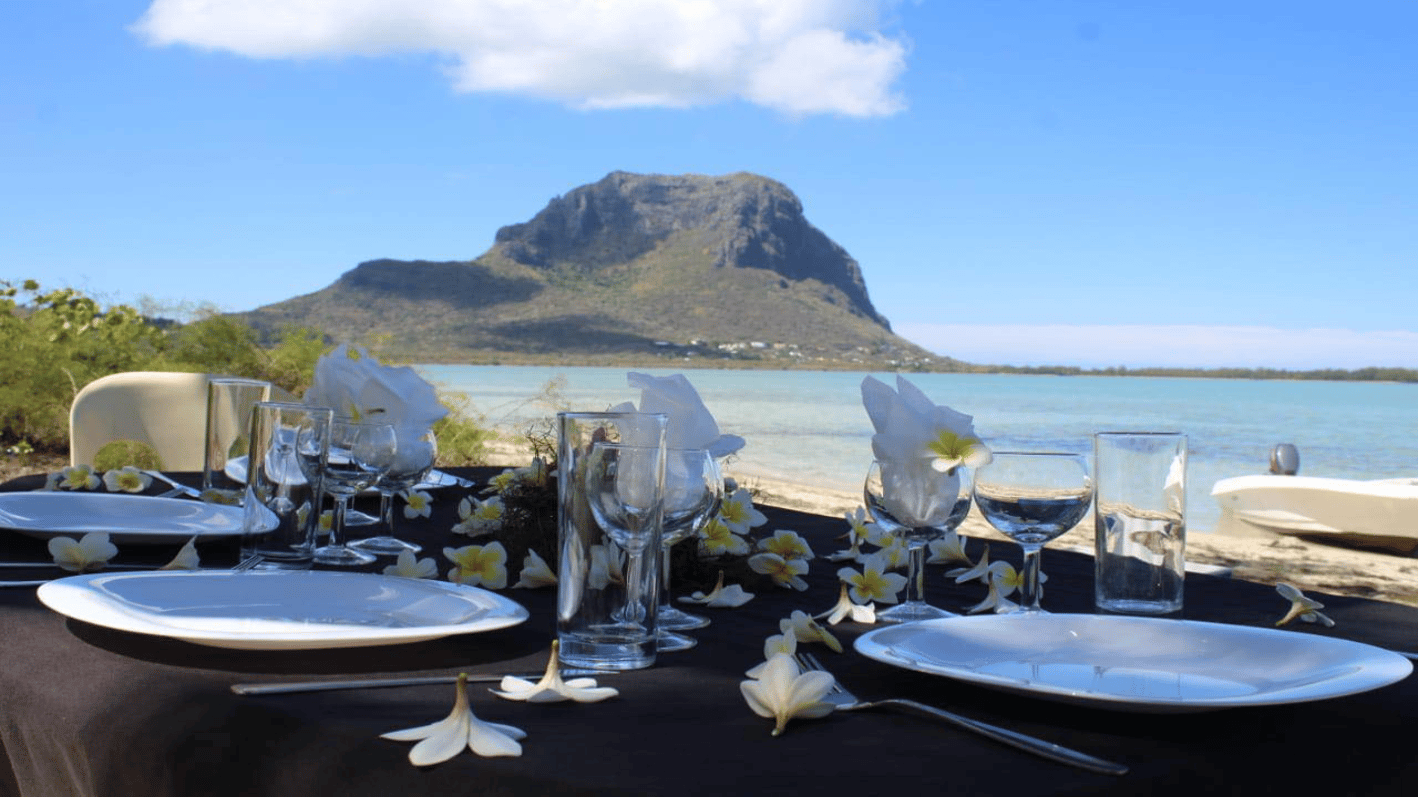
Tamarin's beach is dark volcanic sand and surf, and the bay itself has no reef to speak of. The water worth booking sits offshore: pods of spinner and bottlenose dolphins rest here in the early morning, and boats leave from Tamarin Public Beach at first light to swim alongside them.
Swimming with dolphins takes real fitness, 200 to 500 metres of open-water swimming with fins. Stay on deck and the morning still works. Book the earliest departure you can, before the boat traffic builds from 8 am, and expect a bumpy crossing outside the reef.
7 hours · ★ 5.0 (5)Private Île aux Bénitiers Boat: Dolphin Snorkeling & LobsterFrom $738 /group 6 hours · ★ 4.7 (363)Mauritius: Catamaran Cruise - Dolphin Watching, BBQ & DrinksFrom $87 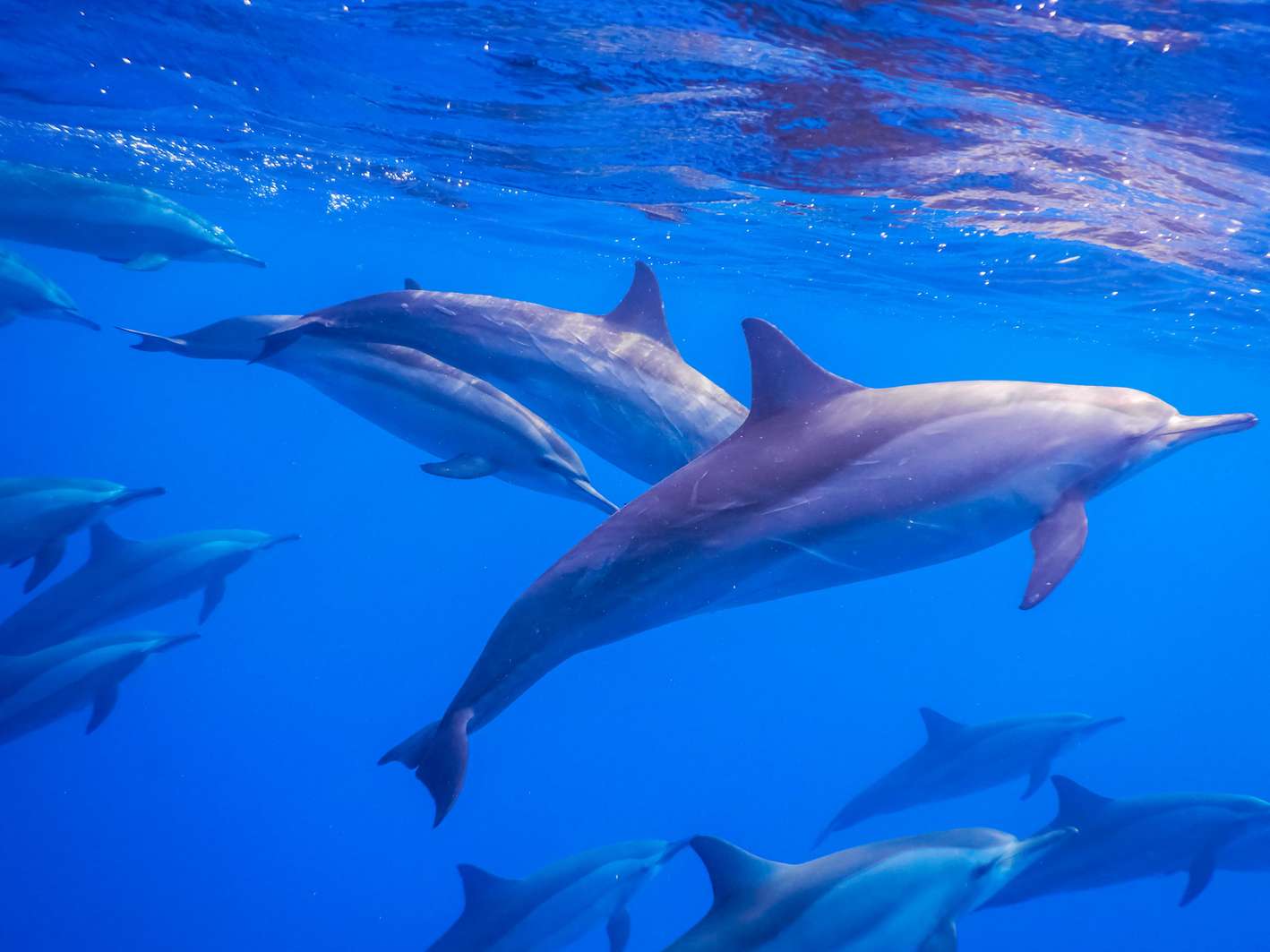 2 - 6 hours · ★ 4.7 (237)Dolphin Watching with Hotel Pickup (Mauritius)From $61 /group
 4 hours · ★ 4.4 (35)Dolphins & Whales: Private Snorkeling TourFrom $528 /group
A long sandy swim off the beach, with the real coral on the outer reef by boat.
Belle Mare's lagoon looks like an easy snorkel from the sand, and the first fifty metres are: scattered rock, butterflyfish, damselfish and the odd octopus near the black rocks by the temple.
The reef that gives this coast its reputation sits on the outer barrier, half a kilometre out, past boat lanes and a pass that pulls.
Go early, sunrise to 10 am, for glassy water. June to August brings trade winds and almost no calm days, while November and December are the calmest months. Boats for the outer reef and Ile aux Cerfs leave from Trou d'Eau Douce to the south, with pickup from a list of Belle Mare resorts.
Calm water at your hotel's edge and a top boat jetty a few minutes south.
Palmar works both ways. Walk in from your resort sand in the morning and you will see Moorish idols, butterflyfish and honeycomb groupers over sand and scattered coral, with the richest snorkeling at the quieter southern end. The lagoon is narrow, about 250 metres to the reef, and stays calm behind it.
The trade-off is wind: June to September makes this coast choppy and murky, with almost no calm-sea days, so October, November and April are the months to plan. For the big day out, the Ile aux Cerfs boats leave from Trou d'Eau Douce three to twelve minutes south and collect you at your own lobby.
Genuinely healthy protected coral, with calm water all year.
Balaclava Marine Park is one of the few places in Mauritius where the coral is genuinely healthy, and visibility in the inner lagoon runs 8 to 15 metres. The bay faces north, so it stays calm through the winter trade winds, and a fringing reef keeps the shallows easy for beginners and older children.
The catch is underfoot and under water: the entry runs over broken coral and volcanic rock, so reef shoes matter, and the resort sand in front of your hotel is not where the park's reef lives. Green turtles graze here occasionally, a bonus rather than a promise, and touching one is a criminal offence.
Calm walk-in snorkeling named for its turtles, with sightings as a bonus.
Turtle Bay lives up to half its name.
Green turtles do enter the shallow water of the cove, sometimes daily at Kuilima Cove, but a sighting from the shore is never guaranteed, and the law is strict: chasing, touching or feeding a turtle is a criminal offence with fines that reach into the millions of rupees.
The snorkeling itself is easy. Coral starts steps from the beach, the densest part of the reef sits to the right of the wooden jetty on the southern beach, and the lagoon stays calm and shallow.
Go early, wear reef shoes over the volcanic rock, and treat any turtle that crosses your mask as a bonus.
A quiet southern base with calm sand at high tide and reefs reached by boat.
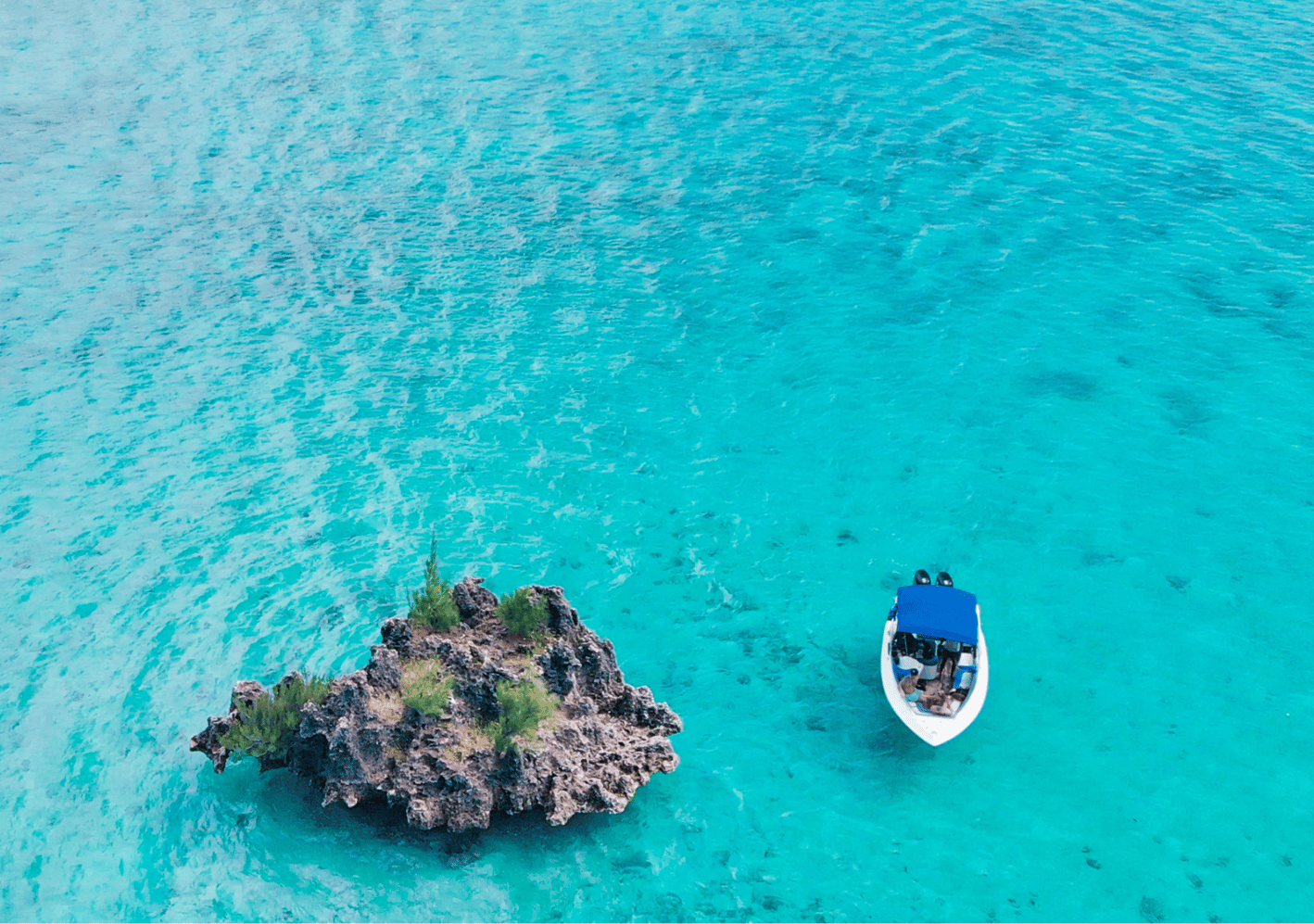
Bel Ombre gives you two kinds of day. At mid to high tide the lagoon is calm and clear, and you can snorkel straight off the beach around the rocks and coral in the sand, with parrotfish, sergeant majors and fusiliers over seagrass.
At low tide the water turns shallow and murky, and the coral heads sit close to the surface.
The passes carry strong currents, so the outer barrier reef is a boat day, never a swim from the sand. Marine excursions launch from Tamarin Bay and Black River to the north, and pickups collect Bel Ombre guests at the lobby between 5:45 and 6 am for 7:30 am boats.
The famous falls are an aerial illusion of moving sand, invisible from the water.
The underwater waterfall in the photos is sand, not water, and no swimmer ever sees it. The illusion depends on an aerial view, so it takes a helicopter or seaplane, and from a mask the visibility runs a few metres at most.
The currents at the reef opening are real: on an outgoing tide the whole lagoon drains seaward faster than you can paddle.
The same patch of coast holds the actual reasons to come. The sheltered lagoon under Le Morne snorkels calmly from shore, wild dolphins rest offshore at dawn, and certified divers get proper drop-offs and drift passes. Come for a morning flight, then spend the day on the water beside it.
Where the wild turtles really gather, and the law that shapes every encounter.
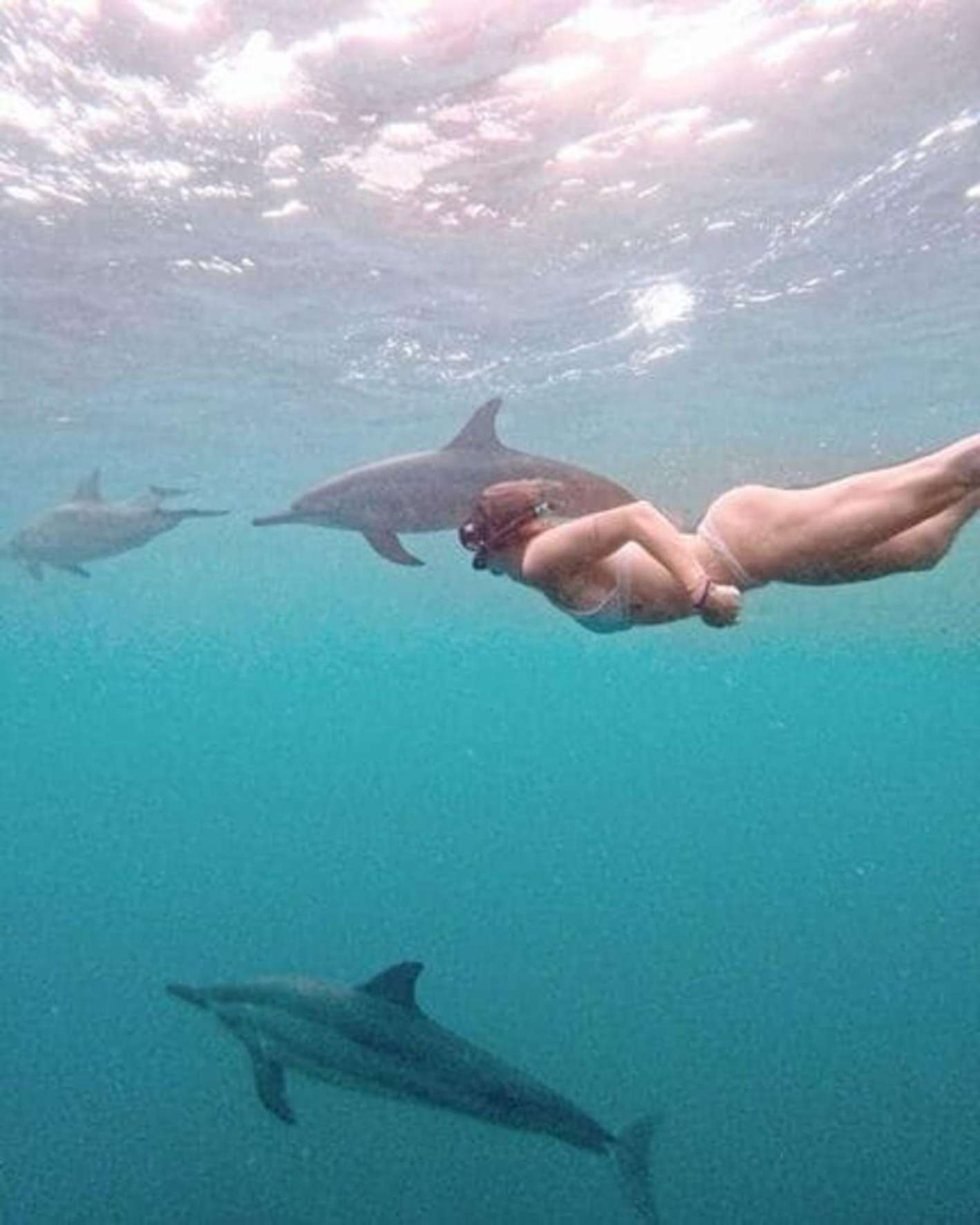
Wild green and hawksbill turtles graze the seagrass flats of Mauritius before 9 am, and three coasts give you the best odds: Pereybere, Trou aux Biches and Blue Bay.
What the law asks is simple and strict: enter the water nearby and watch them feed. Swimming with, touching or feeding a turtle is illegal under the Fisheries Act 2023, with fines that run into the millions of rupees.
The window that decides the day runs 7 to 10 am on an incoming tide, before wind and boat traffic stir the sand. October, November and April calm nearly every coast, and the sheltered northwest works in any winter month.
8 hours · ★ 5.0 (2)Private Dolphins, Sea Turtles & Île aux Bénitiers TourFrom $850 /group 2 hours · ★ 4.7 (39)Mauritius: Snorkeling with turtles Le Transporteur speedboatFrom $375 /group 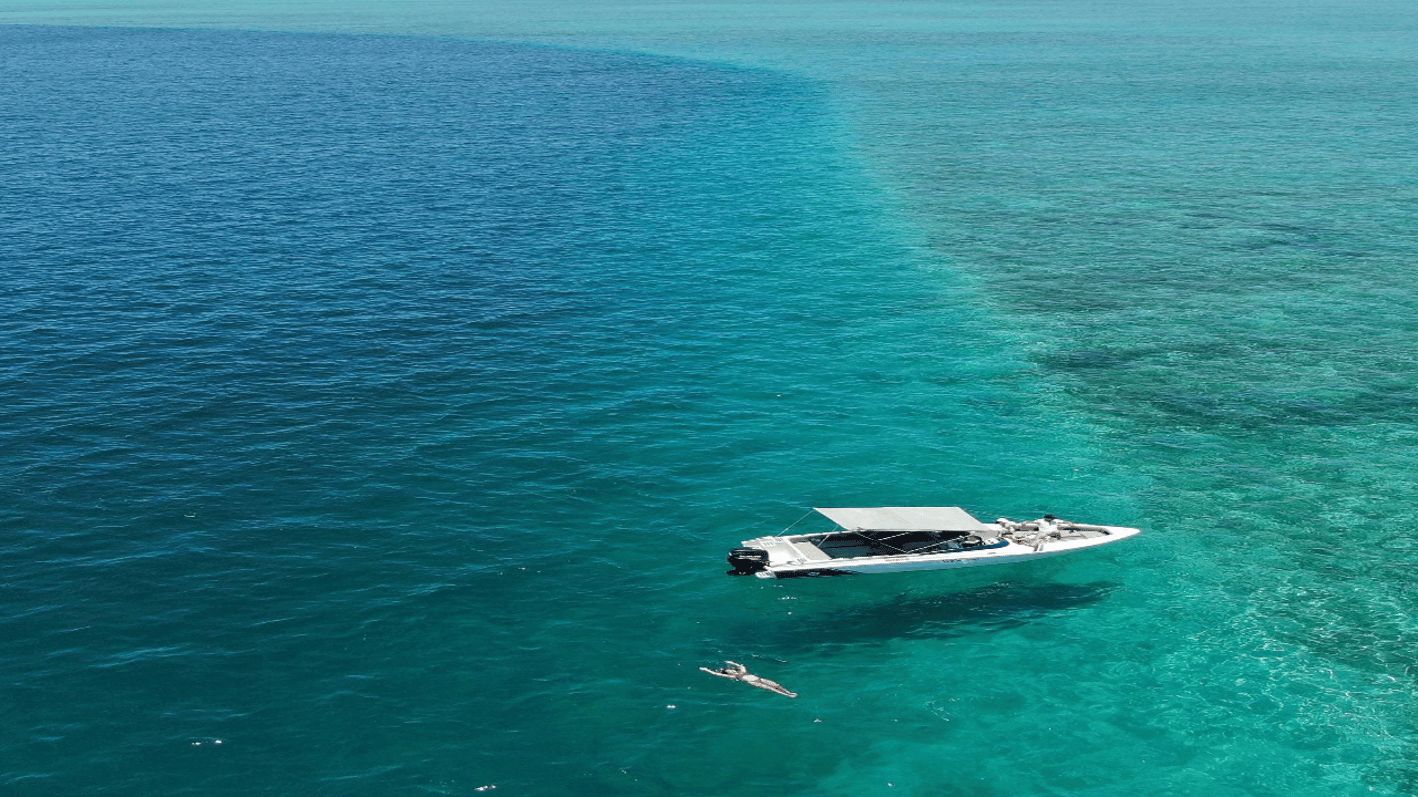 9 hours · ★ 4.3 (188)5 Islands Speedboat with Snorkeling, Sea Turtles, Lunch & DrinksFrom $95 1.5 hours · ★ 4.2 (314)Mauritius: Sea Turtle Adventure and Coral Reef DiscoveryFrom $44
Resident sperm whales feed offshore every month of the year, watched from the boat.
Mauritius is one of the few holiday islands with a resident sperm whale population, kept close by steep underwater drop-offs near the west coast. That means no season to chase: the whales feed offshore every month, while humpbacks migrate past between June and October.
Swimming with whales is against the law, so the encounter happens from the deck, and no swim fitness is needed.
Private charters leave the west-coast jetties between 6 and 7 am, so plan to stay nearby the night before if your hotel sits far north or east. Book between October and April for the calmest water.
Twelve months of water temperature, visibility and wind, coast by coast.
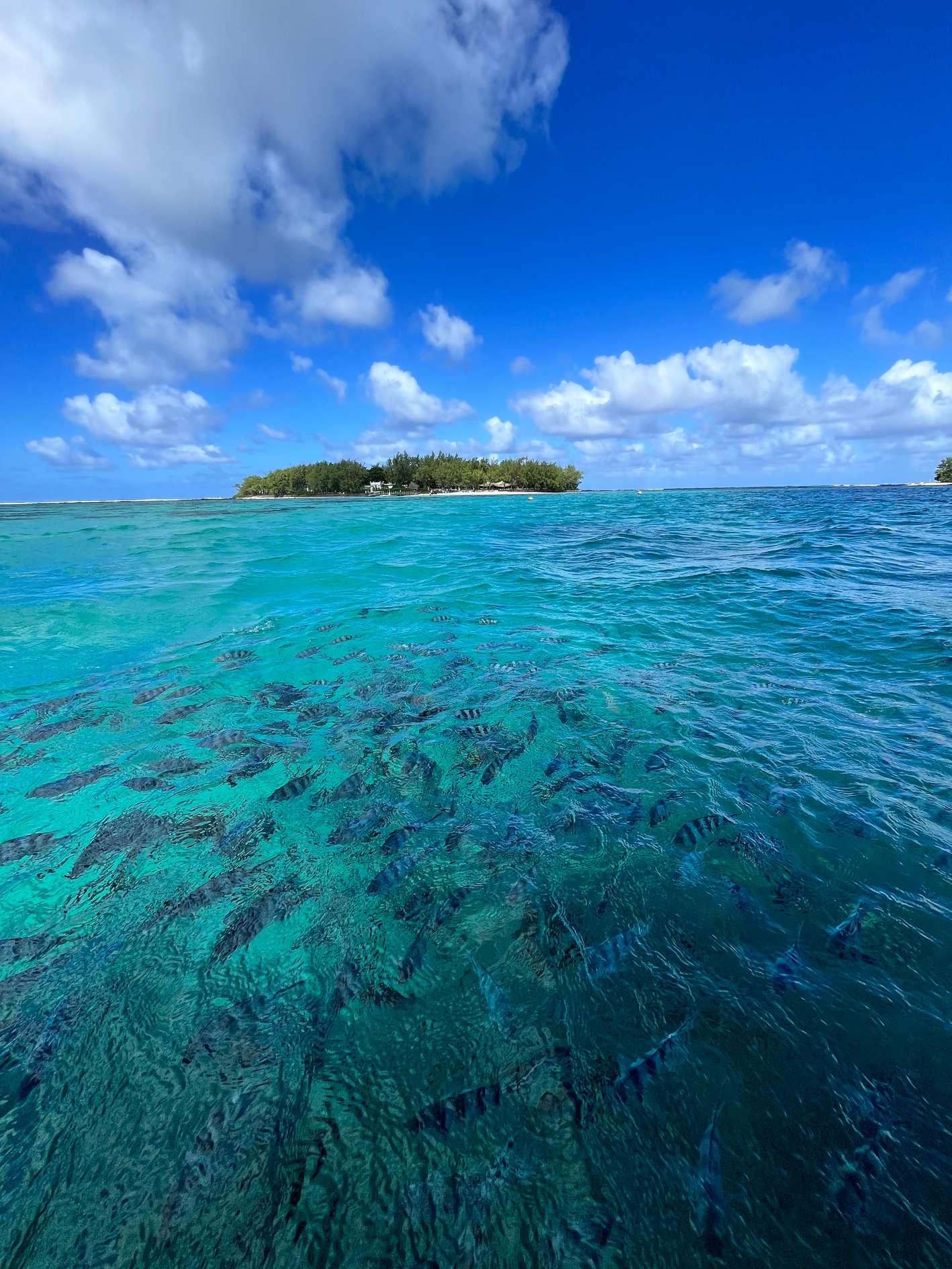
The water in Mauritius runs from 23°C in July and August to about 29°C in summer, and the clear weeks are not the warm ones. October to December is the prime window, with March and April close behind: calm mornings on most days and visibility reaching 20 to 30 metres.
Two things bend the plan. Cyclone season runs January to March and can suspend boats for a day or two, though direct hits land only every four or five years.
And the trade winds own the east coast from June to September while the sheltered west stays flat. Every reef boat leaves in the morning, in any month.
The classic full day: flat lagoon, a waterfall detour, barbecue lunch and reef stops.
For a first full day on Mauritius's water, the Ile aux Cerfs catamaran is the reliable pick.
The wide lagoon and offshore reef keep the water flat for nearly the whole trip, even when the trade winds blow in August, and the day bundles snorkeling stops, the Grand River South East waterfall and a barbecue lunch with drinks on board.
Board at 9 am for a 9:30 am departure from Trou d'Eau Douce and the boat is back around 4 pm.
Shared catamarans carry 30 or more and run lively; walk ten to twenty minutes from the main jetties on the island for quieter sand, because the main beaches pack between 11 am and 3 pm.
6 hours · ★ 5.0 (11)Île aux Cerfs: Private Catamaran Cruise with Gourmet LunchFrom $1,133 /group 7 hours · ★ 4.8 (869)Ile aux Cerfs Catamaran Cruise with BBQ Lunch & SnorkelingFrom $68 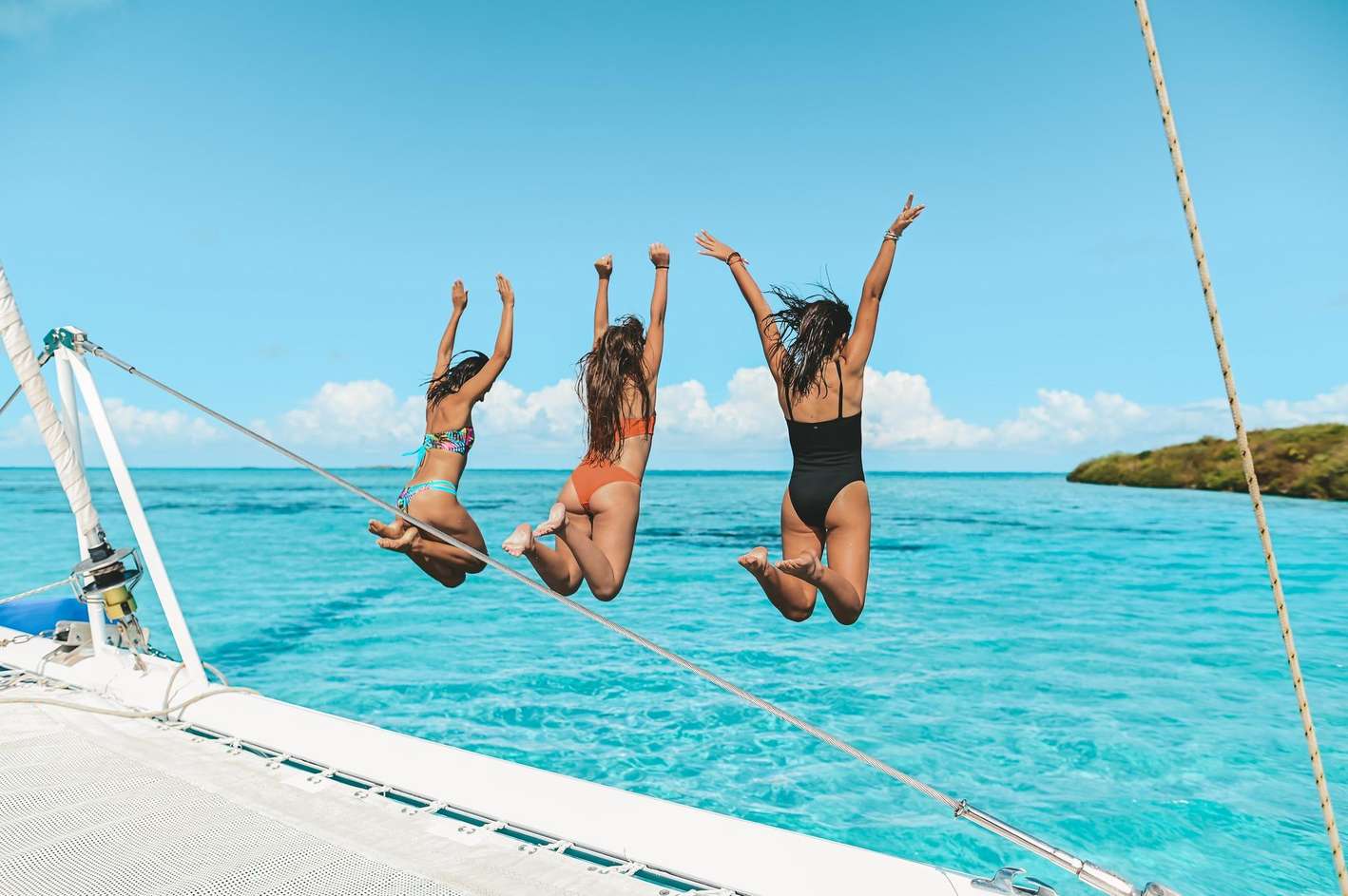 7 - 8 hours · ★ 4.7 (453)Mauritius: Ile aux Cerfs Catamaran, Waterfall & BBQ LunchFrom $62
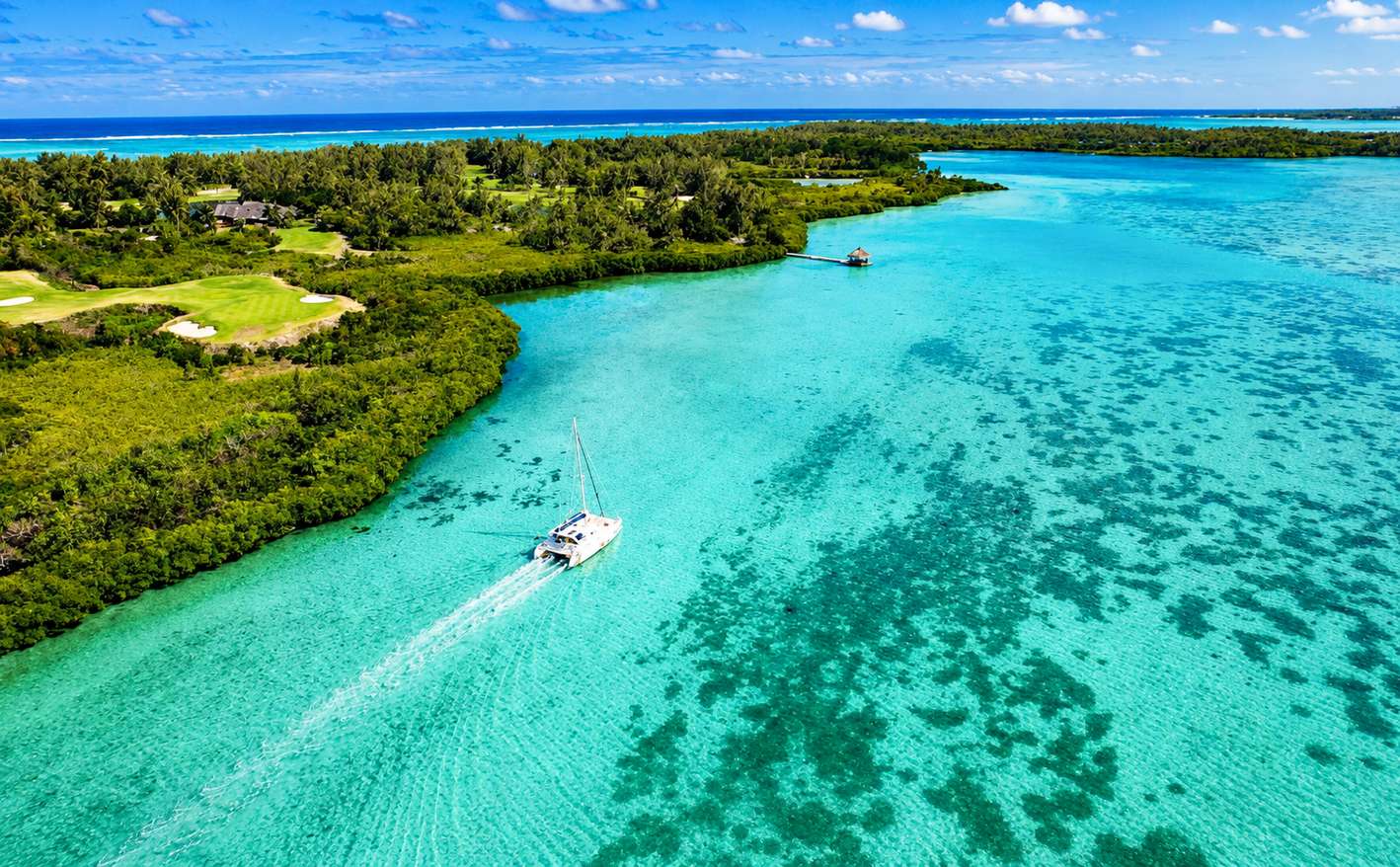 7 hours · ★ 4.6 (104)Mauritius: Ile aux Cerfs Catamaran Cruise, Waterfalls & BBQFrom $84
The fast crossing banks an extra hour of island and reef time.
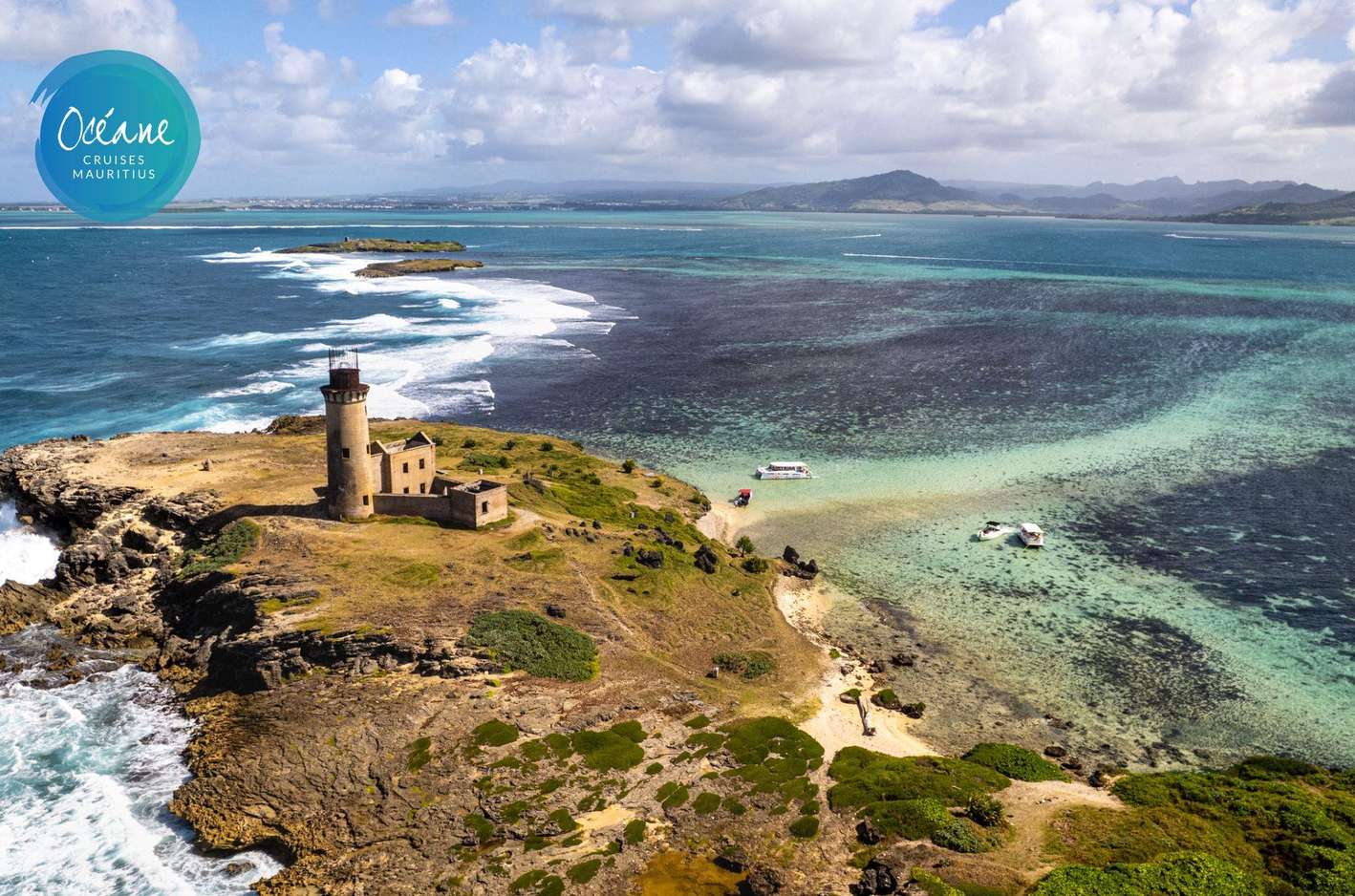
A speedboat crosses the Trou d'Eau Douce lagoon to Ile aux Cerfs in 10 to 15 minutes, a crossing a catamaran spends an hour sailing, and the fast boat banks that difference as extra time on sand and reef.
Leave between 8:30 and 8:45 am and you are on empty beach before the catamarans start landing.
The speedboat also goes where the big boats cannot: it runs the 500 metres upriver to the spray zone at the waterfall, and the five-island tours add a lighthouse island and reef stops along the way. The ride across open stretches can be bumpy in trade-wind season, and pregnant travelers should pick another day.
6 hours · ★ 5.0 (3)Private Island-Hopping Cruise: 5 Islands, Waterfall & LunchFrom $738 /group 6 - 7 hours · ★ 4.7 (1,451)Trou d'Eau Douce: 5-Island Adventure with BBQ & SnorkelingFrom $95 9 hours · ★ 4.3 (188)5 Islands Speedboat with Snorkeling, Sea Turtles, Lunch & DrinksFrom $95 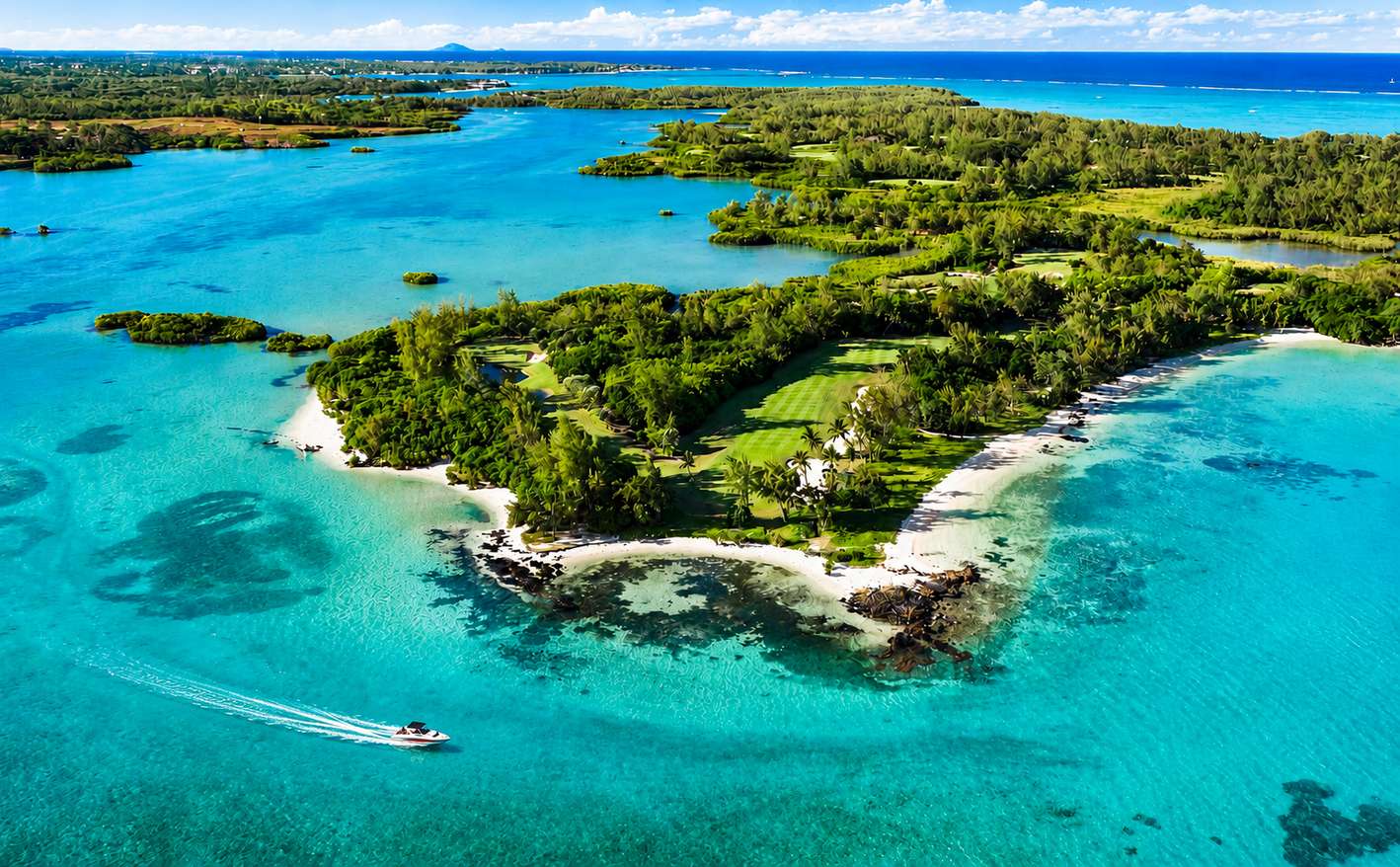 7 hours · ★ 4.3 (237)Mauritius: 5 Islands Speedboat Lagoon Experience with BBQFrom $74
Your own boat, your own timetable, and the island's sand before anyone lands.
A private charter turns the Ile aux Cerfs day into a quiet one. Your group gets the whole boat and a skipper who bends the route to your mood: the waterfall at spray level, a slow reef stop, a long lunch on a quiet stretch of sand.
Leave between 8:30 and 8:45 am and you have the beach before the ferries and shared catamarans start landing.
The boats carry masks, fins and life jackets, so bring your own towel, reef shoes and a dry bag. For a couple or a small group marking an occasion the price makes sense; travelers on a budget get the same public sand by ferry and a walk from the jetty.
winter wind clears the west coast water
Mauritius is ringed by coral, yet the four coasts behave like different islands: one holds a protected coral garden, one calms the wind. This guide walks you coast by coast until the choice is made.
The west and north coasts give you calm, easy water; the southeast's Blue Bay Marine Park holds the island's healthiest coral, and the east and south come with rougher seas.
Blue Bay holds about 40% live coral cover and brain corals 5.5 metres across, while live coral inshore at Grand Baie sits under 1%.
May to September trade winds strip the east coast of calm days almost entirely; the sheltered west keeps its clearest water in those same months.
The best reef almost never sits in front of resort sand: it takes a short boat ride, so plan at least one boat day wherever you stay.
Stay inside the yellow buoy lines and never swim a reef pass; currents there can pull even strong swimmers out to sea.
Plan east coast snorkeling or Ile aux Cerfs trips outside those months, or base yourself on the sheltered west and northwest coasts, where Flic en Flac, Trou aux Biches and Turtle Bay stay calm through the winter winds.
Honest answer first: the west and north coasts snorkel easiest, and the southeast holds the finest coral.
Blue Bay Marine Park is widely rated the single best snorkeling spot on the island, while the sheltered reserves at Balaclava and Pointe aux Piments, and the offshore reefs at Coin de Mire in the north, run close behind.
The east and south have their charm, but the sea is rougher and the coral near shore has taken hard hits.
So the choice is a trade-off: calm, forgiving water and easier swimming against the densest, best-protected coral. Where you stay decides which of those you get every morning.
One more thing worth saying plainly. Fish life here is good but it does not match the Red Sea. If you arrive expecting Maldives-scale reef density, you will recalibrate on day one, and the places that will still impress you are the protected parks.
One weather system decides half of this choice. From May to September, southeast trade winds hit Mauritius head-on, and the east coast around Trou d'Eau Douce gets almost no calm days at all, with peak waves over two metres.
Boats there shorten routes or move stops into sheltered inner channels. The same winds clear the sheltered west and northwest instead, which is why winter mornings on that side are some of the clearest of the year.
October, November and April are the calmest months everywhere, with calm seas on seven or eight days in ten.
June to August still works, just pick your coast: the northwest stays warmer and more sheltered, and Flic en Flac sits flat behind its reef. Winter is no write-off; it simply moves the best water to the other side of the island.
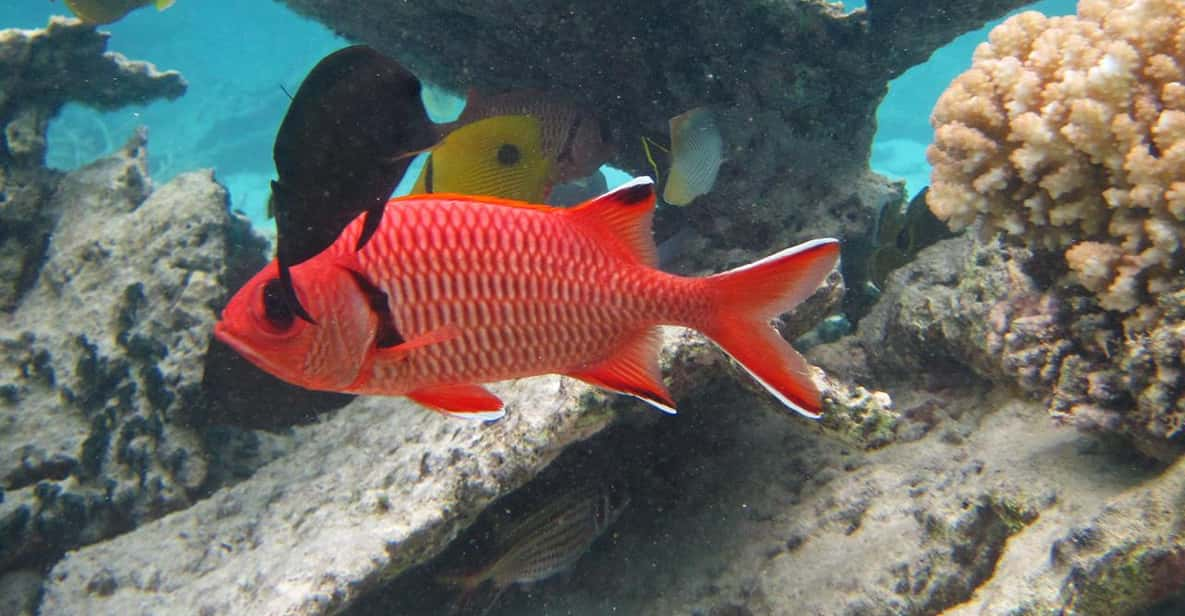
Coral health is where the coasts really separate. The north coast inshore reefs, Grand Baie included, measure under 1% live hard coral. The east fared worse: one lagoon reef there was more than 65% bleached in the 2016 event. Much of the sand-edge shallows around the island is rubble and stirred sand.
Then there is Blue Bay Marine Park, at roughly 40% live coral cover. It protects about 353 hectares of reef, holds 40 to 50 coral species, some colonies centuries old, and one of the largest brain corals in the Indian Ocean at 5.5 metres across.
Balaclava and Pointe aux Piments in the northwest hold the same protected status. Offshore, the coral around Coin de Mire in the north is genuinely healthy.
If coral is your reason for coming, this is where the trip is won, and it starts with the half-day glass-bottom boat trip into Blue Bay Marine Park: the Blue Bay: Half-Day Snorkeling Trip with Creole Picnic Lunch gives you two snorkel stops in the park, a cruise along Pointe d'Esny, and a Creole lunch on Île des Deux Cocos, all in four hours with mask and snorkel provided.
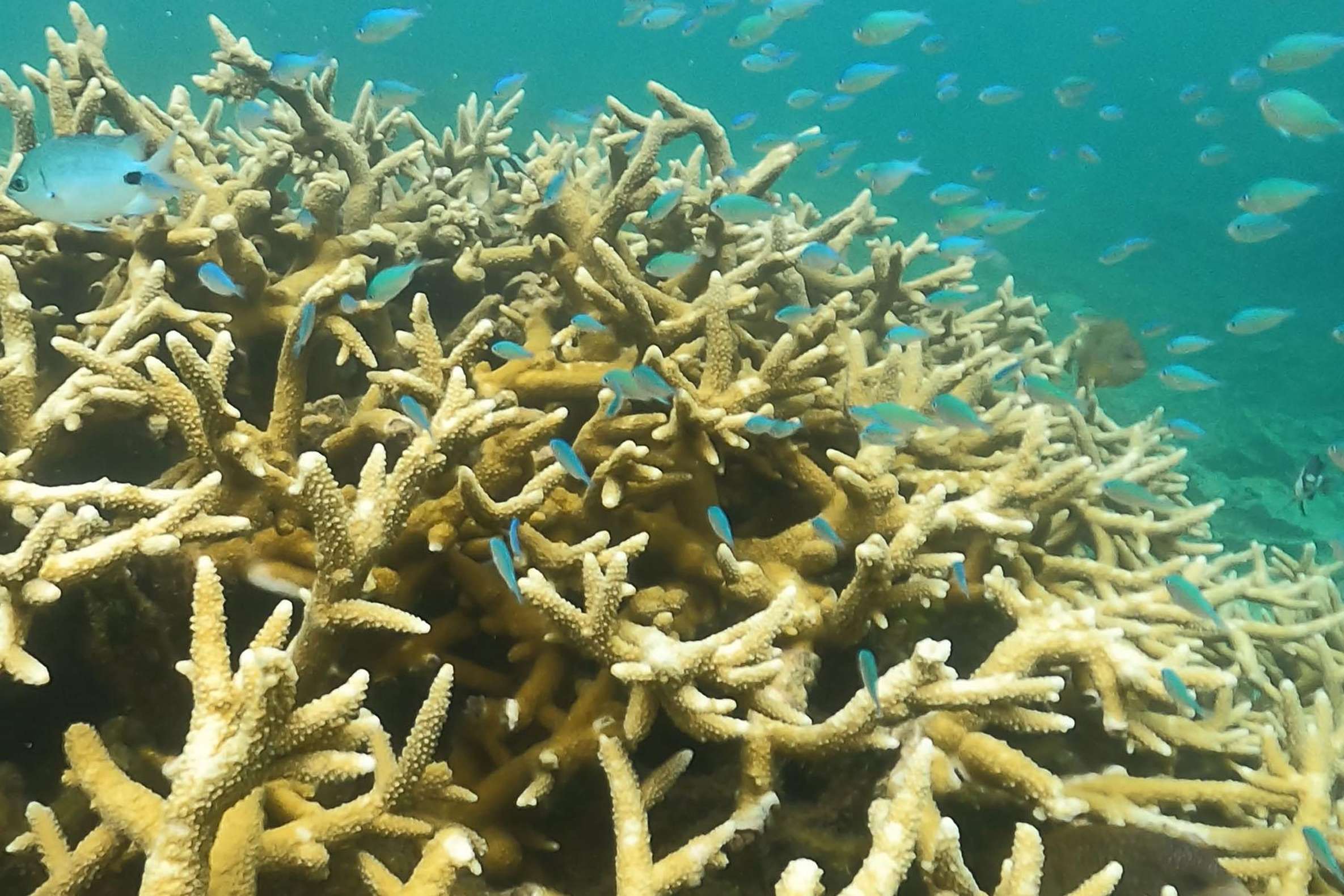
Stand at the water's edge on any coast and the same question comes up: swim out, or book the boat? Lagoon width answers it.
At Palmar the lagoon is barely 250 metres wide, so the reef is a short swim. At Pomponette on the south, coral corridors start 25 metres from shore. At Le Morne's La Prairie, patches begin a few metres out.
Elsewhere the lagoon is wider and the answer changes. At Flic en Flac the reef sits about 500 metres out, walkable over shallow water if you are patient, though the coral heads opposite the Shivala temple and in front of Villa Caroline are closer and better.
Blue Bay starts 100 metres off the public beach, but the richest gardens need a boat. Coin de Mire, Île Plate, Île aux Cerfs and Gabriel Island are boat-only, full stop.
The pattern to remember: resort sand rarely fronts the good reef. The shallows off big hotel strips are often rubble and few fish. Budget one proper boat day wherever you base yourself, and treat the walk-in spots as the morning bonus.
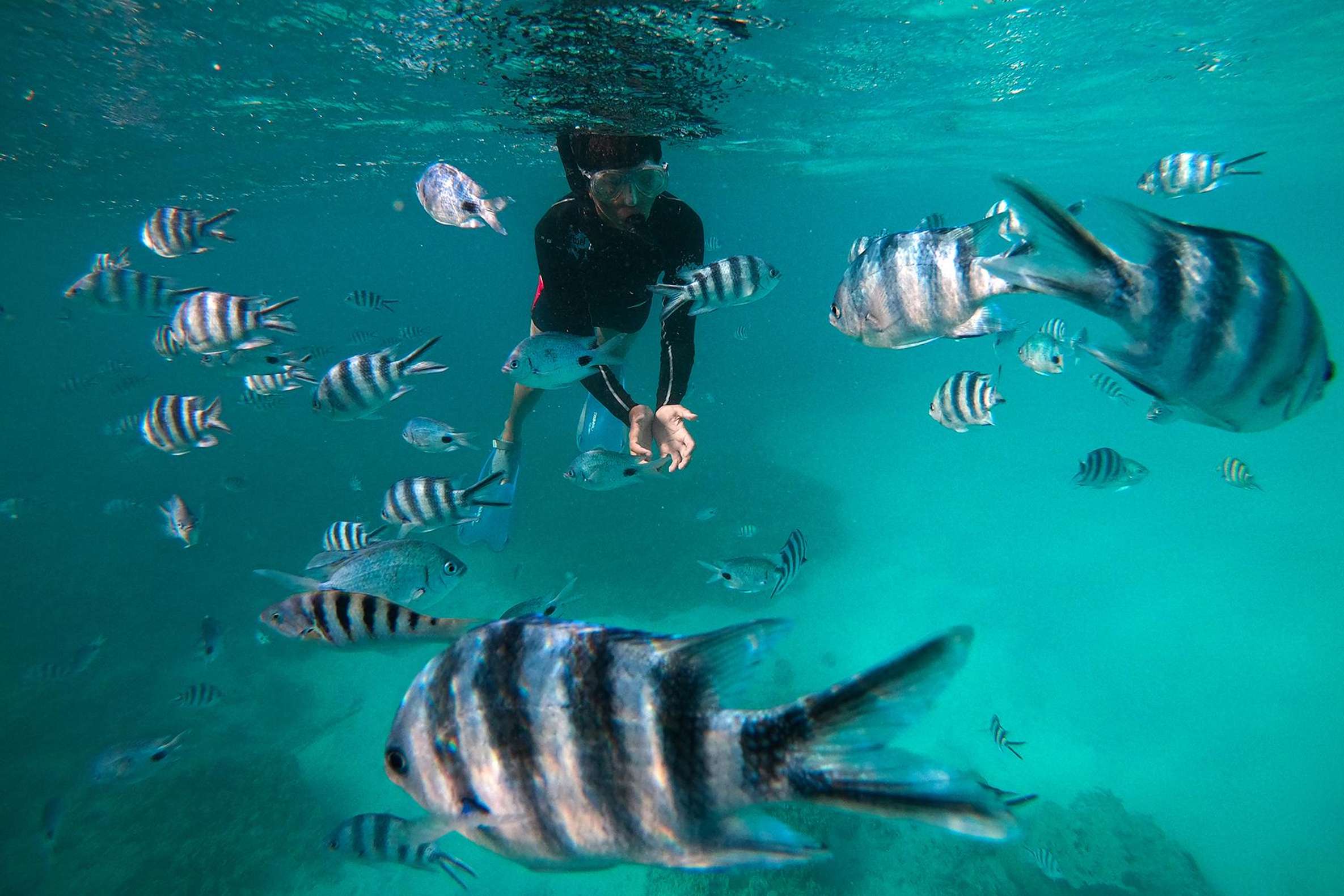
Wildlife follows geography here, so match your coast to your wish list. Green and hawksbill turtles graze the northwest lagoons: Pereybere has the best turtle odds on the island, Trou aux Biches recorded the highest turtle density in coastal surveys, and Pointe aux Piments is one of the most reliable turtle reefs anywhere on Mauritius.
The northern offshore islands, Gabriel and Flat, top the sighting counts too.
Dolphins belong to the west. Spinner and bottlenose pods rest in Tamarin Bay, Black River and off Le Morne in the morning, sometimes running more than 100 animals off the peninsula, and resident sperm whales hold the deep channels offshore.
If that dawn encounter is the one you came for, the Tamarin dolphin mornings are the page that plans it, and the Mauritius: Catamaran Cruise - Dolphin Watching, BBQ & Drinks turns it into a full day: a 9:30 am departure from Black River, dolphins in the bay, a snorkel stop at L'Harmonie or La Preneuse, Crystal Rock, then lunch on Île aux Bénitiers.
The east has its own cast: parrotfish, surgeonfish, spotted eagle rays and the occasional hawksbill around Île aux Cerfs.
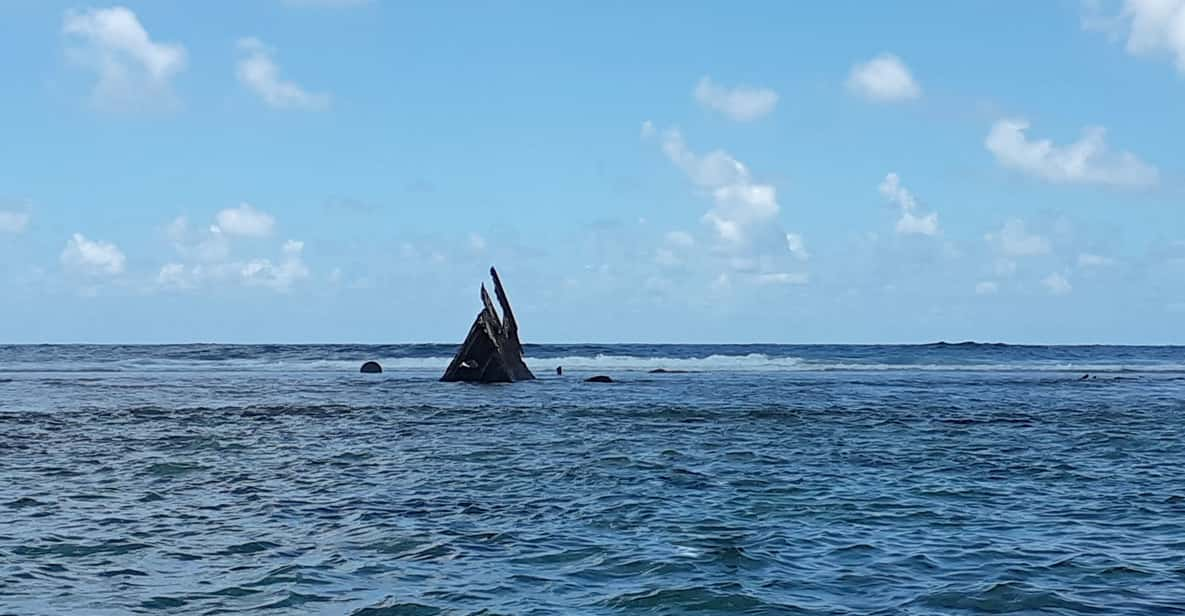
A frank pause, because this coast has real hazards and they are knowable. The first is the reef pass. Currents running through the passes and channels can sweep even strong swimmers out to open sea, fastest on an ebbing tide with swell.
The reef opening near Le Morne's famous underwater waterfall generates exactly those seaward rips, and there is nothing to see from the water anyway; the illusion only exists from a helicopter.
The second is boats. More than a hundred speedboats a day cross the Trou aux Biches lagoon to the turtle spot, and that lagoon has seen fatal accidents when boats ran over swimmers.
The rule the whole island runs on: swim inside the yellow buoy lines, never in the marked traffic lanes, and stay clear of the passes. At Blue Bay the swimming zone is buoyed and motorized craft are restricted to ten-metre lanes at walking-pace speed.
Currents through reef passes can pull a swimmer out to sea faster than they can swim back Stay inside the buoy lines, keep passes and channels for boats, and cross the outer reef only with a boat
None of this means danger everywhere. Inside a buoyed swimming zone on a calm morning, the water is as gentle as the postcard says.
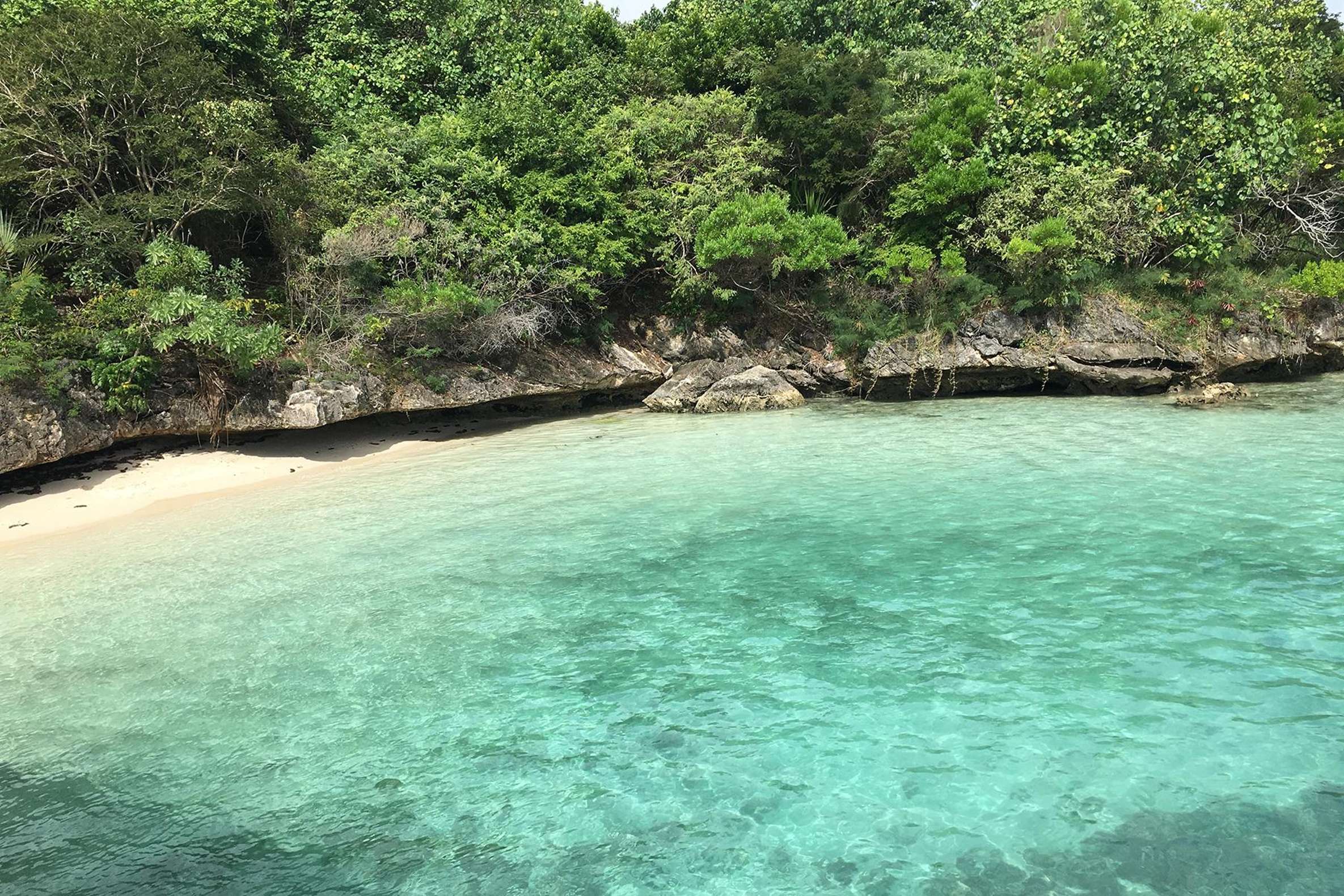
If the swimmer in your group is nervous, young, or new to a mask, base yourself north or northwest. Trou aux Biches has a gentle, calm lagoon with easy shore access and water rarely deeper than two to three metres.
Pereybere is a calm, sheltered bay a short walk from the sand. Mont Choisy gives you a big beach and simple, shallow swimming. Turtle Bay in the northwest is the quiet one: sheltered water with no boat traffic and walk-in access from the beach.
The southeast earns its place too. The lagoons of Blue Bay and neighbouring Pointe d'Esny are shallow, protected and walk-in friendly, and the glass-bottom boats mean children and non-swimmers see the reef without getting wet.
What the beginner should skip is the exposed south and east, where currents and chop ask more of the swimmer, and any open-water dolphin swim, which is a genuine workout. On the coast you choose, all of this is spelled out in the northwest lagoons guide.
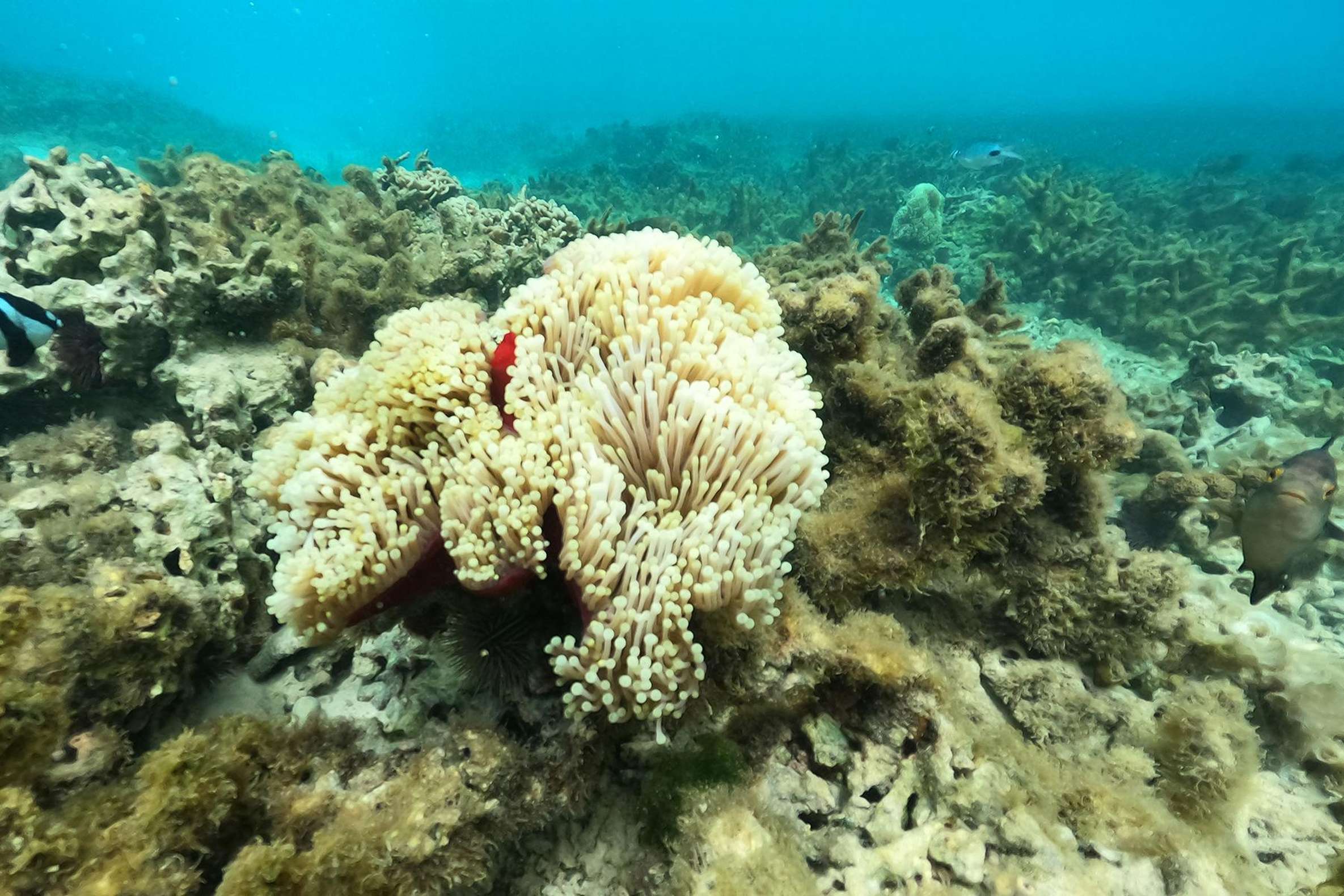
Boats here are generous with the essentials and quiet about the rest. Masks, snorkels and life jackets come on board almost everywhere. Fins are the lottery: some boats carry them, some run short of sizes, some skip them entirely.
Loaner masks are typically older models that fog and leak on the wrong face shape, so your own mask and fins are worth the suitcase space.
Underfoot is the other story the photos never show. Stonefish bury themselves in sand and coral rubble, sea urchins cluster around the coral patches, and broken coral cuts like glass, so thick-soled water shoes go on at every entry.
No wetsuit is needed: the water runs between about 22 and 28 degrees all year, though a rash guard earns its keep in the winter wind on the boat.
Tick that short list the night before and the only surprise left is a good one.
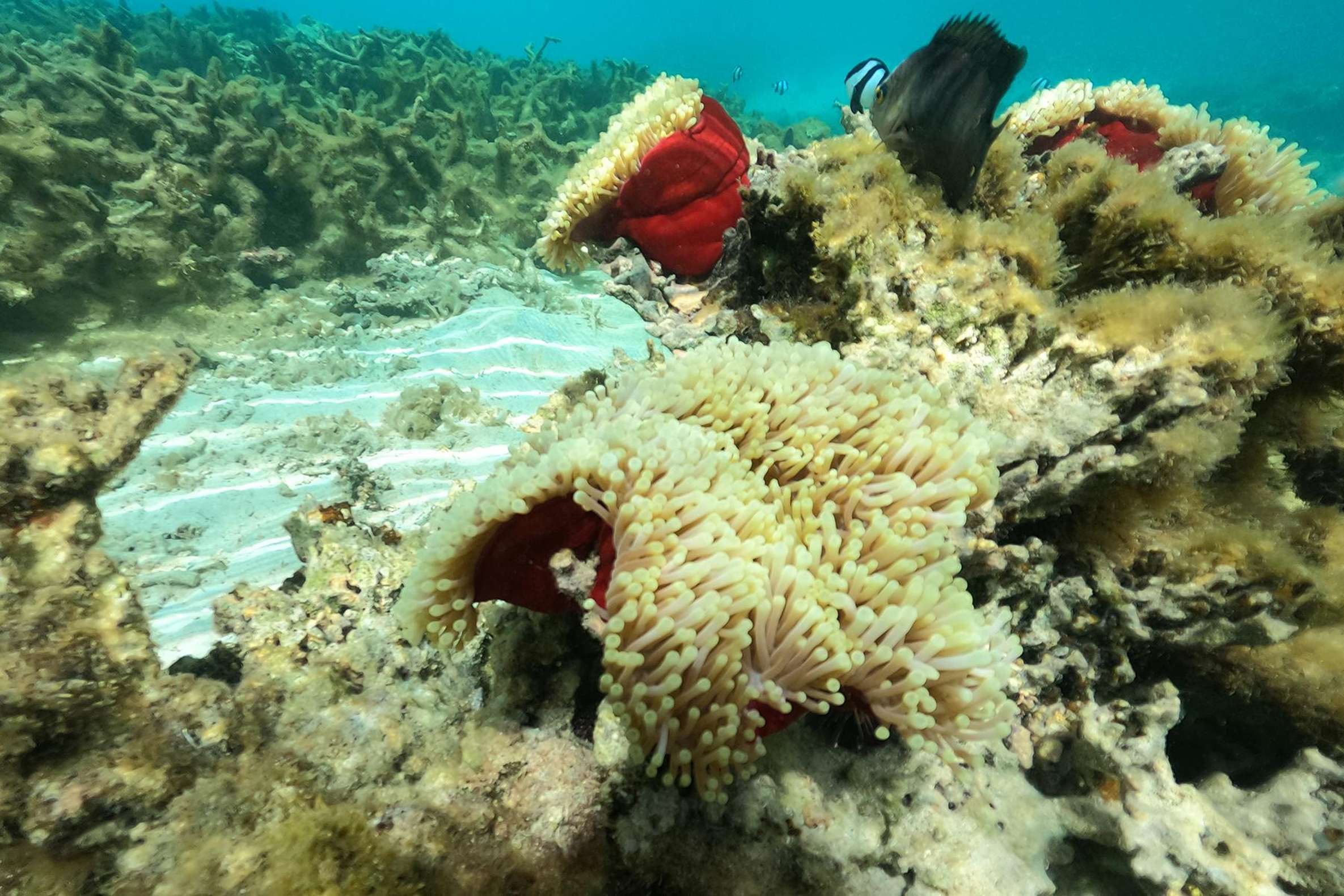
One rhythm holds on every coast: the sea goes glassy early and stays clear until the wind builds. Between 7 and 11 am you get the calmest surface and the best visibility of the day; after midday, surface chop stirs the sand and blurs the view.
At Blue Bay specifically, the window from 7 to 10 am is the one to book, before currents cloud the lagoon.
The dawn hours do double duty on the west coast.
Wild dolphin pods return to Tamarin Bay and the sheltered bays to rest and feed between about 6 and 7:30 am, and the tour boats only peak from 8 am onward, so the earliest departure gets you calm water, clear sight lines and the animals before the convoy arrives.
That is why every good trip here leaves early: the morning hands you the glassy sea, and the afternoon hands you the wind.
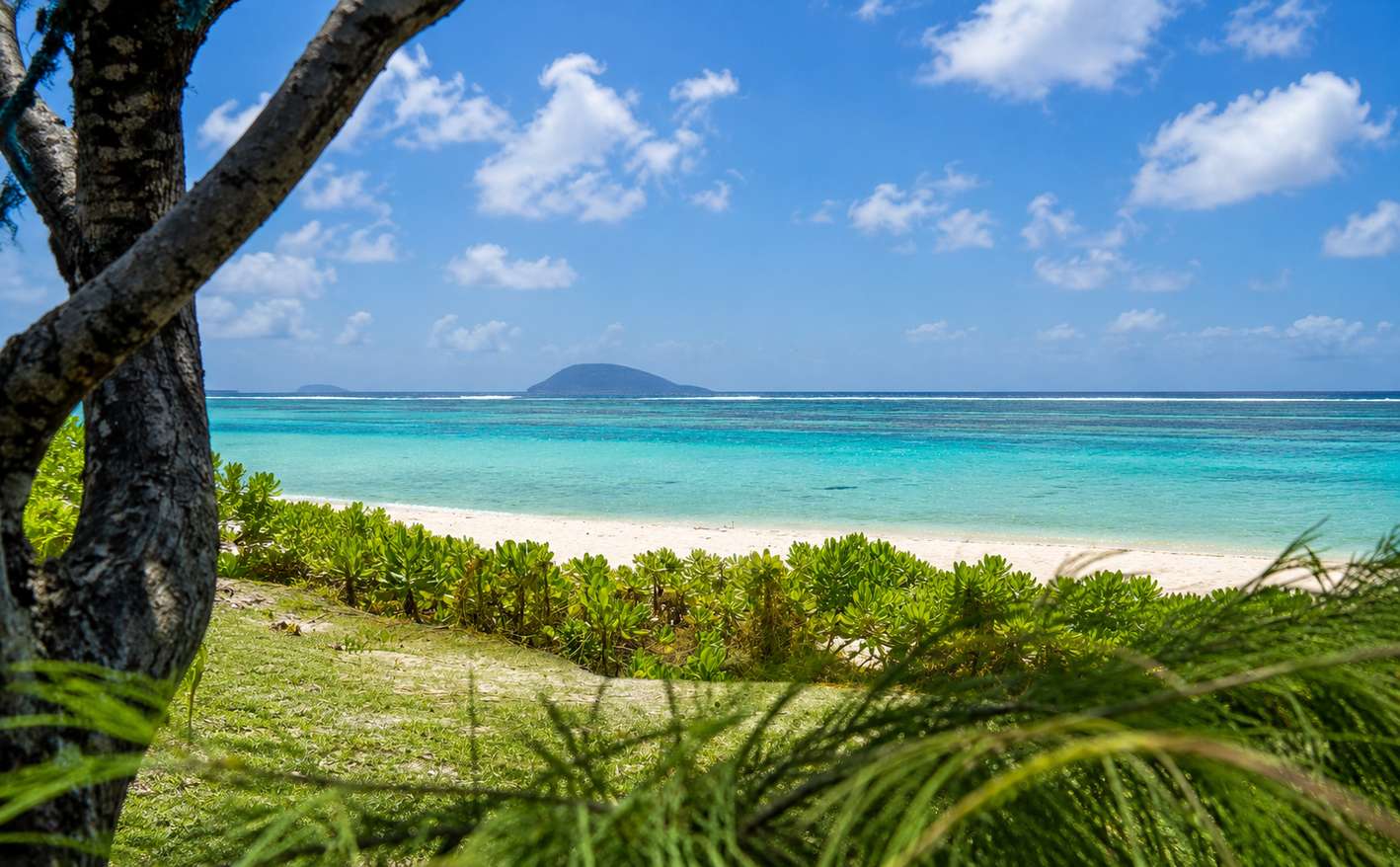
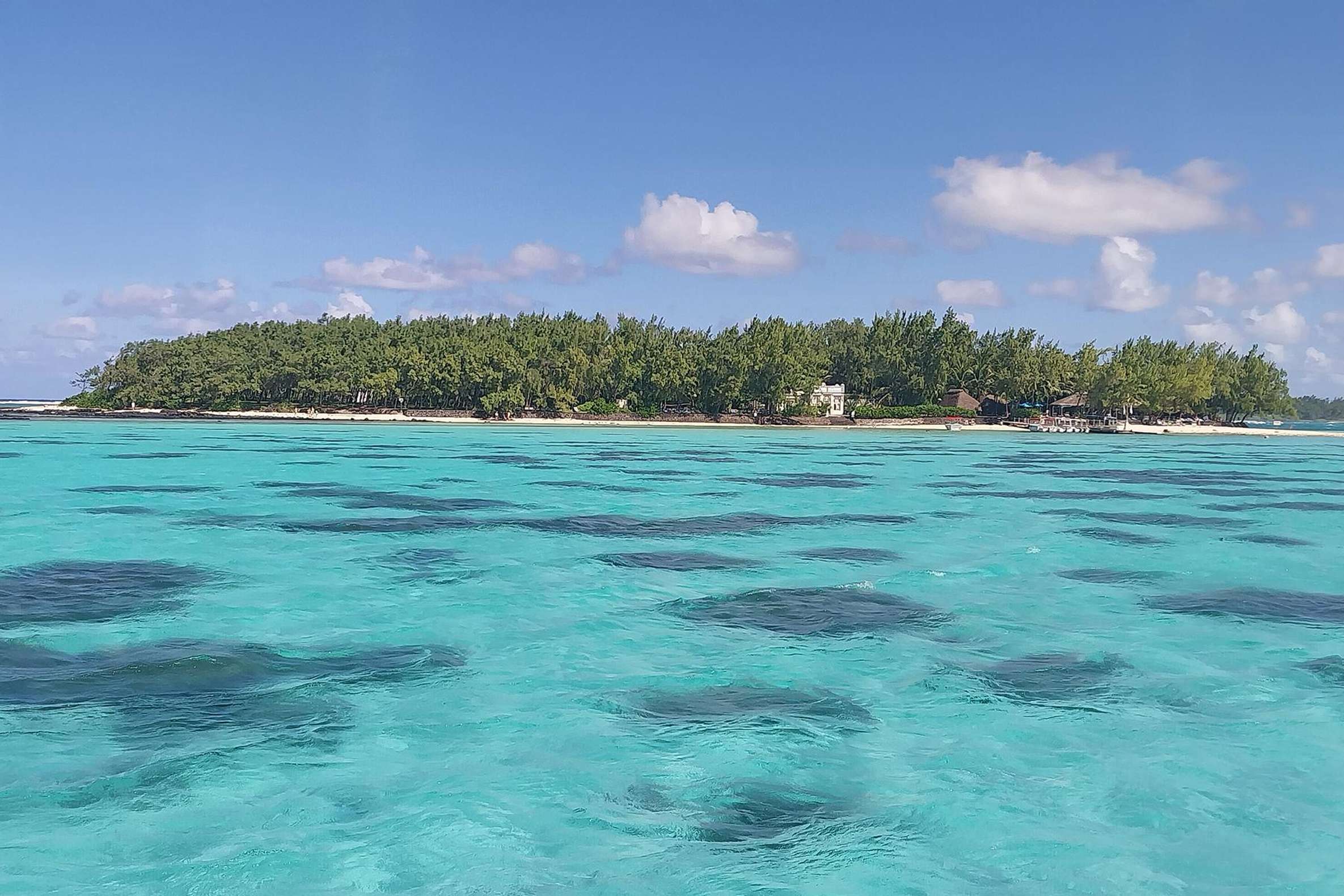
The island is small enough that a rental car for a few days covers every snorkeling coast, and there is no need to hire it for the whole stay. What you should never do is try to cross those distances by water.
Chartering a speedboat from Le Morne in the southwest all the way to the northern isles or Île aux Cerfs is too far and the open water runs uncomfortably rough.
The move is simple: drive to the nearest bay, then board. Blue Bay shows how easy it gets. From Mahébourg it is a ten-minute drive, or bus line 46 every 20 to 30 minutes from the station; from the airport, about 16 minutes by car on the B29.
Free parking sits right at the beach entrance, though it fills fast on weekends and school holidays, so arrive early.
For a dawn launch on the west coast, the drive from the north or east resort towns takes about an hour and ten minutes, which is why the hotels there sell pickup options.
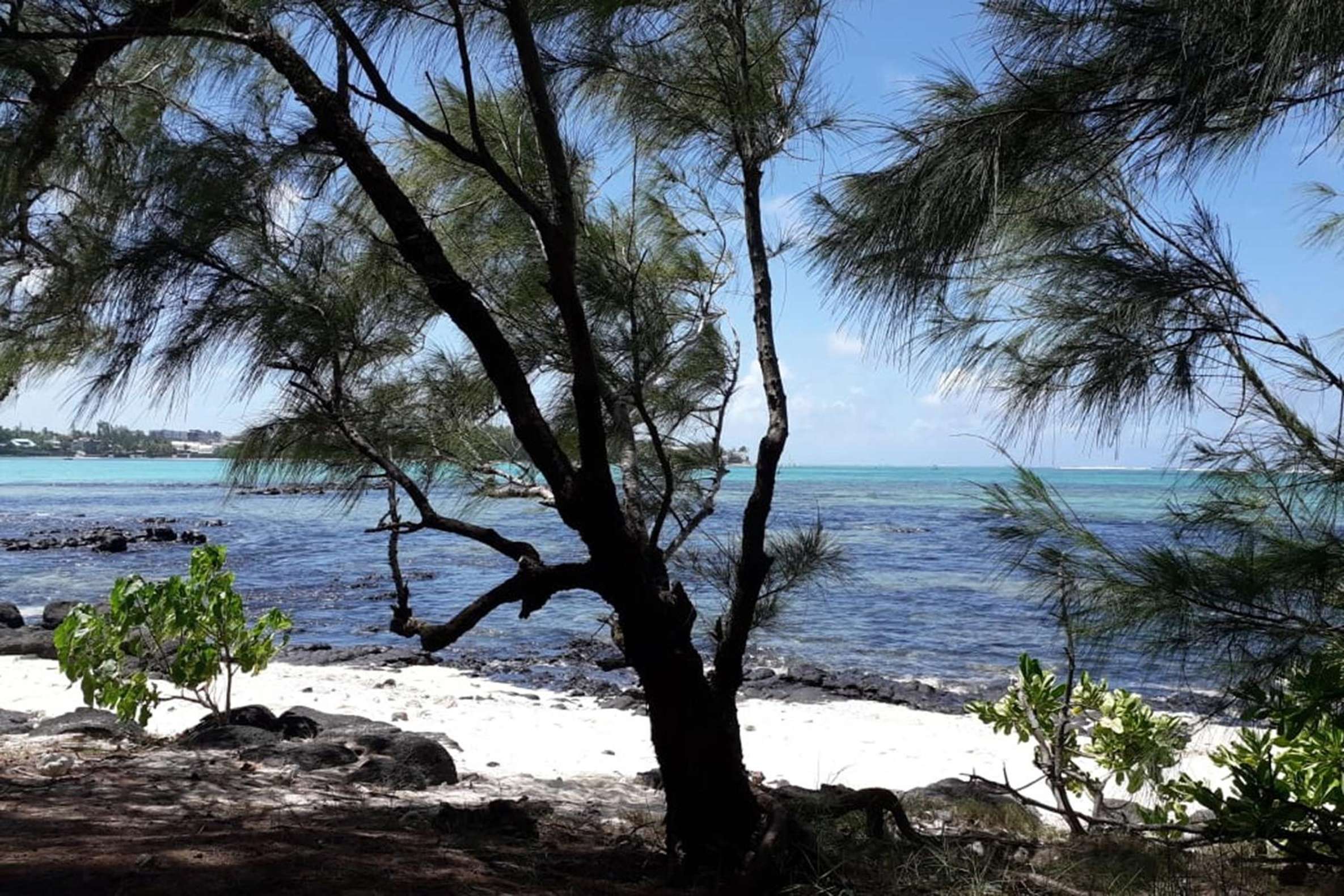
A morning at Blue Bay leaves you half a day and good options within a short walk. Pointe d'Esny beach is 20 to 30 minutes along the sand, with unusually clear water and healthy coral, and the Boathouse restaurant sits in a converted waterside boatshop.
Mahébourg's waterfront promenade looks over the lagoon, and Coin Casse Croute serves proper Mauritian plates in town.
The offshore islands turn a snorkel into a whole day. Île aux Bénitiers on the west gives beach barbecues, Crystal Rock and gentle, clear water inside its sheltered lagoon.
The northern isles pair white sand with swimming, though the lagoon between Flat and Gabriel runs strong currents, so it suits fit swimmers.
Île aux Cerfs on the east adds the Grand River South East waterfall and wild monkeys on the riverbank, with its calmest, shallowest water on the western side. Near Le Morne, the lagoon under the mountain pairs with the sights the drive map lists.
Those three stops near Le Morne sit close enough to fold into any Black River day.
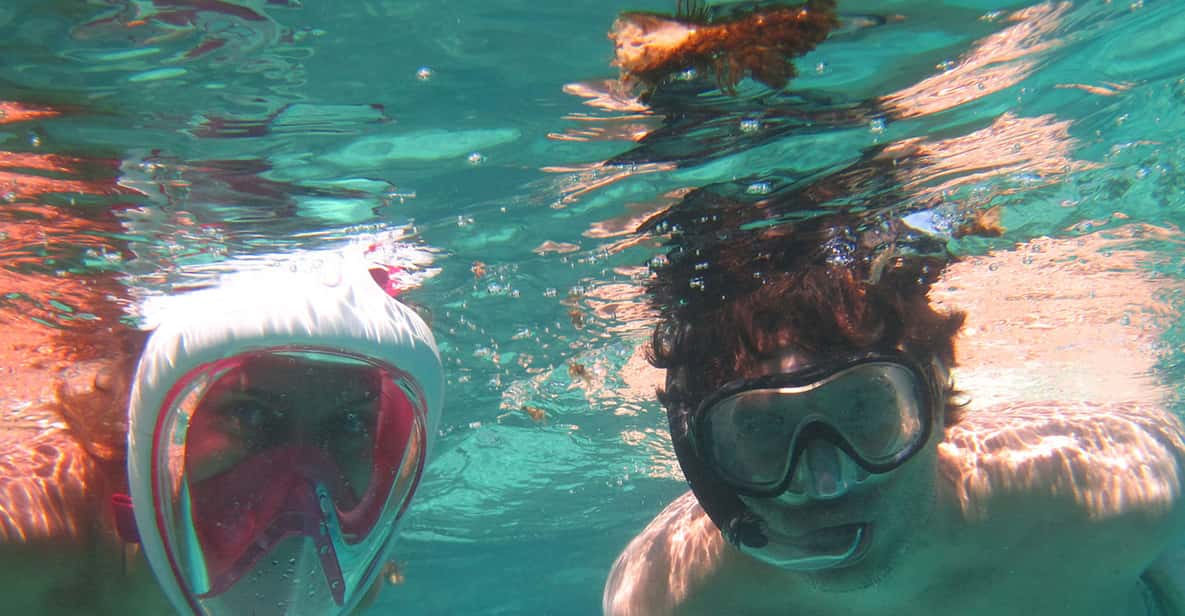
A windy day still has an ending worth having. Operators reschedule, reroute into sheltered inner channels, or swap the open-reef stop when the wind turns, and crews keep the mood up even when the weather turns drab.
The one crossing that stays honest with you: the open-sea run to the northern isles can be choppy even on a big catamaran, and the east coast swells make a speedboat ride bumpy whatever the forecast said, so sensitive travelers pack what helps.
Book ahead anyway. Pre-booking locks your preferred date, and it matters most around Christmas and in the high season, when even the local desk runs out of space. It also buys you the early departure that every chapter above keeps recommending.
| If this happens | What happens then |
|---|---|
| Wind or swell rises before your trip | The operator reschedules, reroutes into sheltered water or moves the snorkel stop to a calmer spot |
| You booked late in peak season | Spaces fill early, so a reserved date is the only guarantee of the slot you want |
| You arrive at Trou d'Eau Douce for Île aux Cerfs | Shuttle boats run roughly every 20 minutes through the day, and a departure before 9 am beats the crowds |
Whatever the day brings, the sea state is the thing to watch, and the crew watches it for you.
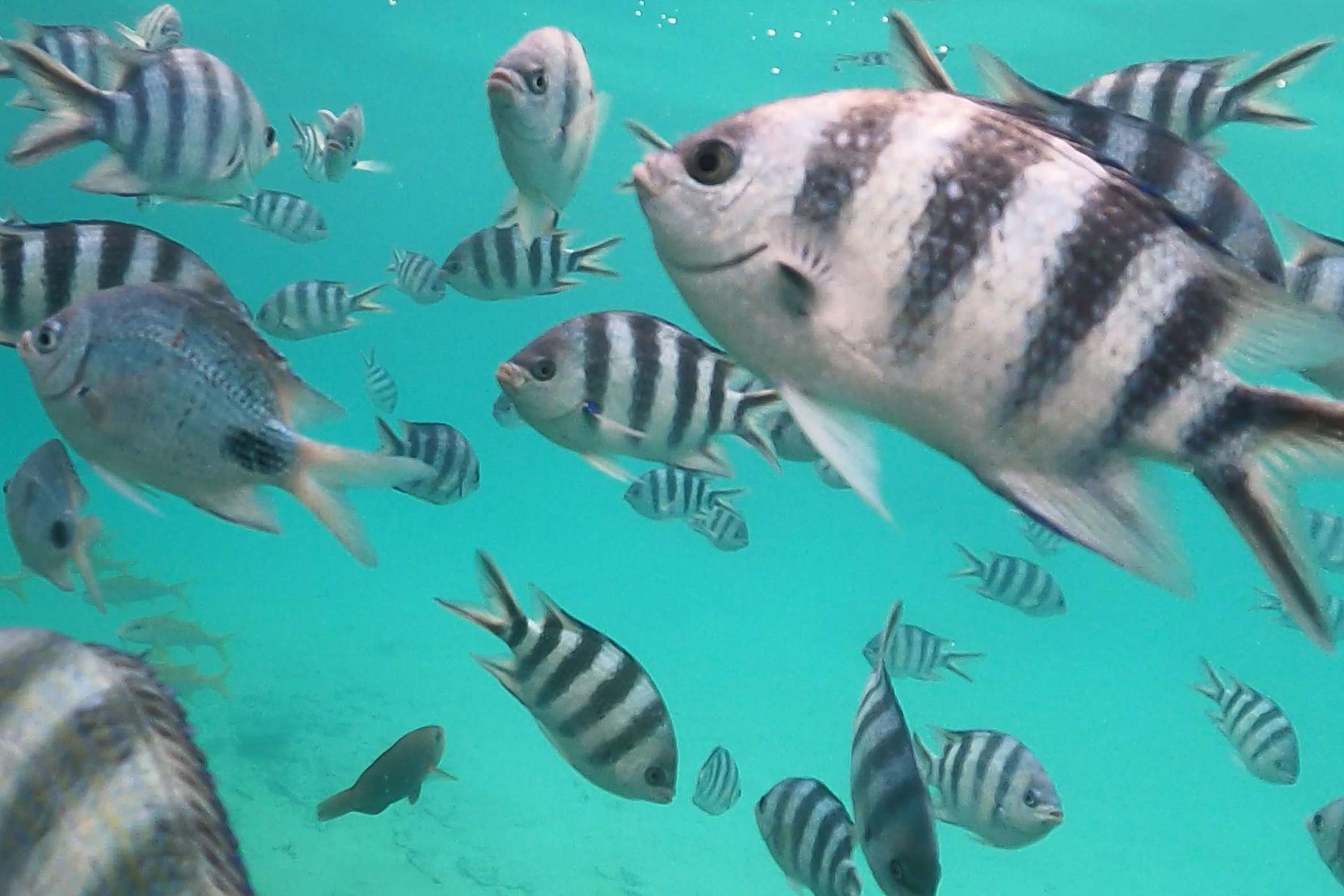
For calm, easy snorkeling with turtles close to shore, base yourself on the northwest coast at Trou aux Biches, Pereybere, Turtle Bay or Flic en Flac.
For the island's finest coral, spend your boat days in the southeast at Blue Bay Marine Park, booked early in the morning. If dolphins at dawn top your list, the west coast delivers.
In June to September, favor the sheltered west and north; in October to December, any coast works. Whichever you choose, plan at least one boat day, because the best reef never sits in front of resort sand.
best water is before 9 am, all coasts
Once you know which coast suits your snorkeling, find out where the dolphins gather and how to meet them fairly.

Planning a swim alongside a wild pod? The encounter rules and entry techniques are explained there, step by step.
Tamarin Bay sits on the west coast, the top side for dolphin mornings; see what a morning trip there involves.
Some west coast boats combine dolphins with a search for sperm whales and seasonal humpbacks; the combos are laid out.
The calmest water and quietest dolphin encounters happen before 7:30 am; the sunrise departures are gathered in one place.
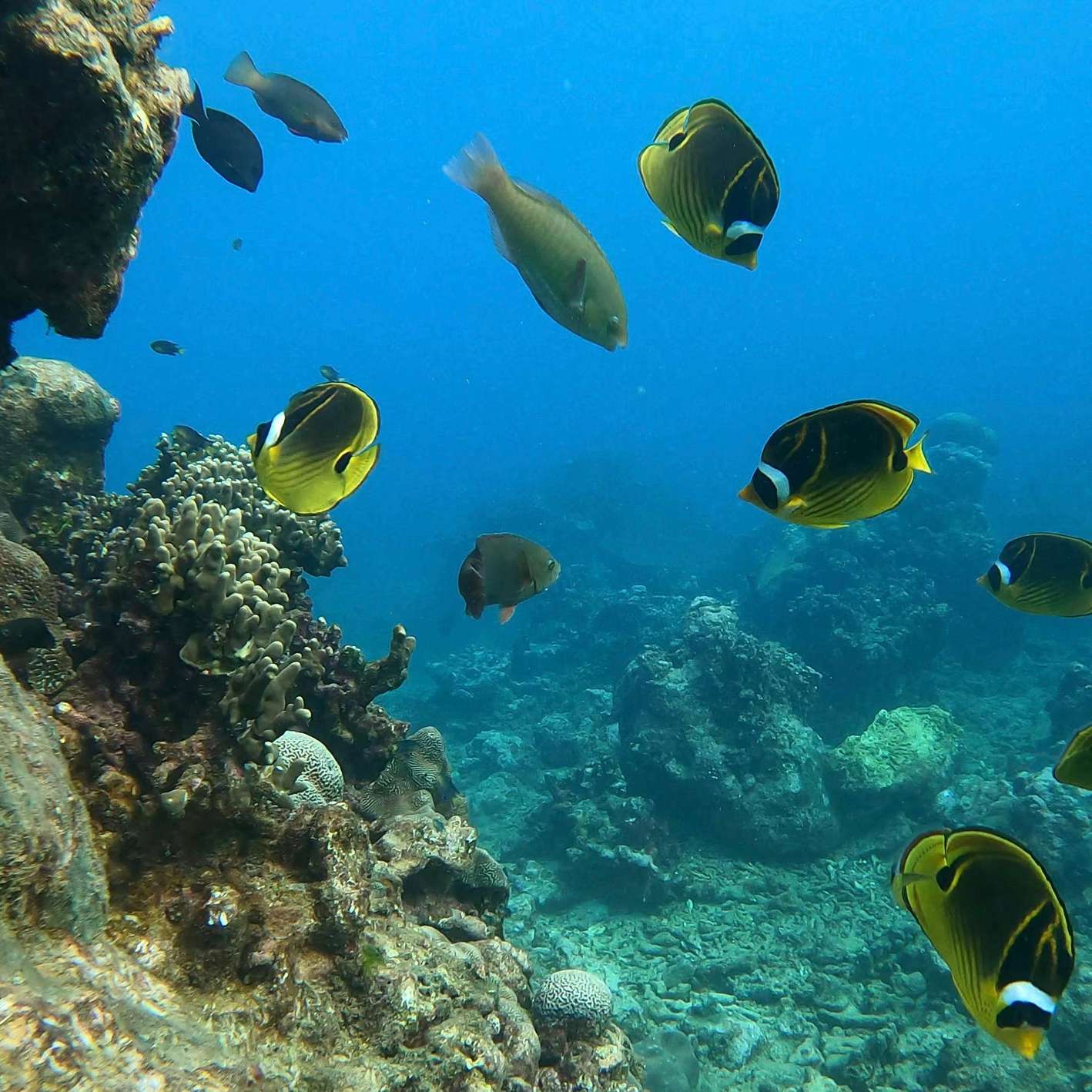
If sharing a boat with a crowd is not your style, look at what an exclusive charter changes about your day.
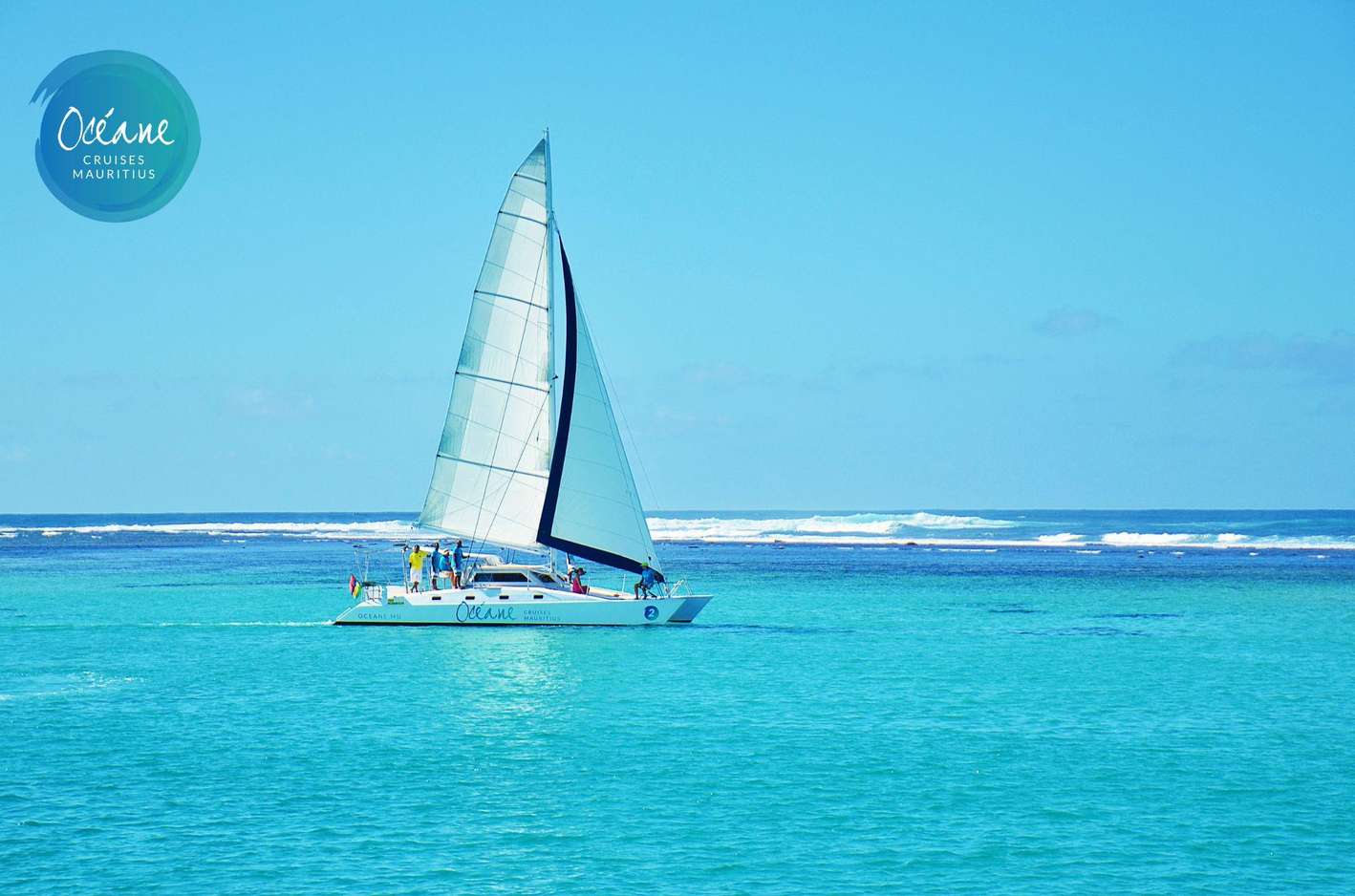
A catamaran pairs gentle sailing with reef stops and a barbecue lunch; see how a day on one unfolds.

Full-day sailing trips run on every coast, each with its own islands and lunch stops; compare the routes.
water shoes, always, in the lagoon shallows
Short answers to the questions travelers ask before picking a coast and booking a boat.
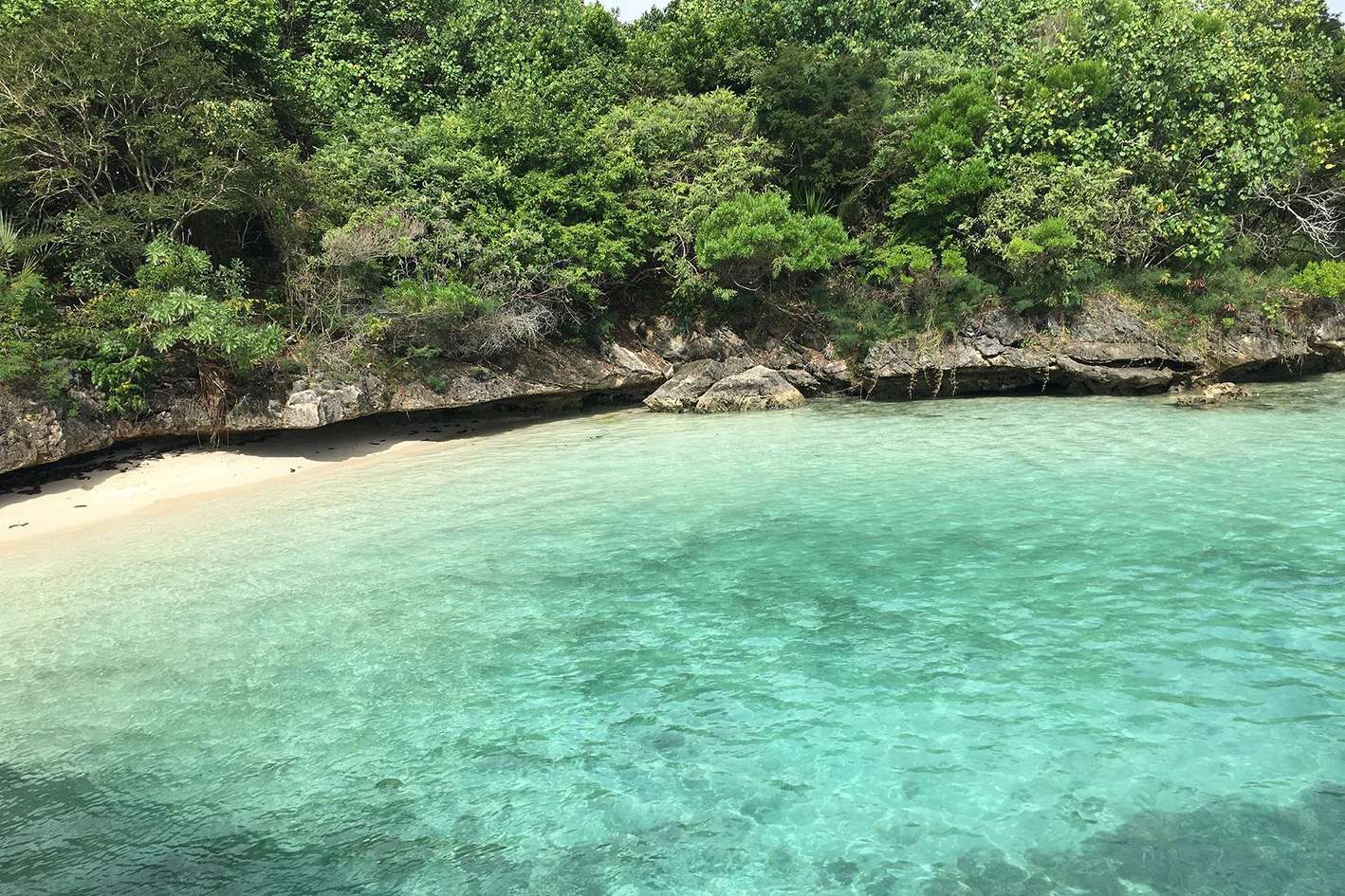 Mahébourg2026
The west and north coasts give you the calmest, clearest lagoon water, while Blue Bay Marine Park in the southeast holds the densest coral and the most protected reef on the island. Pick Blue Bay for coral, pick the northwest for easy conditions.
Start on the north or west coast, where lagoons are gentler than the exposed east and south. Trou aux Biches, Pereybere, and Mont Choisy all have calm, shallow water with easy walk-in access, and Blue Bay works well for families too.
Yes, at places like Blue Bay, Flic en Flac, Le Morne, Bel Ombre, and Pereybere you can reach coral from the sand. Much of the shoreline in front of resorts is broken rubble, so a short boat ride gets you to the healthiest reefs.
Blue Bay Marine Park is the best-preserved reef system, with 40 to over 50 coral species and live cover around 40%. Coin de Mire in the north also has some of the healthiest coral and marine life, and the reserves at Balaclava and Pointe aux Piments hold up well.
The northwest. From May to October the southeast trade winds rough up the east and south coasts, while Flic en Flac, Trou aux Biches, and Turtle Bay stay sheltered and warm. Turtle Bay is especially quiet, with no boat traffic.
October to December. October and November bring water around 26 to 28 degrees, calm seas on 70 to 80% of days, and the best visibility of the year. March and April are a good second window once the summer rains ease.
The west coast, almost exclusively. Spinner and bottlenose dolphins gather in Tamarin Bay, Black River, and Flic en Flac in the morning to feed and rest, and boats leave from those bays before the pods move offshore.
Yes, it is legal through licensed operators. Skippers must hold a Tourism Authority certificate, boats keep to regulated distances, and no more than three swimmers may enter the water at once. You sign a disclaimer and get a briefing before you swim.
Anyone on a boat travelling outside the lagoon must wear a flotation device, and most trips provide life jackets onboard. If you are a nervous swimmer, ask the crew for one; on some Black River speedboats they are compulsory in the water.
Most catamarans supply masks, snorkels, and life jackets, but fins vary by boat and provided masks can fog or leak. If you want a snug, reliable fit, bring your own gear, and pack water shoes for the lagoons.
No. Swimming with, feeding, or harassing sea turtles is prohibited under the Fisheries Act 2023, and touching, standing on, or collecting coral in Blue Bay is fined by law. Keep your distance and let the animals come to you.
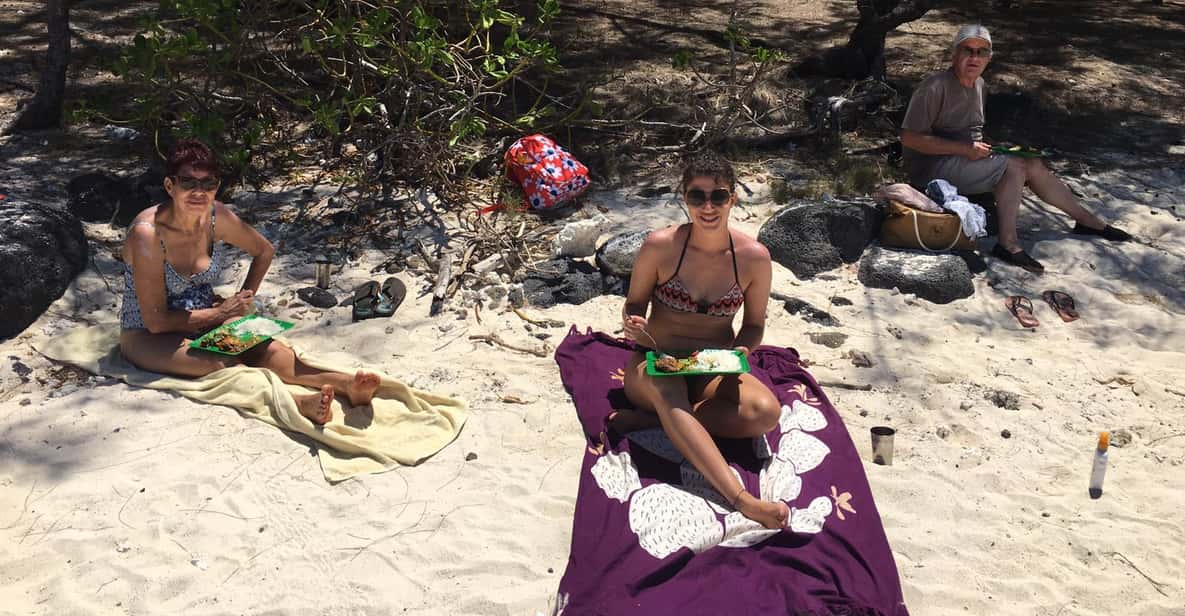
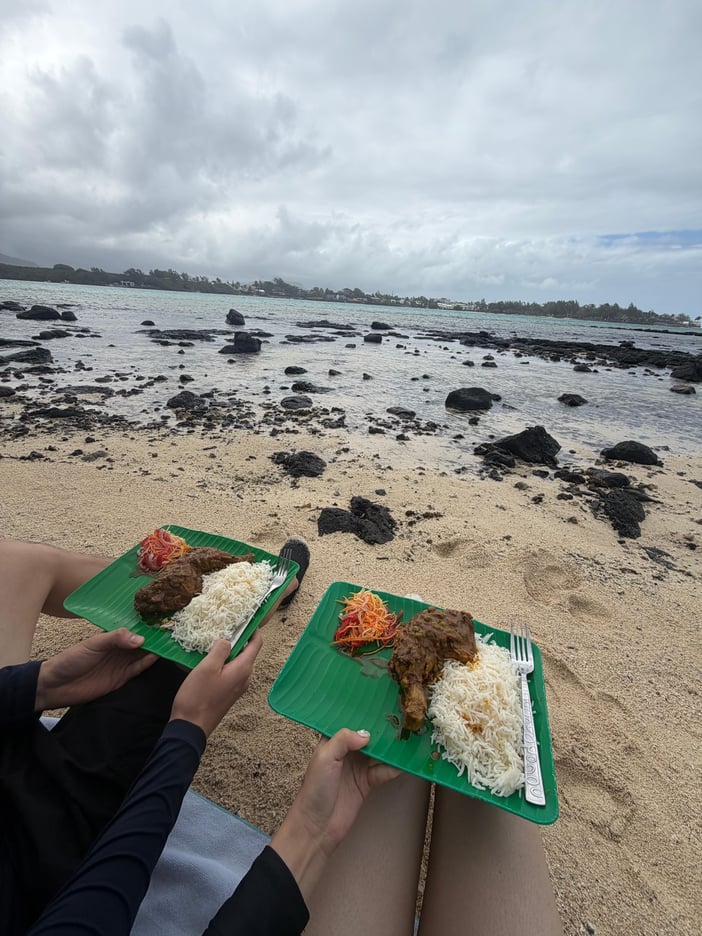
creole picnic on ile des deux cocos
Sail by glass-bottom boat into Blue Bay Marine Park, snorkel two reef spots and picnic Creole-style on a private island, with free cancellation up to 24 hours ahead.
