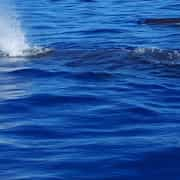
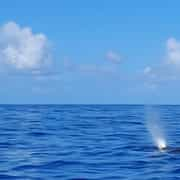
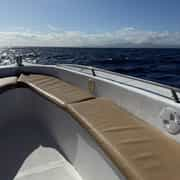
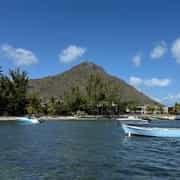
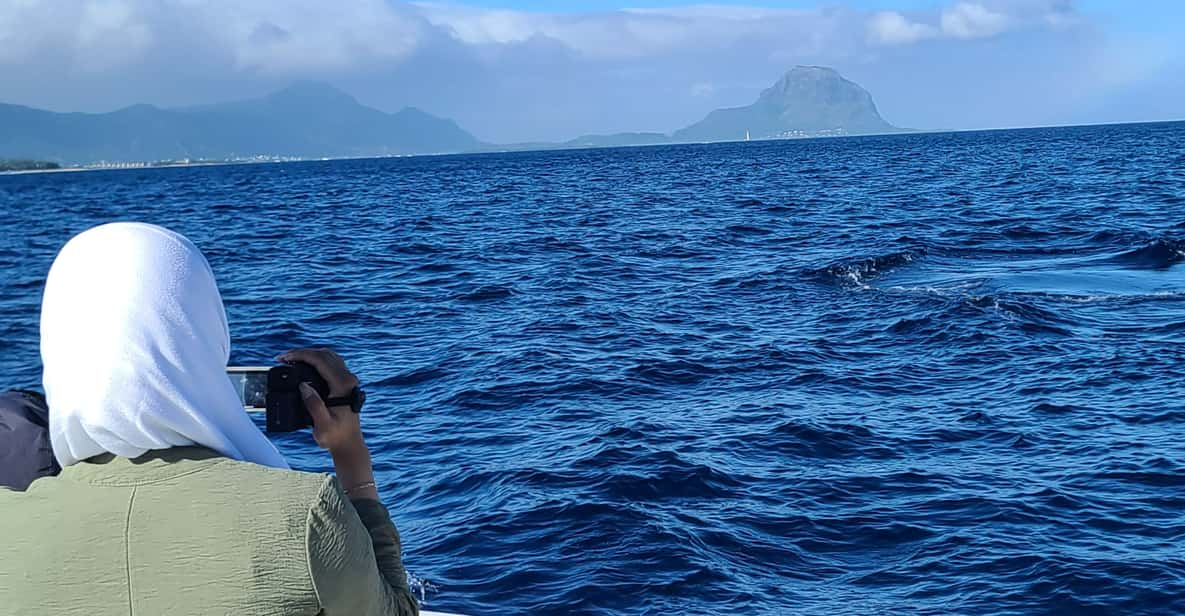
Dolphin and Whale Watching Tour in Mauritius - Swim with Dolphins and Whales
Book a private dolphin and whale watching tour in Mauritius and meet both species in one morning. Skilled guides time your jump so you swim alongside passing pods, then the skipper heads past the reef to deep water where sperm whales feed year-round. See Spinner dolphins at sunrise and cruise the west coast trench by 9 am.
Dolphin and whale watching in Mauritius - picking your trip
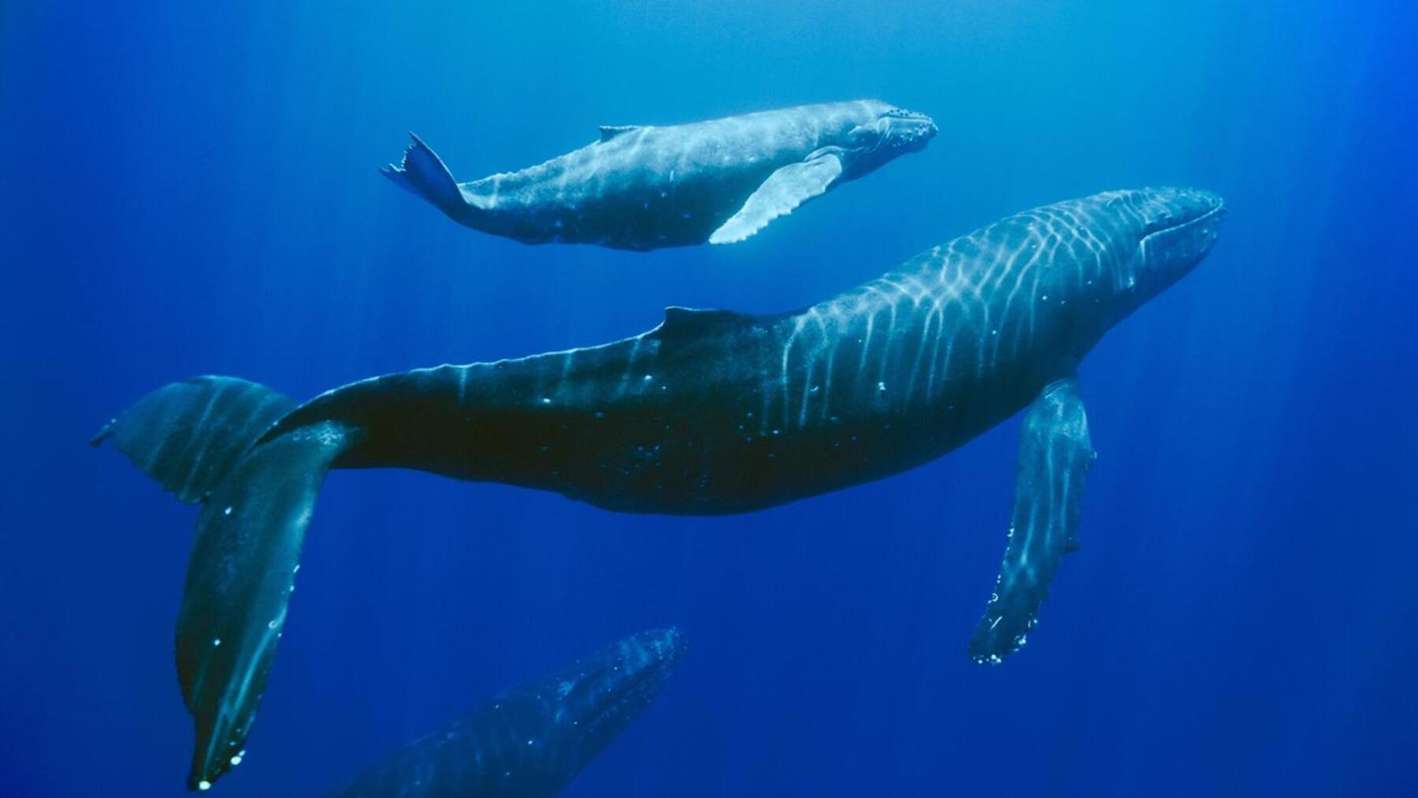
sperm whales here all year, humpbacks pass june to october
West coast trips that combine dolphins and whales split by boat and format. Shared speedboats keep the day short and sociable, private boats give your group the whole deck and the pace, and catamarans trade speed for a wide, stable deck with lunch on board. What decides it: how much of the ocean you want to yourself.
DepartureCombined trips leave between 6 am and 7:30 am, when Tamarin Bay is calmest and dolphins rest in the shallows.
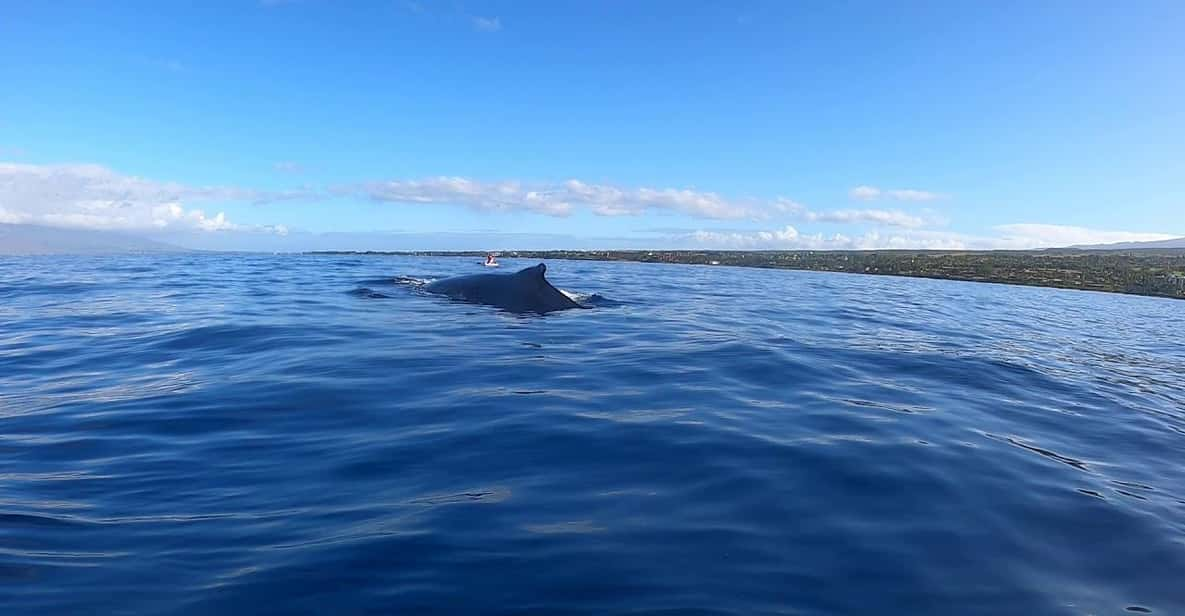
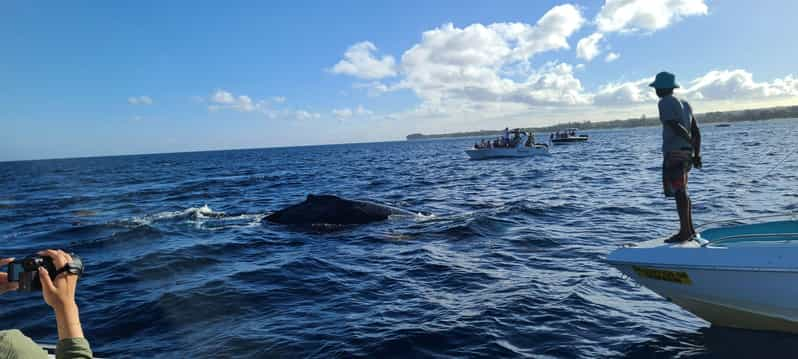
Whale rulesYou watch whales from the boat only, boats keep at least 100 meters away, and swimming with whales is illegal.
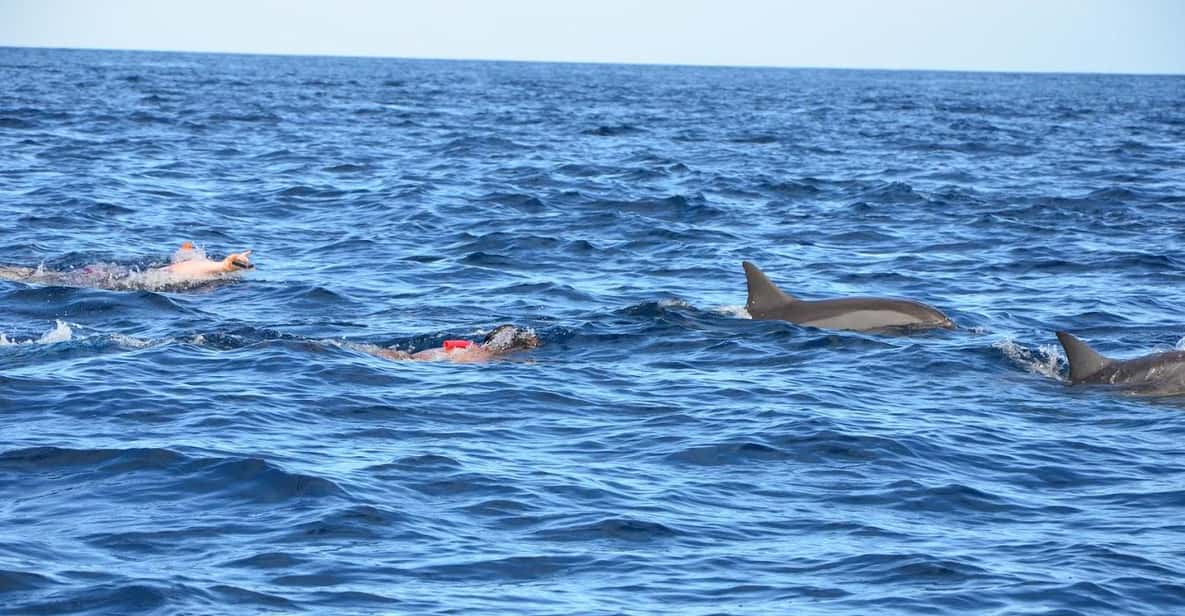
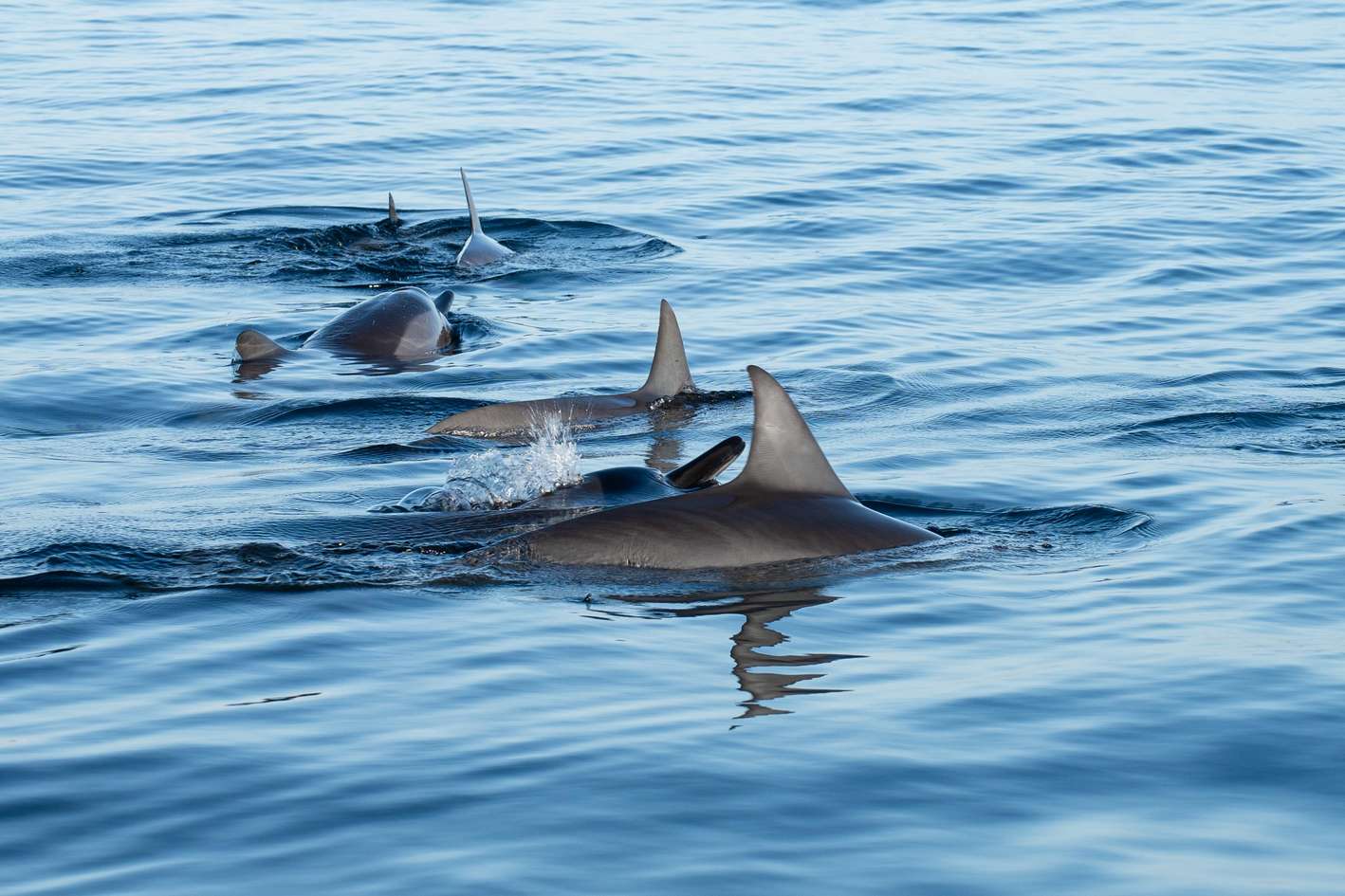
Dolphin rulesDolphin swimming is licensed and regulated by the government, and no more than three swimmers can be in the water at once, plus a life-saver.
FitnessA dolphin swim means dropping into deep open water and moving fast to keep up with the pod, so confident swimmers get the most from it.
Health limitsPregnant women and people with back problems are not suited to open-ocean speedboats, and some trips exclude babies under 1 year.
Meeting pointSpeedboats board on the beach in Black River, and the west coast catamaran meets at Le Morne Anglers Club Jetty at 9:15 am.
What to bringSwimwear, a towel, reef-safe sunscreen, sunglasses, a hat and a light jacket for the windy ride home.
SightingsDolphins and whales are wild, so encounters vary from day to day and cannot be guaranteed.
BookingMost tours allow free cancellation up to 24 hours in advance.
importantMauritian law prohibits swimming with whales in Mauritius, so every dolphin and whale watching tour keeps whales at a distance of at least 100 meters and you watch them from the boat.
Plan on getting in the water only with the dolphins, which is legal and regulated, and let the skipper position the boat for whale sightings. If a tour is not suitable for you, such as open-ocean speedboats for pregnant women or people with back problems, book a boat-based trip instead.
Which dolphin whale watching tour suits your day
swimming with whales is banned
Longest day, lowest fare
9 hours·English, French
Private Boat Whales & Dolphins Encounter BBQ on Benitier Island
The longest day of the three at 9 hours, yet the lowest starting fare, with a seafood BBQ and drinks on Benitier Island included.
Free cancellationExperience the ultimate private boat tour!Private boat tour just for you
Dolphin and whale watching tour - what you see and get
humpbacks peak in august and september
about 4 h
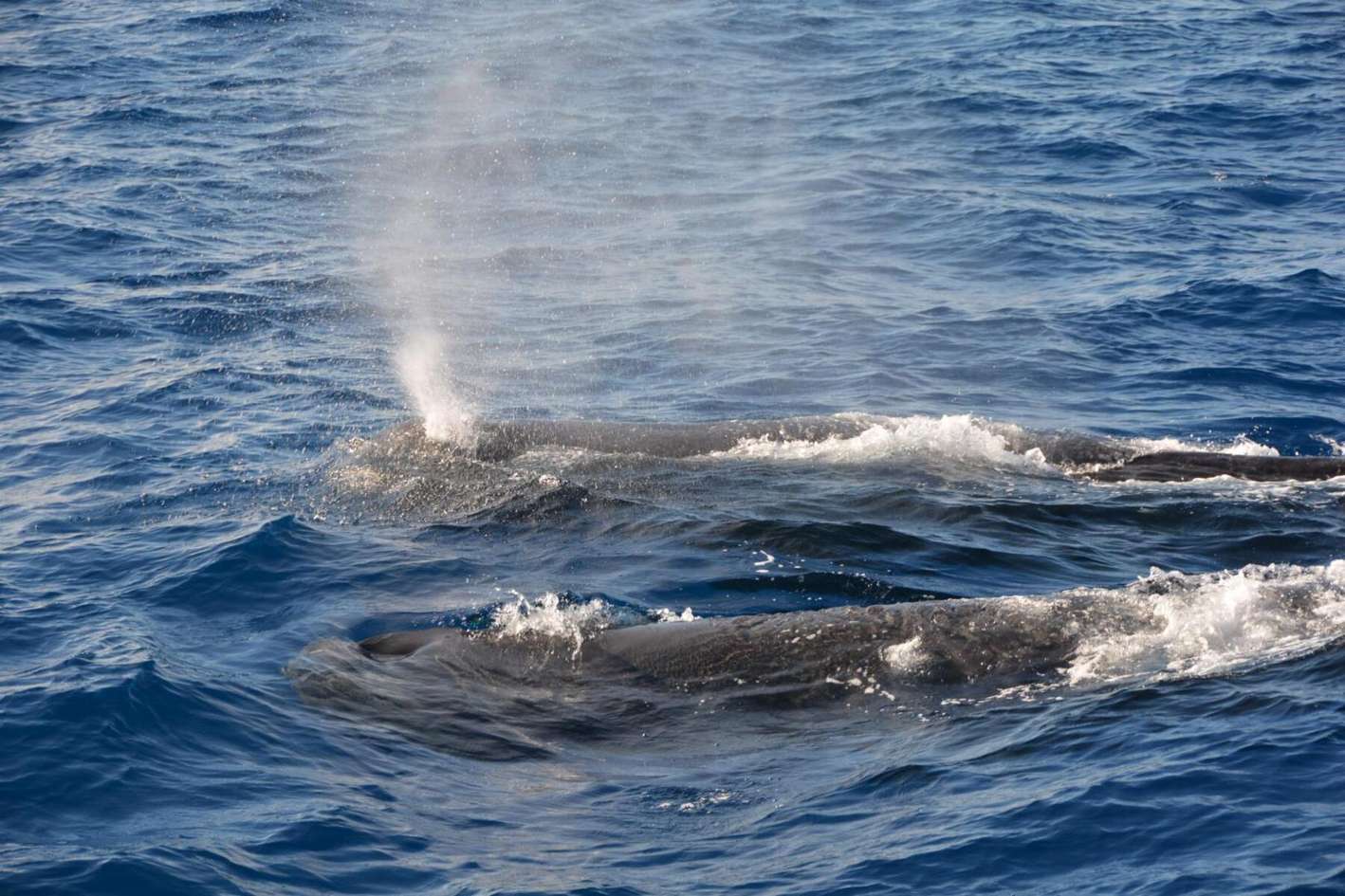
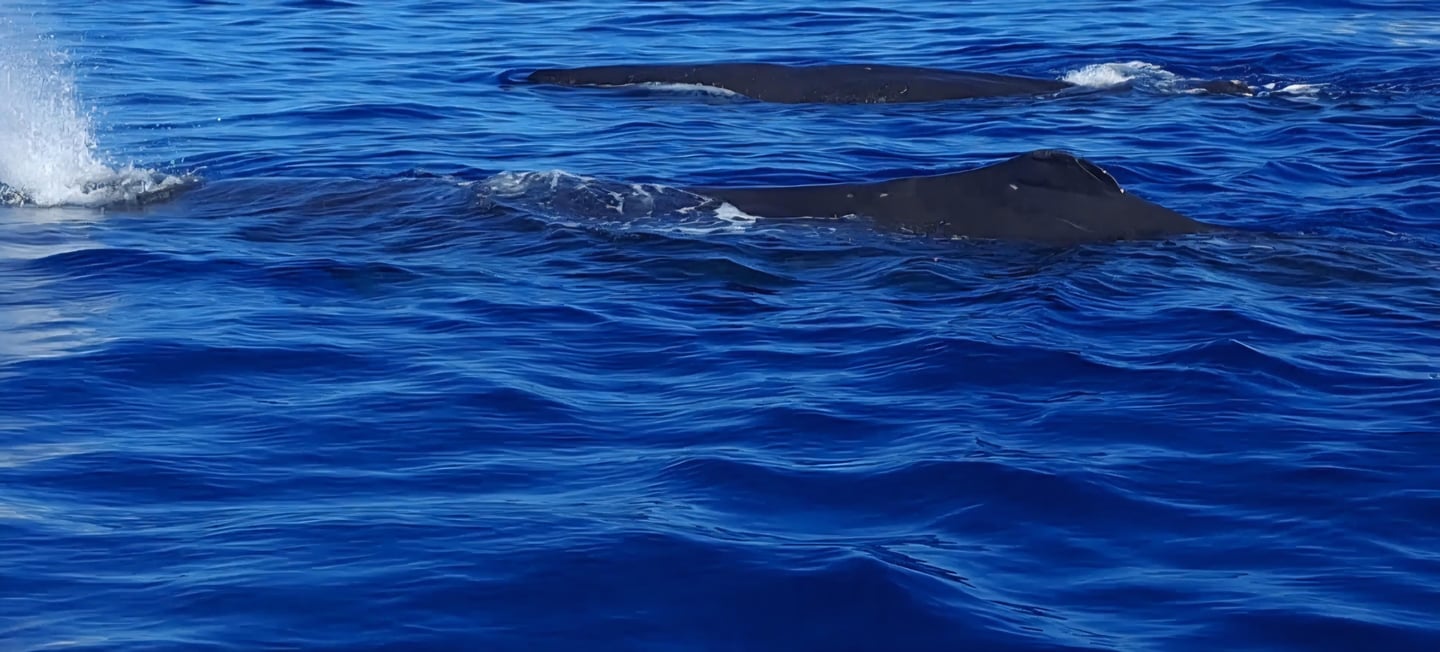
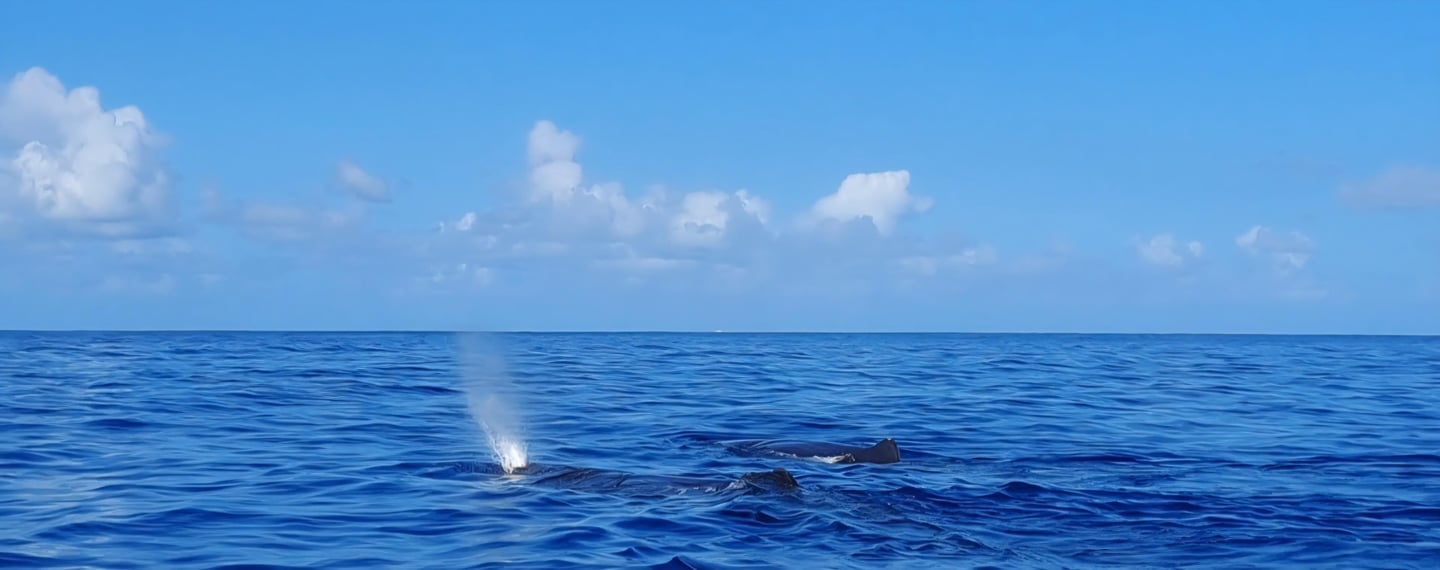
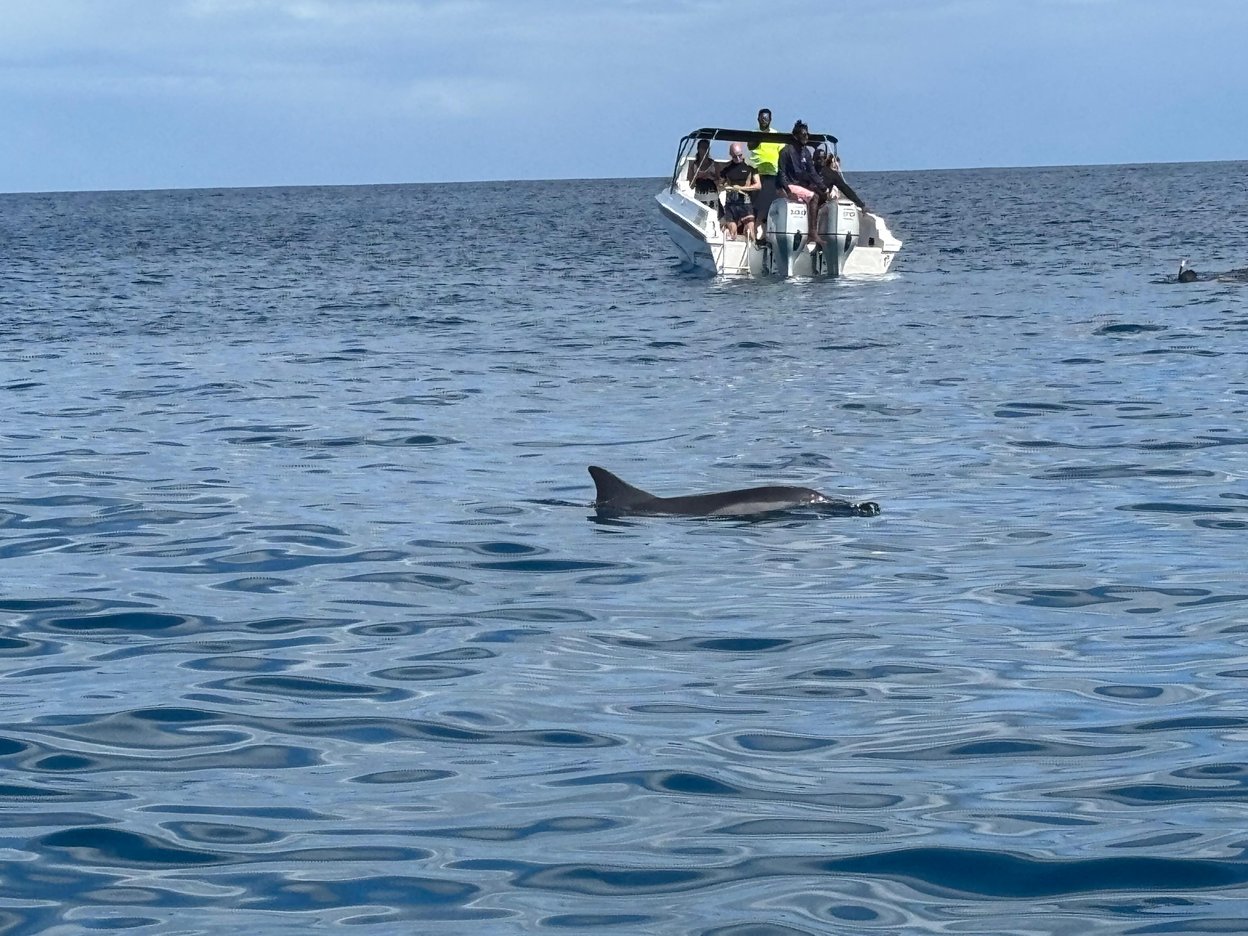
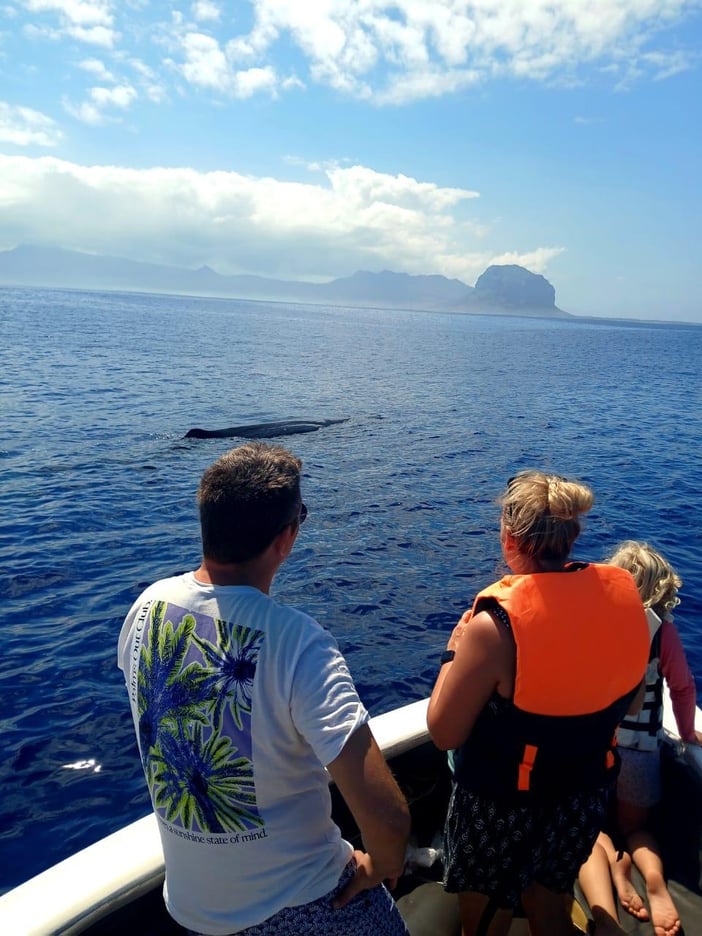
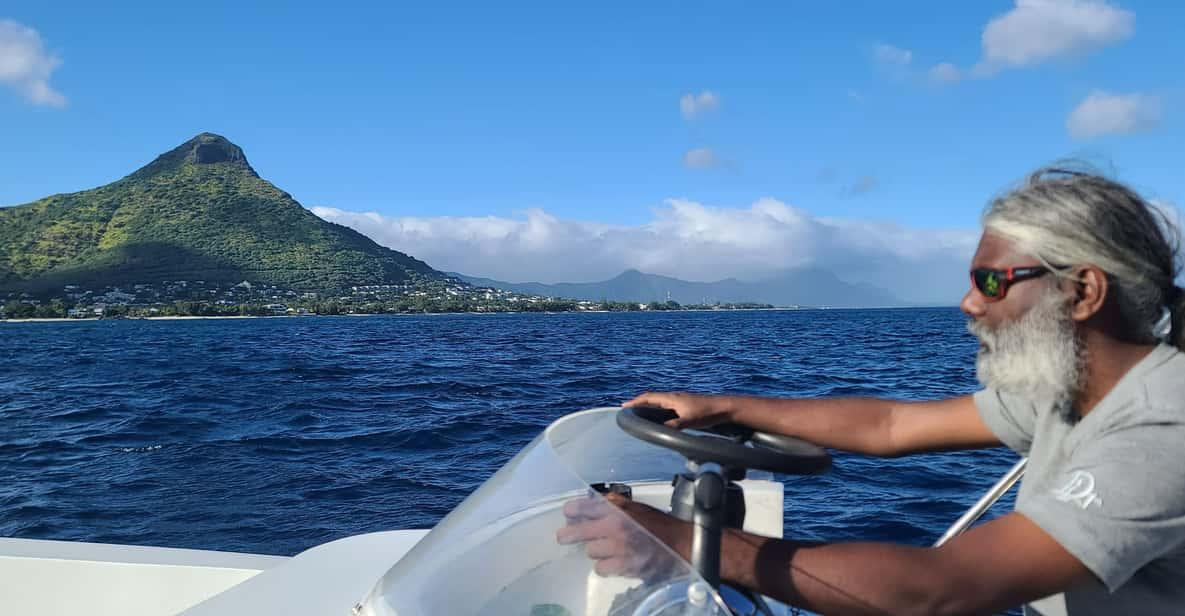
A small private speedboat takes you from Tamarin out to where dolphins rest in the morning shallows, then past the reef into deep water where sperm whales feed year-round.
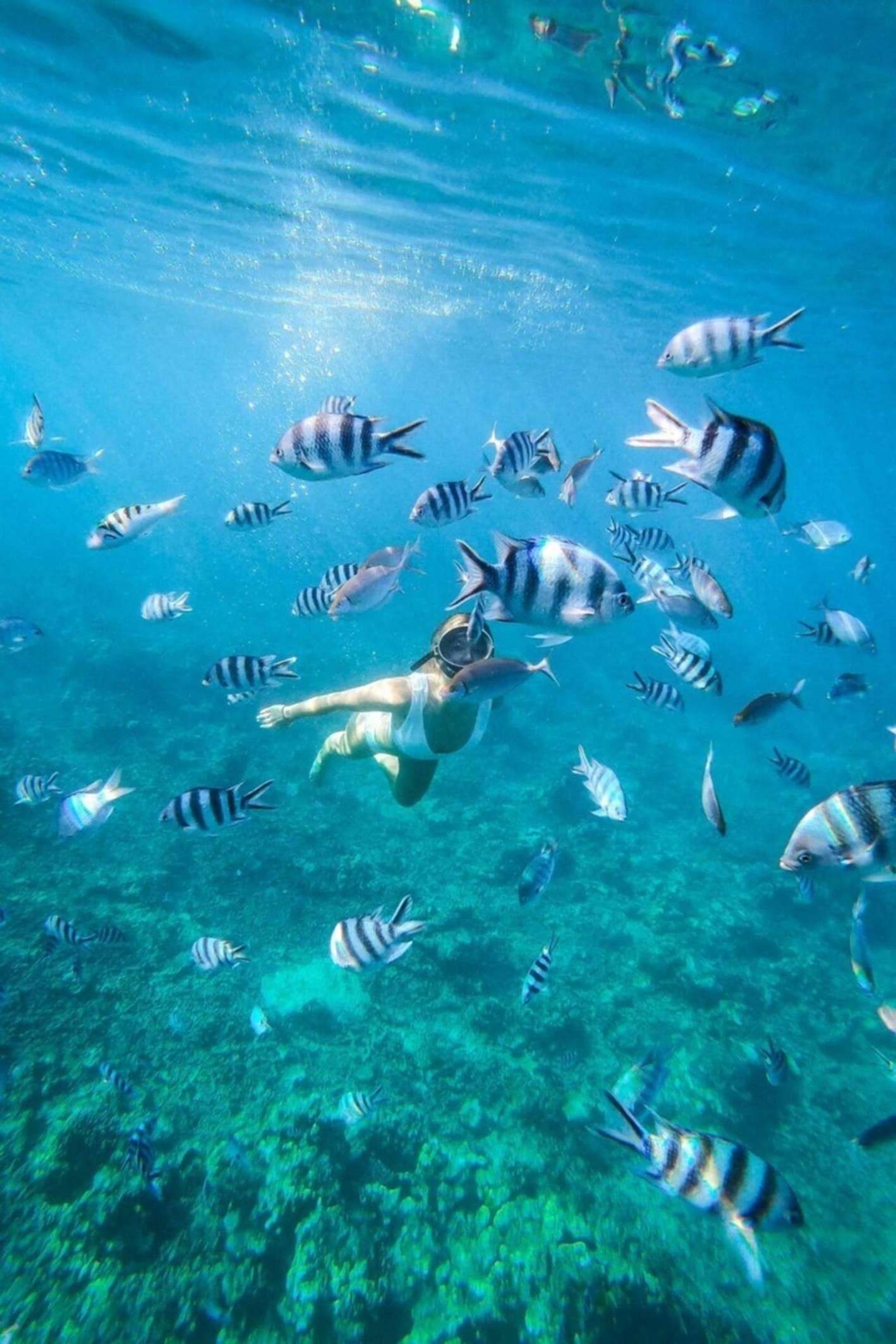
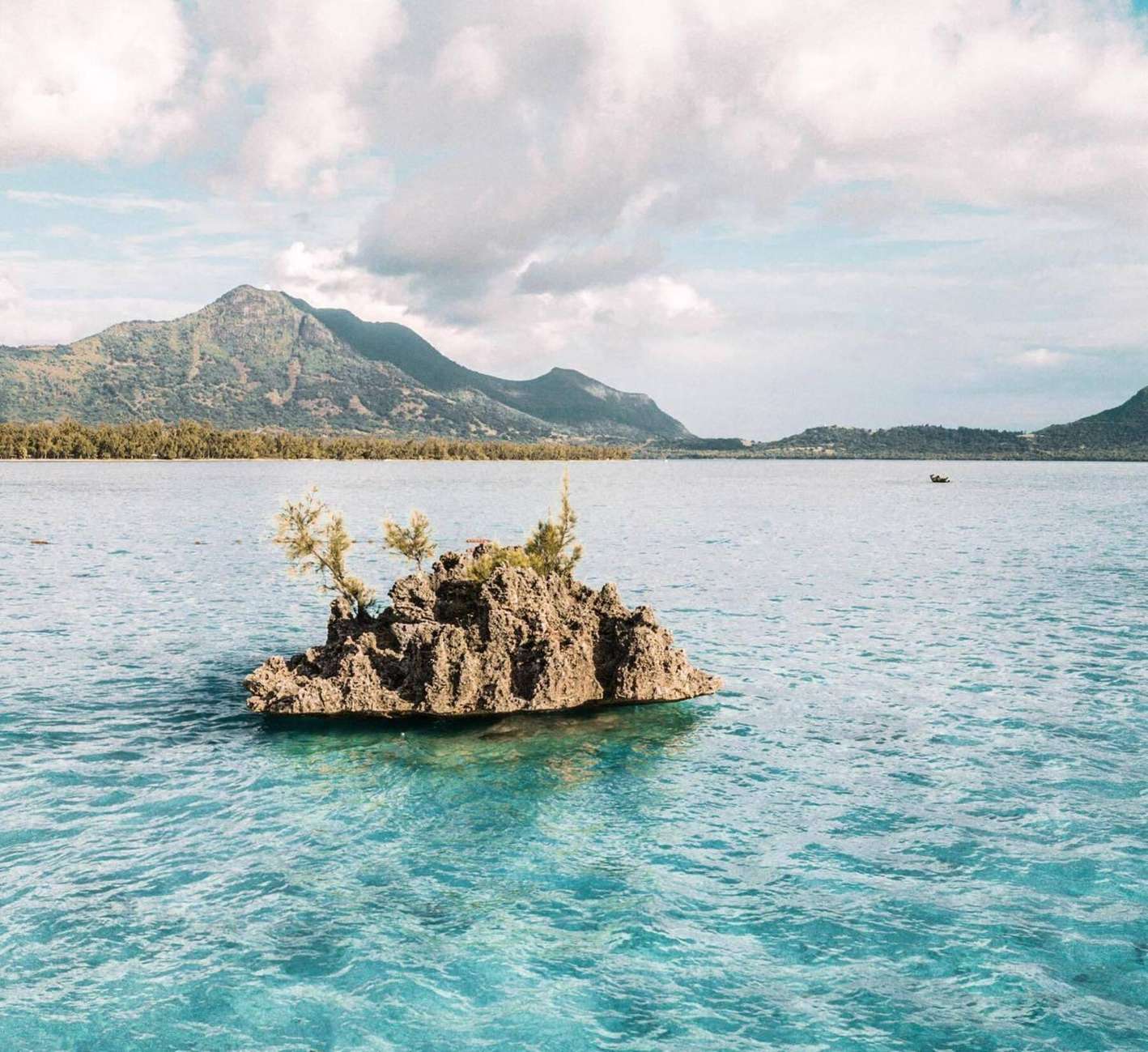
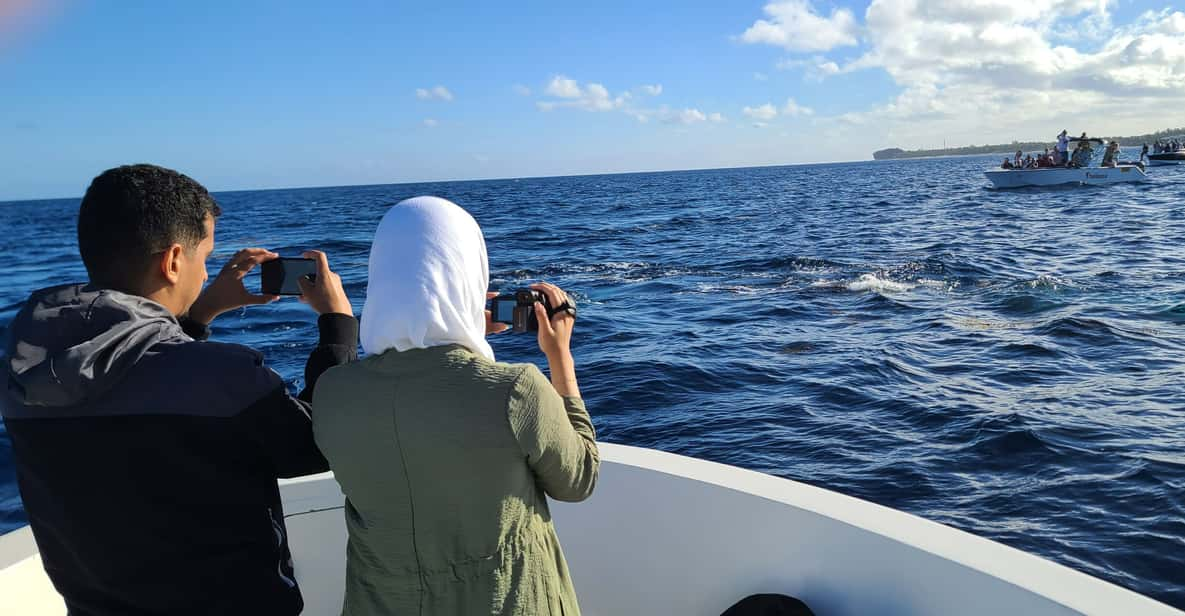
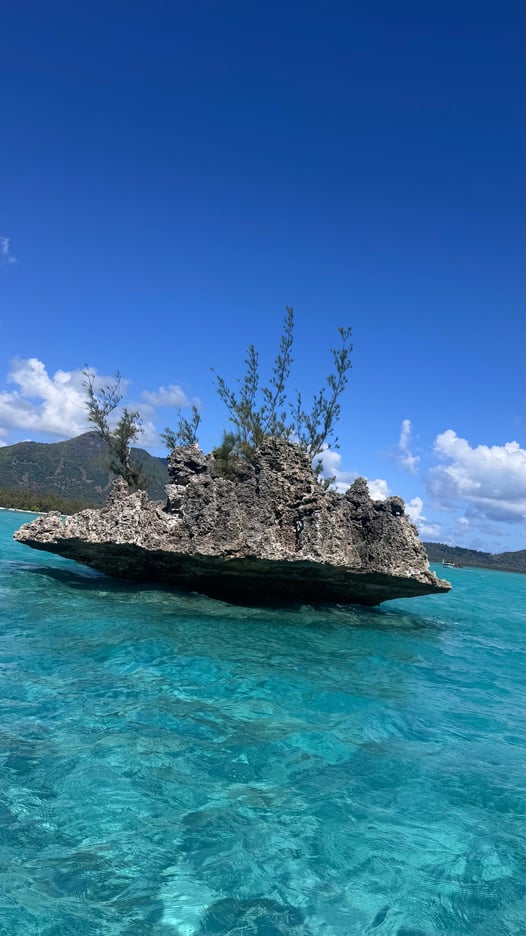
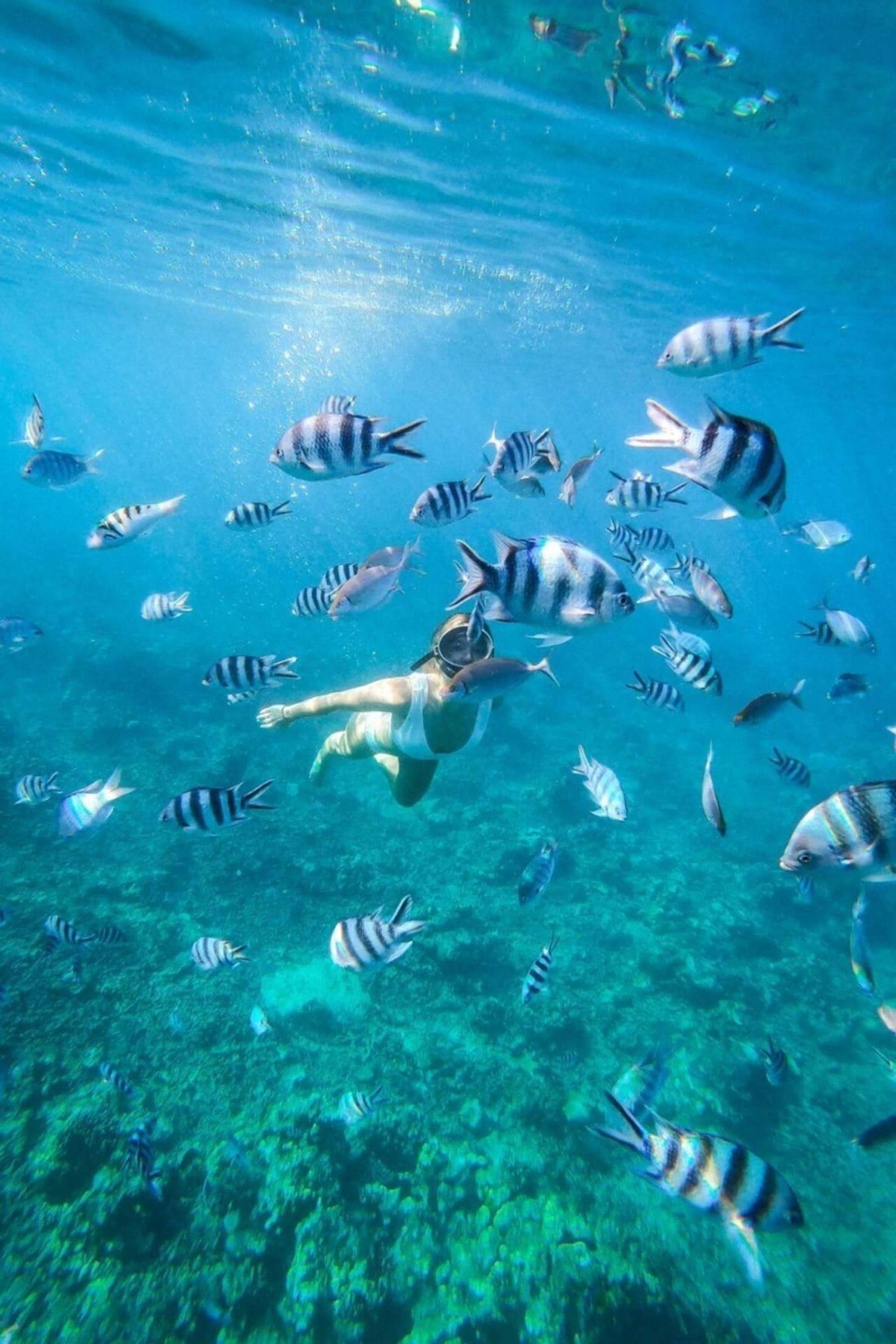
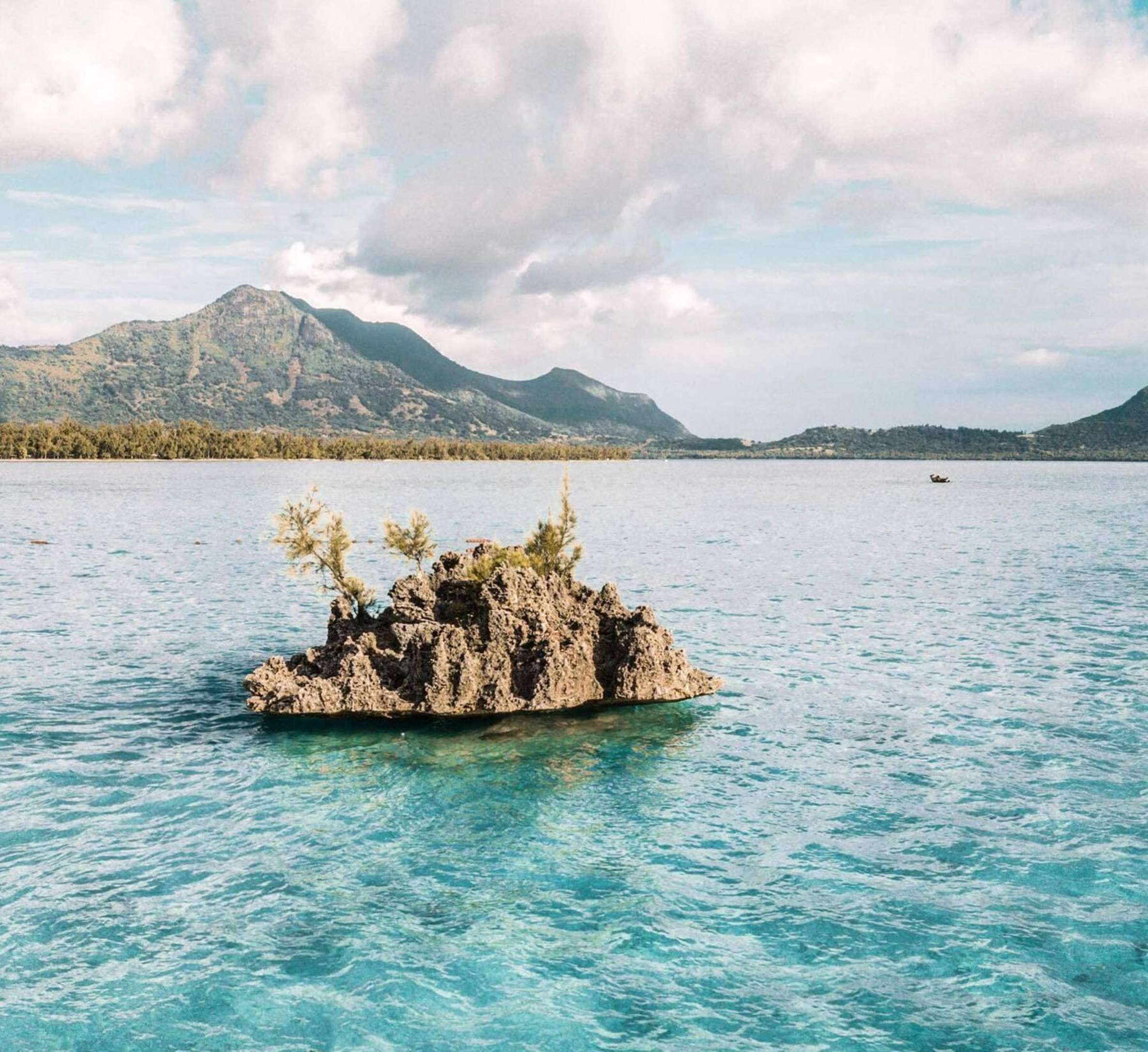
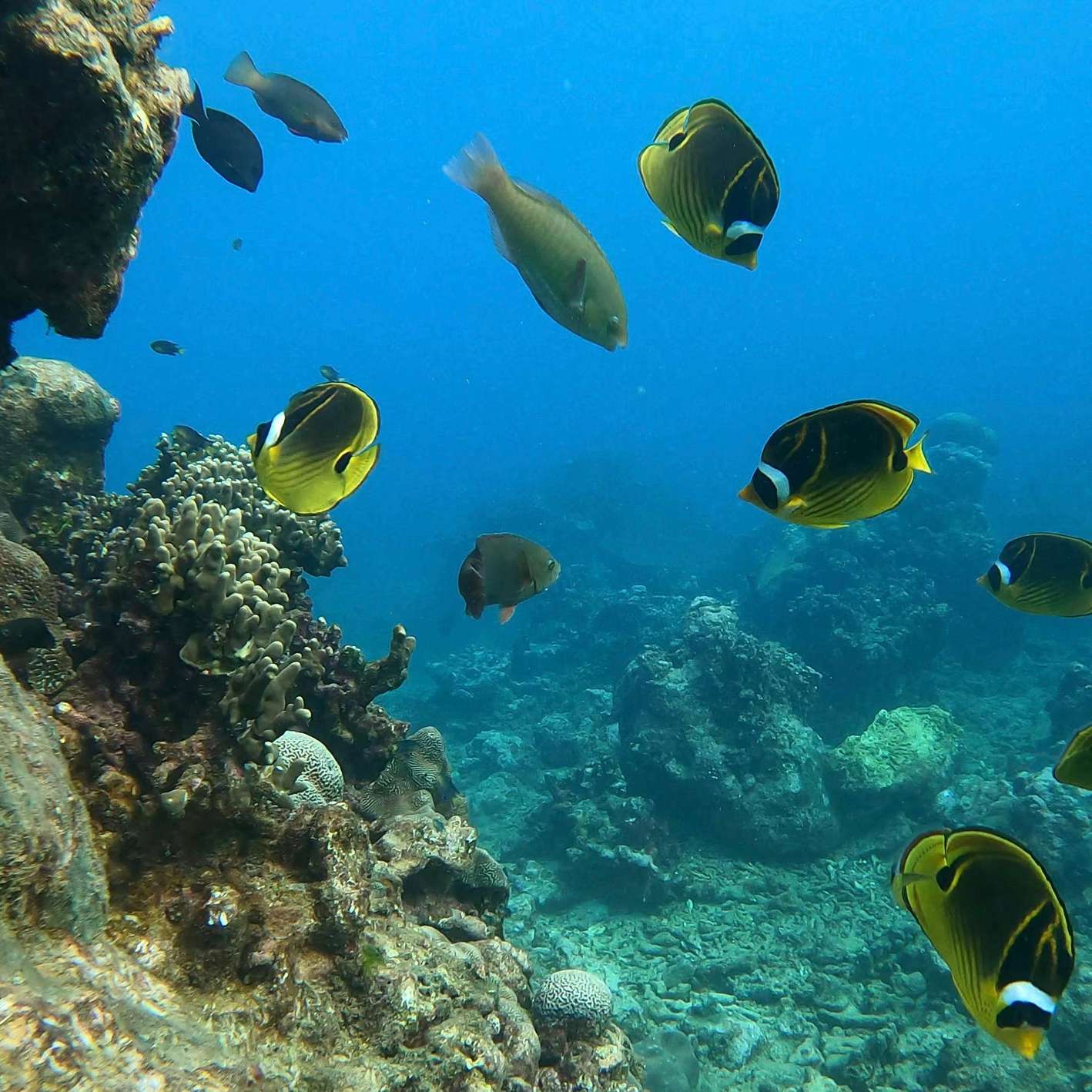
You swim and snorkel with the dolphins in the early hours, watch the whales from the deck, and finish with a snorkel in the natural aquarium near Crystal Rock.
The whole outing runs about four hours, with juice, water and soft drinks on board. July through October is the window when you have the best chance of seeing both species in one morning, because humpbacks pass the island alongside the resident sperm whales.
Stop 1First dolphins of the morning· about 60 minYour skipper finds the pod resting in the sheltered bay and coaches you on when to slip in for a quiet swim alongside them.Stop 2Out past the reef· about 30 minThe boat runs offshore to the deep trenches off the west coast, where the seabed drops away just a few kilometers from land.Stop 3Whales from the deck· about 60 minYou watch for sperm whales, and humpbacks in season, from the boat at a respectful distance while the skipper tracks them.Stop 4Snorkel at the aquarium· about 60 minA stop at Crystal Rock and the natural aquarium gives you clear water, tropical fish and sea views beside the mountains.Stop 5Back with drinks· about 30 minThe ride home comes with juice, water and soft drinks, and you leave with a morning that covered both dolphins and whales.
Included
Experienced skipper/guideFully private, personalised and exclusiveAll the activities: dolphin snorkeling, whale watchingSwimming and snorkeling in the natural aquariumLight drinks (juice, water, and soft drinks)
Choose a shared trip for a first taste of the coast, or a private speedboat if you want the day paced around your group. Book the first morning of your holiday rather than the last one, in case weather moves things.
Pro tipMost operators let you cancel up to 24 hours ahead for a full refund, so an early booking costs you nothing if plans change
Common mistakeLeaving the booking for a fixed date deep into the trip, with no spare day if the sea turns rough
2. Choose the option that fits your morning
Compare the durations carefully. Half-day speedboat trips run about 2.5 to 4 hours, while full-day charters that add whale watching, Crystal Rock and an island barbecue lunch run 6 to 9 hours. Read what each option includes before you commit.
Common mistakeAssuming every option includes the whale leg, when shorter dolphin-only departures skip the open-water run
RecommendedThe earliest departure you can manage, ideally a 6 am or 6:30 am launch
3. Check pickup and payment details
Some options include hotel pickup and drop-off, others ask you to reach the boat yourself, so confirm which one you picked before paying. Drives from Grand Baie or Belle Mare to the Black River launch point take over an hour before dawn traffic.
RecommendedIf you drive yourself, aim to arrive well before the boat leaves, since dolphin encounters run from 6 am to 7:30 am and boats go offshore after that
ImportantPickup options for far regions often require a minimum of two people per booking
4. Read your voucher and meeting point
After payment you get a confirmation with the meeting instructions. West coast tours typically meet on the beach in Black River, where a guide walks you to the boat, or at the Le Morne Anglers Club Jetty for catamarans, so read the exact spot in advance.
Pro tipMessage the operator the evening before through WhatsApp or the booking platform to confirm the meeting point and sea conditions
5. Pack the night before
Lay out swimwear, a towel, high-SPF sunscreen, a hat and a light windproof jacket, since the return crossing past the reef can turn breezy. Bring motion sickness tablets if open swells bother you, then arrive early and rest easy.
Common mistakeBringing nothing warm for the open-water leg, when the wind picks up long before you get back to the beach
What to know before booking your dolphin and whale watching trip
engines off so the hydrophone can hear the whales
Can stop the dayGood to knowGood news
01
ChoosingWhat it is, who it suits, when to go
5
Dawn timing
Dolphin encounters run between 6 am and 7:30 am, when spinner dolphins rest in the shallows after hunting offshore at night. Leaving at sunrise means flat water and far fewer boats before the trip heads out to whale grounds.
Swimming ability
Swimming with dolphins means dropping into deep open water and swimming fast alongside the pod. You should be confident swimming 200 to 500 meters in currents, and fins help a lot. Non-swimmers can still join and watch everything from the deck.
Dolphin rules
Dolphin swimming is licensed and regulated by the government, and boats follow pods at a set distance so you can swim with them. Swimmers enter quietly from the side of the pod, and no more than three may be in the water at once.
Included
Private charters typically cover the skipper and guide, snorkeling gear, drinks, and on longer trips a barbecue lunch on Île aux Bénitiers with seafood, chicken or lamb options. Hotel pickup may cost extra, so check the option you choose.
Crowds
A private boat keeps the deck to your group and lets the skipper position for sightings quickly. From mid-morning, up to 10 to 20 boats can gather around dolphin pods, which is exactly what an early private departure avoids.
02
BookingHow far ahead, and what happens if plans change
1
Cancellation
Every combination tour here allows free cancellation up to 24 hours in advance. Weather can force a skipper to reschedule a rough-sea day, and operators are usually easy to reach about flexible new dates.
03
Before you goPapers, health, what to bring
3
Health limitsCan stop the day
Open-ocean speedboat tours are unsuitable for pregnant women and people with back problems. Babies under 1 year cannot join select speedboat tours, and some private trips also exclude children under 4 and people prone to seasickness.
Motion sickness
Past the outer reef, open swells cause irregular pitching that can trigger queasiness. Take motion sickness medication about an hour before departure with plenty of water, since it only works if absorbed before symptoms start.
What to bring
Pack swimwear under your clothes, a towel, reef-safe sunscreen, sunglasses and a hat, plus a light jacket for the windy return crossing. Small bills in rupees cover island vendors and beach stalls.
04
On the dayWhere to be, when, and how you get there
2
Meeting point
Tours meet on the beach in Black River or Tamarin, where a guide directs you to the boat. Some charters leave from the Le Morne Anglers Club Jetty. Catamaran cruises ask you to arrive by 9:15 am for a 9:30 am departure.
Getting there
Driving to Tamarin or Black River for a dawn launch takes roughly 1 hour 15 minutes from Grand Baie or Belle Mare. Leaving early keeps you ahead of the 7 am to 9 am rush around Port Louis.
05
During the tourWhat is expected of you
1
Whale rulesCan stop the day
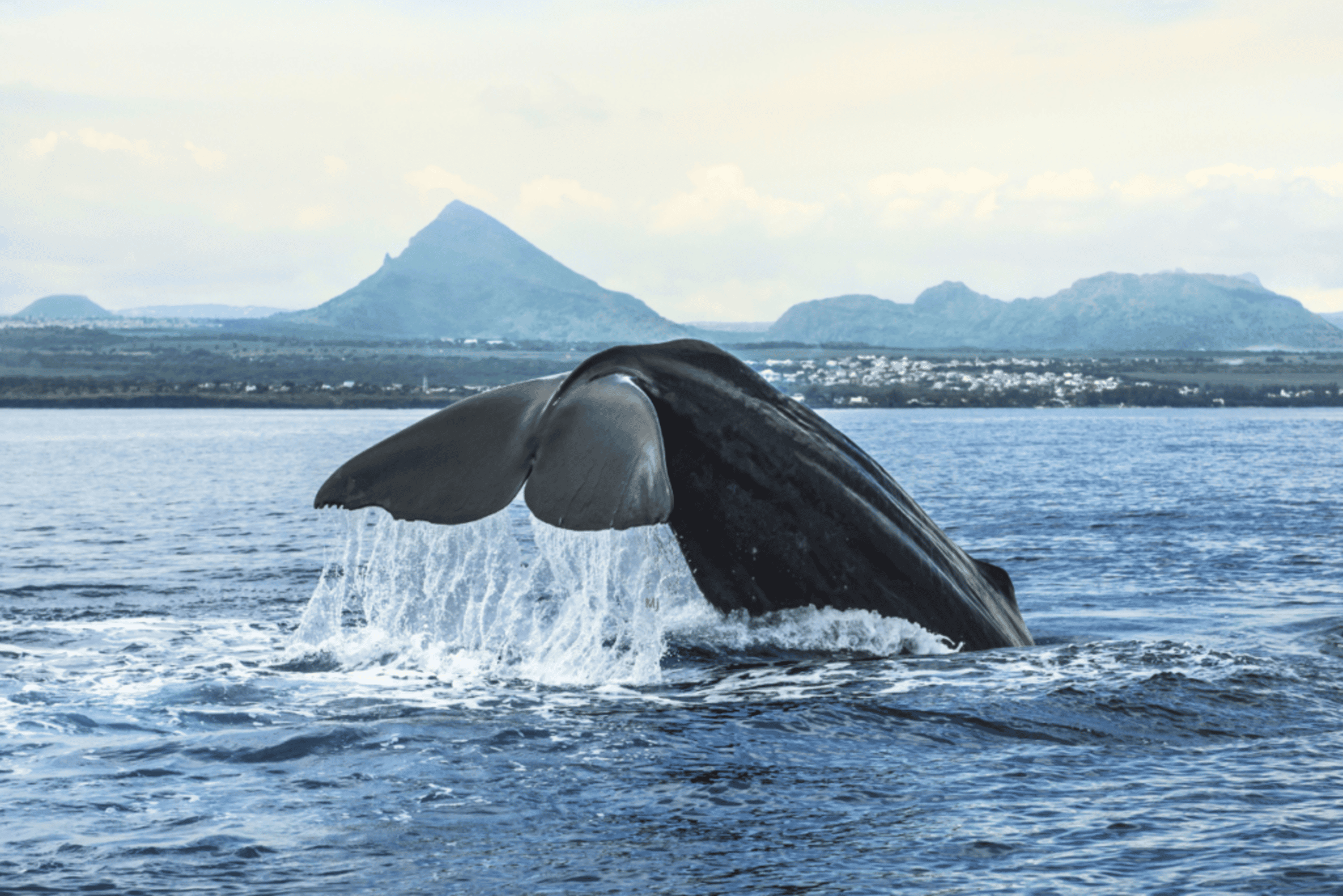
Swimming with whales is prohibited by law, so you watch them from the boat only. Skippers keep at least 100 meters away. Because boat noise masks the whales' clicks, guides often shut the engine down while listening through a hydrophone.
A dolphin and whale watching morning in Mauritius, honestly
trenches 5 to 9 km offshore
Two species, one boat, one sunrise off the west coast. This guide walks you from the 6 am launch to the lagoon lunch and settles every doubt on the way.
Tamarin· 20.28° S, 57.37° E
If you only remember three things
1
Book the first morning of your trip, not the last, so rough weather gets a second chance.
2
The dolphin swim runs between 6 am and 7:30 am only; whales are watched from the boat only.
3
Sperm whales live here year-round; humpbacks pass from June or July to October, peaking August and September.
Dolphin and whale watching in one day, real or overpromised
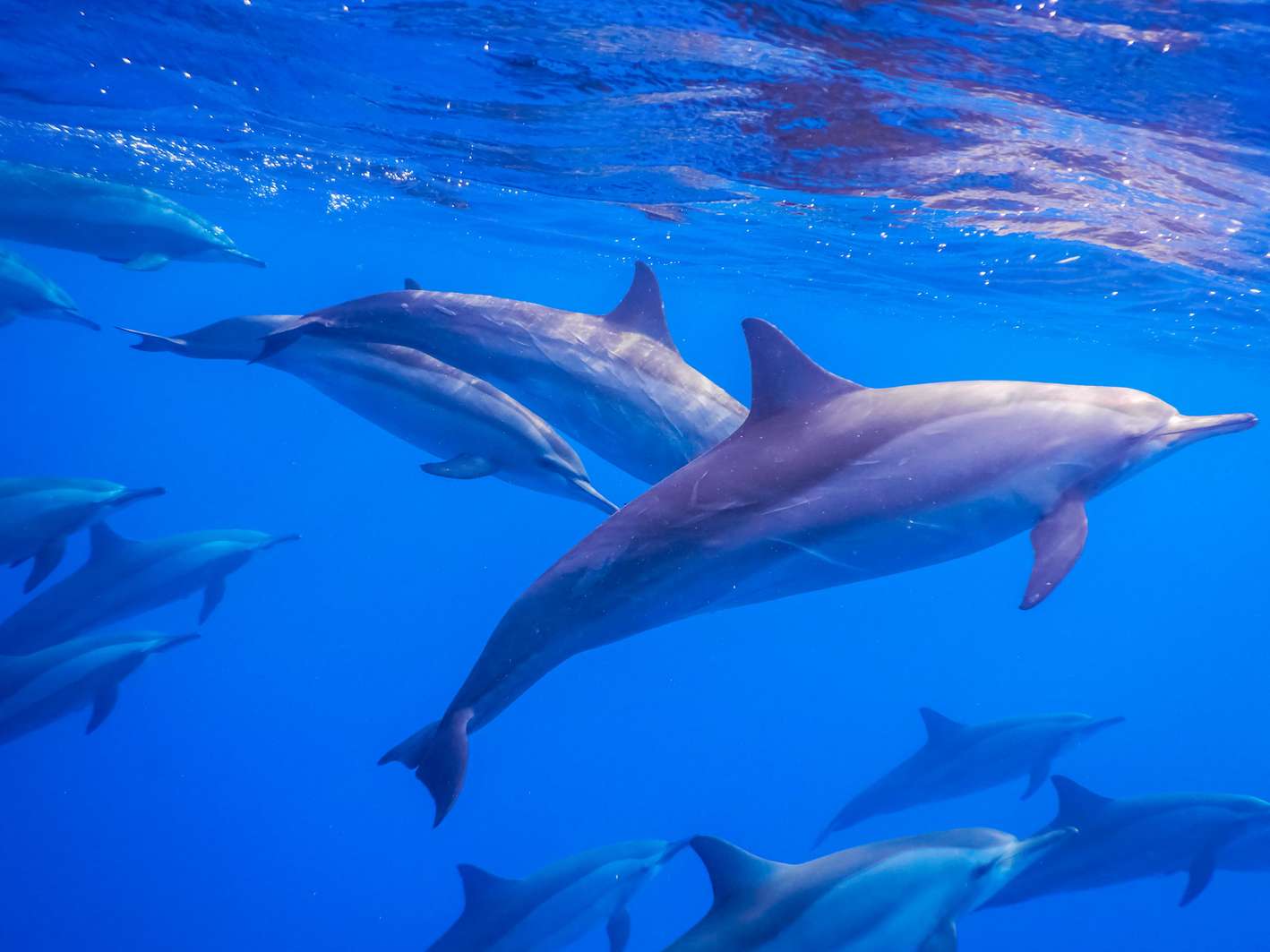
Tamarin Bay fills with spinner dolphins most mornings of the year. The pods are resident, so there is no closed season.
The whales are a different animal in every sense, and this is where the doubt creeps in: surely a trip promising both is stapling two tours together. The map says otherwise.
Past the reef off Tamarin and Black River, the seabed reaches 1,000 to 2,000 metres within 3 to 5 nautical miles of shore, about 5 to 9 km out, where the canyons feed sperm whales that live here permanently.
So the bay holds dolphins at dawn and the deep water starts minutes away. A combined dolphin and whale watching morning comes down to simple proximity.
The math still has variables: whales surface when they choose, and dolphins swim fast. Skippers share sightings across the open water, which is why going with an experienced crew beats trying to track animals yourself.
What people get wrong about the combo day
MythA combo day is two tours crammed into one
Reality
The dolphins rest in shallow bays and the whale trenches begin just past the reef, so one morning covers both naturally
MythSeeing a whale is a lottery
Reality
Sperm whales live off the west coast year-round; humpbacks are seasonal, so the odds depend on your dates
MythYou must pick between dolphins and whales
Reality
The day does dolphins first, then whales, with the dolphin swim inside the legal morning window
Why every dolphin and whale watching boat leaves at sunrise
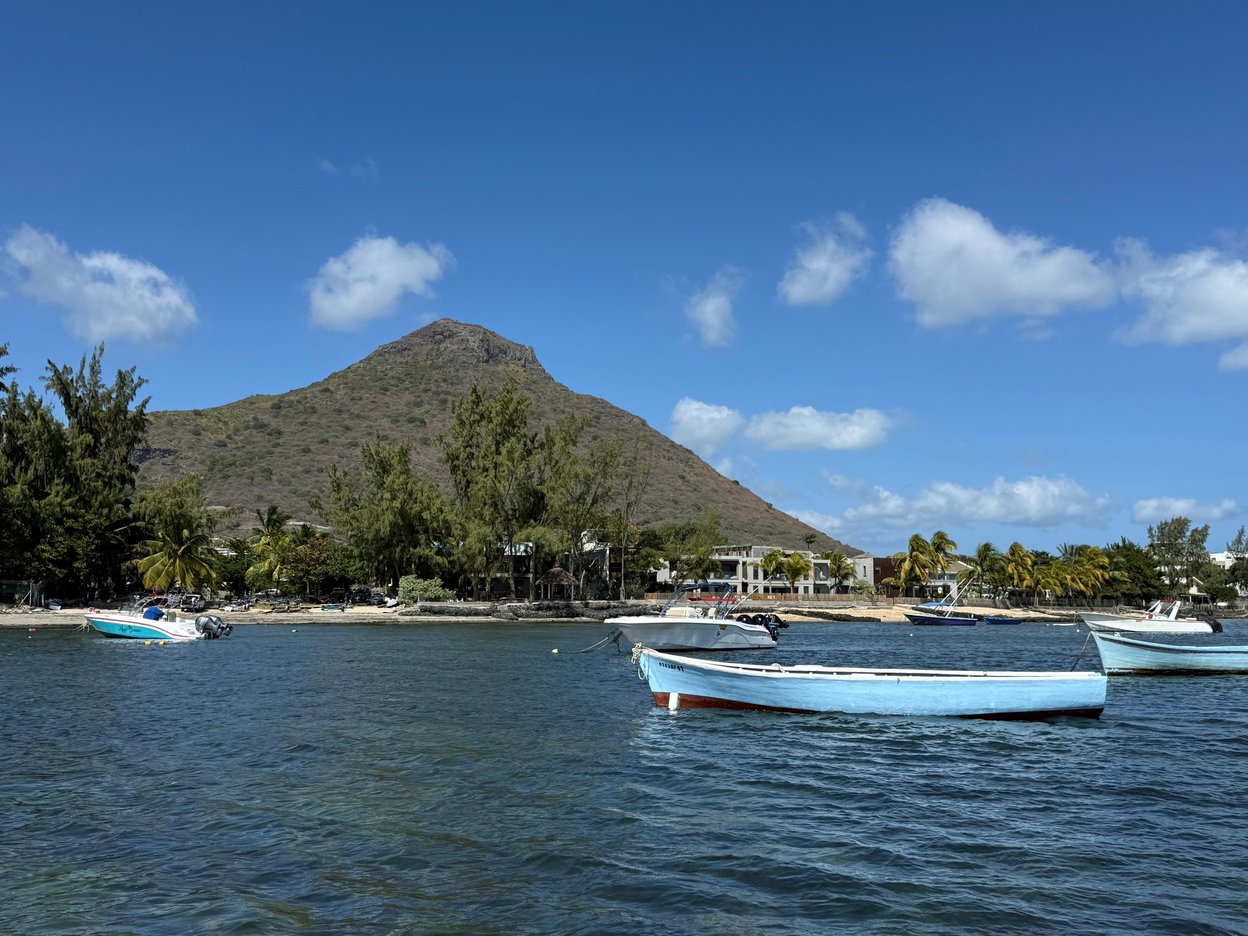
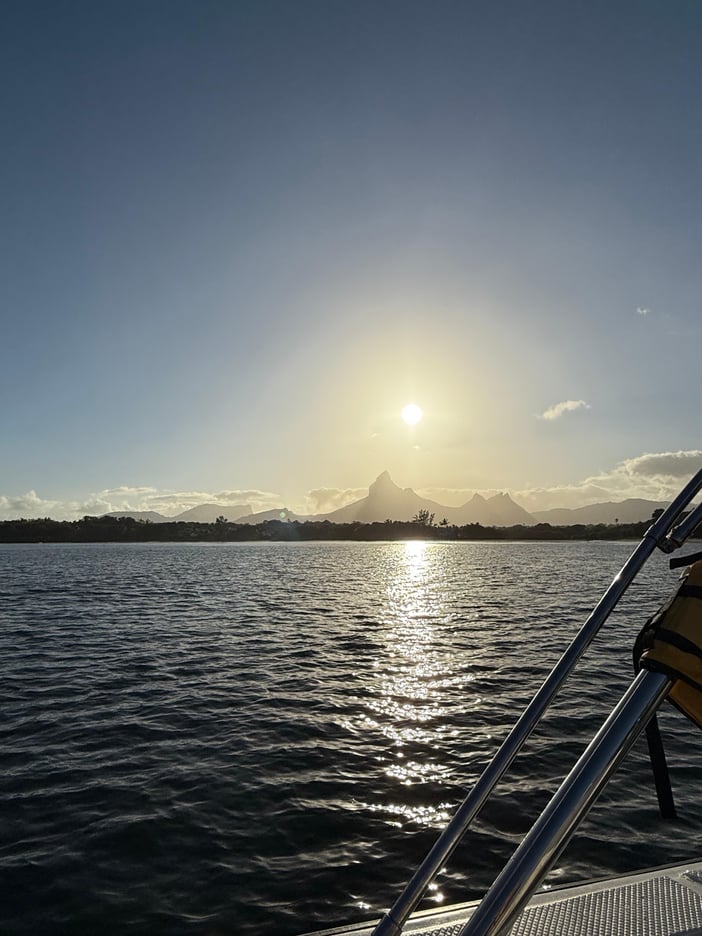
First light on Tamarin Bay is glass. The mountains hold off the wind, the water lies flat, and the spinner dolphins that hunted offshore all night slide into the shallows to rest and socialise. This is the scene the whole schedule is built backwards from.
In-water encounters run between 6 am and 7:30 am, the window when the sea is calmest and the pods are in. By mid-morning the picture changes: wind chop builds and up to 10 to 20 boats crowd around the same pods. The animals get disturbed, and the boats that want whales head offshore anyway.
West coast conditions and boat traffic across the day
Dawn to early morning Peak6 am to 8 am
Glass-calm seas and resting pods before boat traffic arrives.
Mid-morning8 am to 11 am
Dozens of speedboats and catamarans crowd pods in the bay.
Midday and afternoon11 am to 3 pm
Wind picks up as boats move offshore for whale watching.
QuietBusyThe busiest
The mid-morning slot everyone naturally picks is the worst one on the water. The dawn slot is when the animals are actually there. Sleep in and you get chop, crowds and resting dolphins that want nothing to do with swimmers. Get up early and you get the bay in the best light of the day.
The day has a fixed shape, and it helps to picture it before you commit. Mauritian regulations keep commercial dolphin and whale watching on the water between 6 am and noon, so the wildlife half happens in one compact morning; the snorkeling and lunch that follow sit outside those watching hours.
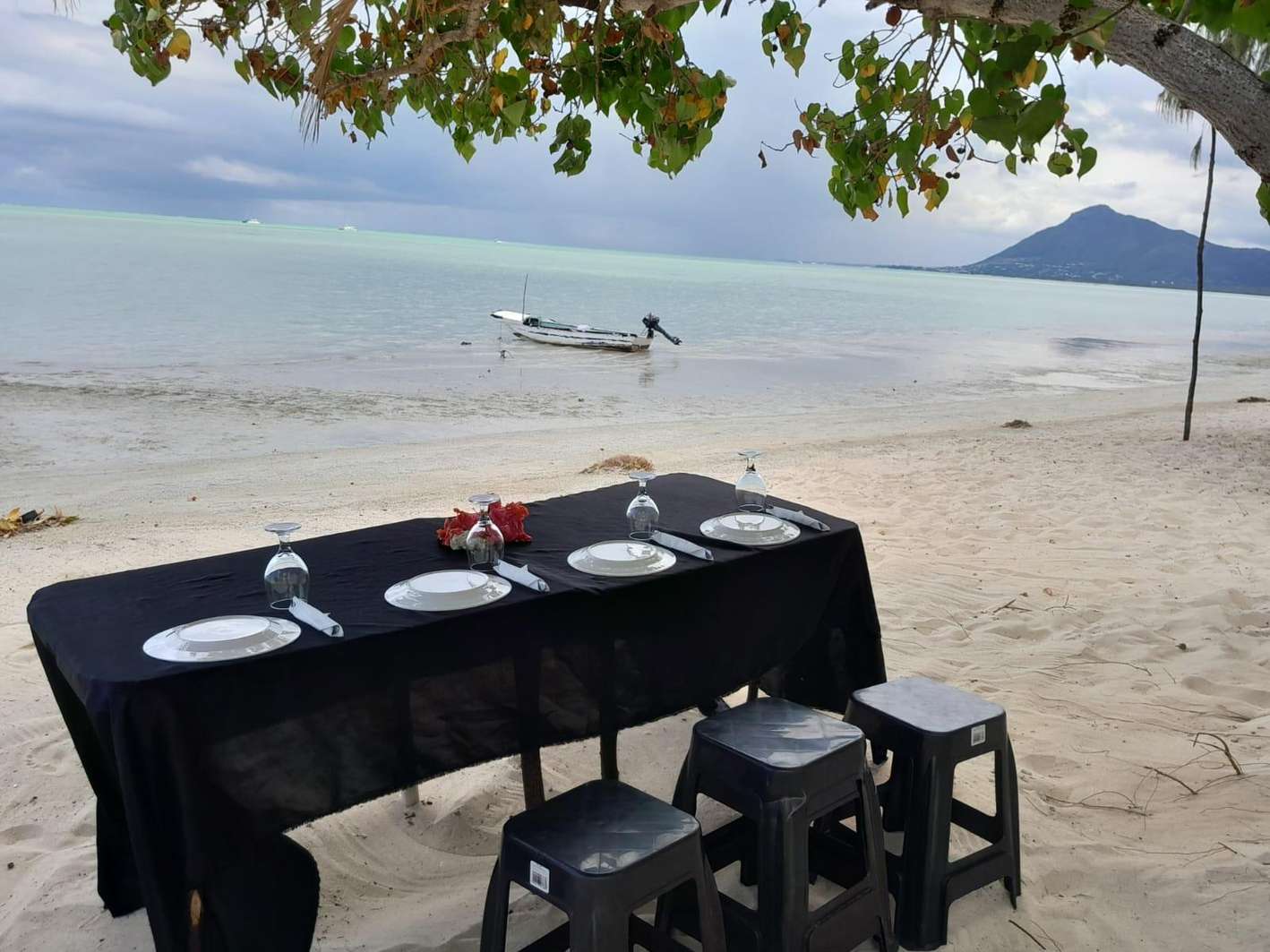
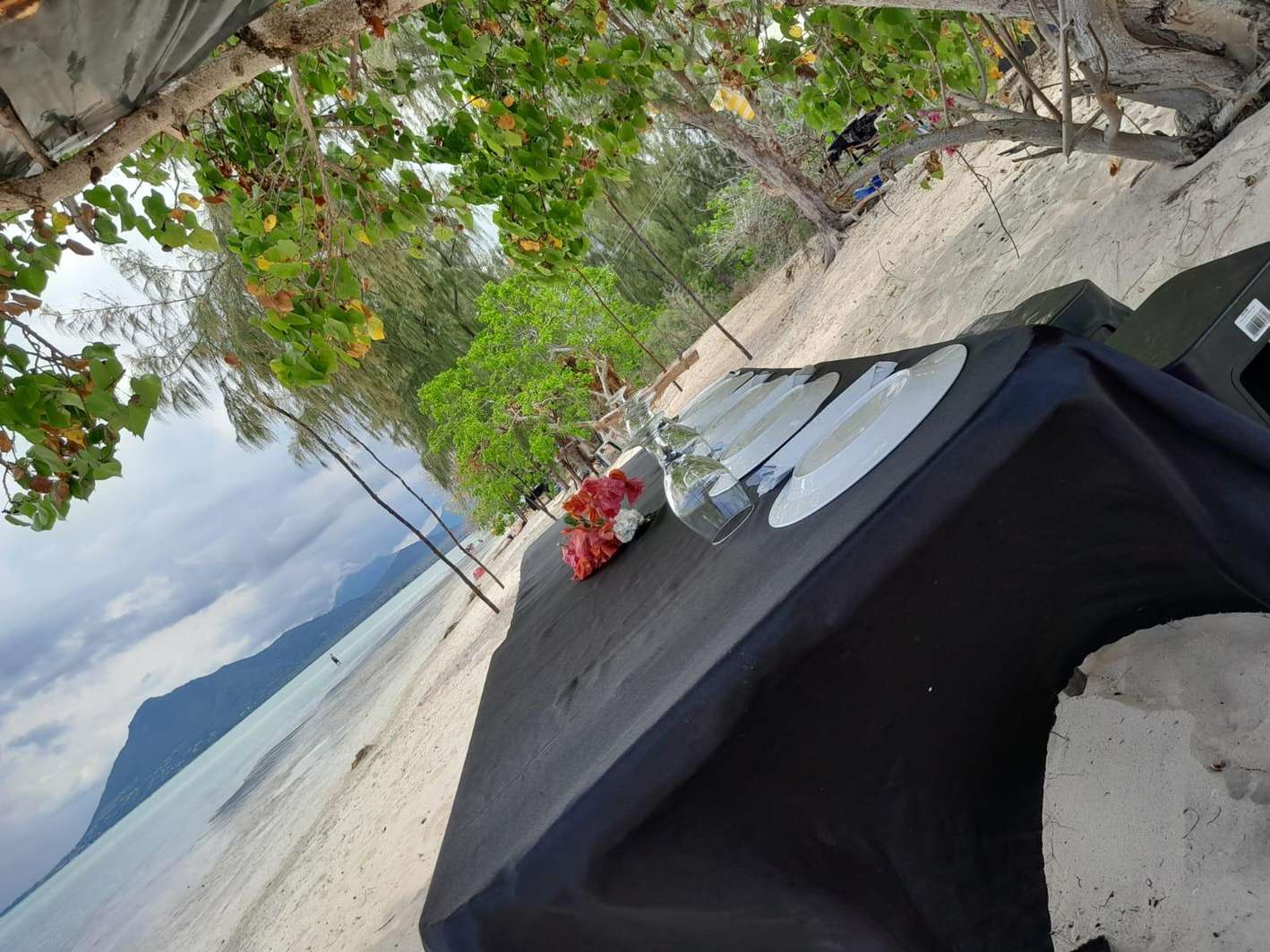
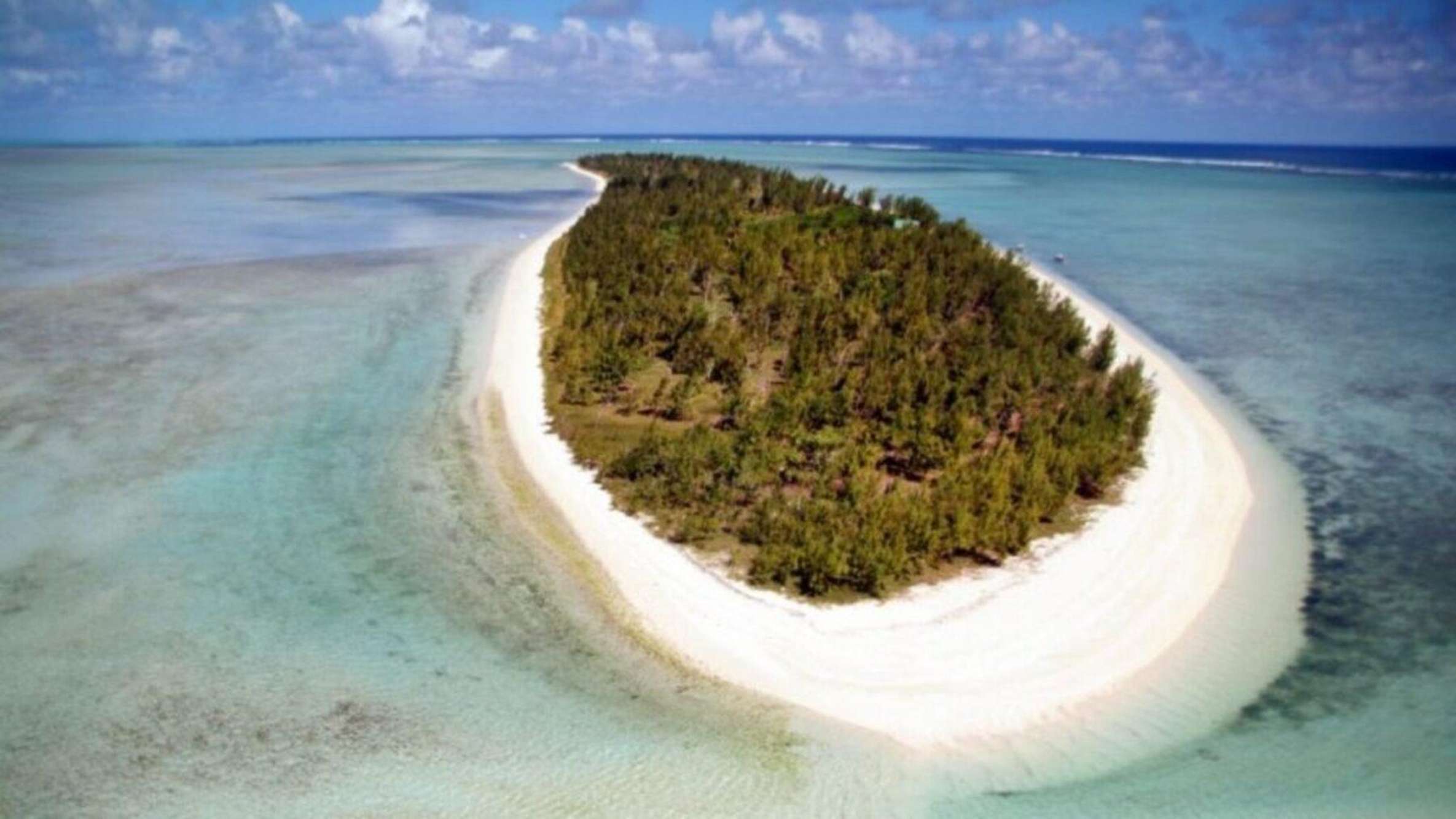
Boats like the Private Boat Whales & Dolphins Encounter BBQ on Benitier Island run the full script: dolphins first, a run past the outer reef into deep water for whales, then snorkeling near Crystal Rock and a barbecue on Île aux Bénitiers before the ride home.
Nine hours door to door, with a guide joining you in the water and snorkeling gear on board.
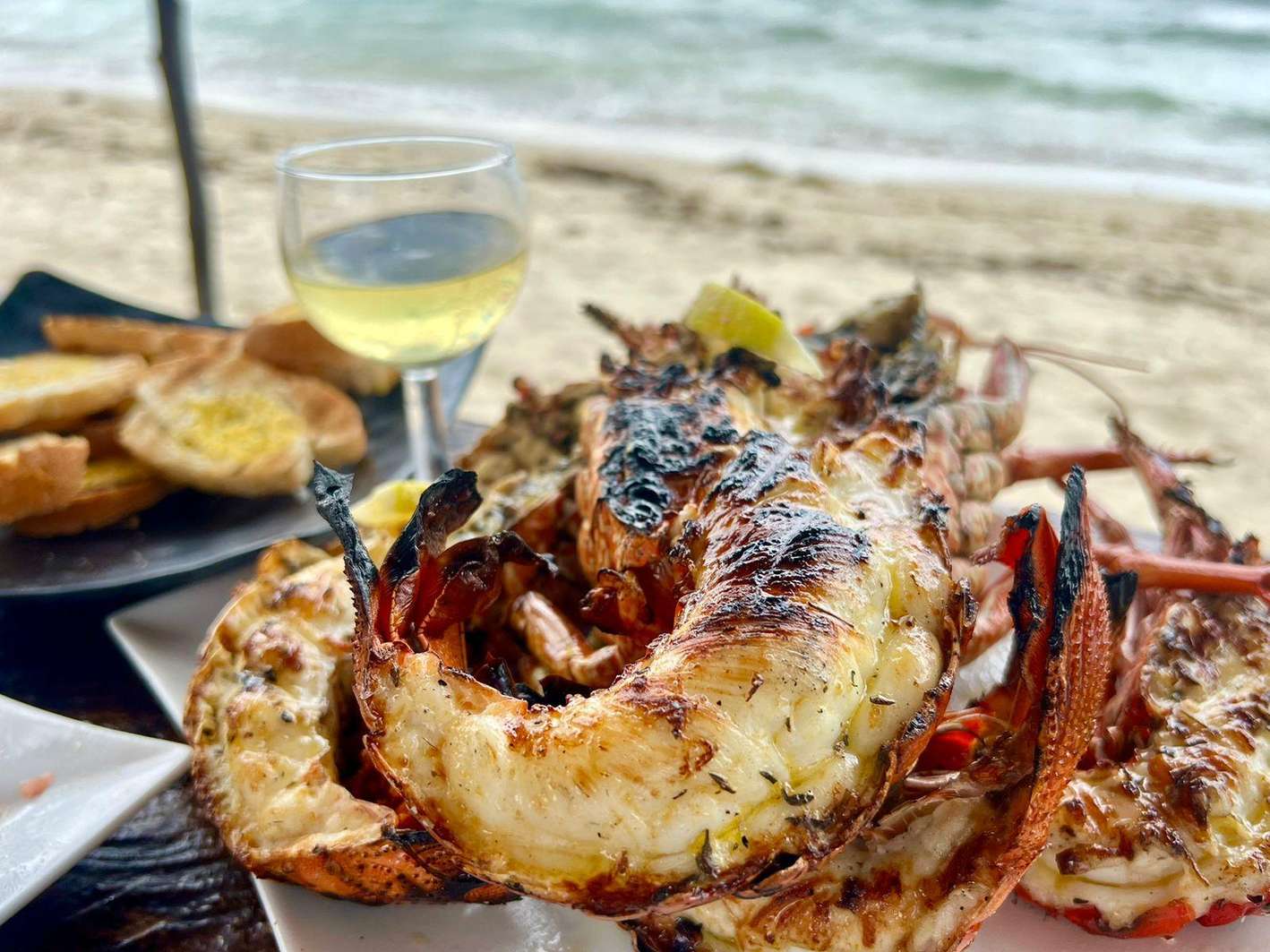
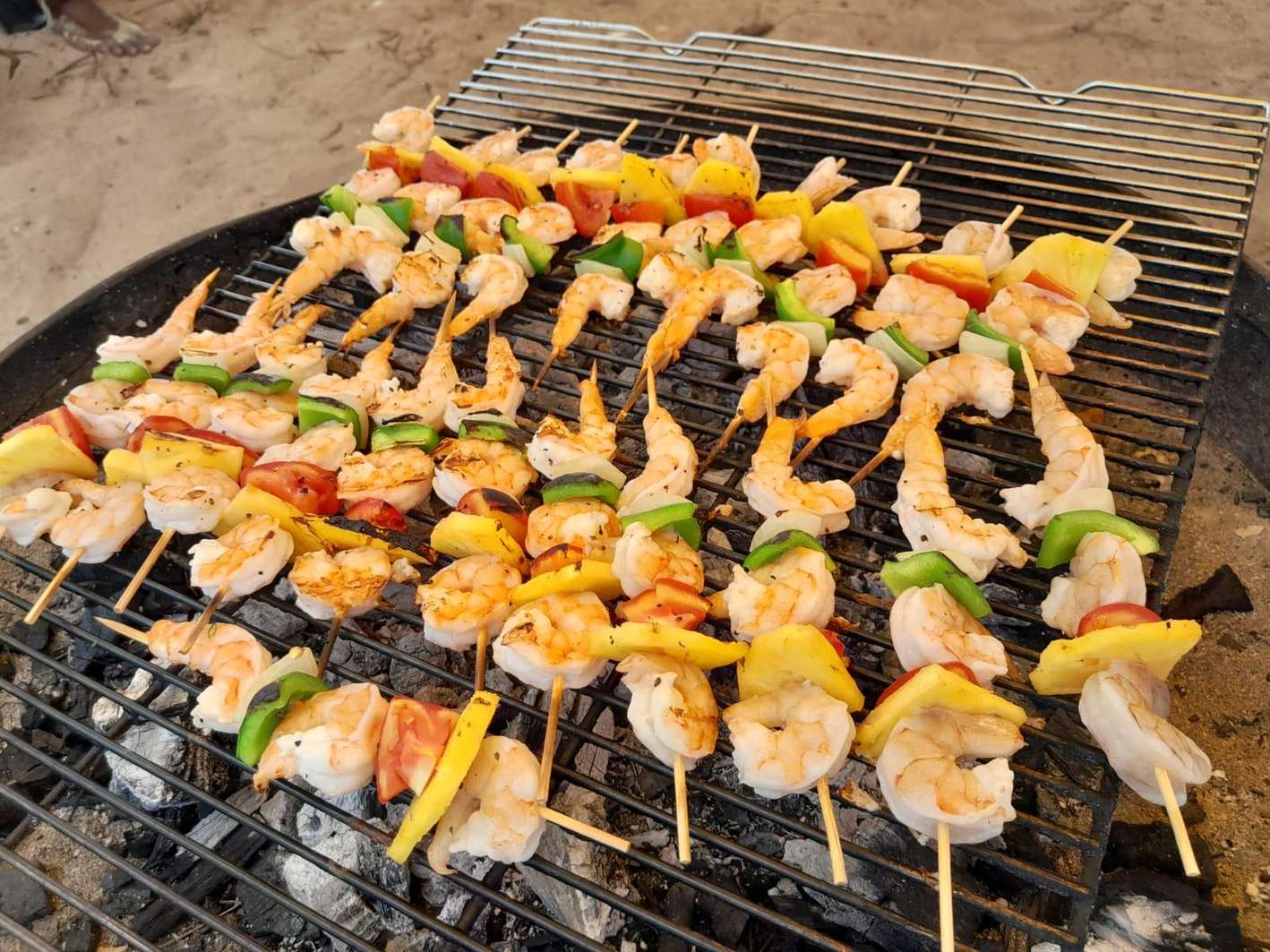
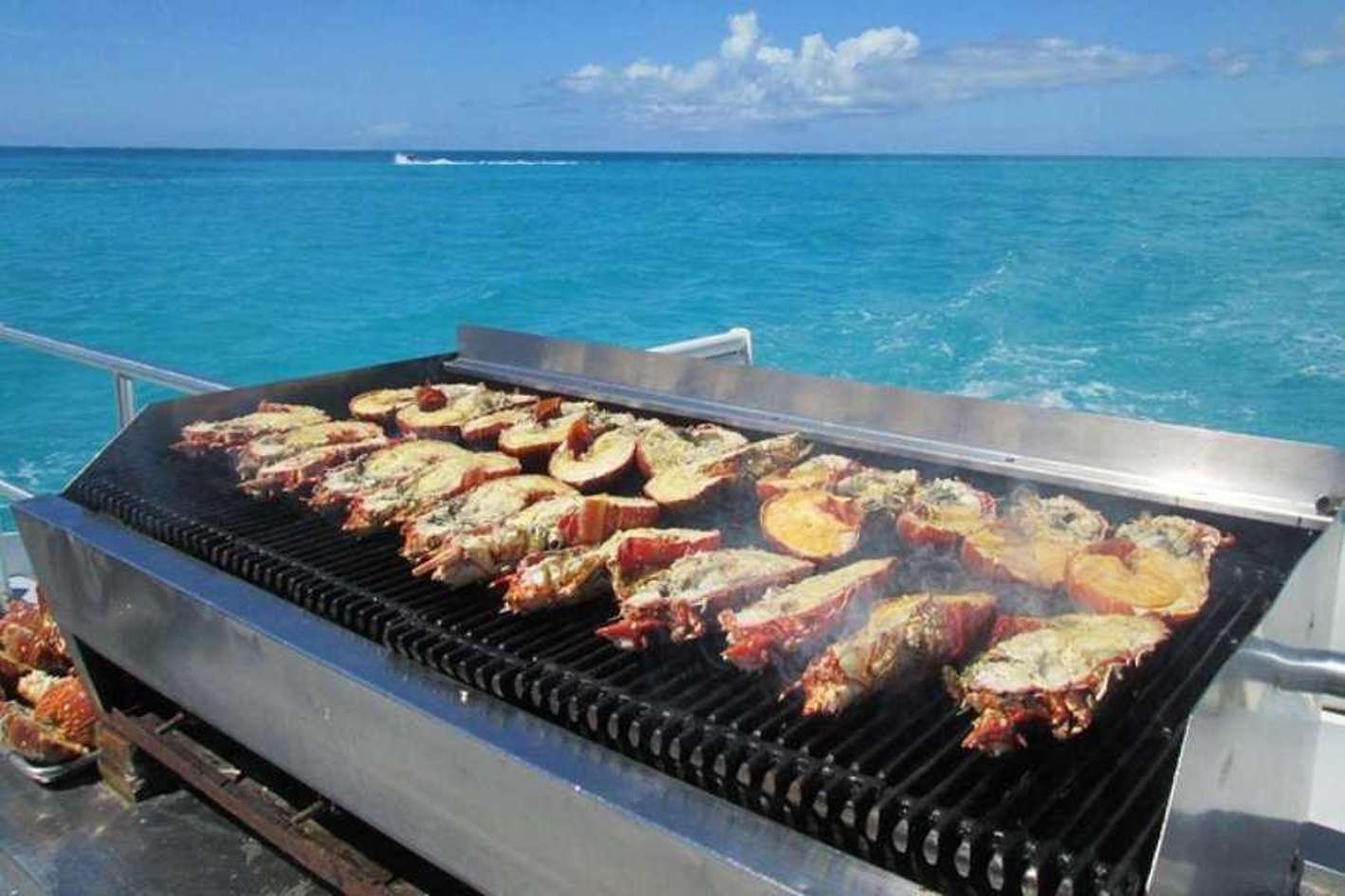
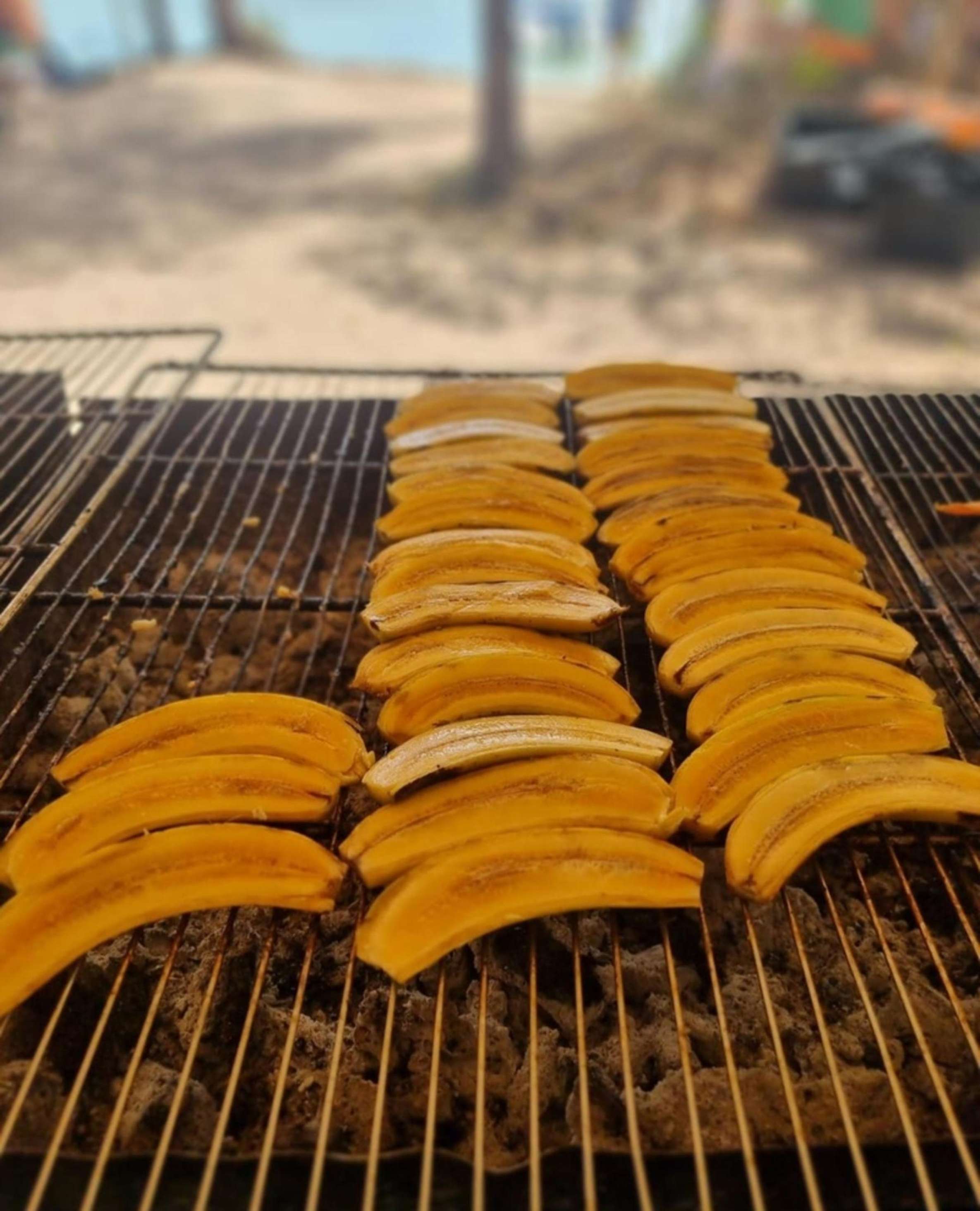
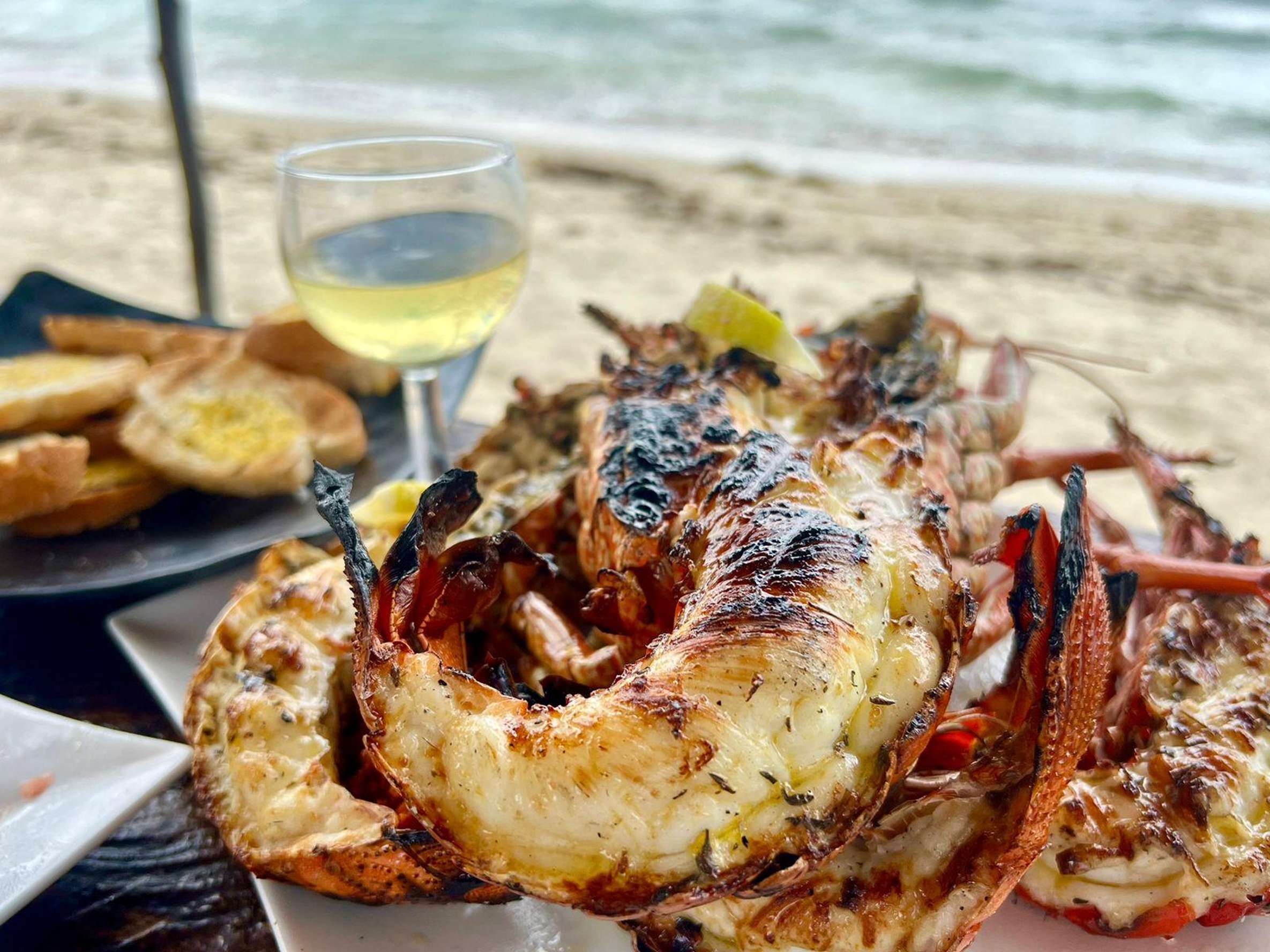
The food matters more than you think. Full-day charters grill fish, chicken, sausages and lamb on the beach, with seafood and flambéed banana in the mix, and drinks flow all day. Shorter speedboat trips carry water and soft drinks only, so check what your booking includes before you skip breakfast.
How the day unfolds
1
Before 6:30 am
Beach check-in at Black River, guide meets you, lifejackets on
The briefing covers the swim rules
2
6:00 to 7:30 am
Dolphin encounter in Tamarin Bay
Small groups enter the water, the guide sets the timing
3
Mid-morning
Run past the outer reef into deep water
Open-ocean swells start here
4
Late morning
Whale watching with engines off
Hydrophones pick up sperm whale clicks
5
Early afternoon
Snorkeling at Crystal Rock, BBQ lunch on Île aux Bénitiers
Your dates decide your whale odds more than anything else in this plan. Sperm whales live off the west coast all year, so the deep-water half of the day works whenever you come.
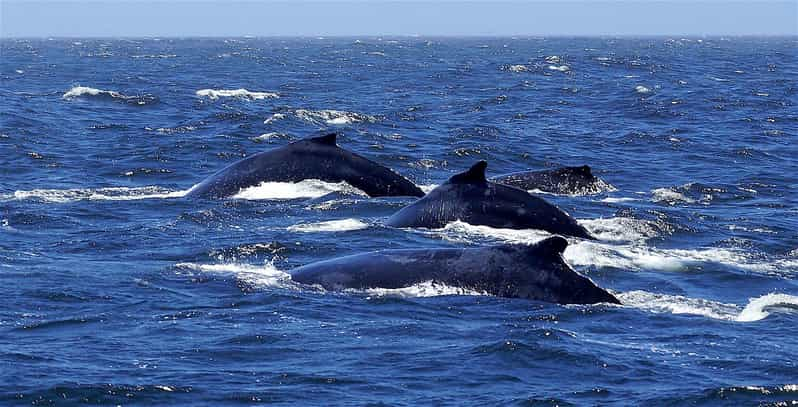
Humpbacks are the seasonal guests. They migrate past the island between June or July and October, with sightings peaking in August and September. If ticking both species off in one morning is the point of the trip, aim for July through October.
Whale watching by month in Mauritius
November: 4 out of 5 for how busy it gets. Tour departures become very busy in calm spring seas, with resident sperm whales present after humpbacks have migrated south.
HighestNov to Dec
In betweenMar to Jun, Aug to Oct
LowestJan to Feb, Jul
Darker: a higher how busy it gets score, out of 5
Tap a month to read it.
August: humpback whale seen 26 times. Humpback whale sightings reach their annual peak in choppy winter seas, with resident sperm whales also active.
HighestAug to Sep21 to 26 times seen
In betweenOct16 times seen
LowestNov to Jul0 to 1 times seen
Darker months: higher, from 0 to 26 times seen
Tap a month to read it.
July: sperm whale seen 14 times. Humpback whale migration ramps up and sperm whale sightings peak alongside moderate winter tour crowds.
HighestJul, Oct11 to 14 times seen
In betweenMar, May to Jun, Aug to Sep5 to 9 times seen
LowestApr, Nov to Feb0 to 3 times seen
Darker months: higher, from 0 to 14 times seen
Tap a month to read it.
The quiet shoulder months give you whales without peak crowds. Dolphin and whale watching outside the humpback season still works, it just leans on the resident sperm whales, and finding whales off-season takes a good crew with working ears on the water. Book a guided trip; skippers network sightings across the fleet.
February and March deserve a caution of their own. They sit in the cyclone window and are the wettest months of the year, with rain on roughly three days out of four.
Storms force operators to suspend trips, and runoff clouds the lagoons. If your dates land there, book your first morning and keep a spare day.
Tour for this
Dolphin Watching with Hotel Pickup (Mauritius)4.7★ (237) · 2 - 6 hours · Hotel pickup · Free cancellation
Dolphin and whale watching past the reef into deep water
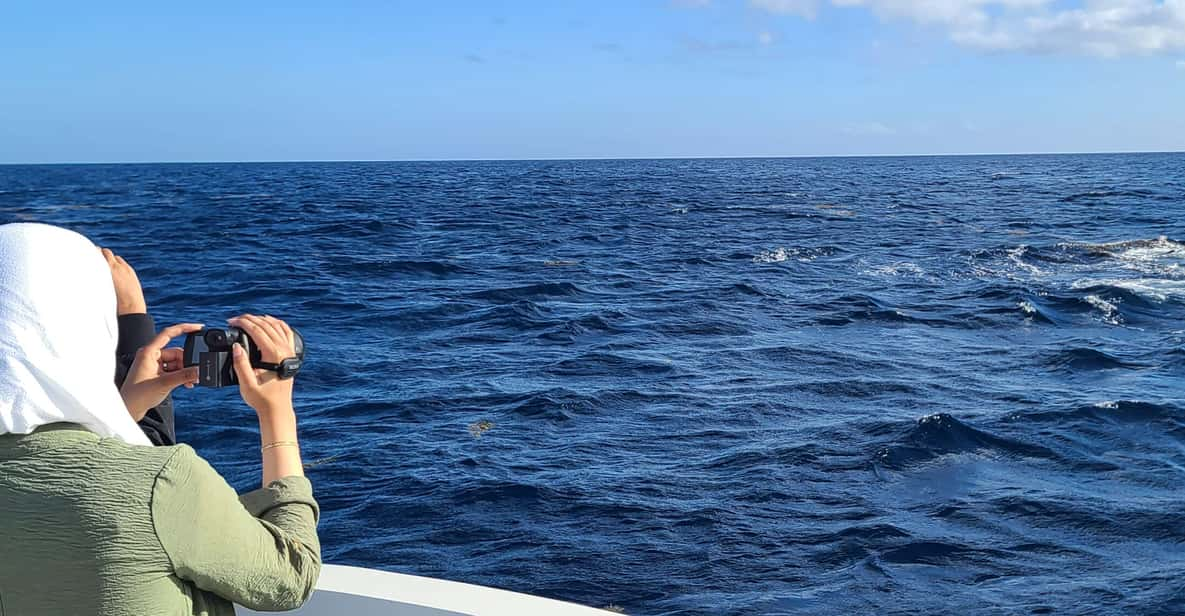
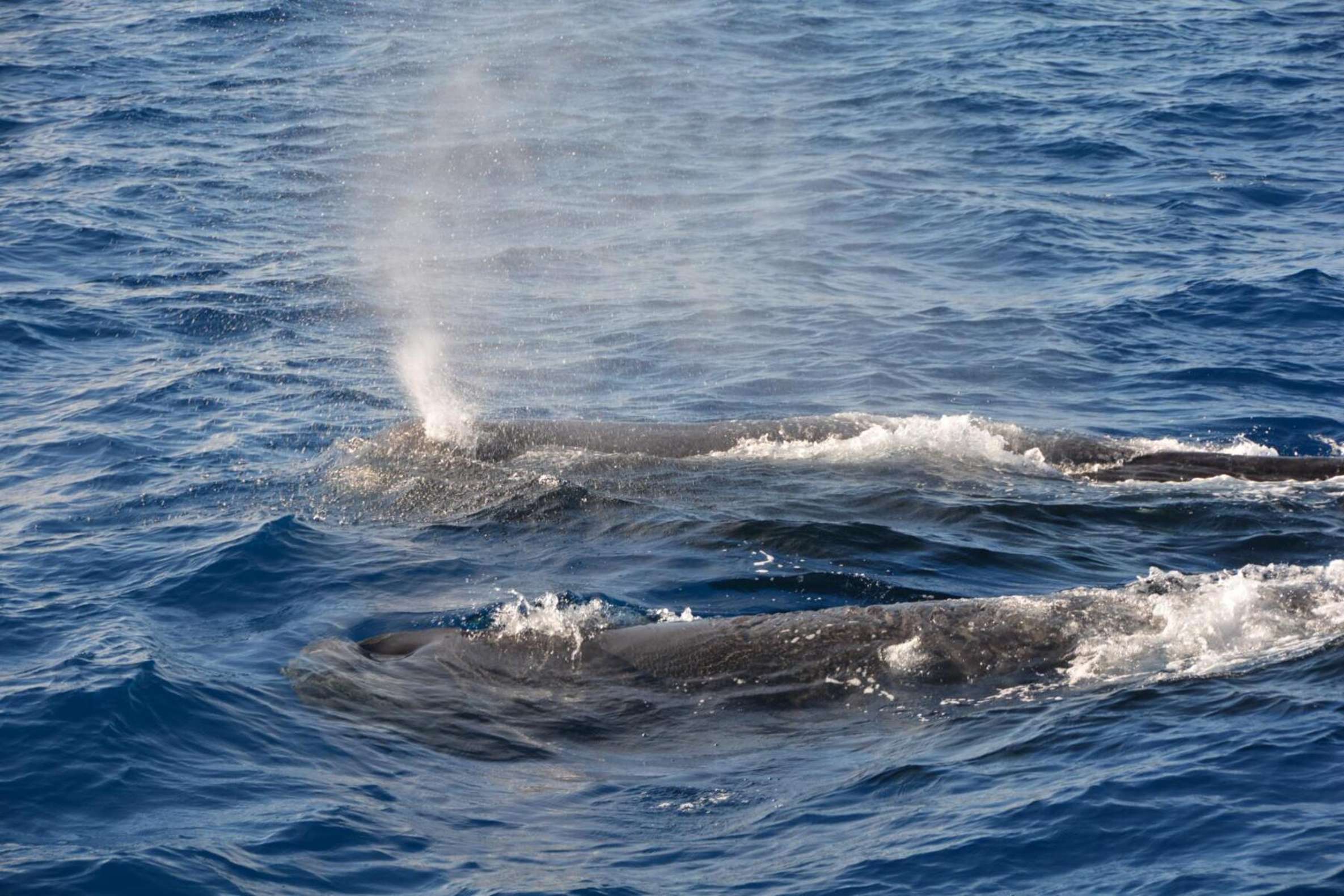
Somewhere past the reef line the skipper cuts the engines. That silence is deliberate: boat noise drowns out the clicks sperm whales use to hunt, so the crew lowers a hydrophone and listens instead. Fewer clicks register when engines run, so a good boat goes quiet to find its whale.
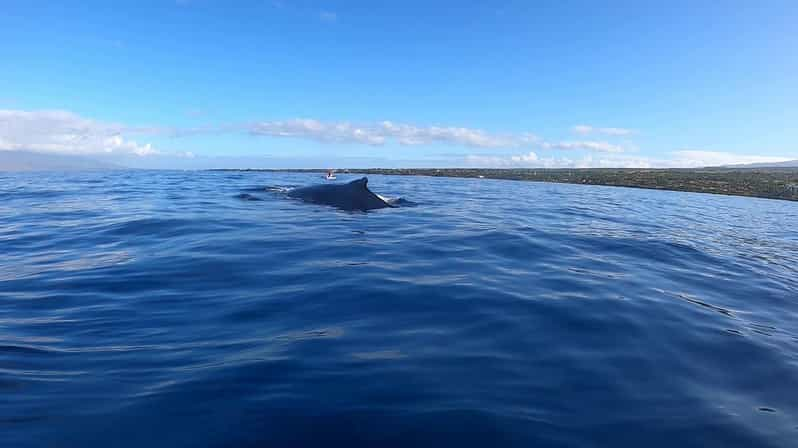
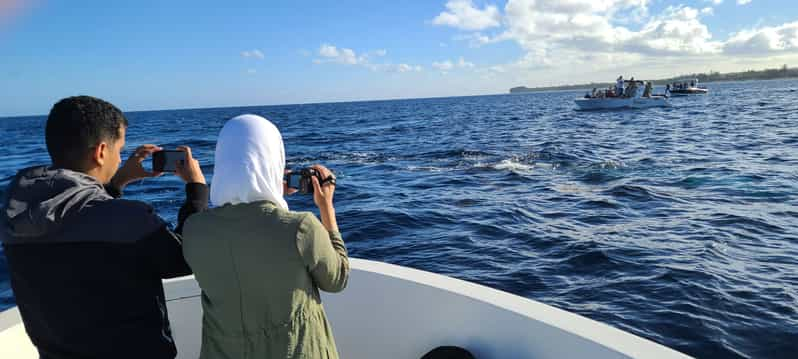
When one surfaces, the distance stays at 100 metres, by law. Watching is boat-only, and swimming with whales is banned outright in Mauritius. The dolphin swim is your in-water half of the day; the whales belong to the deck.
The law is what keeps this sustainable. Skippers approach from the side at no-wake speed, hold position in neutral, and never circle. A startled thirty-tonne animal is dangerous, and a whale with a calf can abandon it if surrounded.
Trips like Mauritius: Private Whale Watching & Bénitiers BBQ build the whole day around this: sperm whales year-round, humpbacks in season, masks and snorkels provided, and a barbecue on Île aux Bénitiers after the lagoon snorkel near Le Morne.
Distance and depth of the west coast whale trenches
3 to 5 nmoffshore to 2,000-meter depth
1,000-2,000 mtrench depths off Black River
1,200 msperm whale feeding dive depth
The trench sits close enough to shore that a morning trip fits inside the calm window, and the resident whales feed within easy reach of a small boat. That is the whole trick of this coast.
Speedboat or catamaran for dolphin and whale watching
Two hulls, two different days. The speedboat covers coastline fast, which matters when you are hunting moving dolphin pods and then pushing offshore to a whale trench before the wind builds.
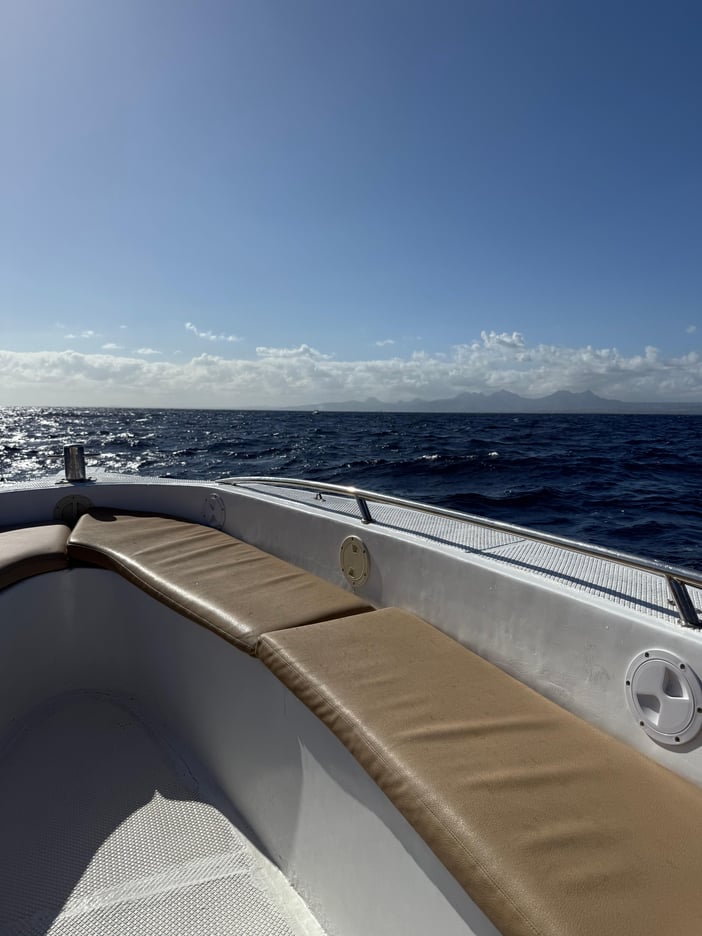
It gets you to snorkel stops before the crowd. What it lacks is space: compact deck, minimal facilities, and the open-ocean run past the reef pitches and rolls when the swell is up.
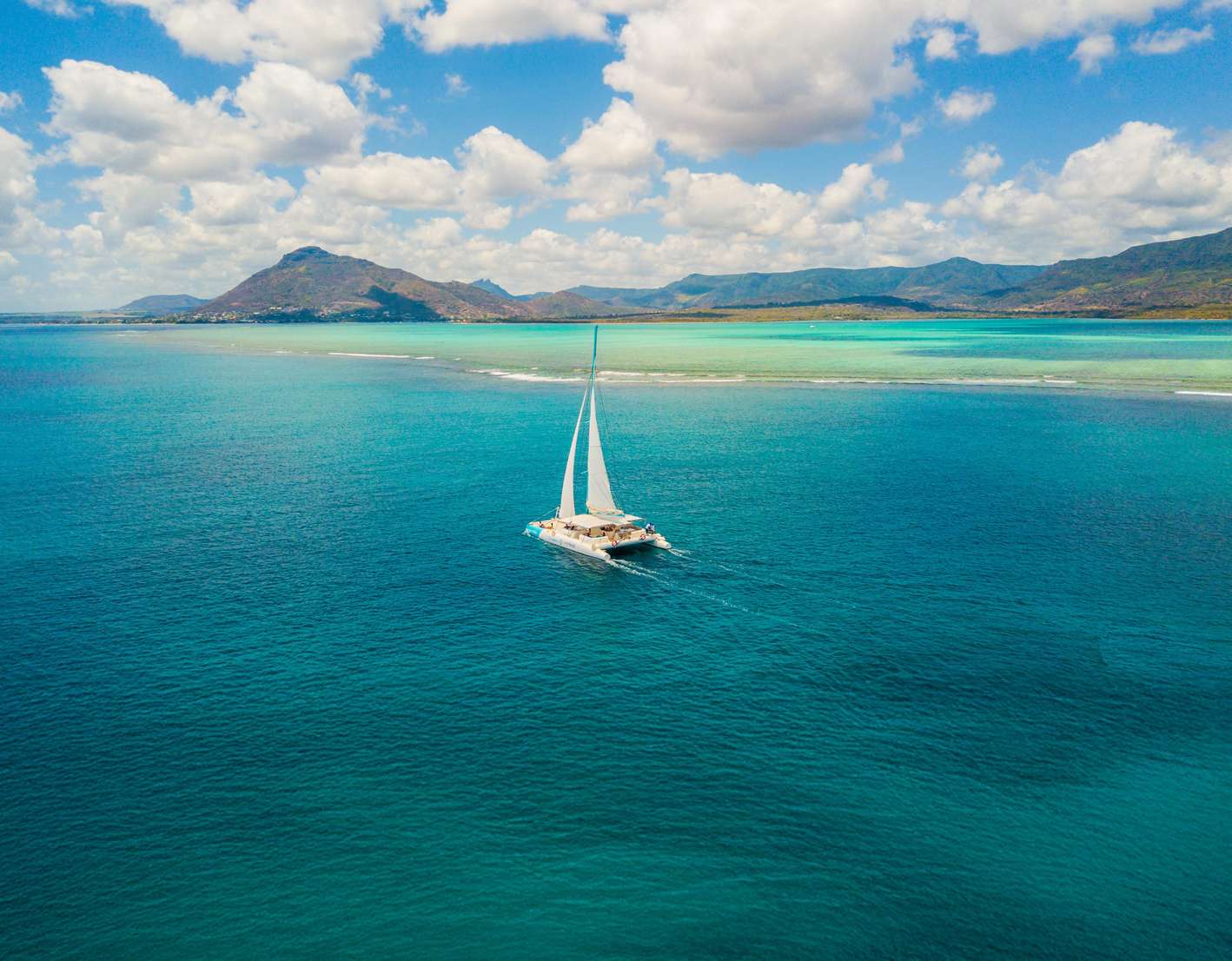
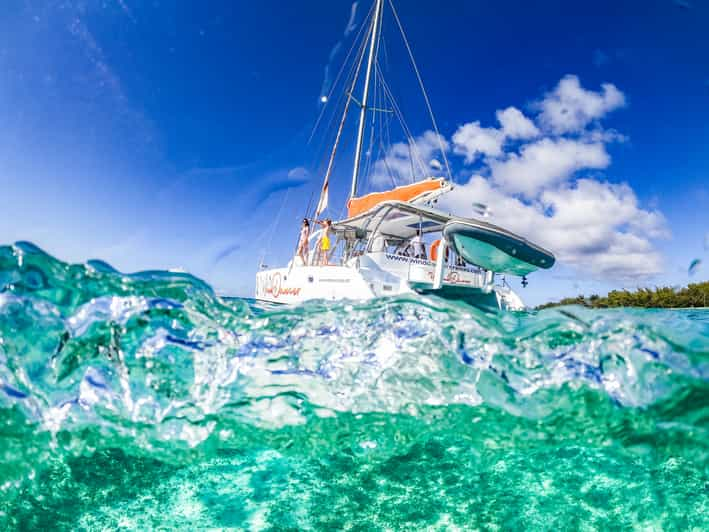
The catamaran trades speed for comfort. Twin hulls resist rolling, so it is the boat for anyone prone to seasickness, with shaded lounging areas, proper bathrooms and room to spread out. It is slower to the sightings and shares the deck with other guests.
Speedboat versus sailing catamaran
Fast, covers long stretches of coast and reaches stops before catamaran crowds
Slower, built for lounging
Ride stability
Compact and quick, pitches in open swell
Twin hulls give a steadier, smoother ride
Deck and shade
Little space to relax, minimal facilities
Shaded decks, trampolines, proper bathrooms
Who it suits
Small groups wanting reach and thrill
Larger groups, families, queasy stomachs
Fast, covers long stretches of coast and reaches stops before catamaran crowds
Ride stability
Compact and quick, pitches in open swell
Deck and shade
Little space to relax, minimal facilities
Who it suits
Small groups wanting reach and thrill
Slower, built for lounging
Ride stability
Twin hulls give a steadier, smoother ride
Deck and shade
Shaded decks, trampolines, proper bathrooms
Who it suits
Larger groups, families, queasy stomachs
If your group mixes strong swimmers with deck-sitters, lean catamaran. If everyone wants to be in the water and the sea is calm, the speedboat wins.
Getting to the dawn dolphin and whale watching launch
The boat will not wait, and the launch happens before the island wakes up. Tours meet on the beach at Black River, where a guide walks you to the boat; some departures use the Le Morne Anglers Club Jetty.
Standing on dark sand before 6:30 am with a lifejacket in hand is part of the ritual.
From Grand Baie, budget about 1 hour 15 minutes by taxi or rental car for the 59 km pre-dawn drive, and pad it to an hour and a half for navigation and check-in.
The cross-island drive from the east coast runs similar. Leaving early enough puts you ahead of the 7 am to 9 am commuter rush around Port Louis, which you will otherwise sit in.
Public buses cannot get you there in time, so a guided tour with hotel pickup or your own car are the realistic options. Whichever way you come, set two alarms. The bay is at its best precisely because almost nobody else made the drive.
Tour for this
Black River Swim with Dolphins Speedboat Tour4.5★ (465) · 2.5 hours · Free cancellation
Who dolphin and whale watching suits, and who should wait
The open ocean sorts people quickly. The dolphin swim is athletic: you drop into deep water and swim fast to keep pace, so you should be confident over 200 to 500 metres in open water. Weak swimmers struggle, and there is deep water under you with little bottom to gauge depth by.
Some people should not board at all. Open-ocean speedboats exclude pregnant women and travellers with serious back problems, and babies under one year are not permitted on several tours. Children under four and non-swimmers are flagged as unsuitable on certain private whale-watching trips.
Non-swimmers can still join and watch dolphins from the deck, and whales are watched from the boat by law anyway, so nobody in the family is shut out entirely.
The one thing that can stop the visit
Pregnant women, people with back problems, and babies under 1 year are excluded from open-ocean speedboats Choose a boat-based viewing day instead, where dolphins and whales are watched from the deck The dolphin swim demands confident 200 to 500 m open-water ability Stay onboard for the wildlife viewing, or pick a calmer lagoon snorkel trip
Sharks worry people more than they should. Dangerous attacks outside the reef at Tamarin are practically non-existent, and only harmless reef sharks appear there occasionally. The real water hazards are currents where the river mouth meets the reef opening, which the crew reads for you.
The other trap is unlicensed boats: do not head offshore on an undersized or unauthorised vessel. Licensed crews know the marine approach laws and carry the safety kit.
Tour for this
Tamarin: Dolphin Snorkel, Crystal Rock, Ile aux Benitiers Lunch4.3★ (1,360) · 6.5 hours · Free cancellation
The night before, the floor of your hotel room tells the story. Swimwear goes on under your clothes before boarding, because there is no dry changing moment on a speedboat at dawn.
Around it: a UV rash guard or light wetsuit, a wide-brim hat with a chin strap, polarised sunglasses with a retainer, reef-safe high-SPF sunscreen, a towel, dry clothes, and a roll-top dry bag for phones and cameras, because spray on the open deck finds everything.
Cash in Mauritian rupees matters more than people expect. Souvenir vendors and beach stalls on Île aux Bénitiers take cash only, and island restroom access runs on small notes.
Winter mornings off Tamarin are cooler than visitors plan for. From June to September the water at 6:30 am sits around 23 to 25 degrees, and the air before sunrise drops to 18 to 20. A rash vest or light wetsuit earns its space.
Motion sickness pills go down about an hour before departure, while the stomach can still absorb them; once the swell starts, nausea blocks that. If you have never taken one, a trial dose a day early is worth it.
RecommendedPro-tip The things first-timers forget: Wear swimwear under your clothes There is no private moment to change on an open boat at dawn Bring a dry bag Ocean spray and rain soak electronics on exposed decks Pack your own snug mask and fins Keeping up with dolphins without well-fitting fins is nearly impossible
Fins deserve a line of their own. Boats vary in what they carry, and some supply only masks and snorkels or limited sizes. Your own gear means a leak-free fit.
How dolphin and whale watching rules protect the animals
The welfare worry dissolves when you see how thick the rulebook is. Dolphin swimming is licensed and regulated by the government: operators need a tourist enterprise licence, a certified skipper who has passed a test on whale and dolphin behaviour, an official Tourism Authority label, and an approved propeller guard.
Boats must fly the Alpha flag, carry a life-saver, a first aid kit and an oxygen kit, and carry liability insurance.
The water rules are just as specific. No more than three swimmers, including the life-saver, may enter at once. You sign a liability disclaimer and get a briefing on calm, silent swimming before you go in.
Skippers approach from the side at no-wake speed, never cut through a pod, and keep 50 metres clear, extending to 150 in the regulated zone. Touching, feeding and circling are all prohibited.
Ethical operators are the norm here. Crews hold back, drop small buddy pairs, and let the animals decide. The boats you should avoid are the ones that chase, encircle or block resting pods.
What nobody tells you
You sign a disclaimer and get a calm-swimming briefing
The law requires it before every in-water encounter
Crews drop only a couple of swimmers at a time
Small groups disturb resting pods less and get closer passes
Skippers share sightings across the water
Independent attempts fail because nobody solo can track a moving pod
The networked-crew point is worth restating: your odds of multiple species in one morning rise sharply with a crew that talks to other boats.
Offshore days are fragile by nature, and it is better to know how the system handles that before you book. Under a cyclone warning, operators must suspend trips by law. In rough swell outside the warning system, skippers cancel or reroute, because guest and crew safety outranks the itinerary.
The upside is how crews behave afterwards. Operators are easy to deal with and readily reschedule or adjust routes when the weather sours, so a washed-out morning usually becomes a new date and the booking survives.
Every tour on this page carries free cancellation up to 24 hours ahead, which is exactly why the standing advice is to book your first morning: a cancelled day three gets no second chance.
What happens if the day changes
If this happens
What happens then
A cyclone warning is issued
Operators suspend boat tours until it lifts
Rough swell or unsafe conditions
The skipper cancels, reroutes or shortens the trip for safety
Your own plans change
Cancel up to 24 hours in advance for a full refund
Bad weather on your booked morning
Crews accommodate flexible rescheduling onto another date
Even on days that go ahead, wind can change the plan. Crews keep the atmosphere up when it turns breezy or rainy, and the ride home along the coast is usually the windiest leg, which is what the light jacket in your dry bag is for.
The boat docks around early afternoon, the sun is high, and the day is only half spent. This is where the wildlife morning becomes a proper west-coast day, and the drives are short.
Chamarel sits about 25 minutes by road from Tamarin. The Seven Coloured Earth are fenced dunes of volcanic sand laid down in distinct bands, with a platform overlooking Chamarel Waterfall, which drops roughly 100 metres into the forest.
Giant tortoises lounge in an enclosure at the park, and the Ebony Forest Reserve runs guided walks through restored native forest.
The Black River Gorges National Park lies 45 to 60 minutes away. The roadside viewpoint along the Plaine Champagne road opens the whole gorge system to the coast, and Alexandra Falls drops slender across its valley.
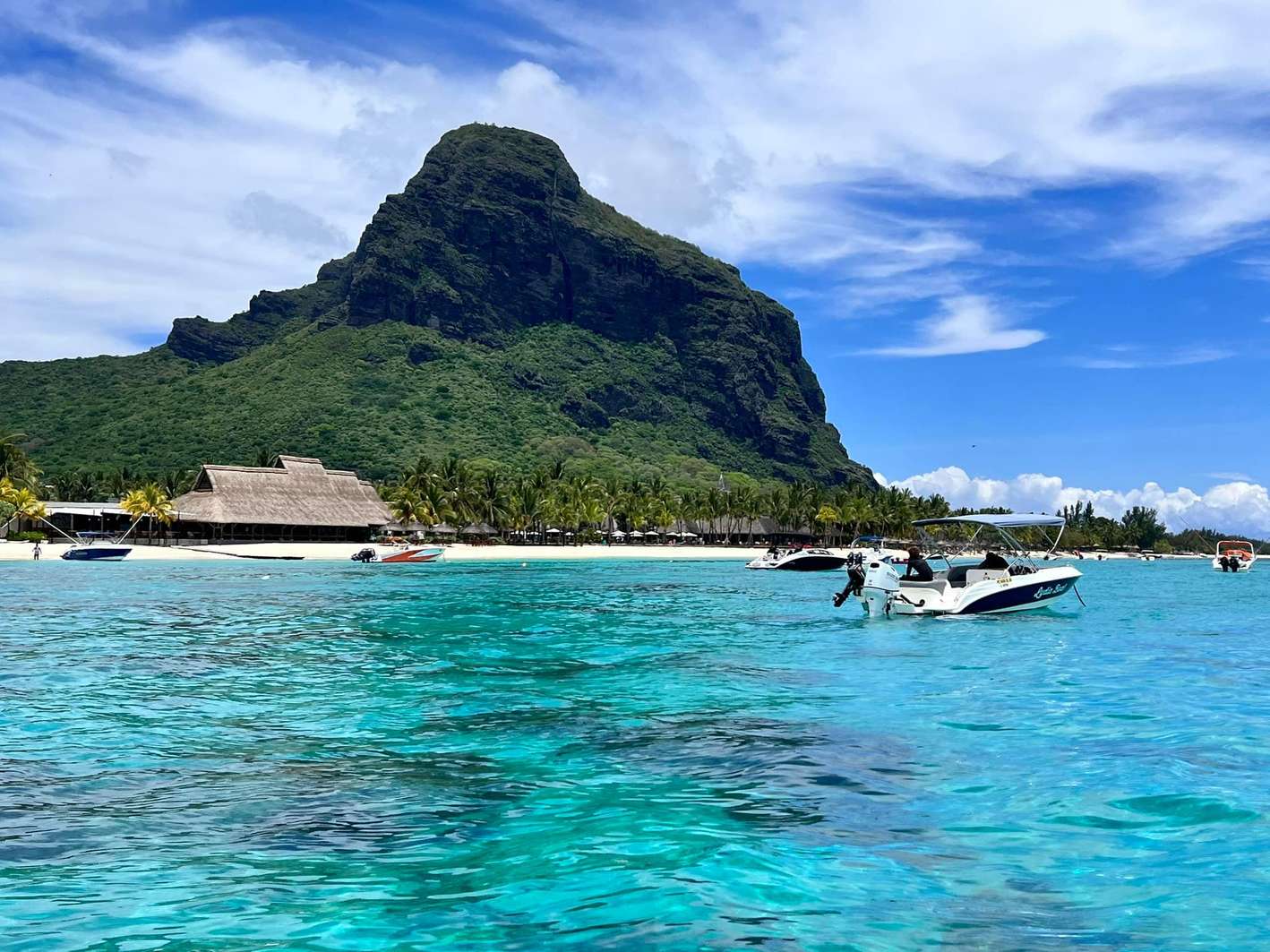
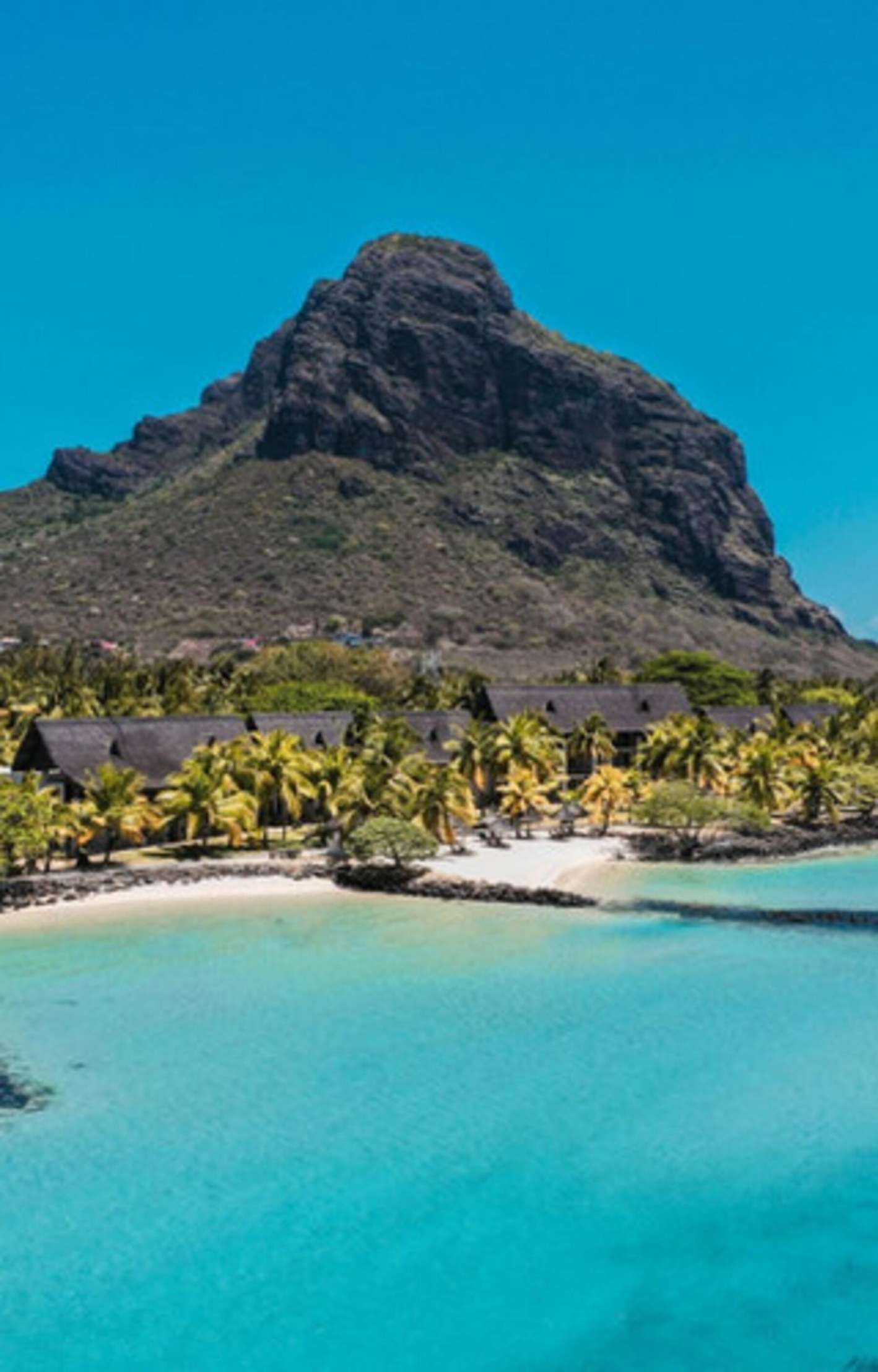
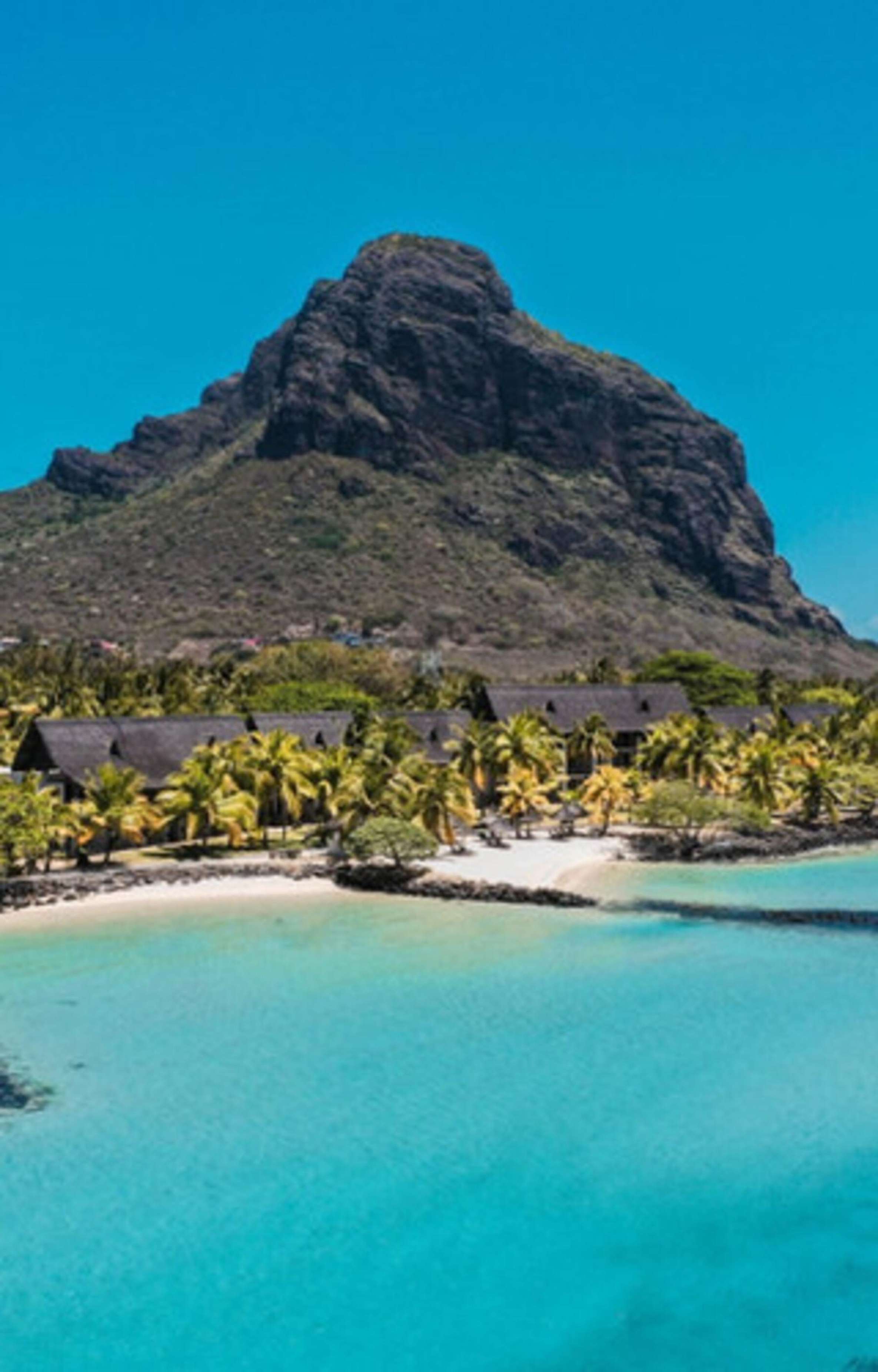
Closer to the sand, La Preneuse offers a quiet beach, and Le Morne sits under its mountain.
Dolphins themselves pass Tamarin Bay in the early mornings heading toward the peninsula, so even a shoreline walk can add one last sighting. Book the morning trip for day one of a west-coast stay, and the afternoon fills itself.
Top service, super polite guides who spotted whales incredibly well and treated the animals respectfully - unlike other tour boats. Saw whales and dolphins, then snorkeled. Worth every euro.
A combined dolphin and whale watching morning is the fullest single day on the water in Mauritius, and the west coast makes it credible. Sperm whales live here year-round, dolphins return to the bay every dawn, and the law keeps the encounter humane on both counts.
Book your first available morning, take the seasickness pill an hour before, and go with a licensed private crew.
Go ifYou want both dolphins and whales in one trip and can manage a sunrise startYou are a confident open-water swimmer happy to swim 200 to 500 metresYou travel between July and October, when humpbacks join the resident sperm whales
Skip ifYou are pregnant or have serious back problems, since open-ocean speedboats exclude youYou cannot face a 6 am departure, because mid-morning brings chop and crowdsYou want an in-water whale encounter, which the law prohibits; whales are watched from the boat
Dolphin and whale watching in Mauritius - your questions answered
dolphins first, whales second, lunch on benitiers
The practical answers before you book a combined dolphin and whale day on the west coast.
Tamarin2026
Glassy water at sunrise, spinner dolphins resting beside the boat, then the engine goes quiet over a sperm whale. Book the earliest slot, it makes the whole day.
Can you swim with whales in Mauritius?
No. Mauritian law prohibits swimming with wild whales, and boats must stay at least 100 meters away. You watch them from the deck. Swimming with dolphins is legal and regulated, so the in-water part of the day is dolphins only.
Is it legal to swim with wild dolphins in Mauritius?
Yes, when it runs through a licensed operator with a certified skipper. Rules limit how boats approach the pods, and no more than three swimmers, including a life-saver, may be in the water at once. You sign a disclaimer and get a briefing before entering.
Where do dolphin and whale watching tours in Mauritius depart from?
Almost exclusively from the west coast, around Tamarin, Black River, and Flic en Flac. Combined trips usually meet on the beach in Black River or at a jetty there, where a guide directs you to the boat.
Why do combined tours start so early in the morning?
Spinner dolphins enter the sheltered shallows of Tamarin Bay at first light to rest after hunting offshore at night, and the sea is calmest before the wind builds. A sunrise launch also gets you to the pods before the mid-morning rush of boats.
Can you really see dolphins and whales on the same trip?
Yes, and the geography makes it work. The dolphins rest in shallow coastal bays, while the seabed drops to between 1,000 and 2,000 meters within about 5 to 9 km of shore, where sperm whales feed year-round and humpbacks pass in season.
Are whales present all year?
Sperm whales live along the west coast year-round because the water gets deep right past the reef. Humpback whales migrate past the island between June and October, so winter months are the window for them.
What happens if you cannot swim or prefer to stay on the boat?
You can still join. Non-swimmers watch the dolphins from the deck, and whales are watched from the boat by everyone. Some private tours list non-swimmers and children under 4 as not suitable, so read the tour notes before booking.
Are pregnant women allowed on these speedboat trips?
Most open-ocean speedboat tours are not suitable for pregnant women or people with back problems, because the ride past the reef into open swells is bouncy. If either applies to you, a calmer catamaran cruise is the better pick.
Is swimming with dolphins ethical in Mauritius?
It depends on how the boat behaves. Regulations require skippers to hold back, approach from the side, and never chase or encircle pods. Good crews drop only a couple of swimmers at a time and coach you on where to get in.
Why shouldn't you jump right in front of the dolphins?
Placing yourself in their path forces the animals to dive or change direction to avoid you. Skippers drop you alongside the pod so you can swim parallel with them, and the guide tells you the moment to slip in.
How do spinner dolphins and bottlenose dolphins differ in the water?
Spinners travel in bigger pods and are easily disturbed, often zipping past quickly. Bottlenoses move in smaller groups and are calmer and more curious, sometimes lingering a few meters from swimmers.
What does a combined day usually include besides the animals?
Most itineraries add a photo stop or snorkel at Crystal Rock and free time with a barbecue lunch on Île aux Bénitiers. Full-day trips run about 6 to 9 hours, while some half-day speedboat charters cover the wildlife in around 3 hours.
Dolphin and whale watching in Mauritius - where to go next
Dolphins and whales in one private morning - your dolphin and whale watching day
sperm whales stay year-round off the west coast
A private speedboat that takes you from a sunrise dolphin swim straight to deep water for whale watching, with free cancellation up to 24 hours in advance.