- 1
The underwater waterfall is falling sand, an optical illusion you only see from a helicopter or seaplane.
- 2
Never swim or kayak toward the shelf edge: outgoing tide and surf push strong rip currents out to sea.
- 3
Dolphins gather in Tamarin Bay between 6:00 and 7:30 am, so book the earliest boat.
The underwater waterfall is an optical illusion of moving sand, visible only from the air by seaplane or helicopter, and the reef opening off Le Morne carries strong seaward rip currents. Book a boat tour that snorkels the sheltered Le Morne lagoon and nearby reefs instead, and stay well clear of the outer reef passes and surf breaks when you swim.
Underwater waterfall boat tours and Le Morne reefs in photos



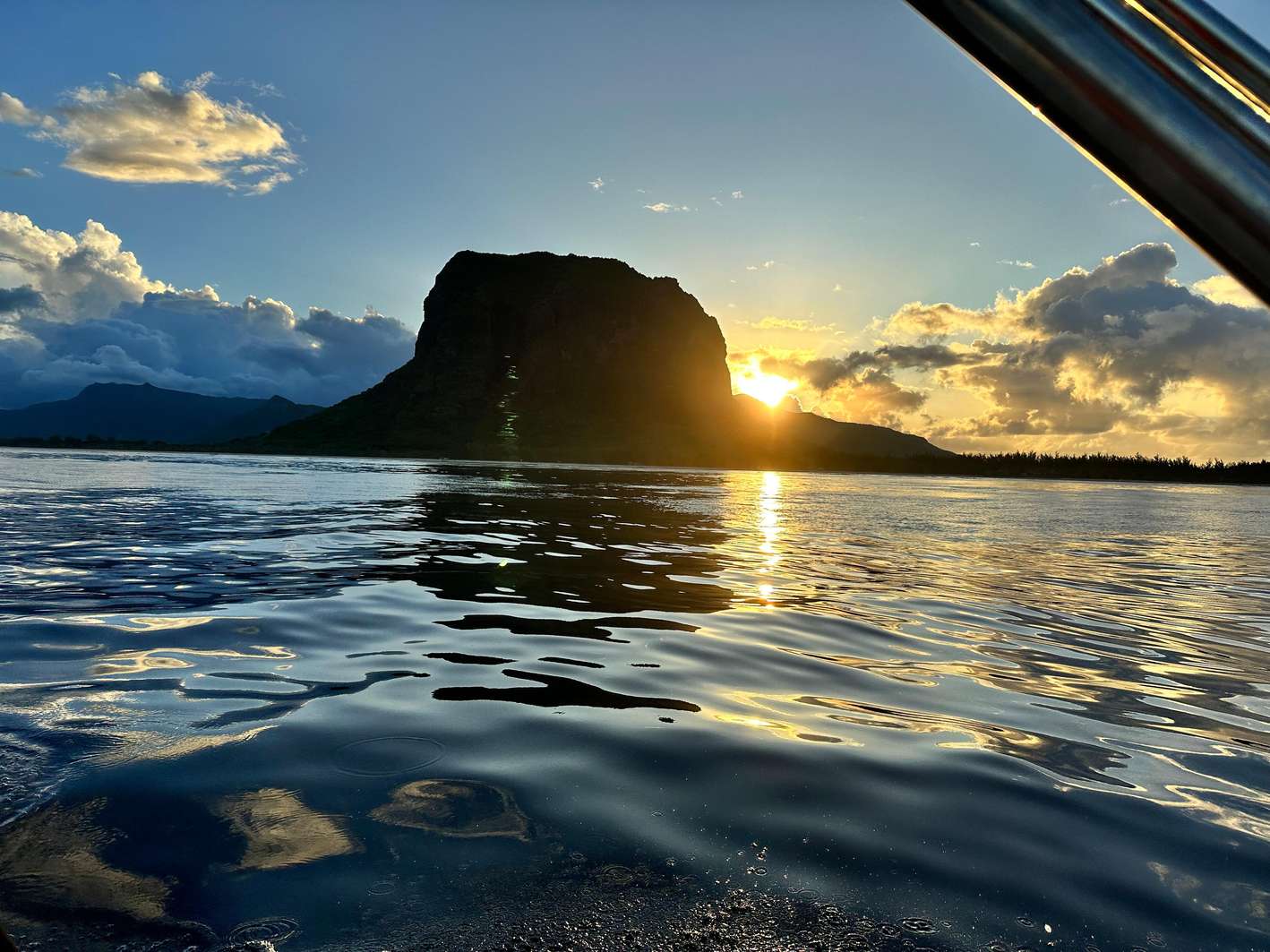
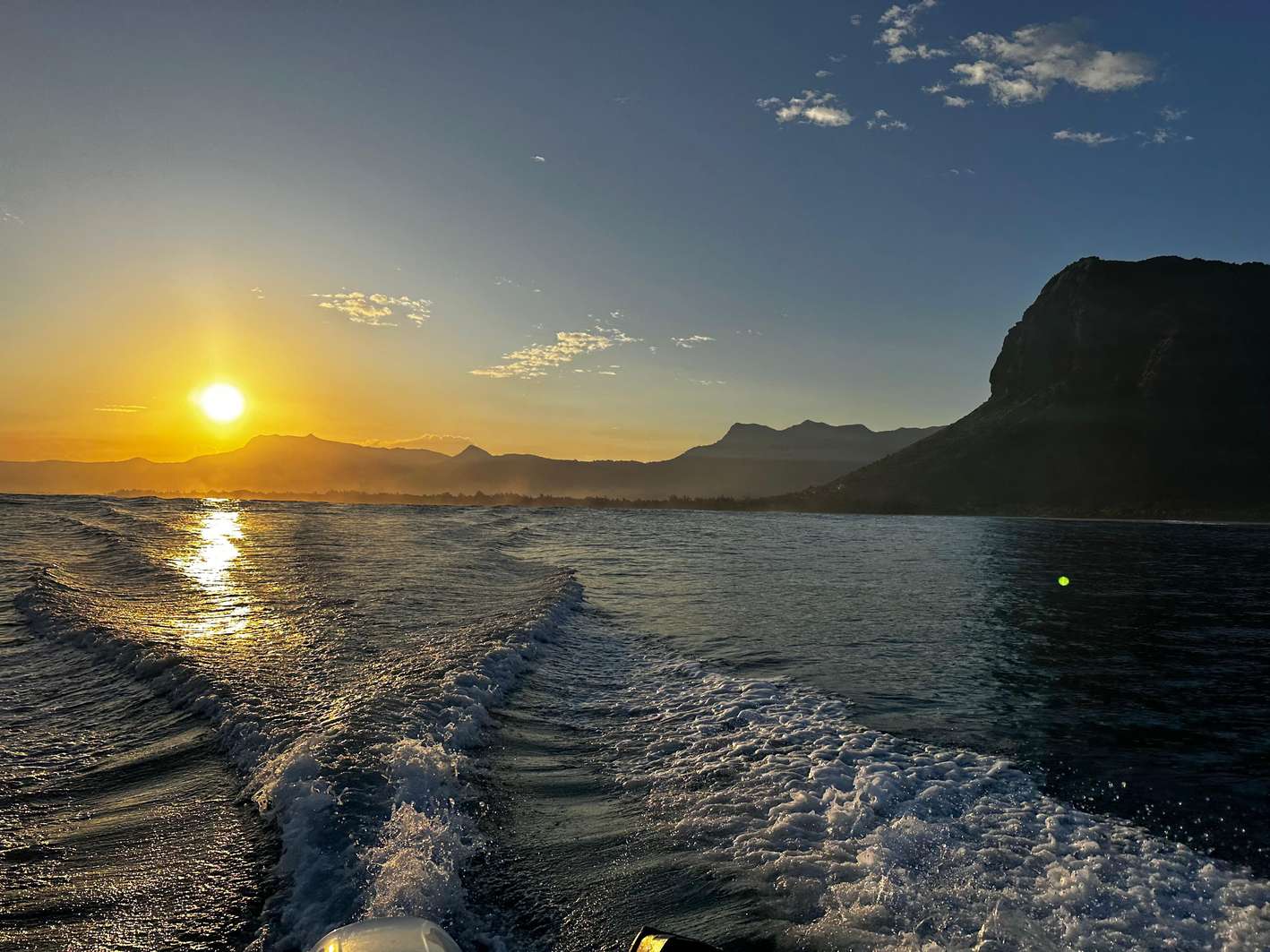
Is the Mauritius underwater waterfall a real waterfall?
shelf ends at 4,000 m of nothing
The shelf off Le Morne Brabant ends abruptly: the sea floor sits about 150 m deep on the sand shelf, then the bottom plunges more than 4,000 m into the Indian Ocean.
Ocean currents sweep sand and silt off that shallow plateau and carry it over the edge, and from high above the streaks of pale sediment pouring into dark, near-black water look exactly like a waterfall.
Moving sand is all it is; no water falls anywhere. A horseshoe-shaped crevasse at the plateau's edge funnels the sediment and sharpens the effect. There is no cascade to fall into, and there is nothing to see from sea level either.
Water clarity limits what you can make out through a mask to a few metres, and the illusion depends entirely on the aerial view.
So the picture you fell for is real; it only looks that way from above. What the shelf and its canyon do create is something else worth the trip: a calm turquoise lagoon on one side, deep open ocean on the other, and boats that show you both safely.
The numbers explain the photo: pale sand in shallow turquoise water against an abyssal drop gives the contrast the camera catches. From the water, your view is the lagoon and the mountain, and that is where the day actually happens.
How to actually see the underwater waterfall - flights
Only the air shows the pattern. Helicopters and scenic seaplanes fly over Le Morne for exactly this, and the view from the deck of a boat is plain sea: the cascading drop simply does not exist from sea level.
Water clarity limits what you can see underwater to a few metres, while the illusion needs the whole shelf and the canyon below it in one frame.
Three ways up: a helicopter, a seaplane, or an ultralight aircraft. Seaplane flights leave from La Prairie beach near Le Morne, so this is the shortest journey for anyone staying on the peninsula.
Helicopters depart from the international airport, from helipads across the island, and from some hotels, including spots at Bel Ombre and in the southwest. Shared helicopter tours run from a helipad in Chamarel at Lavilleon Adventure Park.
Pick by where you sleep. Helicopter from the airport or the southwest if you want the classic circuit; seaplane from La Prairie if Le Morne is your base; ultralight if you want the wind in your face.
Great activity, though many other boats around. Our guide did a great job teaching us to respect animals and nature, nice boat, pleasant skipper, beautiful island, well organized. Thanks for a lovely discovery!
The flights cost extra on top of any boat day, and travelers who book both say the pairing works: the air shows the illusion, the water shows what Mauritius actually does best.
Why you must not swim or kayak over the shelf
The reef opening near the Le Morne sand spit is where the danger lives. Outgoing tidal water and breaking surf generate strong seaward rip currents right there, and on an ebbing tide with swell, a pass can pull a swimmer seaward faster than they can swim back.
This is exactly why skippers refuse to take boats into the surf break at the reef opening.
Paddling or kayaking out on your own is the mistake people make with the best intentions, chasing the spot from the photographs. Southern lagoon beaches also carry narrow coral corridors and strong lateral currents, and currents through reef passes sweep out even strong swimmers.
Stay inside the lagoon. The waters off the southern tip drop away fast into deep ocean, so casual swimmers do better on the protected beaches. Anyone uneasy about deep open water should keep to the sheltered inner lagoon, where the bottom stays visible.
Rip currents at the Le Morne reef opening pull swimmers, kayakers and paddlers straight out to sea Stay inside the sheltered lagoon and let a licensed boat crew handle everything past the reef
There are smaller hazards inside the lagoon too. Stonefish lie camouflaged on sand and coral, long-spined sea urchins break off in skin, and lionfish carry venomous spines. Water shoes and a watchful fin kick settle all of it, and they leave the outer passes to the boats.
Where to snorkel safely in the Le Morne lagoon
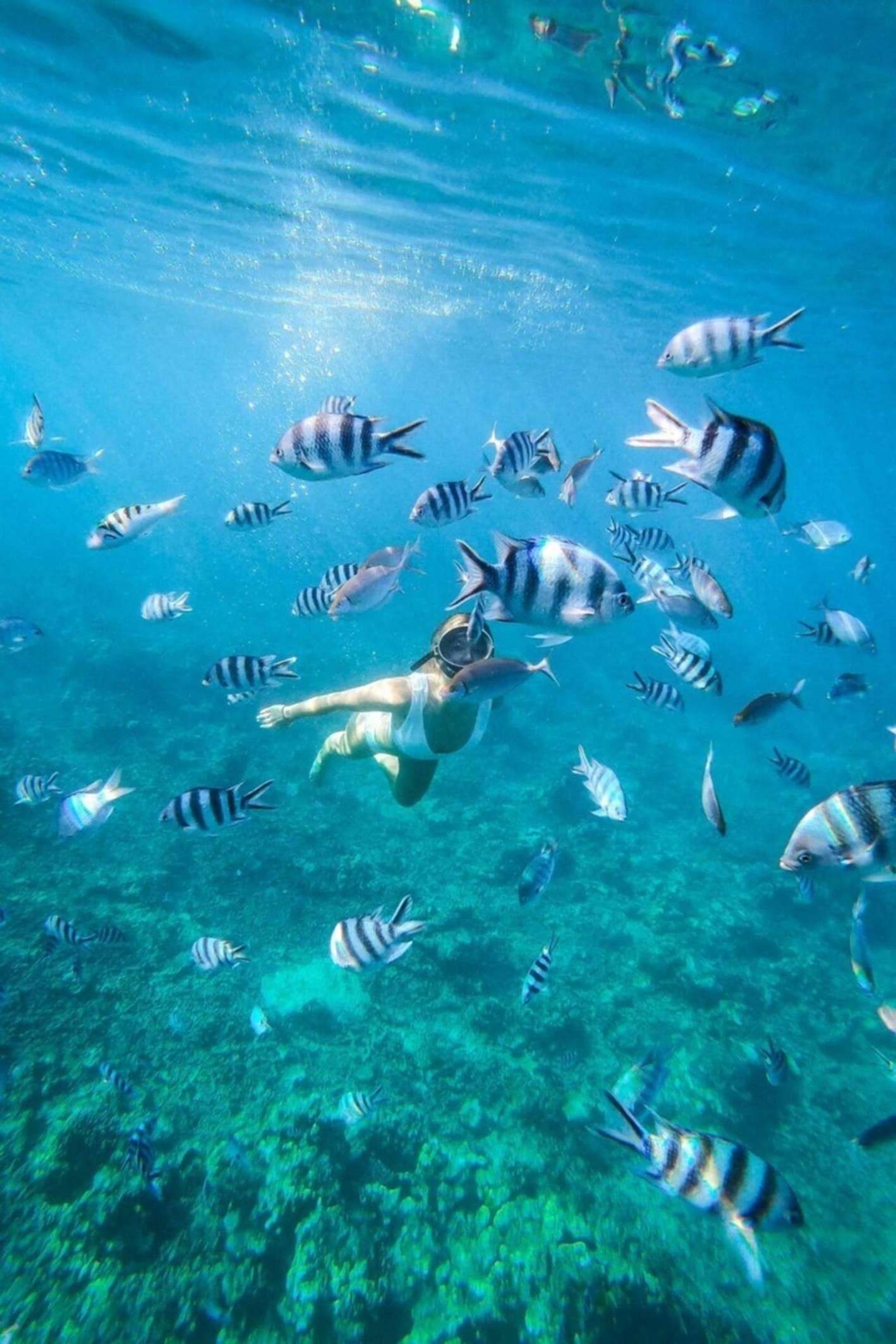
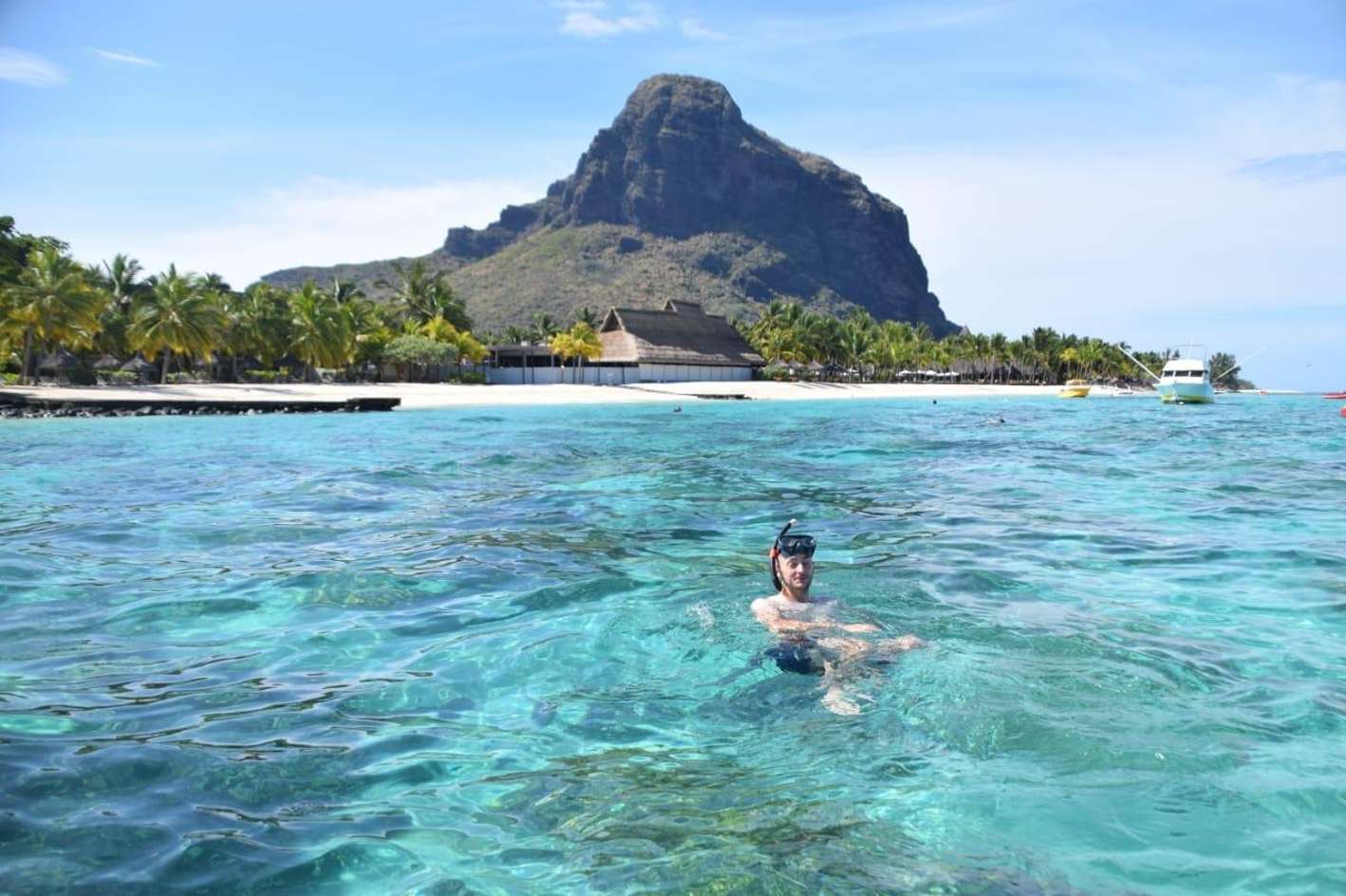
The real snorkeling sits minutes from the photos' setting. The calmest coral patches lie directly off the shoreline under Le Morne Brabant, where the water stays shallow and nearly waveless.
A stretch of living coral in shallow water sits a long walk up the beach at the north end of Le Morne, reachable straight from the sand without a boat.
Deeper into the lagoon, the sheltered inner waters by Paradise Reef and Crystal Rock towards Île aux Bénitiers hold the classic spots, usually reached by boat.
What to avoid stays simple: the reef barrier, the outer passes, and the surf breaks on the far side, with names locals know well, One Eye, Manawa and Little Reef.
Swimming zones along the public beach are marked by lines of yellow floats, and motorized craft must keep outside them. Swim between the buoys and boats cannot reach you.
Kit matters more than most people expect. Fins give you 25 to 30 percent more propulsion, which is what handles an unexpected current or a long swim, and a pair that fits your own feet beats a rental that pinches. Sunscreen without oxybenzone or octinoxate is what these reefs ask of you.
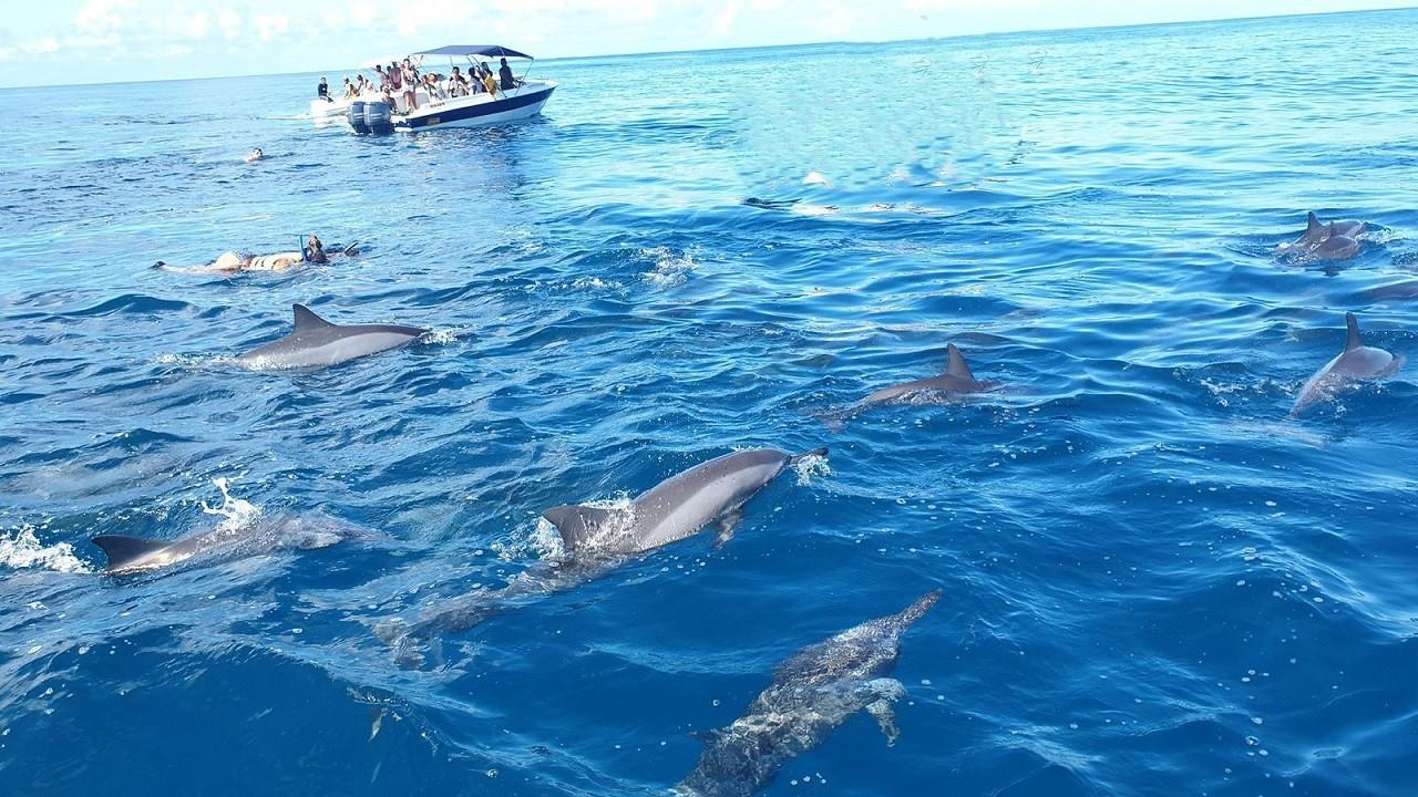
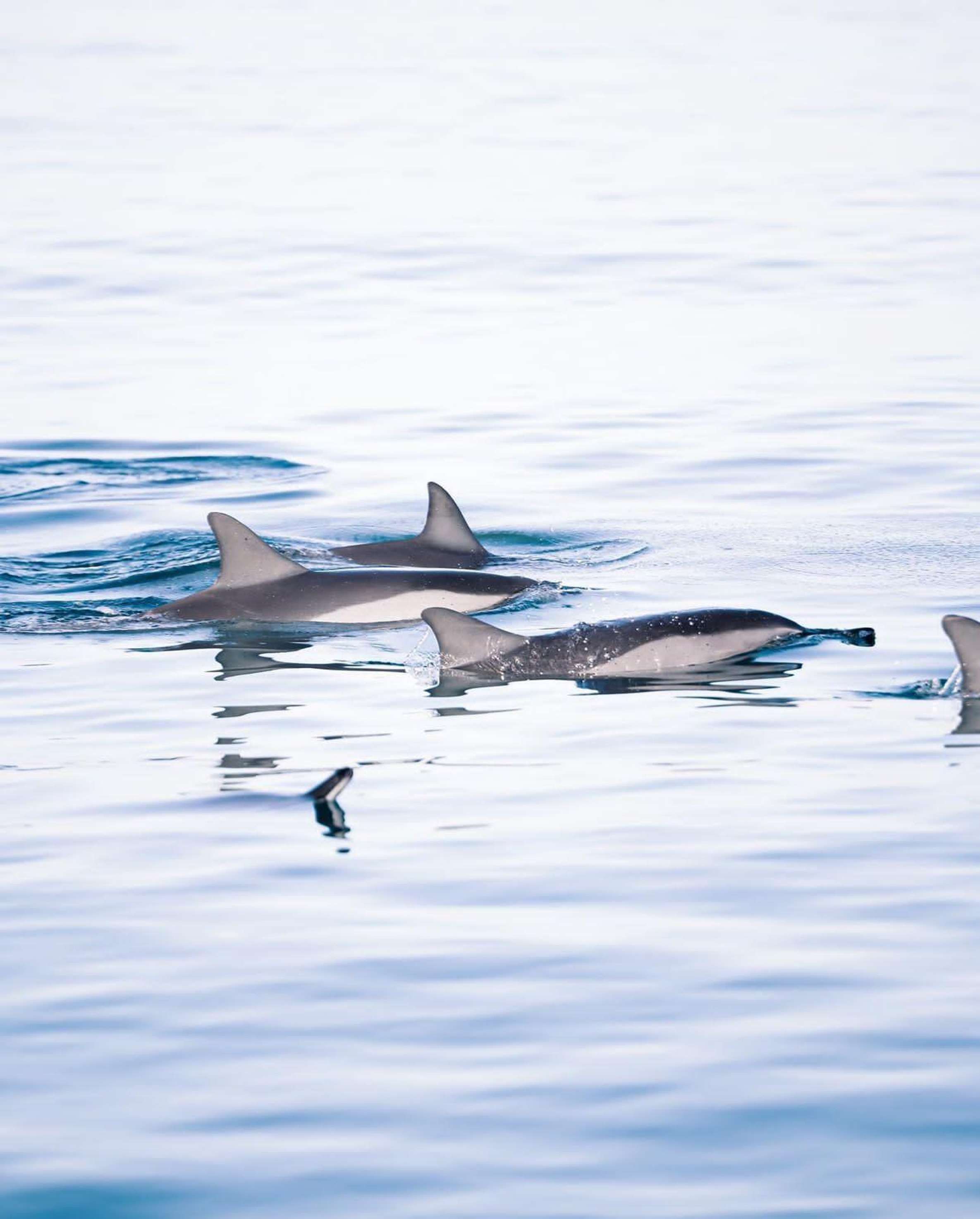
Catamaran, speedboat or glass-bottom boat from the southwest
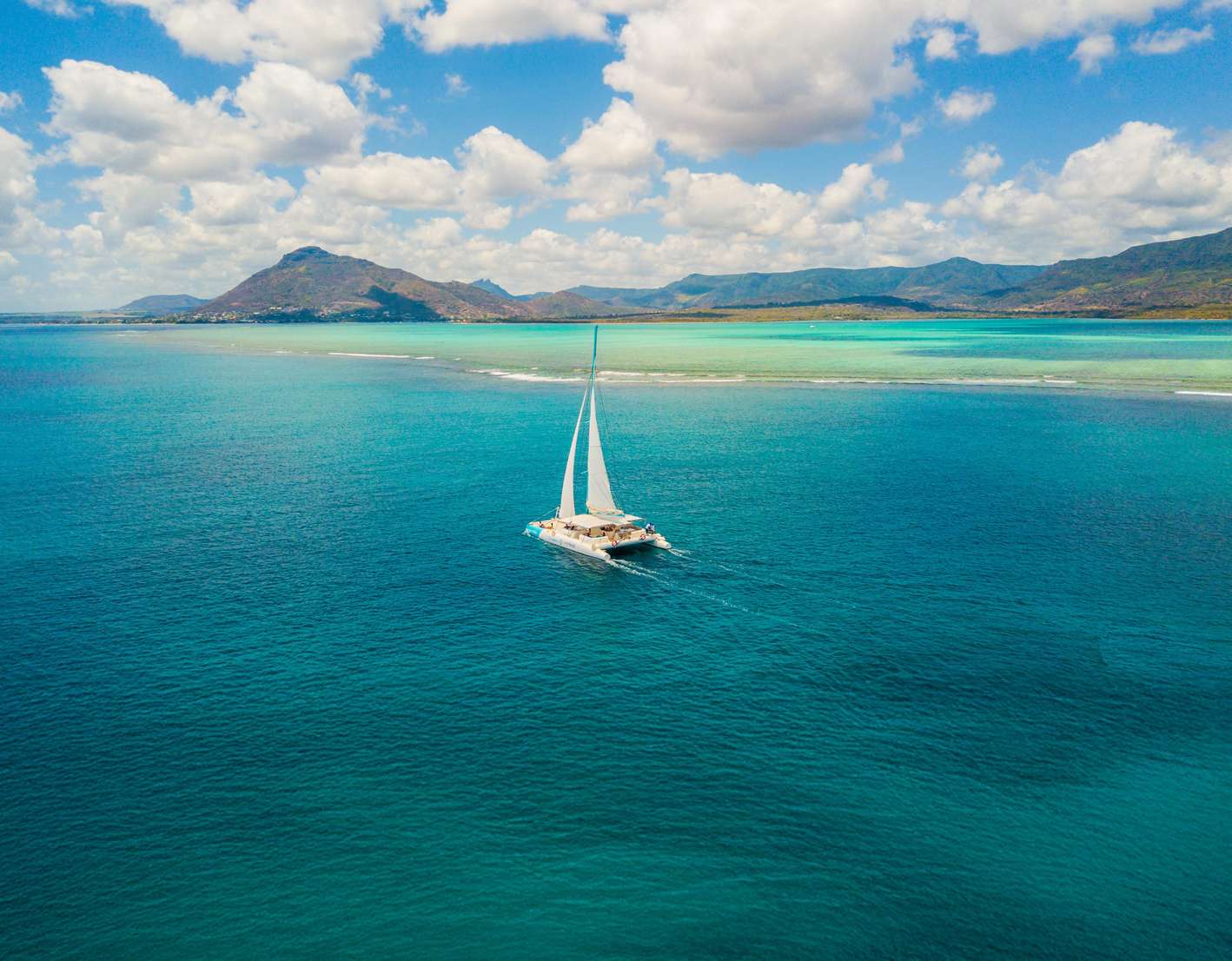
Three boats, three days. The catamaran is the slow one on purpose: twin hulls that resist rolling, shaded lounge space on deck, trampolines for lying over the water, and dedicated swim stops.
The speedboat moves much faster and reaches the beaches and snorkel areas before catamaran crowds arrive, but gives you less room to lounge. The glass-bottom boat keeps non-swimmers dry, with a viewing panel that on clear Le Morne days shows the bottom 4 to 6 metres down.
Catamaran, speedboat or glass-bottom boat
| Shared catamaran | Speedboat | Glass-bottom boat | |
|---|---|---|---|
| Speed | Slow, steady cruising | Fastest of the three | Slower, single-purpose |
| Comfort | Shade, deck space, trampolines | Less room to lounge | Bench seats, tight legroom |
| Snorkeling | Dedicated swim stops at reefs and sandbanks | Quick stops before crowds arrive | View through the floor panel, brief optional dip |
| Best for | Non-swimmers who stay on deck and sightsee | Swimmers who want more ground covered | Children and anyone staying dry |
- Speed
- Slow, steady cruising
- Comfort
- Shade, deck space, trampolines
- Snorkeling
- Dedicated swim stops at reefs and sandbanks
- Best for
- Non-swimmers who stay on deck and sightsee
- Speed
- Fastest of the three
- Comfort
- Less room to lounge
- Snorkeling
- Quick stops before crowds arrive
- Best for
- Swimmers who want more ground covered
- Speed
- Slower, single-purpose
- Comfort
- Bench seats, tight legroom
- Snorkeling
- View through the floor panel, brief optional dip
- Best for
- Children and anyone staying dry
Group matters as much as hull. Non-swimmers ride happily on catamaran decks and watch the coast, and they can stay aboard at any swim stop by telling the skipper.
Children do well on glass-bottom boats, where they see the marine life without getting wet, while most operators prefer children in the water to be at least 6 to 8 and comfortable in a mask.
If the day you picture is the classic one, the shared catamaran from the west coast covers it: a full-day cruise that searches for dolphins in Tamarin Bay, snorkels at L'Harmonie or La Preneuse, calls at Crystal Rock and serves lunch and drinks on board.
Six hours, and the Le Morne lagoon is the backdrop the whole way.
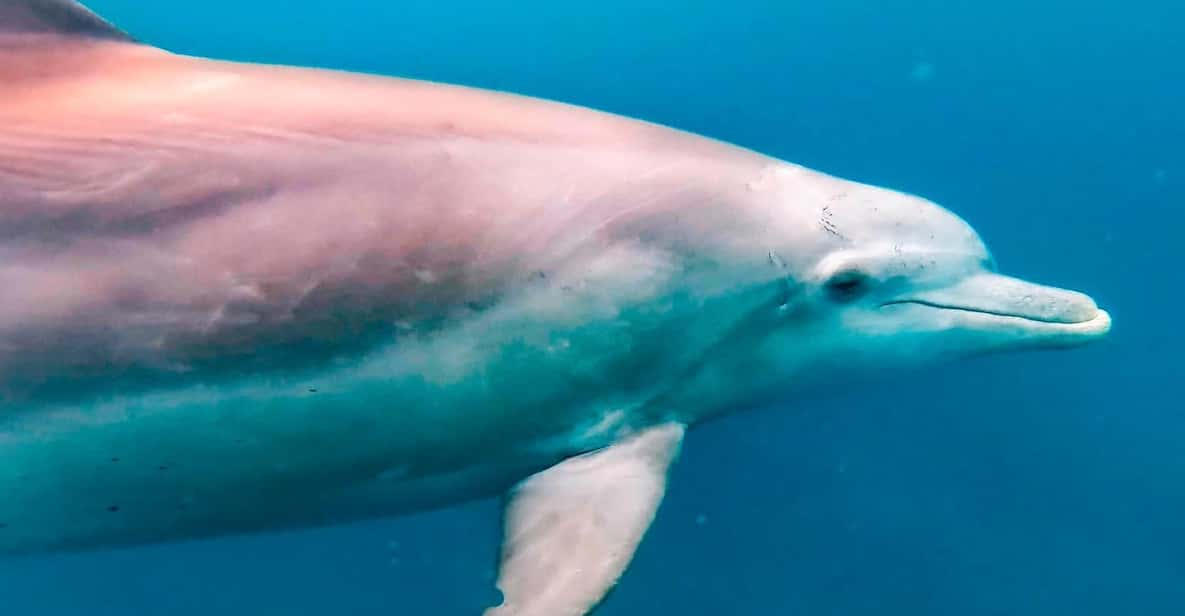
Dolphins, Crystal Rock and Île aux Bénitiers - the full day
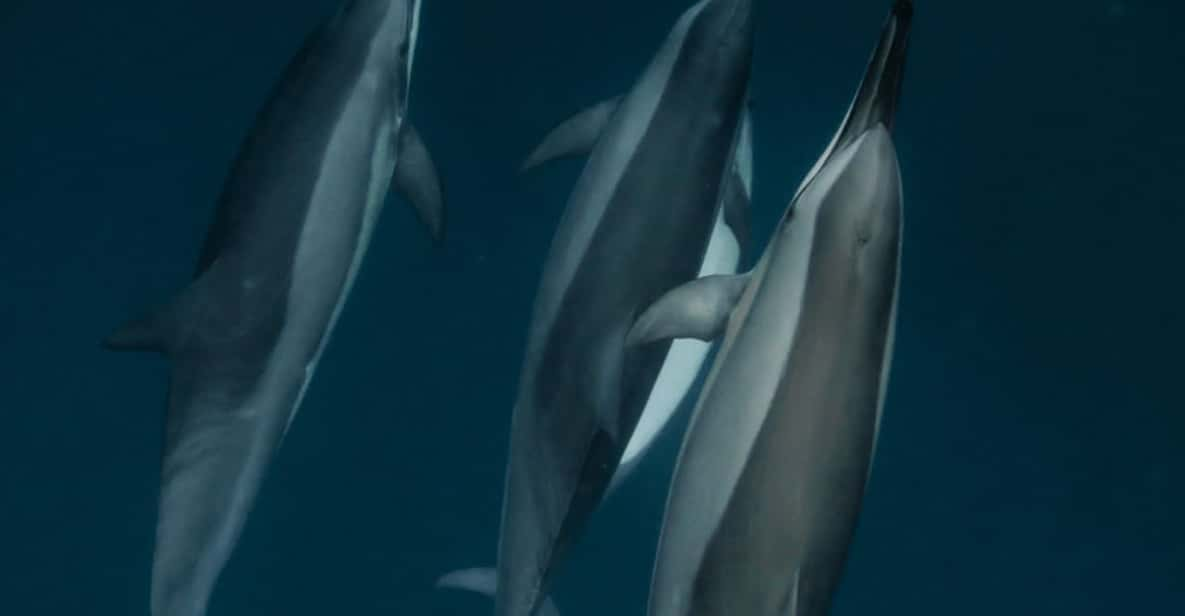
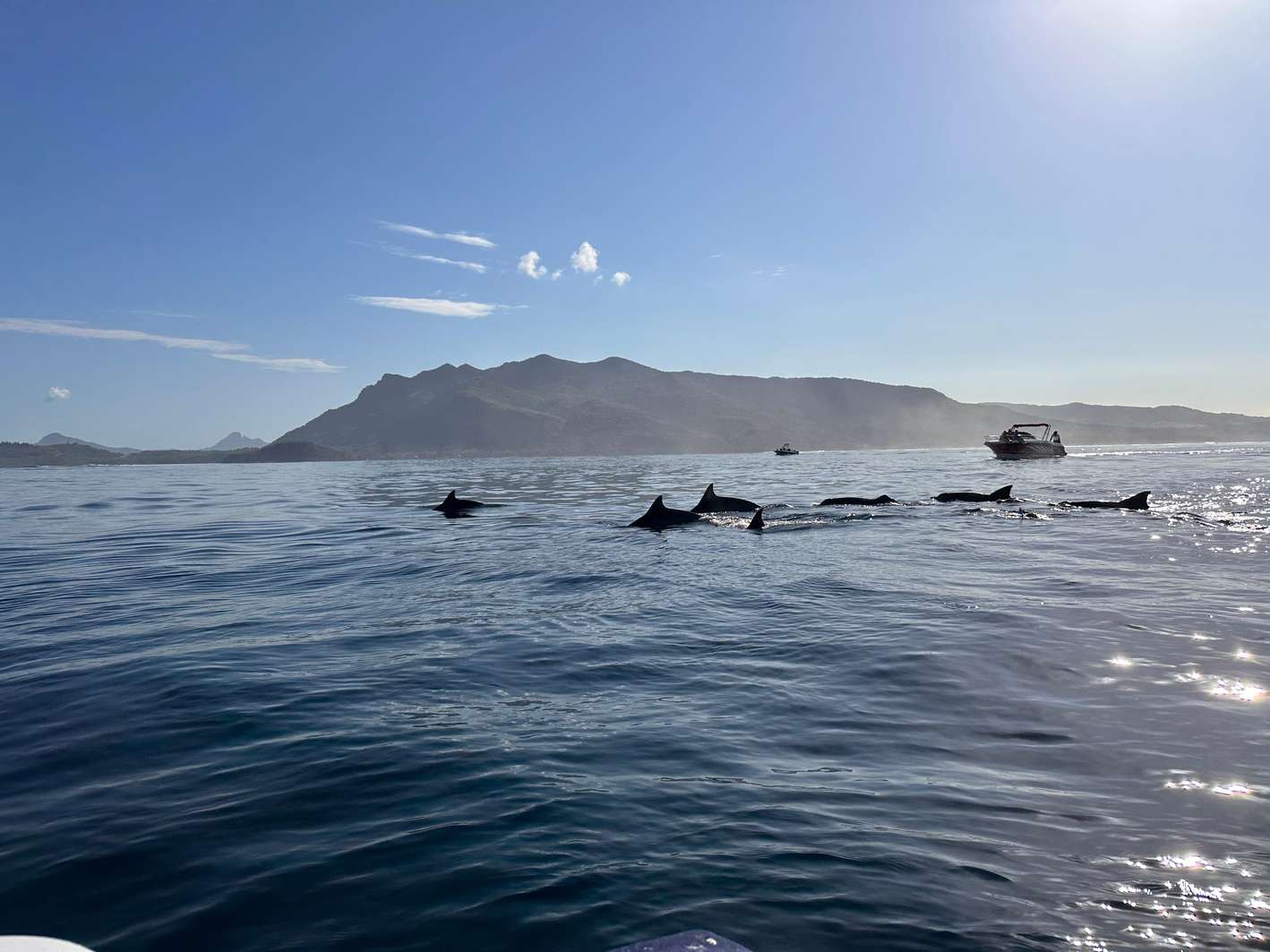
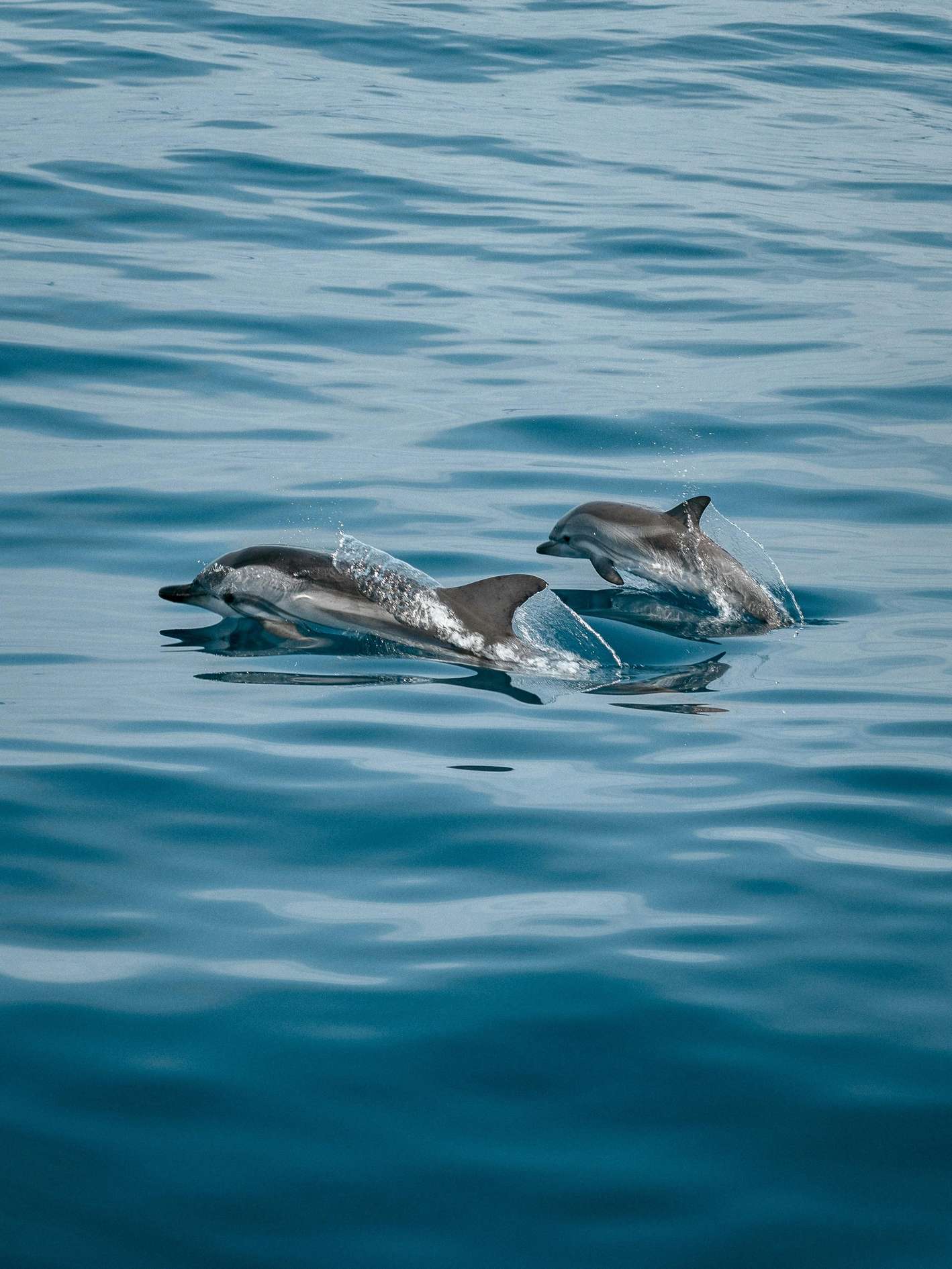
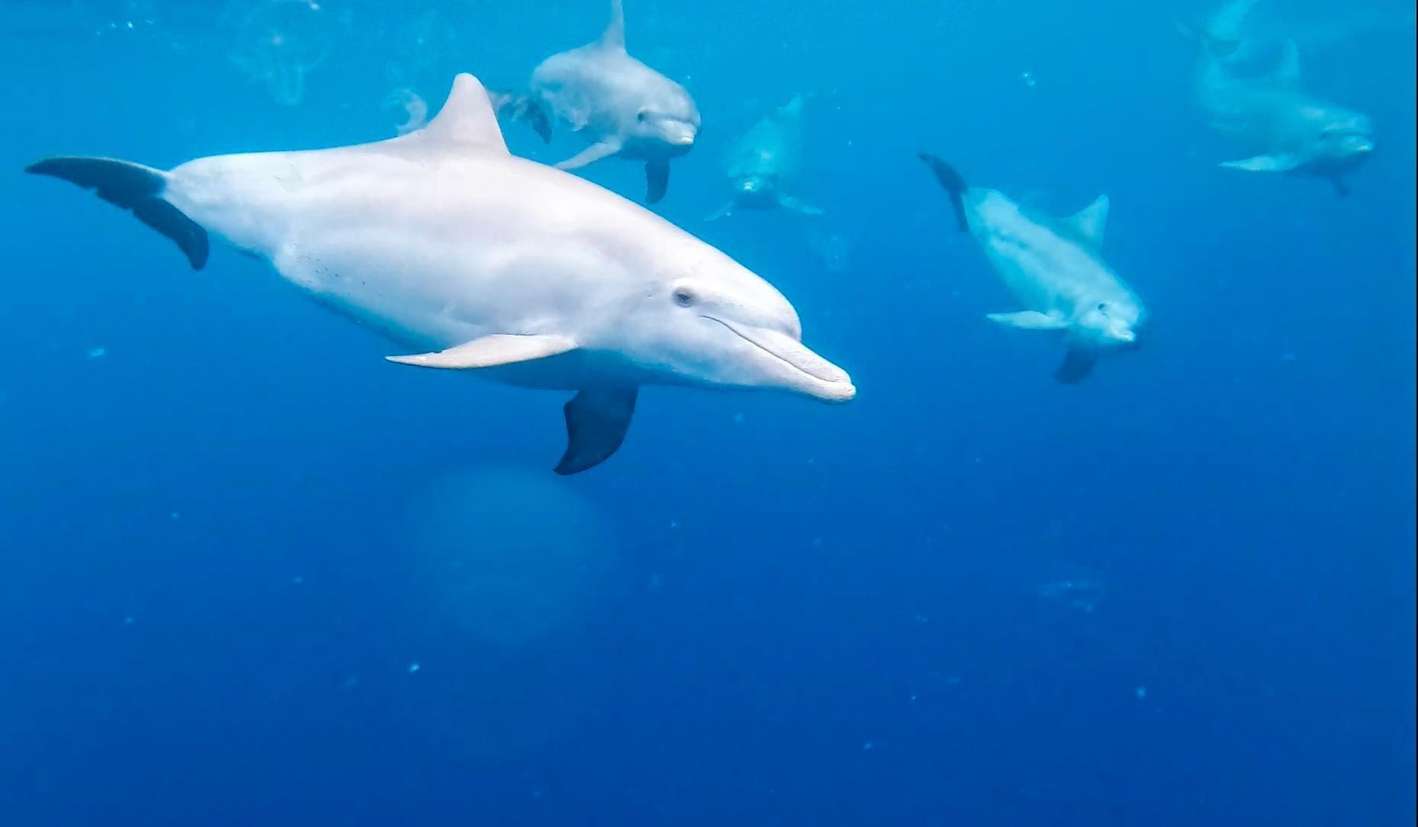
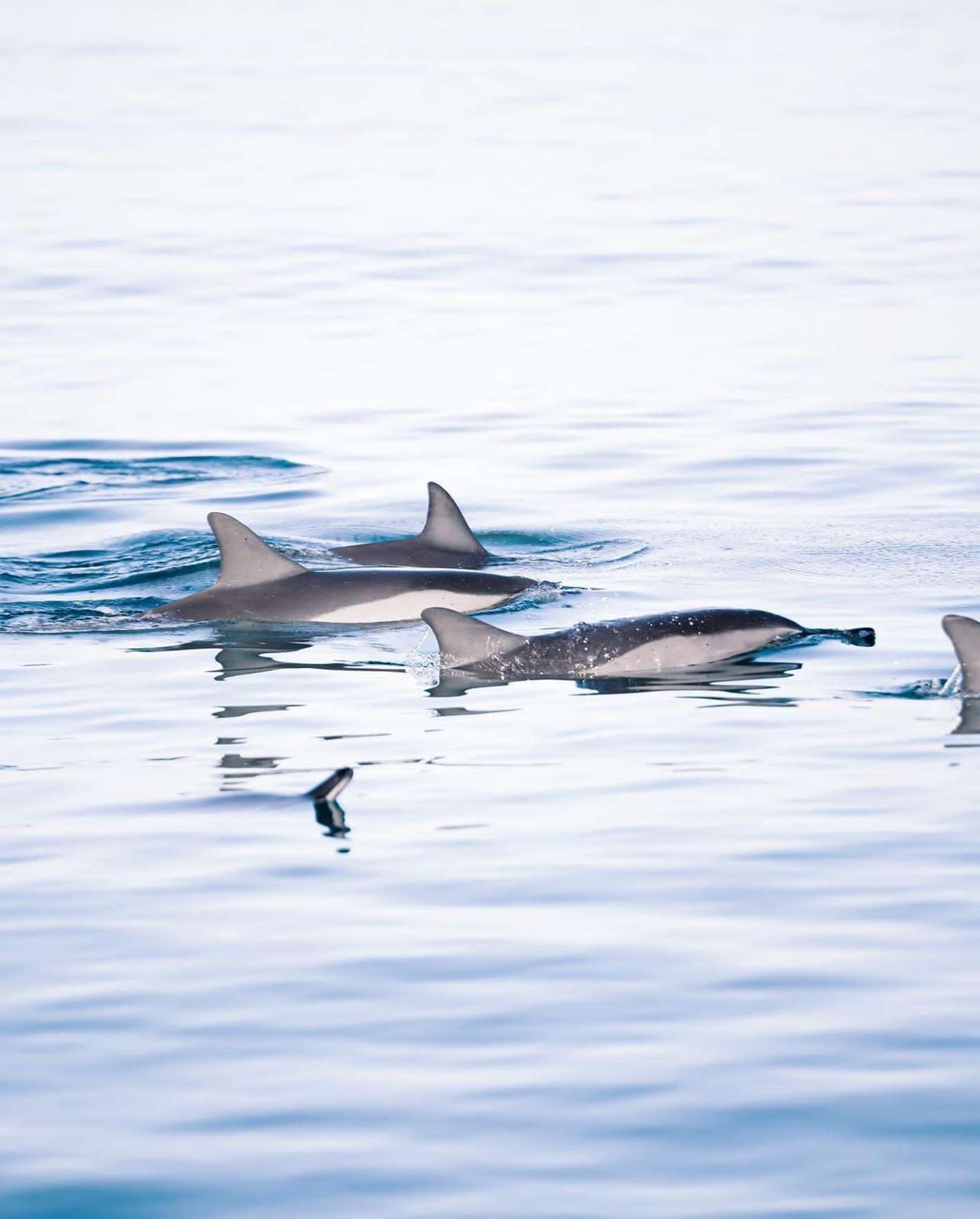
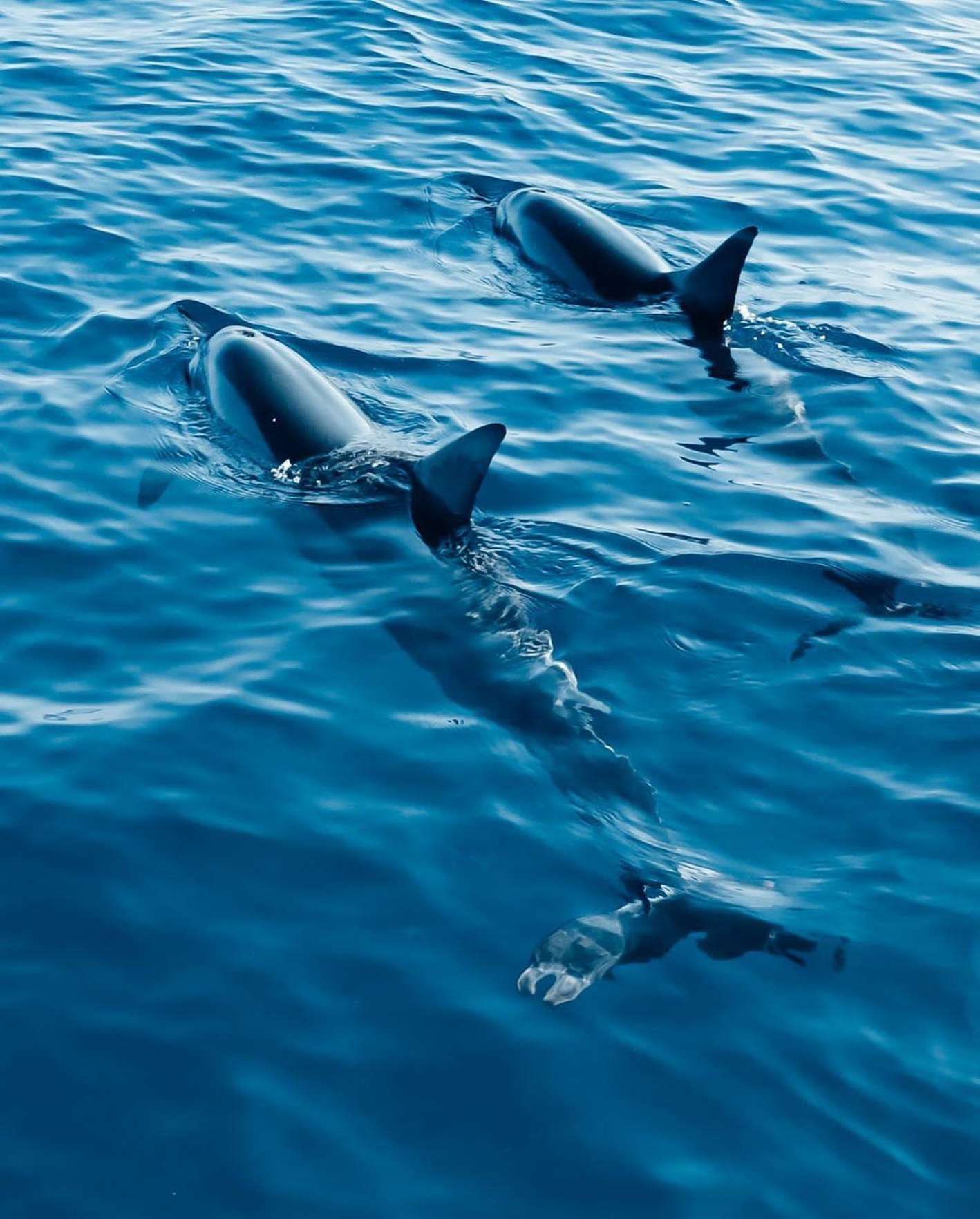
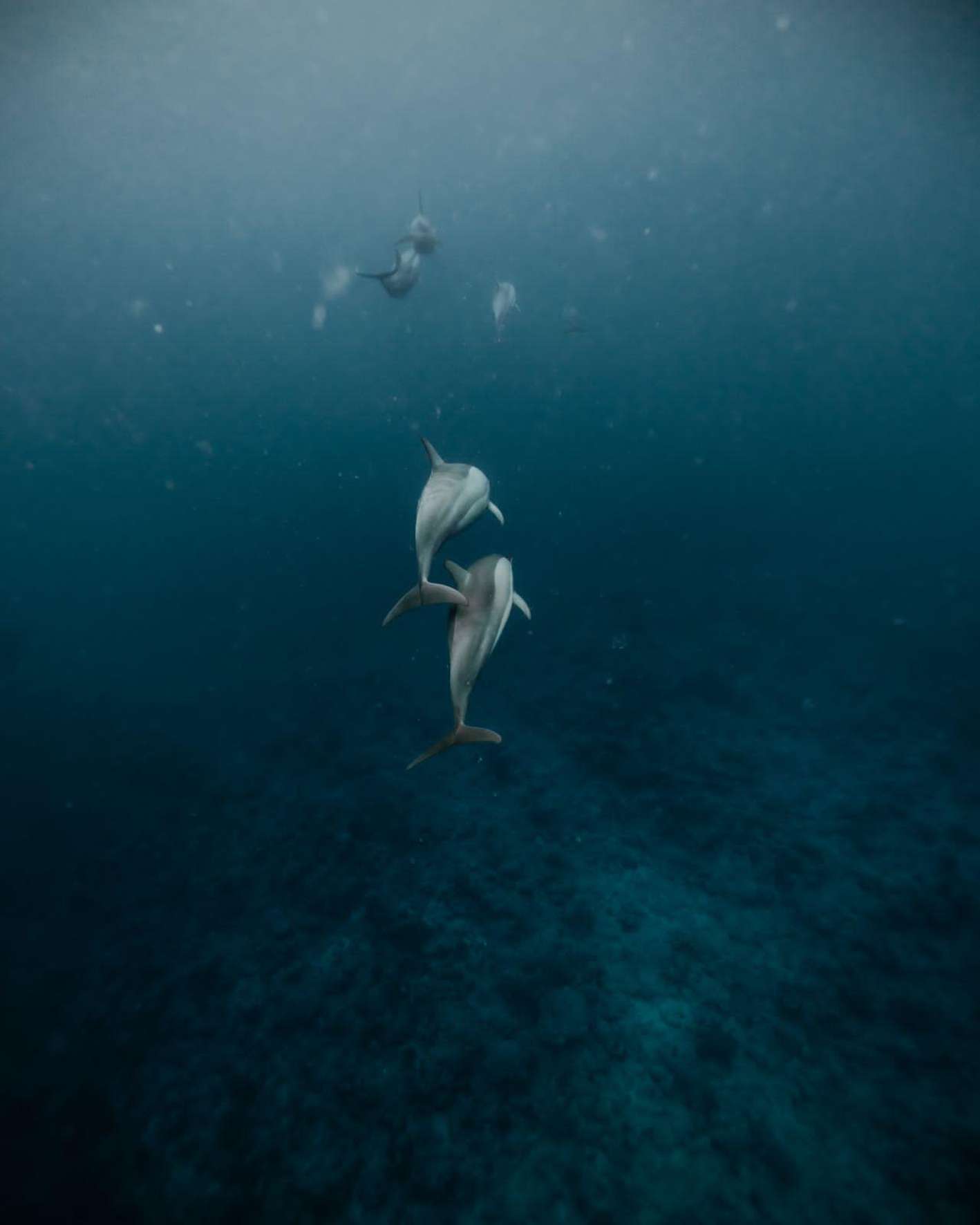
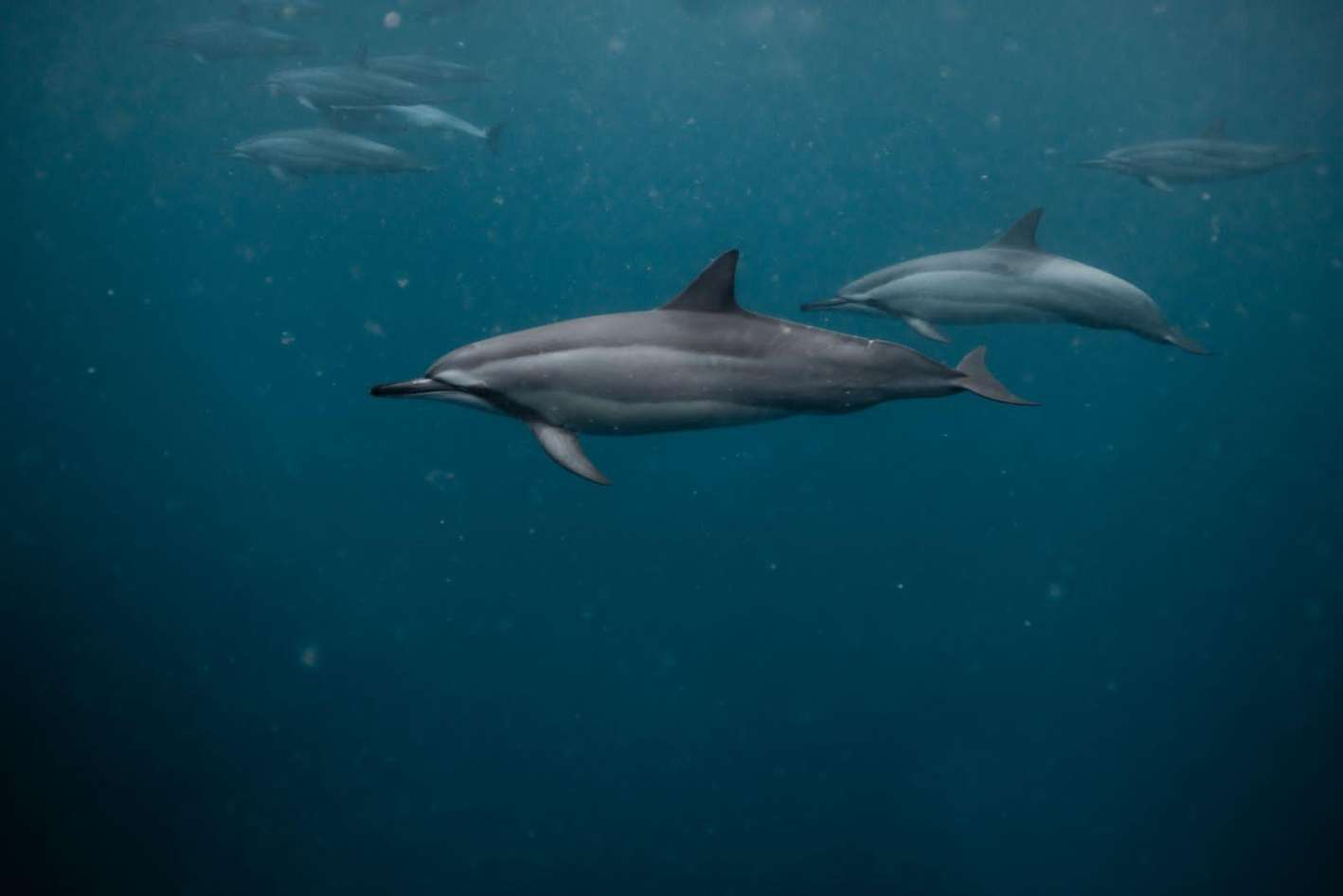
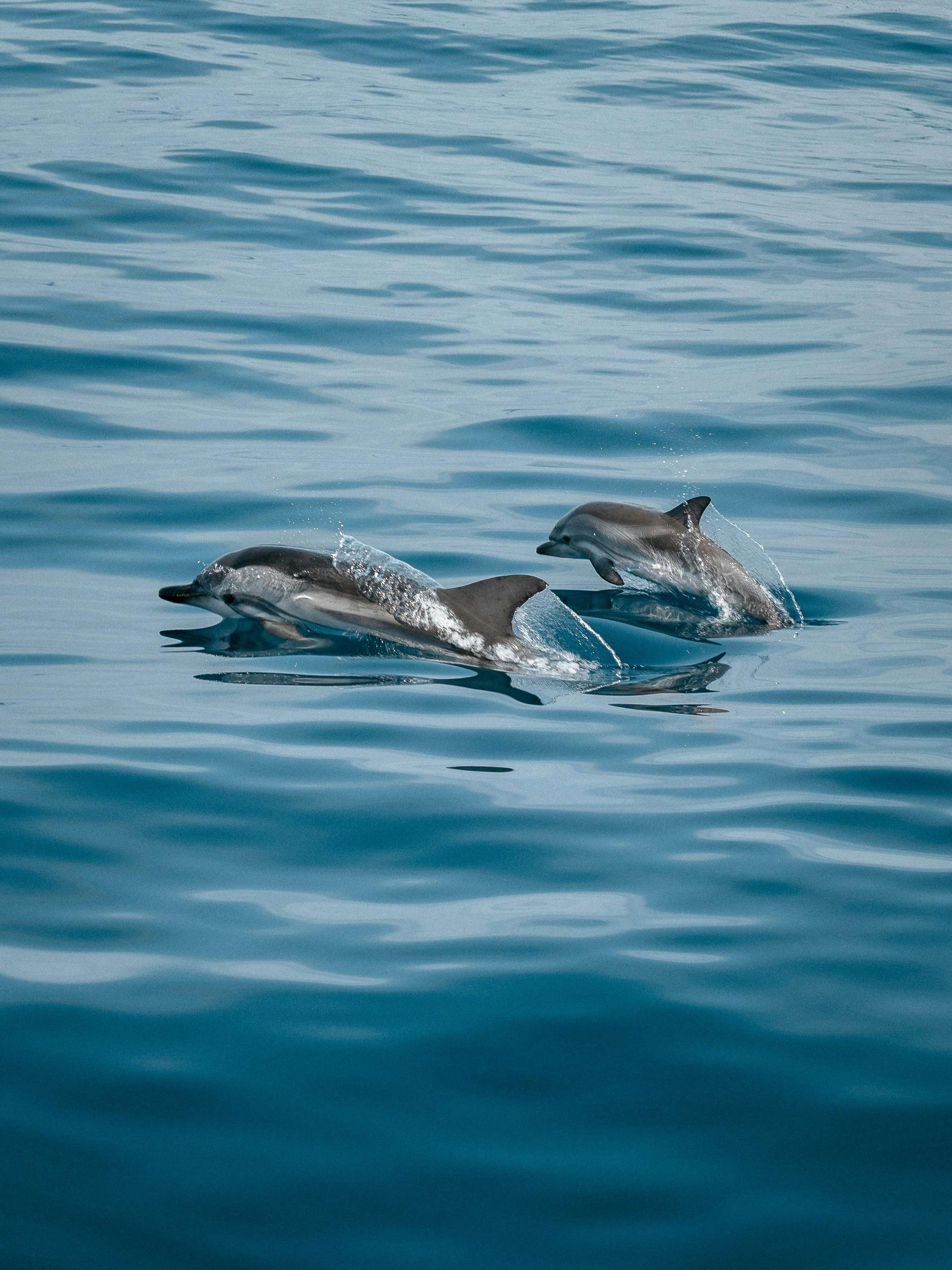
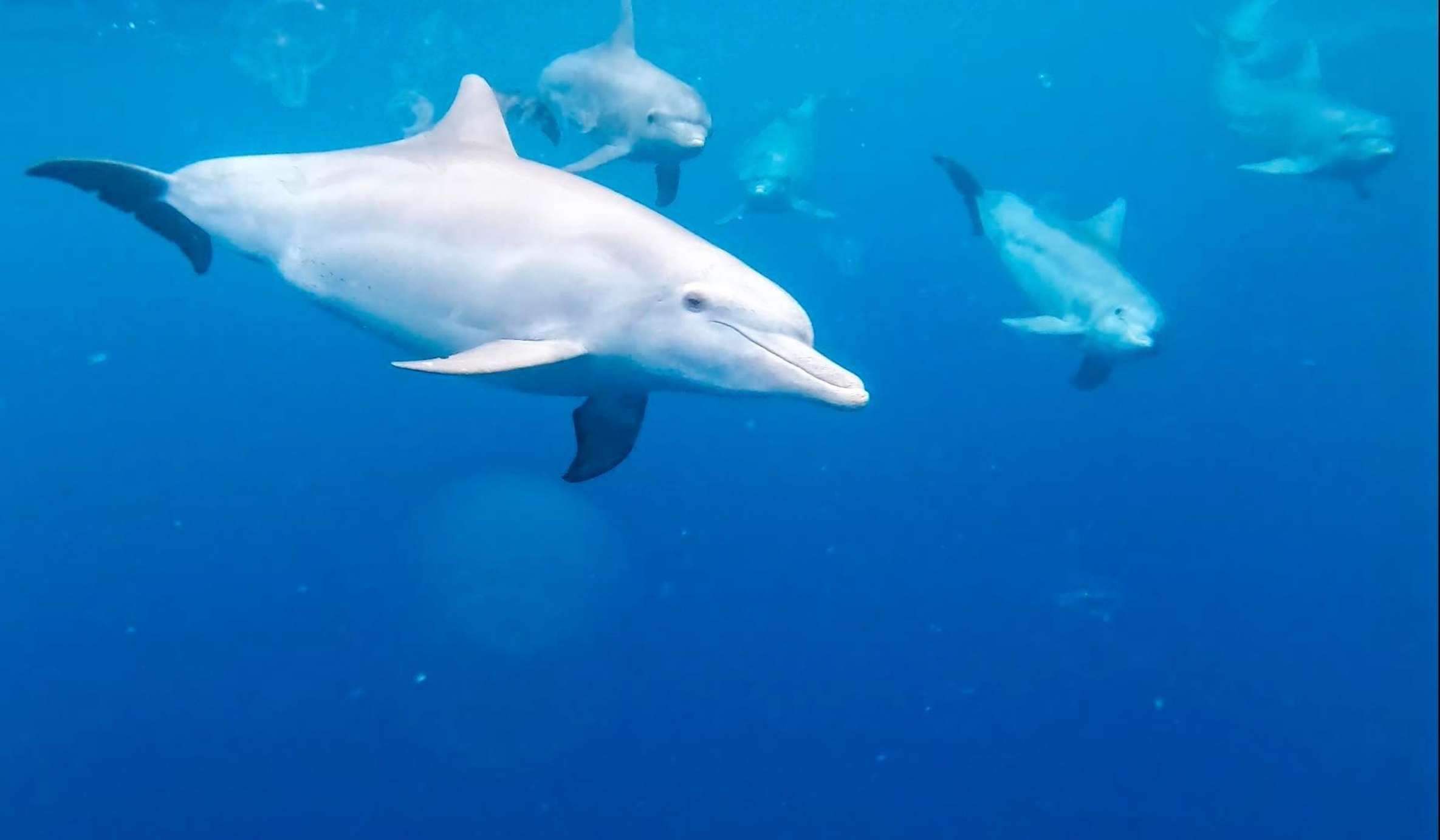
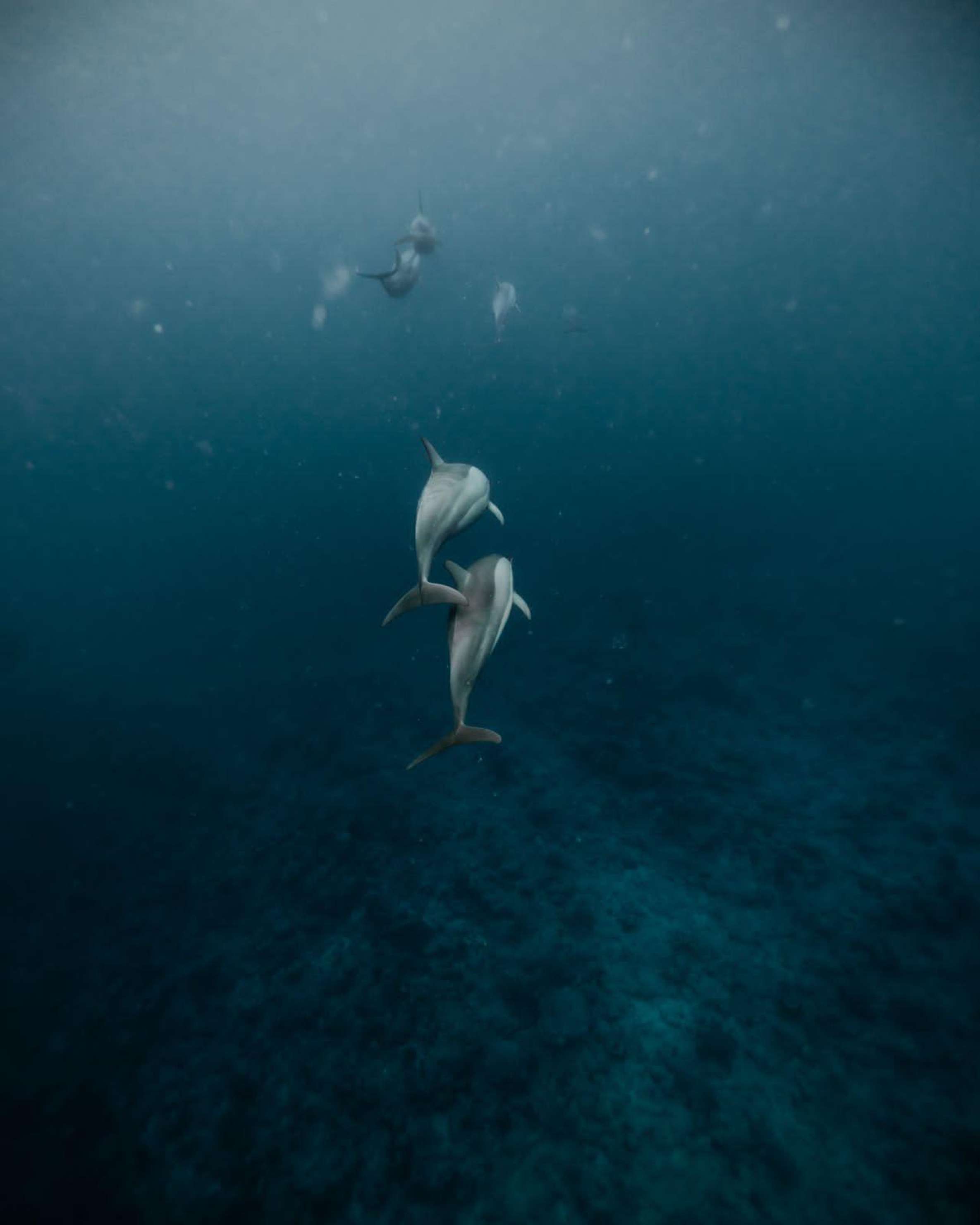
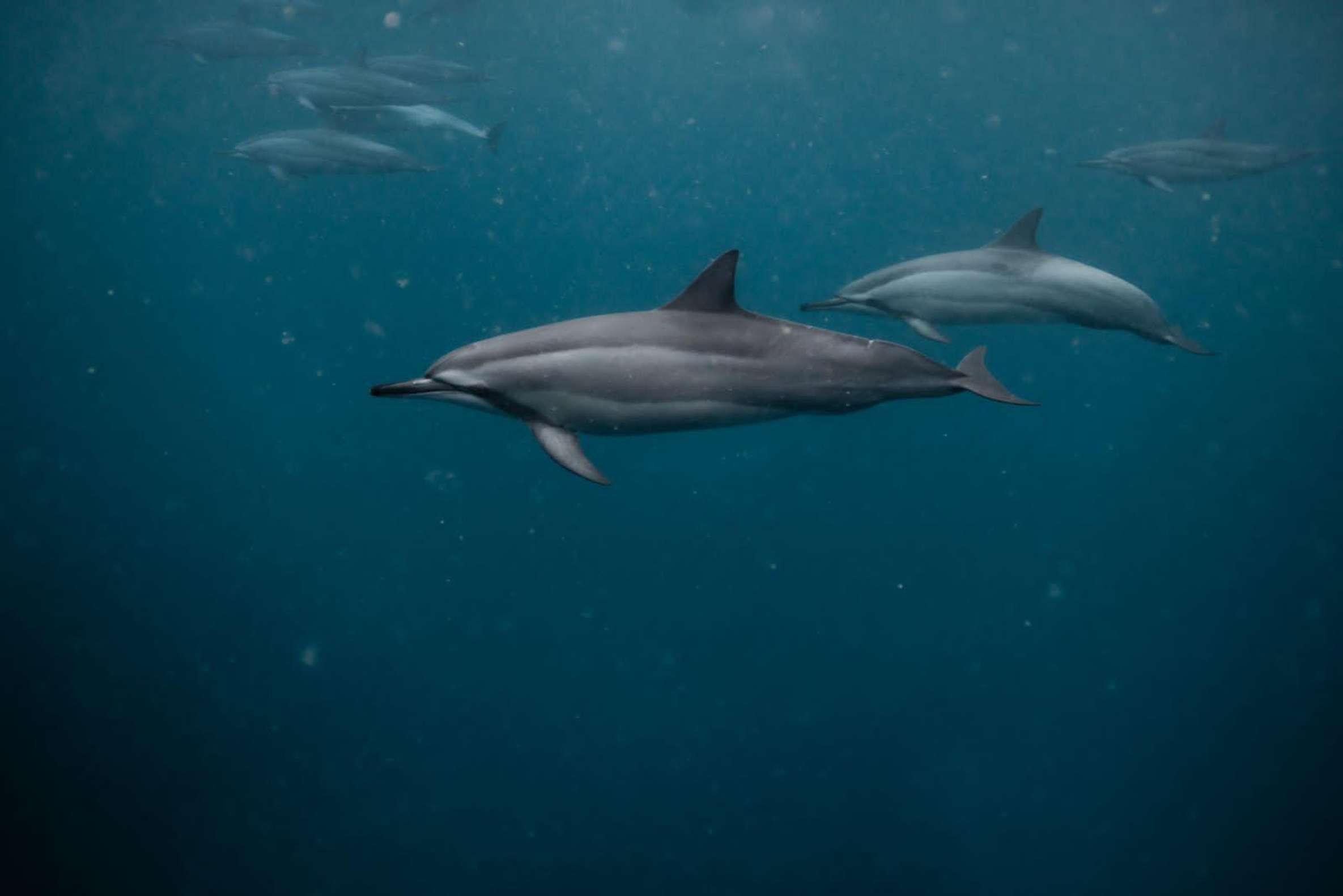
Dolphins rest in the bays early. Spinner and bottlenose pods come in from offshore night feeding and gather in Tamarin Bay, and the window between 6:00 and 7:30 am has the calmest water and the fewest boats before traffic peaks between 8:00 and 9:30 am.
Private charters and small boats get you out in that window; the Le Morne private dolphin tour runs two hours at dawn from the peninsula.
The rules on board are strict, and good. Boats must idle their engines and keep outside 50 metres, and a licensed operation drops swimmers alongside the pod after a briefing on calm, silent swimming.
No more than three swimmers go into the water at once, including the life-saver, everyone signs a disclaimer, and touching or feeding a dolphin is forbidden. Weak swimmers stay on deck and still get the encounter.
- 16:00 to 7:30 amBoats leave for Tamarin Bay as the pods return from offshore feeding
Calmest water, fewest other vessels
- 28:00 to 10 amDolphins rest and feed in the bay while boat traffic builds
Viewing happens from the boat on full-day catamarans
- 3Mid-morningSnorkel stop over a shallow patch reef near Black River
Coral heads about two metres deep, fish and small crustaceans
- 4MiddayAnchor near Crystal Rock, tender runs to Île aux Bénitiers
BBQ lunch on the sand, free time
- 5Around 3:30 pmFull-day boats back at the jetty
Seven-hour days on private charters
After the bay, the day drifts to Crystal Rock, the pale coral outcrop standing in chest-deep turquoise water with Le Morne Brabant behind it, then to Île aux Bénitiers for lunch on the sand.
Private boats turn the same route into a long lunch: one operator serves a lobster barbecue on the island with an open bar, seven hours with the whole speedboat to your group.
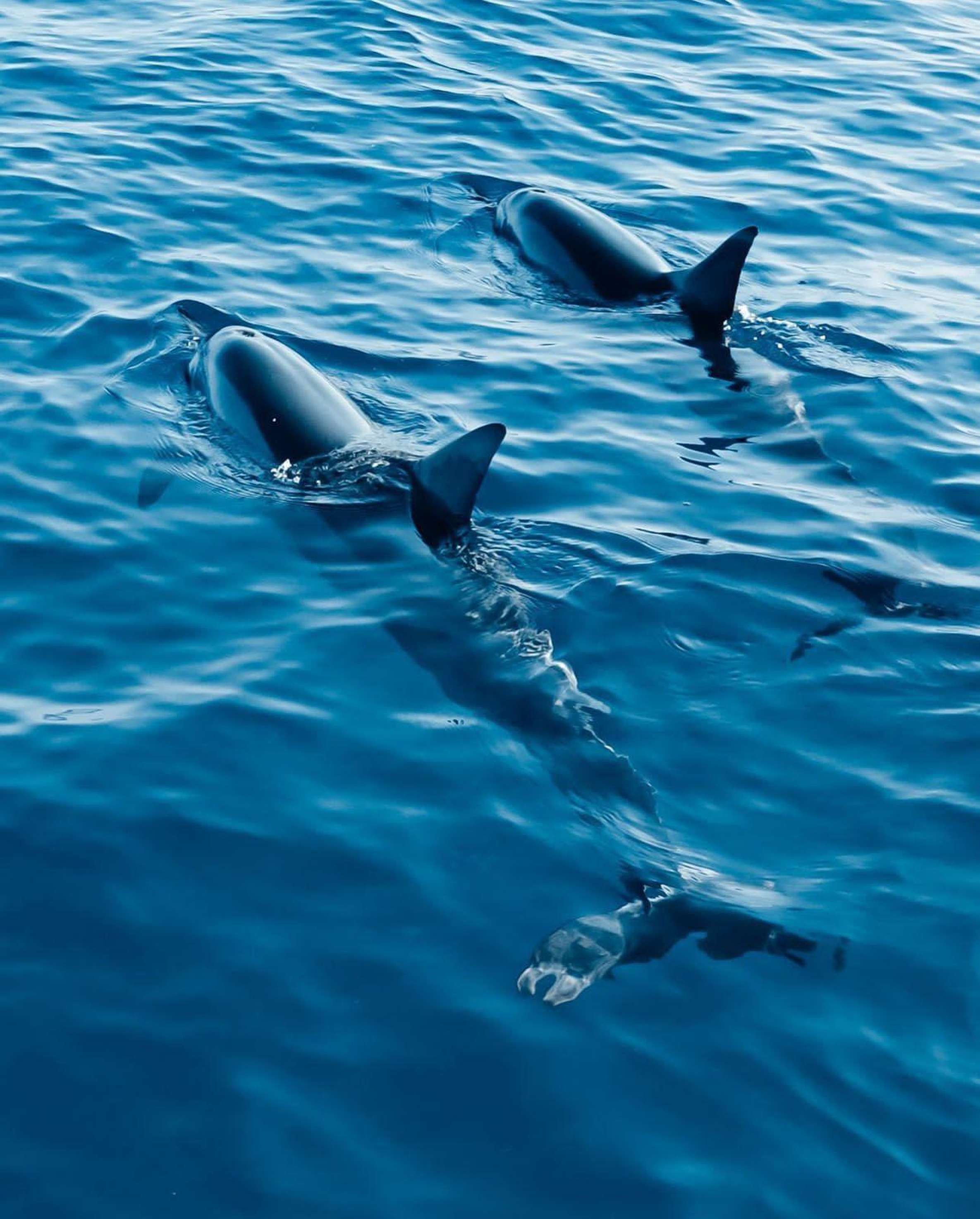
Scuba diving the southwest barrier reef - passes and walls
Under the surface, the southwest shelf is serious diving.
Passe Saint-Jacques is the flagship: a drift through a channel from 3 to 5 metres down to 30 to 32, where eagle rays, trevally and barracuda schools, big stingrays and the occasional grey shark pass along the outer edge, and blacktip reef sharks patrol the channel sides.
It needs Advanced Open Water and, by local advice, drift experience and 50 logged dives.
Le Morne Wall drops from 20 metres past 40, and Whale Rock is an open-water pinnacle from 20 to 35 metres, both Advanced Open Water sites.
Shark Point sits at 12 to 28 metres with pinnacles and reef walls, open to Open Water divers with at least 20 logged dives and steady nerve for moderate-to-strong currents. The Cathedral, a cavern and swim-through from 18 to 30 metres, recommends Advanced too.
How to choose a dive site on the southwest barrier reef
| Check | Why it matters | Our pick |
|---|---|---|
| Certification level | The outer sites require Advanced Open Water, Shark Point takes Open Water with 20 logged dives | The shared catamaran day stays in the lagoon, so book a dive centre separately |
| Logged dives and drift experience | Passe Saint-Jacques guides want 50 logged dives and drift experience for its strong currents | Outside the catamaran day's scope |
| Operator choice | The outer drop-off near the sandfall formation carries extreme depth and ocean currents, so dive it only with professional local operators | The catamaran day keeps you snorkeling safely inside the reef |
| What you will see | Eagle rays, trevally, barracuda, stingrays, grey and blacktip reef sharks, bumphead parrotfish from June to August | From the catamaran you get lagoon reefs and dolphins |
One honest note before you book. Mauritian reefs sit at decent, with active fish life, and divers who know the Red Sea or the Maldives find the coral density lighter, and the passes see fewer big animals than the Indian Ocean hotspots.
What this coast does give is drift, depth and open ocean within a short ride of your hotel.
Best time to visit Le Morne for snorkeling and sea conditions
The southwest hides from the wind. The central mountains shelter this coast from the southeast trades, and May to September brings the clearest water of the year on the leeward side even as the east coast gets battered.
The trade-off is temperature: winter mornings off Tamarin run 23 to 25°C in the water, with air around 18 to 20°C at dawn, so a rash vest or light wetsuit earns its place.
Summer flips the deal. From October to April the lagoon warms to 29°C and visibility regularly clears 20 metres, with November and December the calmest sea of all. Heavy tropical rains between December and March can stir sediment and cloud the water for a few days after a downpour.
February and March are the months to plan around. They sit in the cyclone window and carry the year's heaviest rain, and operators must suspend boat tours under a cyclone warning while rough water cancels departures on its own.
October, November and April give you calm water, warmth and boats that run, which is why those months fill first.
September: 22 dry days. The driest month of the year features light crowds and remarkably clear water with 22 dry days.
Tap a month to read it.
January: 192 mm of rain. Warm water and visibility exceeding 20 meters draw peak summer crowds, though tropical rain showers can temporarily cloud inshore spots.
Tap a month to read it.
February: 0.8 windy days. Snorkeling remains popular with active marine life and high visibility, but heavy summer rains can stir up sediment.
Tap a month to read it.
December: calm sea on 22% of days. Peak summer crowds arrive for warm 28°C water and exceptional 20-meter visibility, alongside seasonal tropical rain showers.
Tap a month to read it.
May: waves up to 2.6 m on an average day. Fewer visitors arrive as winter begins, leaving the sheltered lagoon peaceful with dropping rainfall and clear water.
Tap a month to read it.
The pattern a skipper would tell you: dry days climb from May, calm sea peaks in November and December, and the surf is smallest at the year's ends. Book the shoulder months if you can, and pack the thermal layer if you cannot.
See it from the air, swim it in the lagoon
The underwater waterfall is falling sand, and no mask or boat deck will show it to you; a seaplane from La Prairie or a helicopter from Chamarel will.
What the water gives instead is a sheltered lagoon under Le Morne Brabant, coral a long walk from the beach, Crystal Rock and wild dolphins at dawn. Go for the water, book the flight for the photo, and keep away from the shelf edge.
What to know before you book a Le Morne underwater waterfall snorkeling trip
Most southwest boat tours leave you to arrange your own transport. Several trips launch from Black River or Flic en Flac, and a few offer hotel pickup as a paid add-on or include it on private options. Driving to Tamarin or Black River from Grand Baie or Belle Mare takes about 1 hour 15 minutes for a dawn launch.
Departure points vary by tour: some speedboats leave from Flic en Flac, private snorkeling trips depart from a yacht centre in Black River, and dolphin swims board at Le Morne or Tamarin beach. Arrive a few minutes before your start time so boarding stays unhurried.
Shared speedboat tours put you on a boat with travelers from other countries, while private options give your group the whole vessel. A private snorkeling boat near Black River carries a maximum of eight guests, which keeps the pace flexible and the guide to yourself.
Tours in this corner of the island typically provide snorkeling masks, fins and life jackets. Full-day trips add a barbecue lunch and drinks, either onboard or on Île aux Bénitiers. One private trip even serves grilled lobster on the beach.
Bring cash in Mauritian rupees for souvenir vendors and beach stalls on Île aux Bénitiers, and for island restroom access. Hotel transfers on some tours are arranged at an additional cost, and loungers on the islands rent separately.
Boats do not provide everything, so pack:; Towel and a change of dry clothes; Reef-safe sunscreen, ideally a mineral formula with zinc oxide; Hat, sunglasses and swimwear worn under your clothes; A dry bag or waterproof cover for your phone; A light windproof jacket for the return crossing
Dolphins gather in Tamarin Bay early, and the best window falls between 6 am and 7:30 am before boat traffic peaks between 8 am and 9:30 am. Some shared full-day dolphin trips ask you at the dock by 7:15 am. Early departures also mean calmest water.
Mauritian law sets strict limits around dolphins: boats stay at no-wake speed within a regulated zone, keep outside a 50-metre prohibited radius, and never chase or encircle a pod. No more than three swimmers enter the water at once, and touching or feeding any marine life is forbidden.
“Spacious fun boat; snorkeling tricky in salty water, gear mediocre, but dolphins fantastic, lunch delicious.”
Underwater waterfall snorkeling in Mauritius questions answered
Is the underwater waterfall in Mauritius a real waterfall?
It is an optical illusion. Sand and silt wash off the shallow shelf at the edge of Le Morne Brabant and sink into an oceanic canyon, and the streaks of moving sand look like a cascading curtain of water when seen from above.
Can you snorkel over the underwater waterfall?
No. Water clarity limits how far you can see sideways through a mask to a few meters, so the pattern never shows from the surface. It only reads as a waterfall from a helicopter or seaplane looking straight down.
Why can the underwater waterfall only be seen from the air?
The illusion depends on contrast between pale sand in shallow turquoise water and the near-black deep ocean, and on the angle. From a boat deck or the beach the drop-off simply looks like dark blue water.
How deep is the water at the underwater waterfall?
The sand shelf off Le Morne sits at most 150 meters down, then the seafloor plunges more than 4,000 meters into the Indian Ocean abyss. That sudden drop is what the sand slides over.
Is it safe to swim near the reef opening at Le Morne?
Stay out of the reef opening itself. Outgoing tidal water and breaking surf there generate strong seaward rip currents, so swimmers and paddlers keep to the sheltered inner lagoon.
Why do boat skippers refuse to take boats into the surf break?
The same rip currents that make swimming risky make the reef opening unsafe for boats. Skippers anchor inside the lagoon at calm spots such as Crystal Rock instead, where the water sits chest deep.
How do I see the underwater waterfall then?
Book a scenic flight. Helicopters depart from the international airport, various helipads around the island, and some hotels, and a shared option flies from a helipad in Chamarel. Seaplane flights leave from La Prairie beach near Le Morne.
Where can I snorkel safely in the Le Morne lagoon?
The calmest coral patches sit right off the beach shallows beneath Le Morne Brabant, plus the sheltered waters by Paradise Reef and Crystal Rock towards Île aux Bénitiers. Give the outer passes and surf breaks a wide berth.
Is there good diving near Le Morne Brabant?
Yes, for certified divers. Sites like Passe Saint-Jacques, Le Morne Wall and The Cathedral are drift and drop-off dives that generally require an Advanced Open Water certification, and some operators also ask for a set number of logged dives.
When is the water clearest around Le Morne?
Winter, from May to September, brings some of the clearest visibility of the year because the southwest coast sits sheltered from the southeast trade winds. Summer offers warmer water, though heavy rains between December and March can briefly stir up sediment.
More on underwater waterfall snorkeling and beyond
 If you like how the shelf drops from 150 m to 4,000 mBest Snorkeling AreasA coast-by-coast read shows where Mauritius keeps its calmest lagoons and its healthiest reefs, so you can pick your base with the same clear-eyed approach.
 If you like snorkeling the calm inner waters at Le MorneBlue Bay SnorkelingBlue Bay is the island's densest coral reserve, and glass-bottom boats there let non-swimmers see turtles and fish without getting wet.
 If you like dolphins and Crystal Rock on a southwest boat dayTrou aux Biches SnorkelingTrou aux Biches pairs a calm, swimmable lagoon with outer reef snorkeling, the same mix of easy water and rich marine life you found around Le Morne.