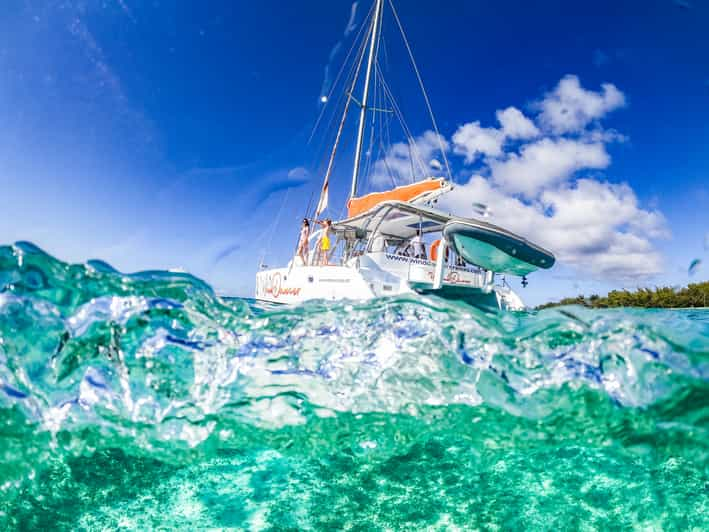
750 snorkelers swam past parrotfish and brain corals
Snorkeling in Blue Bay Marine Park Mauritius - Glass Bottom Boat Tour
Snorkel the biggest coral reserve in Mauritius without haggling on the beach. Book a glass-bottom boat or guided snorkel in Blue Bay Marine Park, masks and life jackets included, and let a crew who knows the lagoon take you to the giant brain corals and resident sea turtles. Pick your trip length and reserve your spot.
Choosing a Blue Bay Marine Park snorkeling trip in Mauritius
brain corals here span up to 7 metres
A Blue Bay trip comes in two shapes: a quick glass-bottom boat hop over the coral reserve, or a guided outing that adds snorkeling time, explanations and a lunch stop. The short ones suit anyone happy with an hour on the reef. The longer ones fill half a day with a second snorkel and an island lunch.
Getting thereBus 46 runs from Mahébourg bus station to Blue Bay every 20 to 30 minutes between 6:30 am and 6:30 pm, and the drive by car takes about 10 minutes.
DeparturesThe half-day trip leaves the public beach at 10:30 am, and the shorter excursions offer several start times through the day.
Best waterThe lagoon is calmest and clearest between 7 am and 10 am, before wind and currents stir up the sand toward midday.
ZonesSwimming is allowed only inside the designated zone marked by yellow floats, and the off-limits conservation area starts past the rocky point at the southern edge of the beach.
Coral rulesTouching, standing on, or collecting coral is prohibited by law, and fines start at 2,000 rupees for a first offence.
TurtlesChasing, touching, or feeding sea turtles is illegal in Mauritian waters, so watch them from a distance.
WarmthFrom June to September the water sits around 23 to 25°C, so pack a rash vest or light wetsuit for longer swims.
Non-swimmersThe glass-bottom boat suits children and non-swimmers who stay aboard, while the guided snorkeling outings require comfortable swimmers.
BookingAll the excursions can be cancelled up to 24 hours in advance for a full refund.
accessSwimming is prohibited anywhere in Blue Bay Marine Park outside the designated swimming zone marked by a line of yellow floats and buoys.
Book a glass-bottom boat or guided snorkeling excursion to reach the main coral gardens legally, and note that the guided snorkeling tours here list non-swimmers as not suitable, so they should stay with the boat.
Four ways to snorkel Blue Bay Marine Park
clearest water 7 to 10 am
Cheapest
1 hour·English, French
4.4(155)
Blue Bay Marine Park - 1-hour Snorkeling Excursion
One glass-bottom hour with mask and life jacket included, a first look into Mauritius's biggest coral garden.
Free cancellationSnorkeling equipment (mask and snorkel)Life jacket
Snorkeling at Blue Bay Marine Park, moment by moment
brain coral five and a half metres wide
about 1 h
One brain coral in this lagoon measures five and a half metres across, among the largest in the Indian Ocean.
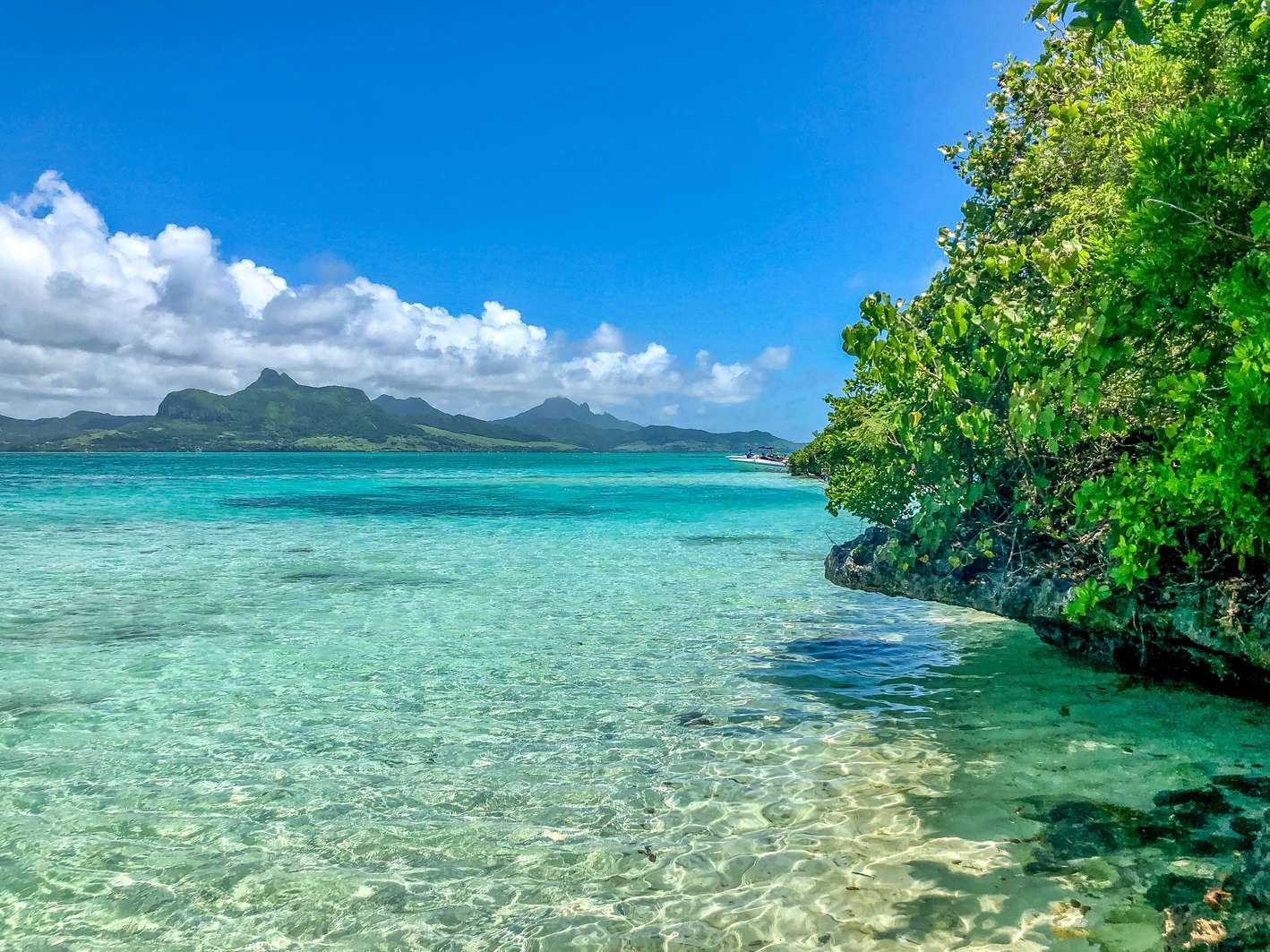
Blue Bay Marine Park has been protected since 1985, and its shallow waters hold dense coral colonies, parrotfish, clownfish and a small resident group of sea turtles. The best coral sits beyond an easy swim from the sand, so the excursion goes by boat.
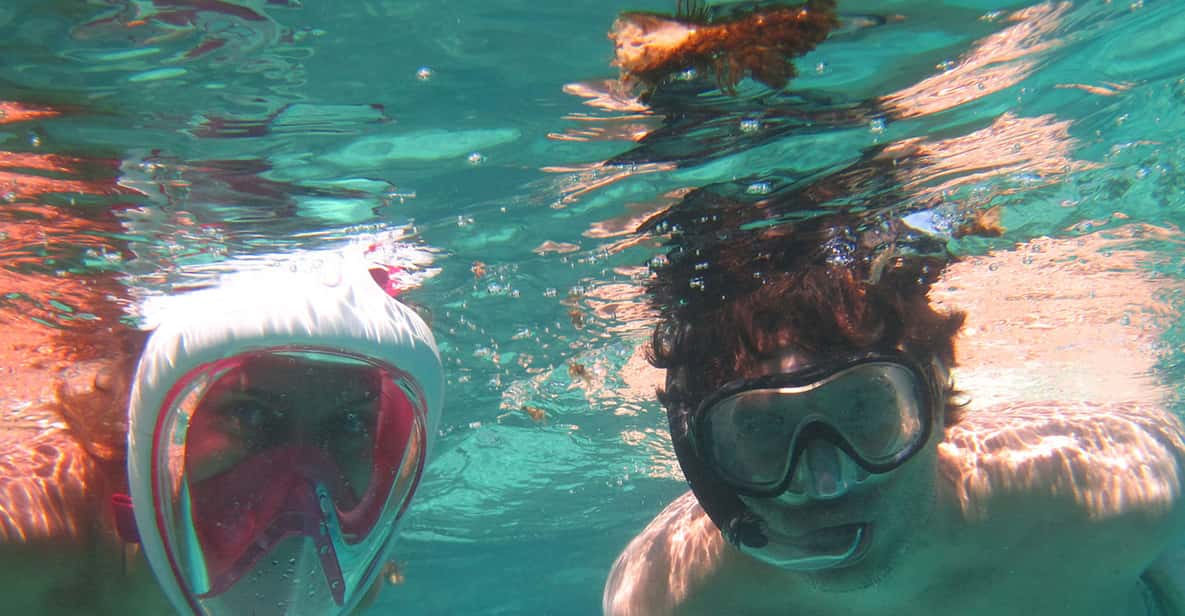
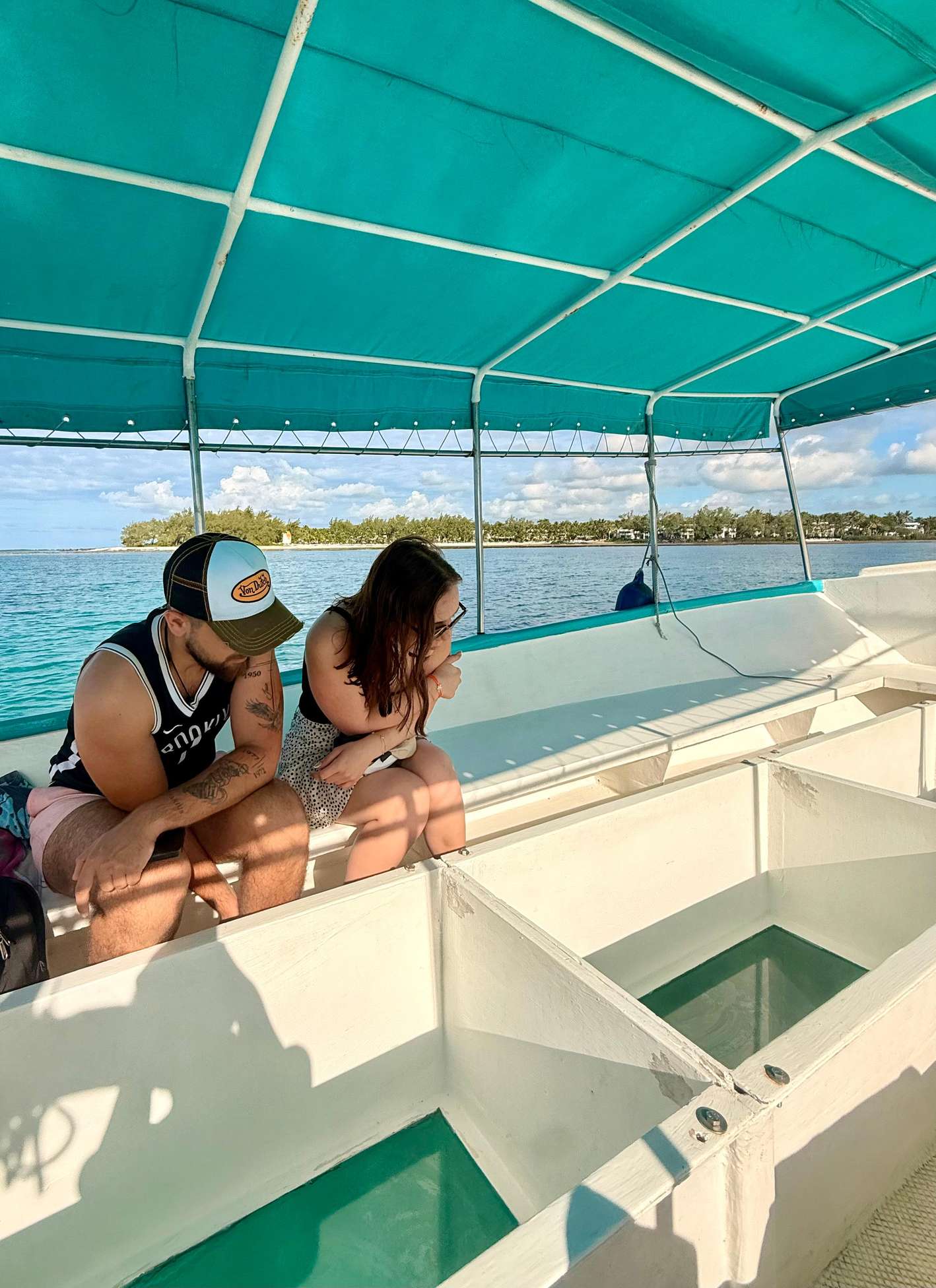
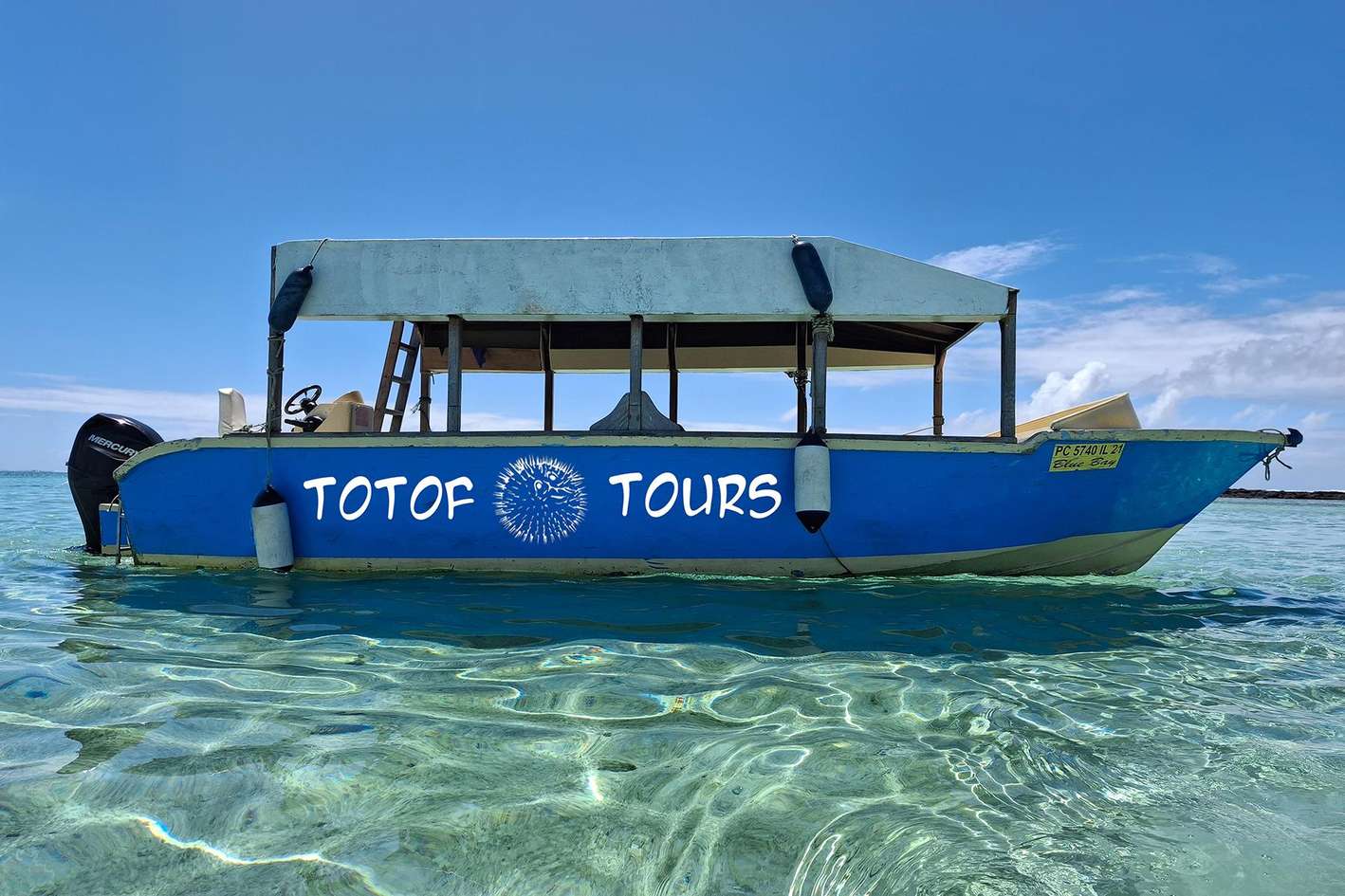
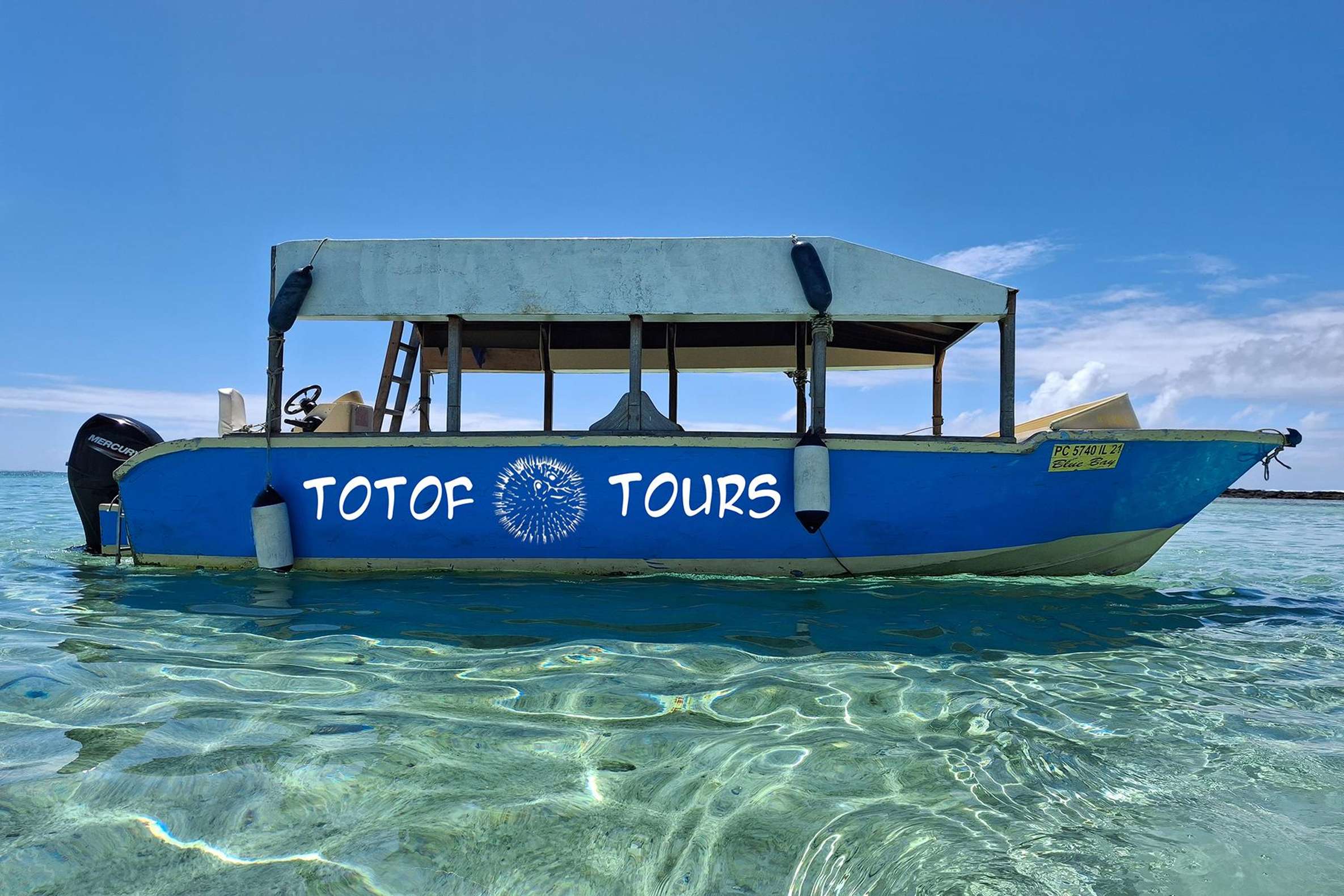
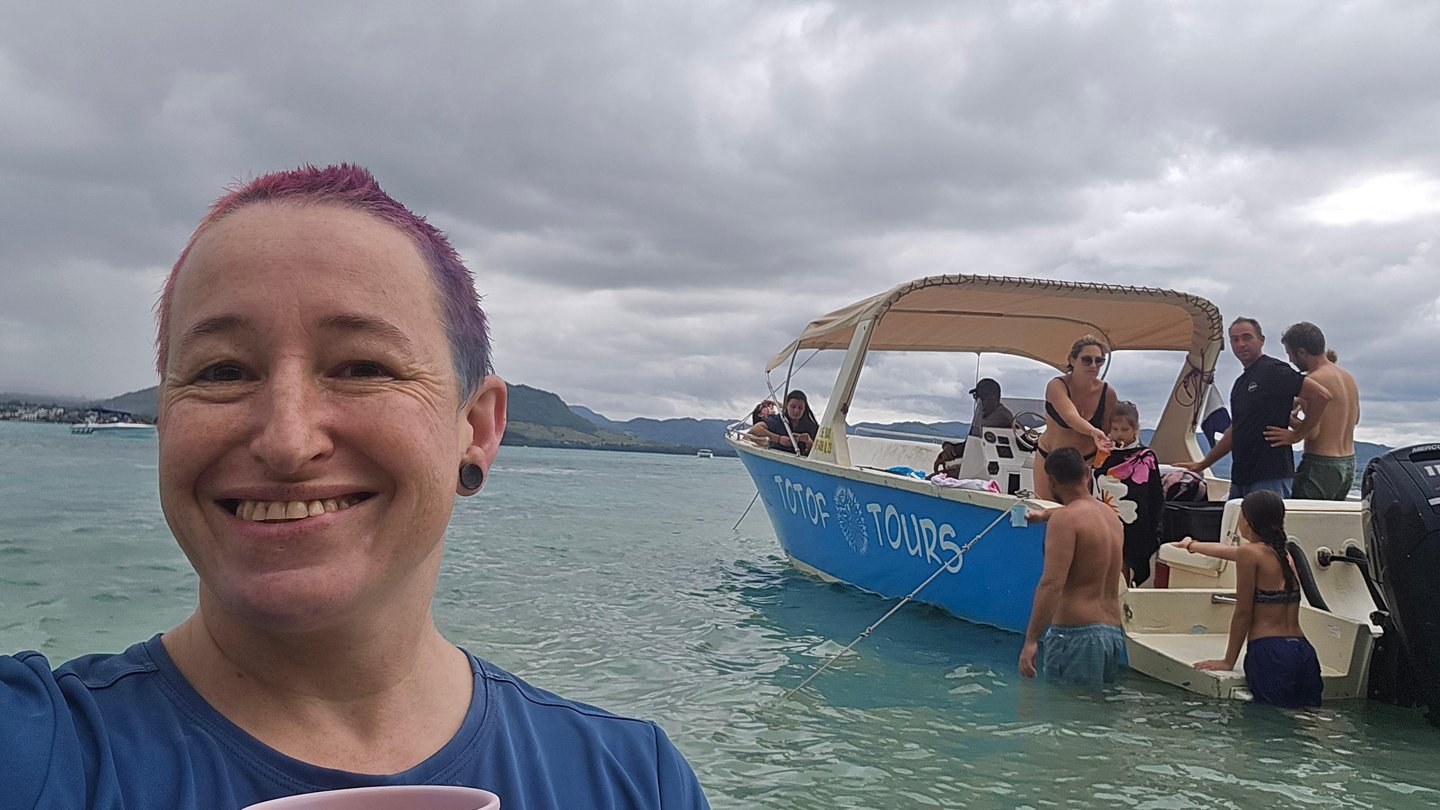
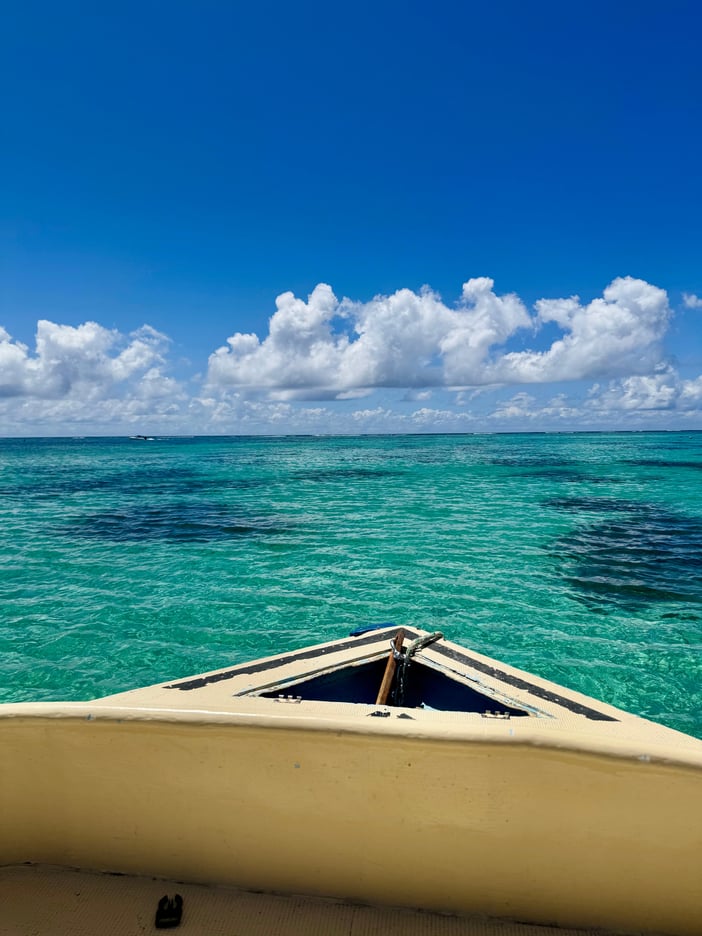
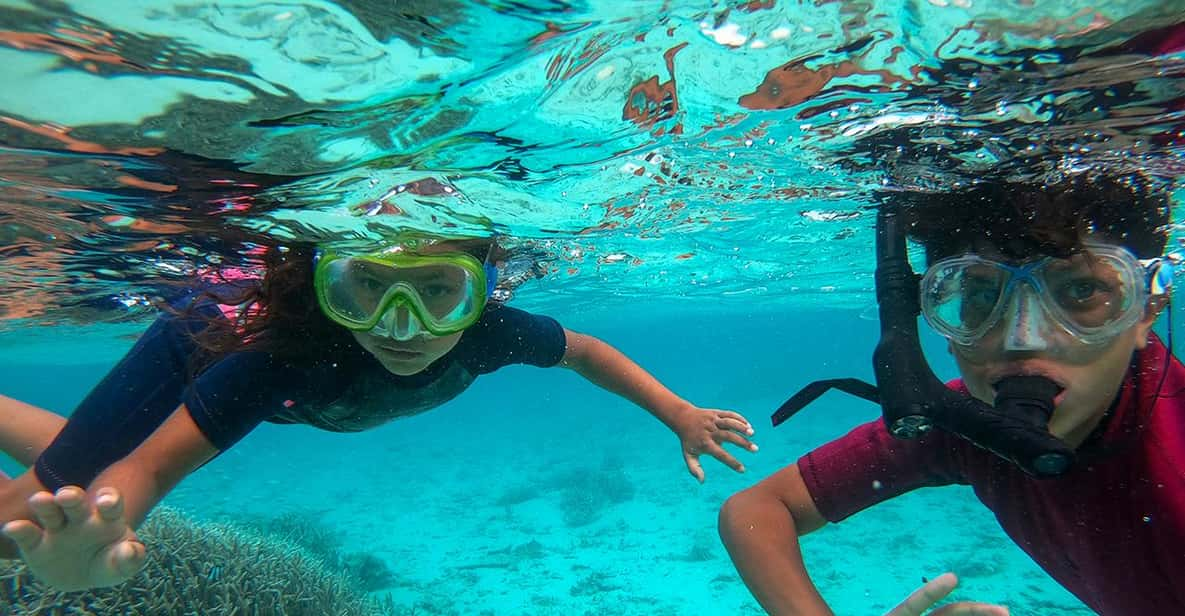
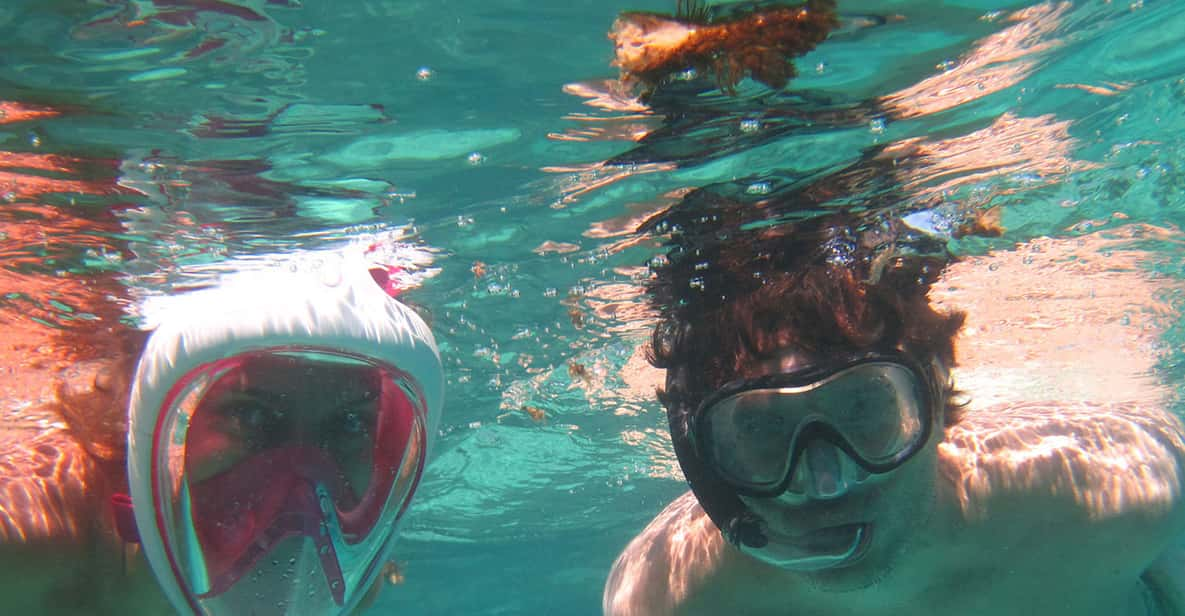
The one-hour trip runs by glass-bottom boat from Blue Bay public beach. You watch coral and fish through the floor panels, then slip into clear, shallow water at the snorkeling spot among the corals and shoals of fish. Mask, snorkel and life jacket come with the trip; you bring swimwear, a towel and sandals.
Stop 1Out from Blue Bay beach· about 5 minThe excursion starts at the public beach on the southeast coast; masks, snorkels and a life jacket are ready on the boat.Stop 2Over the coral garden· about 15 minThe park begins about 100 metres offshore. Through the glass panels you watch coral heads and schools of fish pass beneath, and the crew points out the coral types.Stop 3Into the shallow water· about 25 minYou slip into clear, shallow water among the corals. Parrotfish graze the coral heads, and a sea turtle sometimes drifts past the group.Stop 4Clownfish and cleaning stations· about 10 minClownfish colonies sit in anemones across the reef, and small wrasses and shrimp run cleaning stations on several coral heads.Stop 5Back to the beach· about 5 minThe boat returns you to Blue Bay public beach, and the rest of the day stays free.
Included
Snorkeling equipment (mask and snorkel)Life jacket
Not included
Please bring appropriate clothing (especially, during the winter season)
Comparing Blue Bay Marine Park snorkeling tours by length and what they include
giant brain coral here grows 5.5 metres wide
Green marks the lowest price. Prices per person.
Tour
Price
Duration
Languages
Best for
Our pick
Blue Bay Marine Park - 1-hour Snorkeling Excursion
4.4★ (155)
from $28lowest price
1 hour
English, French
travelers on a tight schedule who want a quick reef swim
Start by deciding how long you want on the water: a 1-hour glass-bottom hop, a 2-hour trip with two snorkel stops, a half-day with a Creole picnic lunch, or a guided small-group outing.
Pro tipThe lagoon is calmest and clearest from 7 am to 9 am, before wind clouds the water toward midday
2. Pick a date and start time
Choose your date, then a start time. The 2-hour excursion runs at several times through the day, while the half-day trip with the Creole lunch leaves the public beach at 10:30 am.
Common mistakeBooking an afternoon slot when a morning one is open, since wind and stirred-up sand cut visibility later
3. Pay and get your voucher
Pay by card online, in a currency you know. You receive an email confirmation right away, then a voucher with meeting point directions arrives within 72 hours.
Common mistakeAssuming the voucher comes instantly, so you book the night before and leave no room for it to arrive
ImportantCancel up to 24 hours in advance for a full refund, so an uncertain date costs you nothing to hold
4. Plan the trip to the jetty
Most Blue Bay excursions exclude hotel pickup, so you make your own way to the public beach. Free parking sits at the entrance and fills up quickly on weekends and school holidays.
RecommendedAim to park by 9 am on a weekend, or take bus line 46 from Mahébourg every 20 to 30 minutes
5. Know what to bring
Arrive with swimwear on and a towel in your bag. The crew hands out masks, snorkels and life jackets on board, and the guided trips ask for reef-friendly sunscreen to protect the coral.
RecommendedBring your own mask for a snug, leak-free fit; the loaners tend to be basic
Common mistakePutting on regular sunscreen; biodegradable sunscreen is what the park asks for
What to know before you book a Blue Bay Marine Park snorkeling trip
brain corals reach 6 to 7 metres across
Can stop the dayGood to knowGood news
01
ChoosingWhat it is, who it suits, when to go
3
Trip length
A 1-hour outing splits into about 15 minutes of sightseeing through the glass panels and 45 minutes of snorkeling at one reef. The 2-hour version adds a cruise along the Pointe d'Esny coast and a second snorkeling stop when the tide allows.
Best time
The calmest water and clearest visibility come from 7 am to 10 am, before wind and currents cloud the lagoon. The half-day trip with lunch starts at 10:30 am, so book the shorter tours if clear water is the priority.
Non-swimmers
Children and non-swimmers can watch the whole reef through the glass panels without getting wet, and the short boat trips suit them well. The two guided snorkeling tours are built for swimmers and list non-swimmers as unsuitable.
02
BookingHow far ahead, and what happens if plans change
2
Cancellation
Every excursion on this page lets you cancel up to 24 hours in advance for a full refund. The 2-hour boat trip runs rain or shine, so a grey morning does not sink the plan.
Cancellation
All of these excursions can be cancelled up to 24 hours ahead for a full refund, so you can claim your slot early and still change your mind if the weather turns.
03
Before you goPapers, health, what to bring
2
Gear
No operator supplies reef shoes or wetsuits, and many boats carry no fins. Bring reef shoes for boarding from the shallows and a UV rash guard for the sun; the water sits between 22°C in winter and 28°C in summer, so no thick suit is needed.
Health limitsCan stop the day
The guided snorkeling tours are not suitable for people with heart problems, respiratory issues or recent surgery, nor for wheelchair users. The standard glass-bottom boat trips carry no such list, though boarding from the shallows asks for steady legs.
04
On the dayWhere to be, when, and how you get there
3
Meeting point
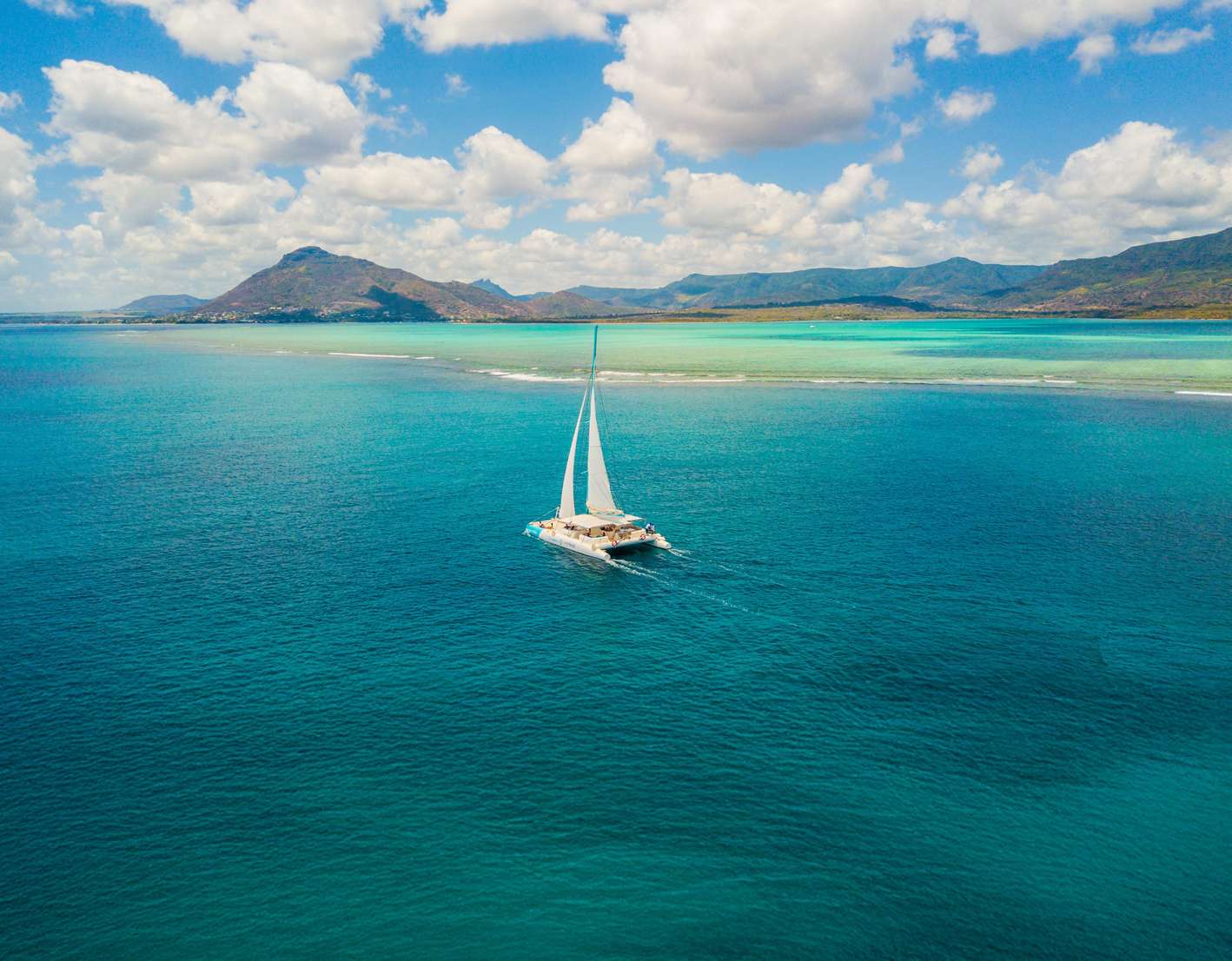
Glass-bottom boats leave from Blue Bay public beach in the southeast, a 10-minute drive from Mahébourg and about 16 minutes from the airport. None of these excursions include hotel pickup, so plan your own transfer to the jetty.
Swim zonesCan stop the day
Inside the marine park you may swim only in the designated zone, marked on the seaward side by a line of yellow buoys. Traffic lanes are off limits, and the conservation area past the rocky point at the southern edge of the beach is closed to swimmers.
Park rules
Touching, standing on or collecting coral is an offence in the park, and fishing is banned. The law also forbids touching, chasing or feeding sea turtles, so let any turtle glide past without following it.
05
During the tourWhat is expected of you
2
What's included
The short boat trips supply masks, snorkels and life jackets, and the guided tours add a live guide, underwater photos and a snack or a Creole lunch. Transfers, towels and sunscreen stay on your side of the deal.
Photos
Both guided tours include souvenir photos and GoPro underwater videos, sent to you by download link after the trip. On the short boat trips, bring your own camera in a dry bag to keep sea spray off it.
Blue Bay Marine Park snorkeling guide
coral begins 100 m off the sand
The densest coral reserve in Mauritius sits off a quiet southeast beach, and most visitors see it from a glass-bottom boat in a single hour. This guide settles whether one hour over it is enough, when to book, and what to pack.
Blue Bay, Mauritius
If you only remember three things
1
Book the 7 am to 9 am slot for the calmest, clearest water of the day.
2
One hour buys a single snorkel stop; two hours or more unlock two spots, a guide and the islet.
3
Swim inside the yellow buoy line and leave the coral exactly as you found it.
Is Blue Bay Marine Park really worth the trip?
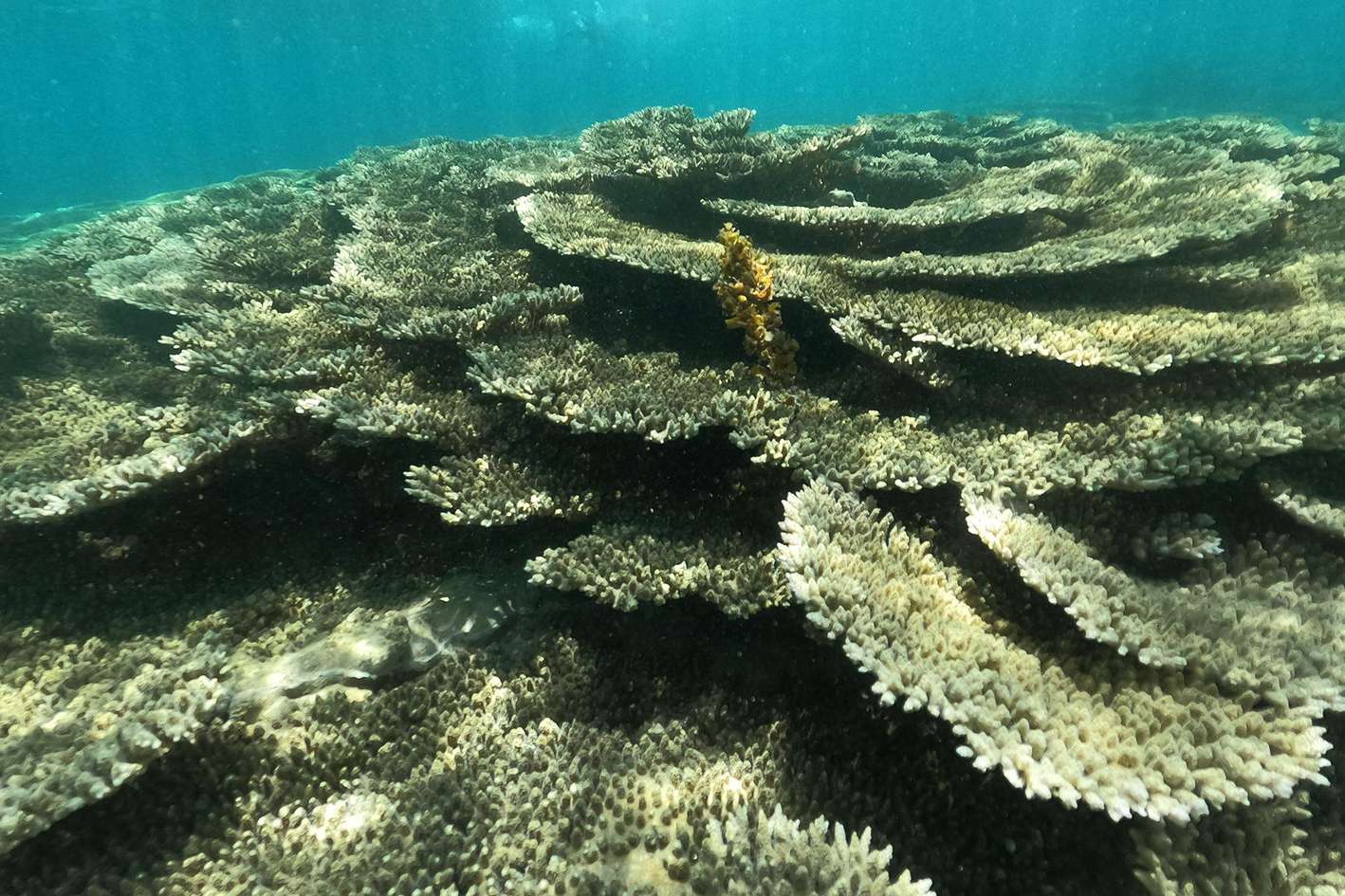
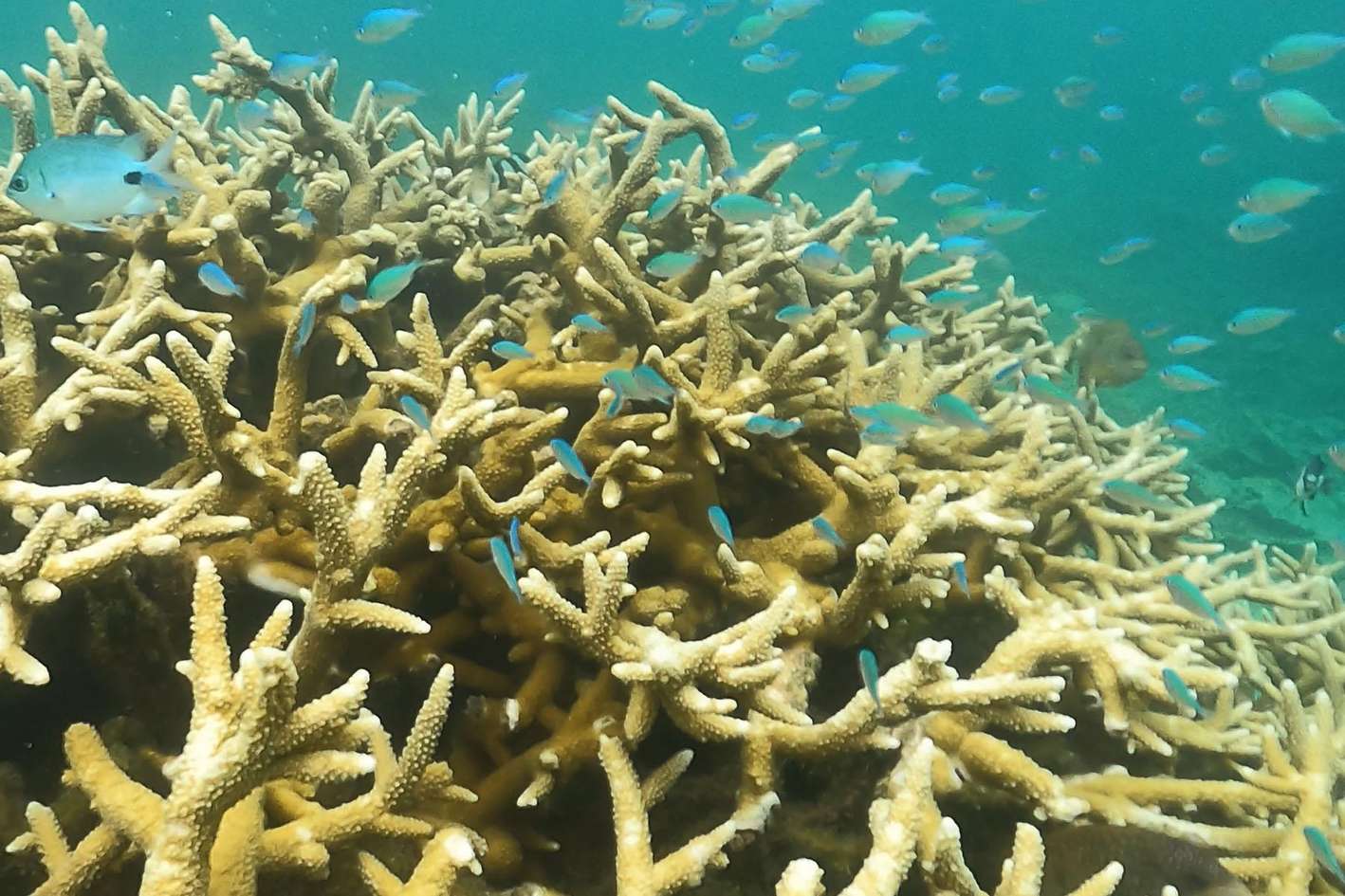
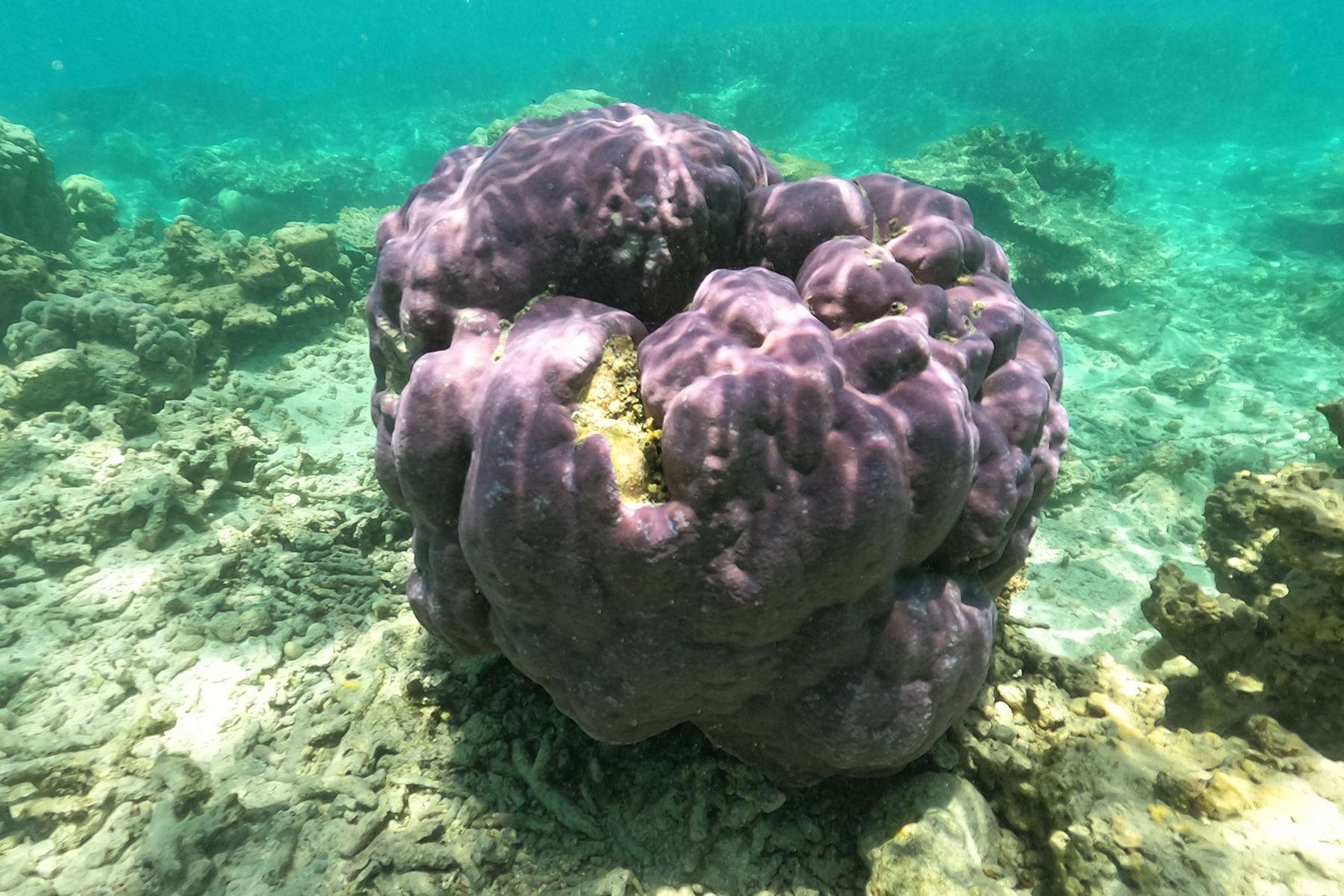
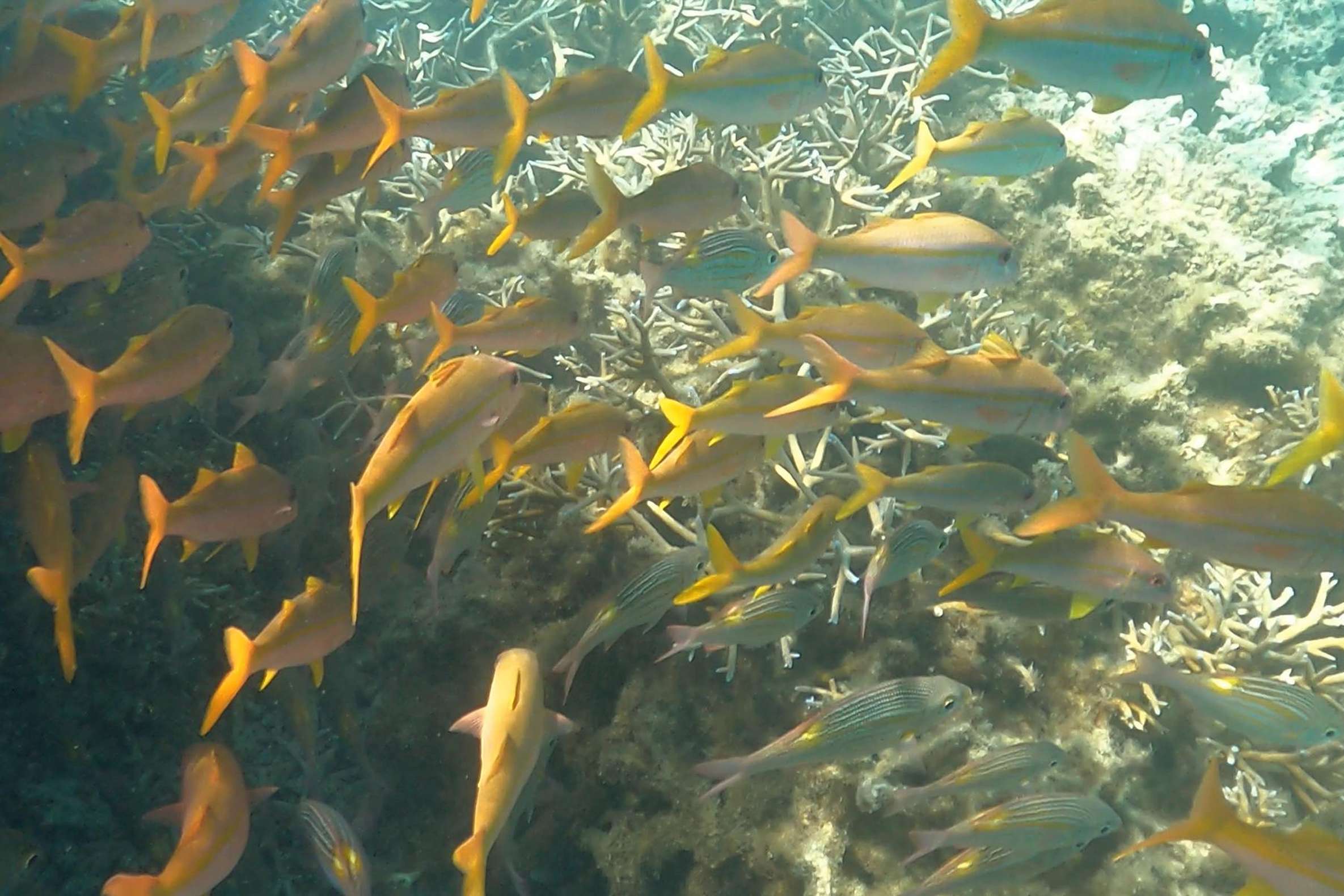
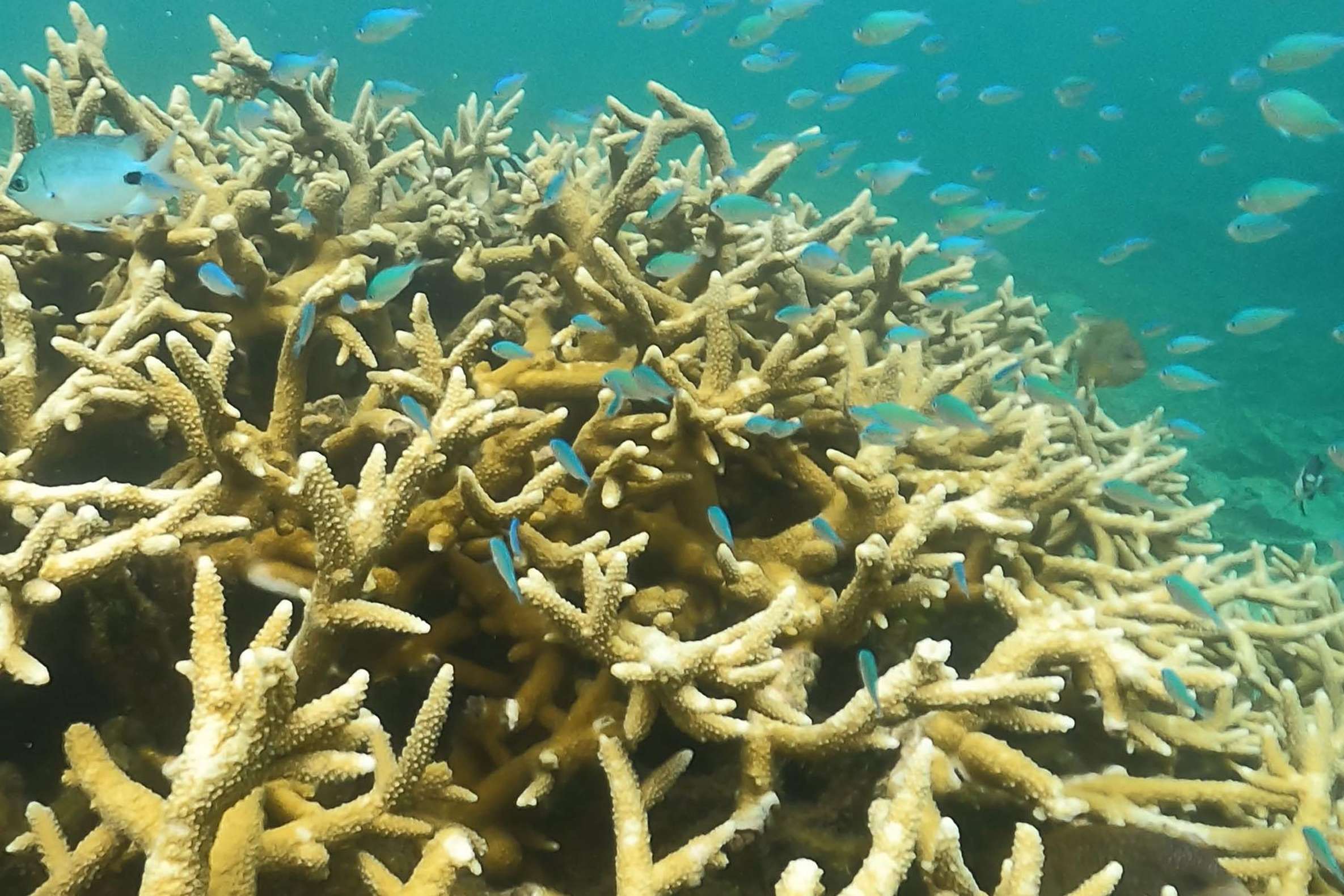
Blue Bay holds the largest coral reserve in Mauritius, a protected marine park where brain corals grow six to seven metres across and table colonies stretch up to sixteen metres.
The northern beaches cannot match that coral density, and dedicated snorkelers who base a whole trip on north-coast hotel strips often end up wishing they had given the reserve its own morning.
The honest comparison matters too. Fish life is lively and the water runs clear on good days, but the reef will not rival the Red Sea or the Maldives, where coral cover runs far thicker.
This is the best snorkeling in Mauritius by the island's own measure, and readers who go with island expectations leave happy.
Protection is what keeps it that way. The park runs under national marine reserve rules, with mooring buoys, marked zones for boats and swimmers, and no anchoring on coral, no fishing and no collecting.
Before you commit the morning, three assumptions are worth clearing out of the way.
What people wrongly assume
MythNorth-coast beaches offer the same reef quality
Reality
They do not. The reserve at Blue Bay holds denser coral and more sea life than the typical northern lagoon.
MythBlue Bay rivals the Maldives or Red Sea
Reality
It does not. Fish life is active and the coral is the island's best, but overall coral diversity sits below those world-class spots.
MythReef life only shows up far from shore
Reality
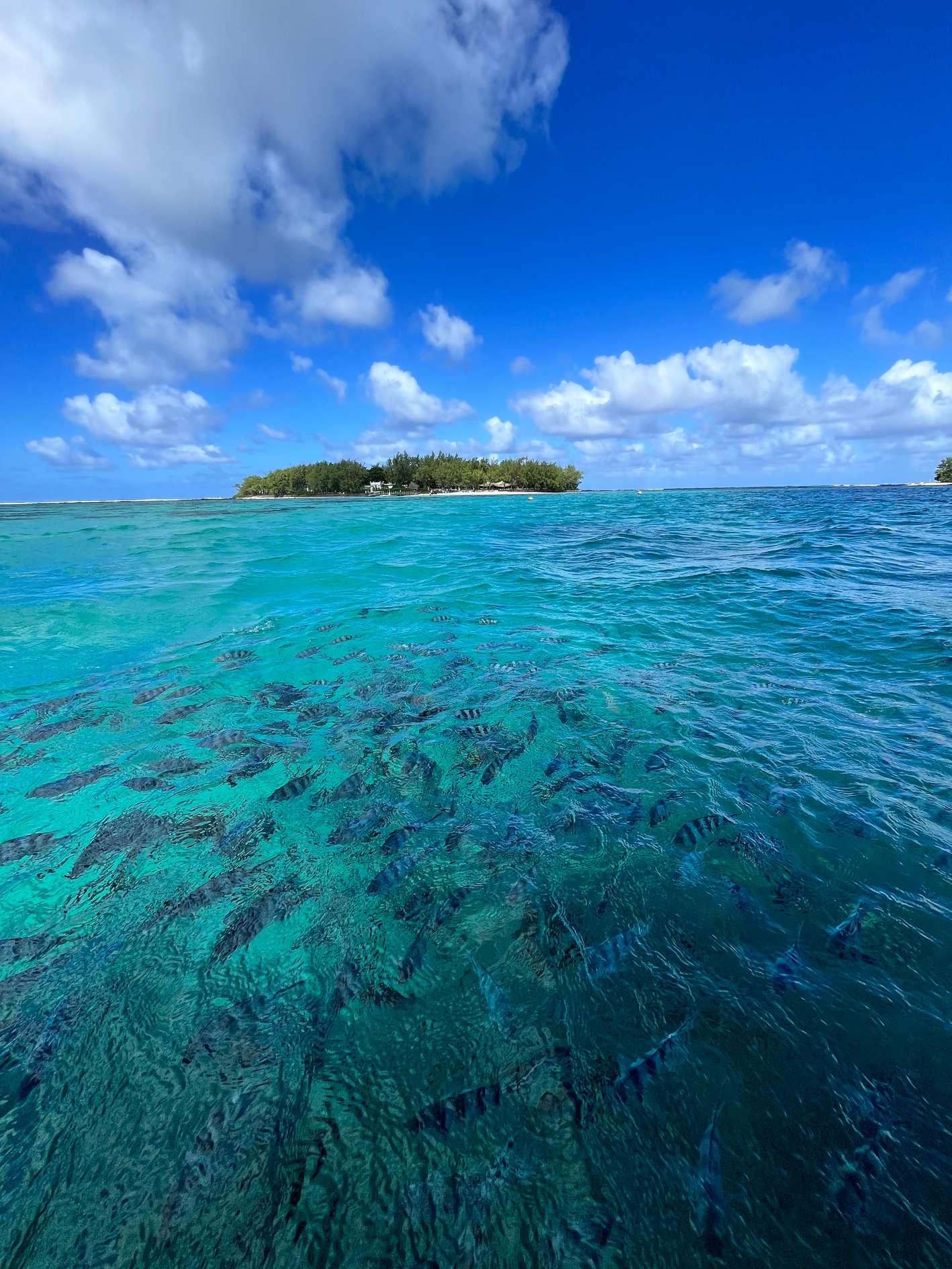
Turtles, eels and schools of fish appear close to the public beach.
Clear on all three, the reserve earns a dedicated excursion: put a morning aside for it and let the north coast do the easy afternoons.
What you'll see over the Blue Bay Marine Park coral gardens
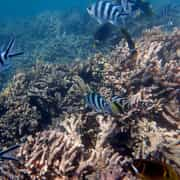
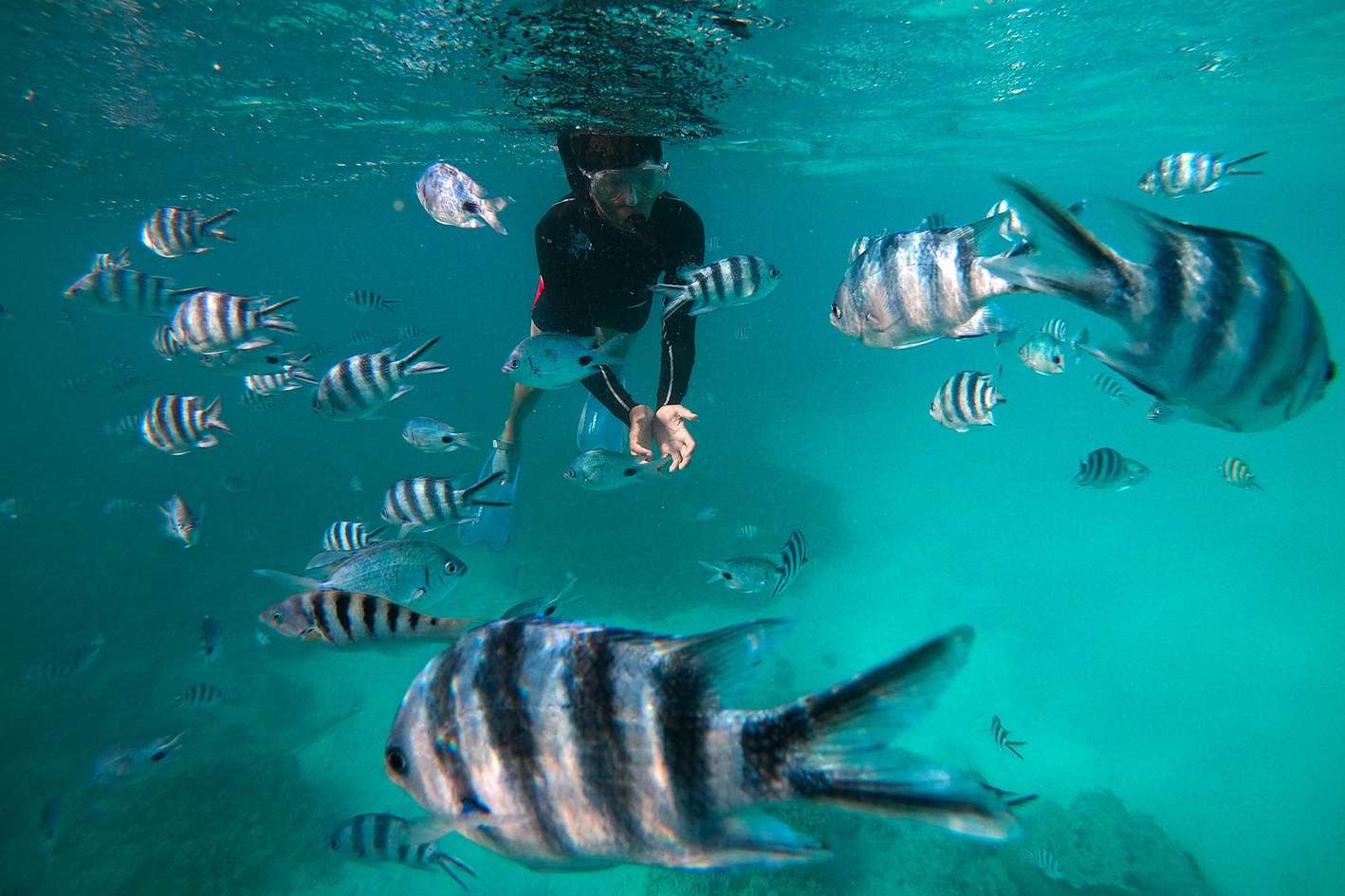
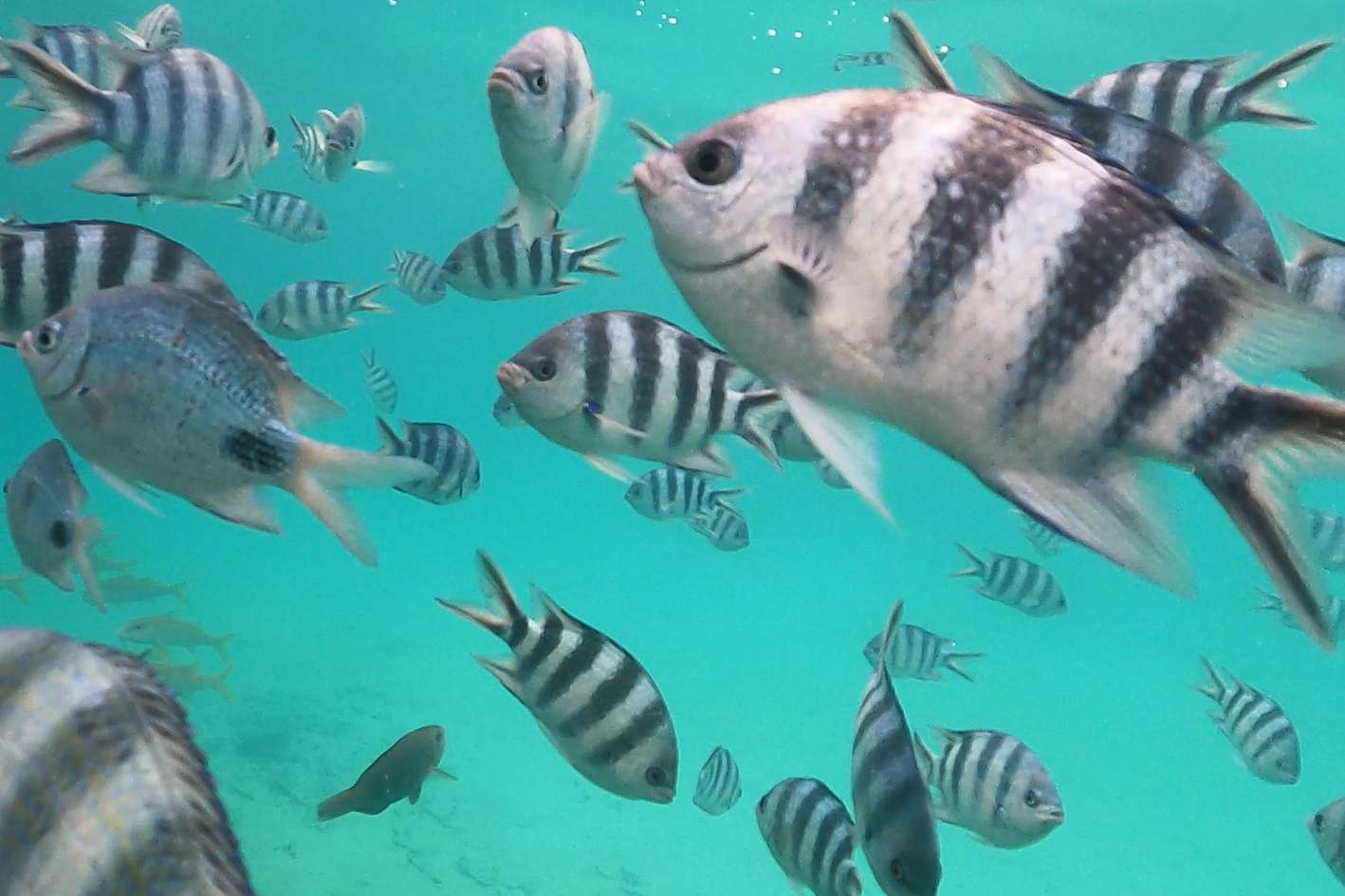
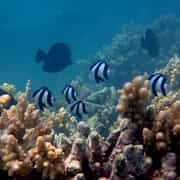
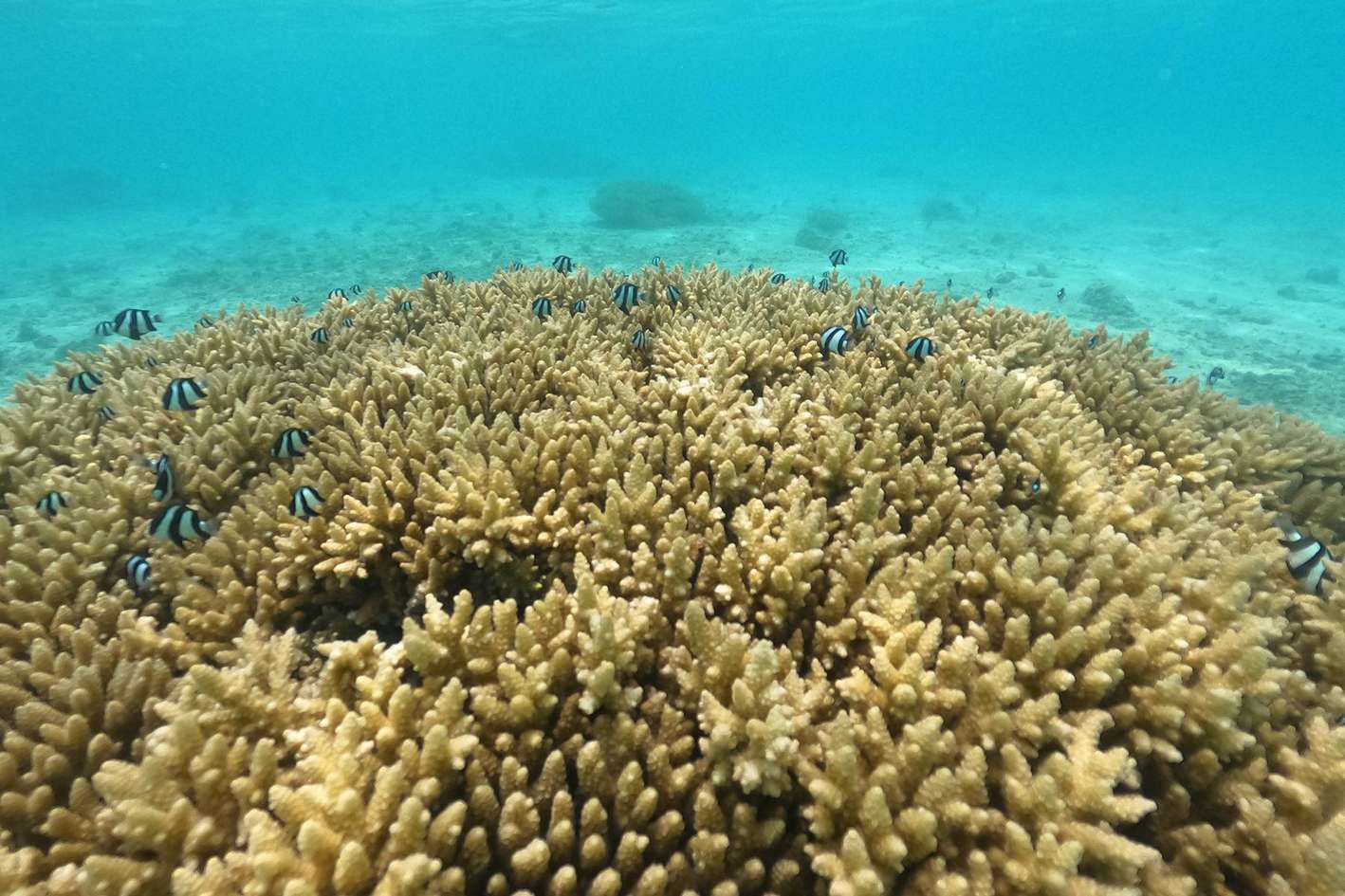
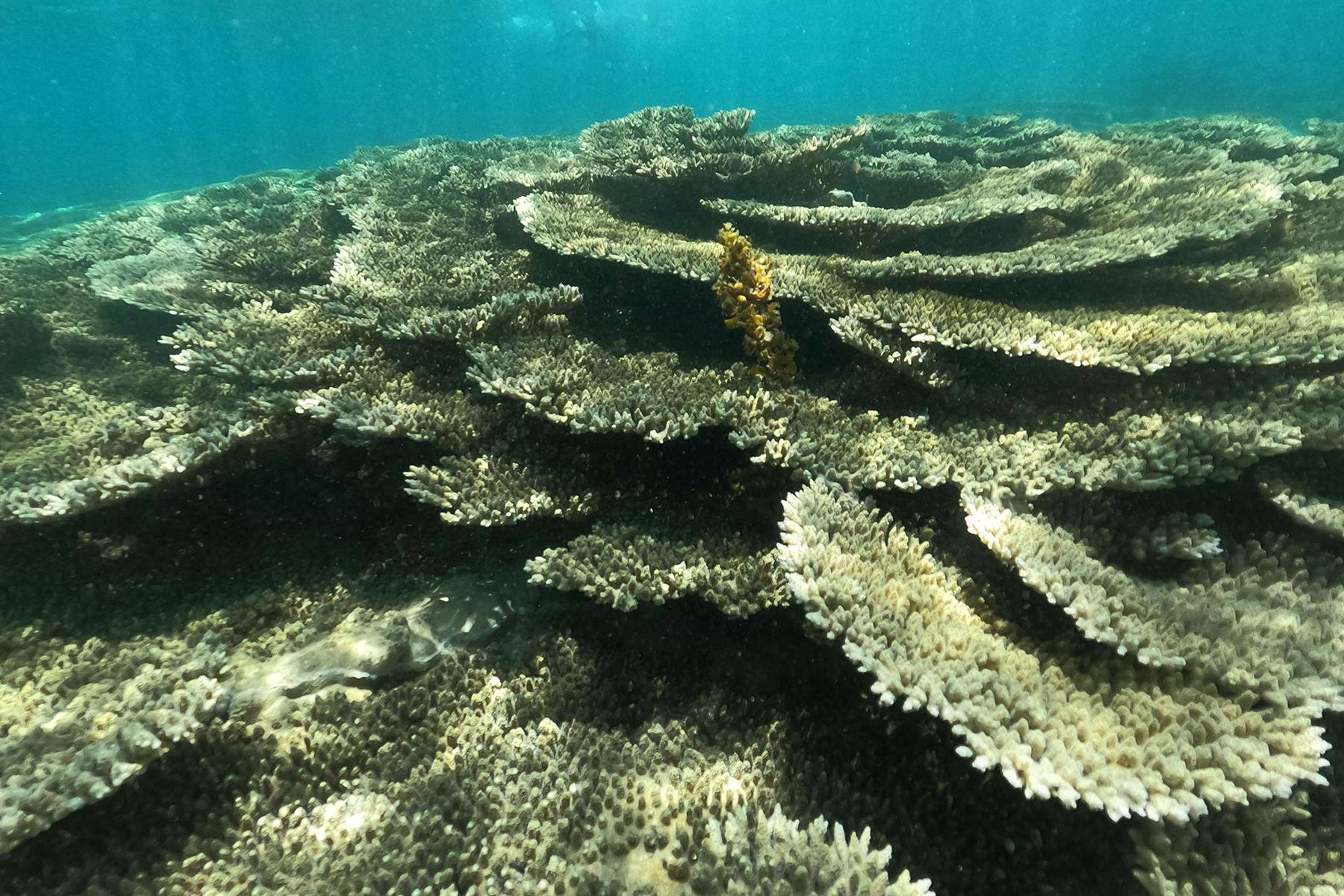
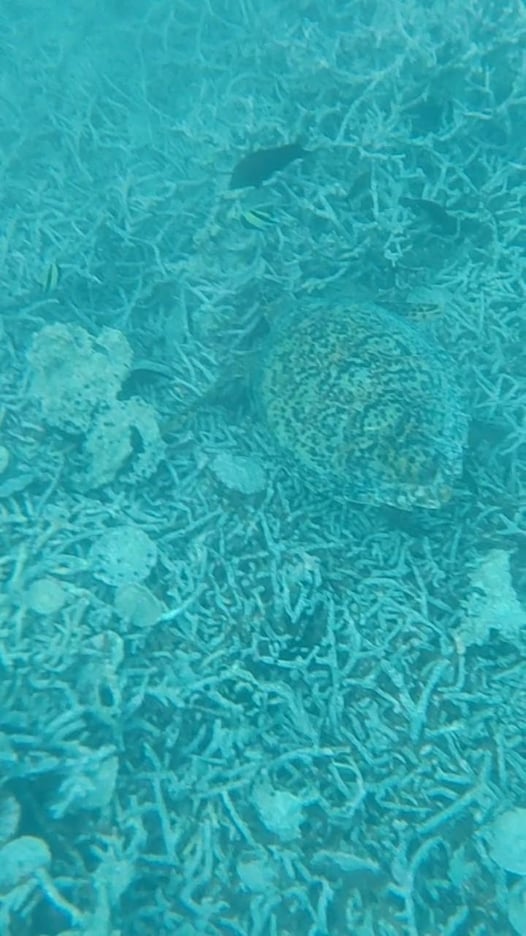
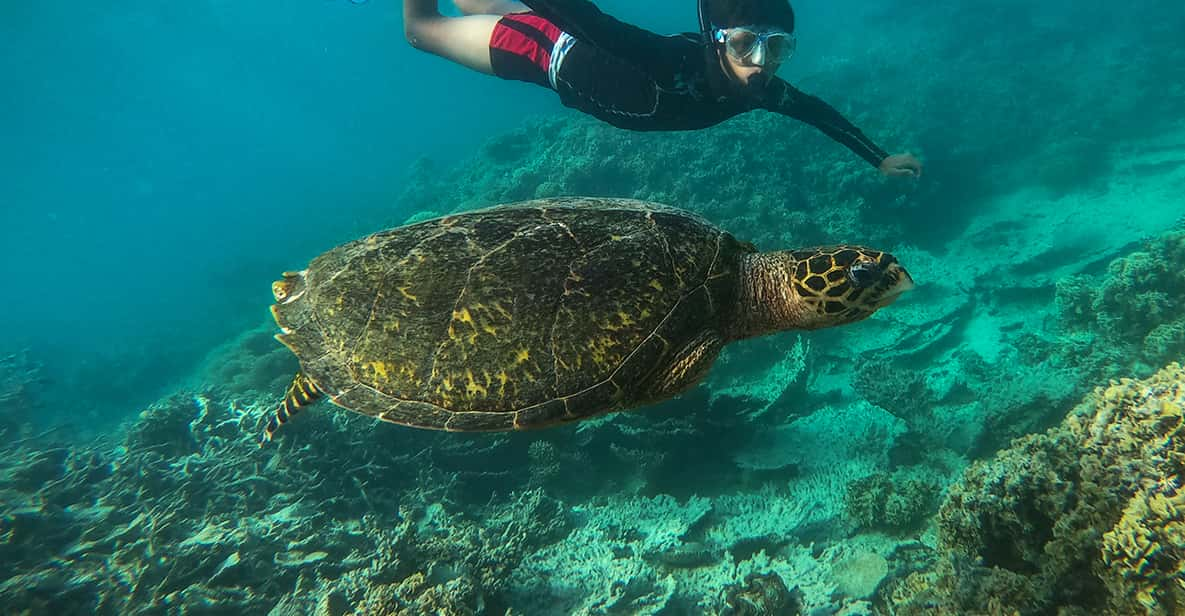
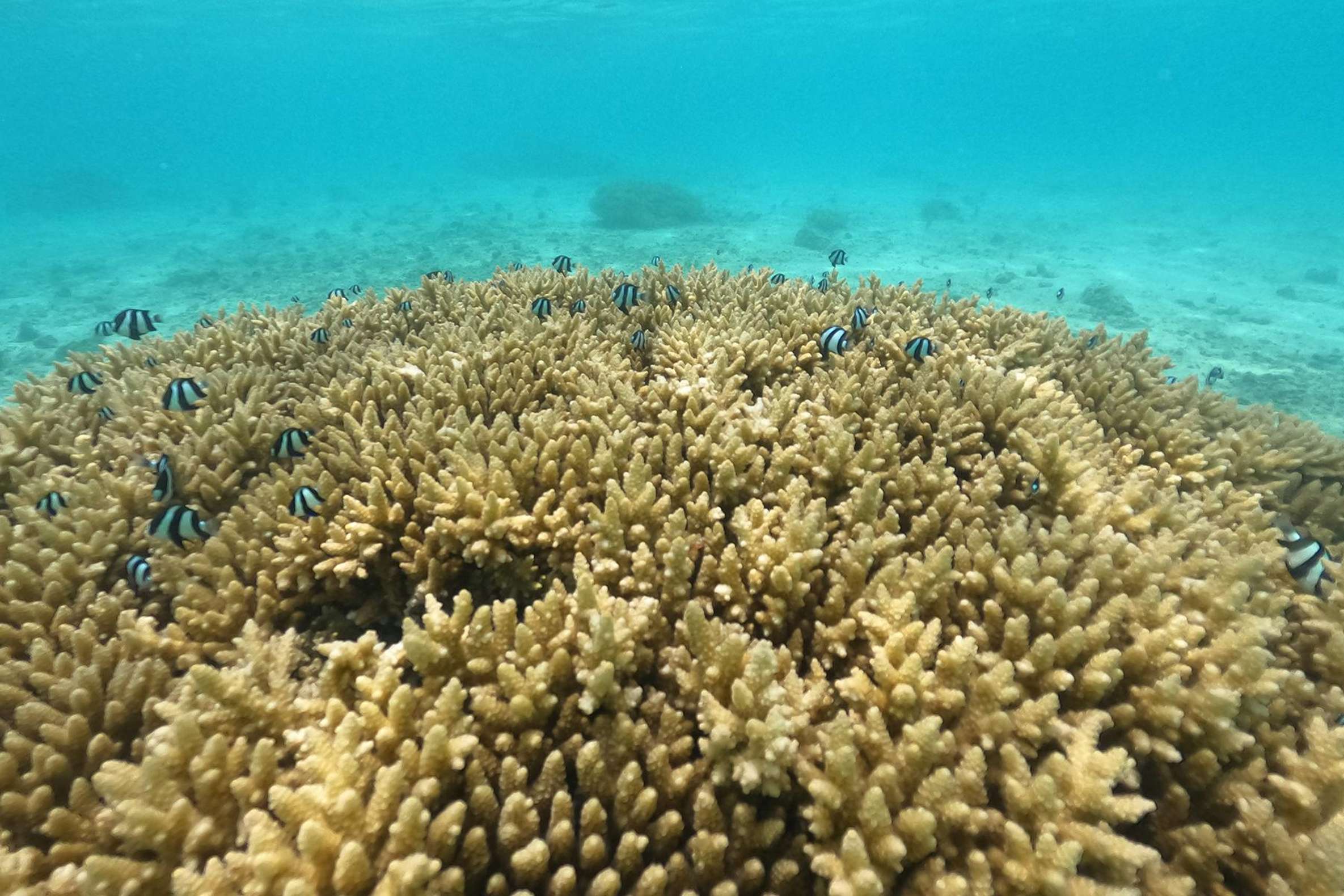
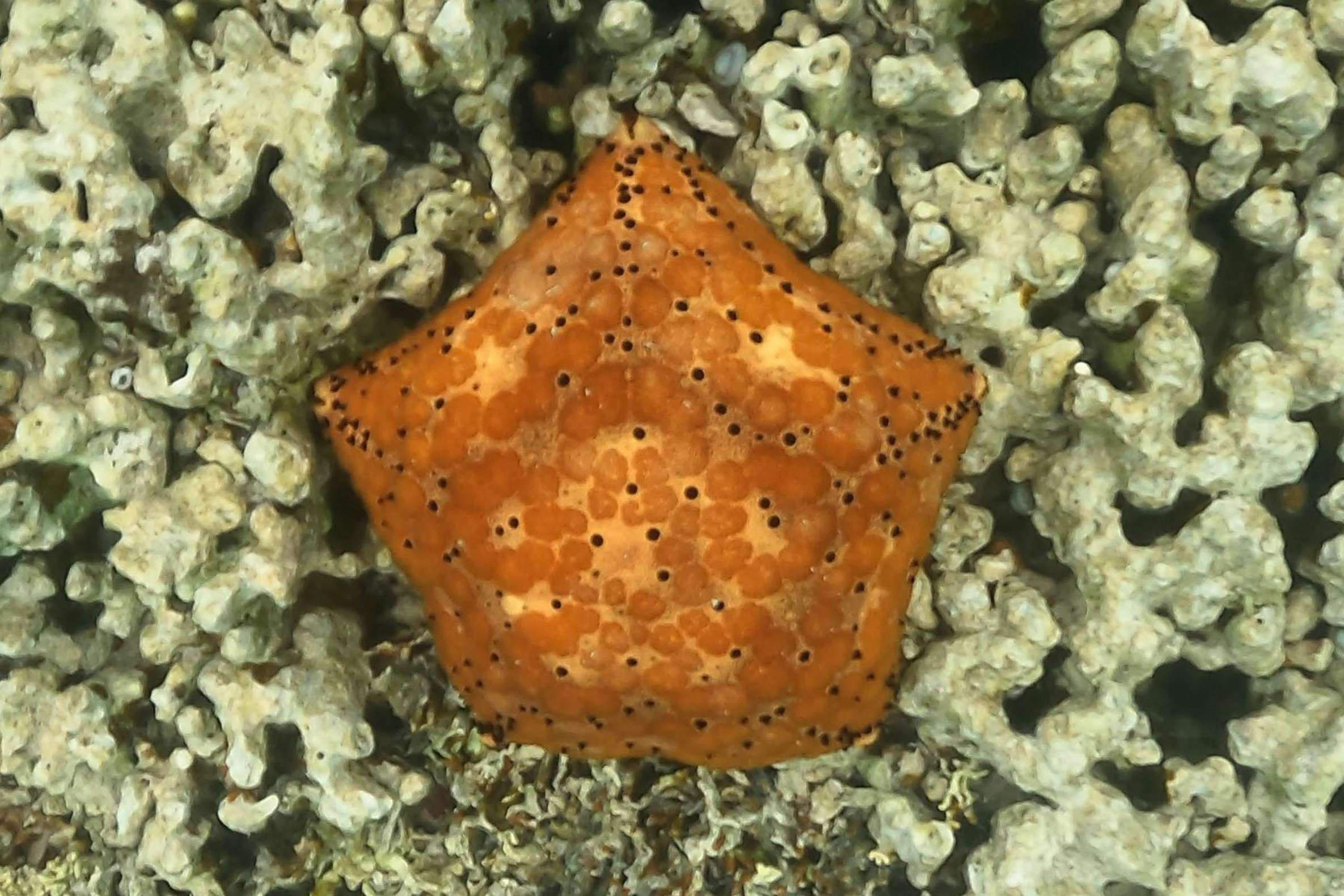
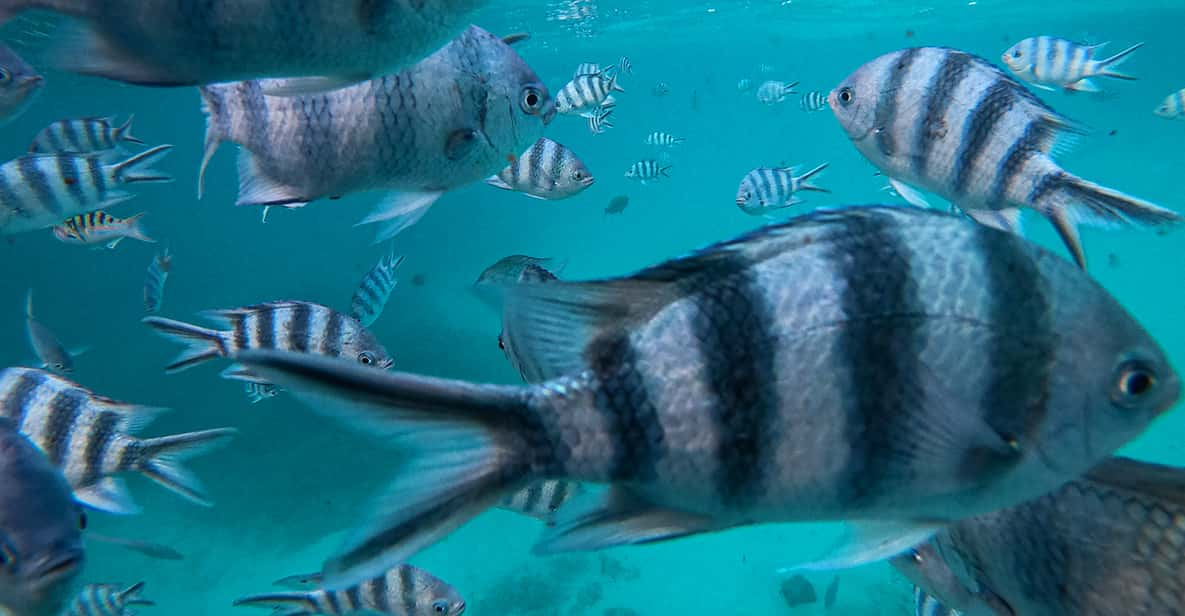
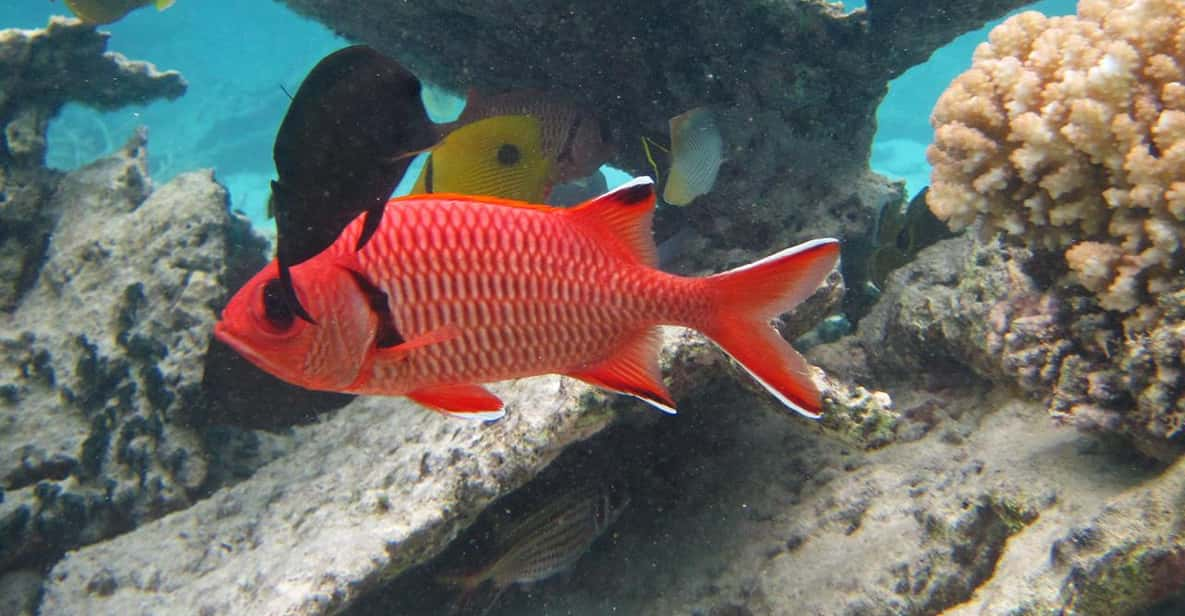
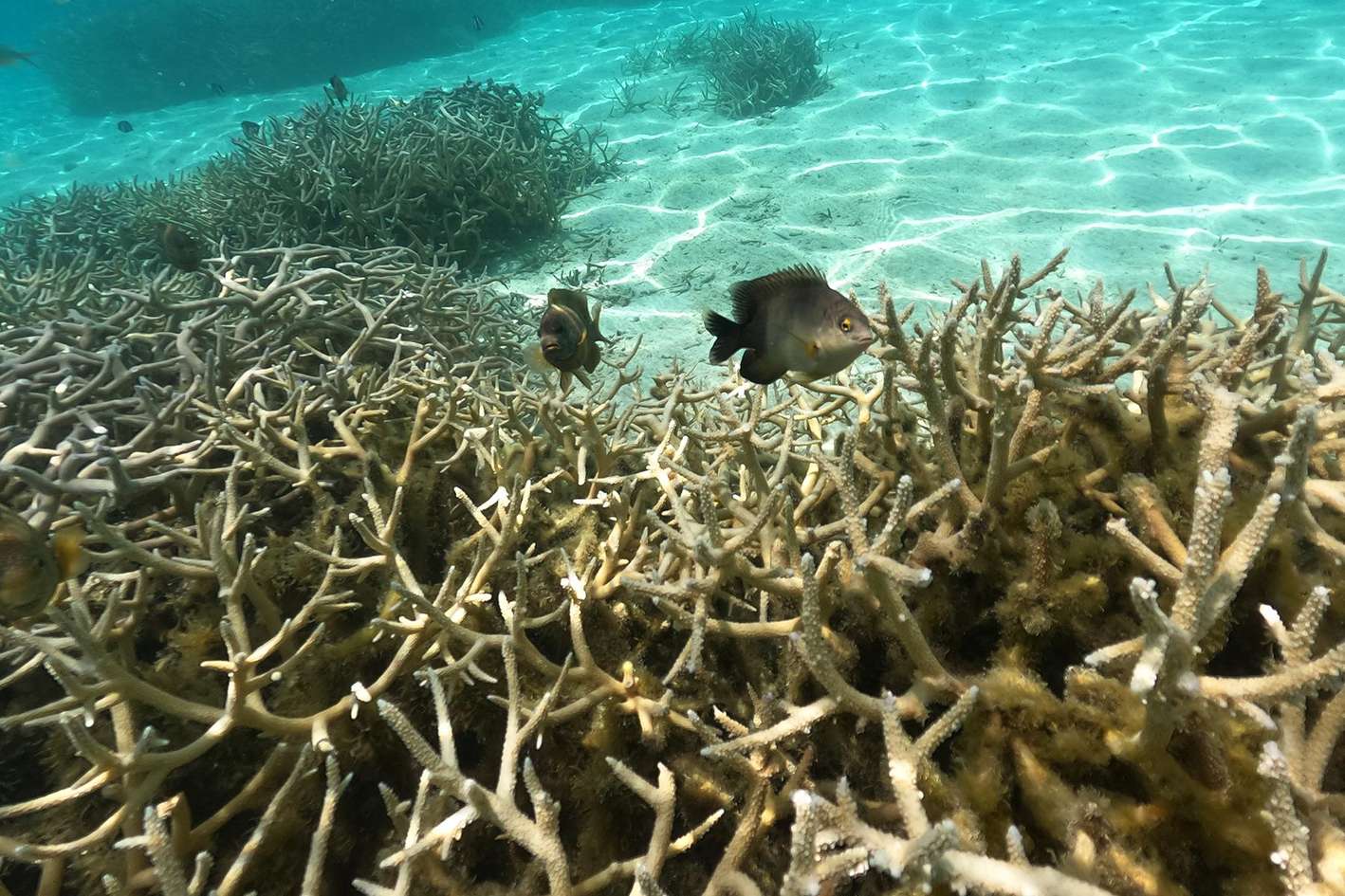
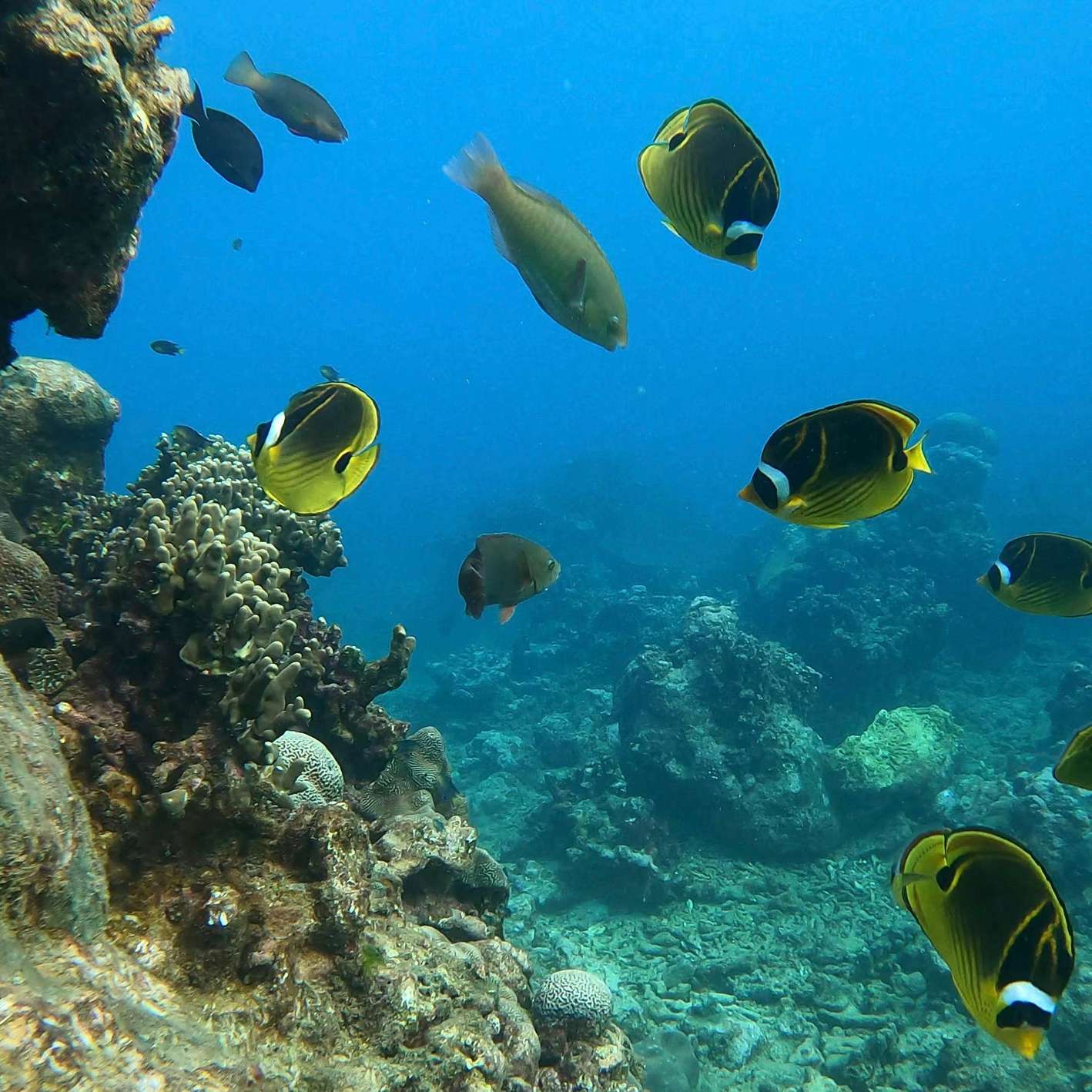
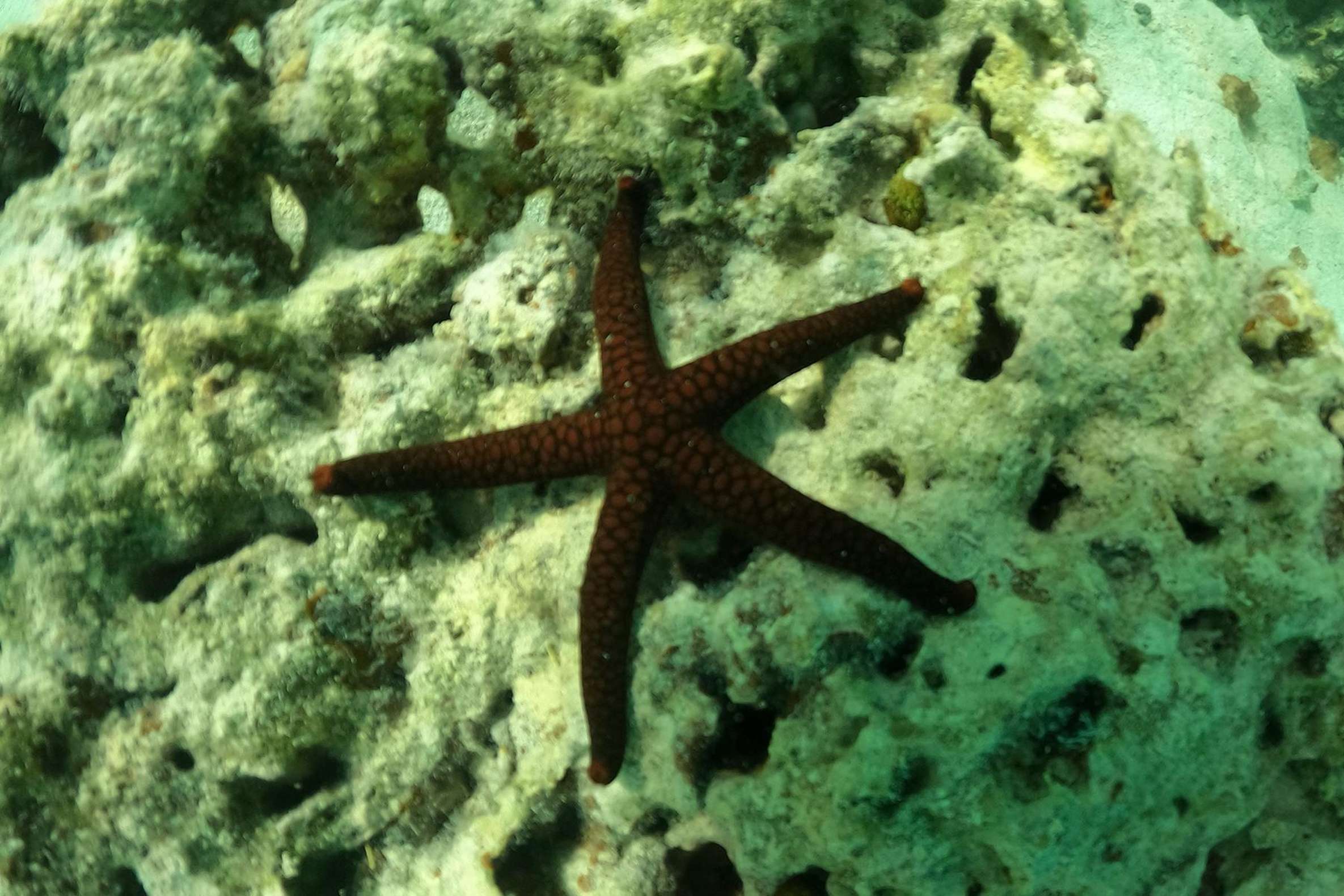
First thing over the side is usually a parrotfish, working its way across a coral head with the crunch of a lawnmower. Clownfish hold their ground in the anemones, and on several reef heads you can watch cleaner wrasses and shrimp run their stations while bigger fish queue up.
The celebrity is a brain coral five and a half metres across, one of the largest in the Indian Ocean. It looks less like a colony and more like a rocky hill with a surface of tight grey coils.
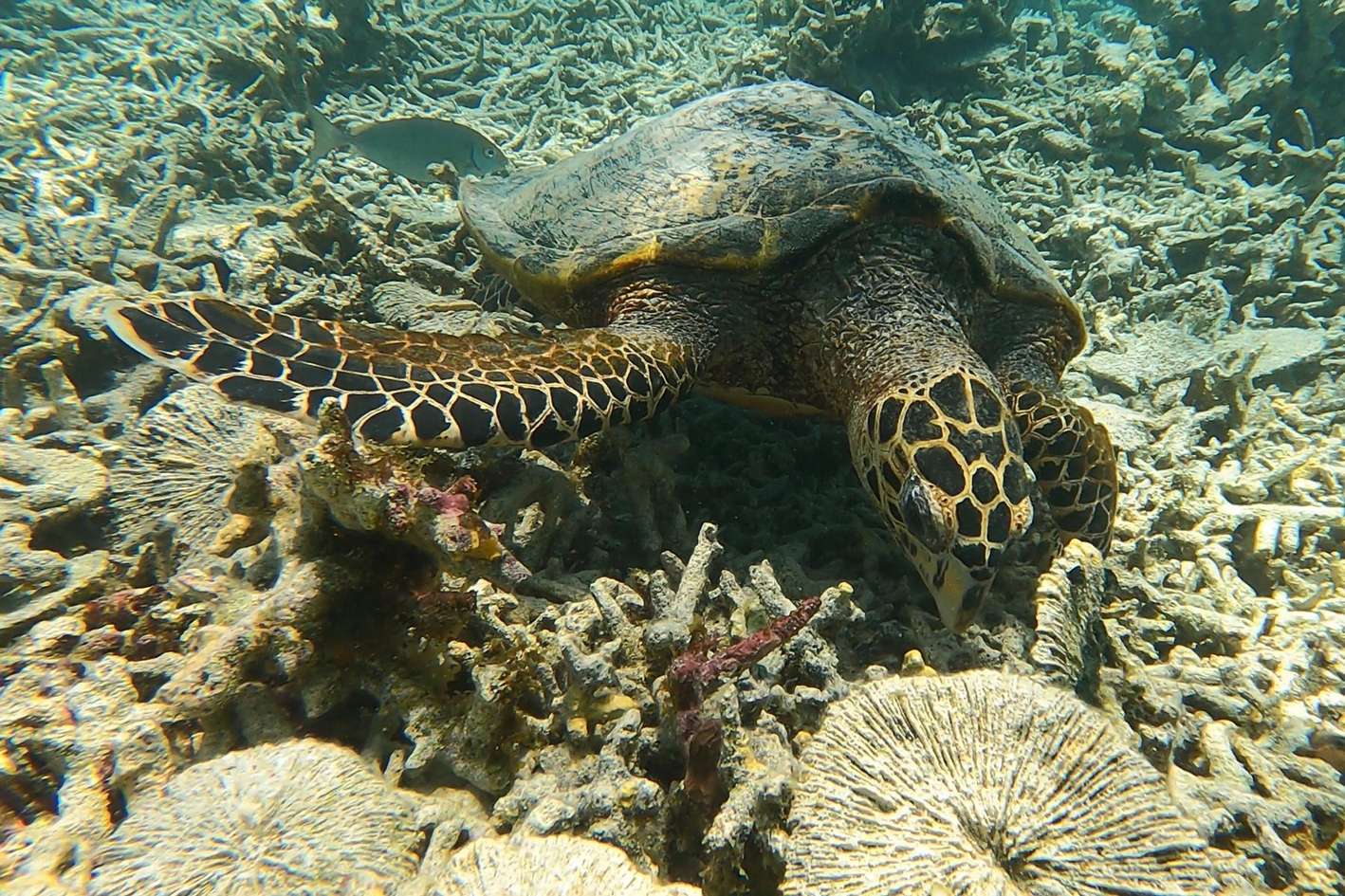
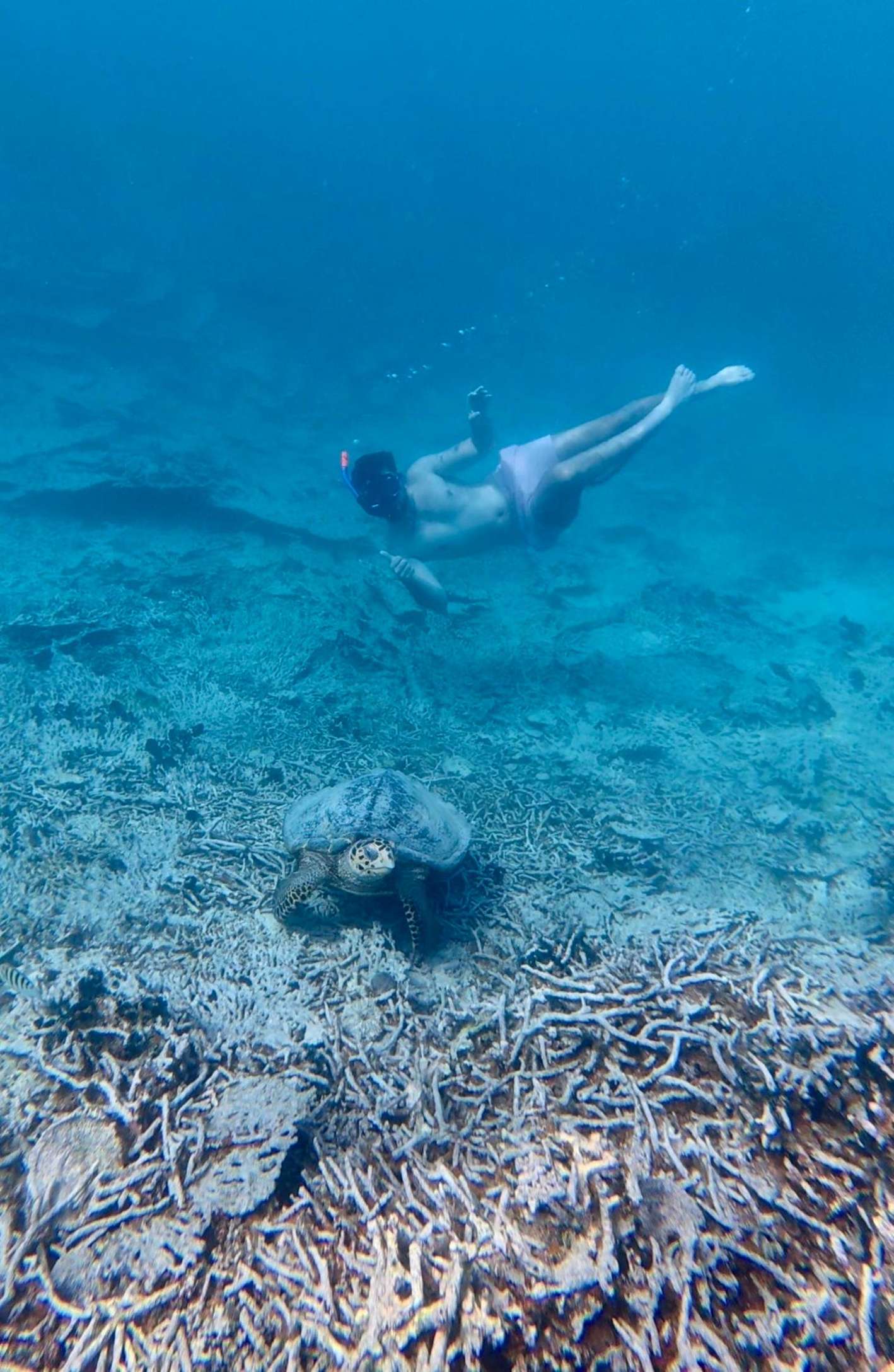
Turtles live here too, a small resident population. Crews on the glass-bottom boats know where they rest and motor out to look; you see one on many trips, but sightings depend on the day and nobody guarantees them.
The rules hold when you meet one: look, keep your distance, and never touch, chase or feed a wild turtle in Mauritian waters.
Expect variety over uniformity. Some shallow patches in the inner park show real wear after years of traffic, while the outer colonies stay dense and healthy.
Tour for this
Blue Bay Marine Park - 1-hour Snorkeling Excursion4.4★ (155) · 1 hour · Free cancellation
One hour or two - choosing your Blue Bay Marine Park excursion
An hour sounds short, and it is, but the reef sits close. A standard one-hour outing gives roughly 15 minutes of cruising and floor-panel viewing, then about 45 minutes in the water at one spot.
Two hours changes the shape of the day: two different snorkel stops instead of one, with time between them to ride along Pointe d'Esny while the crew names the corals.
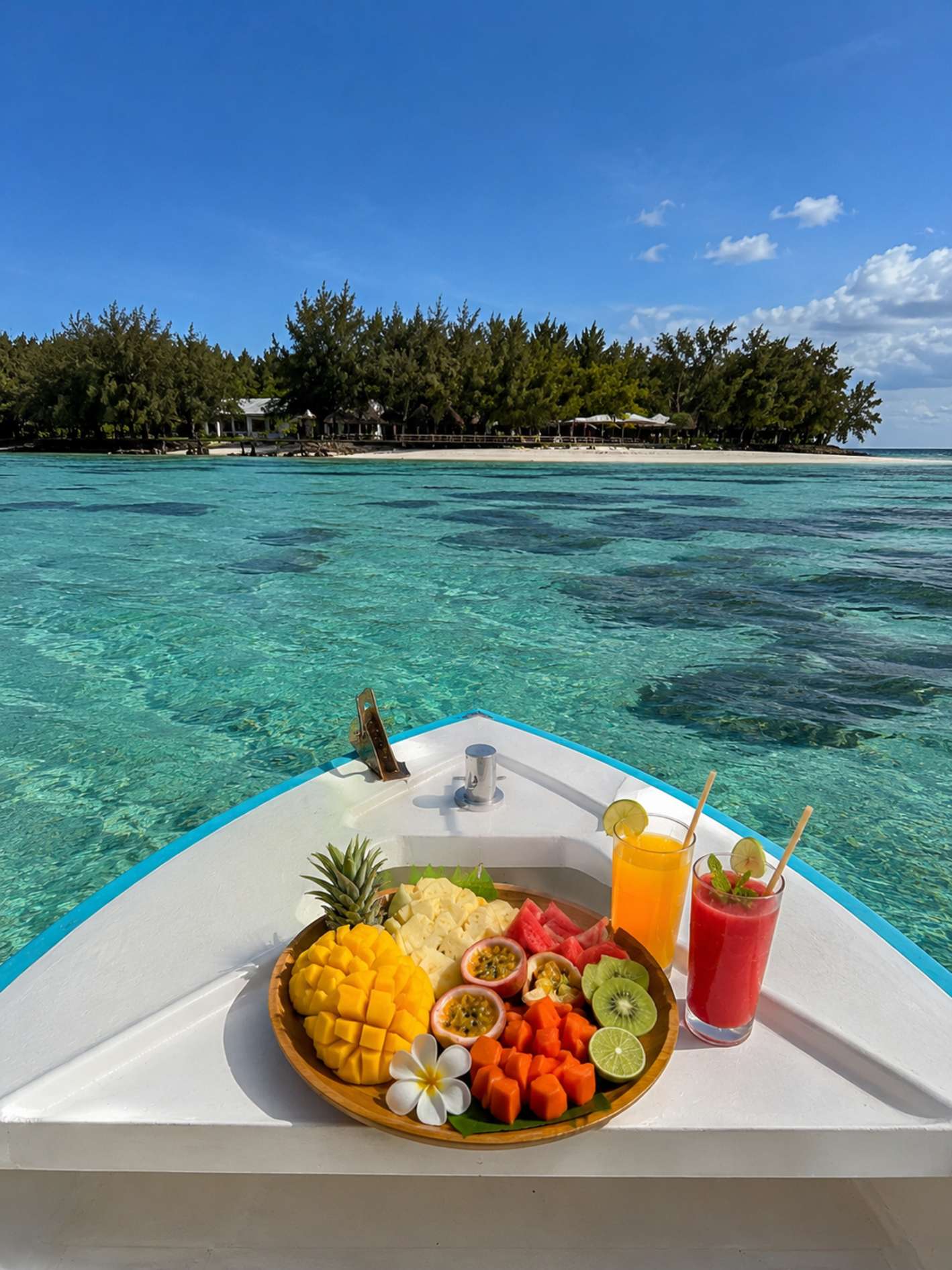
Add a live guide and the stopover on Ile aux Deux Cocos, with a local snack, soft drinks and underwater video to take home.
The half-day version keeps both stops and adds a Creole picnic lunch with drinks on the islet. A full day on the 5-island speedboat folds the marine park into a run of east-coast islands, a waterfall and a beach barbecue.
One caution about short, unguided lagoon trips sold on the sand: some operators gather fish with food at the same crowded spot, which is not the same as visiting the park's healthy coral zones.
The table below puts the five shapes of the day next to each other so you can match one to your schedule.
Blue Bay Marine Park excursions side by side
1-hour glass-bottom
2-hour two-spot
Guided 2-hour with islet stop
Time on the water
1 hour
2 hours
2 hours
Boat type
Glass-bottom
Glass-bottom
Glass-bottom
Snorkeling
1 stop
2 stops
Guided swim
Guide and gear
Crew on board, gear included
Crew on board, gear included
Live guide, gear rental, video
Food and drink
None
None
Local snack and soft drinks
1-hour glass-bottom
Time on the water
1 hour
Boat type
Glass-bottom
Snorkeling
1 stop
Guide and gear
Crew on board, gear included
Food and drink
None
2-hour two-spot
Time on the water
2 hours
Boat type
Glass-bottom
Snorkeling
2 stops
Guide and gear
Crew on board, gear included
Food and drink
None
Guided 2-hour with islet stop
Time on the water
2 hours
Boat type
Glass-bottom
Snorkeling
Guided swim
Guide and gear
Live guide, gear rental, video
Food and drink
Local snack and soft drinks
If one stop covers it, book the hour. If the lagoon is the whole point of your day, the two-stop trips earn their extra time.
Tour for this
Blue Bay: Half-Day Snorkeling Trip with Creole Picnic Lunch4.5★ (306) · 4 hours · Free cancellation
When Blue Bay Marine Park's lagoon is at its clearest
Visibility decides a reef trip, and at Blue Bay the clock matters as much as the calendar.
The 7 am to 9 am window delivers the calmest water and the clearest view of the coral, before wind and current stir the lagoon toward midday and cloud it. Book the earliest start you can, even on the trips that run several times a day.
From June to September the southeast trade winds put surface chop and stronger currents on the park. The water cools as well, and this is where two figures meet: the park's sheltered water averages around 24°C through those months, while exposed readings in the wider southeast lagoon can dip to about 22°C.
A thin wetsuit or thermal top earns its place in the bag either way, and the reef still keeps true ocean swell out of the bay on a normal winter day.
Then there is the calendar. June sits quiet with a chance of passing rain on the southeast coast, while October and November pack the park hardest.
Blue Bay Marine Park Conditions by Month
October: 5 out of 5 for how busy it gets.
HighestSep to Dec
In betweenJan, Mar to May
LowestFeb, Jun to Aug
Darker: a higher how busy it gets score, out of 5
Tap a month to read it.
Read your month as a crowd forecast, not a fish forecast: the quiet rows mean an empty pier and room on the boat, the busy ones mean booking days ahead and sharing the water.
Tour for this
Blue Bay Marine Park - 2 hour Snorkeling Excursion4.2★ (80) · 2 hours · Free cancellation
Can you snorkel Blue Bay Marine Park from the beach or by boat?
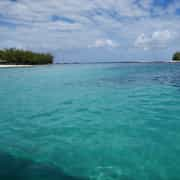
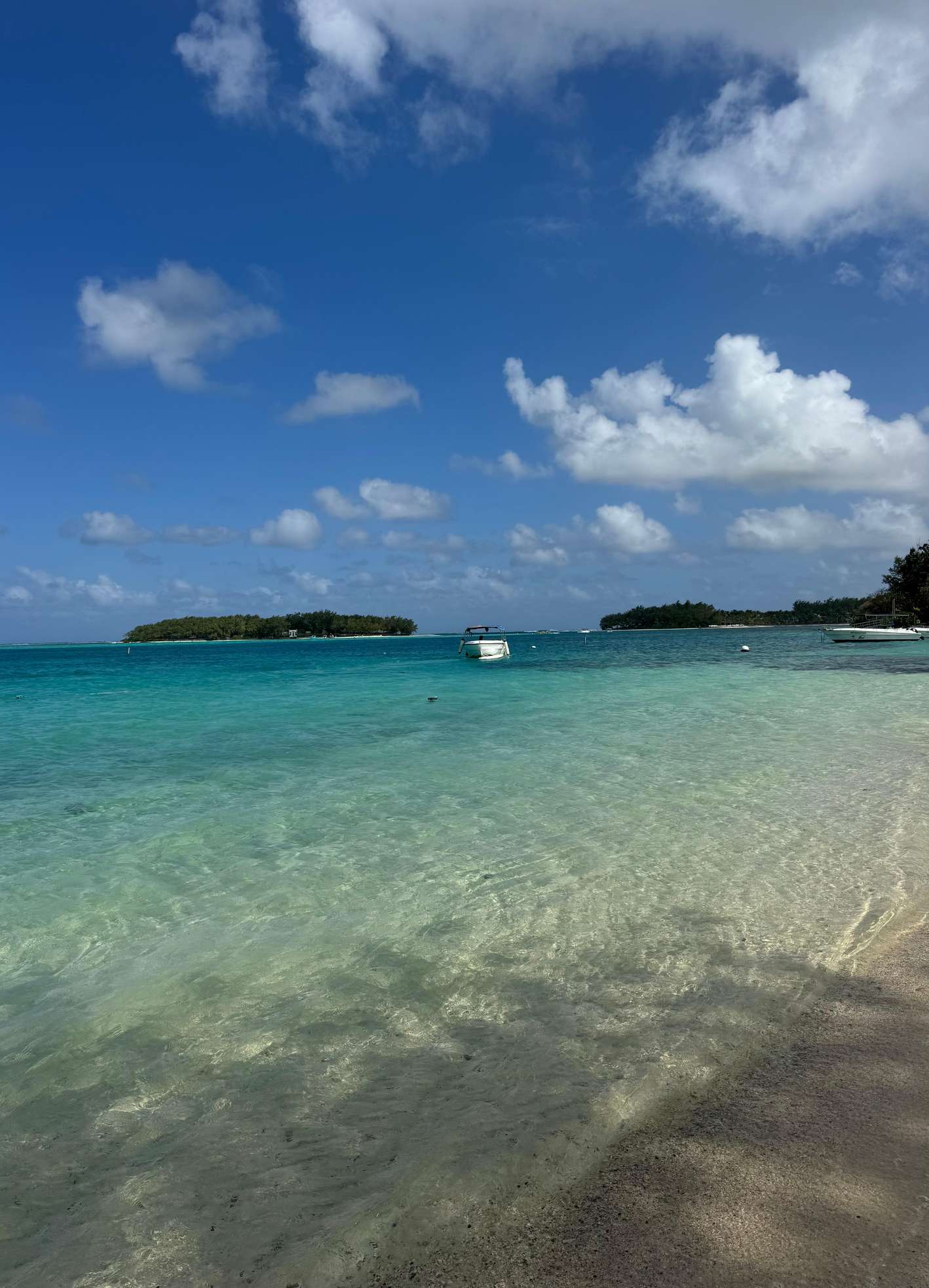
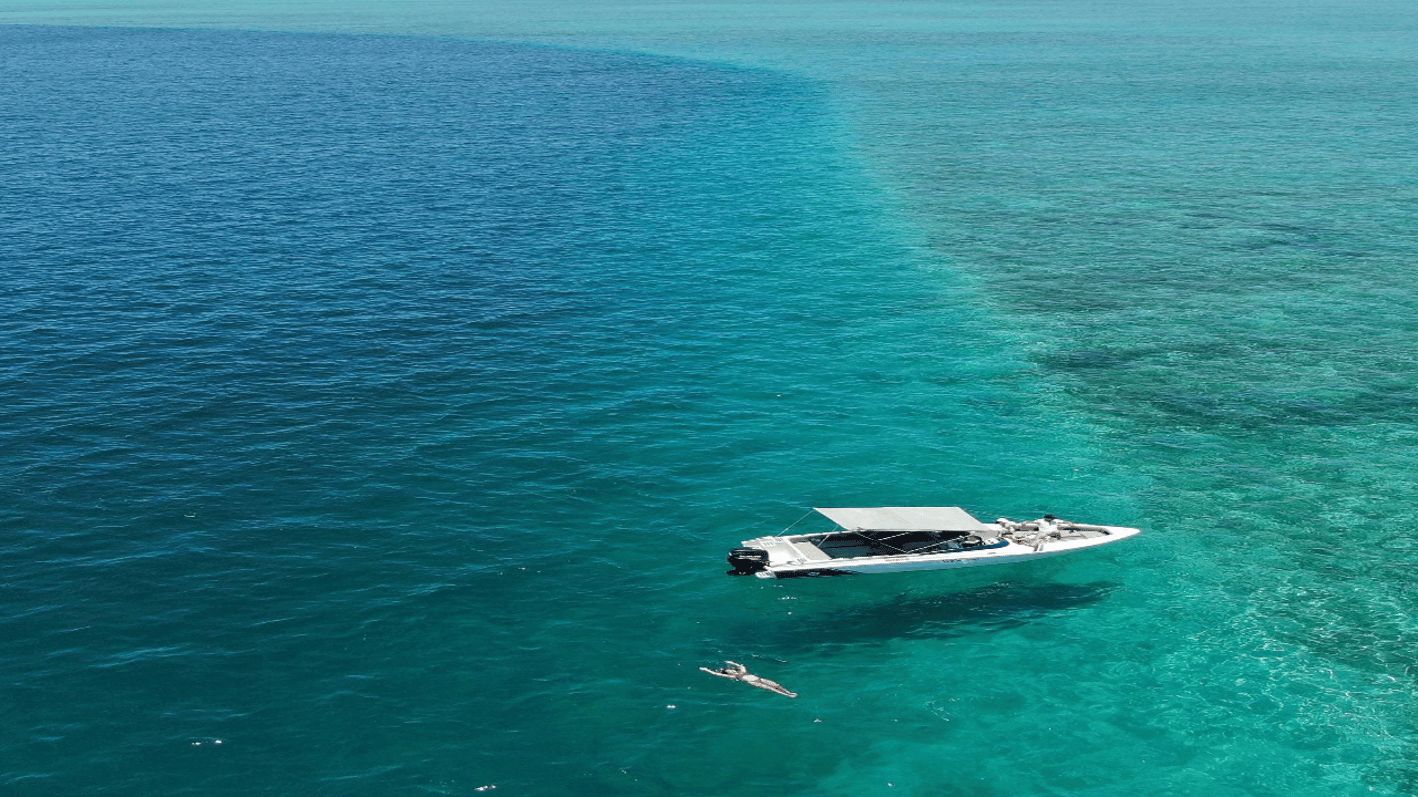
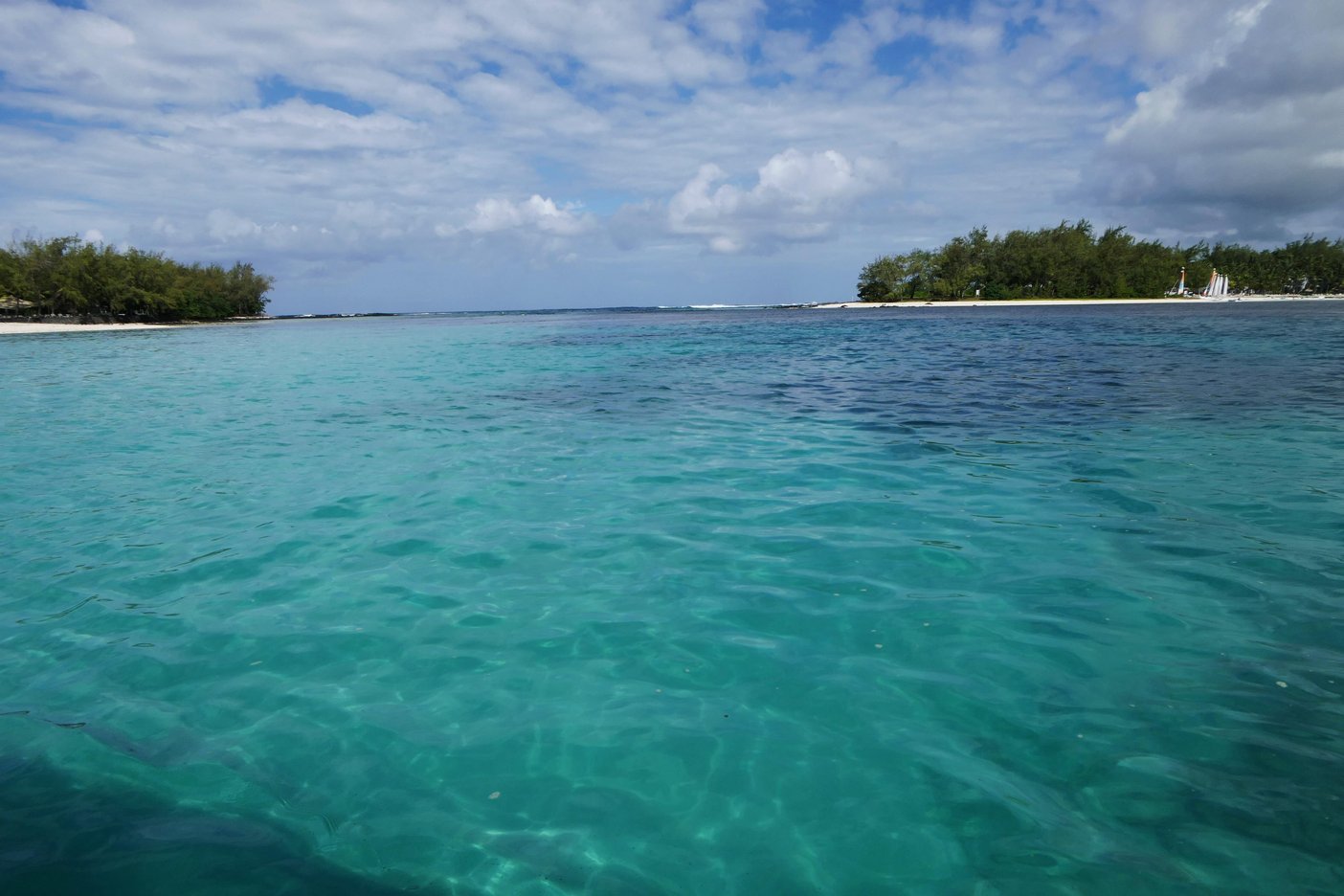
The reserve starts about 100 metres off the public beach and stretches a kilometre out to sea. The shallows closest to the sand hold coral heads, eels, schools of fish and the occasional turtle, so a confident swimmer can wade in and meet the park without booking anything. Families do this all day.
There is a line to respect, though. The off-limits conservation area begins past the rocky point at the southern edge of the beach, so keep the point behind you and turn back there.
What the beach cannot give you is the best of the reserve. The richest, best-preserved coral gardens sit in deeper water toward the far end of that kilometre, surrounded by active boat traffic and marked zones, and that is exactly the ground a glass-bottom boat or snorkeling excursion covers.
Boats out from the jetty also know where the resident turtles rest, which beats guessing from shore.
What nobody tells you
The best-preserved coral lies beyond a comfortable swim from the sand
The densest colonies sit in deeper water among boat traffic, which is what the boat trip is for.
The conservation zone starts past the rocky point at the southern end of the beach
Swim beyond it and you are outside the designated area, so turn back at the point.
The crew does the finding
Boats from the jetty know where resident turtles rest, and that local knowledge is half the ticket.
So the answer is both. Swim from the sand for a taste, and take the boat if the coral garden is the reason you came.
Tour for this
Blue Bay Marine Park: Guided Snorkeling with Video Souvenirs and Snack4.6★ (17) · 2 hours · Free cancellation
Bringing kids or non-swimmers to Blue Bay Marine Park
The boat's floor panels are the family compromise that works. Children and non-swimmers see the reef from the bench seat, dry and safe, while the snorkelers drop in beside the boat. On good days the visibility runs to many metres, so even the dry half of the family gets a proper look at the coral.
The view through water beats the view through glass. Snorkeling directly gives a significantly better look at the marine life, and nervous swimmers close some of the gap with a life jacket or float buoy.
Most crews prefer children in the snorkeling segment to be six to eight or older and comfortable in a mask; the glass-bottom boat itself has no official minimum age. Even novice swimmers manage the water here, since the protected bay stays clear and calm in normal weather.
One rule does stop people, so it is worth knowing before you book.
The one thing that can stop the visit
Guided snorkeling excursions in the park are closed to non-swimmers Book the glass-bottom viewing instead, and let the swimmers take the water.
For a first outing with mixed ages, the one-hour glass-bottom excursion keeps everyone together: an hour of viewing for some, a swim for the rest, and back on the sand before lunch.
Tour for this
Blue Bay: Lagoon, Snorkeling, and Creole Lunch5.0★ (4) · 3 hours · Free cancellation
Getting to Blue Bay Marine Park from Mahébourg or the airport
Blue Bay sits at the easy end of the island for logistics. From Mahébourg it is a 10-minute drive, or bus 46 from the town station, which runs every 20 to 30 minutes from 6:30 am until 6:30 pm and reaches the beach in about 15.
From the airport, a rental car covers the route in roughly 16 minutes by the B29, and bus 90 runs it directly in about 18.
Everything lands in one place. The free car park at the entrance to the beach holds the public toilets, the showers and the bus stop, so you arrive, change and board within a few metres. That car park fills fast on weekends and school holidays, which is one more reason the early slot pays.
The buses make the trip possible without a car, but a 7 am boat is simplest with wheels: the first bus 46 leaves Mahébourg at 6:30 am, so an early slot from town means a rental car or a taxi arranged the night before.
What to pack for Blue Bay Marine Park, and what the boat provides
Boats at Blue Bay hand out masks, snorkels and life jackets, and that is where the included gear ends. Reef shoes never come on board, wetsuits do not either, and many operators carry no fins at all, so your own packing fills the gaps.
Two items are worth buying for yourself: a mask that fits your face, since loaner seals leak, and sturdy reef shoes for the shallow entry and the coral rubble around it. The coral grows close to the surface here, so watch your feet and fins as much as the fish.
Temperature decides the rest. The lagoon runs about 28°C to 29°C in summer and cools through the winter months of June to September, when a thin shorty or neoprene top stops the shiver on long floats. A rash guard covers the sun the rest of the year.
Gear to bring for Blue Bay Marine Park
Personal mask and snorkelOperators supply loaner masks and snorkels, but bringing your own ensures a leak-free silicone skirt that matches your face shape.
Reef shoes or water bootiesLocal operators do not provide footwear. Sturdy soles protect your feet from sharp coral rubble, lava rock, and sea urchins.
Snorkeling finsMany local glass-bottom boat operators do not provide flippers to prevent coral damage. Bring your own short fins if you need propulsion.
Oct to May: Long-sleeved rash guardWater temperatures range from 26°C to 29°C so wetsuits are unnecessary. A rash vest protects your back from strong sun without harming coral.
Jun to Sep: 1.5 to 2 mm shorty wetsuitAustral winter water cools down to 22°C to 24°C. A thin 1.5 mm to 2 mm neoprene top or shorty prevents chills during extended snorkeling.
Beach towel and dry clothesBoats depart directly from the sand or jetty without onboard changing cabins, so arrive wearing swimwear and bring a dry towel.
The mask and the reef shoes follow you to every other lagoon on the island, so they earn their space in the bag well beyond this one trip.
Booking Blue Bay Marine Park online or haggling at the jetty
Two ways to buy your seat, and both work. Haggling at the jetty is cheaper, takes cash in small notes only, and the boats leave whenever they fill; rates bend for groups and for the last seats before departure.
Booking online costs noticeably more, but you pay by card, get an email confirmation and a voucher with meeting-point directions within 72 hours, and can add a hotel pickup. Cancellation terms are written down, with fees that scale by how far ahead you cancel.
The checks that matter stay the same either way.
How to choose a Blue Bay Marine Park excursion
Check
Why it matters
Our pick
Duration and snorkel stops
One stop is a taste, two is a proper visit.
The 2-hour excursion covers two different stops.
Start times
The 7 am to 9 am slot has the clearest water.
Several start times run through the day, so ask for the early one.
Gear included
Missing fins or shoes means packing them yourself.
Mask, snorkel and life jacket come with the boat; fins and reef shoes do not.
Meals and extras
A longer trip with lunch changes the shape of the day.
None here; the half-day with Creole picnic covers it.
Cancellation
Weather happens.
Cancel up to 24 hours ahead for a full refund, and the trip runs rain or shine.
Pay the online premium when the morning has to be fixed in advance, or when you would rather not carry cash. Haggle at the jetty when you are flexible and travelling light.
What happens if the weather turns at Blue Bay Marine Park
February and March carry the real weather risk. They sit in the peak tropical cyclone window and are the wettest months of the year, with rain on about two days in three.
A passing depression or storm brings wind and swell, and under an official cyclone warning operators must suspend boat tours; skippers also cancel on their own judgement when the water turns rough. Heavy rain has a second cost, washing land runoff into the lagoon that clouds the visibility for a couple of days.
The rest of the year, wind is the only regular nuisance, and the reef shelters the bay from true ocean swell. What follows when the sky does turn depends on how you booked.
If the day changes
If this happens
What happens then
Cyclone warning in force
Operators suspend all boat tours until it clears, and online bookings move or refund under their cancellation terms.
Skipper judges the water too rough
The trip cancels that morning; rebook for the next clear day instead of forcing a choppy outing.
Online booking cancelled well ahead
Fees scale with notice, so a change made early costs nothing or very little.
Grey skies in the morning
Boats often still run; it is runoff from heavy rain, not the clouds, that spoils the view.
Book February and March with a flexible date, or pick a month with steadier water and keep the anxiety out of it.
The Blue Bay Marine Park rules that keep you safe and legal
Yellow buoys mark the swimming zone off the public beach, and the law on this one is plain: swimming happens inside the marked zone and nowhere else in the park.
Excursion boats cross the lagoon in traffic lanes ten metres wide, capped at 3 knots and required to run without a wake, but fast boats still pass close to the buoy line. Swim inside the buoy line and the boat traffic stays somebody else's problem.
The coral carries the same weight of law. Touching it, standing on it or collecting it is prohibited, and the fines run into thousands of rupees for a first conviction, climbing steeply for repeat offences and up to prison time.
Fins cut coral without you feeling it, so keep your fins high and steer around the shallow heads. The fish get the same courtesy: nothing fed, nothing chased, and no turtle touched.
Follow those three habits, the buoy line, your hands off the reef and a quiet approach to anything alive, and the reserve stays exactly as the next visitor finds it.
The southeast coast repays an afternoon. Walk the beach from Blue Bay to Pointe d'Esny in 20 to 30 minutes and you reach a quieter stretch of sand with the Boathouse, a restaurant built in an old waterside boatshed, and woodfire pizzas at the Bamboo nearby.
Mahébourg adds its waterfront promenade with lagoon and mountain views, Creole plates at the local favourites in town, and the Île aux Aigrettes nature reserve runs guided eco-tours just offshore.
For the full version, the 5-island speedboat turns the day into a loop of east-coast islands, a waterfall stop and a snorkel session in the marine park, with a barbecue on the beach.
A speedboat beats a catamaran for time on this coast: it covers the distances faster and reaches the islands before the big boats do.
Or keep it on land. An afternoon at the Bois Chéri tea factory closes a Blue Bay morning the classic way, and turns two hours of coral into a whole day on the southeast coast.
Blue Bay Marine Park earns a dedicated trip for the coral alone, the densest and best-protected garden on the island.
Book the earliest slot you can, take the two-hour trip if the reef is the point of the day, and come with your own mask and reef shoes. Non-swimmers ride the glass panels happily; confident swimmers will wish they had more time in the water.
Go ifYou want Mauritius's densest, best-protected coral in a single morning.Your group mixes swimmers, children and non-swimmers.You can reach the southeast coast before 9 am.
Skip ifYou expect Red Sea or Maldives coral cover.A guaranteed turtle sighting is the whole reason for going.You cannot manage an early start and dislike sharing the water with tour groups.
Our pick to book
Blue Bay Marine Park - 1-hour Snorkeling Excursion4.4★ (155) · 1 hour · Free cancellation
Questions about snorkeling in Blue Bay Marine Park
fins often not on board
Short answers to the questions travelers ask before booking a glass-bottom boat or snorkeling trip in Blue Bay Marine Park.
Blue Bay, Mauritius2026
The brain coral out here is five and a half metres across. Come before ten, while the lagoon water is still calm and clear.
Is one hour enough time to see Blue Bay Marine Park?
A one-hour glass-bottom boat trip gives you about 15 minutes of reef viewing and 45 minutes of snorkeling at a single spot. That works as a first taste of the park. If you want two snorkeling stops and time at both, book the two-hour version.
Do you need a boat to reach the good coral at Blue Bay?
The park starts about 100 metres off the public beach, and beginners can find coral heads and sheltering fish straight from the sand. The best-preserved coral gardens sit further out in deeper water, so a glass-bottom boat or snorkeling excursion is the way to reach them.
Can children and non-swimmers enjoy a glass-bottom boat?
Yes. Looking through the floor panels lets young children, non-swimmers and travelers with reduced mobility see the reef without getting in. Snorkeling in the water still gives a better view, so confident swimmers get more out of a swim stop.
How clear is the water in Blue Bay Marine Park?
On good days the visibility stretches many metres. Rain, strong wind, big tides and swell stir up the lagoon and cut it down, so a calm morning gives you the clearest look at the coral.
When is the best time of day to snorkel at Blue Bay?
The water is calmest and clearest between 7 am and 10 am, before wind and currents pick up toward midday and cloud the lagoon. An early slot also puts you on the reef with fewer boats around.
Will I see sea turtles in Blue Bay Marine Park?
A small resident population lives in the park, and boat crews heading out from the jetty often know where to find them. Sightings depend on natural conditions, so no trip can promise one.
Can I swim with the turtles?
No. Mauritian law prohibits swimming with, touching or feeding sea turtles anywhere in the country's waters. Watch them from a distance and let them move on their own terms.
What should I bring that the boats do not provide?
Operators in the park supply masks, snorkels and life jackets, but many boats carry no fins and none supply reef shoes. Bring reef shoes for the entry points and your own mask if you want a leak-free fit.
No wetsuit is needed, since the water stays between 22°C in winter and about 29°C in summer; a UV rash guard is worth packing all year.
What does a half-day trip add over the short excursions?
The four-hour outing cruises along the Pointe d'Esny coast, stops near Ile aux Aigrettes and serves a Creole picnic lunch on Ile des deux Cocos, with two snorkeling stops along the way. It fills a morning or afternoon without committing to a full day at sea.
Is booking online better than negotiating on the beach?
Rates negotiated at the public beach jetty tend to be lower, but you pay cash in small notes and settle the details on the spot. Booking online costs more, takes a card, fixes your meeting point and gives you a cancellation window, which suits travelers who want the day locked in before they arrive.
Is Blue Bay worth it compared with other snorkeling spots?
The park covers about 353 protected hectares and holds denser, healthier coral than most northern beaches, along with turtles, eels and schooling fish. It is the biggest coral reserve on the island, and it shows as soon as you put your face in the water.
From Blue Bay marine park to more snorkeling in Mauritius