
7 - 7.5 hours·English, French
4.0(35)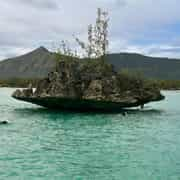
Tamarin: Dolphins, Crystal Rock, Benitiers Island, Lunch
Free cancellationHotel pickup includedPrivate Pickup and Drop-off (if option selected)
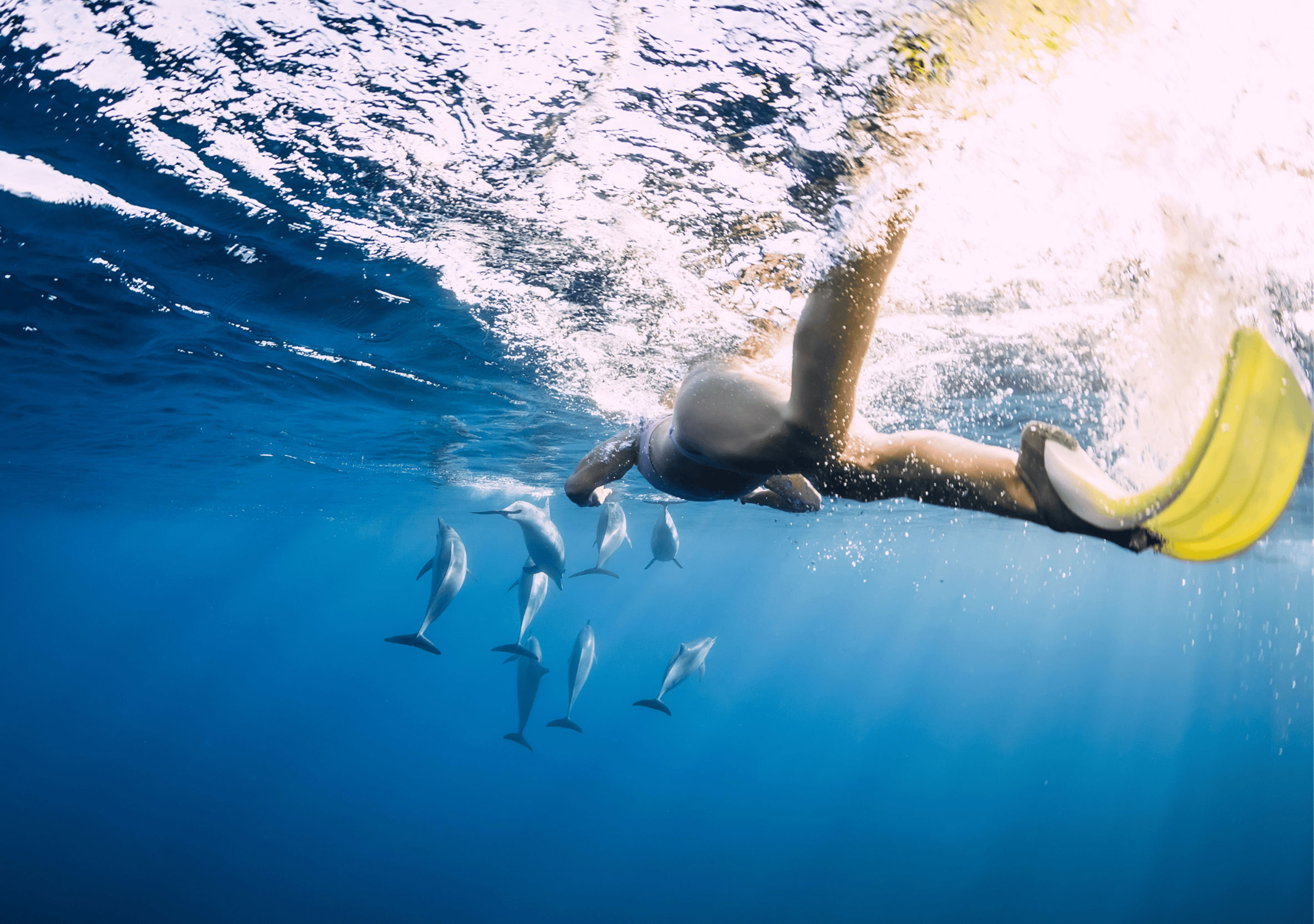
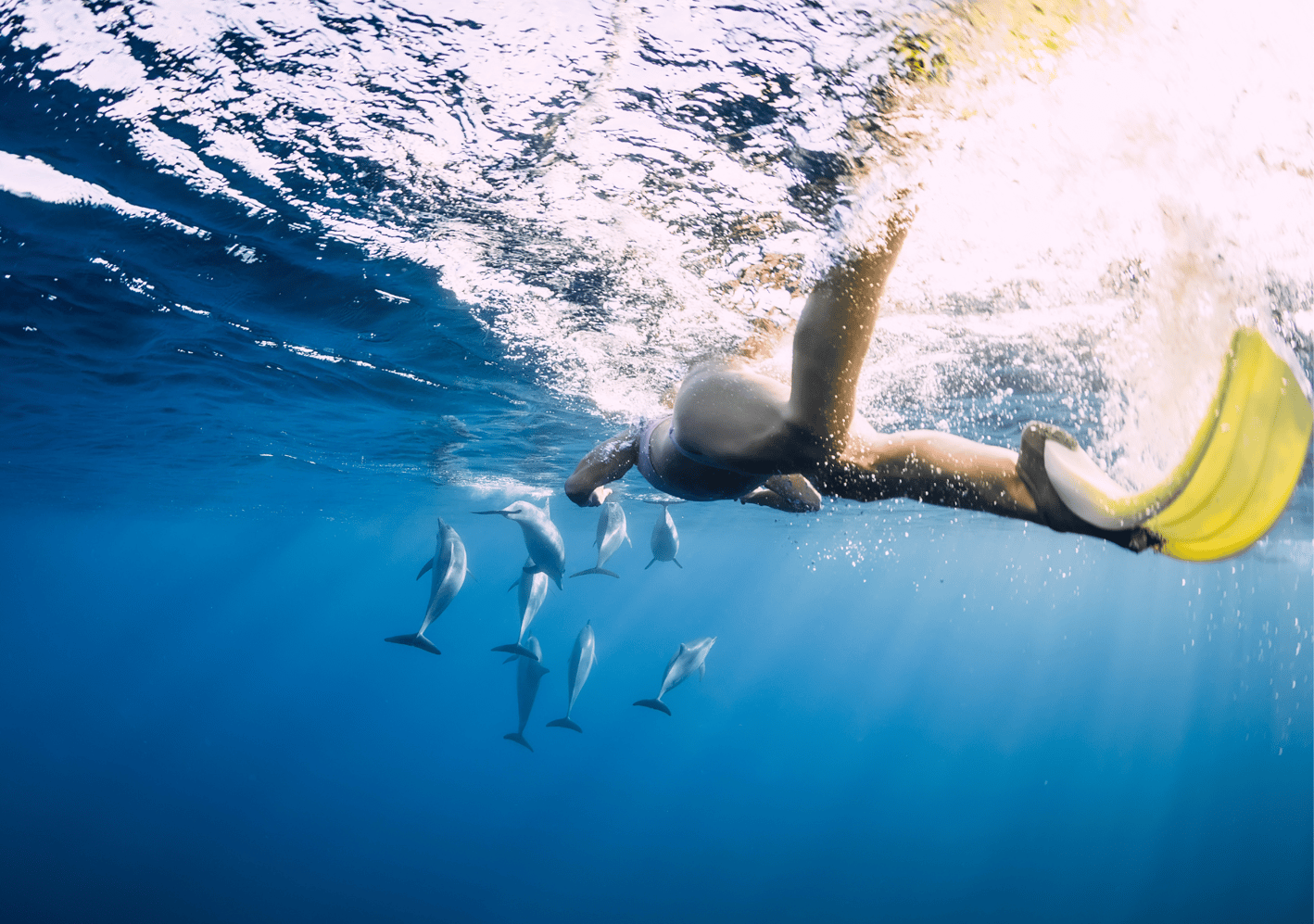
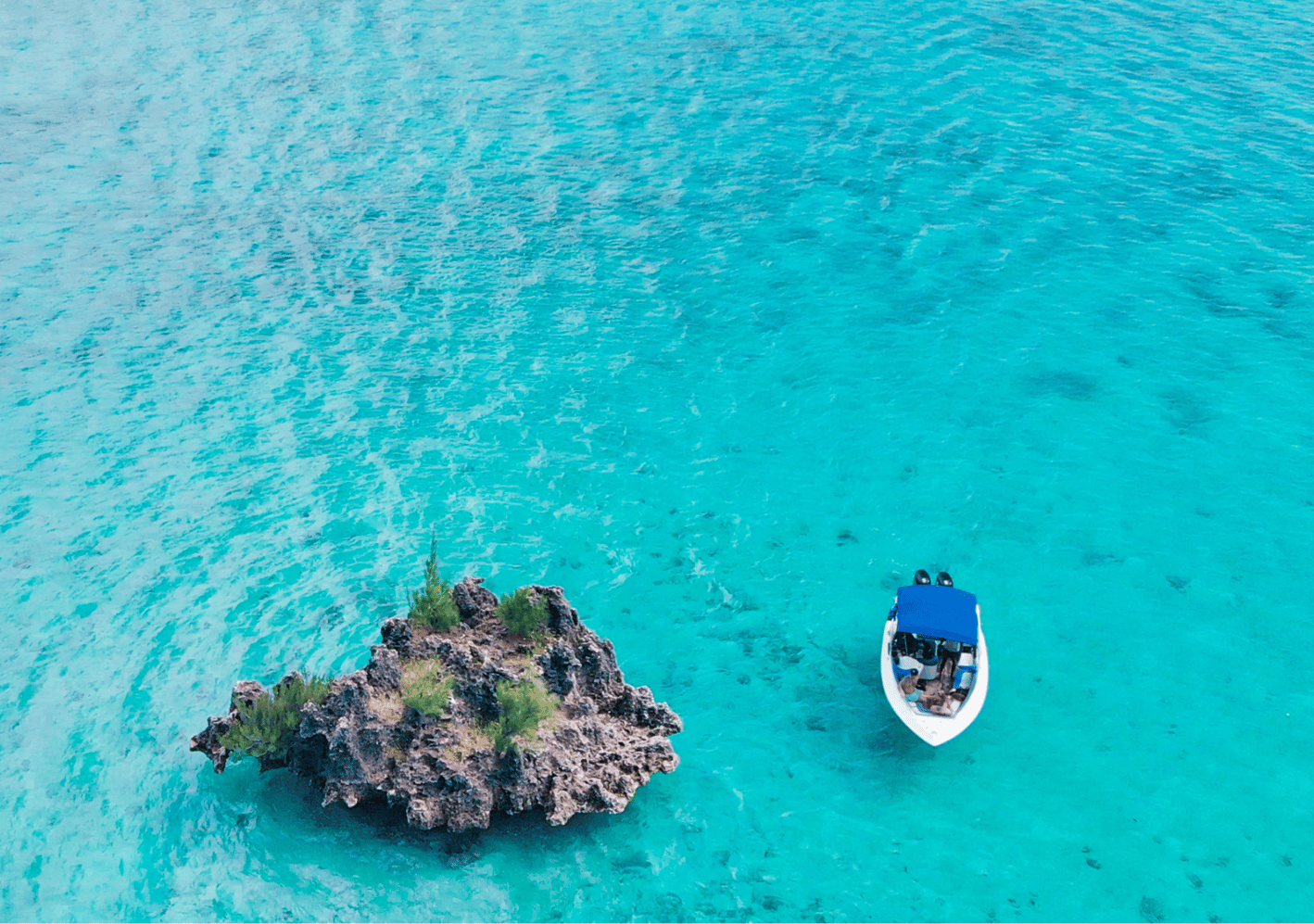
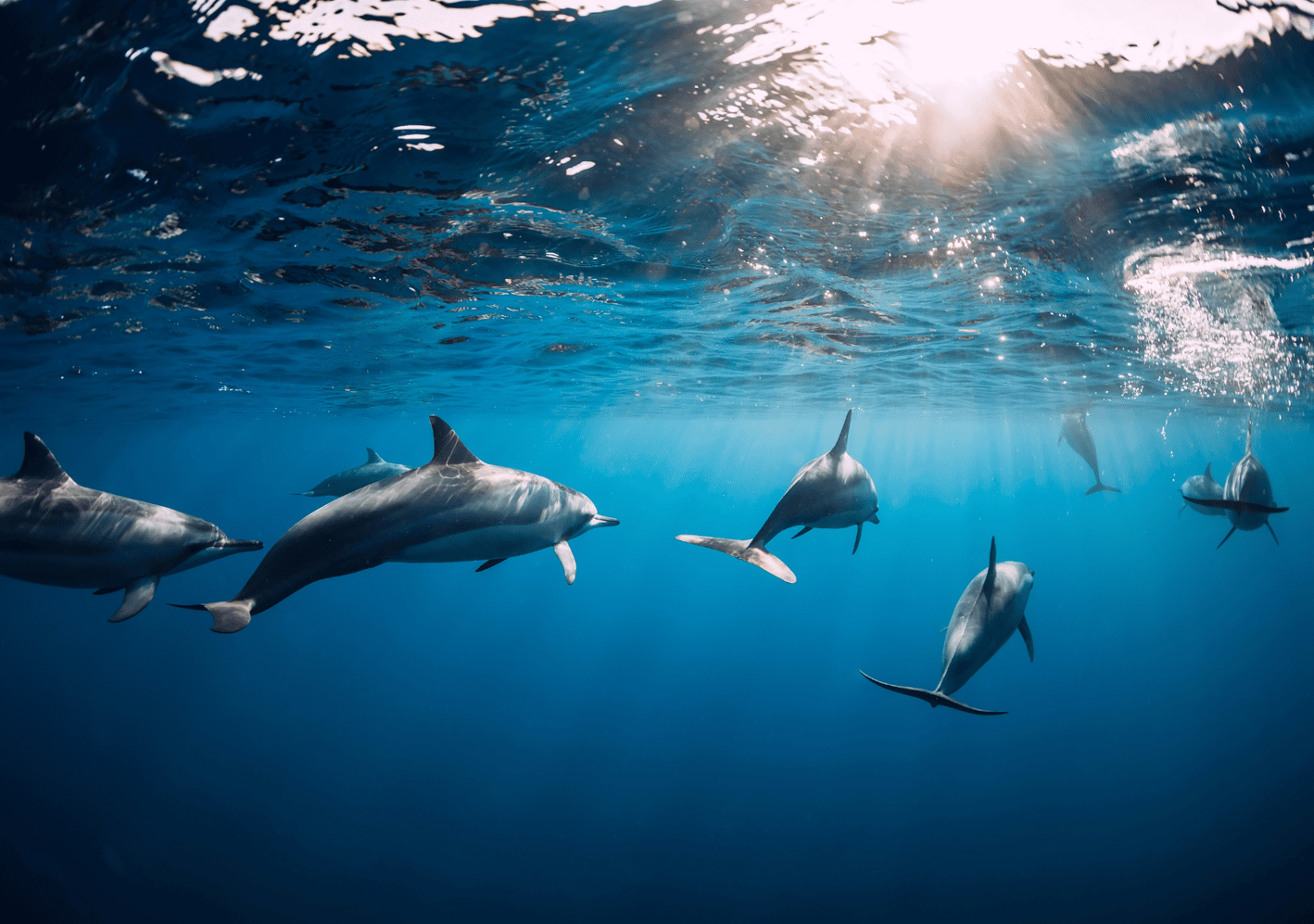
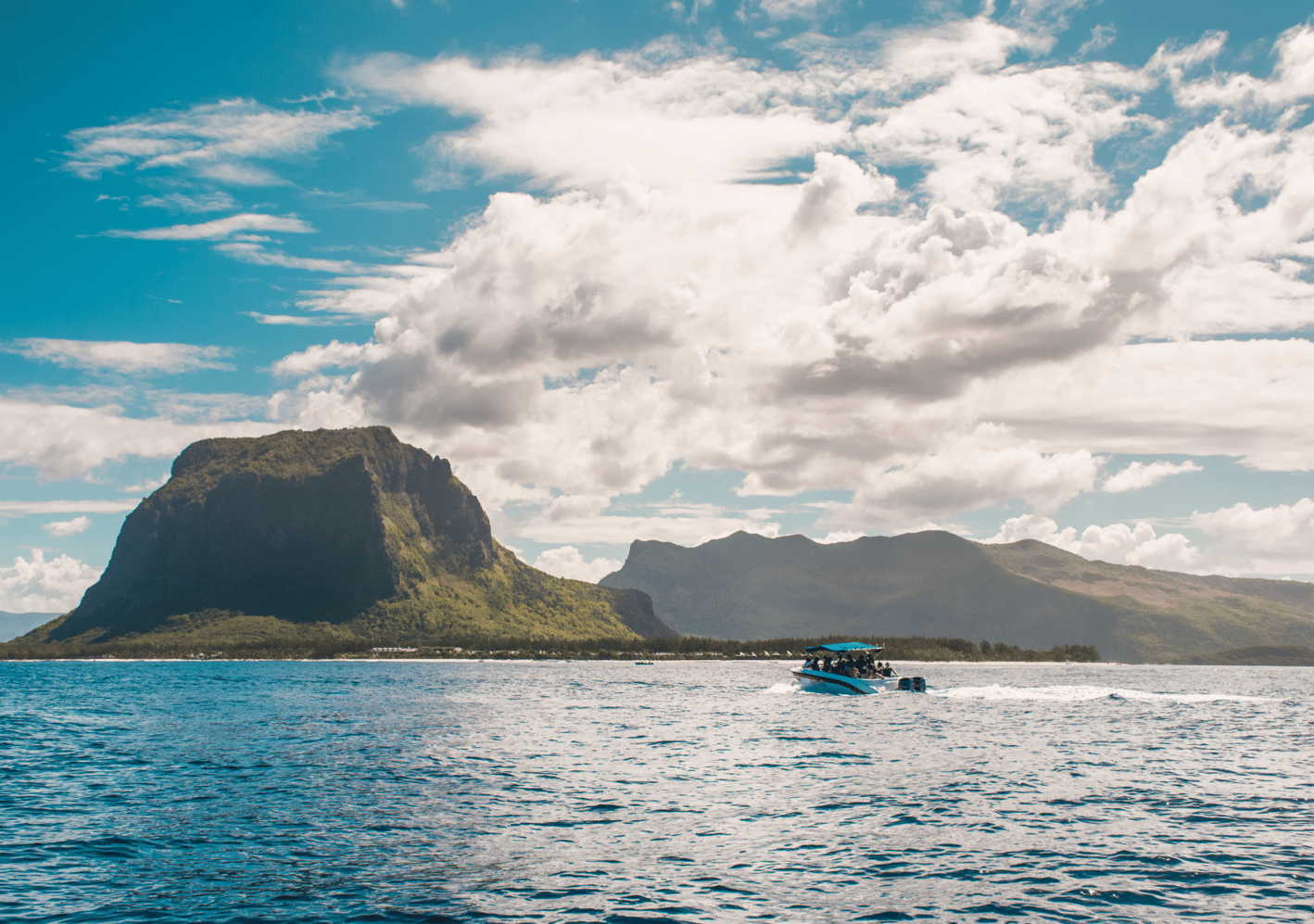
Snorkel quiet southern reefs straight from your hotel's doorstep. Book a speedboat day with hotel pickup, dolphin swims at Crystal Rock and a BBQ lunch on Benitiers Island, all arranged from the Bel Ombre coast.
"Really popular spot, boats gather around the dolphins, but they sail to places where you can swim close to them. Saw dolphins several times and snorkeled among corals. Highly recommend."

The coasts behave like four different islands, and picking the right one decides your whole week of snorkeling.
Read the guide
A protected reserve of giant brain corals and table colonies sits off a quiet beach a short drive from the airport.
Read the guide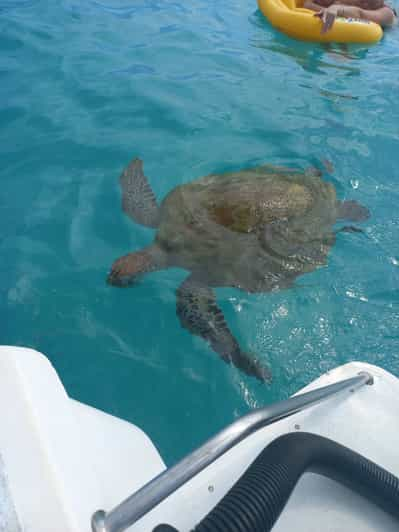
Green turtles graze seagrass behind coral bommies at the north end of the easiest turtle lagoon in Mauritius.
Read the guide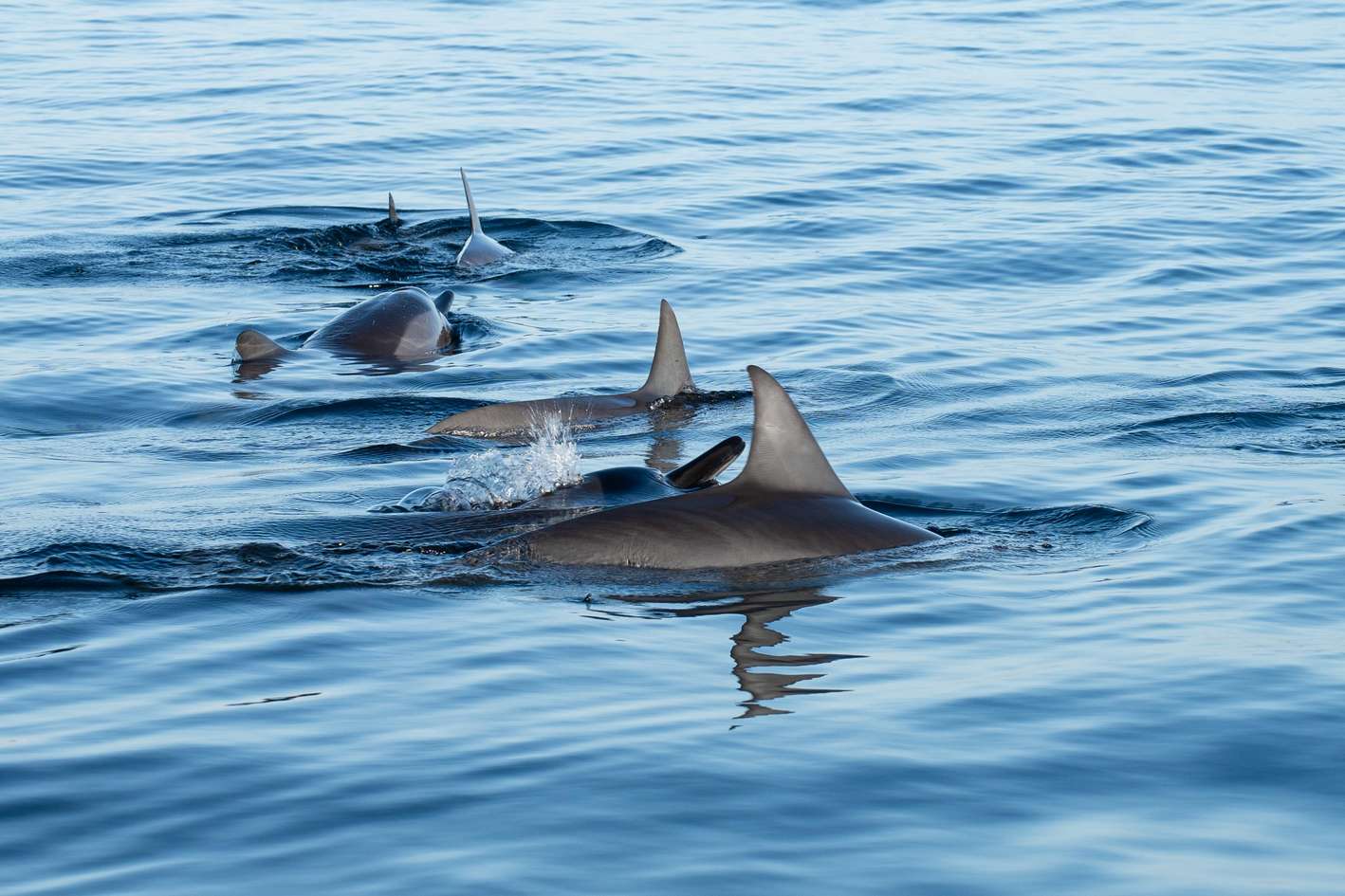
Turtles graze fifty metres from the sand and sunrise boats board right on the beach, no pre-dawn taxi needed.
Read the guide
Crystal Rock sits in waist-deep water over a coral-block field, while the One Eye pass needs a boat and a skipper.
Read the guide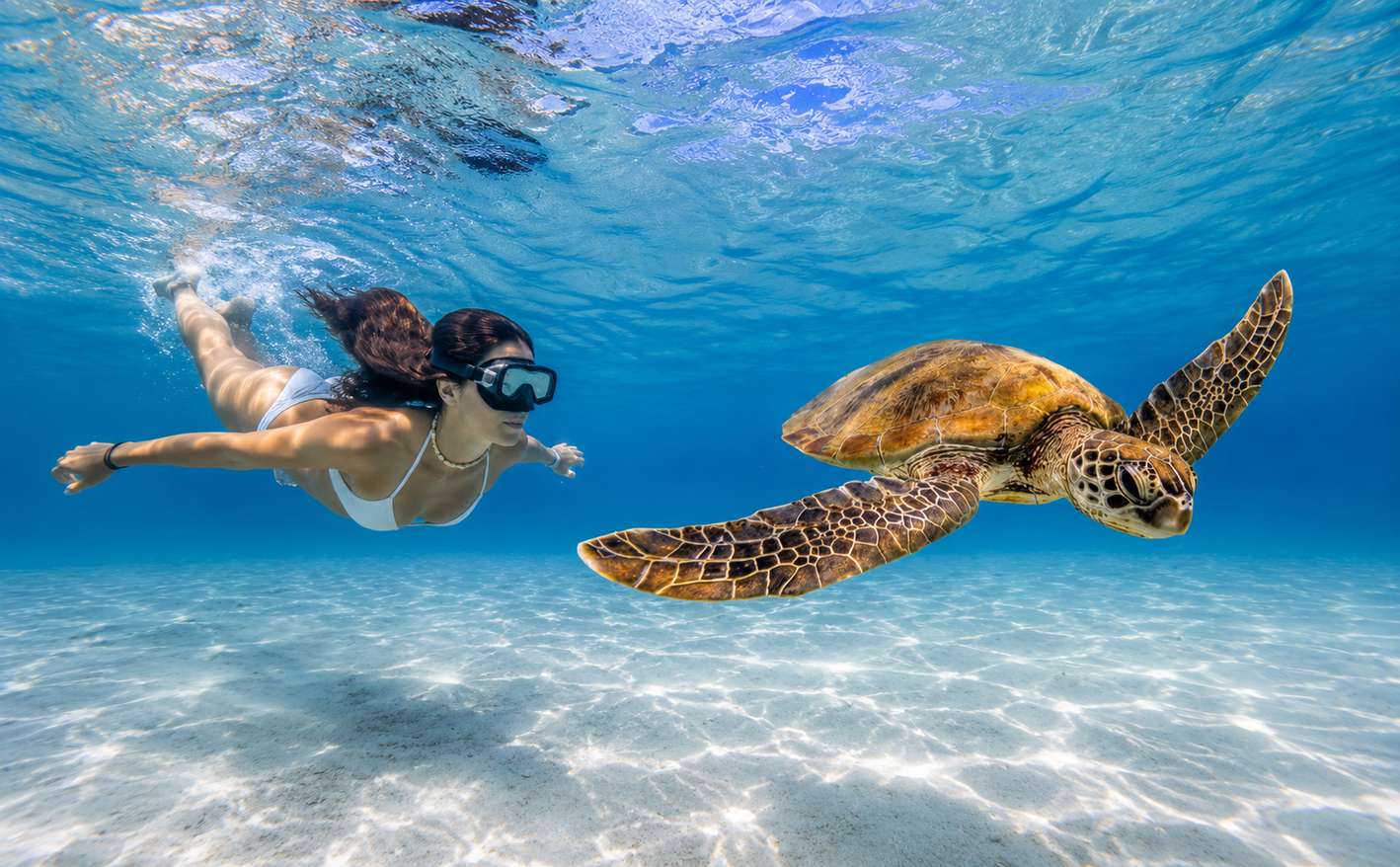
Green and hawksbill turtles feed inside the bay, while the live reef sits 300 to 350 metres out past the boat lanes.
Read the guide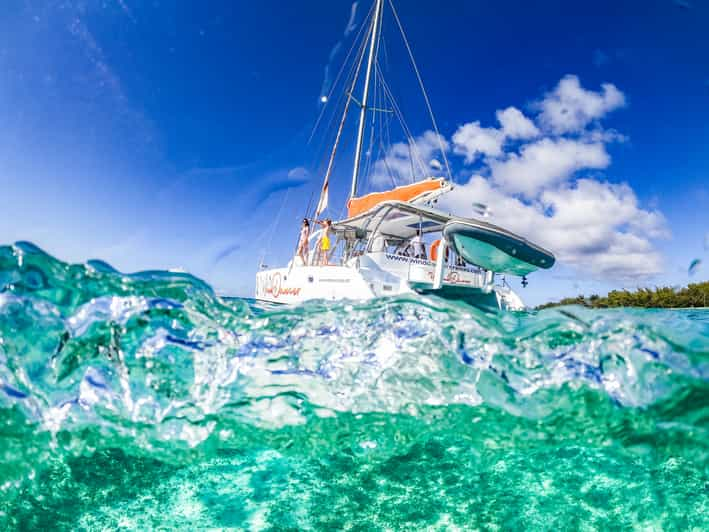
The inner bay holds thin coral, but the water off Coin de Mire clears to twenty metres on a morning boat.
Read the guide
The pods rest in the bay between 6 am and 7:30 am, and the good coral lies minutes offshore by boat.
Read the guide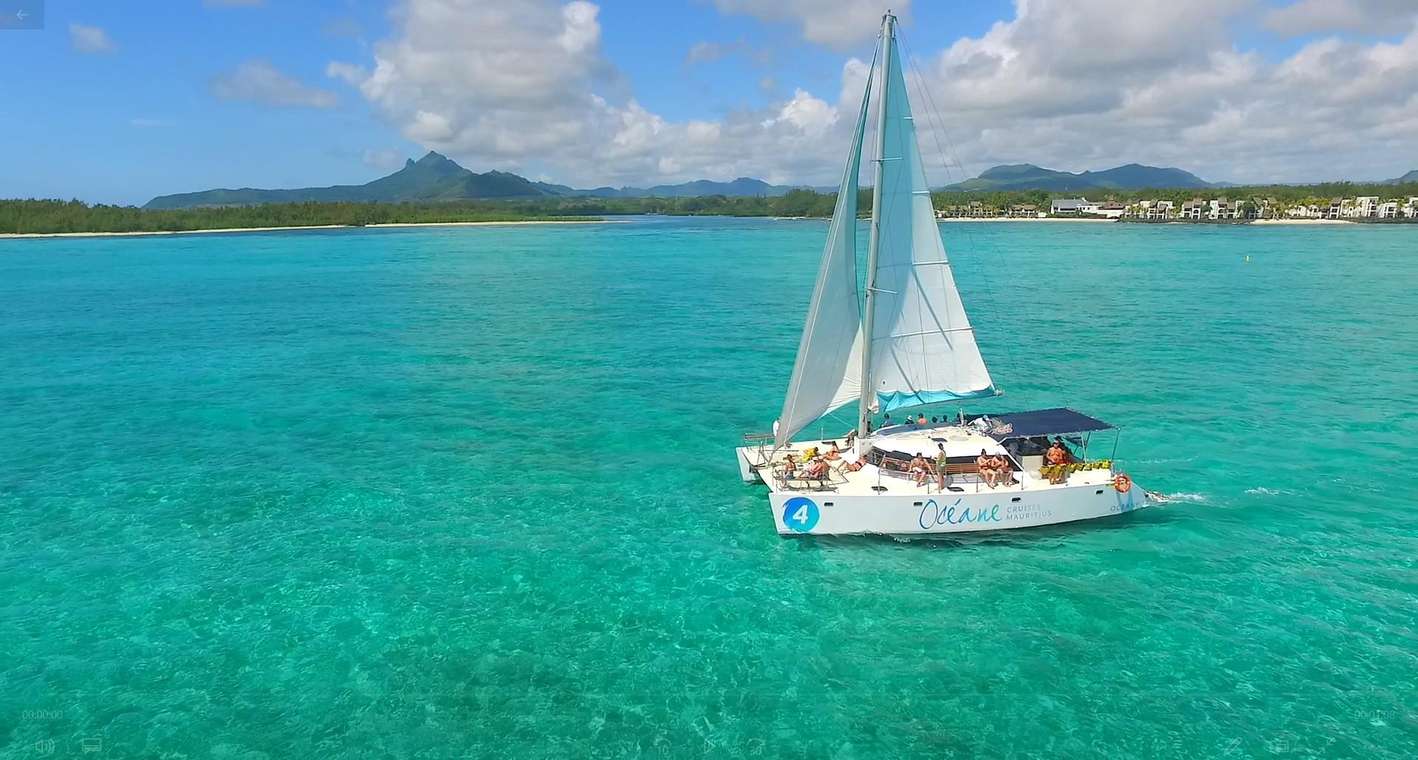
The first fifty metres are a gentle swim near the black rocks; the healthy coral sits 400 to 600 metres offshore.
Read the guide
Moorish idols and butterflyfish off the sand, and boats to Ile aux Cerfs that collect you at your own lobby.
Read the guide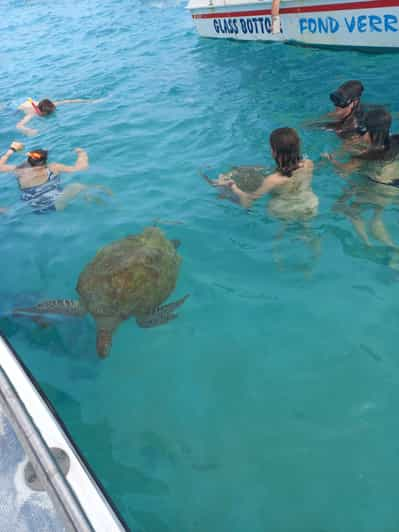
Healthy protected coral with visibility of eight to fifteen metres, in a bay that faces north and stays calm all year.
Read the guide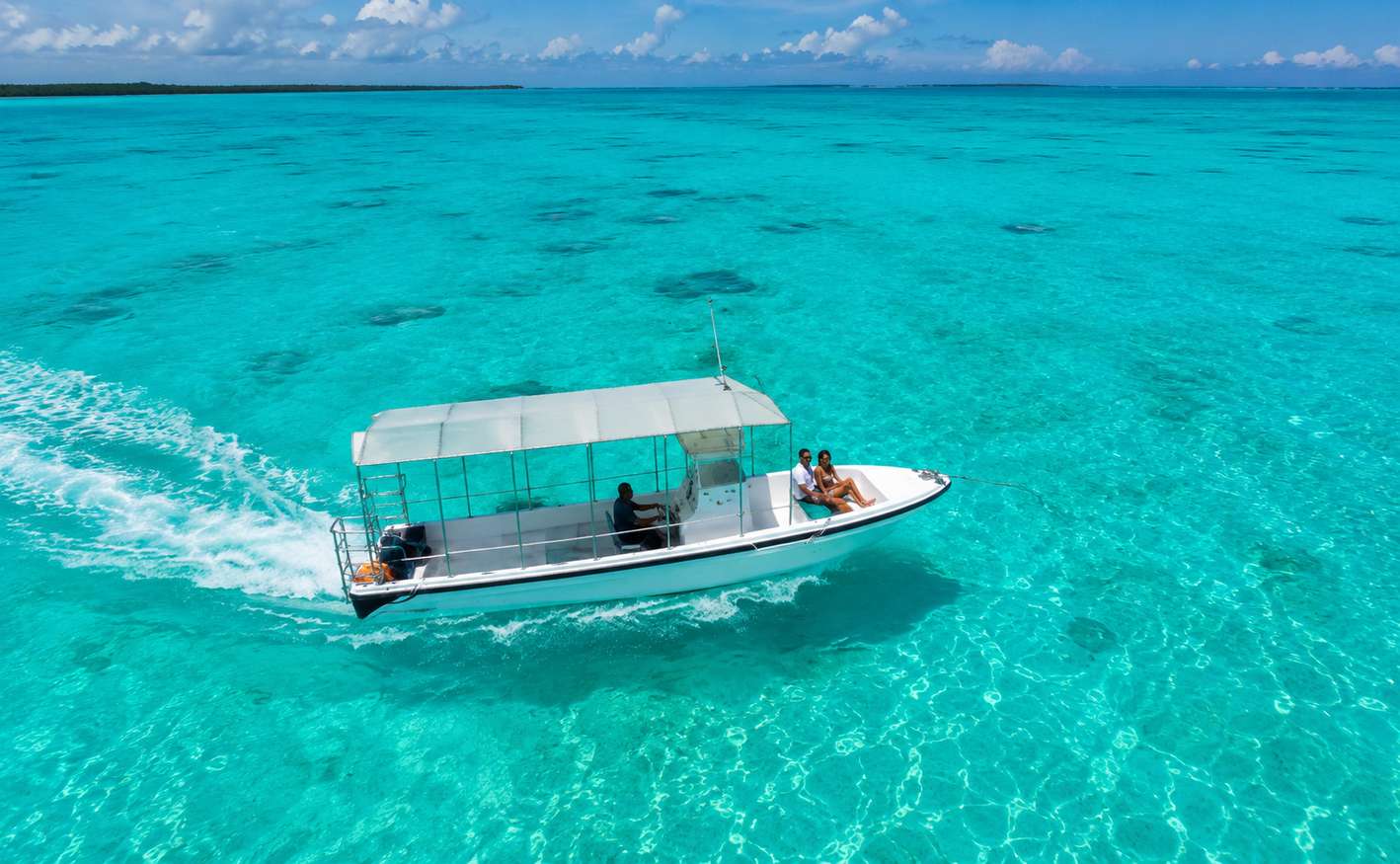
Green turtles still enter the shallows of the cove, and the densest reef sits to the right of the wooden jetty.
Read the guide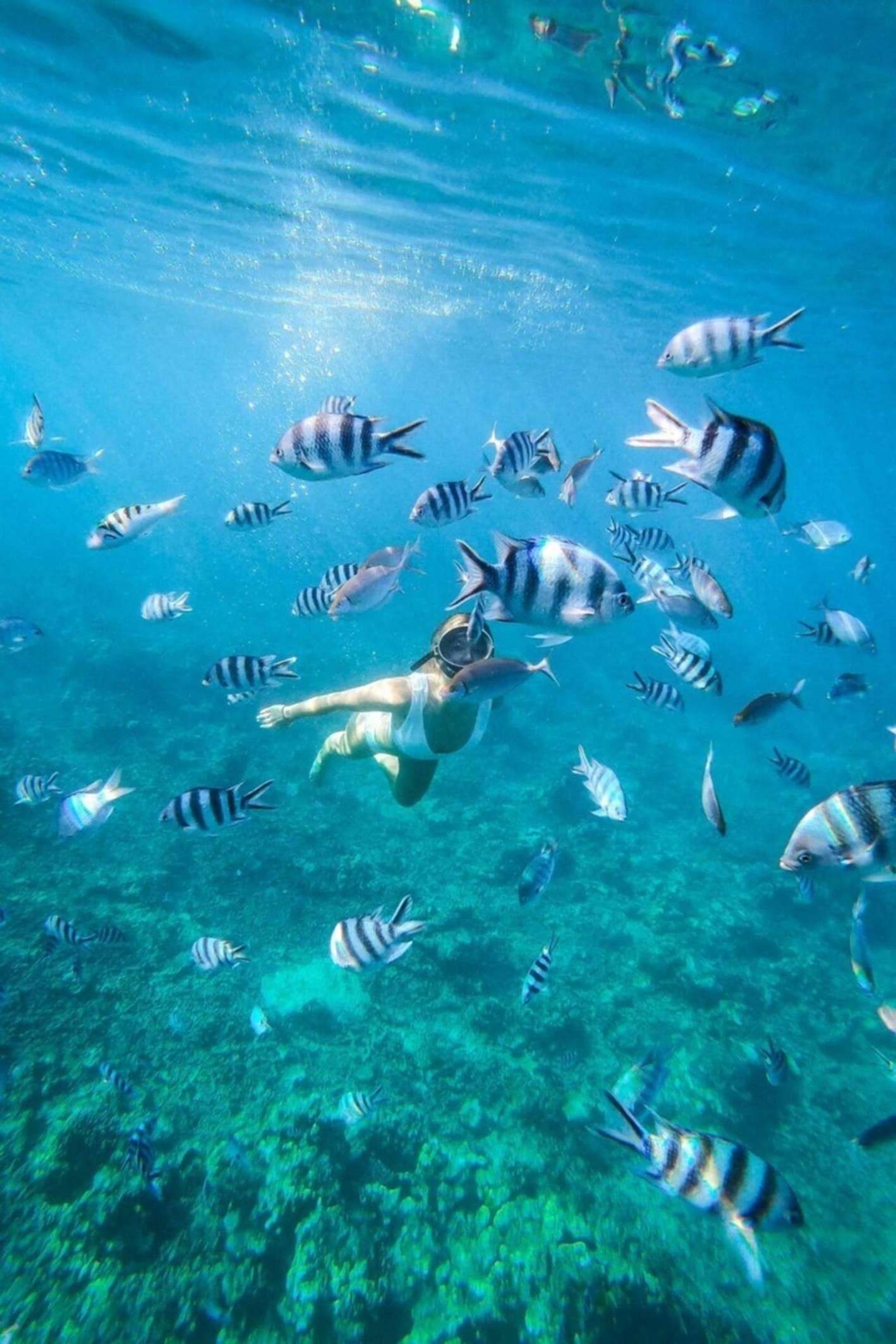
From a mask at the surface you will see a few metres of blue; the falls exist only from a helicopter or seaplane.
Read the guide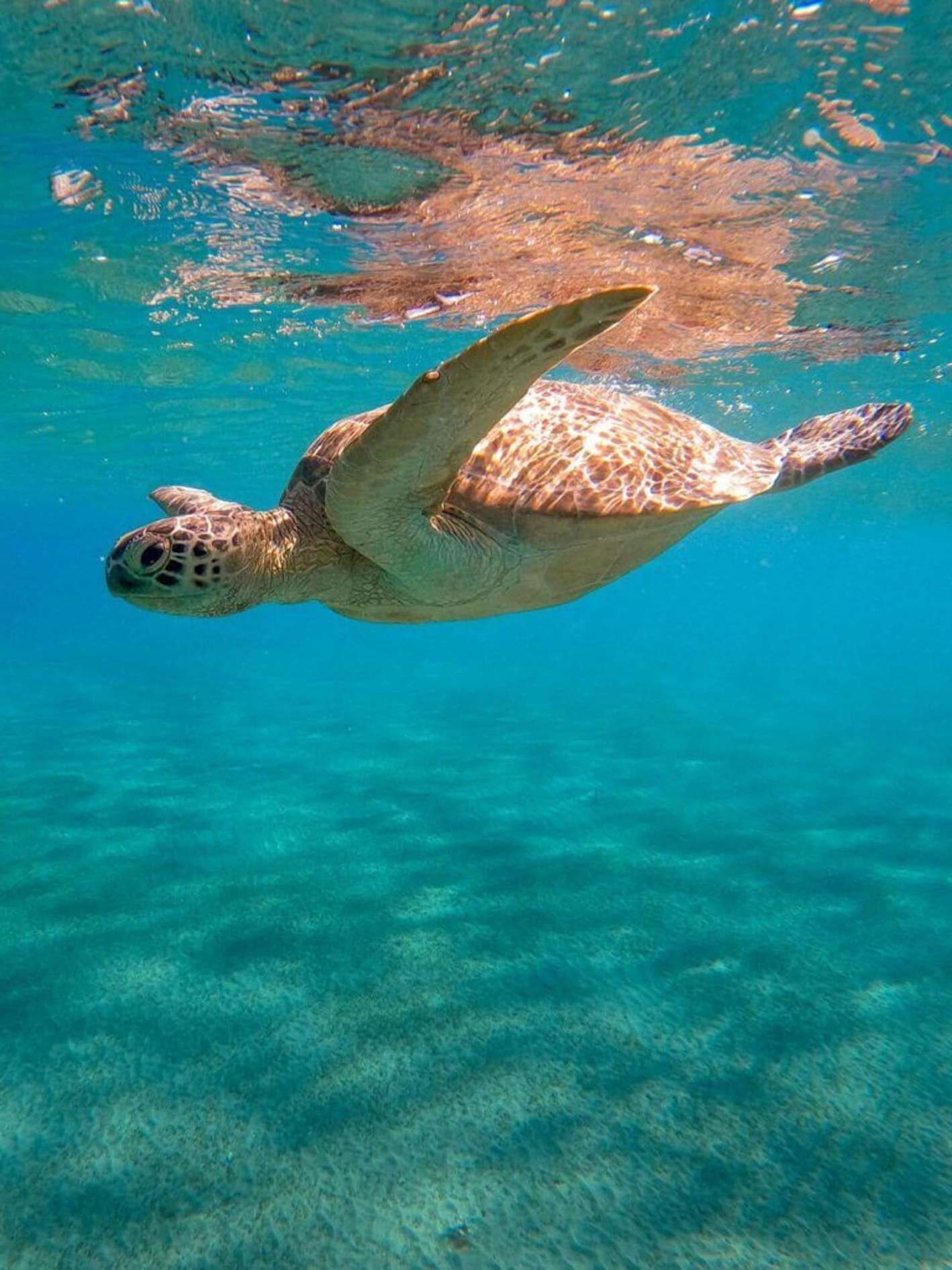
Turtles graze the seagrass flats every morning, and the law lets you watch them only from a distance.
Read the guide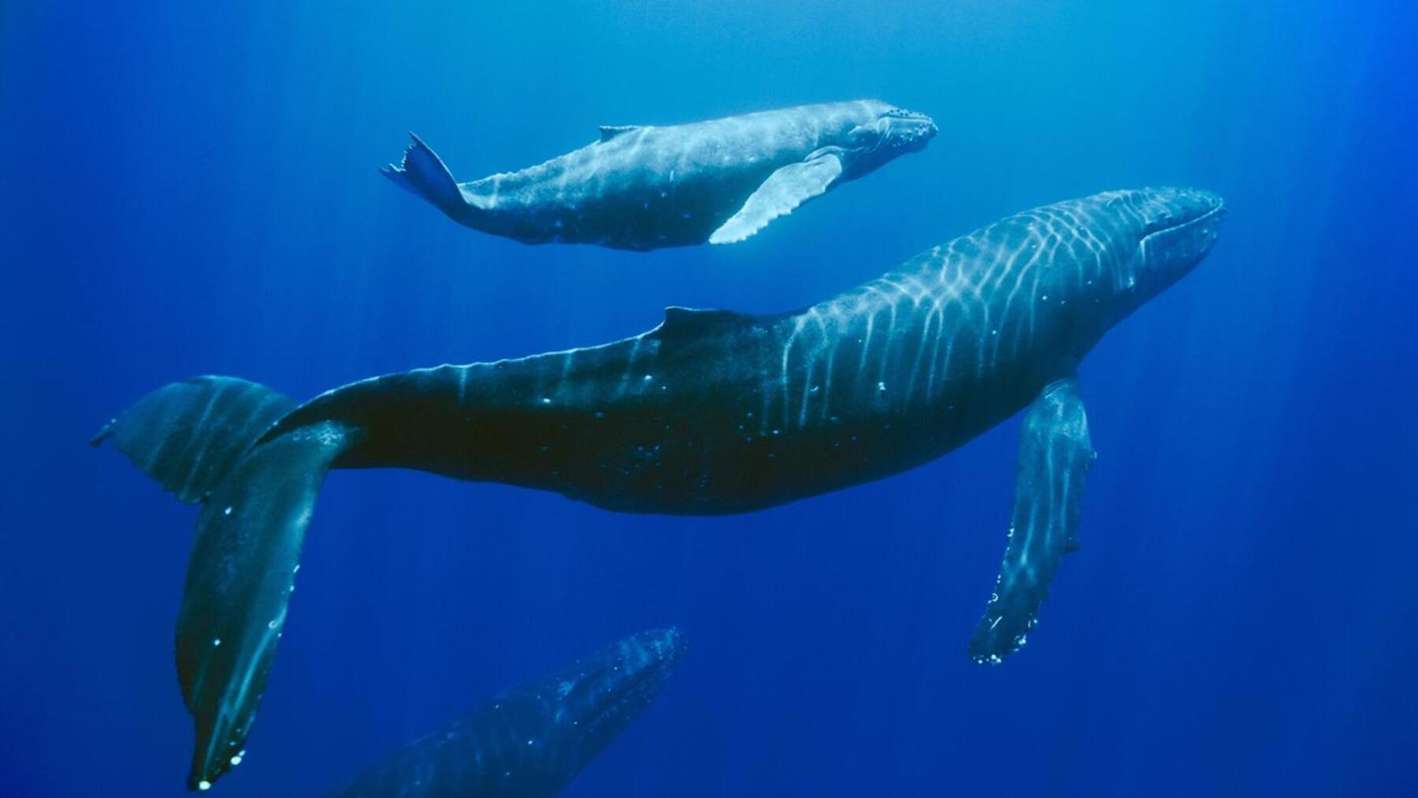
A dawn private charter watches resident sperm whales from the deck, with humpbacks passing in season.
Read the guide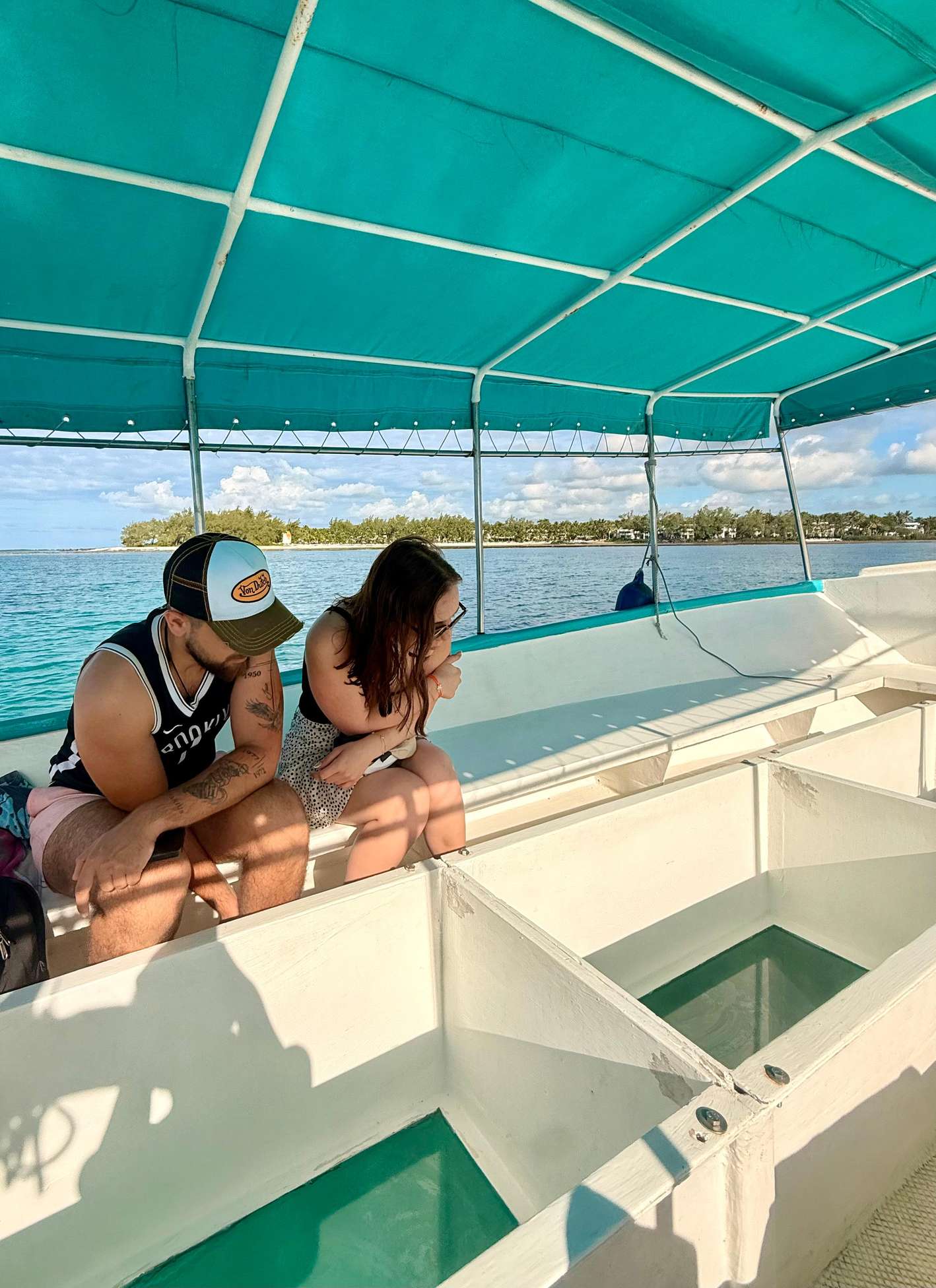
The clearest weeks are not the warmest: visibility peaks at twenty to thirty metres in September and October.
Read the guide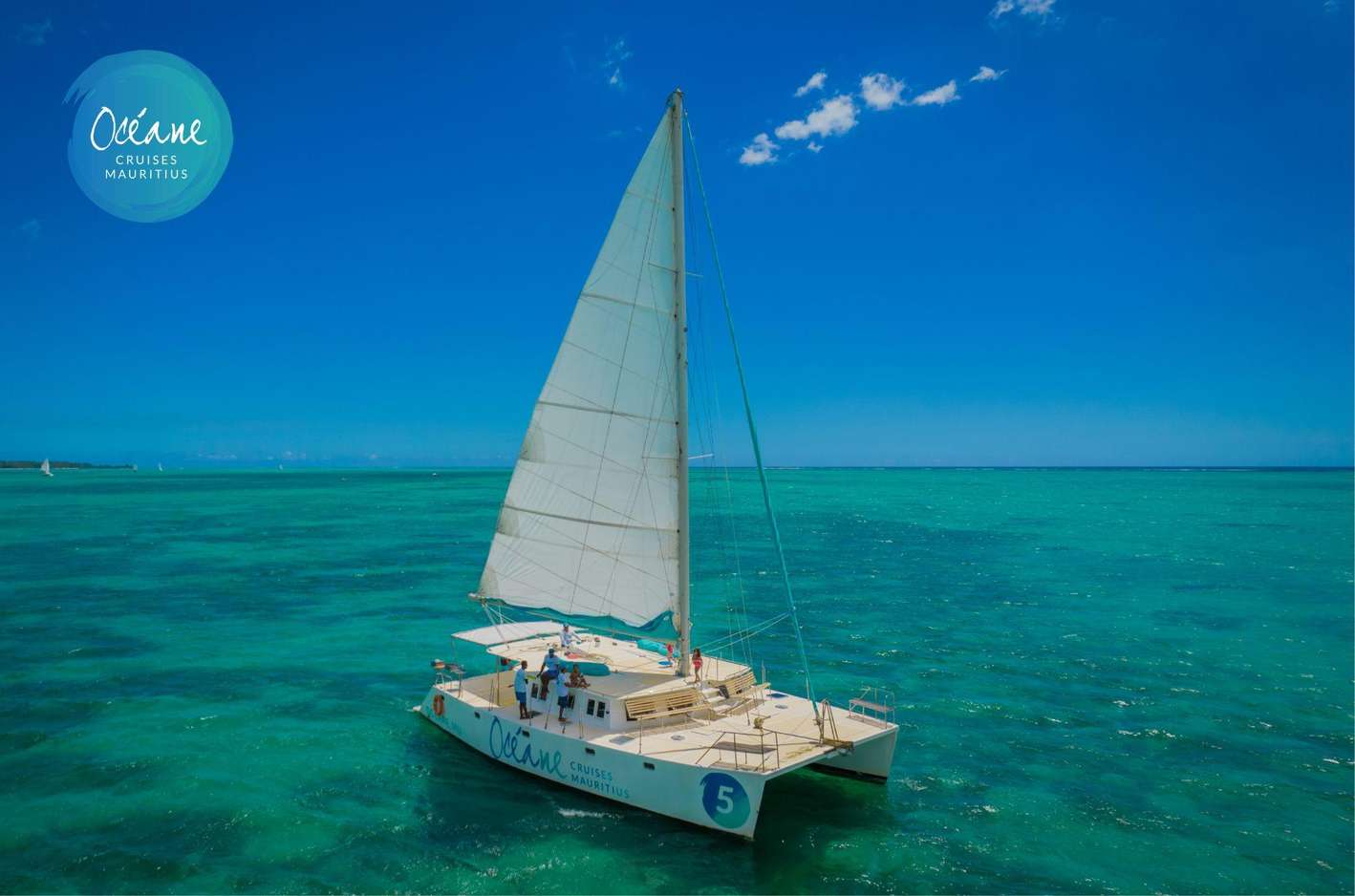
A twin-hull day from Trou d'Eau Douce with lunch, drinks and a snorkel stop, calm even in the windy months.
Read the guide
A speedboat banks thirty to fifty extra minutes each way and rides the river right to the base of the waterfall.
Read the guide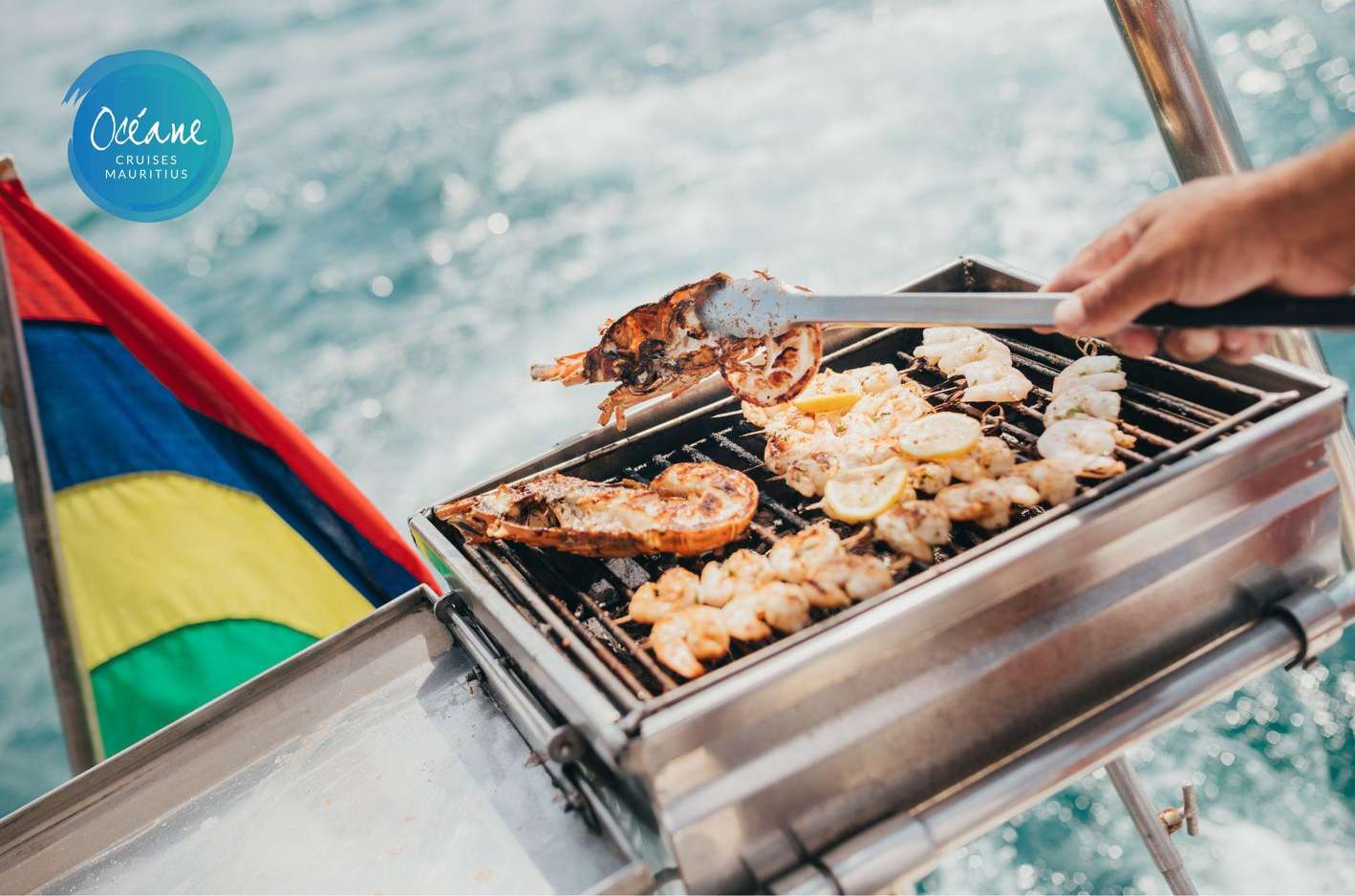
Empty sand before 10:30 am, a custom route and a lunch that fits your group, on a boat that is yours alone.
Read the guideBel Ombre is one base among many on a ringed island. Each chapter below covers a coast or day trip in its own right, so you can weigh it against your southern stay.
The comparison that decides which side of the island you book
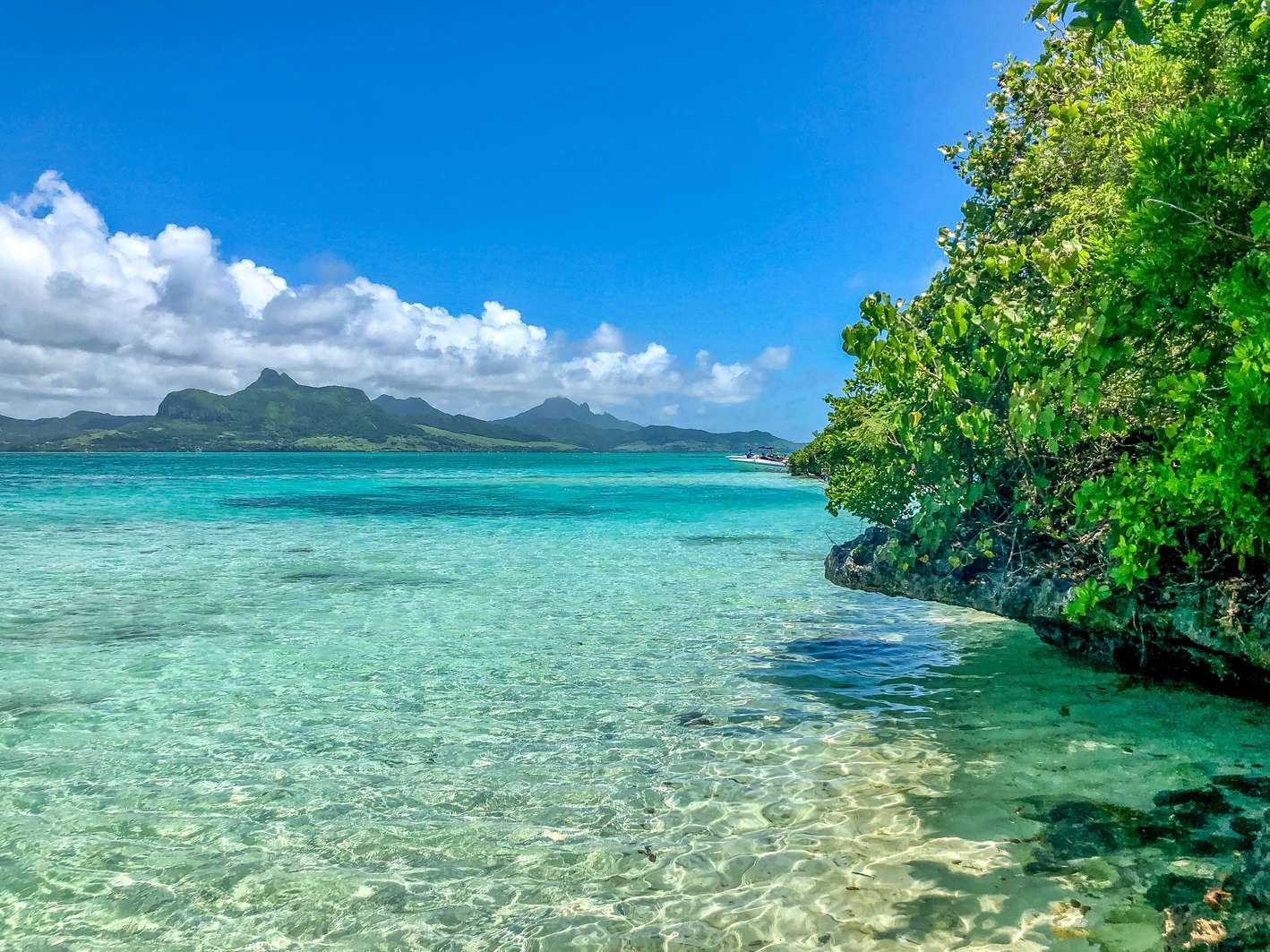
Mauritius is ringed by reef, and the coasts behave like four different islands. The west and north give flat, easy water; the southeast holds the island's densest coral at Blue Bay; the east coast loses almost all its calm days to trade winds between June and September.
The sand in front of most resort strips is rubble and stirred sand, so the good coral usually needs a boat.
Pick your base before you book anything. October to December calms nearly every coast, winter favours the sheltered west, and a mask and fins of your own beat the shared gear on any boat.
3 hours · ★ 5.0 (4)Blue Bay: Lagoon, Snorkeling, and Creole LunchFrom $87 7 hours · ★ 4.8 (869)Ile aux Cerfs Catamaran Cruise with BBQ Lunch & SnorkelingFrom $68 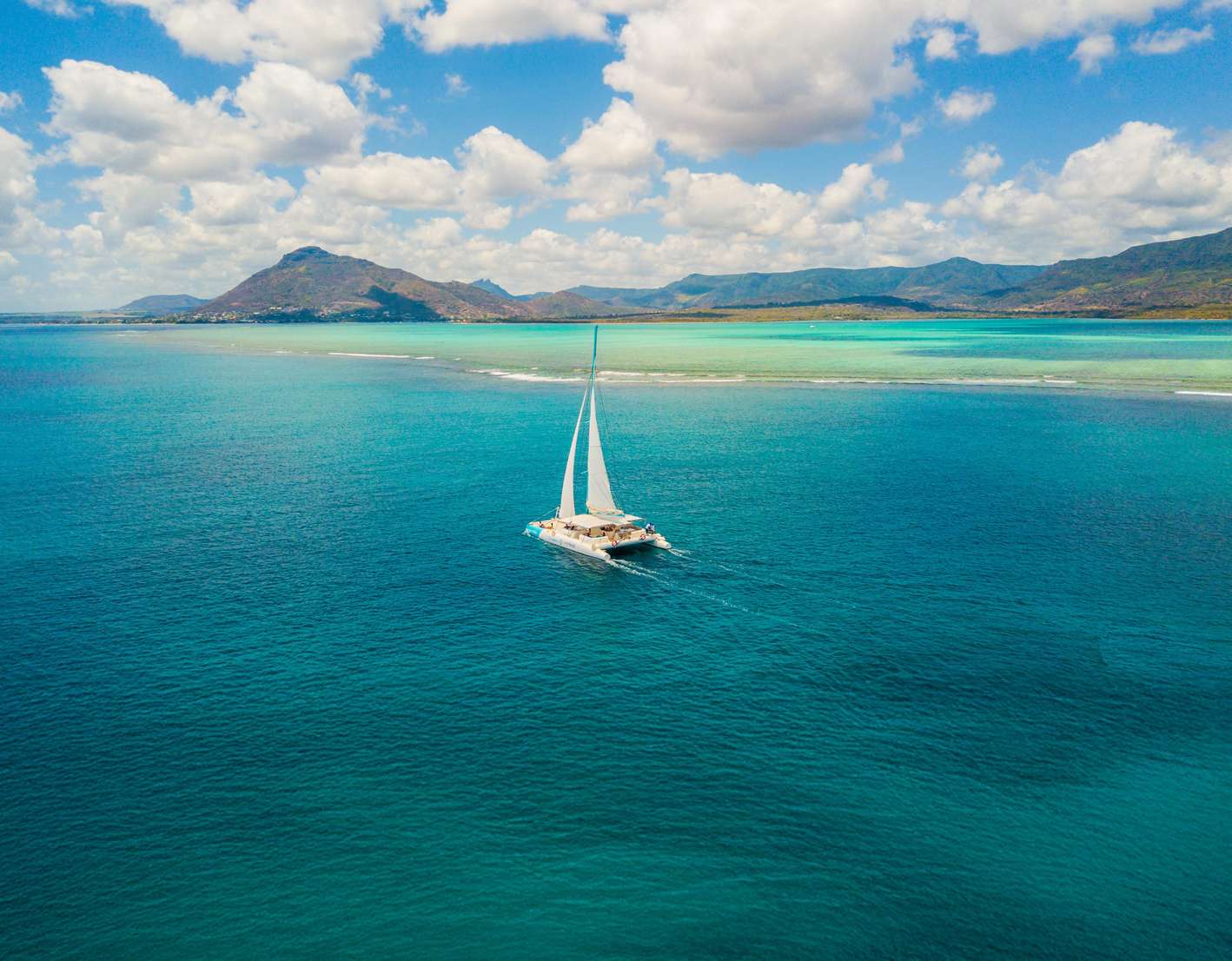 6 hours · ★ 4.7 (363)Mauritius: Catamaran Cruise - Dolphin Watching, BBQ & DrinksFrom $87 2 hours · ★ 4.7 (39)Mauritius: Snorkeling with turtles Le Transporteur speedboatFrom $375 /group
The densest, best-protected coral garden in Mauritius
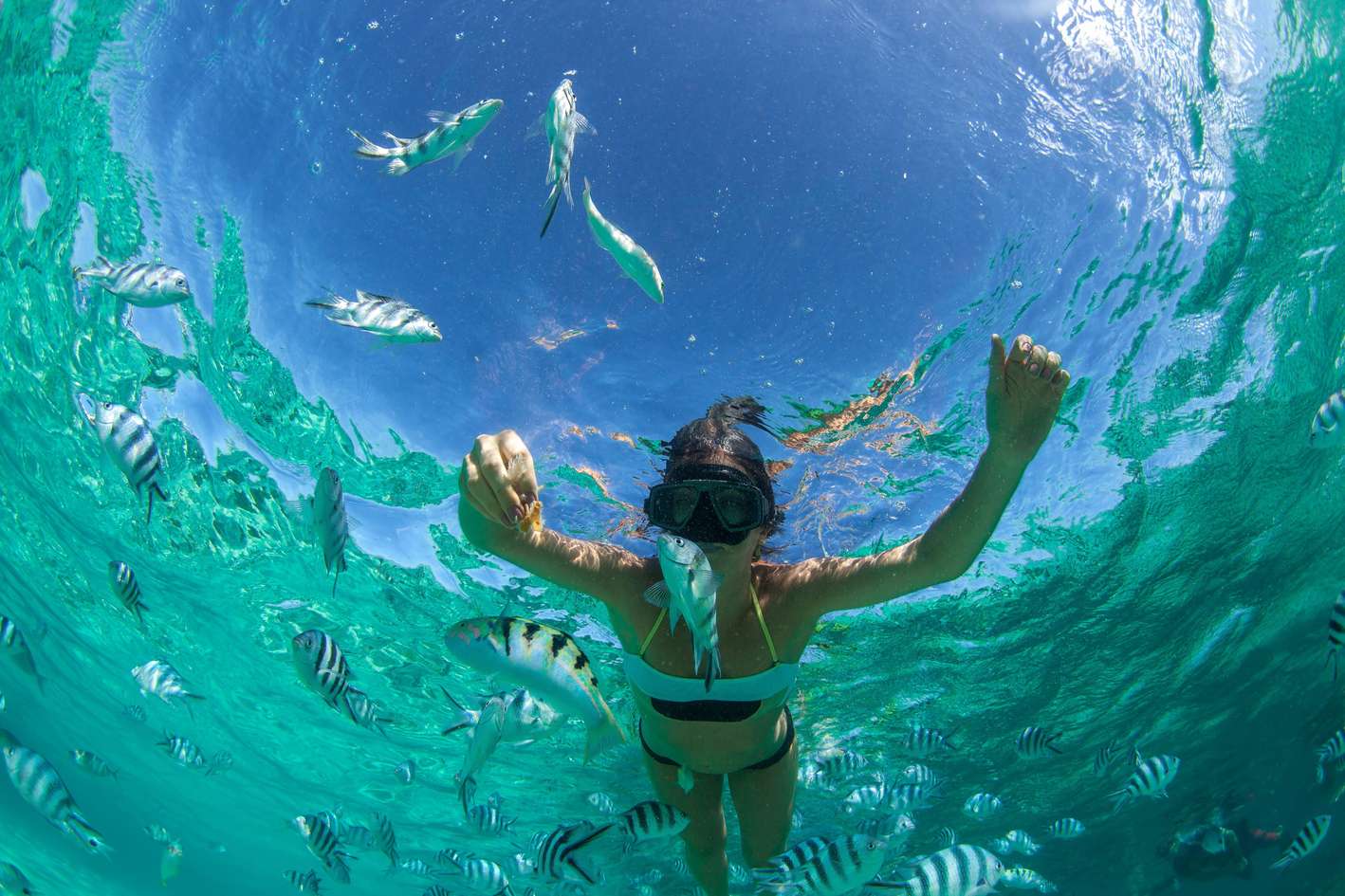
The densest coral reserve in Mauritius sits off a quiet southeast beach, a short hop from the airport. Brain corals the size of a small car and table colonies stretching across several metres grow inside a protected park, and a glass-bottom boat carries non-swimmers over the same ground.
Book the earliest slot you can: water runs calmest and clearest from 7 am to 9 am before wind clouds it. One hour buys a single snorkel stop, so take two hours or the half-day with a Creole lunch if the reef is the point of the day.
3 hours · ★ 5.0 (4)Blue Bay: Lagoon, Snorkeling, and Creole LunchFrom $87 2 hours · ★ 4.6 (17)Blue Bay Marine Park: Guided Snorkeling with Video Souvenirs and SnackFrom $58 4 hours · ★ 4.5 (306)Blue Bay: Half-Day Snorkeling Trip with Creole Picnic LunchFrom $67 1 hour · ★ 4.4 (155)Blue Bay Marine Park - 1-hour Snorkeling ExcursionFrom $28 Flat water on eight days in ten and turtles close to the sand
Flat water on eight days in ten, and green turtles grazing seagrass behind coral bommies at the north end, make this the easiest turtle lagoon in Mauritius. The inner shallows are sandy flats with a few fish; the live coral sits 200 to 300 metres out on the barrier shelf.
Wade in before 9 am for the clearest water and the turtles ahead of the boats. The reef pass and boat lanes pull hard, so leave the outer shelf to a skipper with a boat.
Among the calmest, safest lagoons on the island, swimmable at most tides
One of the calmest, safest lagoons in Mauritius, swimmable at most tides, runs the length of this west coast strip. Coral clusters opposite the Shivala Hindu temple and in front of one hotel beat the central beach, and green and hawksbill turtles graze about fifty metres from the sand.
Get in before 9 am, while the water is calmest and clearest. Sunrise dolphin boats board right on the beach, so a reef and wildlife day needs no early cross-island drive. Sea urchins and broken coral make reef shoes worth packing.
8 hours · ★ 5.0 (2)Private Dolphins, Sea Turtles & Île aux Bénitiers TourFrom $850 /group 7 hours · ★ 5.0 (1)Mauritius: Private Whale Watching & Bénitiers BBQFrom $1,025 /group 2 hours · ★ 4.7 (28)Flic en Flac: Private Sunrise Dolphin Watching Boat TourFrom $309 /group 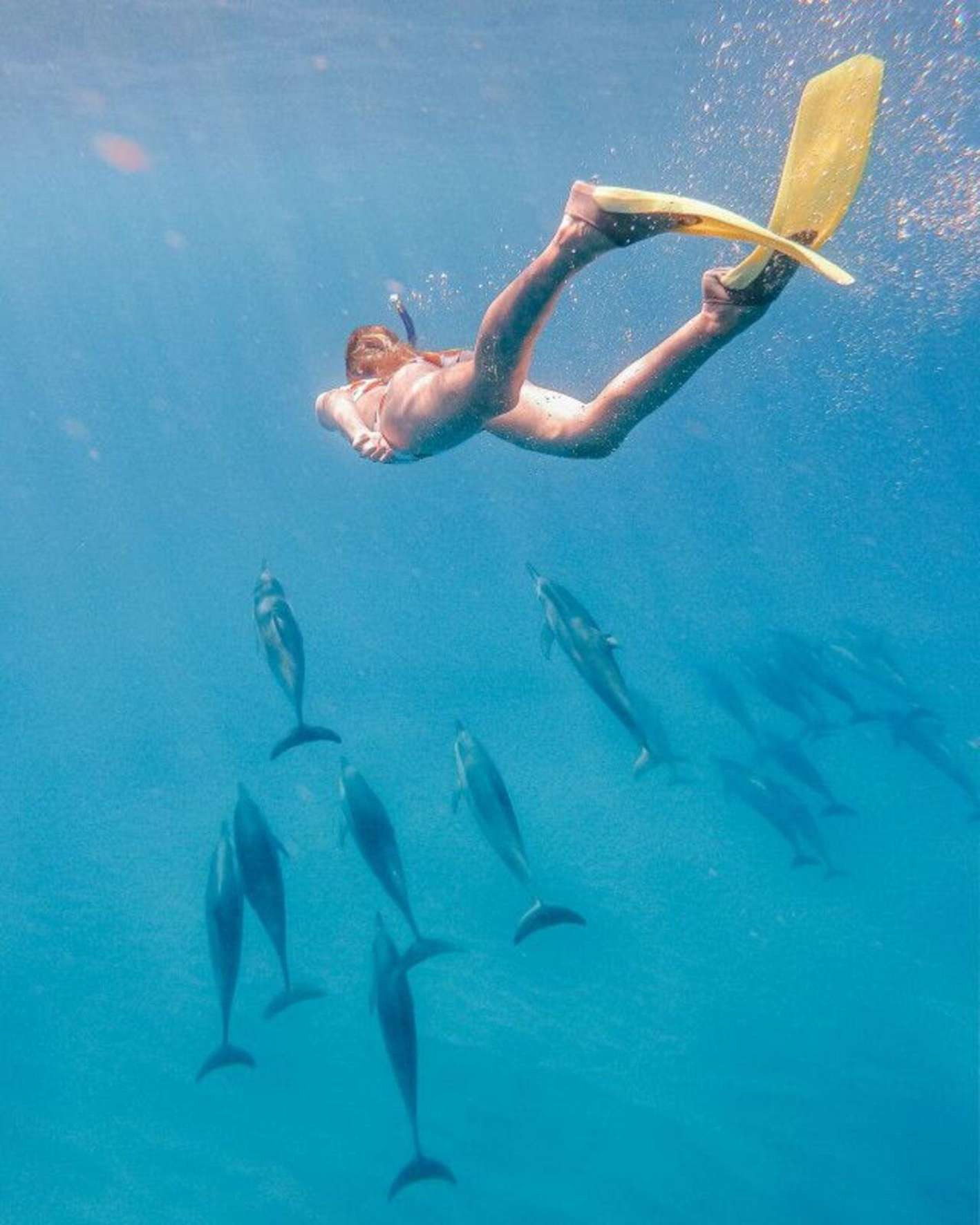 2 hoursMauritius: Private Dolphin Watching and Snorkeling TourFrom $441 /group
Snorkeling under the mountain, with currents at the pass that outrun any swimmer
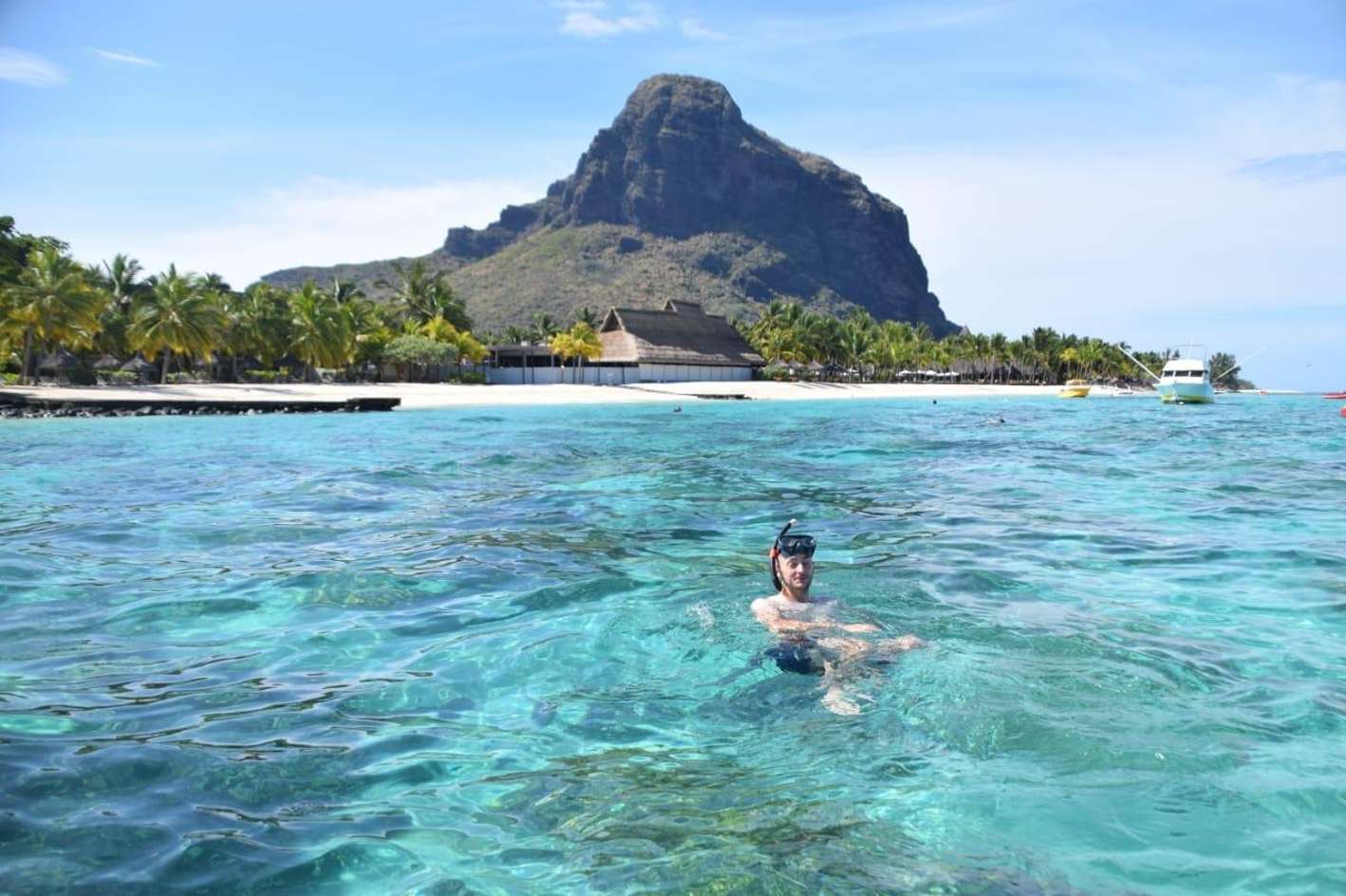
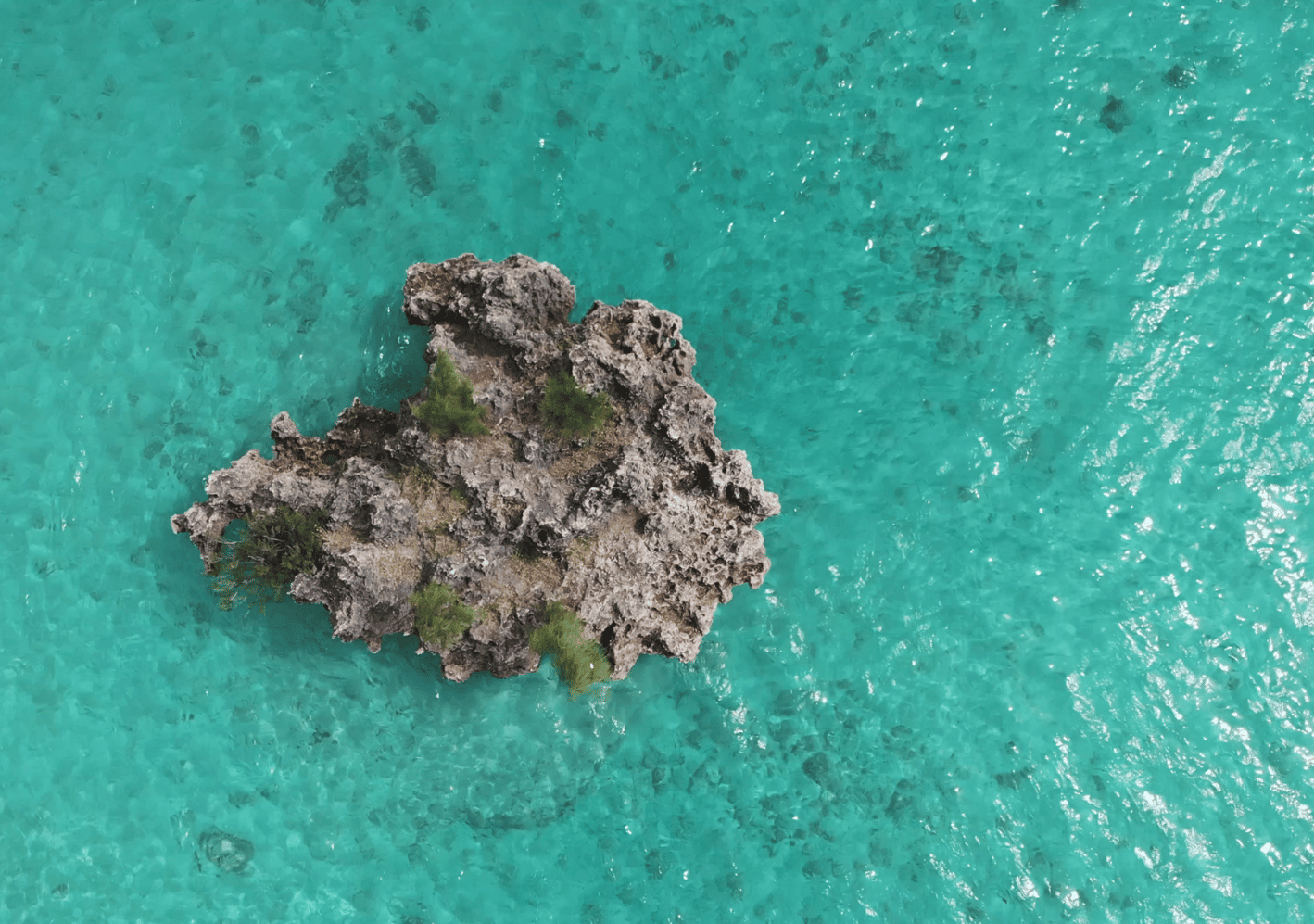
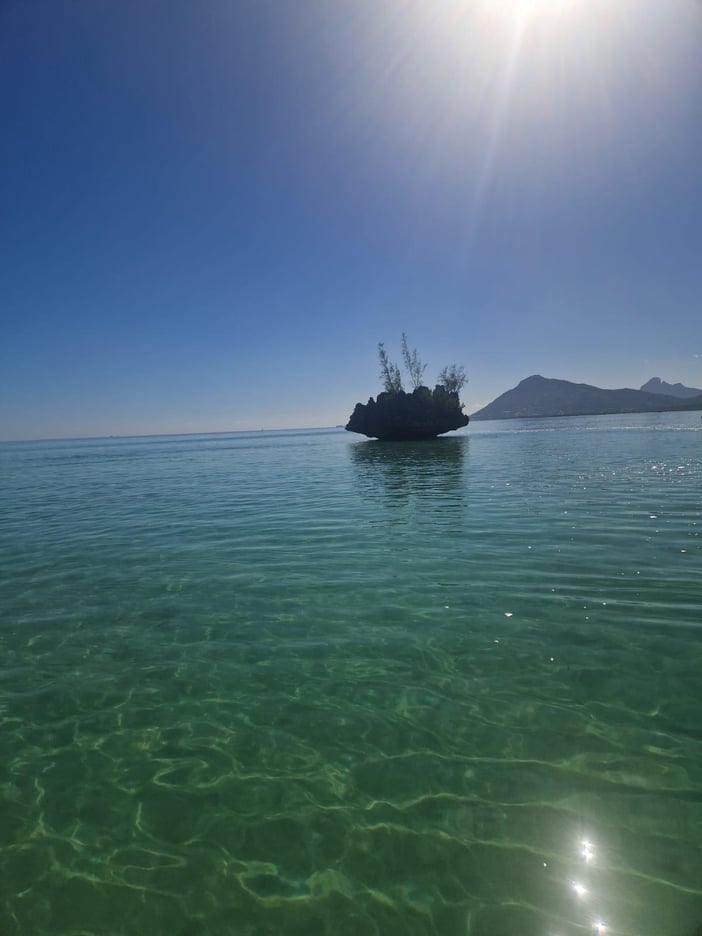
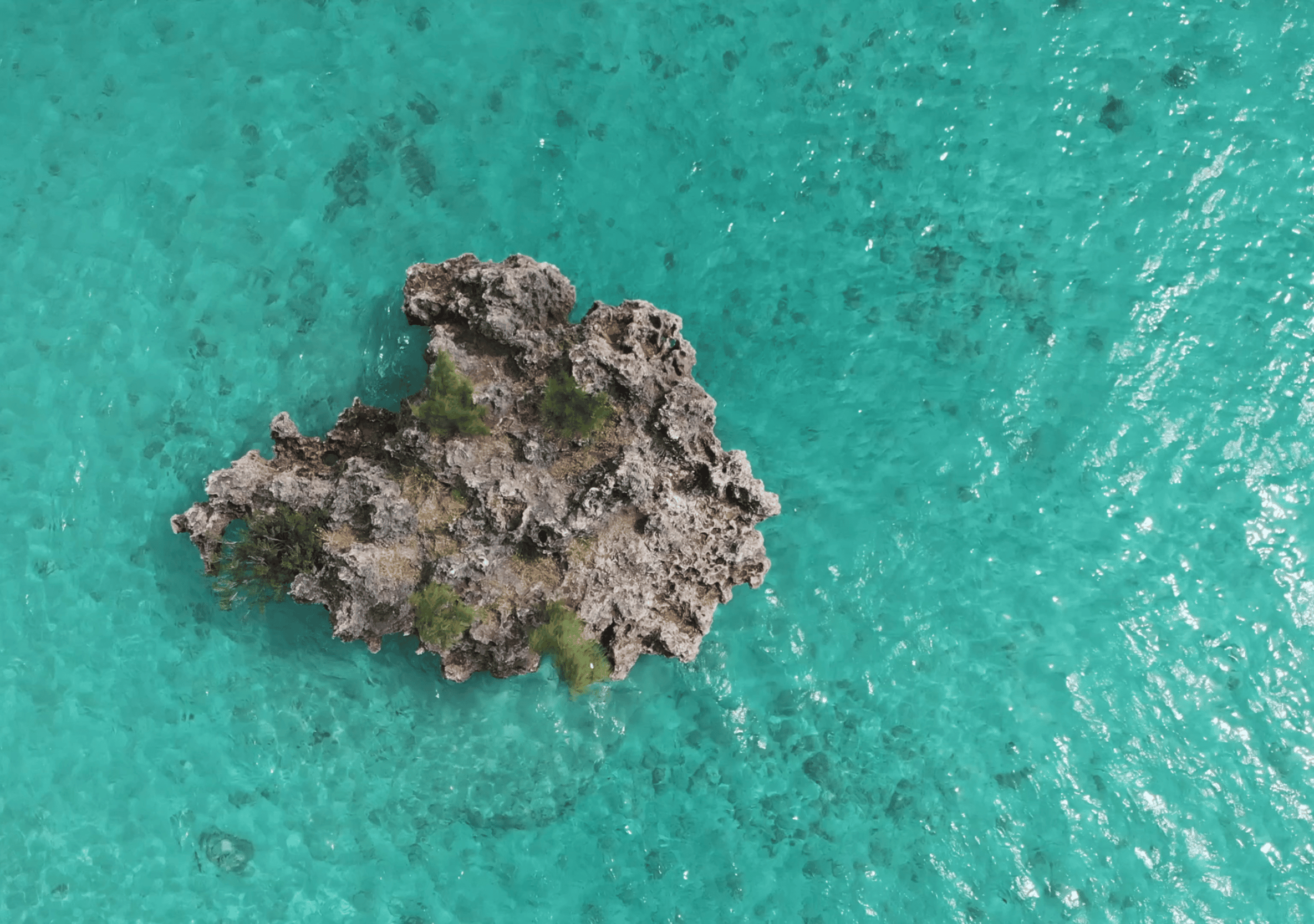
The lagoon under the mountain runs calm and shallow, and a long walk from the north end of the beach reaches living coral heads. Crystal Rock sits in waist-deep water over a coral-block field nearby, with needlefish and pufferfish around it.
Keep clear of the One Eye reef pass: on a falling tide the whole lagoon drains through it faster than anyone can paddle. The outer patches need a boat, mornings give the clearest water, and water shoes earn their place over volcanic rock and urchins.
7 hours · ★ 5.0 (5)Private Île aux Bénitiers Boat: Dolphin Snorkeling & LobsterFrom $738 /group 7 hours · ★ 5.0 (1)Mauritius: Private Whale Watching & Bénitiers BBQFrom $1,025 /group  2 hours · ★ 4.9 (151)Mauritius Le Morne: Wild Dolphin Watching & SwimmingFrom $331 /group
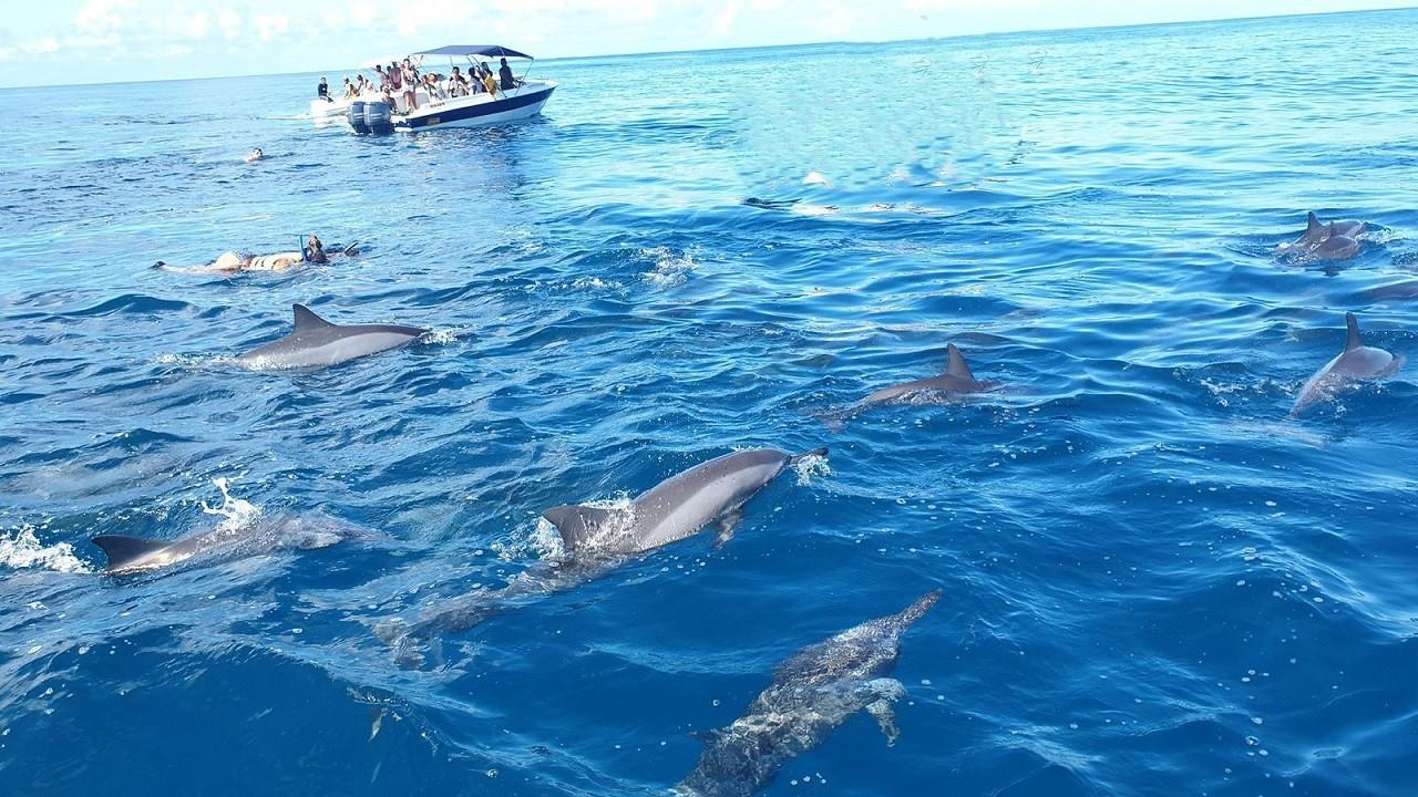 6.5 hours · ★ 4.3 (318)Black River: Swim with Dolphins Speed Boat Tour with lunchFrom $69
The best turtle odds on the island, as close as fifty metres from the sand
Green and hawksbill turtles feed as close as fifty metres from this northern cove, the best turtle odds on the island. Inside the yellow buoys the water is calm sand; the live reef sits 300 to 350 metres out, past boat lanes marked by red buoys.
Snorkel the rocky edges early, from 8 am to 10 am, before wind and traffic stir the sandy lagoon. A small boat reaches the outer feeding grounds without the long fin out, and February draws the smallest crowds.
A lively launch pad whose real reefs sit a short boat ride north
The inner bay is a launch pad: moored catamarans, thin coral, live cover under one percent. What makes the town worth a snorkeler's stay sits a short ride north, where the water off Coin de Mire clears to twenty metres.
Book a morning boat to the northern islands and the convenience does the rest. Wear reef shoes on the flats, and expect rolling swells on the open crossing past the islet in winter. Watch the cyclone window in February and March.
Dawn boats to wild dolphins and offshore coral from a dark-sand beach
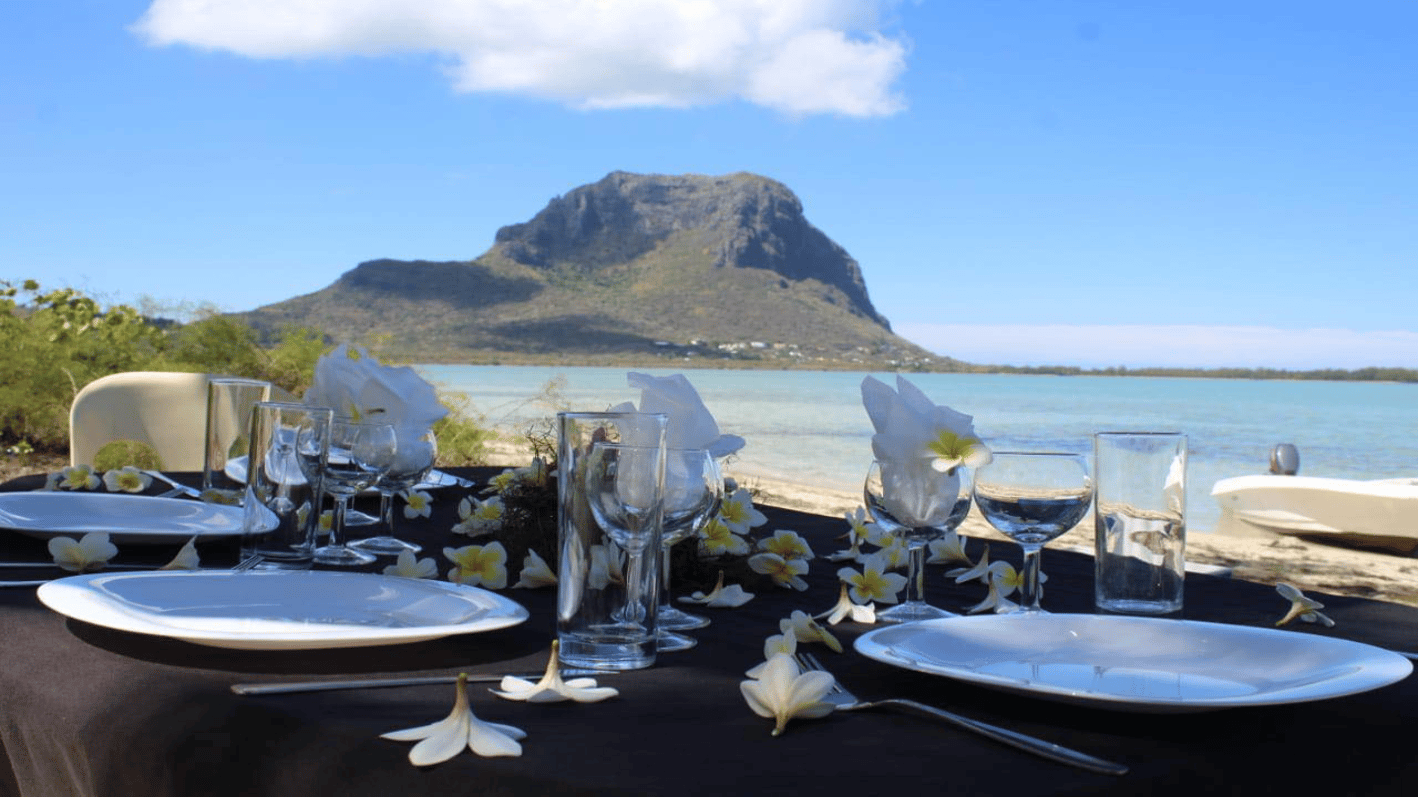
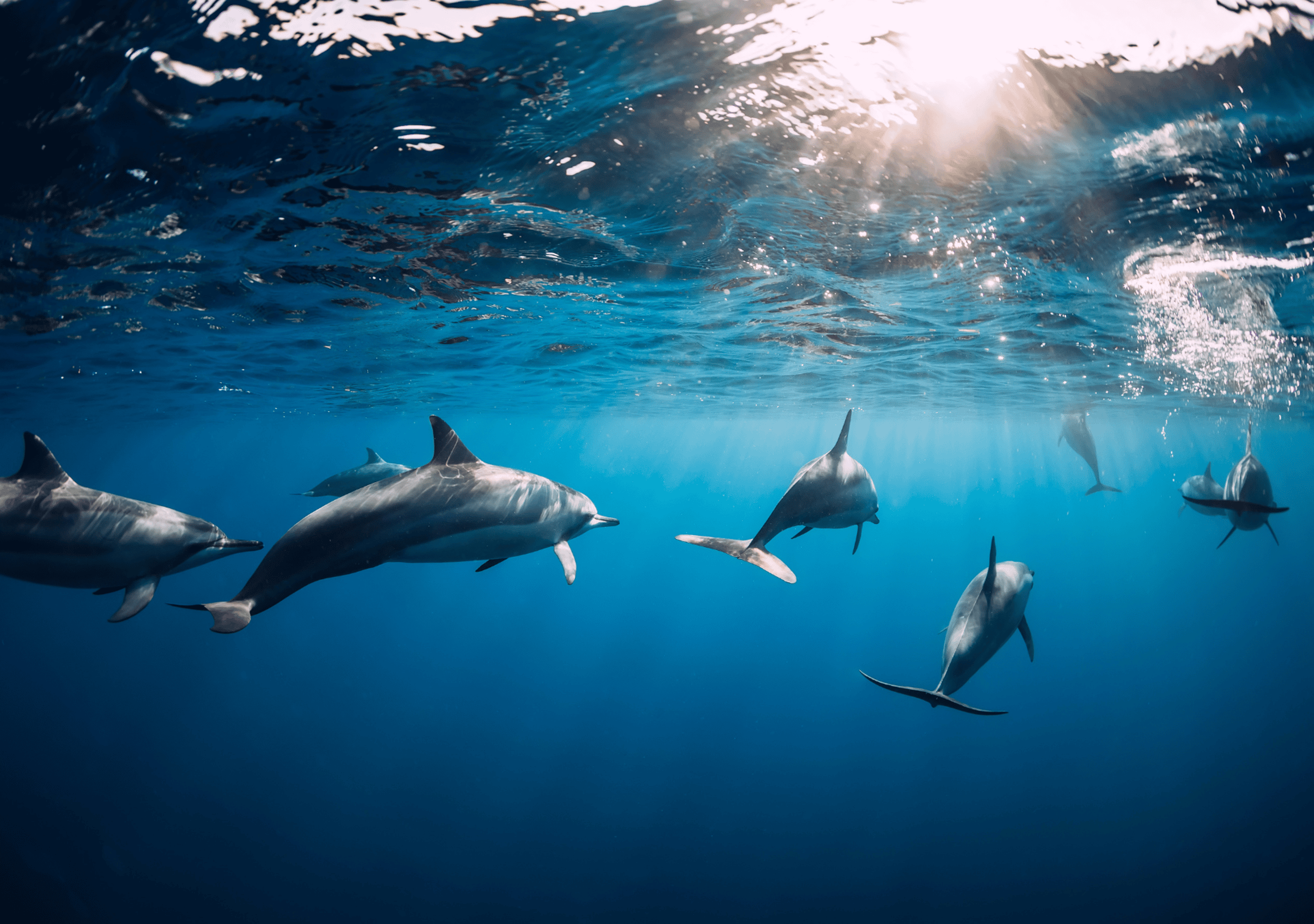
Boats leave this dark-sand bay at dawn for wild dolphins and offshore coral. The pods rest in the bay between 6 am and 7:30 am, before boat traffic builds, and swimming with them asks for real open-water fitness: dropping into deep sea and swimming fast with fins.
The reef itself lies offshore, reached in minutes by boat. Snorkel stops near Crystal Rock run calm and shallow, with visibility of fifteen to twenty metres on a good day. Watching from the deck is a fine day in itself.
7 hours · ★ 5.0 (5)Private Île aux Bénitiers Boat: Dolphin Snorkeling & LobsterFrom $738 /group 6 hours · ★ 4.7 (363)Mauritius: Catamaran Cruise - Dolphin Watching, BBQ & DrinksFrom $87 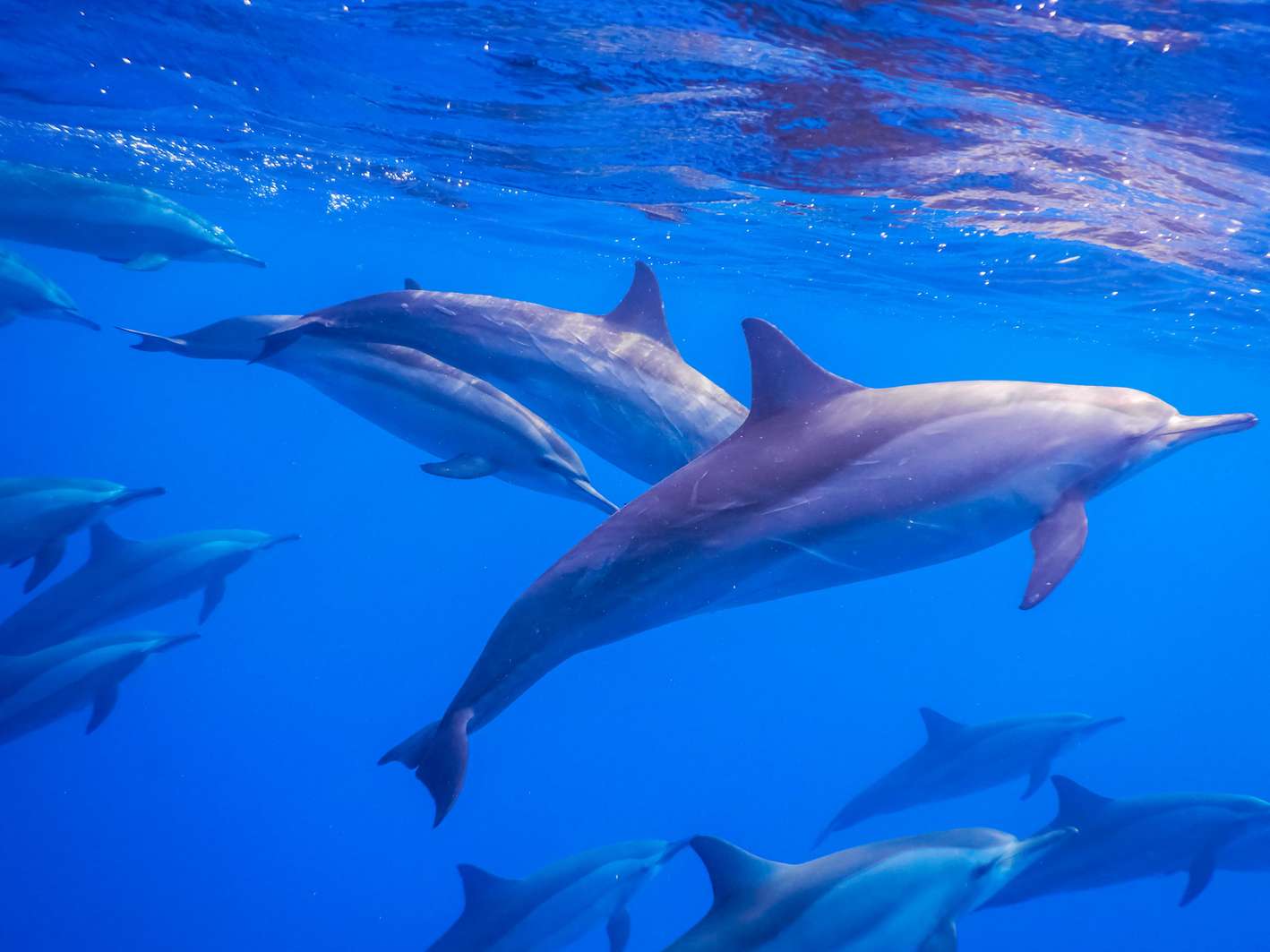 2 - 6 hours · ★ 4.7 (237)Dolphin Watching with Hotel Pickup (Mauritius)From $61 /group
 4 hours · ★ 4.4 (35)Dolphins & Whales: Private Snorkeling TourFrom $528 /group
An easy shore swim and an outer reef that only a boat should reach
The first fifty metres from the sand are an easy swim over sand and scattered rock near the black rocks by a Hindu temple. The healthy coral sits on the outer barrier reef, 400 to 600 metres offshore, past boat lanes and a pass that pulls.
Reach the outer reef by boat from Trou d'Eau Douce, ten kilometres south, with pickup from a list of east coast resorts. Go early for glassy water: June to August leaves the coast almost no calm days at all, and February and March carry cyclone risk.
A calm, sandy walk-in lagoon with the best boat jetty in Mauritius minutes south
A wide, calm lagoon barely 250 metres across opens in front of the resorts, and walk-in snorkeling shows Moorish idols, butterflyfish and groupers, best at the quiet southern end and early in the morning. Urchins hide in the shallows, so bring reef shoes.
Boats for Ile aux Cerfs leave from Trou d'Eau Douce, three to twelve minutes south, and tours collect you at your own lobby. June to September brings trade winds and almost no calm-sea days; October, November and April are the months to aim for.
One of the few bays with genuinely healthy coral you can swim to from the sand
Few corners of Mauritius hold genuinely healthy coral, and this protected bay on the northwest is one of them, with visibility of eight to fifteen metres. The bay faces north, so it stays calm all year, and coral starts steps from the sand at spots like Kuilima Cove.
The entry runs over volcanic rock and urchins, so water shoes are essential. Green turtles graze here occasionally, so treat a sighting as a bonus. The law bans touching or chasing turtles, with penalties that run into millions of rupees, and one reliable turtle swim sits by boat in the lagoon next door.
A sheltered bay named for its turtles, where sightings stay a bonus
Dutch sailors named this bay for its turtles in the 1600s, and green turtles still enter the shallows of the cove. Sightings are never promised from the shore, though, and the coral is best a short walk along the southern beach, where the densest reef sits to the right of the wooden jetty.
Walk in over volcanic rock with reef shoes, and swim inside the marked zones. Intentionally swimming with or touching a turtle is a criminal offence under the Fisheries Act 2023, with penalties that reach into millions of rupees. Go early, before the day boats.
The famous falls are moving sand, visible only from the air
The falls in the photos are sand, and they only show from a helicopter or seaplane. From a mask at the surface you will see a few metres of blue, and near the reef opening outgoing tide and surf push strong rip currents seaward.
The same patch of ocean holds plenty a swimmer can use: sheltered lagoon reefs, wild dolphins off Tamarin at first light, and deep drop-offs for certified divers at the passes. Watch the falls from the air in the morning, then spend the day on the water beside it.
Where wild turtles graze, when to enter, and what the law allows
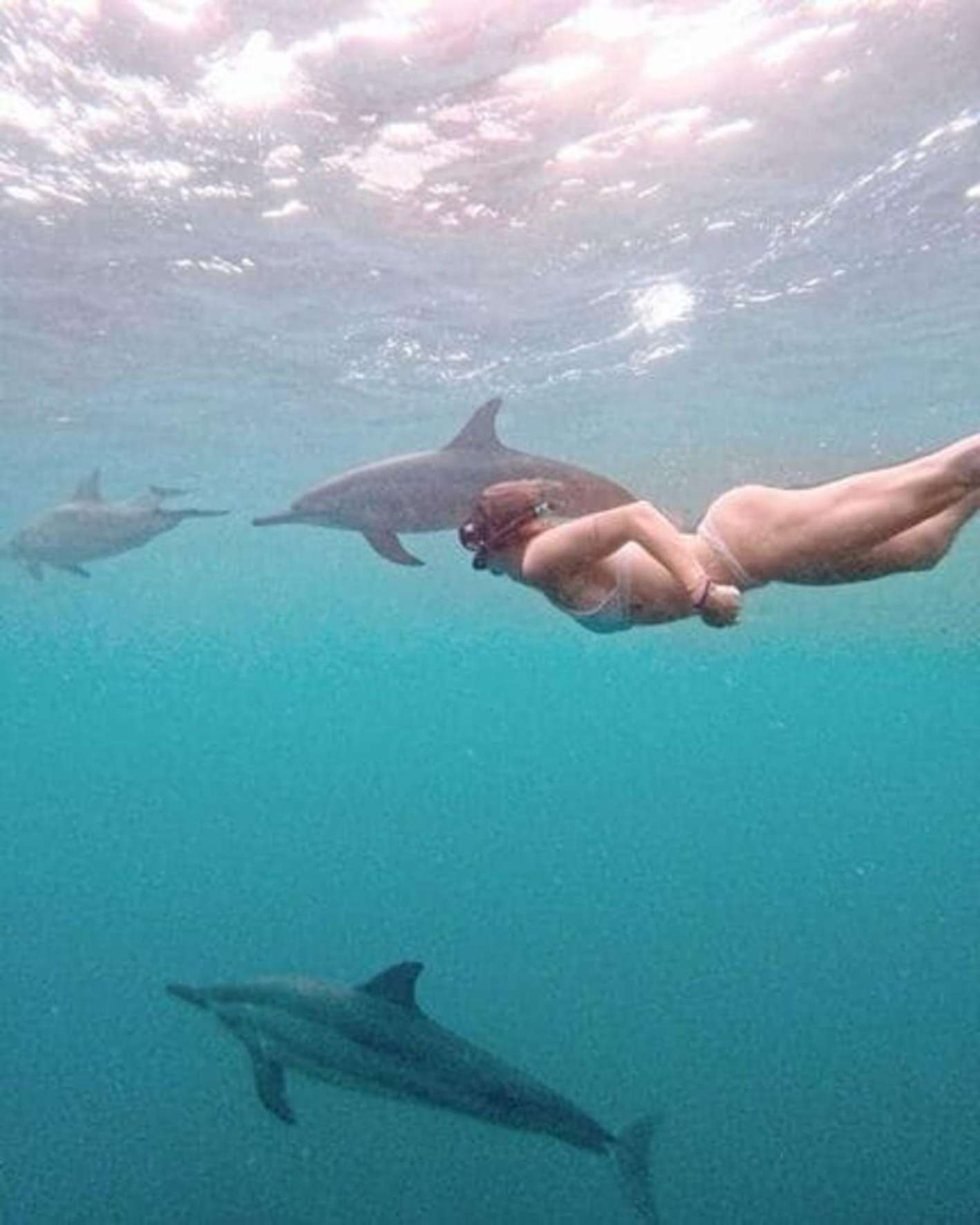
Wild green and hawksbill turtles graze the seagrass flats of Mauritius every morning, and the law lets you watch them only from a distance. Swimming with, touching or feeding a sea turtle is illegal under the Fisheries Act 2023, whatever your swimming ability.
Aim at the coasts where the odds are best: Pereybere first, then Trou aux Biches and Blue Bay. Enter between 7 am and 10 am on an incoming tide, before wind and boats stir the sand, and keep your kicks gentle near a feeding animal.
8 hours · ★ 5.0 (2)Private Dolphins, Sea Turtles & Île aux Bénitiers TourFrom $850 /group 2 hours · ★ 4.7 (39)Mauritius: Snorkeling with turtles Le Transporteur speedboatFrom $375 /group  9 hours · ★ 4.3 (188)5 Islands Speedboat with Snorkeling, Sea Turtles, Lunch & DrinksFrom $95 1.5 hours · ★ 4.2 (314)Mauritius: Sea Turtle Adventure and Coral Reef DiscoveryFrom $44
Resident sperm whales feed offshore every month of the year
Resident sperm whales feed off the west coast every month of the year, so there is no season to chase. They are watched from the boat only: swimming, diving or snorkeling with a whale is an offence, so no open-water fitness is asked of you.
Dawn charters leave between 6 am and 7 am from Black River, and the calmest water runs from October to April. Humpbacks pass between June and October. The whale is never guaranteed; the early alarm almost always pays.
Month by month: temperatures, visibility, wind and the cyclone window
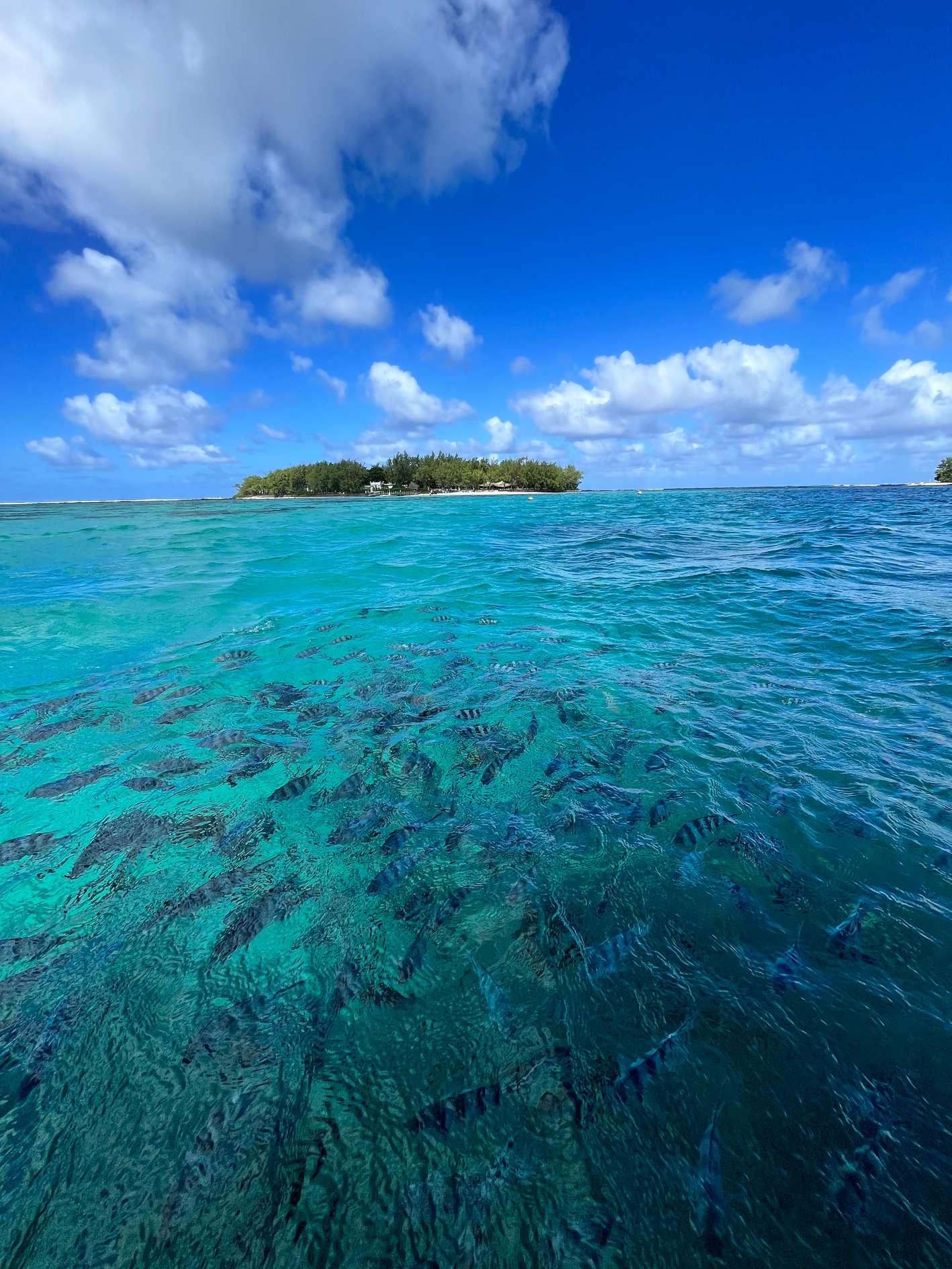
Water runs from 23°C in winter to 29°C in summer, and the clearest weeks are not the warm ones: peak visibility of twenty to thirty metres comes in September and October, when rain stays low and the trade winds ease.
October to December is the prime window, with March and April close behind. Cyclone season is January to March, though a direct hit lands only every four to five years. Every reef boat leaves in the morning, because the wind owns the afternoon.
The classic full-day cruise on the flattest water in Mauritius
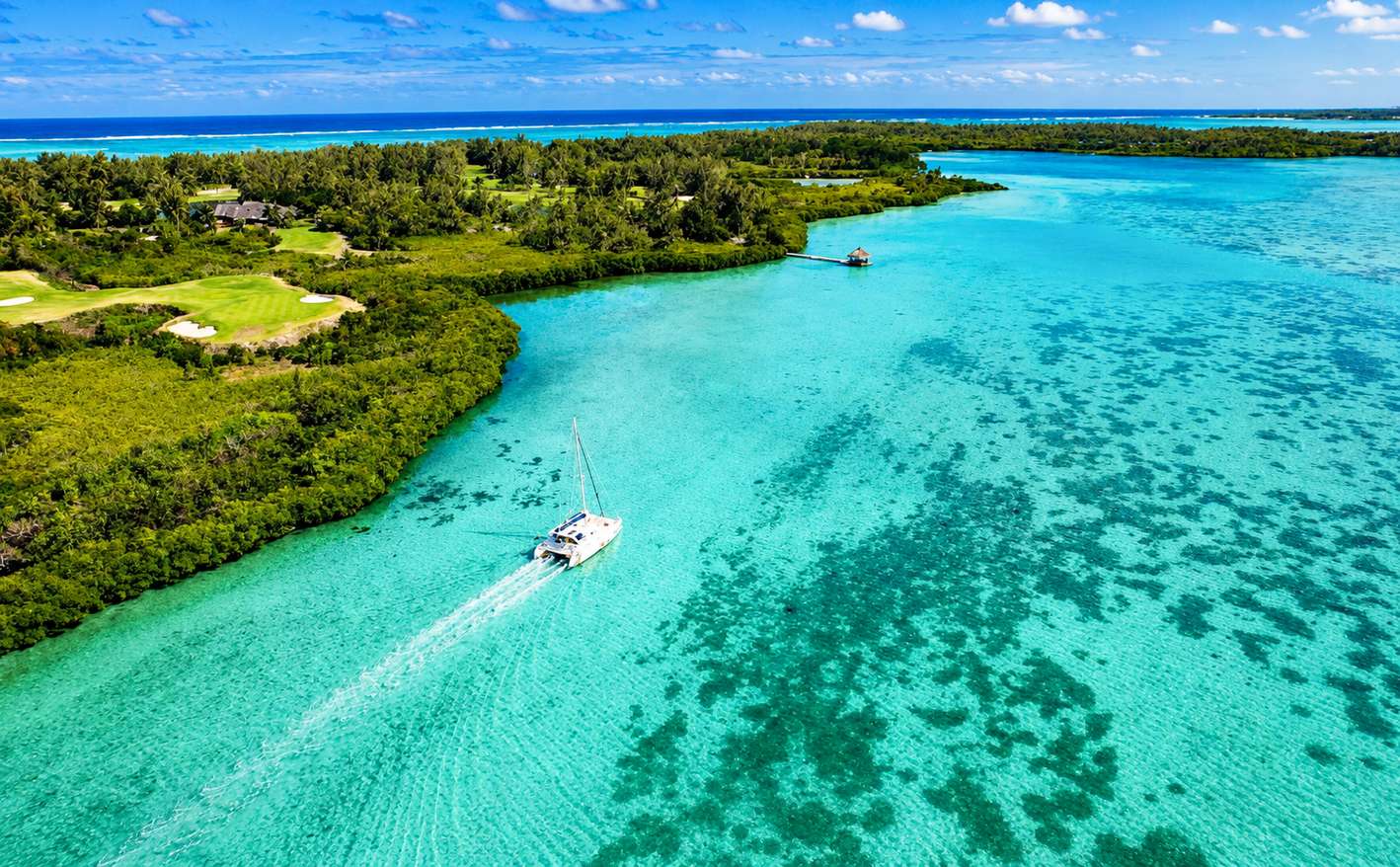
A full day on the east coast lagoon runs about seven hours, from a 9 am boarding at Trou d'Eau Douce to a mid-afternoon return. The twin-hull ride stays flat inside the reef even in windy months, which makes it the kindest crossing on the island for queasy stomachs.
Shared boats carry twenty to thirty-four guests and run lively, with a barbecue and an open bar; private charters buy the quiet version. Walk ten to twenty minutes from the jetties for quieter sand, since the main beaches fill between 11 am and 3 pm.
6 hours · ★ 5.0 (11)Île aux Cerfs: Private Catamaran Cruise with Gourmet LunchFrom $1,133 /group 7 hours · ★ 4.8 (869)Ile aux Cerfs Catamaran Cruise with BBQ Lunch & SnorkelingFrom $68  7 - 8 hours · ★ 4.7 (453)Mauritius: Ile aux Cerfs Catamaran, Waterfall & BBQ LunchFrom $62
 7 hours · ★ 4.6 (104)Mauritius: Ile aux Cerfs Catamaran Cruise, Waterfalls & BBQFrom $84
Ten minutes across the lagoon and half an hour more on the sand
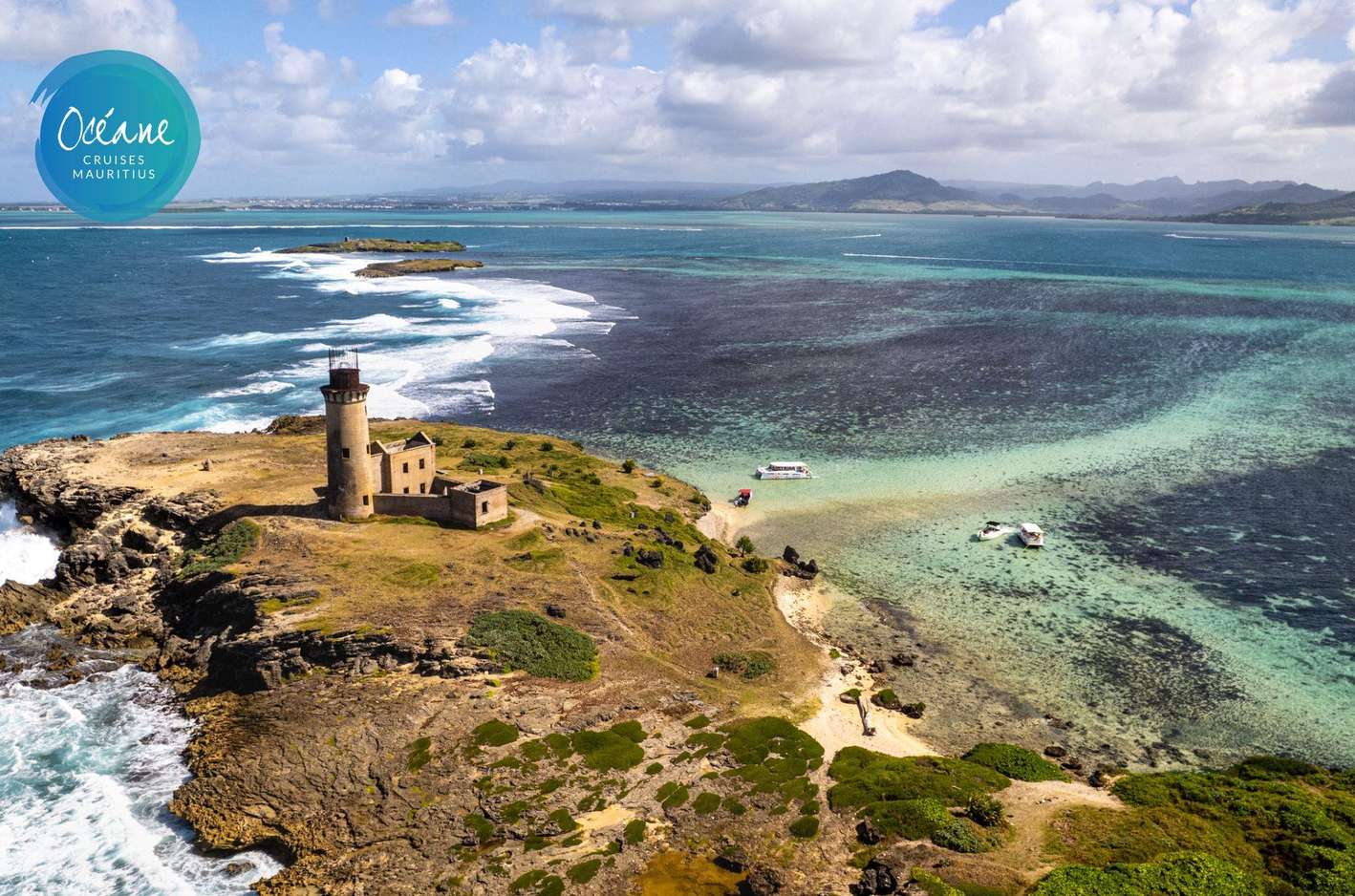
A speedboat crosses the Trou d'Eau Douce lagoon to Ile aux Cerfs in ten to fifteen minutes, a crossing a catamaran spends an hour sailing.
The fast boat banks thirty to fifty extra minutes each way, and it rides the river right up to the base of the Grand River South East falls, where big cats anchor out.
Shared boats carry six to eighteen passengers. Leave between 8:30 and 8:45 am to land on empty sand before the catamaran crowds disembark. The open east coast ride can be bumpy, so take a tablet if swells bother you.
6 hours · ★ 5.0 (3)Private Island-Hopping Cruise: 5 Islands, Waterfall & LunchFrom $738 /group 6 - 7 hours · ★ 4.7 (1,451)Trou d'Eau Douce: 5-Island Adventure with BBQ & SnorkelingFrom $95 9 hours · ★ 4.3 (188)5 Islands Speedboat with Snorkeling, Sea Turtles, Lunch & DrinksFrom $95 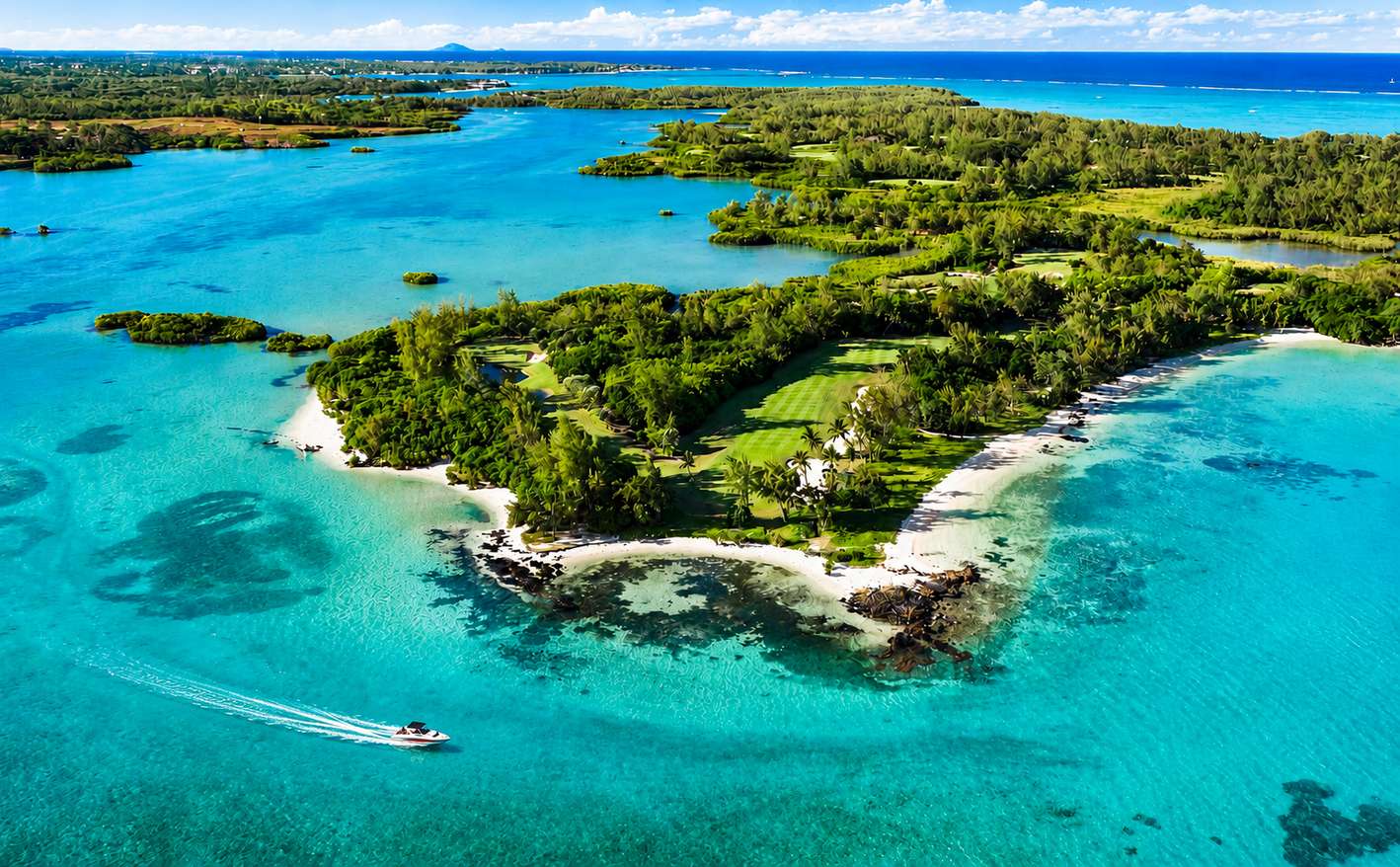 7 hours · ★ 4.3 (237)Mauritius: 5 Islands Speedboat Lagoon Experience with BBQFrom $74
The island before the ferries land, on a route your skipper bends to you
Leave between 8:30 and 8:45 am and you are on empty sand before the ferries start landing; the shores clear again after 3:30 pm. A private charter bends the whole day to your group: the waterfall at the spray zone, a quiet reef stop, lunch that fits you.
Masks, fins and life jackets come on board; bring reef shoes, a dry bag and a towel. Beaches are public by law up to the high-water mark, so privacy comes from timing, and a private boat is how you buy it.
turtles are look-don't-swim by law
The lagoon at Bel Ombre is calm enough for any swimmer, but the living coral sits a short boat ride away. Tide, wind and an early pickup decide how good your water day gets.
Bel Ombre's protected lagoon suits every ability, but the healthiest coral needs a short boat ride to the outer barrier reef.
Mid to high tide gives the clearest water; at low tide the shallows stir into silt.
Never swim toward the reef or the passes: channel currents there can pull even strong swimmers out to sea.
Trips serving the south collect you at your hotel lobby between 5:45 am and 6 am and confirm the driver by WhatsApp the night before.
October, November and April bring the calmest, clearest water; February and March carry cyclone risk that can suspend boat tours.
Stay inside the yellow buoy lines marking the designated swimming zone, keep off the reef passes even on calm days, and never snorkel alone; join an organised boat trip to reach the outer barrier reef safely.
The first morning sets the question: the water in front of the resorts is flat and inviting, and the sand is a two-minute walk from breakfast.
On calm days, yes, walk in. Rock and coral patches scattered through the sand hold fish, and the reef offshore keeps the whole lagoon quiet enough for swimmers of every ability.
The shallows have their limits, though. At low tide the lagoon becomes very shallow, leaving little room to swim over the patches without a fin brushing the bottom. And the truly healthy coral, the kind worth a whole morning, lives on the outer barrier reef, a short boat ride out past the swimming zone.
So the honest answer is both, split across two kinds of day. A shore day for easy water and casual fish, a boat day for the reef itself.
Coral around Mauritius is heavily bleached while the fish life stays active; expect clear lagoons and plenty of fish, with less coral colour than those headline destinations.
Much of the shoreline is broken coral rubble and stirred sand, so the best coral generally needs a short boat ride to the outer reef.
Two clocks decide your morning: the tide and the wind. Around mid to high tide, deeper water sits over the lagoon floor, so fins, swimmers and small chop cannot stir the sand, and visibility holds.
Drop toward low tide and the shallows bring the coral heads close to the surface, so any movement clouds the water around you.
The southeast trade winds shape the other half. The barrier reef shields the inner lagoon, so the water stays swimmable even through the windy stretch from June to October, though strong winds push currents across the lagoon and stir the shallows nearshore.
May: 2.8 windy days. Southeast trade winds strengthen and ocean swells rise against the outer reef, making high tide essential for clear water over the shallows.
Tap a month to read it.
December: calm sea on 10% of days. Early summer brings warmer water and lighter ocean chop, with prime snorkeling conditions around mid to high tide.
Tap a month to read it.
May: waves up to 2.8 m on an average day. Southeast trade winds strengthen and ocean swells rise against the outer reef, making high tide essential for clear water over the shallows.
Tap a month to read it.
August: 22.2 dry days. Drying winter weather brings sunny skies and persistent breezes, with optimal water clarity over coral and sand patches around high tide.
Tap a month to read it.
January: 192 mm of rain. Warm sea temperatures and high summer rainfall bring mostly sheltered lagoon conditions, though tropical rainstorms can briefly reduce visibility.
Tap a month to read it.
The month rows make the booking decision concrete. A windy run of days narrows your swimming to mornings and the most sheltered corners, while a calm stretch opens every morning for a shore swim. See where your own dates land before you commit.
Inside the yellow buoys, the lagoon is the easy water the brochures promise. Beyond them, the character changes fast. The channels and reef passes carry strong currents, and on a falling tide with swell running, a pass can pull a swimmer seaward faster than they can swim back.
The outer reef is a boat's job. The crossing from the sand is too far, boat traffic works those lanes, and breaking surf and sharp urchins guard the reef edge from anyone trying it alone.
Swimming toward the reef or the passes at Bel Ombre Channel currents there can pull even strong swimmers out to sea. Stay inside the buoyed swimming zones and leave the outer reef to a skipper.
Two scares deserve their honest answer. The underwater waterfall off Le Morne is an aerial illusion of sand sliding into deep water; from the surface you will not see it, and the reef opening near it generates strong seaward rip currents.
And sharks: dangerous attacks are practically non-existent around these reefs, and the small reef sharks snorkellers do spot on outer slopes are harmless.
Mask down, the lagoon gives its answer in small, busy strokes. Parrotfish scrape the coral. Sergeant majors hold their ground over the patches, and fusiliers move through in quick silver shoals. Seagrass beds and coral patches alternate across the floor, each with its own residents.
Go in with the right expectations and the swim delivers. Fish life stays active even where the coral has bleached, and the mix of habitats in one swim, sand, grass and coral, is what the Bel Ombre lagoon does well.
One line of law shapes every turtle moment. Swimming with, feeding or harassing sea turtles is illegal in Mauritian waters under the Fisheries Act, with penalties that reach imprisonment. A turtle grazing past your mask is a look-only sighting: drift beside it, keep your kicks gentle, and let it move on first.
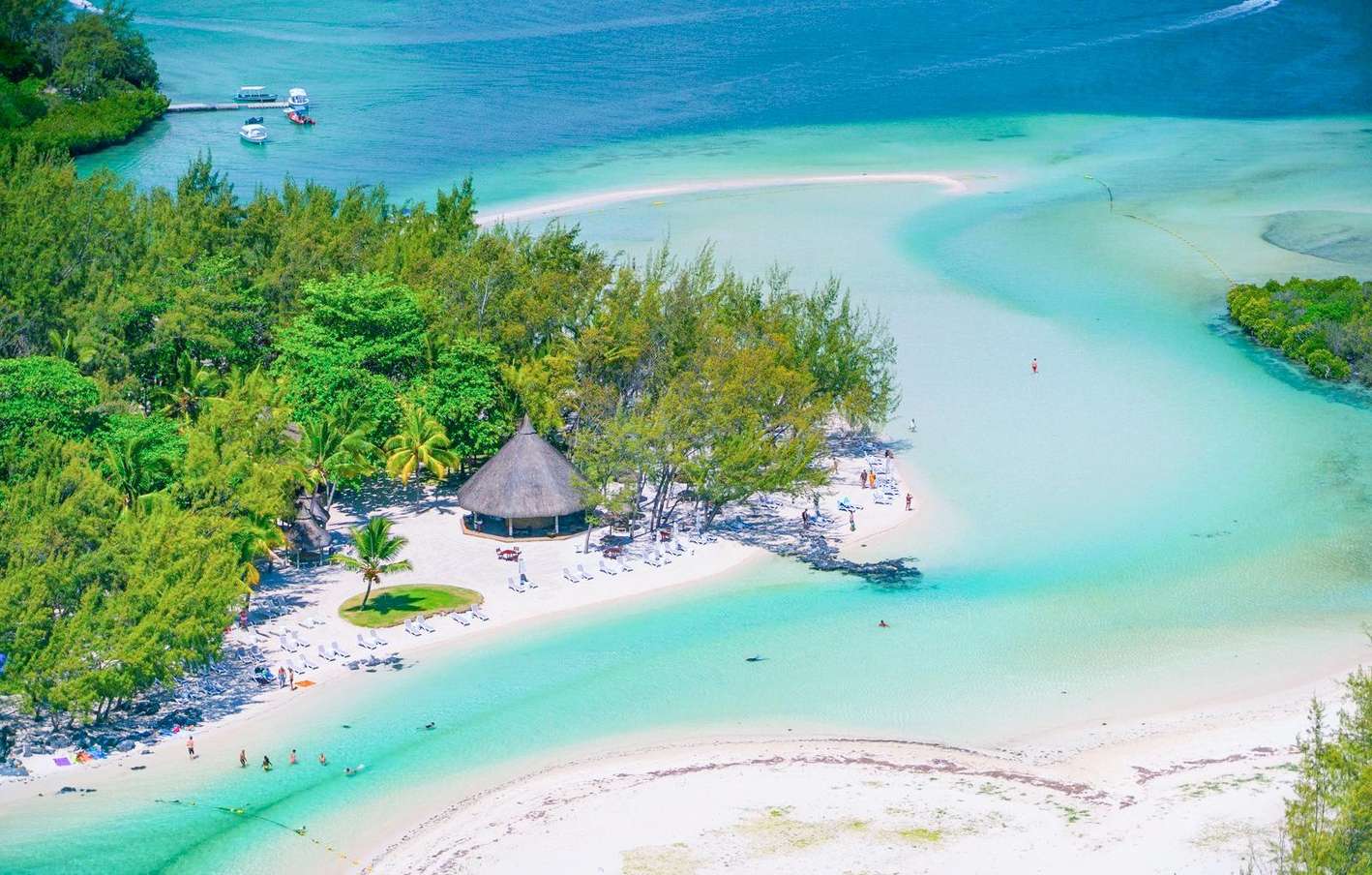
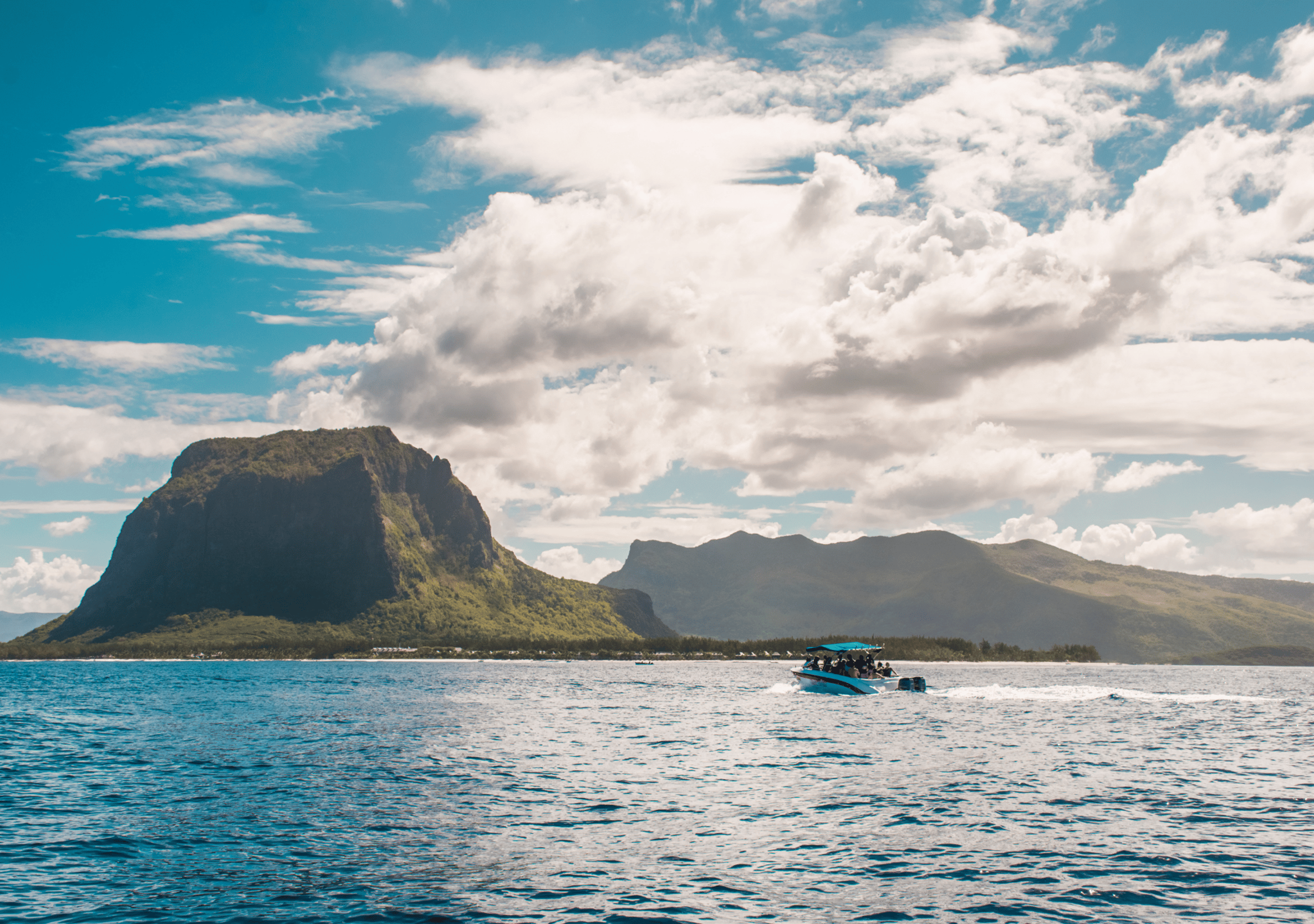
Three boats wait at the jetty, and each buys a different day. The catamaran trades speed for comfort: shaded lounges, deck trampolines, a steadier twin-hull ride, dedicated snorkel stops and a long lazy lunch.
The speedboat buys pace, reaching each beach and reef before the catamaran crowds arrive, with less room to spread out. The glass-bottom boat buys dry feet: coral and fish through a floor panel, built for non-swimmers and small children.
| Shared catamaran | Speedboat | Glass-bottom boat | |
|---|---|---|---|
| Speed and pace | Relaxed six-hour day | Fast, beats crowds to each stop | Slow, single purpose |
| Shade and space | Shaded lounge decks and trampolines | Less room to lounge | Small benches, tight legroom |
| Ride | Steadiest, resists rolling | More lively in open water | Slow and close to shore |
| Snorkeling | Dedicated reef and sandbank stops | Quick stops, more of them | Viewed from the panel, optional dip |
| Best for | Swimmers and non-swimmers alike | Confident swimmers chasing pace | Non-swimmers and young children |
Non-swimmers take the full catamaran day without compromise: deck, bar, coastline views, and the beach at the island stop. Nervous swimmers can ride the whole itinerary from a cushion.
For the easy default from the south, the shared catamaran out of Black River earns it: dolphins in Tamarin Bay, a snorkel stop at L'Harmonie or La Preneuse, Crystal Rock, and a BBQ lunch on deck across about six hours.
The logistics worry most southern guests carry is transport, and it dissolves on inspection. The west-coast marine trips launch from Tamarin Bay, about a 43-minute drive north of Bel Ombre, or from the yacht centre at Black River, about 34 minutes.
Operators serving Bel Ombre resorts run private taxis or air-conditioned shuttles that collect you at your own lobby between 5:45 am and 6 am for boats leaving around 7:30 am
The organised transfer row is the one that matters: a direct round trip from your resort lobby, with no parking and no bus timetable to chase.
The shorter run north reads the same way. Driving yourself down the B9 costs the best hour of the morning each way, and the public bus on this coast means transfers that eat most of a day. Drivers message the timing and vehicle details the evening before, so nobody waits in the dark guessing.
For a reef day closer to home, the Black River: Private Snorkeling La Preneuse & Le Morne trip runs two snorkel stops off La Preneuse and Le Morne for your group alone, with mask, fins and life jacket aboard.
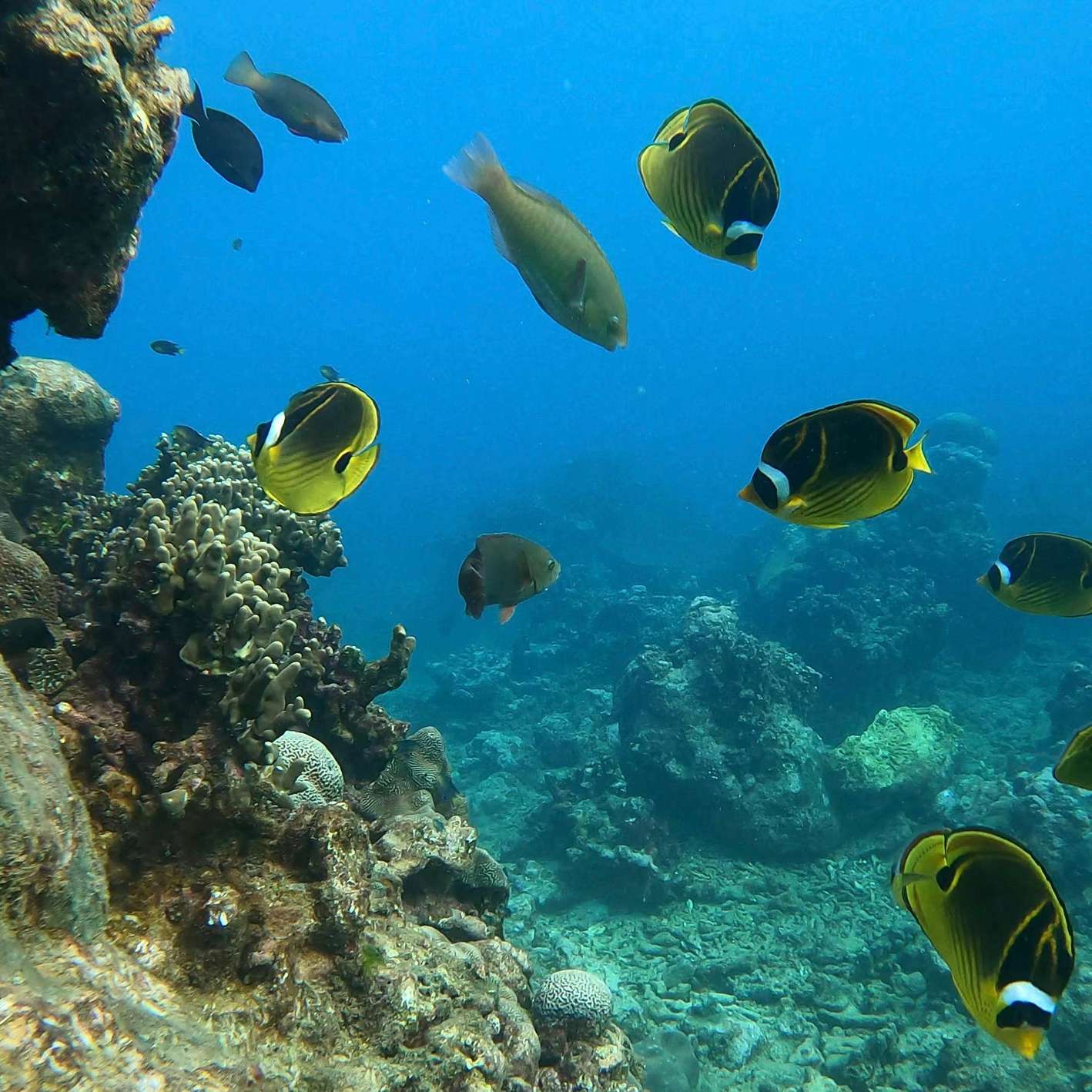
The day has a shape, and knowing it removes the last surprises. A knock or a message at the lobby well before six, a dark drive up the coast, and a jetty full of crews loading ice and boards.
The driver confirms details by WhatsApp the evening before
Early boats reach the dolphin bays before traffic builds
Crew meets you at the jetty for a 9:30 departure
The water is calmest and clearest before the wind picks up
Drinks run all afternoon on most cruises
Your dry clothes and the dry bag earn their place
Eat lightly before the open-water legs, and reply to that evening message so the driver finds you the first time.
The encounter everyone books, done properly, is a licensed affair, and the paperwork shows on the boat.
Commercial dolphin swimming requires a tourist enterprise licence, a certified skipper tested by the Tourism Authority, an approved propeller guard, a life-saver aboard, first aid and oxygen kits, and the Alpha flag flying while swimmers are in the water.
You sign a liability disclaimer and hear a briefing on calm, silent swimming before your first entry.
The rules in the water are just as firm. Boats keep a 50-metre prohibited zone around the pod and no more than three swimmers, including the life-saver, enter at a time.
Touching, chasing, circling or feeding the animals is prohibited, and crews that hold back and drop small buddy pairs are the ones doing it right.
| Check | Why it matters | Our pick |
|---|---|---|
| Licence and certified skipper | The law requires both for paid dolphin swims; it is the line between a legal trip and an illegal one | Runs with experienced, licensed crew |
| Safety kit and life-saver | Boats must carry a life-saver, first aid and oxygen kits, and the Alpha flag | Life jackets and safety equipment aboard |
| Swimmer limits | No more than three swimmers in the water at once, including the life-saver | Small groups dropped in rotation |
| Behaviour rules | No touching, chasing, feeding or encircling the pod | Crew does not chase or hunt dolphins |
| Where you swim | Deep open water outside the lagoon, requiring real fitness | Open-sea swim and snorkel with briefing |
Open-water fitness is the part nobody markets: you drop into deep sea and swim fast with fins to keep pace with the pod. Weak swimmers watch happily from the deck instead.
Match your dates to the sea before you pay the deposit. Across the island's sheltered coasts, October, November and April bring the calmest, clearest water of the year.
February and March sit in the cyclone window, the wettest months, when storms can legally suspend boat tours altogether.
The two pictures sit together like this: the month rows for Bel Ombre count wind and wave days at this one beach, where the barrier reef keeps the lagoon swimmable even in the windy season, while the island-wide figures count calm-sea shares across the sheltered coasts as a whole.
| If this happens | What happens then |
|---|---|
| A cyclone warning is issued | Operators suspend boat tours by law until it lifts |
| Rough sea or unsafe conditions | The skipper adjusts the route or cancels for safety, with a full refund offered on cancellation |
| The pickup message arrives late | The driver coordinates the next morning's timing by WhatsApp |
| You feel unwell on the open water | Crews handle the swells skillfully; motion sickness tablets and a windbreaker help before you board |
Bad weather rarely means a lost day. Operators reschedule or reroute readily, and crews keep the mood up through wind and showers. A spare morning absorbs almost any reshuffle.
The packing happens the night before, on the bed, against the morning's timetable. Swimwear goes on under your clothes before the pickup, because changing space on a boat is a towel and good intentions. The boat supplies masks, snorkels, life jackets and lunch; it does not supply your personal kit.
Reef-safe high-SPF sunscreen, a wide-brim hat with a chin strap and polarised sunglasses on a retainer handle the equatorial sun on an open deck.
A light windproof jacket earns its place on the breezy open-water crossings, a towel and a change of dry clothes round out the bag, and a roll-top dry bag keeps the phone alive through the spray.
Reef shoes cover the rest: entries over coral fragments, urchins in the shallows and rocky patches that chew bare feet.
The last afternoon asks no boat. The same calm lagoon that shields snorkelers makes Bel Ombre a natural paddling and paddleboarding stretch, and the steady southeast trade winds that stir the water have made this coast a kitesurfing and windsurfing stronghold. Dolphin watching, big-game fishing, scuba diving and glass-bottom trips all launch close by.
On shore, the short drive list reads well: Le Morne Brabant under its mountain, Black River Gorges National Park, and Ebony Forest for the island's restored native woodland.
For native wildlife, book the reserves instead of relying on luck. Fruit bats fill the dusk sky without any booking at all; the endemic birds and reptiles live mostly inside managed reserves such as Bel Ombre's own, and guided visits work best when booked directly through the conservation foundations rather than the hotel desk.
Skip the commercial wildlife parks if authentic fauna is the goal.
Bel Ombre snorkeling rewards two kinds of day: an easy walk-in swim over sand and coral patches at mid to high tide, and a boat morning to the outer reef with a skipper who knows the passes. Stay inside the buoys from the shore, take the organised pickup, and go early.
boat crews message your driver by whatsapp the evening before
West coast dolphin trips, including the boats that leave closest to Bel Ombre, and how encounters are run.

If you want to slip into the water beside wild dolphins, the encounter rules and swim tips are here.
Tamarin Bay is where most dolphin boats launch north of Bel Ombre; this page explains the morning trips.
Thinking of adding whales to your day at sea? See how the combined dolphin and whale tours work.
Dolphins rest in the western bays at first light, so an early departure changes what you see.
A boat of your own suits Bel Ombre well, where fewer operators run quieter trips; compare charters here.
For a full day of sailing with reef stops and lunch, see how catamaran snorkeling days are organised.

Full-day catamaran cruises reach islands and reefs you cannot swim to; find the routes and what to pack.
low tide = shallow and cloudy
Quick answers on the lagoon, the reef, sharks, and how the boat pickups from your hotel work.
La Gaulette2026Yes, you can swim out from Bel Ombre Beach on calm days, especially around the spots where rocks and coral sit in the sand. At low tide the lagoon becomes very shallow and leaves little room to snorkel comfortably, so time it around higher water.
Around mid to high tide, when deeper water keeps stirred-up sand away from your mask. At low tide the lagoon is so shallow that wading and small chop cloud the nearshore water with silt.
The barrier reef keeps the inner lagoon calm even when the trade winds blow. Only during peak winds and big offshore swells from June through October do downwind currents push across the lagoon and stir the water.
The lagoon holds corals and sea grass with parrotfish, sergeant majors, and fusiliers. Reaching richer coral means a short boat ride out to the barrier reef rather than swimming from resort sand.
The lagoons stay shallow behind the fringing reef, and large shark species do not usually enter them. Reef sharks you might see on outer slopes, like blacktips and whitetips, are not aggressive toward humans.
Most west coast trips launch from Tamarin Bay, about 43 minutes north by car, or from the yacht centre in Black River, about 34 minutes away. With a pickup option you ride in a taxi or shuttle and skip the drive entirely.
Drivers collect you from your hotel lobby between 5:45 am and 6 am for 7:30 am boat departures. The afternoon or evening before, the driver confirms timing and vehicle details with you by WhatsApp.
Yes. Excursions from the Bel Ombre and Le Morne area are run by fewer operators and usually arranged through local resorts, so the southern reefs see fewer boats and divers, with visibility that can be excellent.
The resort nautical centres run organized snorkeling and glass-bottom boat outings. Some resorts, like one on the Bel Ombre coast, offer complimentary snorkeling to their guests, so ask at your hotel first.
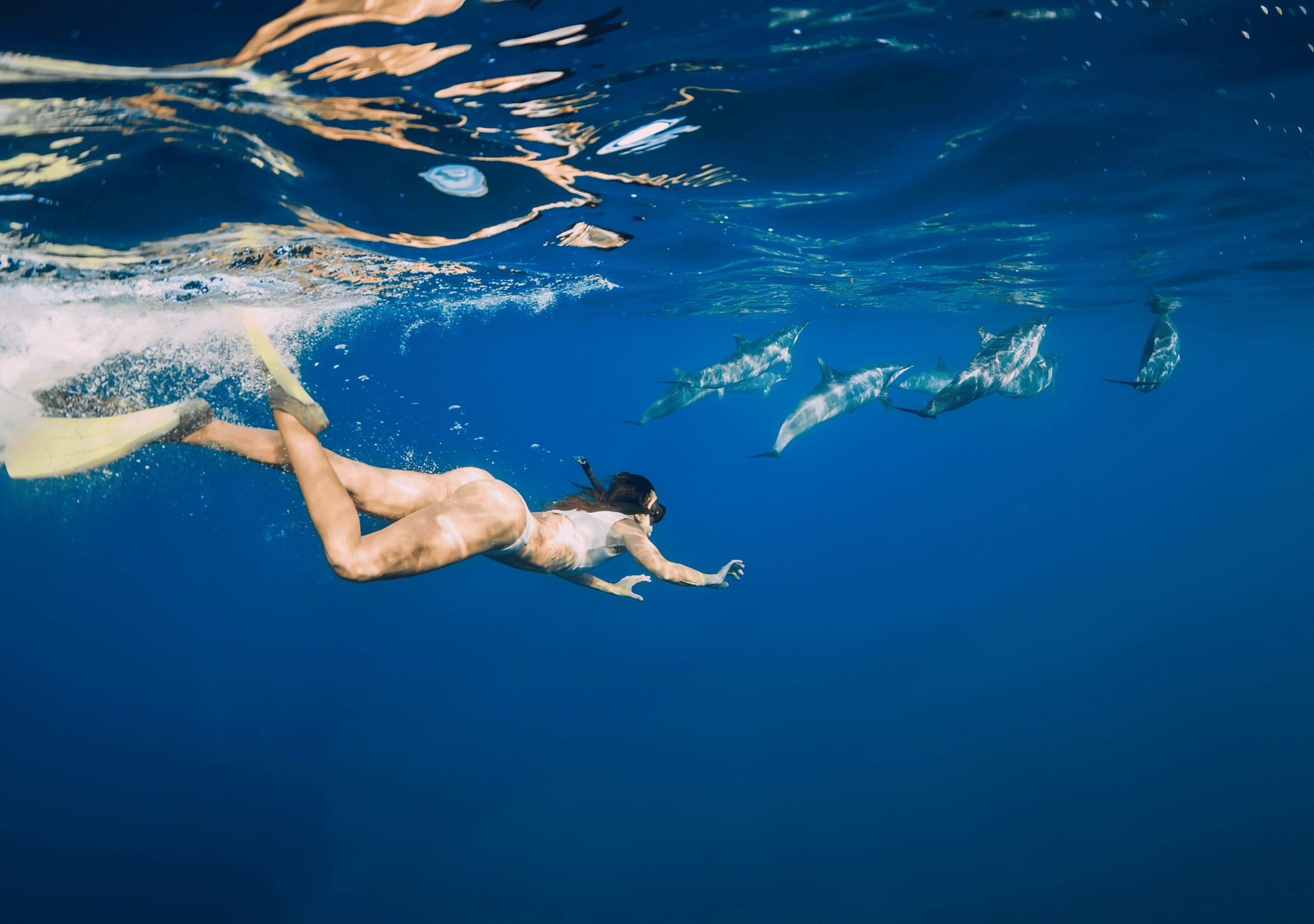
dolphins rest in tamarin bay till mid-morning
Hotel pickup at 6 am from your Bel Ombre lobby, a speedboat to Tamarin Bay for dolphins and Crystal Rock, and free cancellation up to 24 hours before.
