
7 hours·English, French
5.0(5)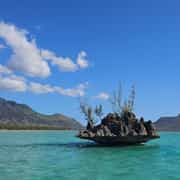
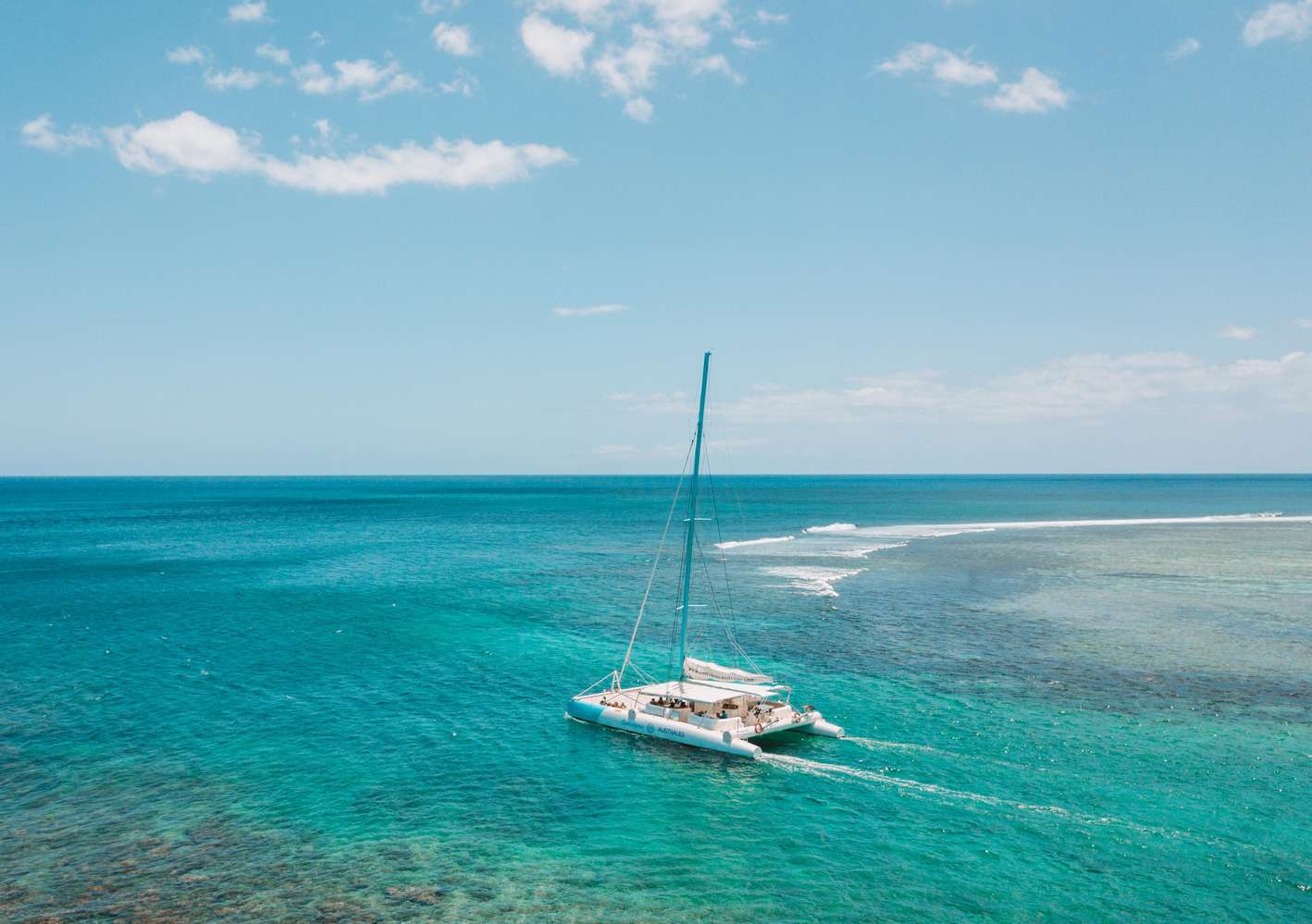
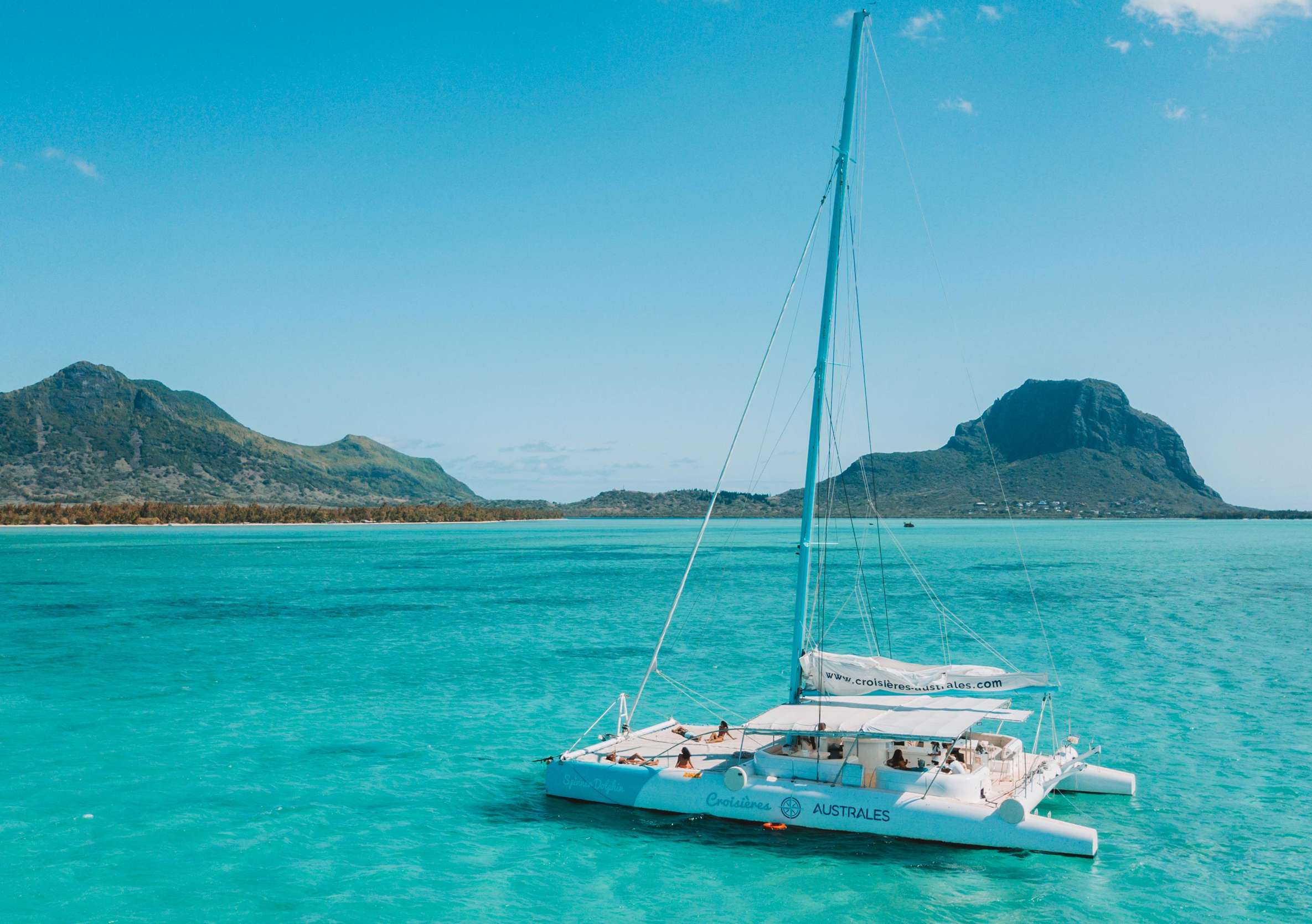
Private Île aux Bénitiers Boat: Dolphin Snorkeling & Lobster
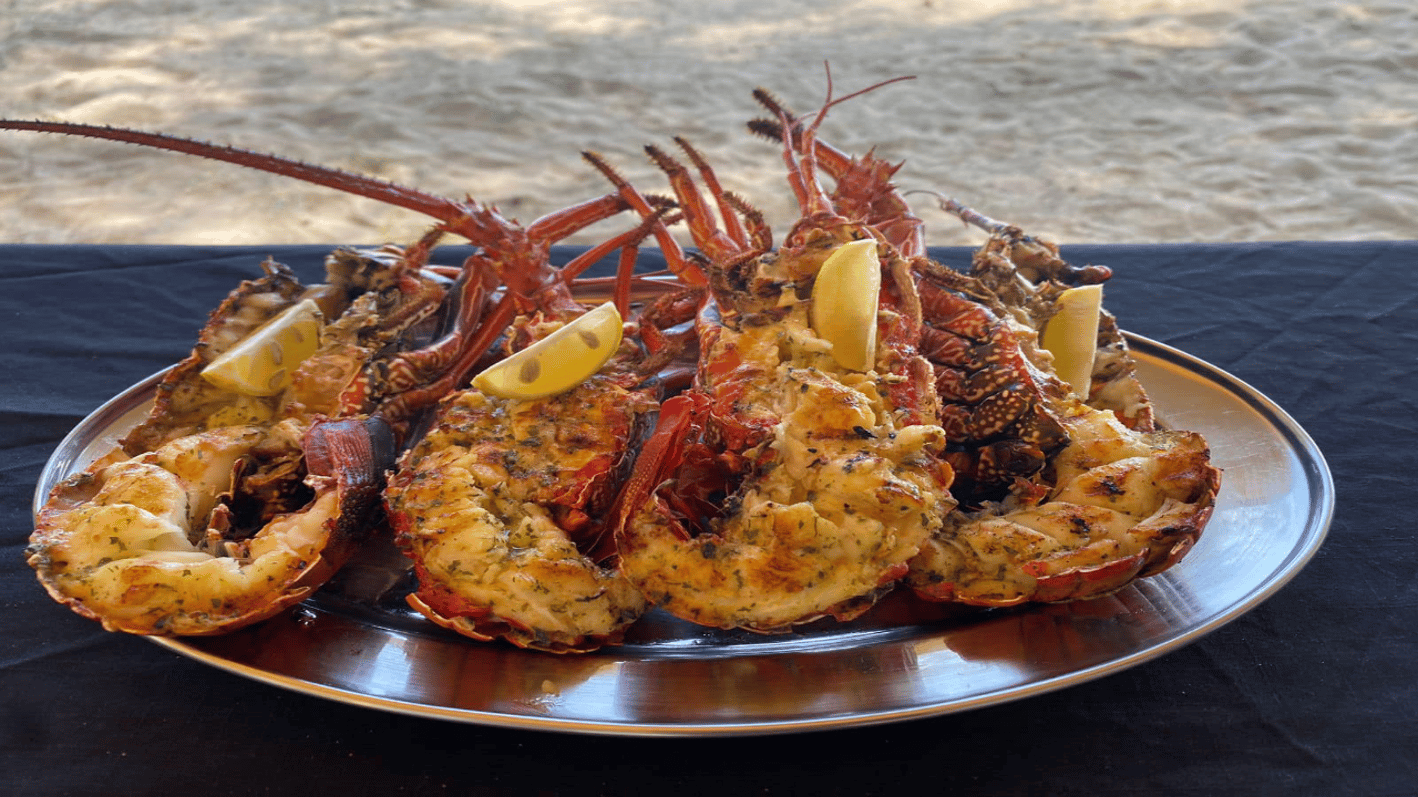
Free cancellationBBQ Lunch with LobsterBottled water upon arrival

Book a dolphin watching trip in Mauritius where the pods come first - licensed skippers keep a respectful distance and never chase the animals. Travelers rate the west coast boats 4.7. Pick a shared speedboat or a full-day catamaran and swim with wild spinner dolphins.
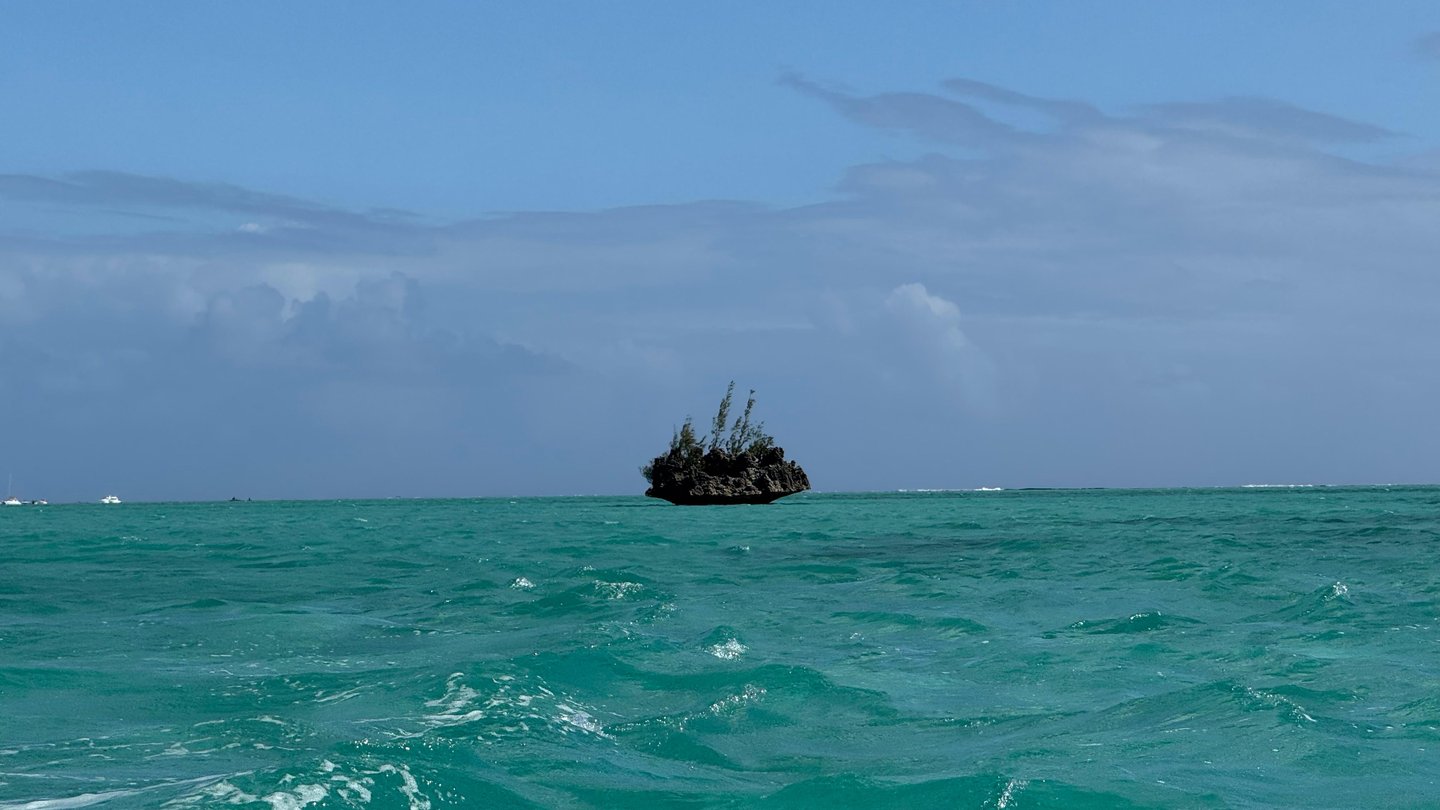
"Started a bit late, then a superbly organized day. Professional, friendly crew, dolphins (lots of boats nearby), Crystal Rock, plentiful food, all drinks included, plus beach time to relax. Lovely trip!"
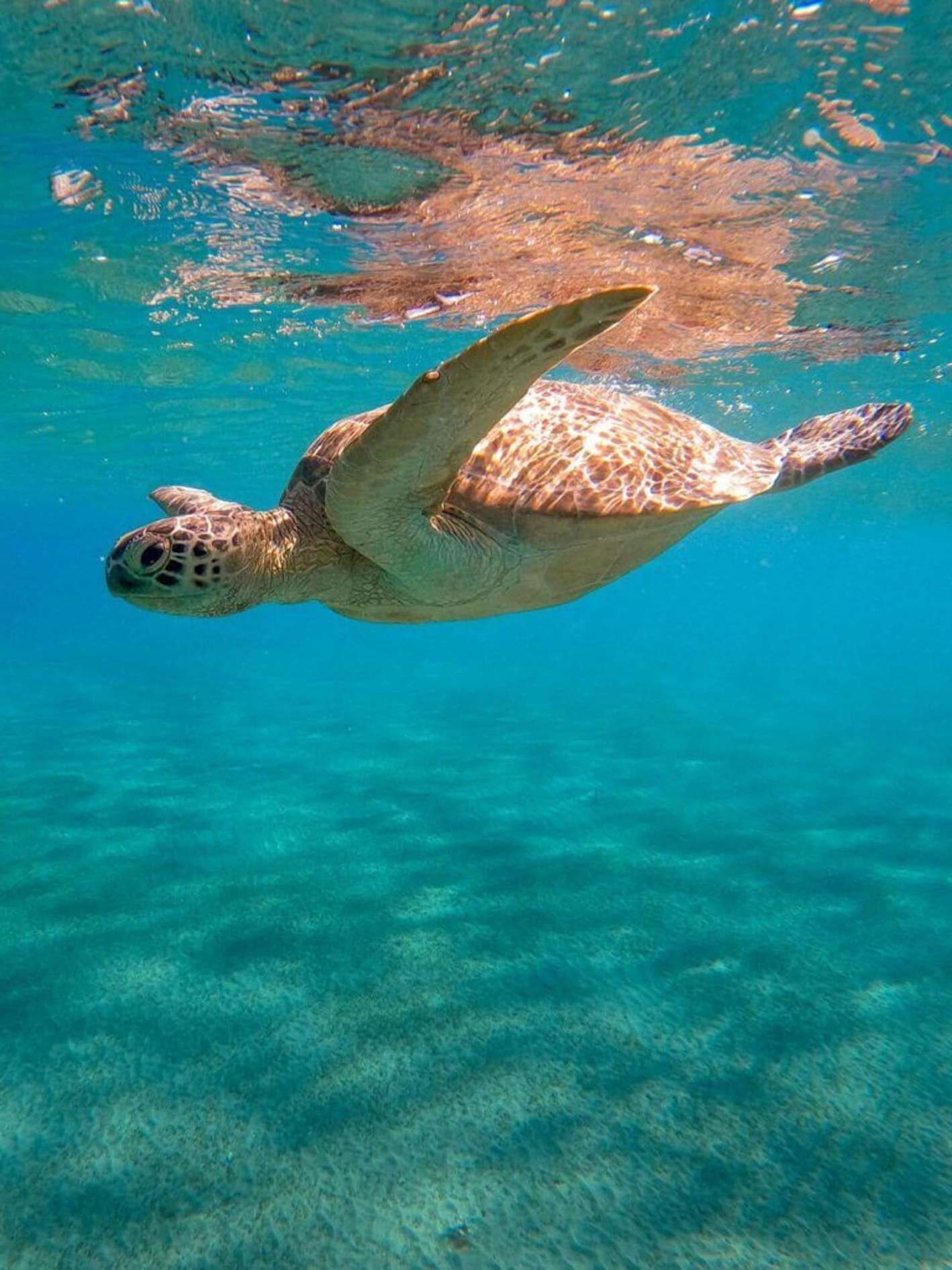
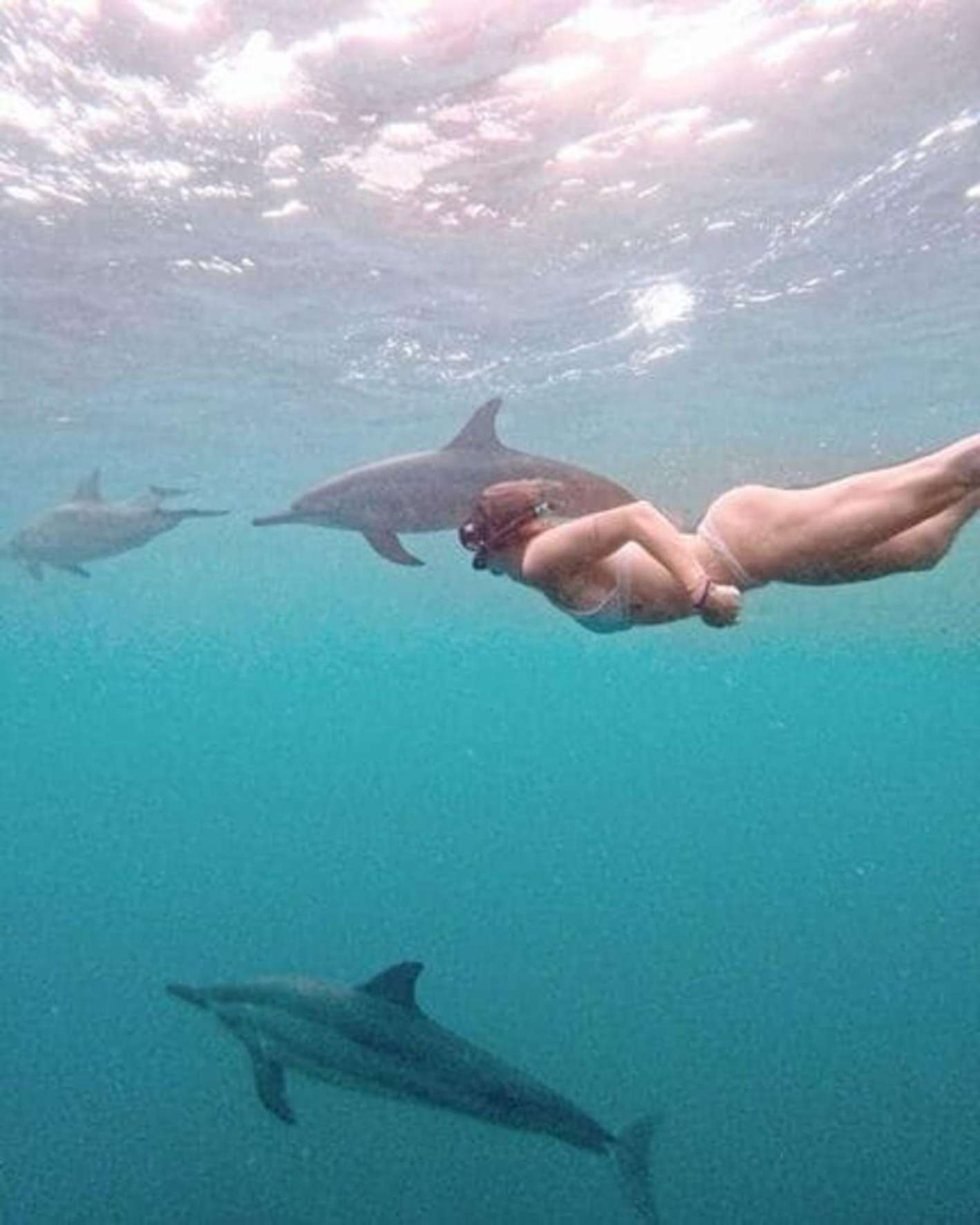
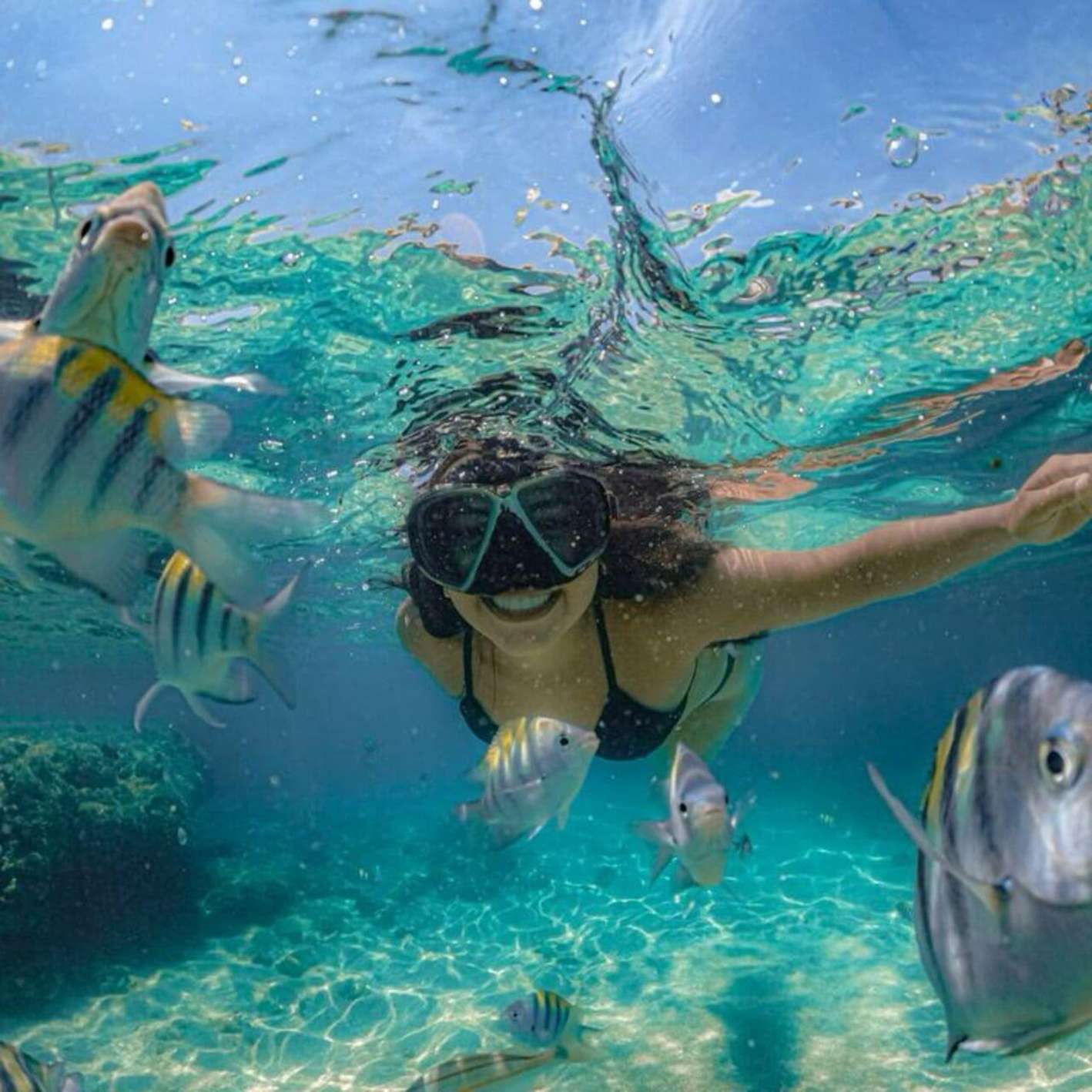


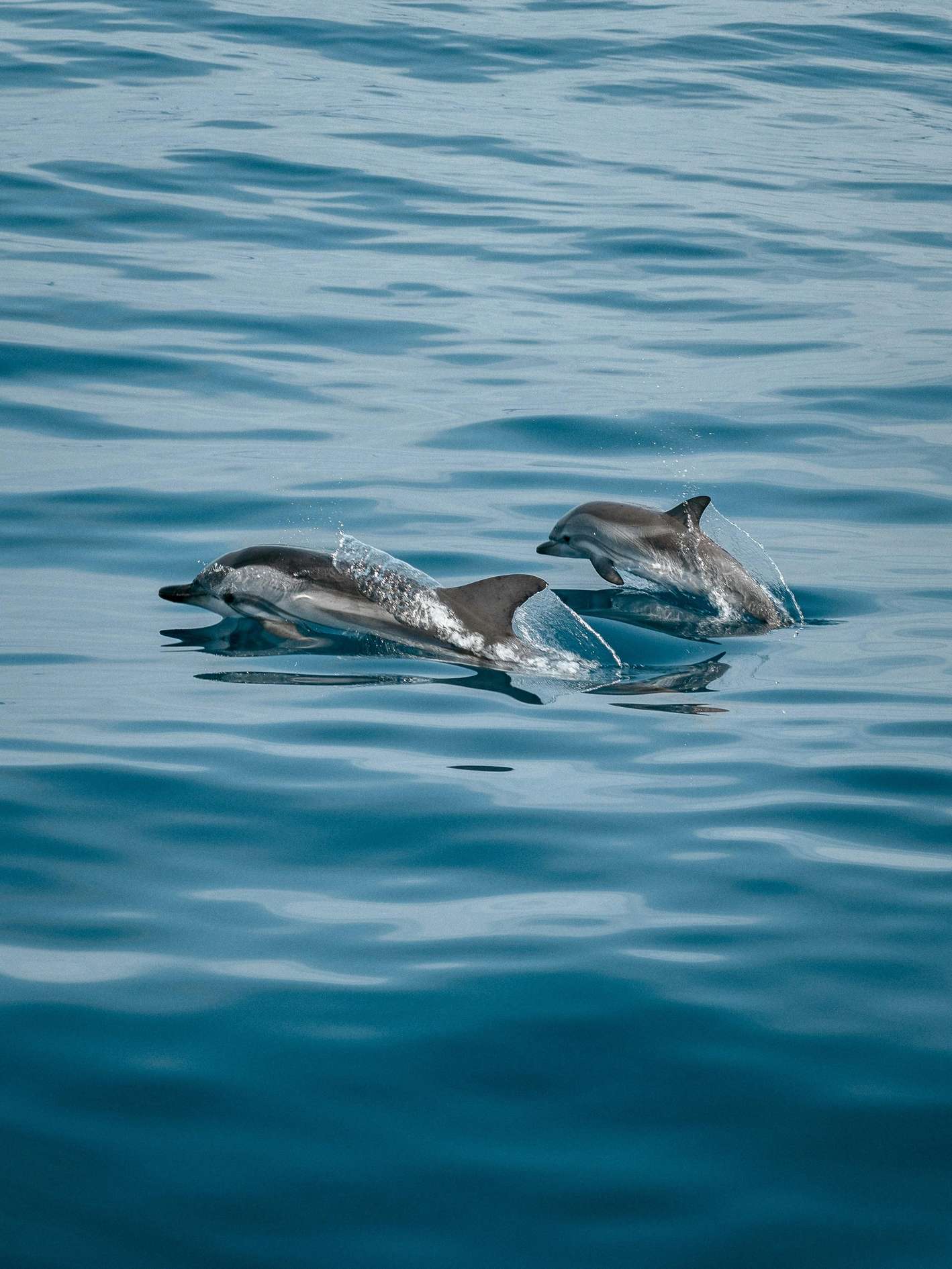
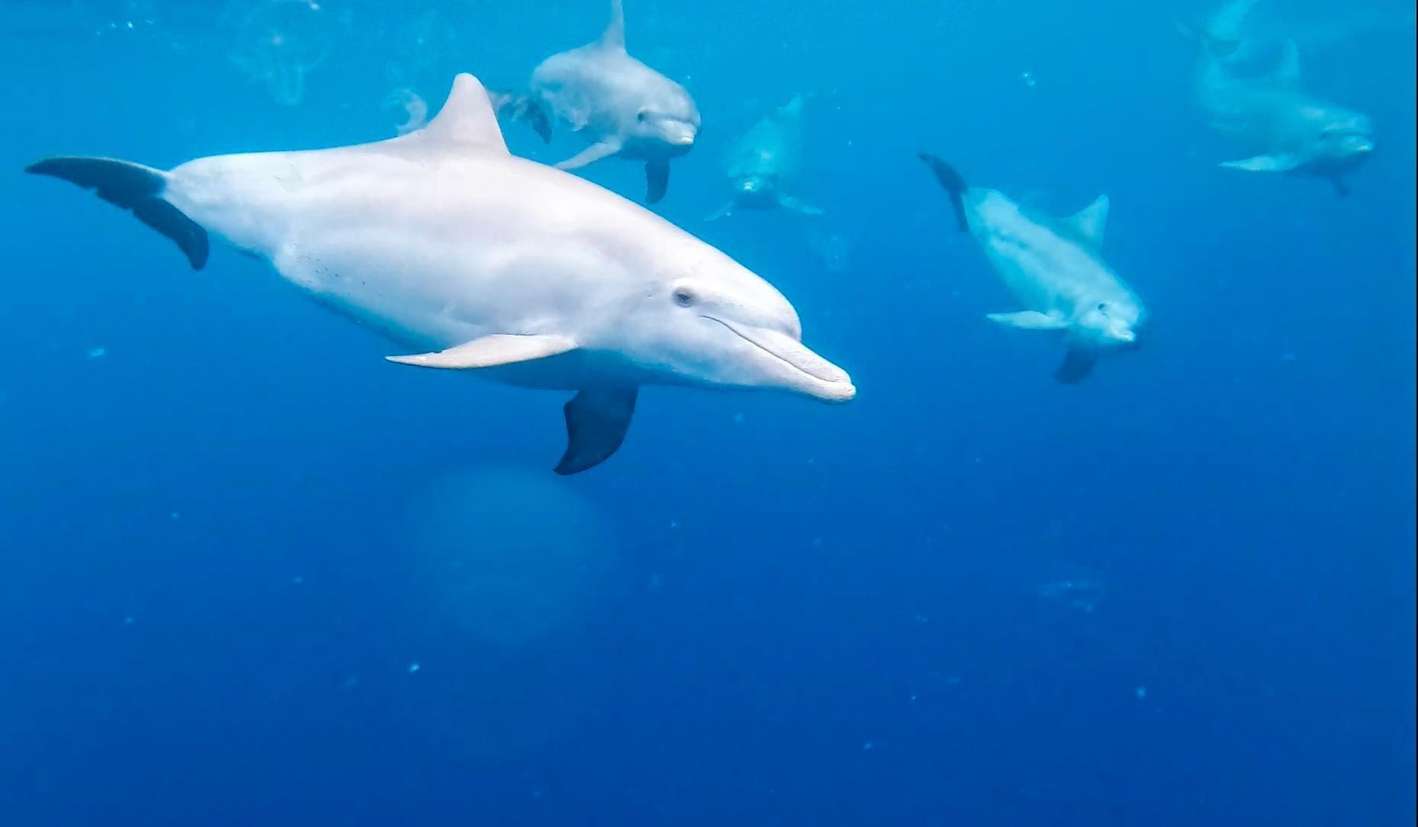

How a legal, ethical dolphin swim works in Mauritius, with speedboat tours that put you in the water.
Read the guide
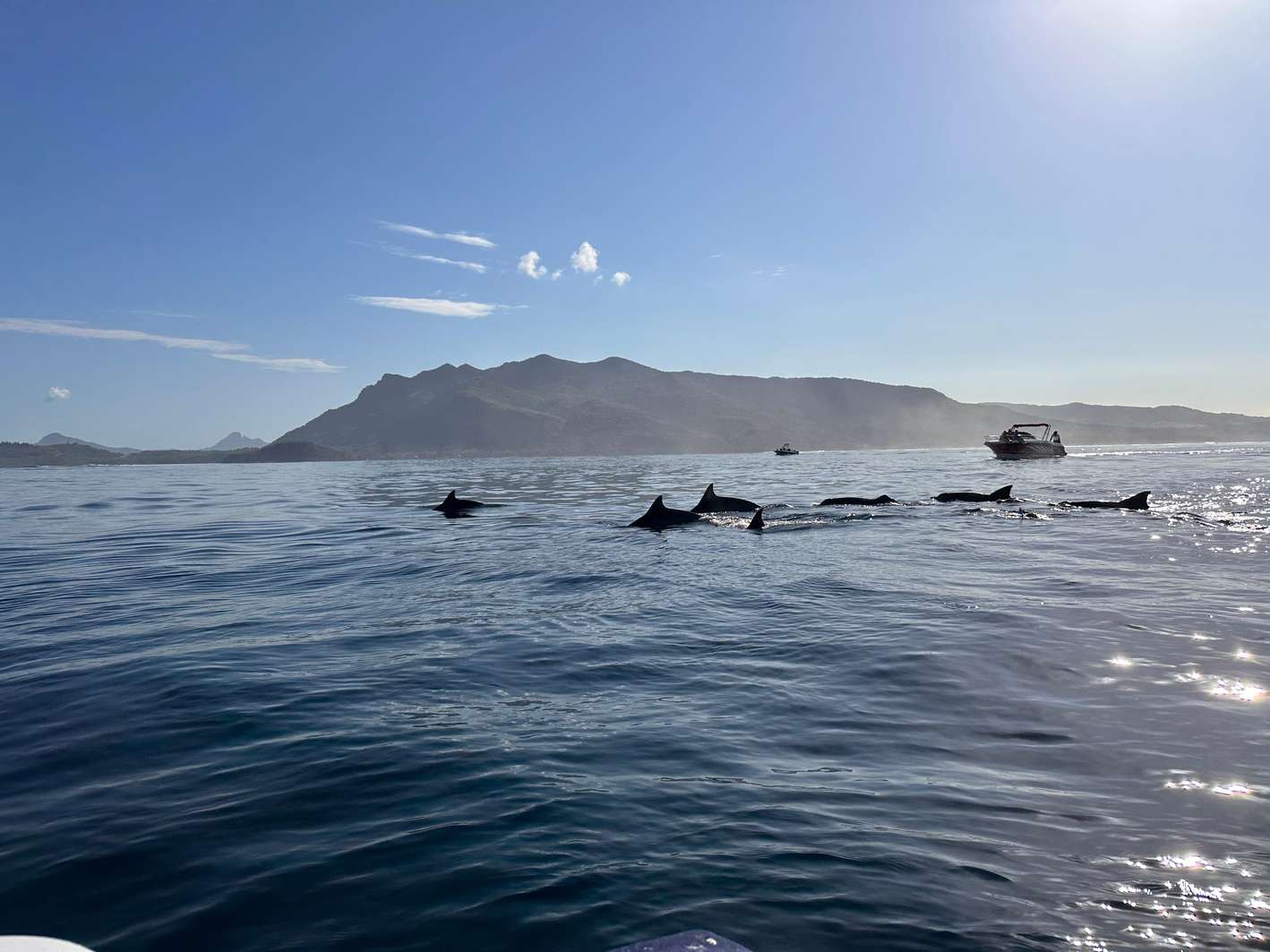
Speedboats and catamarans leaving from Tamarin Bay itself, minutes from where the pods gather.
Read the guide
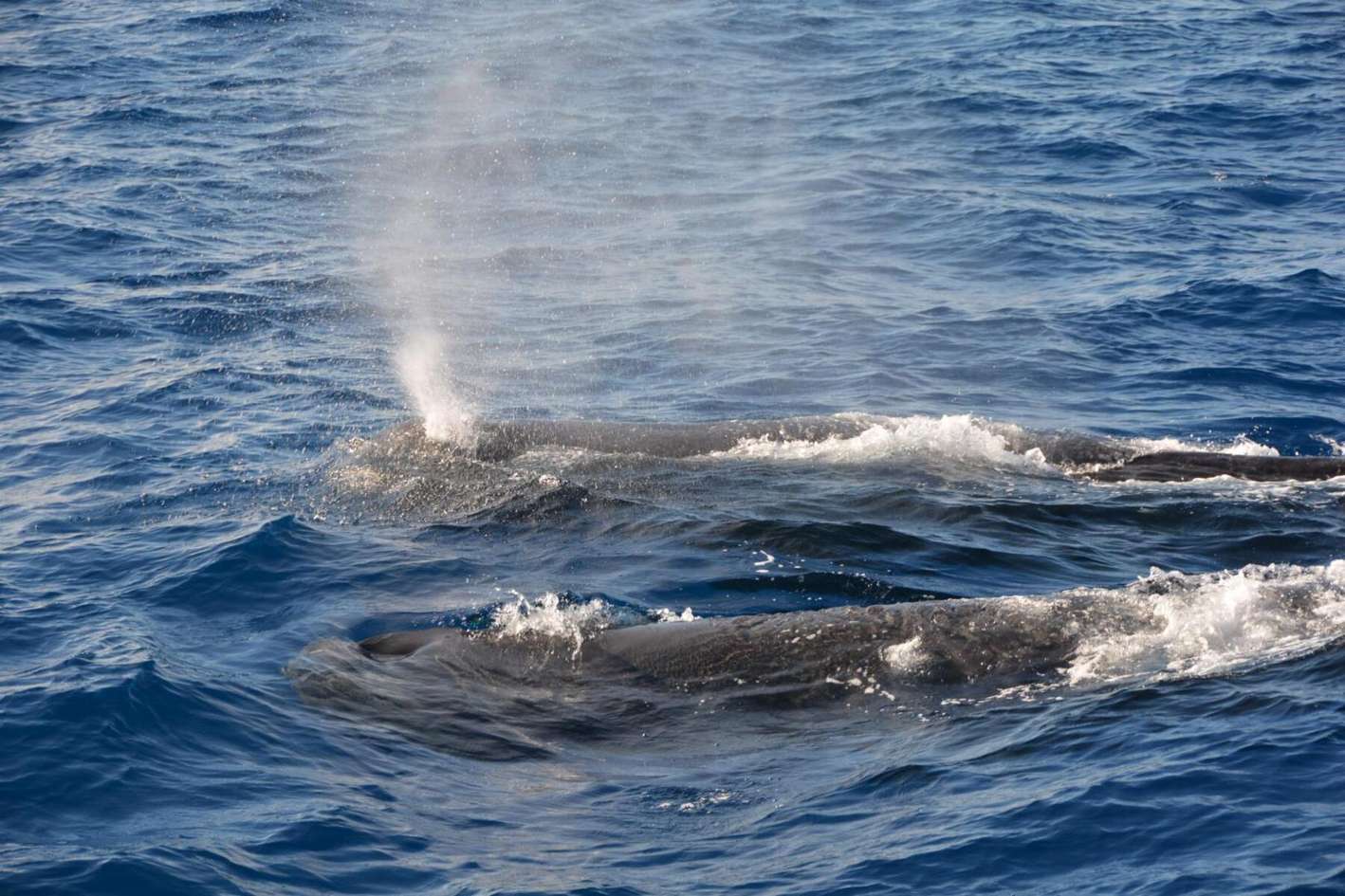
One charter that adds sperm whales and, in season, humpbacks to a dolphin morning.
Read the guide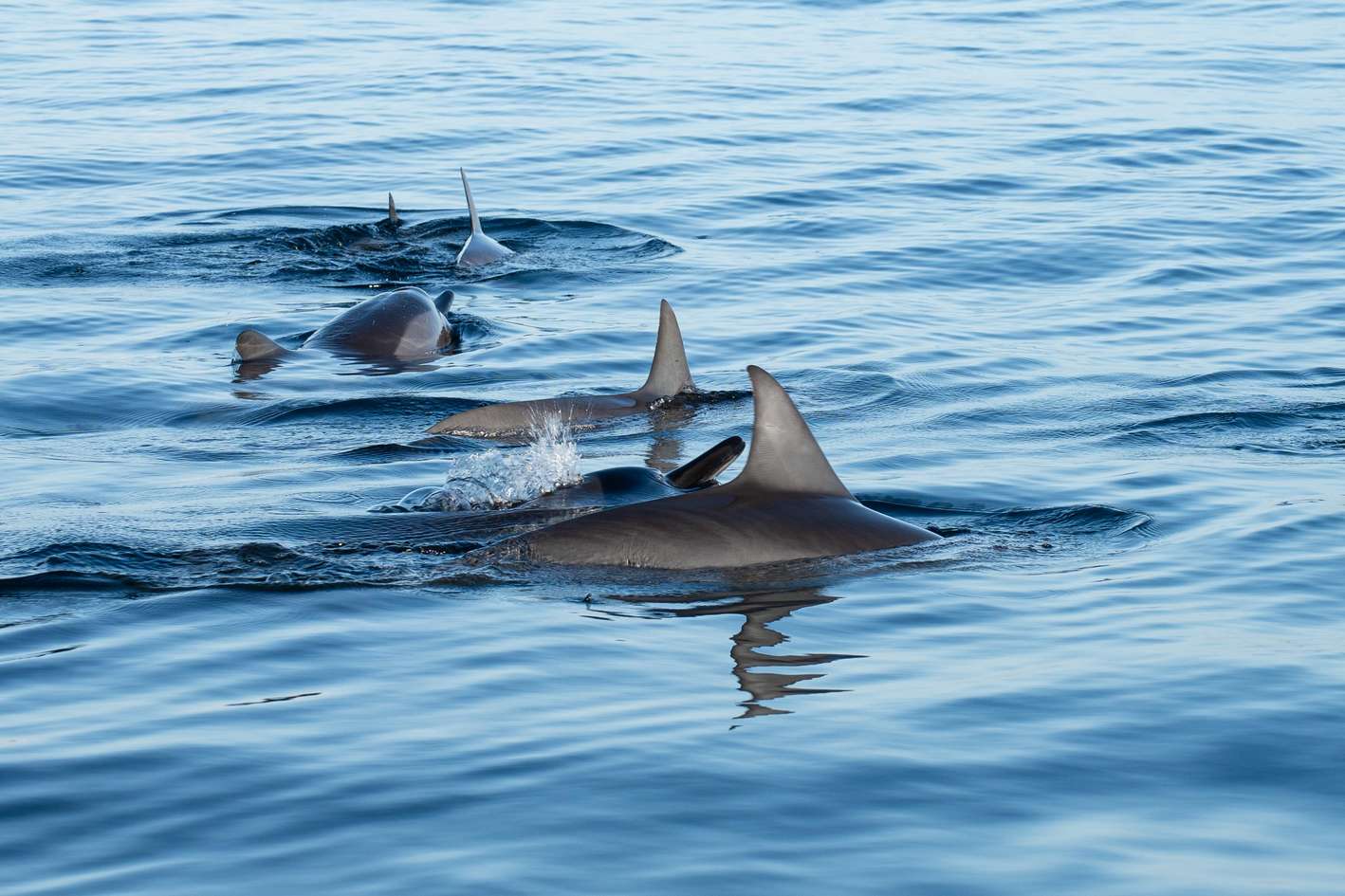
Sunrise launches between 6 and 7 am that reach the pods before the crowds do.
Read the guideThese four pages each take one side of the same morning out west. Read the one that matches how you want to meet the animals.
The rulebook for getting in the water, plus bookable swims
Swimming with wild dolphins is legal in Mauritius, and the rules are written down. Skippers need a Tourism Authority licence, a certified life-saver and an oxygen kit on board. Swimmers sign a disclaimer, get briefed on calm, silent swimming, and enter the water in small groups of no more than three, life-saver included.
The law gives swim-with trips a morning window from 6 am to 9 am; boats that only watch can stay out later. Touching or feeding the animals is never allowed.
This page walks you through all of it, from what the briefing sounds like to which speedboat suits your swimming level. Start here if the legal side is what has been holding you back.
7 hours · ★ 5.0 (5)Private Île aux Bénitiers Boat: Dolphin Snorkeling & LobsterFrom $738 /group 8 hours · ★ 5.0 (2)Private Dolphins, Sea Turtles & Île aux Bénitiers TourFrom $850 /group 2 hours · ★ 4.9 (151)Mauritius Le Morne: Wild Dolphin Watching & SwimmingFrom $331 /group 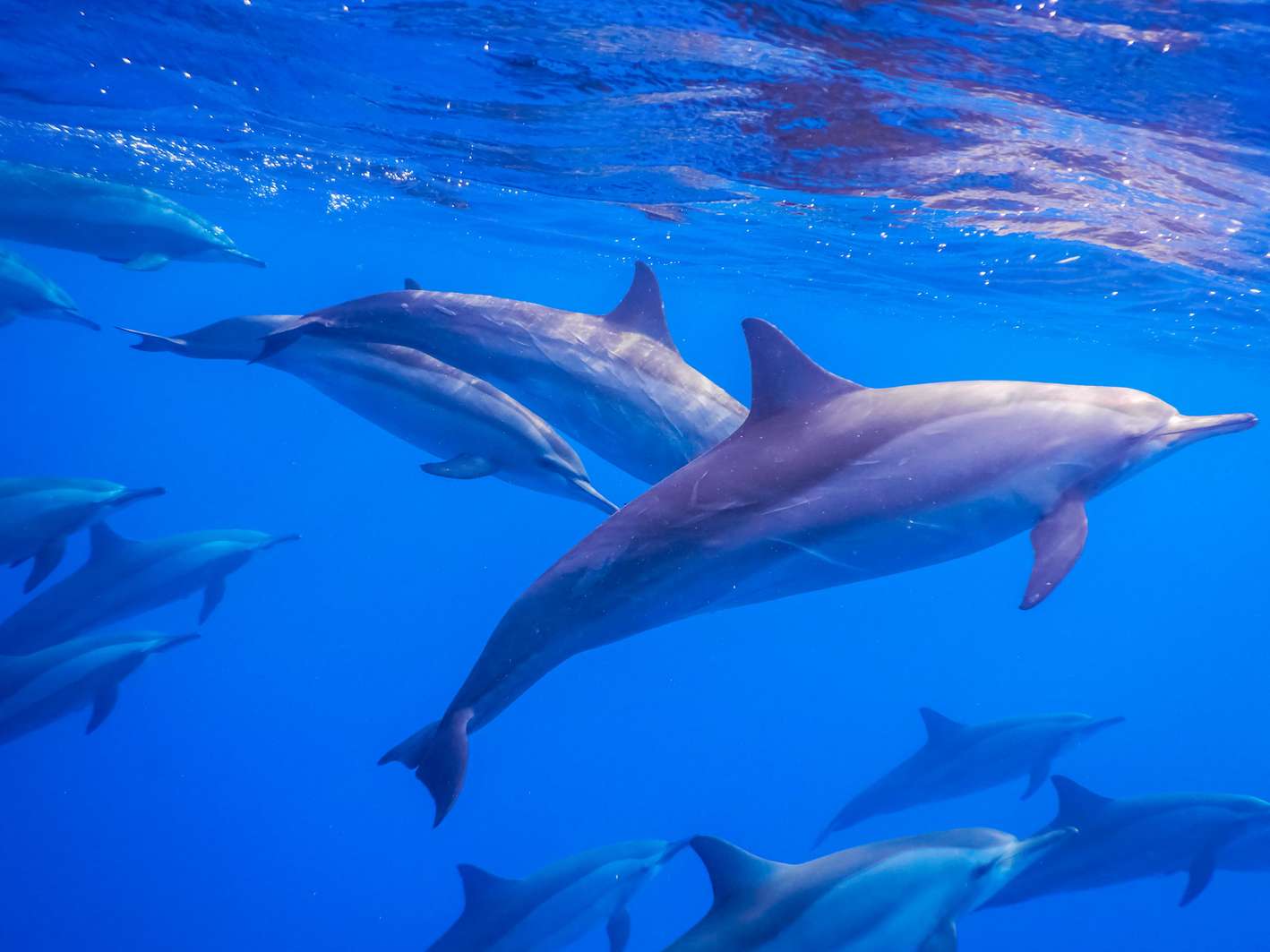 2 - 6 hours · ★ 4.7 (237)Dolphin Watching with Hotel Pickup (Mauritius)From $61 /group
Departures where the resident pods rest every morning
Tamarin Bay is the heart of it. Spinner dolphins in pods of 20 to 40 and small groups of bottlenose rest in the shallows after feeding offshore at night. Boats that leave from Tamarin or Black River reach them first thing, before the flotillas in from Flic en Flac and Le Morne arrive.
Timing decides the day. Between 6 and 8 am the water sits flat and clear with almost no other traffic. By 8:30 the speedboats and catamarans crowd the same pods, and wind and engines stir the water as the dolphins drift offshore.
On this page you compare quick two-hour swim runs with full-day trips that add Crystal Rock, Île aux Bénitiers and a beach barbecue.
7 hours · ★ 5.0 (5)Private Île aux Bénitiers Boat: Dolphin Snorkeling & LobsterFrom $738 /group 4 hours · ★ 4.4 (35)Dolphins & Whales: Private Snorkeling TourFrom $528 /group 135 minutes · ★ 4.4 (265)West Coast: Swim and Snorkel with Dolphins on Speedboat TourFrom $43  2.5 hours · ★ 4.3 (132)La Preneuse: Dolphin Swimming and Snorkeling Speedboat TripFrom $38
Dolphins in the shallows, whales in the deep water beyond the reef
Just past the reef off Tamarin and Black River the seabed falls away fast. Within about 5 to 9 km of shore it reaches 1,000 to 2,000 metres, and that deep water is where resident sperm whales feed.
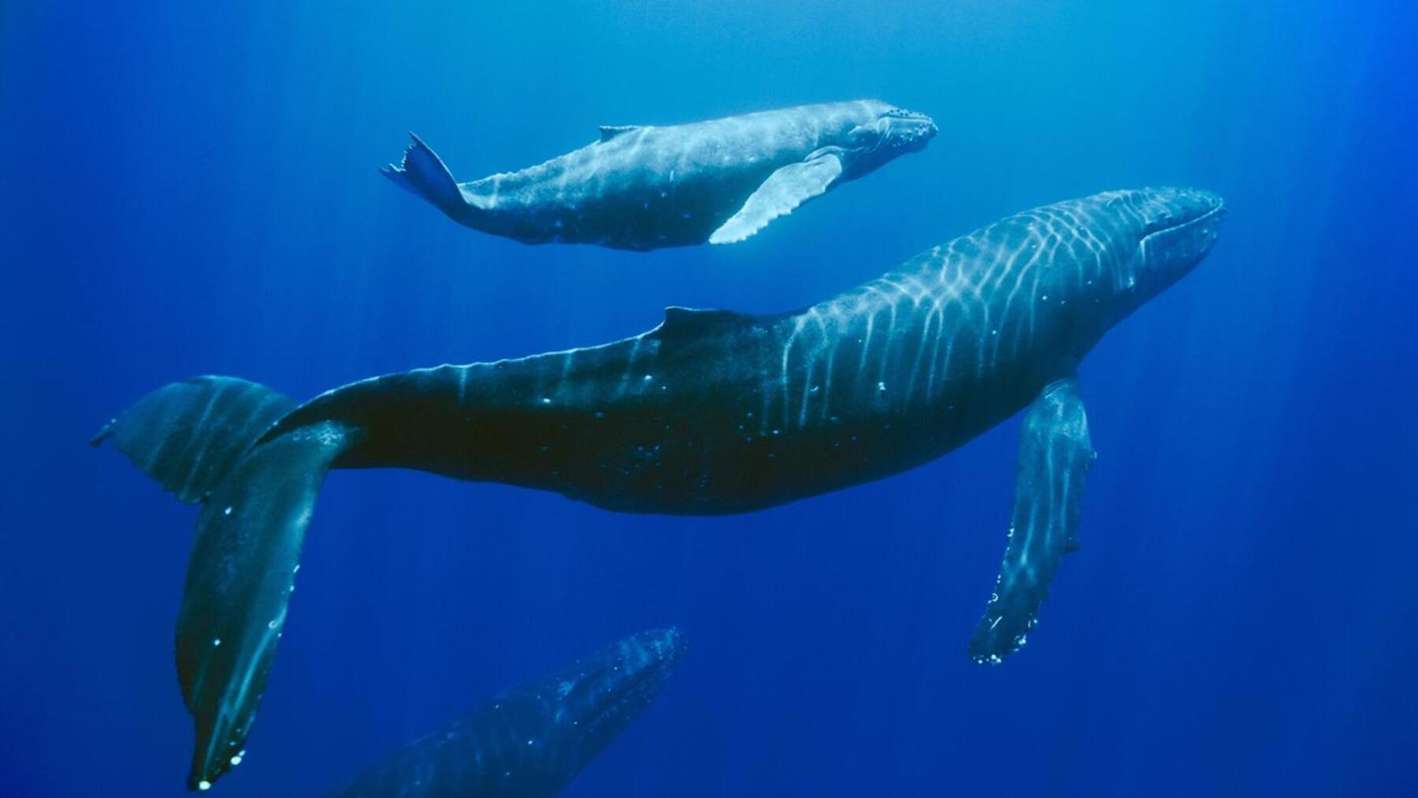
Humpbacks pass between June and the summer months. The same morning can therefore hold dolphins in the bay and whales out deep.
One rule shapes the trip: you never swim with whales. Mauritian law forbids it, and boats must stay at least 100 metres away, so whales are watched from the deck. The charters on this page are mostly private, which means the boat sets its own pace and you choose where to linger.
7 hours · ★ 5.0 (1)Mauritius: Private Whale Watching & Bénitiers BBQFrom $1,025 /group 4 hours · ★ 4.4 (35)Dolphins & Whales: Private Snorkeling TourFrom $528 /group 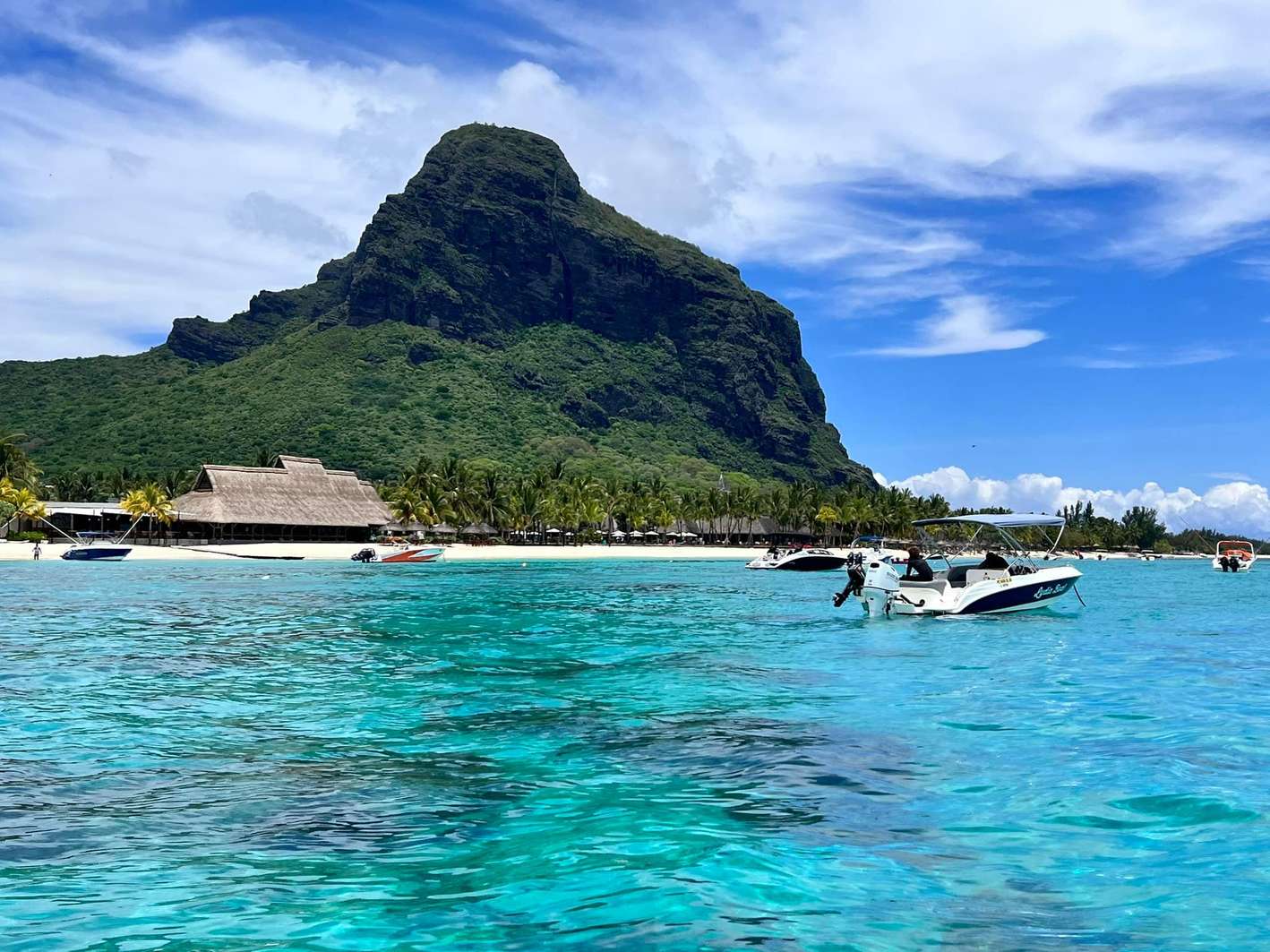 9 hoursPrivate Boat Whales & Dolphins Encounter BBQ on Benitier IslandFrom $490
 6 hoursMauritius: Whale Watching Trip with Snorkeling & LunchFrom $900 /group
First on the water at daybreak, when the bay is still empty
The pods come into the sheltered bays at dawn and stay until mid-morning, so the earliest boat has the calmest water and the quietest encounter.
Departing between 6 and 6:30 am, or 7 am at the latest, gets you there before the group excursions board at 7:30 and the heavy traffic builds by 8:30. The water at 6 am sits almost windless and glassy.
Regulations allow encounters from 6 am, and swim-with trips must finish by 9 am, so a dawn start buys you the longest legal swim time. Private charters on this page run with as few as four passengers. The cost is the alarm clock, and a dark drive to the coast before anyone else has breakfast.
2 hours · ★ 4.7 (28)Flic en Flac: Private Sunrise Dolphin Watching Boat TourFrom $309 /group 2 - 6 hours · ★ 4.7 (237)Dolphin Watching with Hotel Pickup (Mauritius)From $61 /group 2.5 hours · ★ 4.3 (132)La Preneuse: Dolphin Swimming and Snorkeling Speedboat TripFrom $38 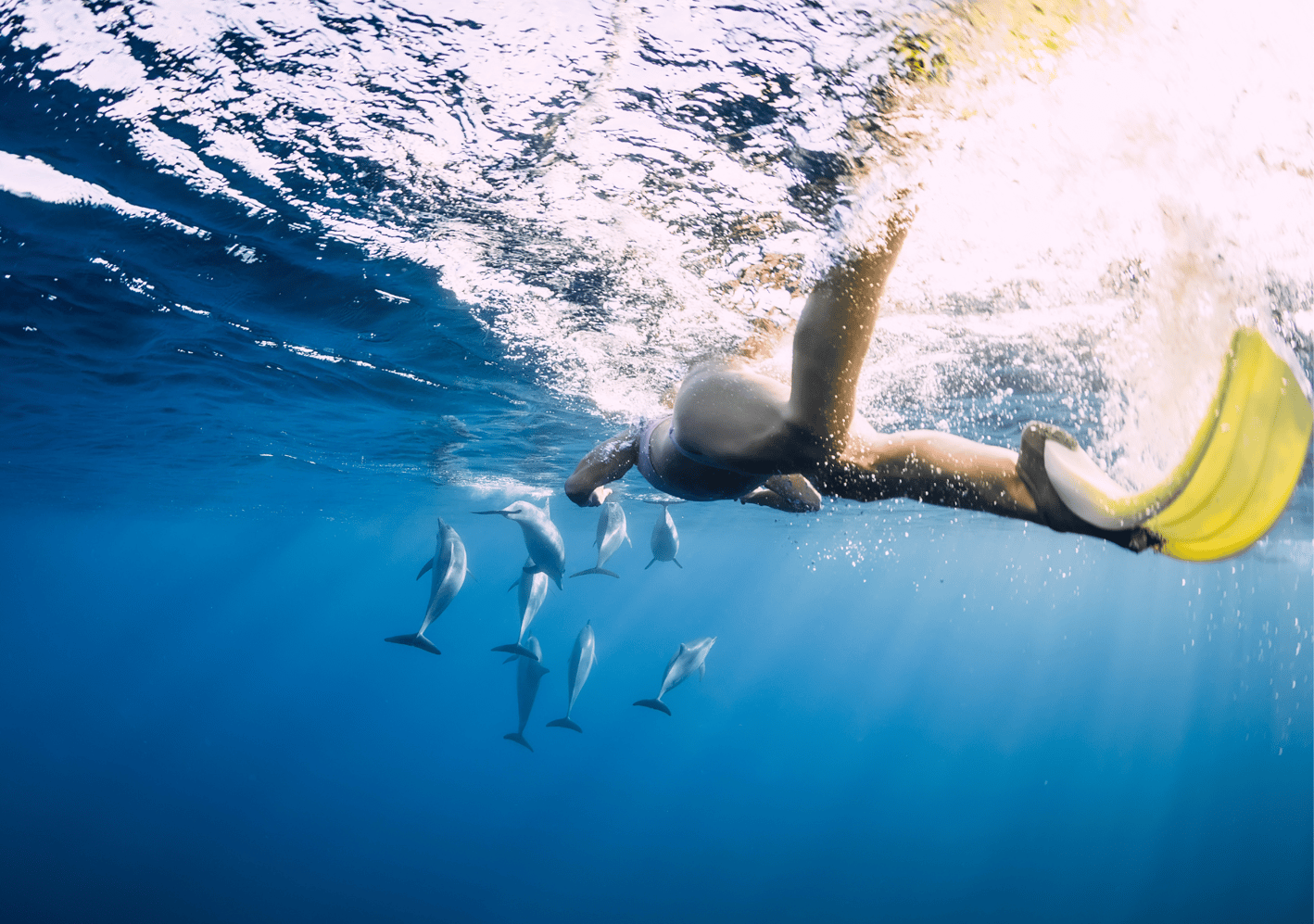 7 - 7.5 hours · ★ 4.0 (35)Tamarin: Dolphins, Crystal Rock, Benitiers Island, LunchFrom $66
sightings peak june to august
Wild spinner and bottlenose dolphins rest in the bays of Mauritius's west coast every morning, and swimming with them is legal through licensed operators. The open questions are the ones that decide the day: which boat, which hour, and what the swim really asks of you.
Swimming with wild dolphins is legal in Mauritius through operators holding a Tourism Authority licence; swimming with whales is banned and boats stay 100 metres away.
Watch how a boat approaches, not just its paperwork: parallel course, no-wake speed, never circling or cutting off a pod.
Dolphins rest off Tamarin Bay, Black River, Flic en Flac and Le Morne each morning and drift offshore by mid-morning; the 6 to 7:30 am window gets the calmest water.
The in-water encounter is athletic: deep open ocean, repeated drops of a few minutes each, and it is not suitable for young children, non-swimmers or pregnant travelers.
Sighting rates peak at 88 to 90 percent between June and August, but February and March bring the cyclone window that suspends boat trips.
Pick a shared tour where non-swimmers can watch from the deck, book a private boat if you have young children, and bring your own properly fitting mask and fins for the swim.
Yes, and the answer surprises most people who searched this question at midnight. Mauritius licenses swimming with wild dolphins through the Tourism Authority, and the rules are written down in detail.
A skipper who charges money for encounters must hold a specific certificate, earned by passing a test on dolphin behaviour, boat handling and in-water technique.
The licence comes with conditions on the boat itself: an official authorization label, an approved propeller guard, a certified life-saver on board, first aid and oxygen kits, and liability insurance. Swimmers sign a disclaimer, get briefed on calm, silent swimming and enter the water in groups of no more than three, life-saver included.
The one hard line is whales. Mauritian law prohibits swimming with whales entirely, and boats must stay at least 100 metres away, so any sighting happens from the deck.
Swimming with dolphins is legal through a licensed operator; only whales are off limits
Mauritian law forbids it, and boats must keep 100 metres away
If the legal side is what has been holding you back, the full rulebook lives on the encounter rules and tips page, from what the briefing sounds like to which boat suits your swimming level.
Picture two boats on the same bay. One cuts its engine abruptly across the pod's path and drops swimmers right in front of the dolphins.
The other comes in from the side at no-wake speed, holds back, and lets the animals decide whether to come close. Both may carry the same licence. Only the approach tells you which one is ethical.
The law already bans the worst of it: no circling, no driving through a pod, no approaching head-on or from behind, engine in neutral at a standstill. A respectful skipper follows the letter and the spirit, dropping just a couple of swimmers at a time and holding position while dolphins rest.
Only watching how it approaches tells you it is ethical: parallel course, no-wake speed, never circling
A respectful skipper still shares the bay with dozens of other vessels once the morning traffic arrives
The regret travelers mention most is choosing a mid-morning slot, arriving into a crowd, and feeling complicit in the scrum around the pod. The fix is timing, and it costs nothing but sleep.
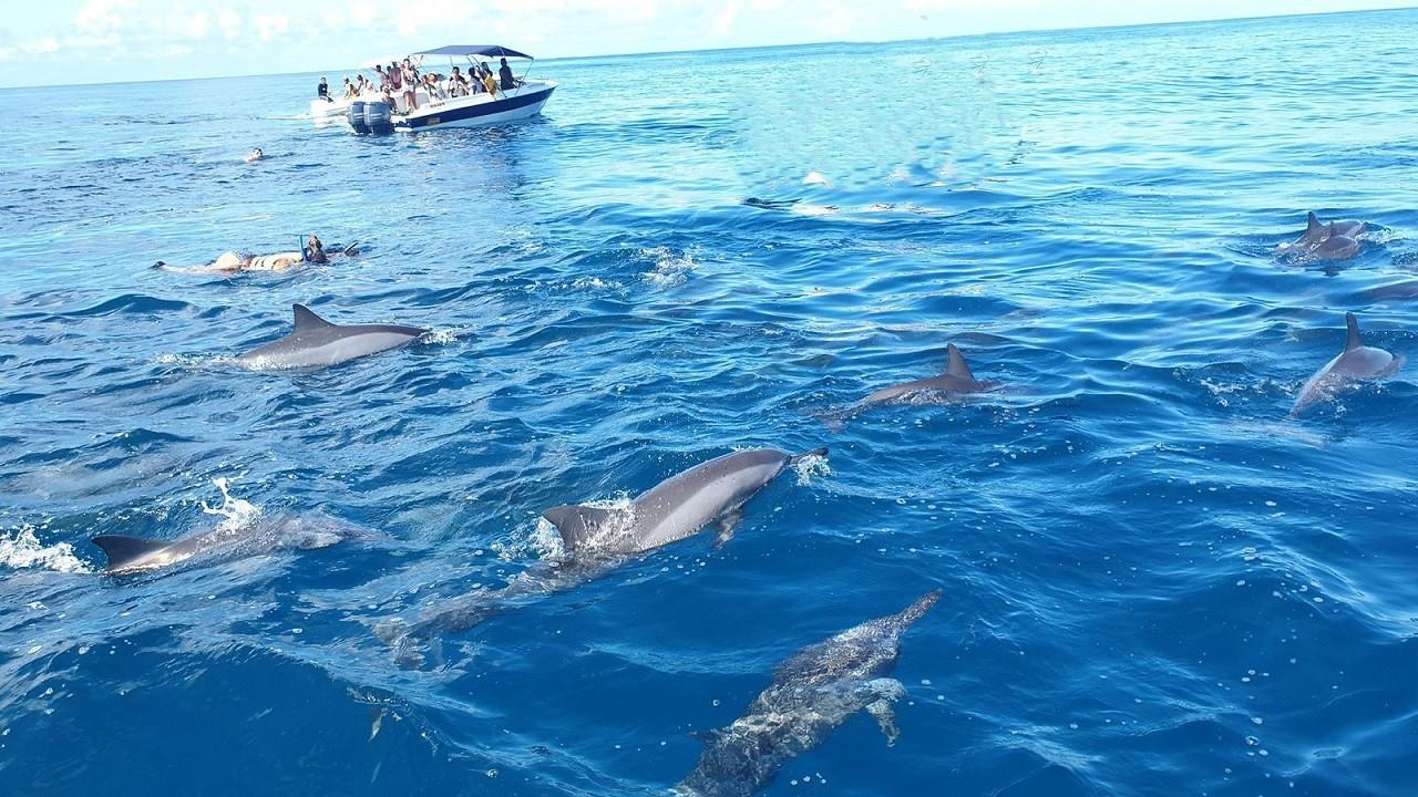
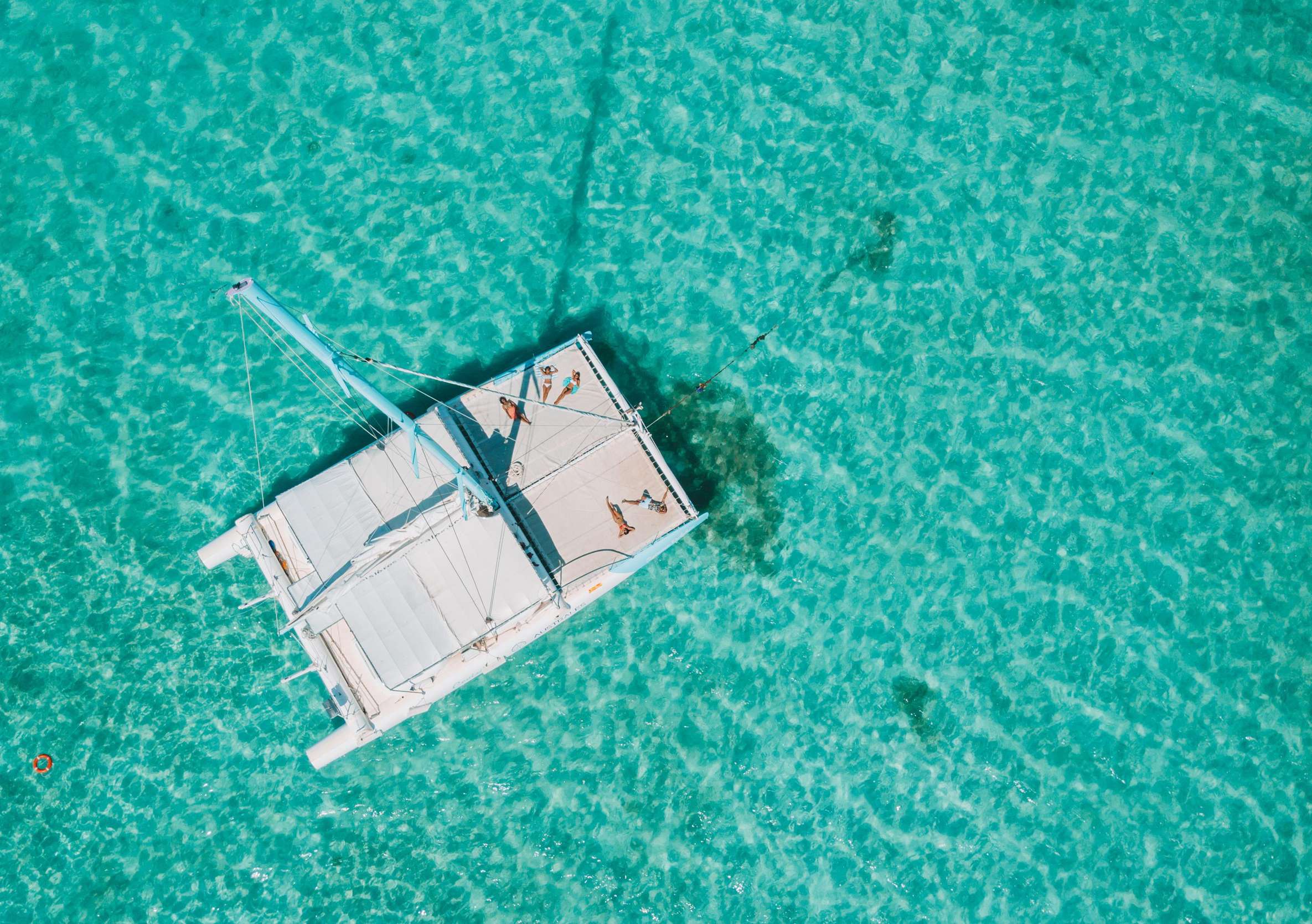
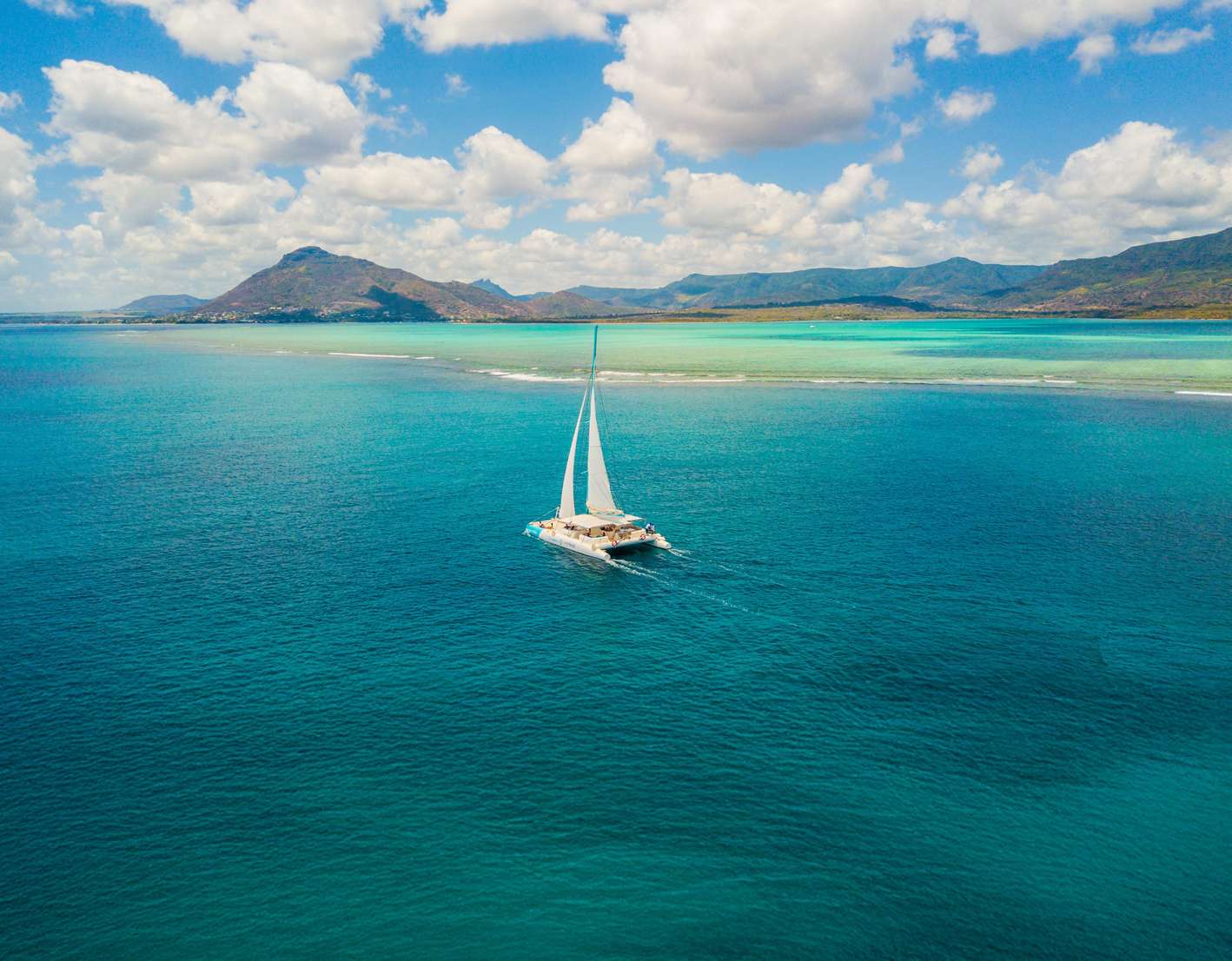
Every dolphin trip in Mauritius leaves from the west coast. Tamarin Bay, Black River and Flic en Flac are the launch points, with boats also running off Le Morne at the island's southwest tip. The east coast, famous for its reef lagoons, has no dolphin bays.
The reason is the pods' own routine. Spinner and bottlenose dolphins feed offshore in deep water all night, then come into the sheltered western bays around dawn to rest and socialize. They gather there until mid-morning, then head back out, which is why no operator runs afternoon dolphin trips.
Which departure point you choose comes down to how far you have to drive in the dark. Tamarin sits closest to the pods, and boats leaving from there or from Black River reach them first thing, before the flotillas from Flic en Flac and Le Morne arrive.
The Tamarin departure guide compares the quick two-hour swim runs with full-day trips that add Crystal Rock and Île aux Bénitiers.
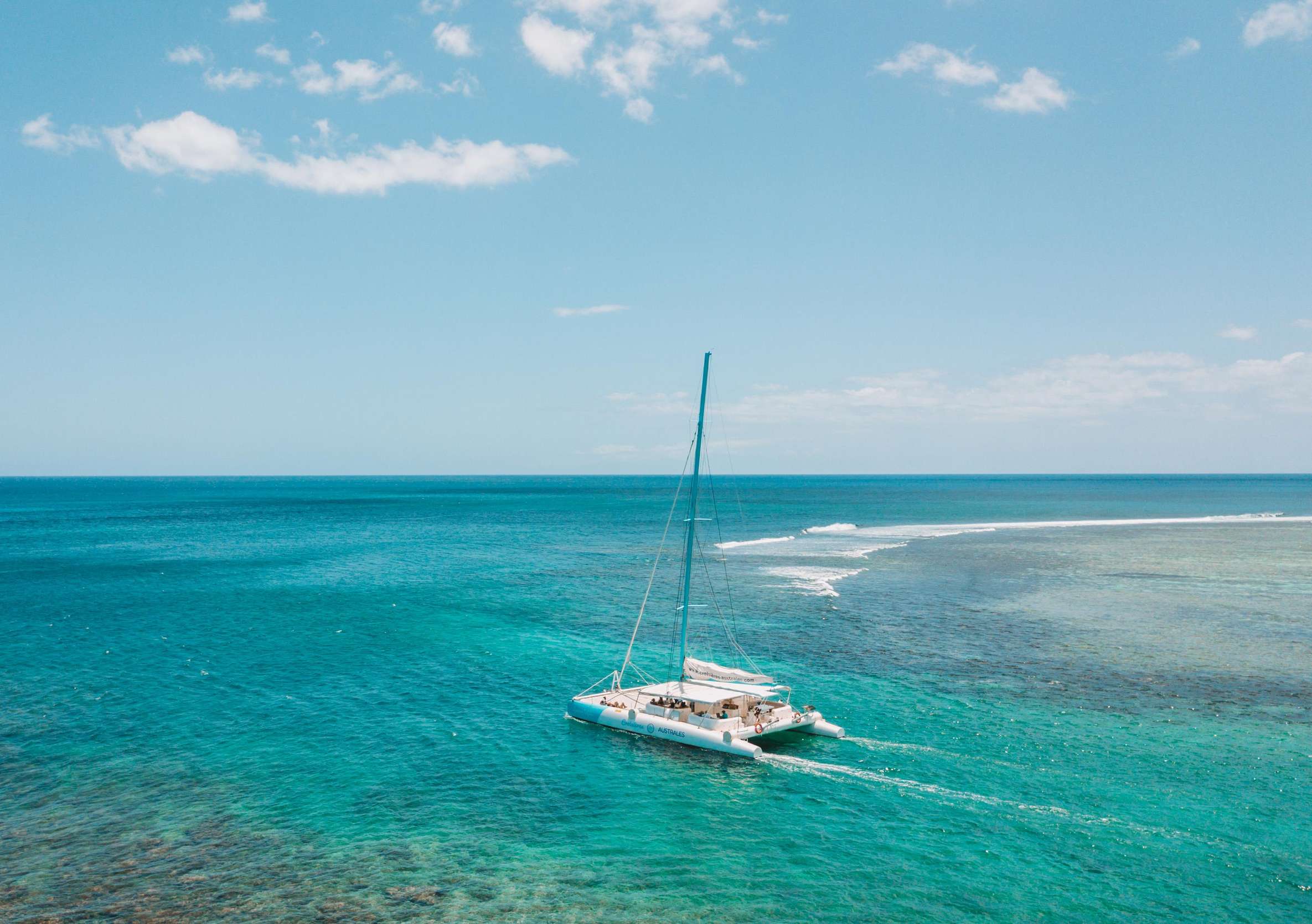
The alarm clock is the single most important booking decision, more than the boat or the coast. Between 6 and 7:30 am the water off Tamarin sits flat and glassy, visibility runs 15 to 25 metres, and the pods are just settling in for their morning rest. Coastal winds only pick up around 11 am.
Then the day turns. By 8:30 the speedboats and catamarans crowd the same pods, travelers report up to twenty boats on one group of dolphins, and the churn sends the animals diving deeper or moving offshore. By late morning the bays are empty.
Smooth water and minimal boat traffic between 6:00 and 7:30 am
Boat traffic peaks and crowds of swimmers gather around pods
Bay encounters come to an end
Tour operators run no afternoon dolphin trips
For readers who want the water to themselves, the sunrise departure page covers the boats first on the water, some running with as few as four passengers.
One of those is Mauritius Le Morne: Wild Dolphin Watching & Swimming, a two-hour private run whose early departure and professional captain suit travelers who would rather watch calmly from a small boat than fight a crowd.
The dolphins never leave. They are resident along the west coast year-round, so the question is when the sea is kindest. Sighting rates actually peak in the southern winter: from May to September they reach 88 to 90 percent in June, July and August, with encounters most reliable before 9 am.
That winter wind cuts both ways. From May to September the southeast trades chop up the east coast lagoons, but they blow offshore on the west, leaving Tamarin and Black River at their clearest.
Expect cooler water on that 6:30 am swim: 23 to 25 degrees, with dawn air around 18 to 20, enough to make a wetsuit or rash vest welcome. The quiet months for crowds sit in June and July, when the same conditions that draw the pods put fewer boats on the water.
The months to be careful with are February and March, the heart of the cyclone window and the wettest of the year. Storms and swells force operators to suspend trips, and land runoff clouds the lagoons.
If whales tempt you too, humpbacks pass in the same June-to-summer stretch; the dolphin and whale watching page explains how one morning can hold both.
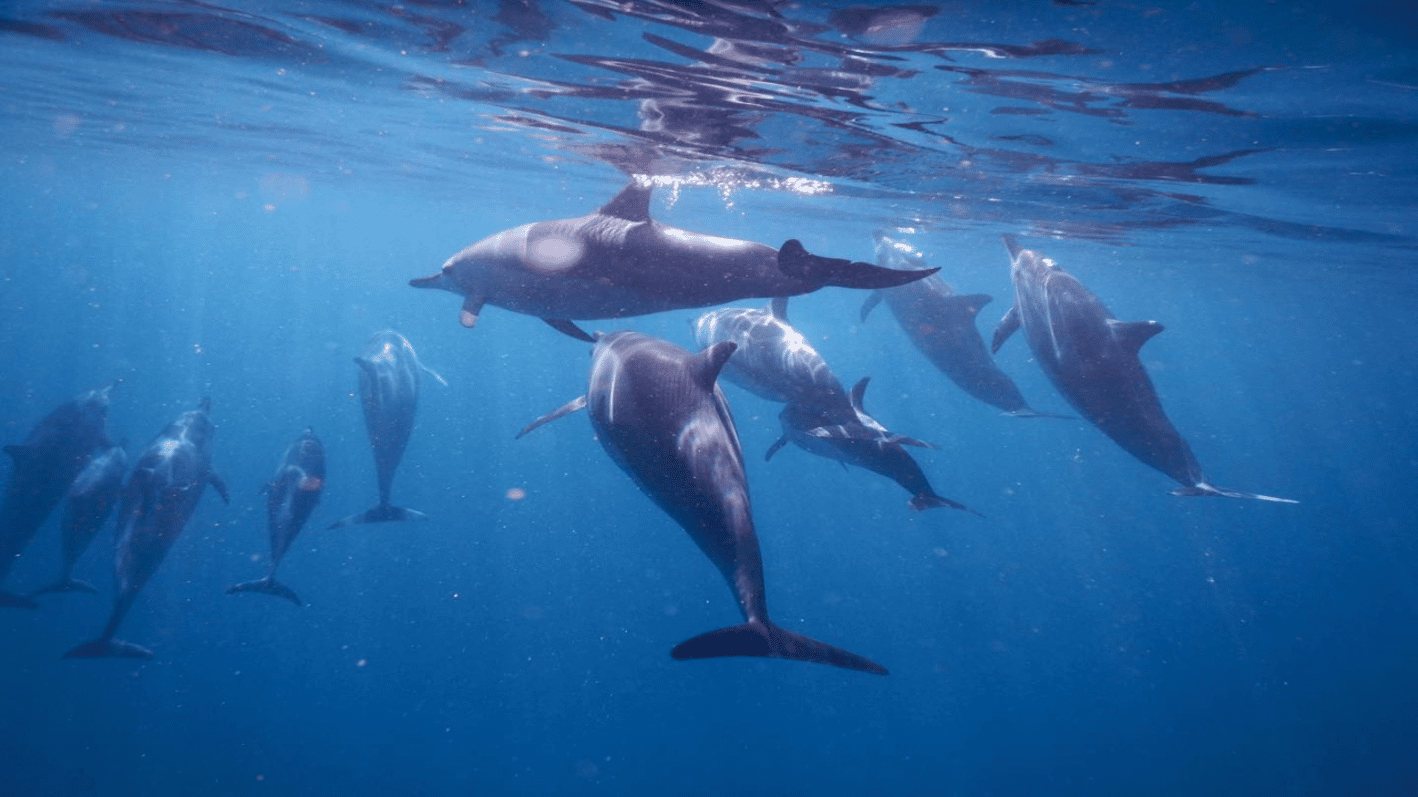
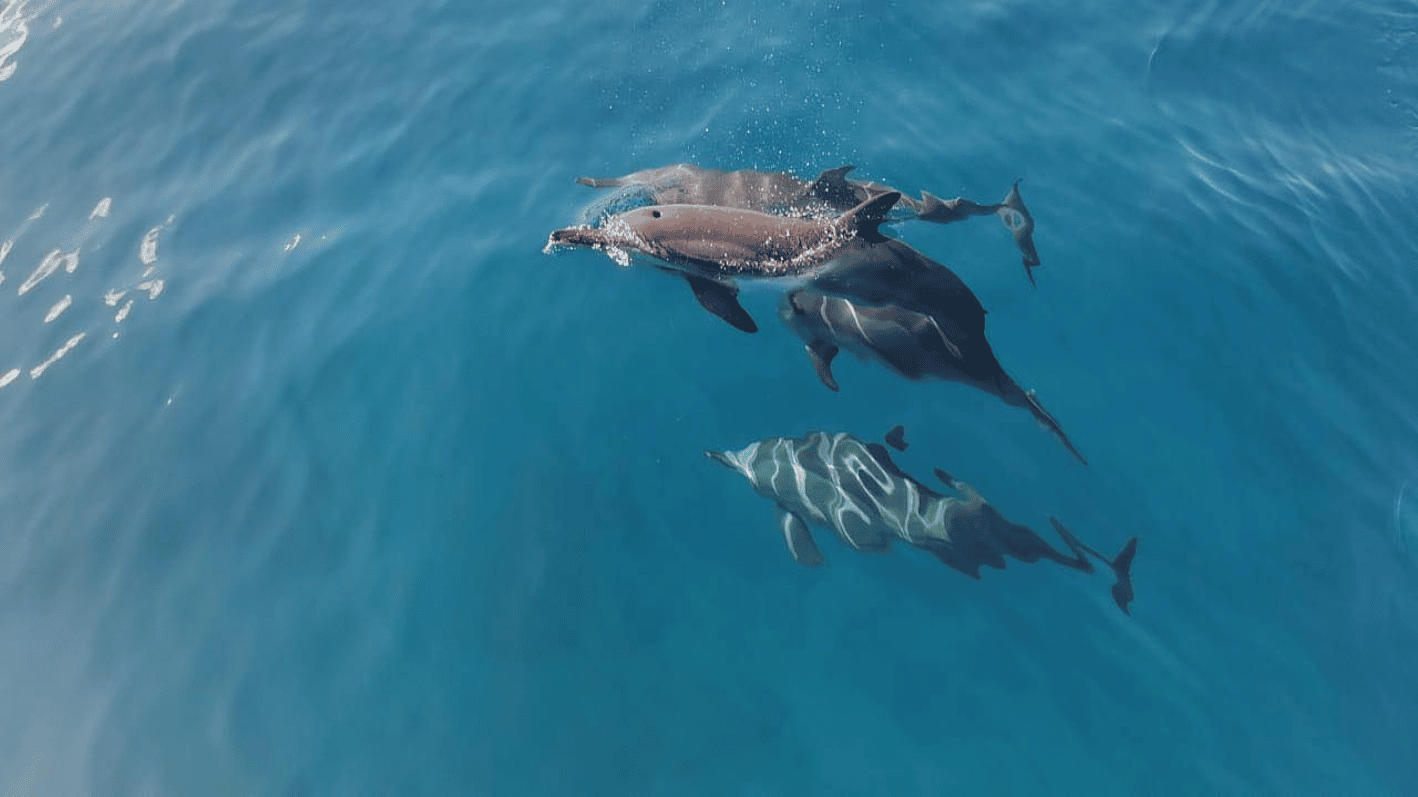
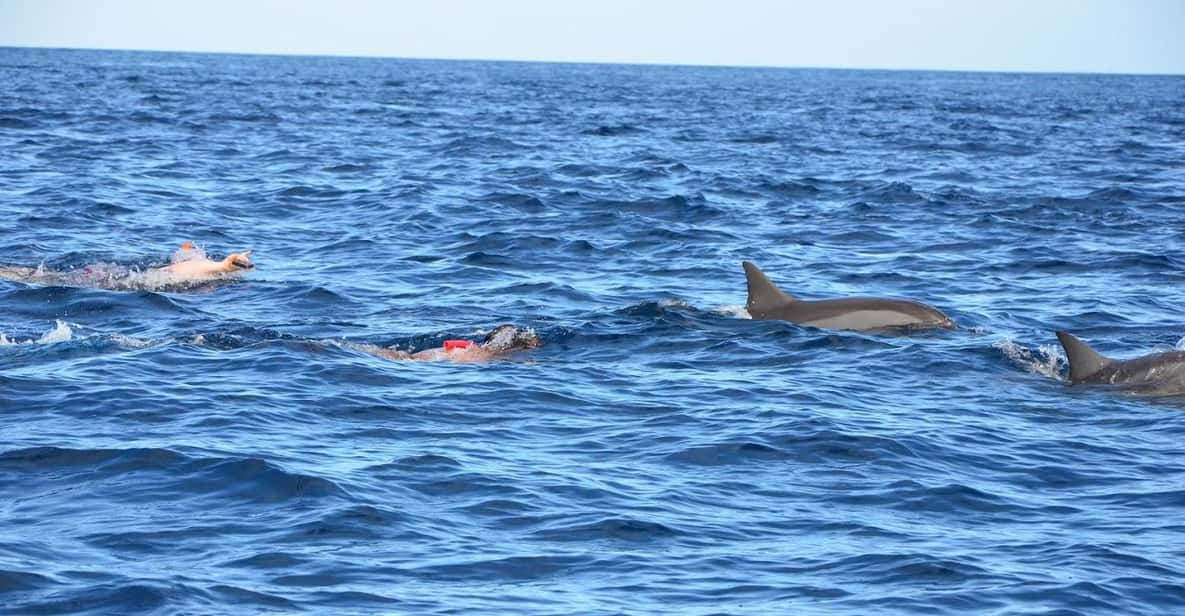
Two species share the western bays, and knowing which pod you are sliding into changes what the encounter feels like. Spinner dolphins travel in pods of 25 to 100, arriving close to shore at dawn to rest after their night of offshore feeding.
Their signature mid-air spin is what the bay is famous for, and the large pods mean you watch group behaviour rather than one animal.
Bottlenose dolphins are the opposite in every way. They live near the coast in very small groups, just a few individuals, and their temperament is curious and uninhibited. These are the ones that approach boats on their own initiative, sometimes riding the bow wave.
A morning out of Tamarin or Black River often crosses both, and west coast runs sometimes meet seasonal whales in the same waters.
Watch the large resting pod from a respectful distance, then let the small curious group come to you. Each species sets its own pace, and the best encounters follow whichever one decides to stay.

Reset the picture first: this is not a calm lagoon float. The encounter happens in deep open ocean beyond the reef, where the seabed drops away and you cannot see bottom.
The skipper positions the boat, you slip in quietly, and the pod passes beneath you in bursts that last a few minutes, often only two to five per drop, before the boat repositions and you go again.
Keeping up is athletic. The animals swim fast, so you jump quickly and swim hard, which is why confidence over 200 to 500 metres in open water matters. Non-swimmers are welcome on these boats as watchers, and that is the honest way to enjoy the morning.
On the shark question: dangerous attacks are practically non-existent outside the reef near Tamarin, where only harmless reef sharks appear, and the overall risk is low. One rule stands above the reassurance, though.
A local shark warning Stay out of the water when boat crews or maritime authorities issue one; weak swimmers and very young children should also not attempt the open-water drop
Treat the swim as a privilege that the animals and the sea extend some mornings and not others.
The gap between keeping pace and spinning your wheels is mostly equipment. Long freediving fins generate far more thrust per kick than short snorkeling fins, and in open water that difference decides whether the pod pulls away or you stay in view.
Pair them with a low-volume mask, which needs less breath to equalize, and a simple J-tube snorkel that adds no drag. Neoprene fin socks stop the blisters that bare feet get inside full-foot fins.
A 3 mm wetsuit or shorty earns its place twice over: it preserves warmth through repeated drops in 23-degree winter water and it blocks the sun.
Wear your life jacket in open water, where currents and boat traffic both run high, and keep the well-fitting personal mask if you have one, because shared onboard masks leak.
Everything else in the bag is for comfort: reef-safe sunscreen, a wide-brim hat, polarized sunglasses on a strap, a dry bag for the phone and a towel. Swimwear goes on under your clothes before boarding, because the first drop comes soon after the briefing.
The two boats offer genuinely different mornings. A speedboat runs fast, reaches the pods before anyone else, and drops swimmers close, which is where the good in-water encounters happen. Its trade is comfort: little space to lounge and a livelier ride on the open water past the reef.
West Coast: Swim and Snorkel with Dolphins on Speedboat Tour fits this mould, a brisk two-and-a-quarter-hour run that puts swimmers alongside the animals and returns you ashore before lunch.
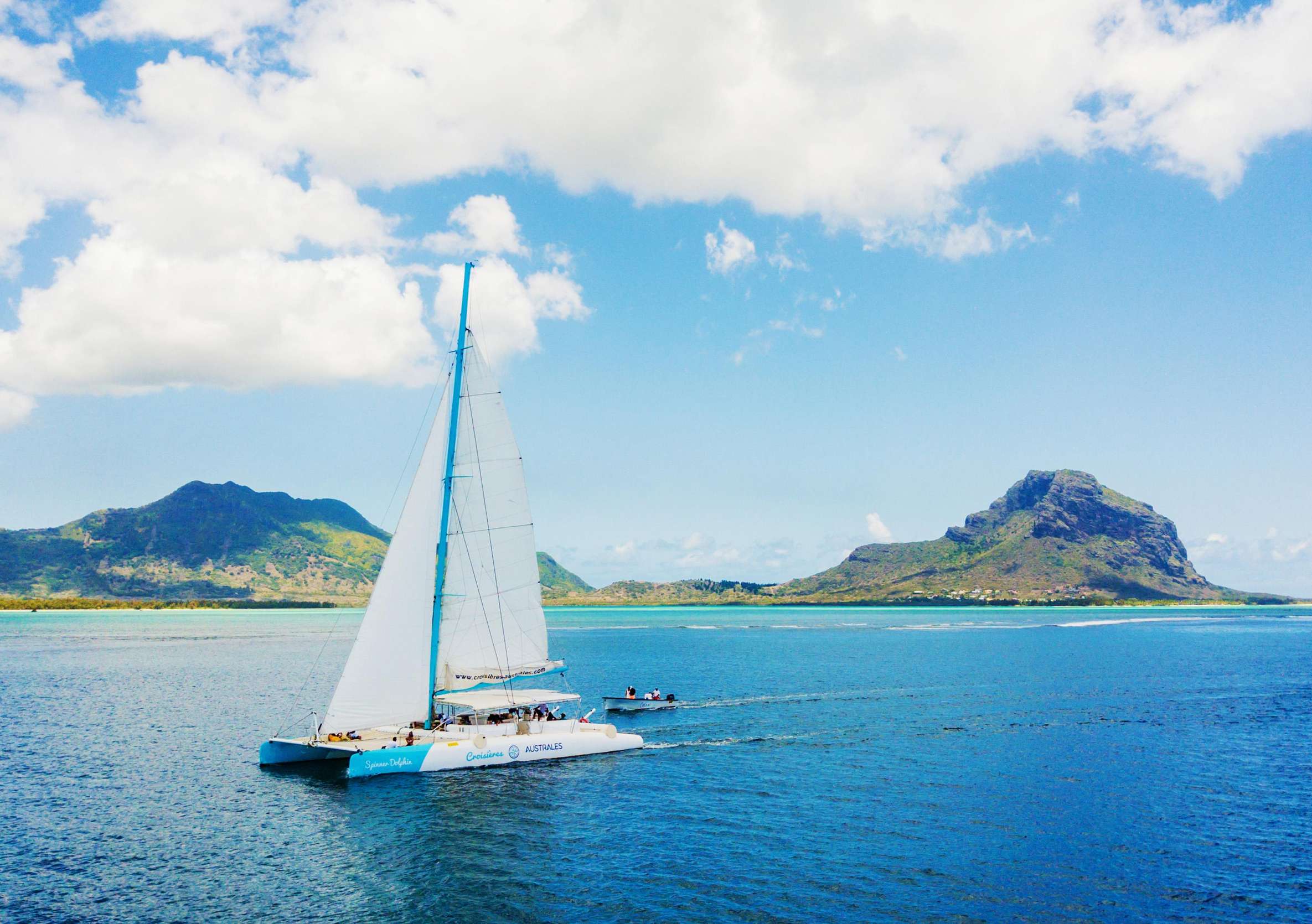
A catamaran is a different day built around the same animals. Its twin hulls make a stable, shaded platform with an open bar, and you watch leaping and bow-riding from the deck without joining the swimming cluster.
When the crew does drop swimmers, it happens several hundred metres out, and close encounters stay rare. Sightings are never guaranteed on either boat, because the dolphins are wild.
The trade-offs below come straight down to one question: is the day built around the swim, or around the cruise?
| Speedboat | Catamaran | |
|---|---|---|
| In-water encounter odds | High, with drops close to the pods | Low, drops happen far out |
| Speed to the pods | Fast, among the first on site | Slower, arrives with the fleet |
| Deck comfort and shade | Little room to lounge | Shaded seating and trampolines |
| Non-swimmers | Deck views on a small boat | Excellent, watch with a drink in hand |
| Shape of the day | Built around the swim | Built around cruising and islands |
If the swim is the point, the speedboat wins. If the day out matters more than the drop, the catamaran gives a steadier, more comfortable ride for a group with mixed swimmers.
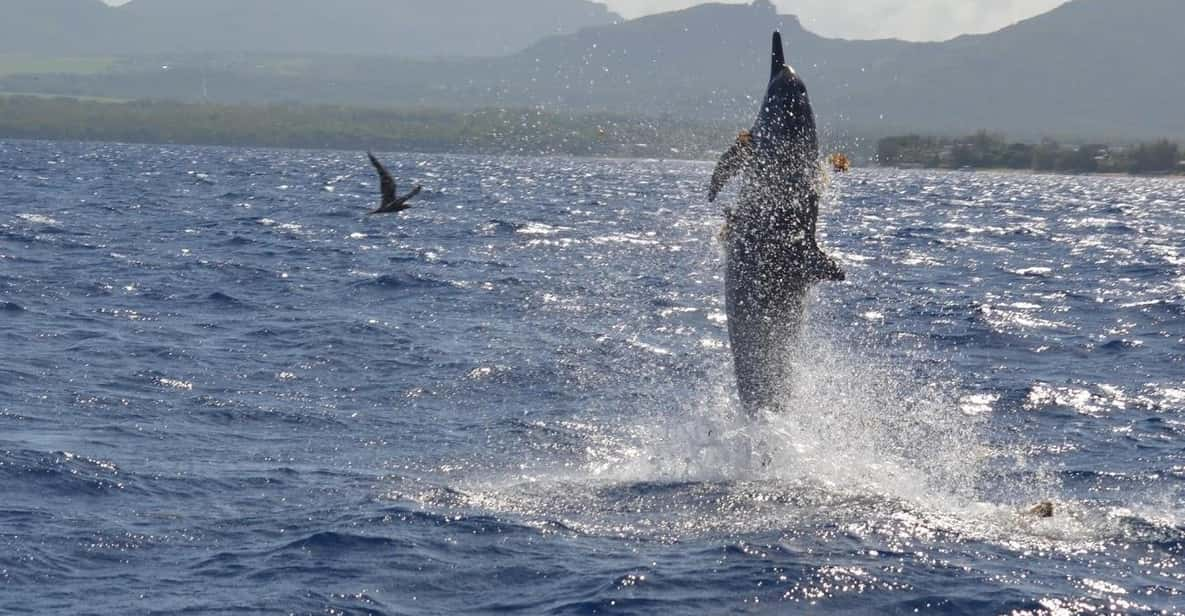
Everyone can come. Watching from the deck is open to every age, and children see the pods just as well from the boat as swimmers do from the water. The dividing line is the drop.
The open-water swim demands a strong, confident swimmer. Toddlers and very young children should not attempt it, and several operators list babies under one and children under two or three as unsuitable, whether on shared or private boats.
Mauritian law sets no minimum age itself, so each operator sets its own, and some restrict families with under-twos to booking the boat privately. The deck is the family seat; the water belongs to the strong swimmers.
Some health lines come straight from the operator's terms. Pregnant women are excluded from offshore speedboat tours, and so are people with serious back problems, heart conditions, recent surgeries, epilepsy or severe mobility impairments.
Non-swimmers are welcome as watchers on most boats, and a well-fitted child-sized life vest, which you should confirm the operator carries, makes the deck day easier for everyone.
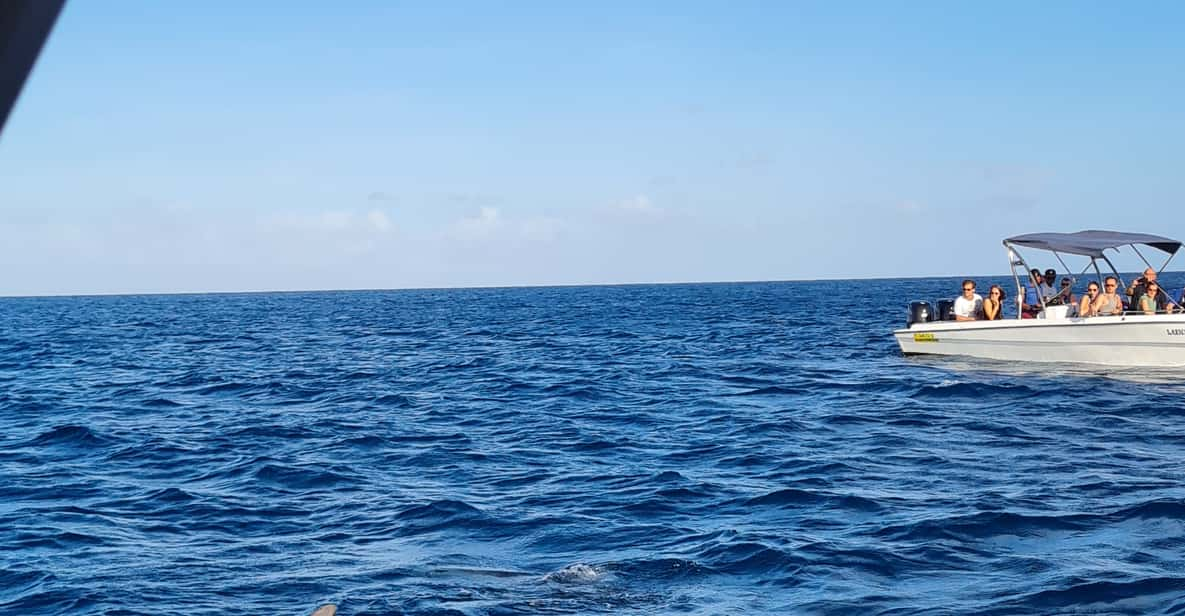
Three price tiers cover the market. A shared speedboat seat runs the highest price per head among the ordinary options. A catamaran day cruise with lunch and drinks comes in lower.
Private charters are priced for the whole boat and sit in another league entirely. What you are paying extra for is exclusivity and pace: a private boat sets its own schedule, waits where you want and keeps the group to your own people.
Whatever the tier, no operator can guarantee a sighting, because the dolphins are wild and free. The good ones are honest about that before you pay.
| If this happens | What happens then |
|---|---|
| Cyclone warning or rough sea | The operator suspends the trip and offers a new date or a full refund |
| You arrive late for the morning start | The swim window is gone, since encounters must end by 9 am |
| Weather turns mid-morning | Crews reschedule flexibly or adjust the route for the day |
Wild sightings never come with a promise, whichever reviews you read. Book the earliest slot you can manage, keep the cancellation window open, and treat a quiet morning in the bay as the reward that it is.
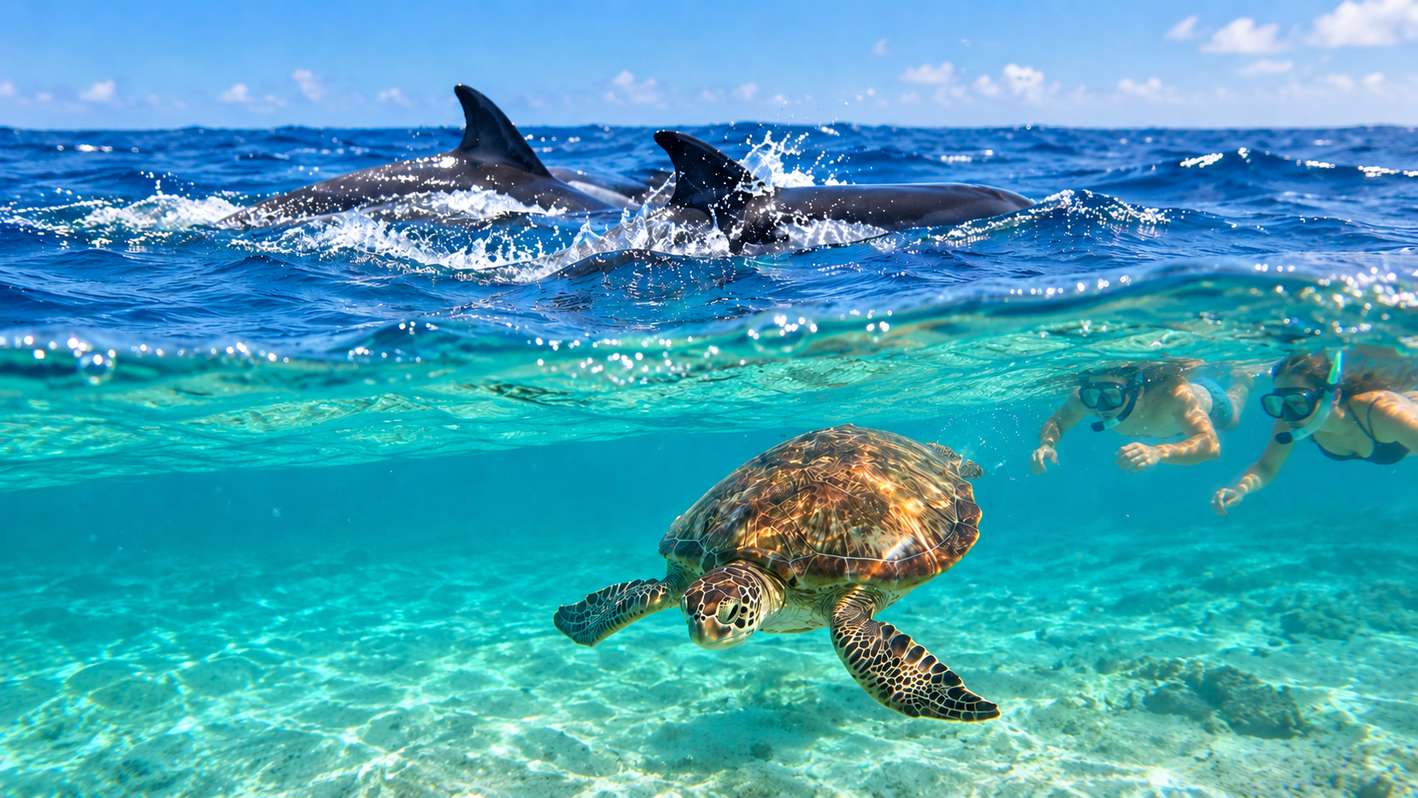
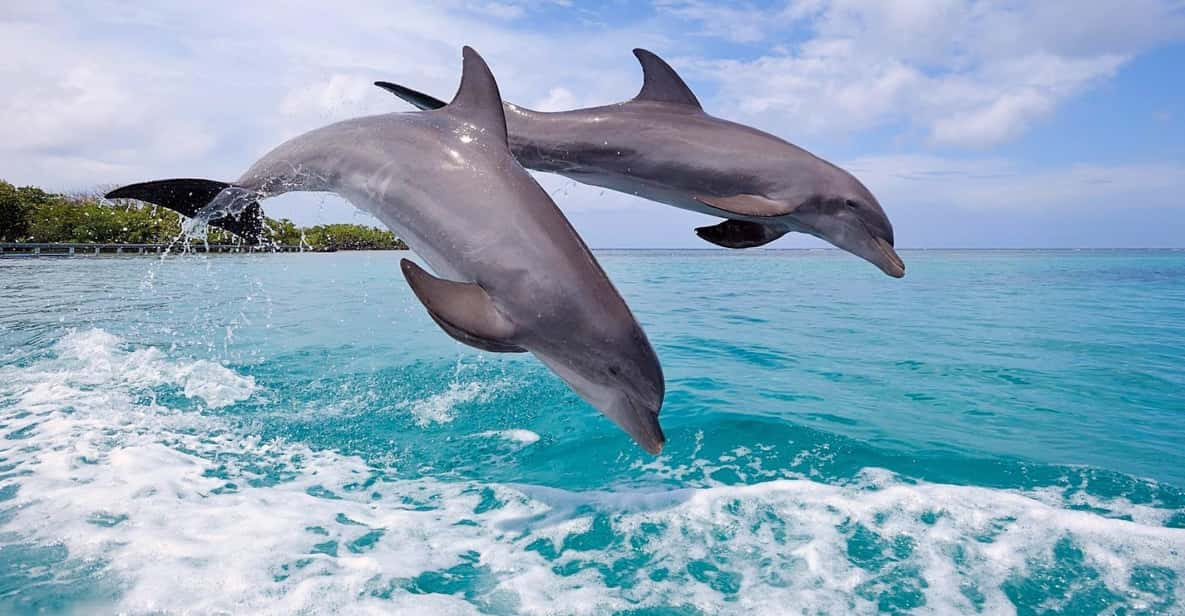
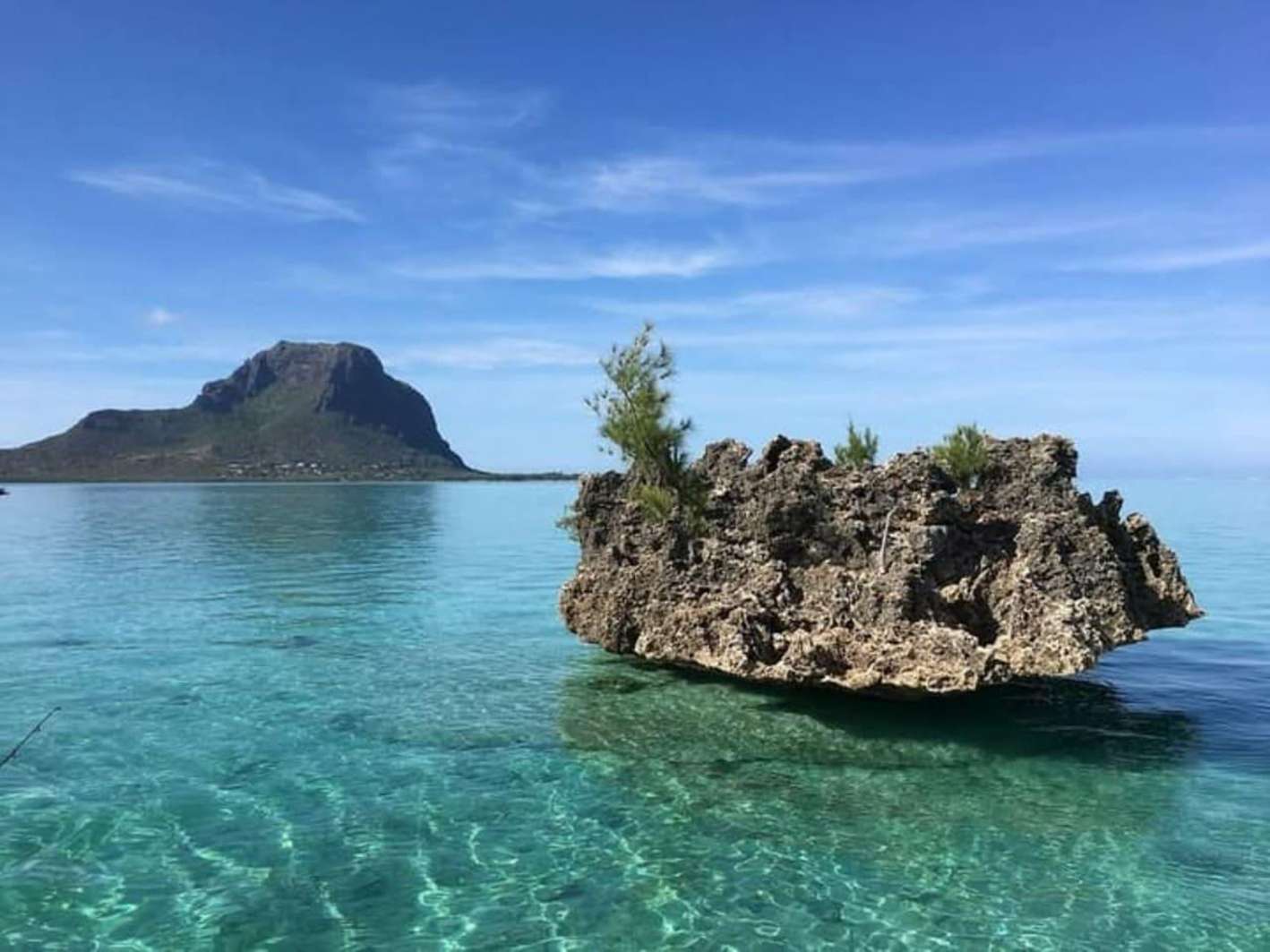
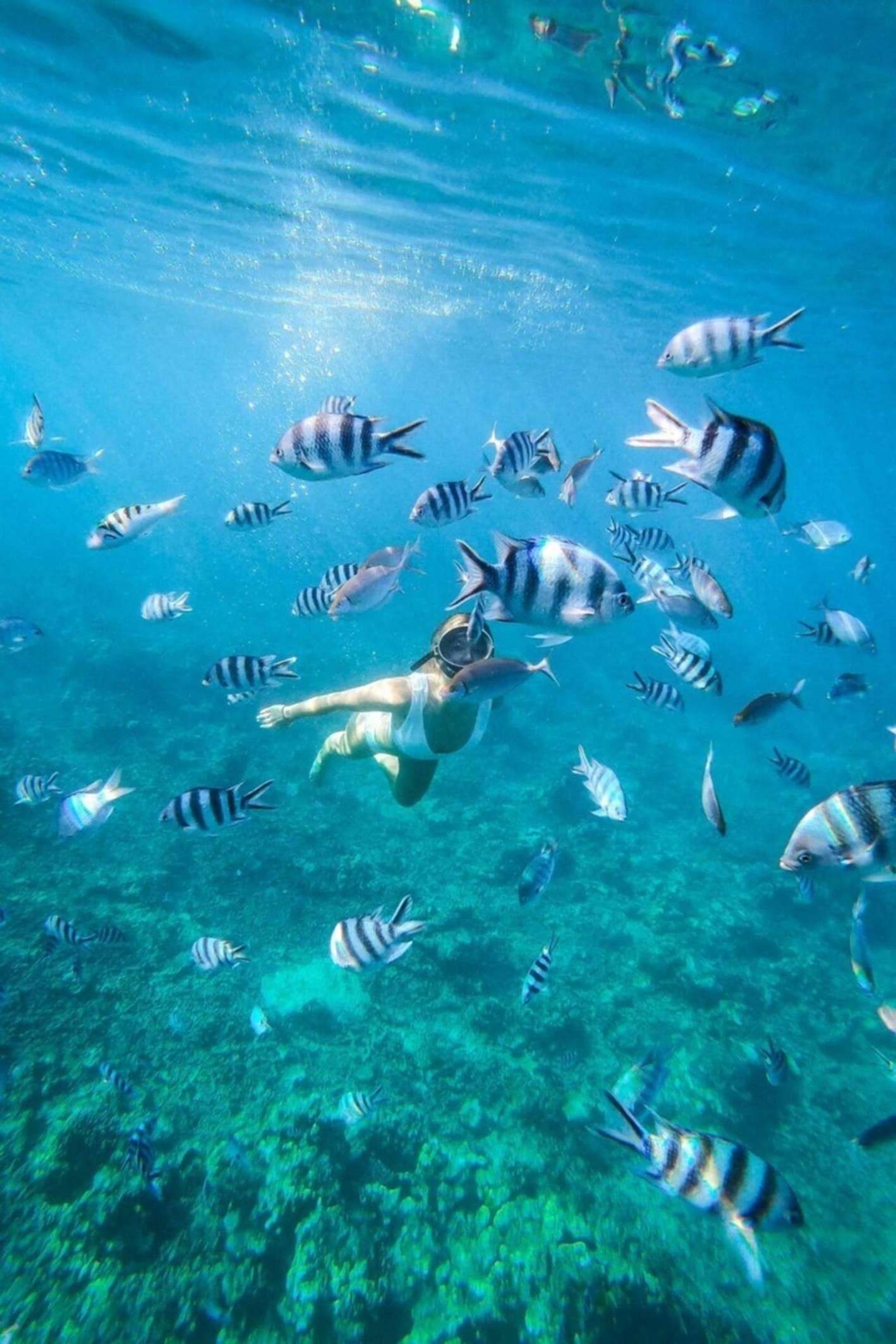
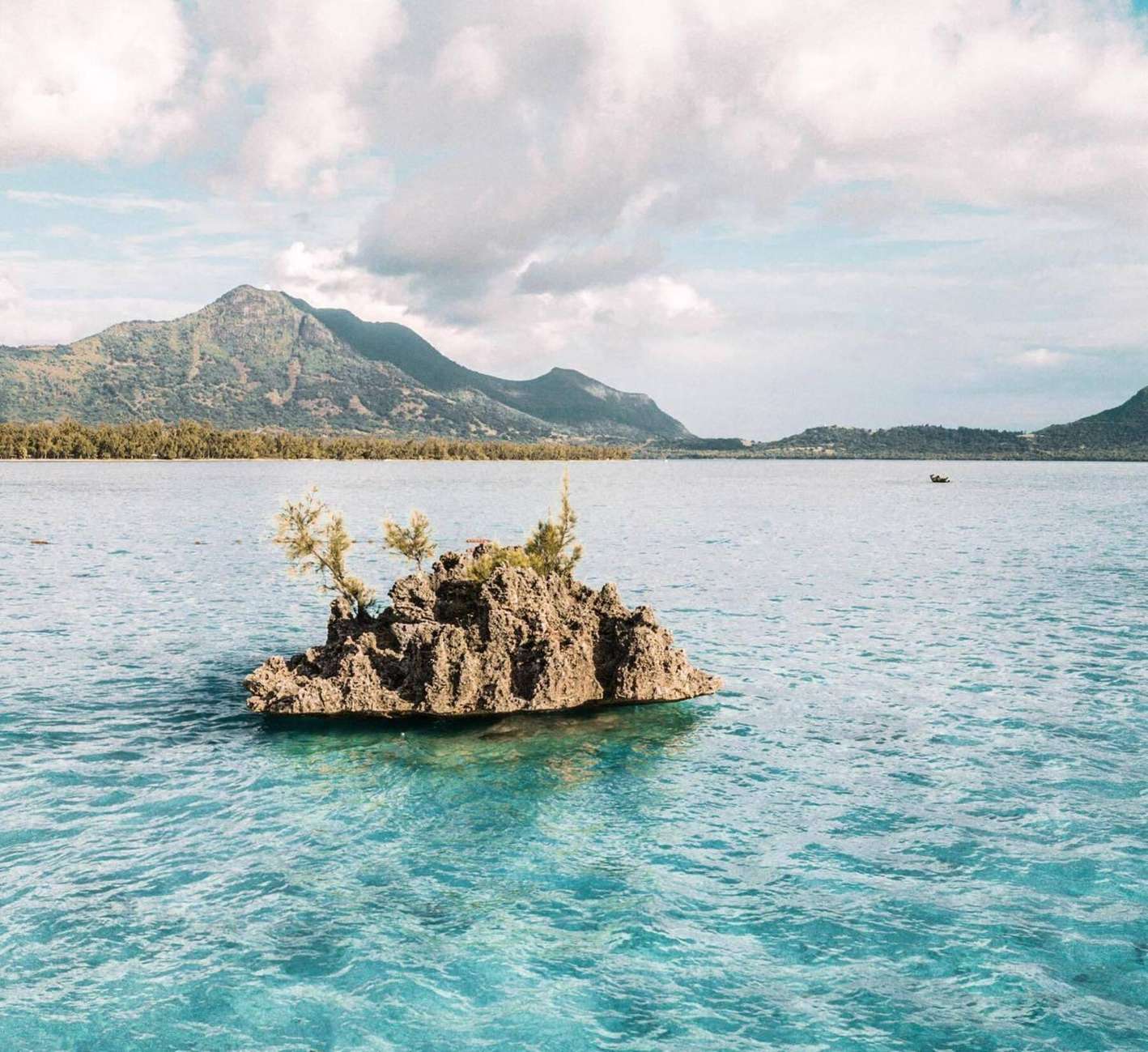
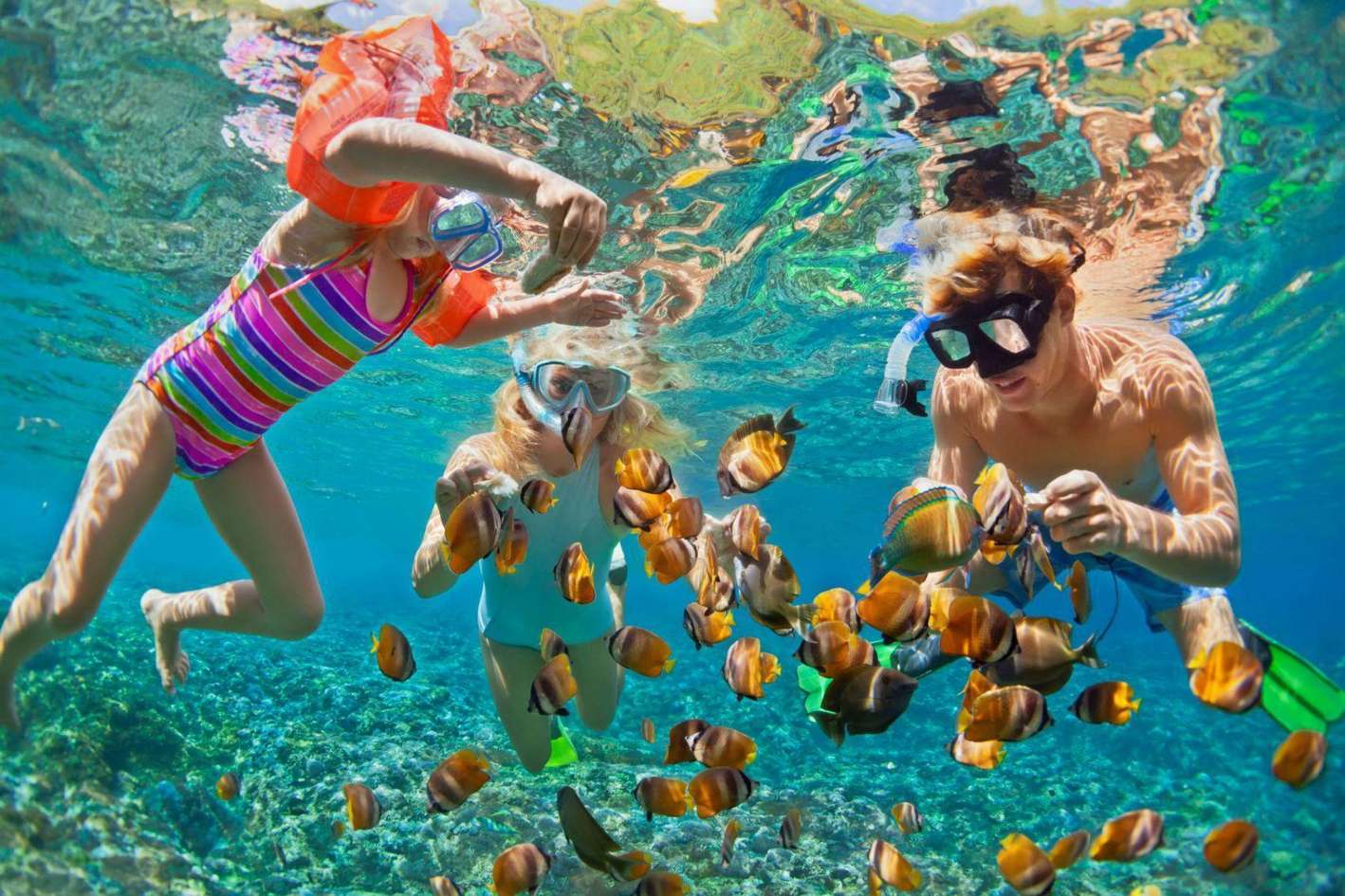
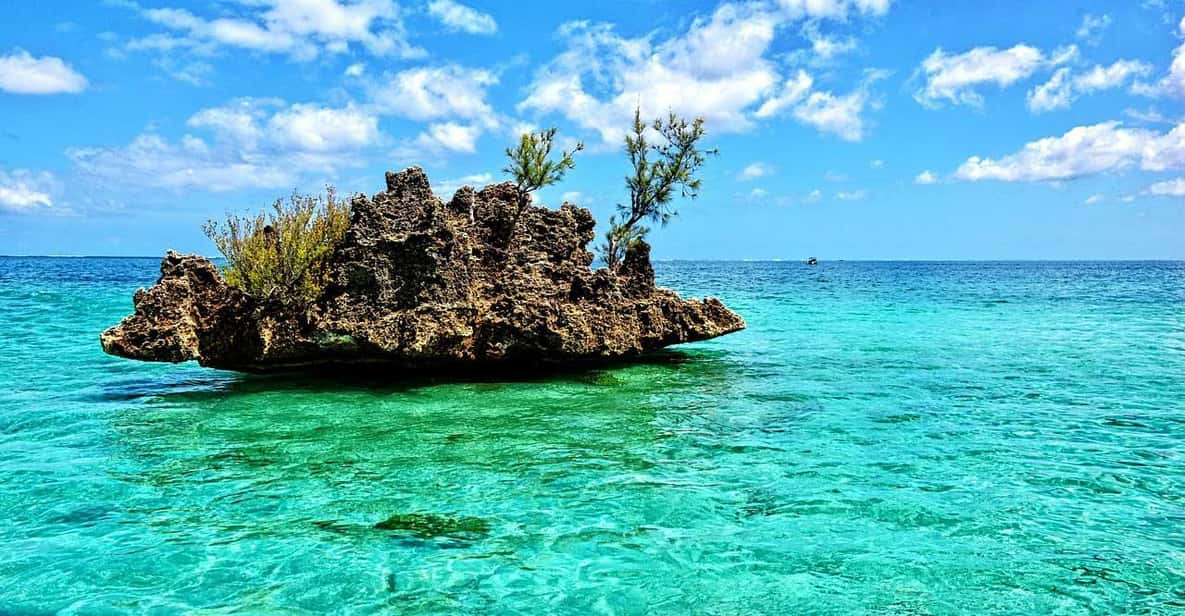
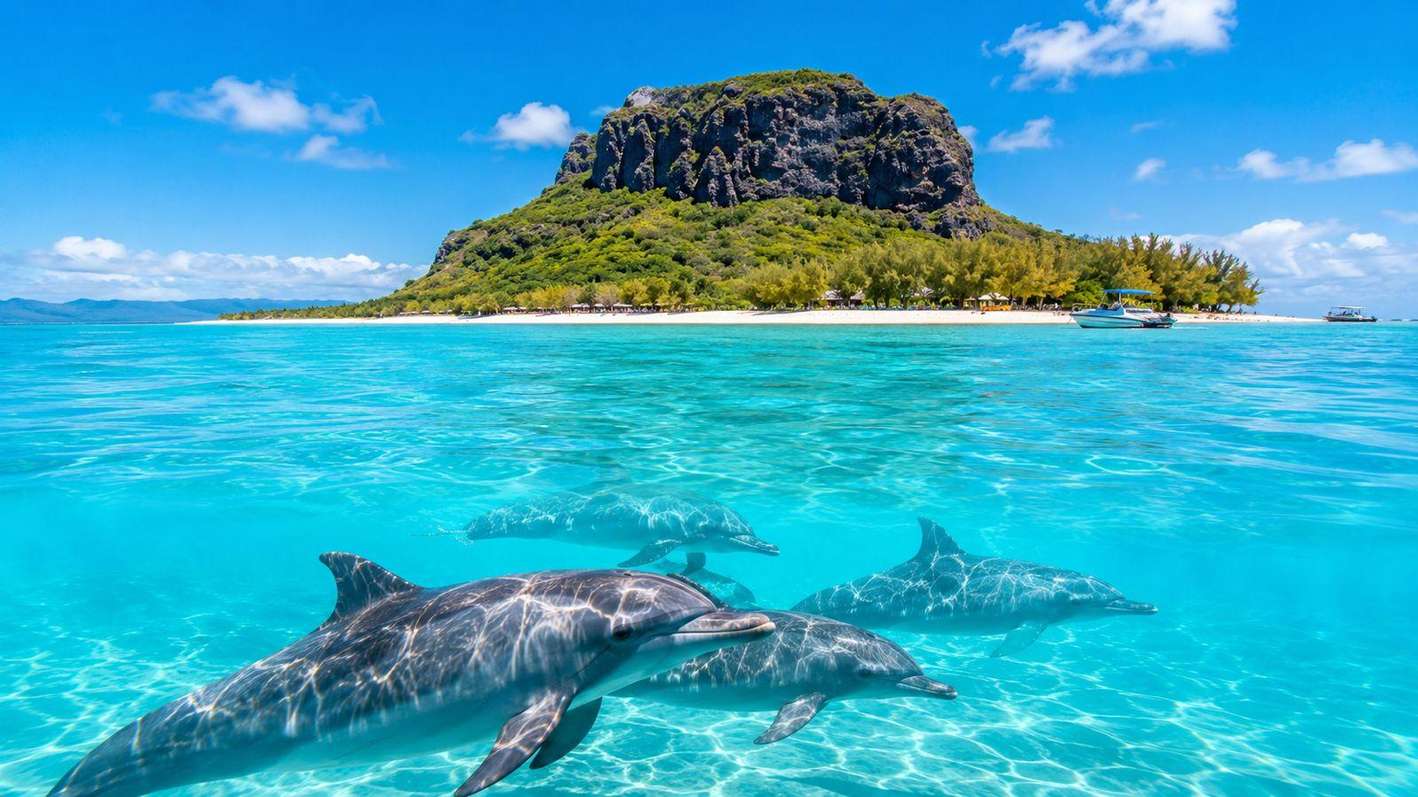
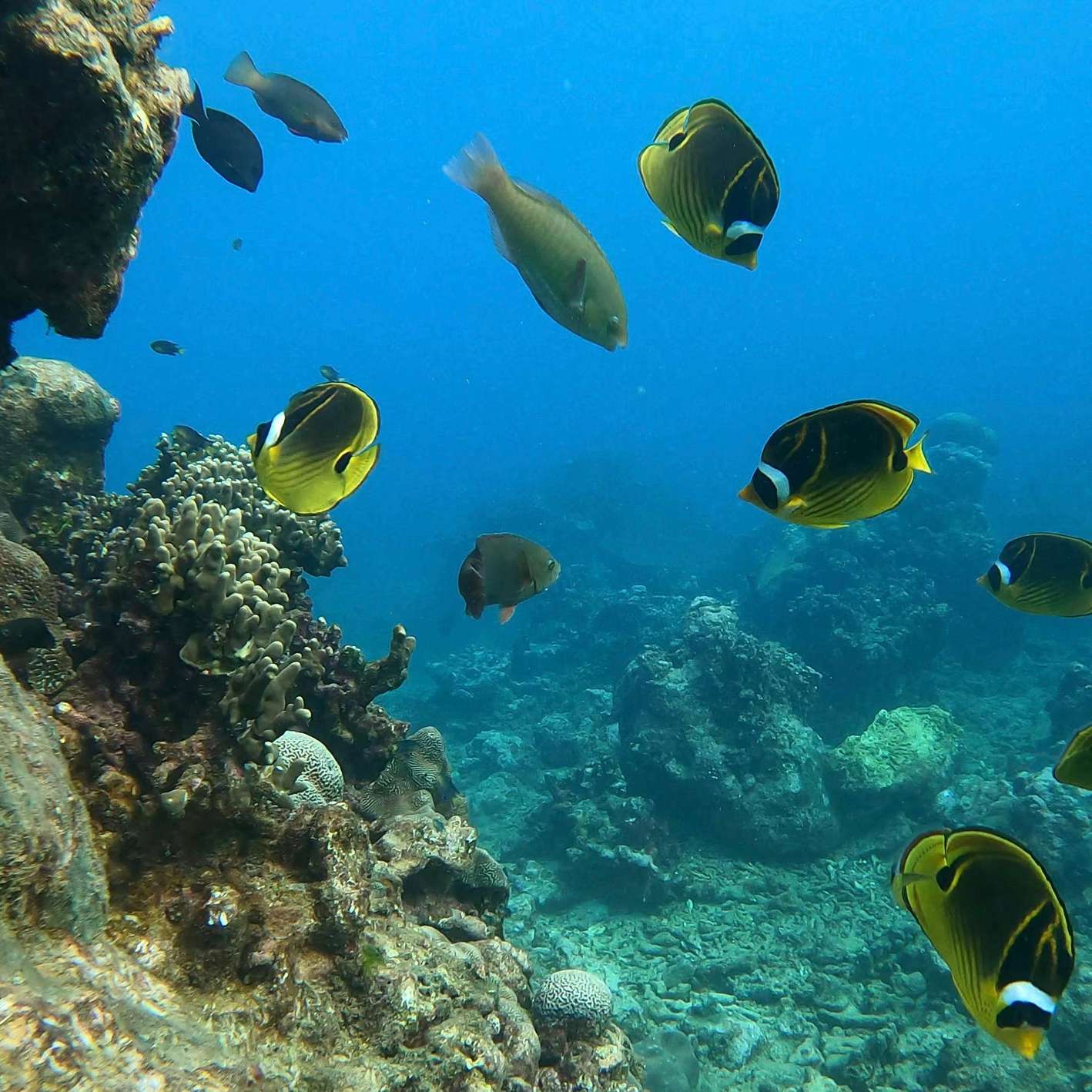
Most morning dolphin trips do not end at the bay. The standard run continues to Crystal Rock, the lone rock rising from the southwest lagoon, where the swimming and snorkeling are calmer and the fish come close.
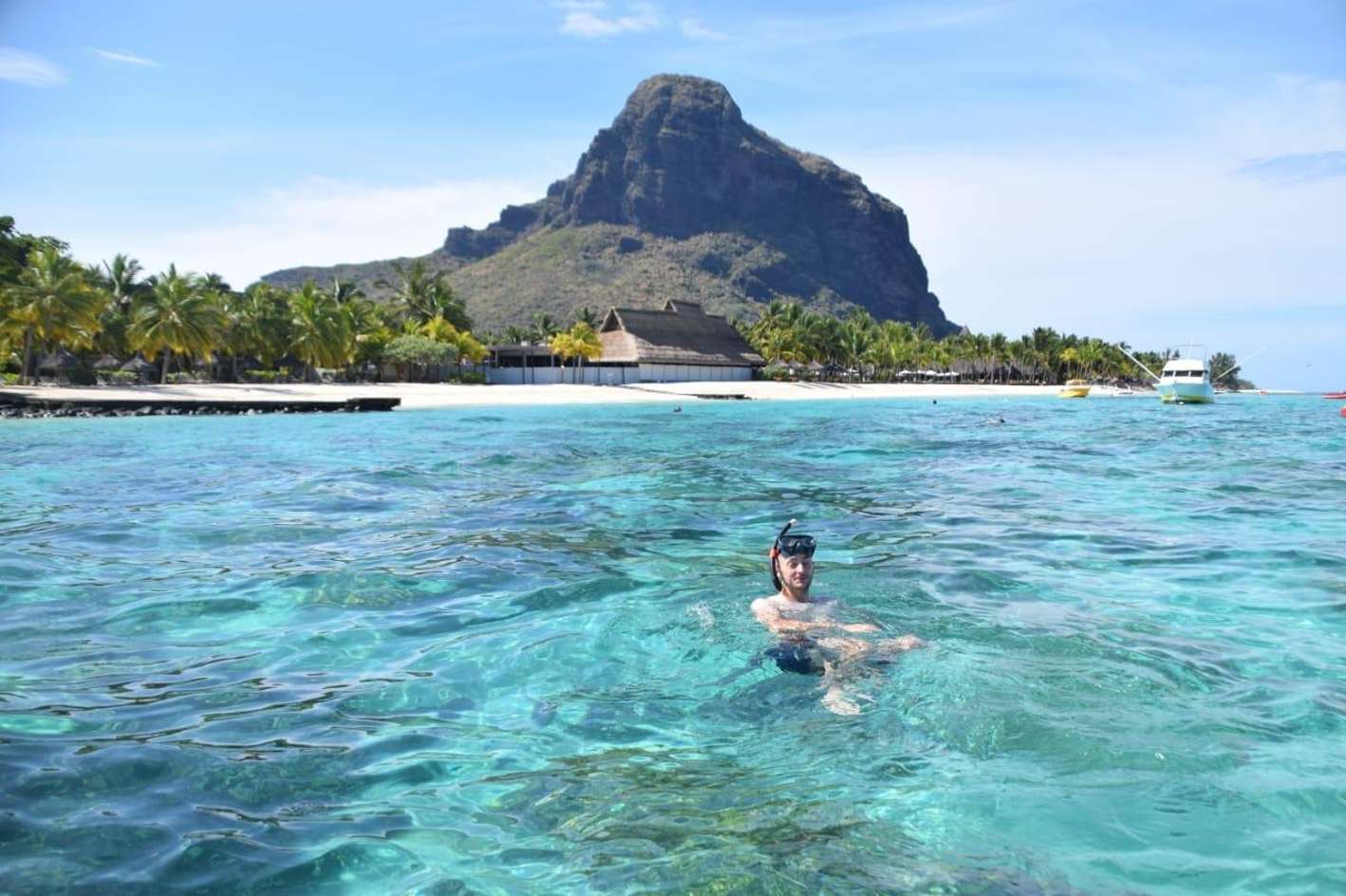
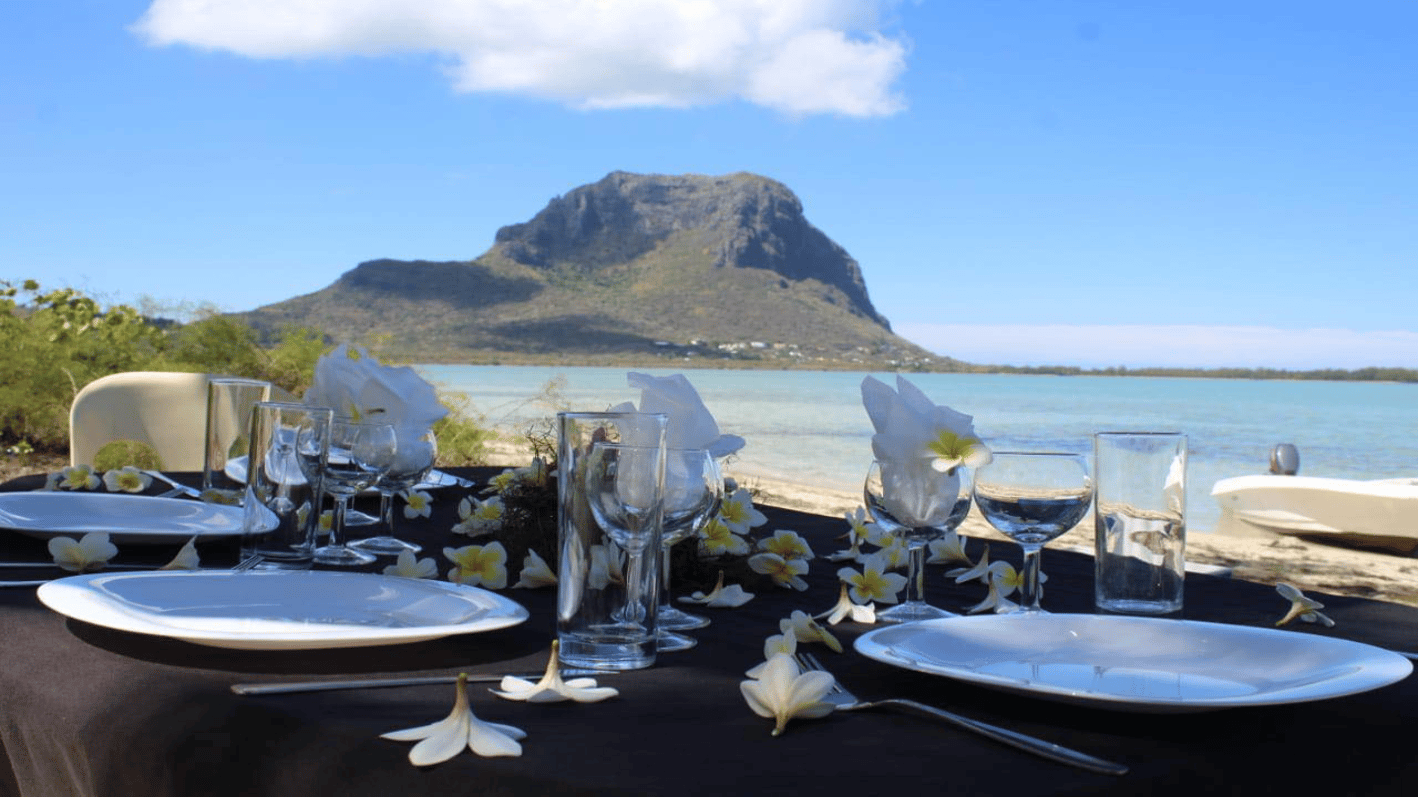
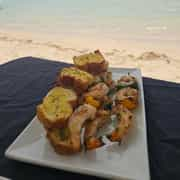
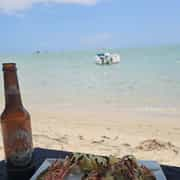
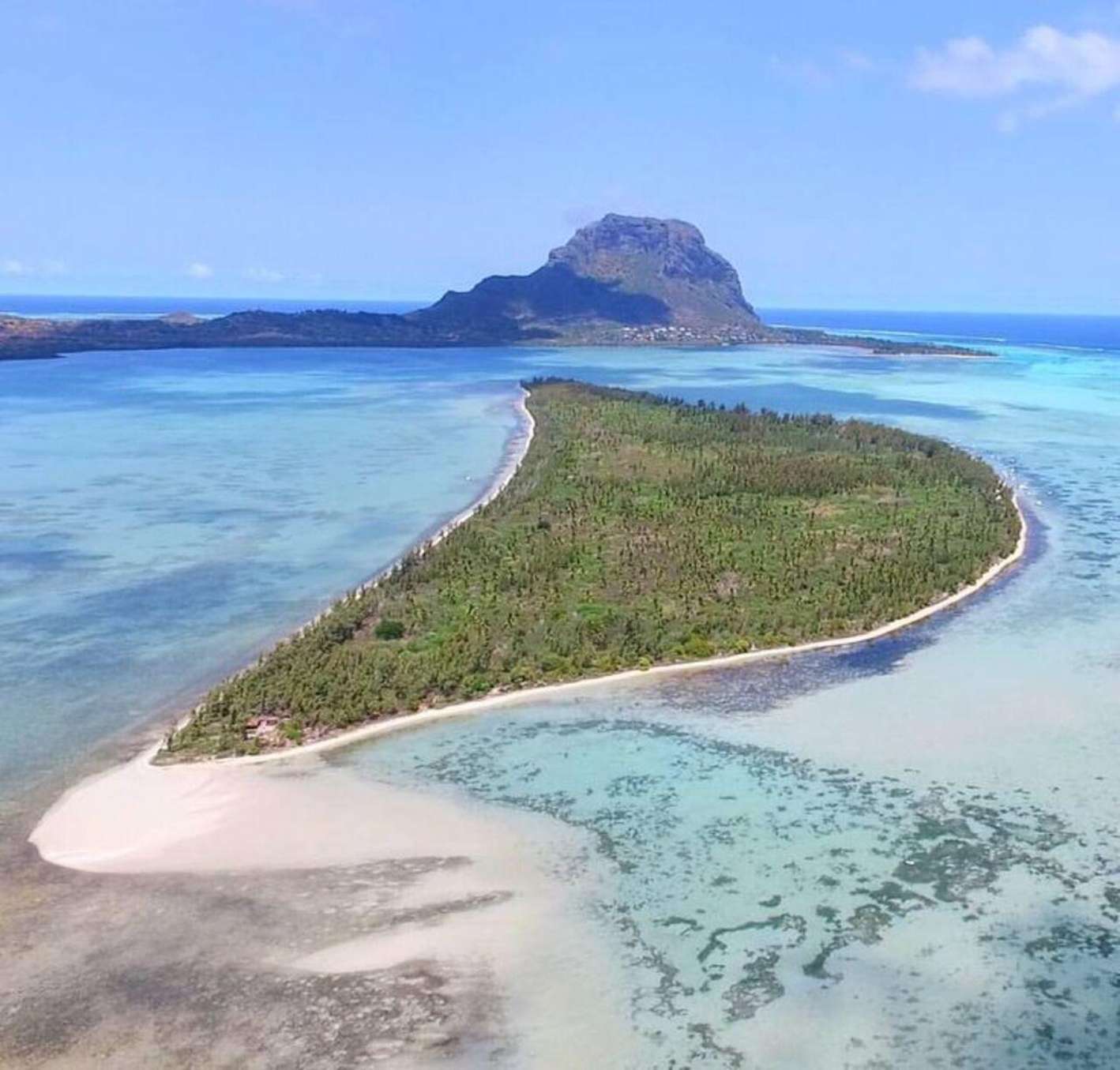
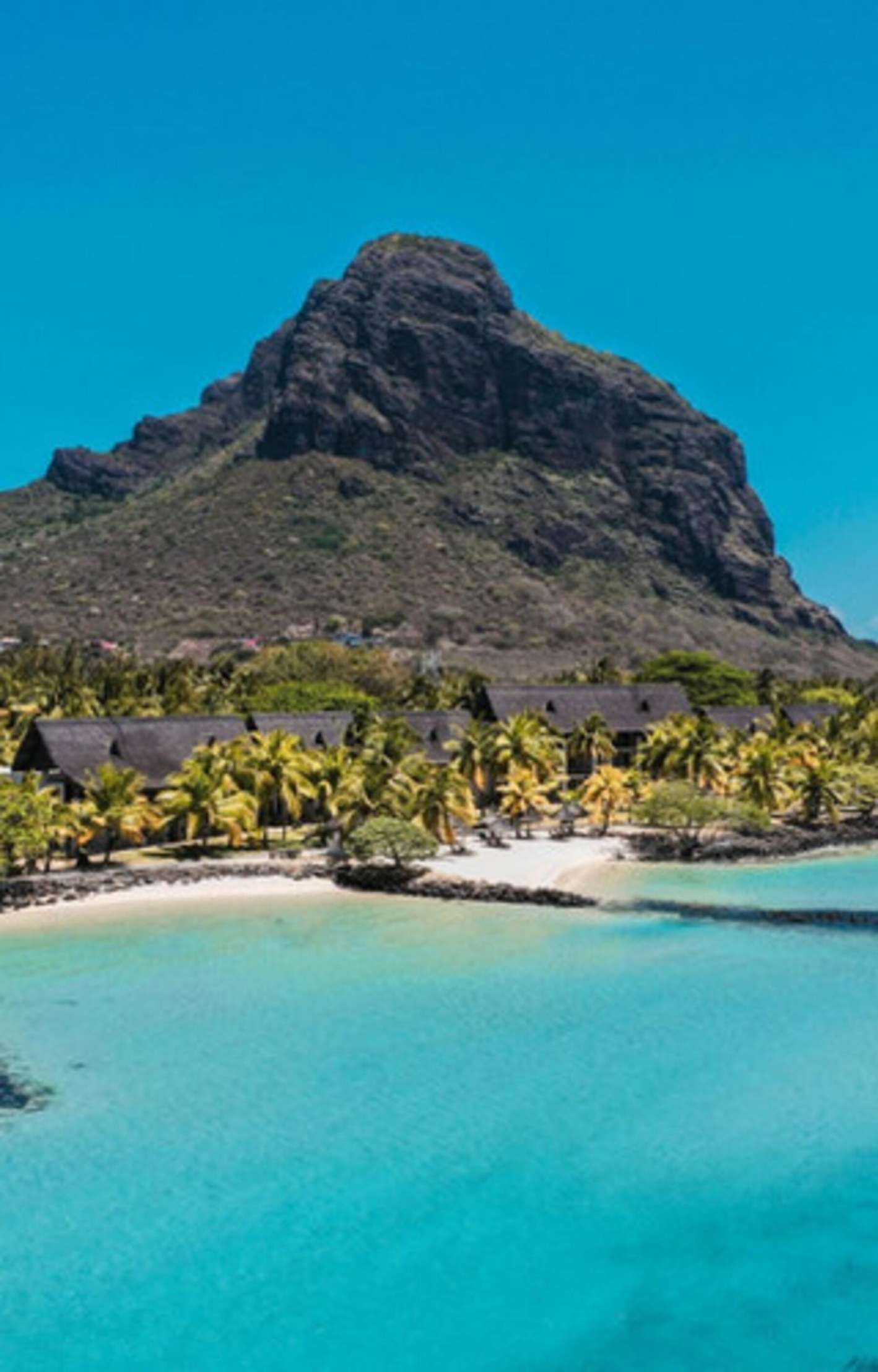
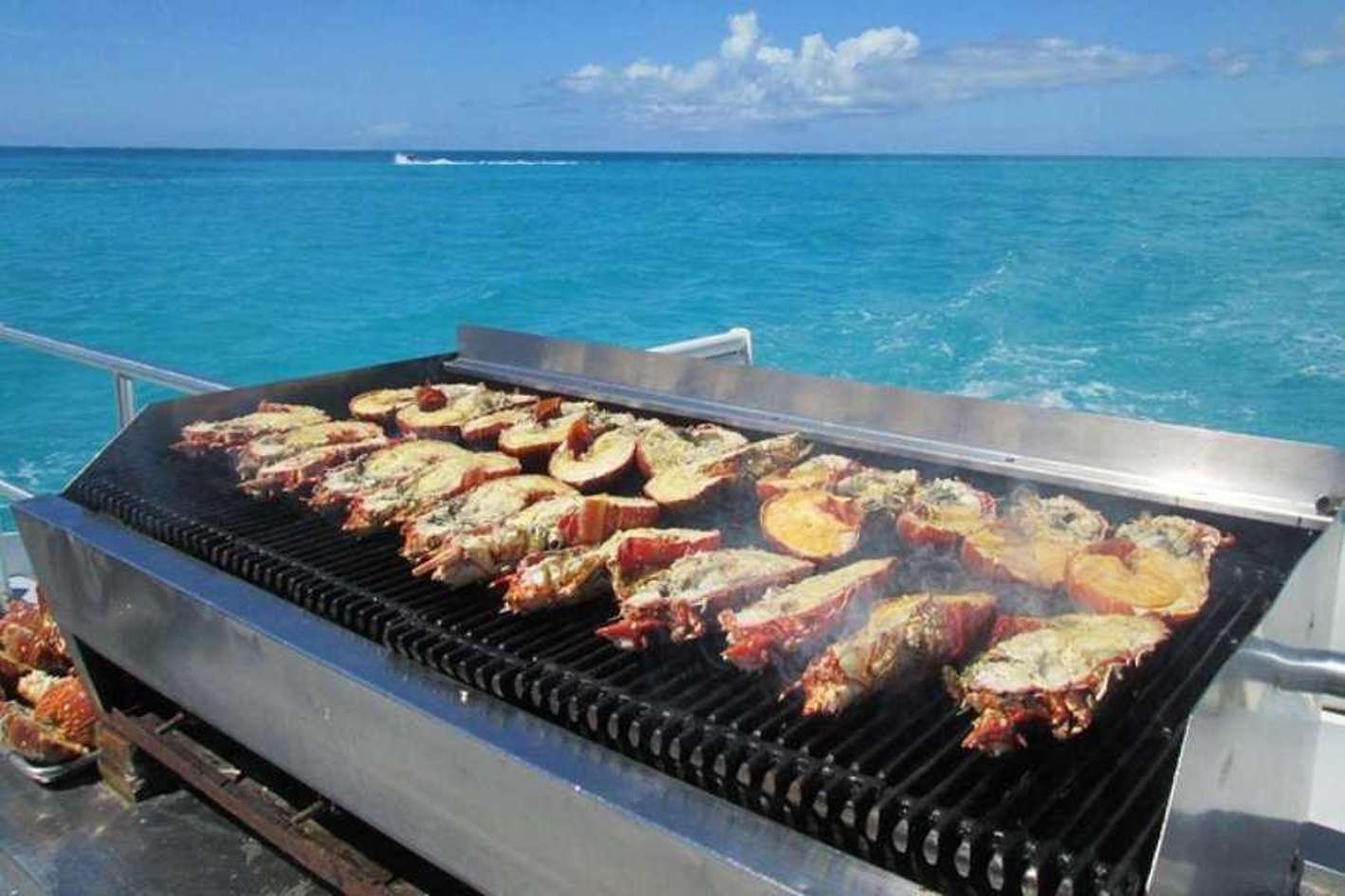
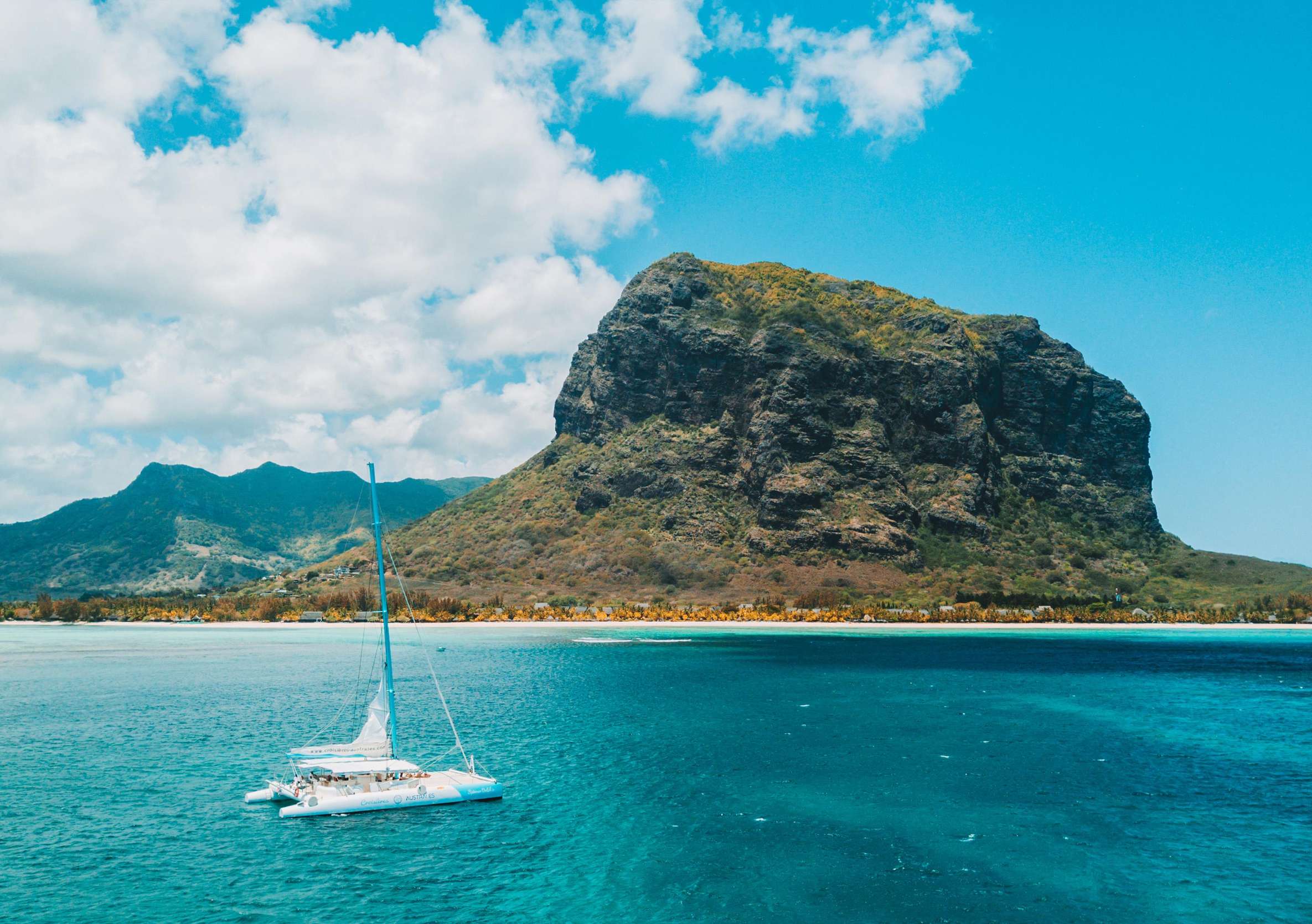
From there boats cross to Île aux Bénitiers for a beach barbecue, grilled fish and chicken with local drinks, and an afternoon of sand under the Le Morne mountain.
One thing the boat cannot show you is the famous underwater waterfall off Le Morne. From the surface it is invisible: the effect is an optical illusion of sand pouring off the shelf, visible only from a helicopter or seaplane, and swimming near the reef opening there means strong seaward currents.
Enjoy it from the air or the postcard, and let the water near that reef opening stay empty.
The launch points have their own pull when you have a free afternoon.
La Preneuse beach sits a short drive up the coast from La Gaulette, Le Morne Brabant makes a half-day walk for the view over the bay, and Black River Gorges National Park shows the forested ridge that shelters this whole coast from the winter winds.
If the morning leaves you curious rather than finished, the Mauritius Marine Conservation Society in Albion runs educational visits on responsible marine tourism, a good follow-up for anyone who left the bay wondering how to keep the dolphins wild.
A dolphin morning in Mauritius is worth the alarm clock, and it is legal, licensed and humane when you choose it that way.
Go with a licensed operator who approaches from the side at no-wake speed, book the 6 to 7:30 am window from Tamarin or Black River, and be honest about whether you can swim 200 metres in open water. The deck is every bit as good a seat if the drop is not for you.

dolphin trips only run between 6 am and noon
Fancied a boat with only your own group on it? Exclusive private charters in Mauritius show you how that day looks.
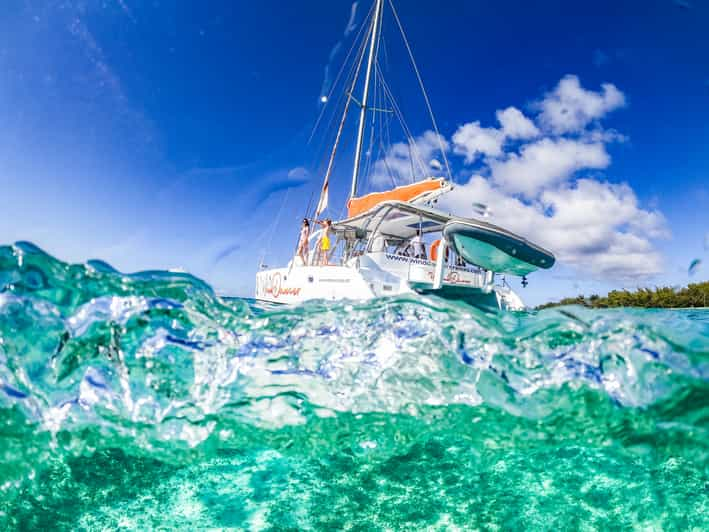
Prefer smooth sailing over a lagoon reef? Catamaran snorkeling trips in Mauritius pair a stable deck with a swim stop.

Once the dolphins have headed offshore, full-day catamaran cruises in Mauritius fill the rest of your morning and afternoon.
morning swims run 6 am to 9 am only
The practical and ethical questions readers ask before booking a wild dolphin encounter in Mauritius, answered plainly.
 La Gaulette2026
Yes. Spinner and bottlenose dolphins live year-round along the west coast, gathering in sheltered bays such as Tamarin and Black River each morning. Spinner dolphins gather in pods of 25 to 100, while bottlenose dolphins live in small groups and often approach boats out of curiosity.
Yes, when it happens with a licensed operator. The government licenses dolphin swimming, and skippers must hold a Tourism Authority certificate tested on dolphin behaviour and boat handling. The rules set the trip window between 6 am and 9 am, and tours are limited to mornings.
Mauritian law treats the two species differently. Licensed boats may swim with dolphins, but touching whales is strictly prohibited: boats must stay at least 100 meters away, and swimming, diving, or snorkelling with a whale is banned outright.
It depends on the crew on the water. Ethical skippers keep a parallel course, stay out of the 50-meter exclusion zone, and drop only a couple of swimmers at a time.
Some speedboats on the west coast crowd and chase pods, so booking an early departure with a crew that explains its rules is the best way to see dolphins without adding to the pressure on them.
Watch the boat handling. A licensed skipper approaches from the side, moves at no-wake speed near the pod, and never drives through or circles a group of dolphins. Boats that cut their engines to block a pod's path and push swimmers in front of the animals are the ones to avoid.
No. Touching and feeding wild dolphins are forbidden, and so is making noise to attract them. Swimmers enter the water quietly, sign a liability disclaimer first, and stay alongside the pod.
Mauritian law caps it at three swimmers in the water at the same time, including the on-board life-saver. You will usually go in as a pair and get back on the boat while others take a turn.
The swims happen in deep open water outside the lagoon reef, and the dolphins move fast, so it suits confident swimmers only. Boats on dolphin trips must carry a life-saver, a first aid kit, an oxygen kit, and a propeller guard, and life jackets are compulsory once the boat leaves the lagoon.
Shark encounters are practically unheard of in the dolphin bays off Tamarin; only harmless reef sharks appear there from time to time. If local authorities or your crew issue a shark warning, nobody enters the water that day.
Each encounter is short. You jump in and stay with the pod for a minute or a few, up to about five minutes, then climb back aboard so the skipper can reposition for another drop. A morning involves several of these entries.
Toddlers and young children should watch from the deck, which is a great seat for leaping and bow-riding dolphins. There is no legal minimum age, but operators set their own rules, and the open-water swim demands a solid swimming ability. Children under two usually need a private boat booking.
The pods are resident all year, so any month can work, but sighting rates peak from May to September at 88 to 90 percent in June, July, and August. Go out between 6 am and 7:30 am for flat water, clear visibility of 15 to 25 meters, and dolphins before the crowds arrive.
meet at le morne anglers club jetty, 9:15 am
Watch spinner dolphins in Tamarin Bay, then snorkel at Crystal Rock and lunch on Île aux Bénitiers, with free cancellation up to 24 hours in advance.