
2 hours·French, English
4.7(39)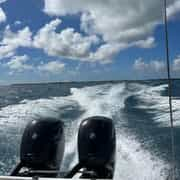
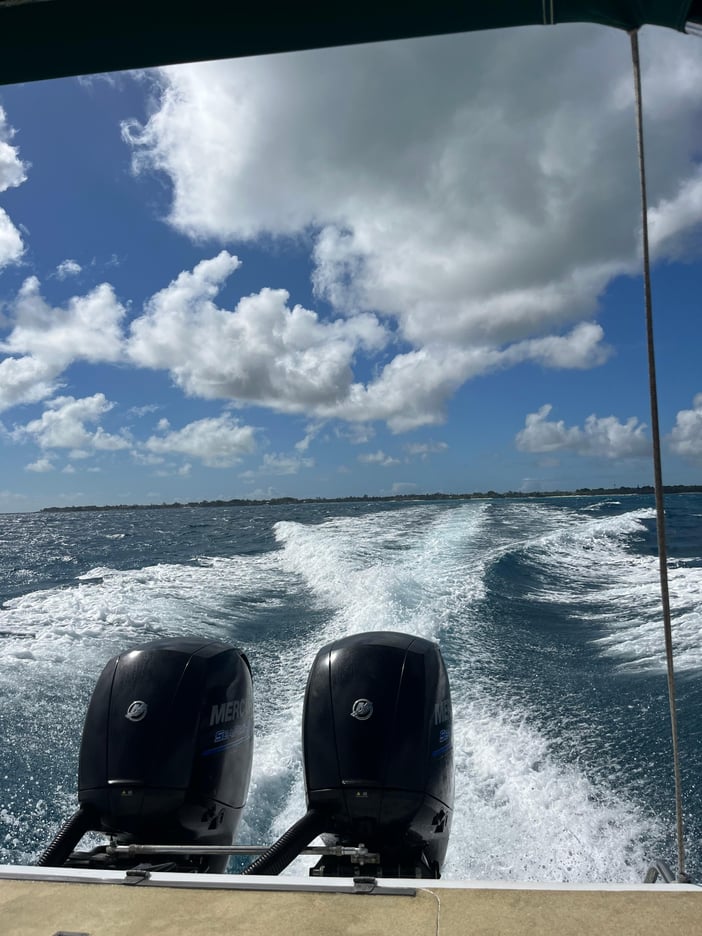
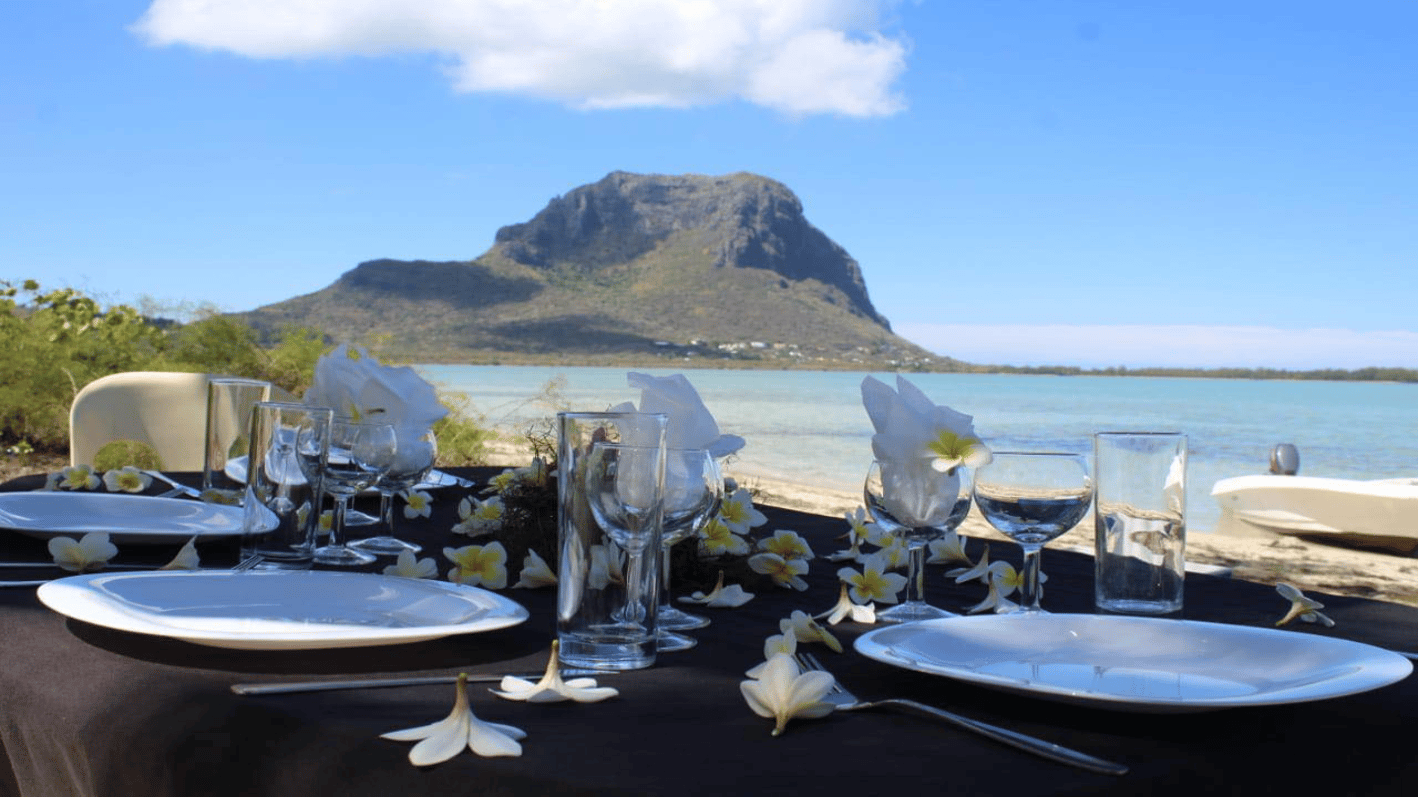
Mauritius: Snorkeling with turtles Le Transporteur speedboat
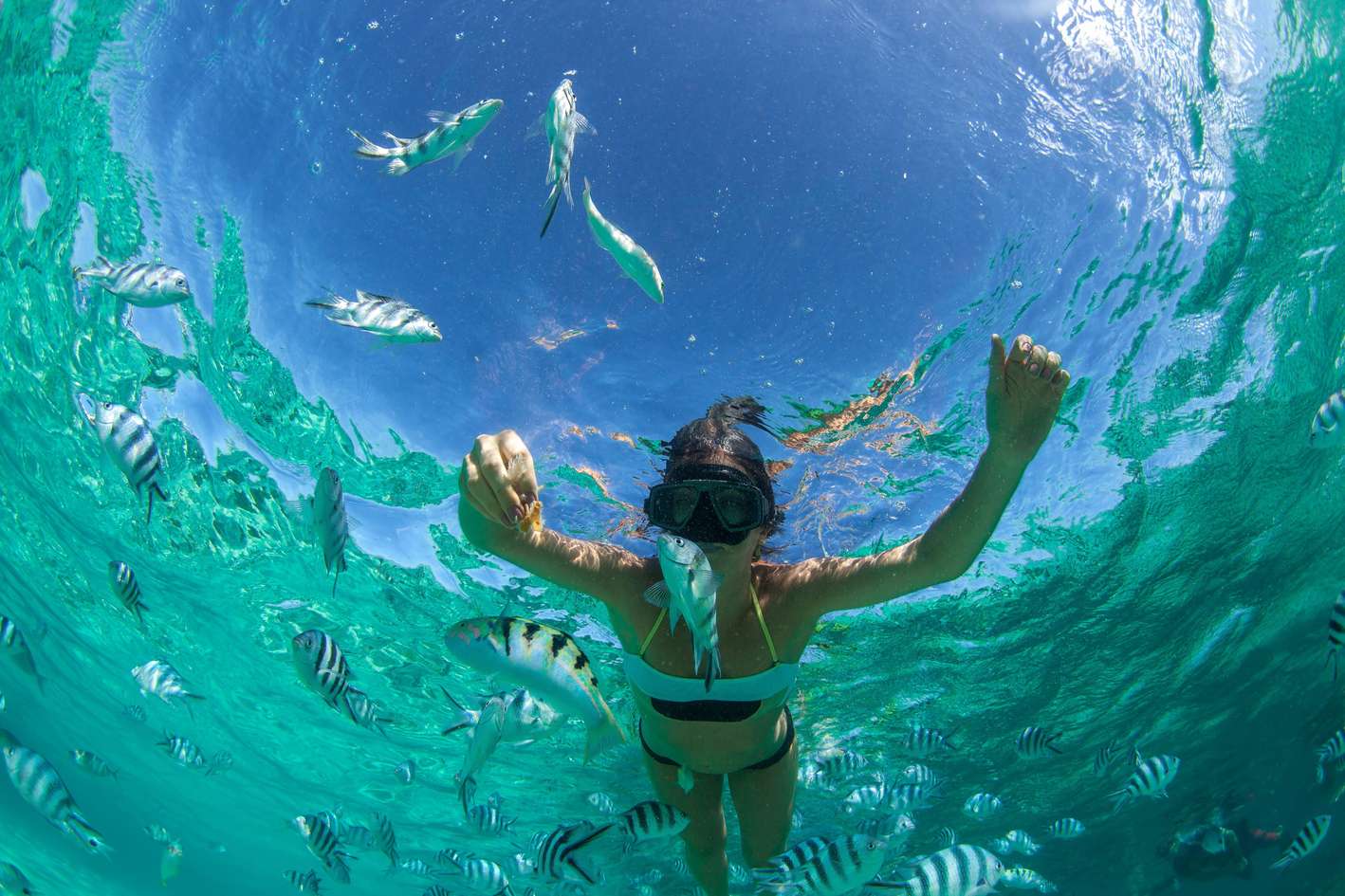
Admire the colourful marine fauna and TurtlesSwim and snorkel in the indian Ocean
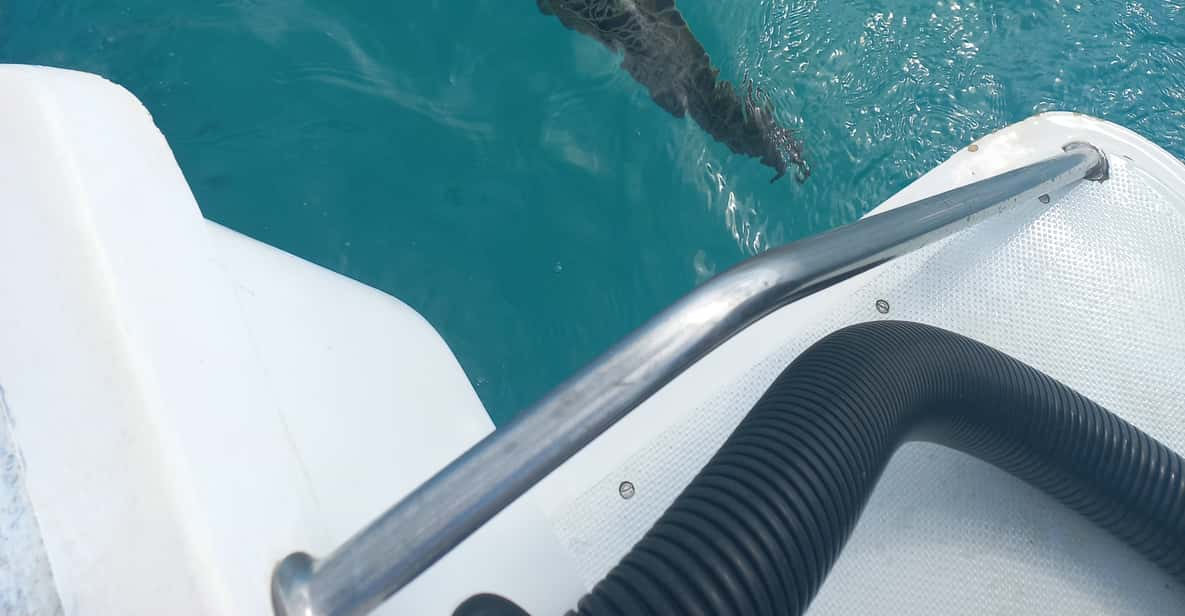
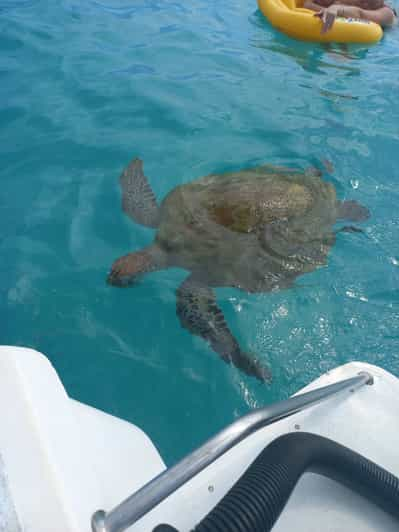
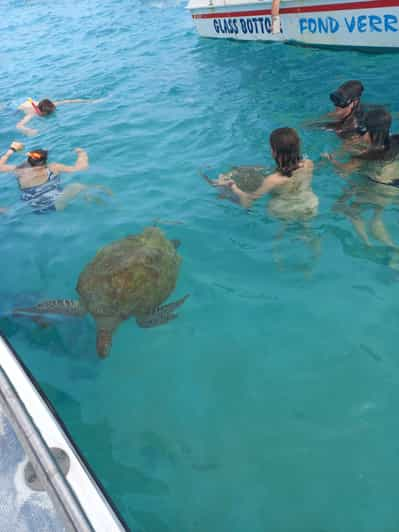
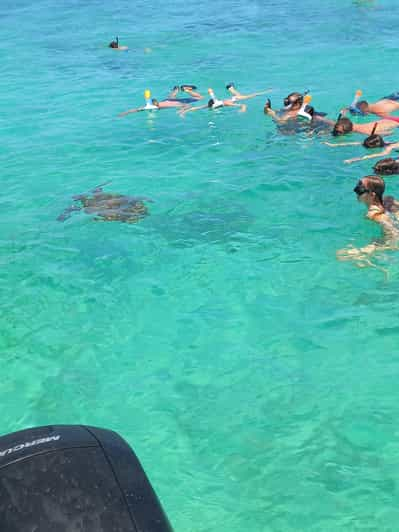
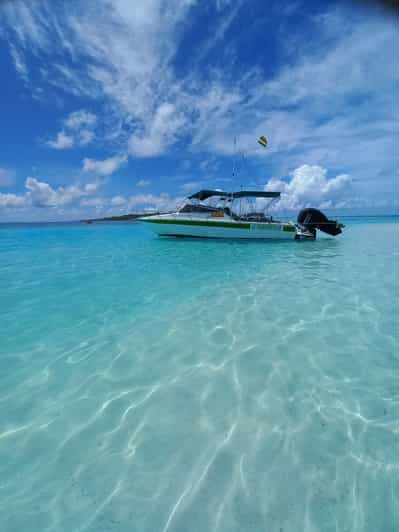
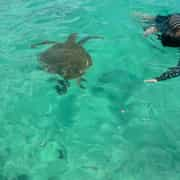
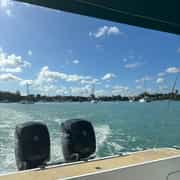
Swim straight from the sand to where green turtles graze, then let a private speedboat drop you on the richest coral in minutes. Get an expert skipper, snorkeling gear and snacks on board. Find your turtle at Trou aux Biches.
"Great, attentive guide who really tried to find turtles and told us to stay calm and quiet in the water. We briefly saw a couple. Lovely experience overall."

Compare Mauritius's coasts before you commit a single day of holiday to the wrong side of the reef.
Read the guide
Blue Bay holds the densest protected coral in Mauritius, from brain corals wider than a car to table colonies stretching sixteen meters.
Read the guide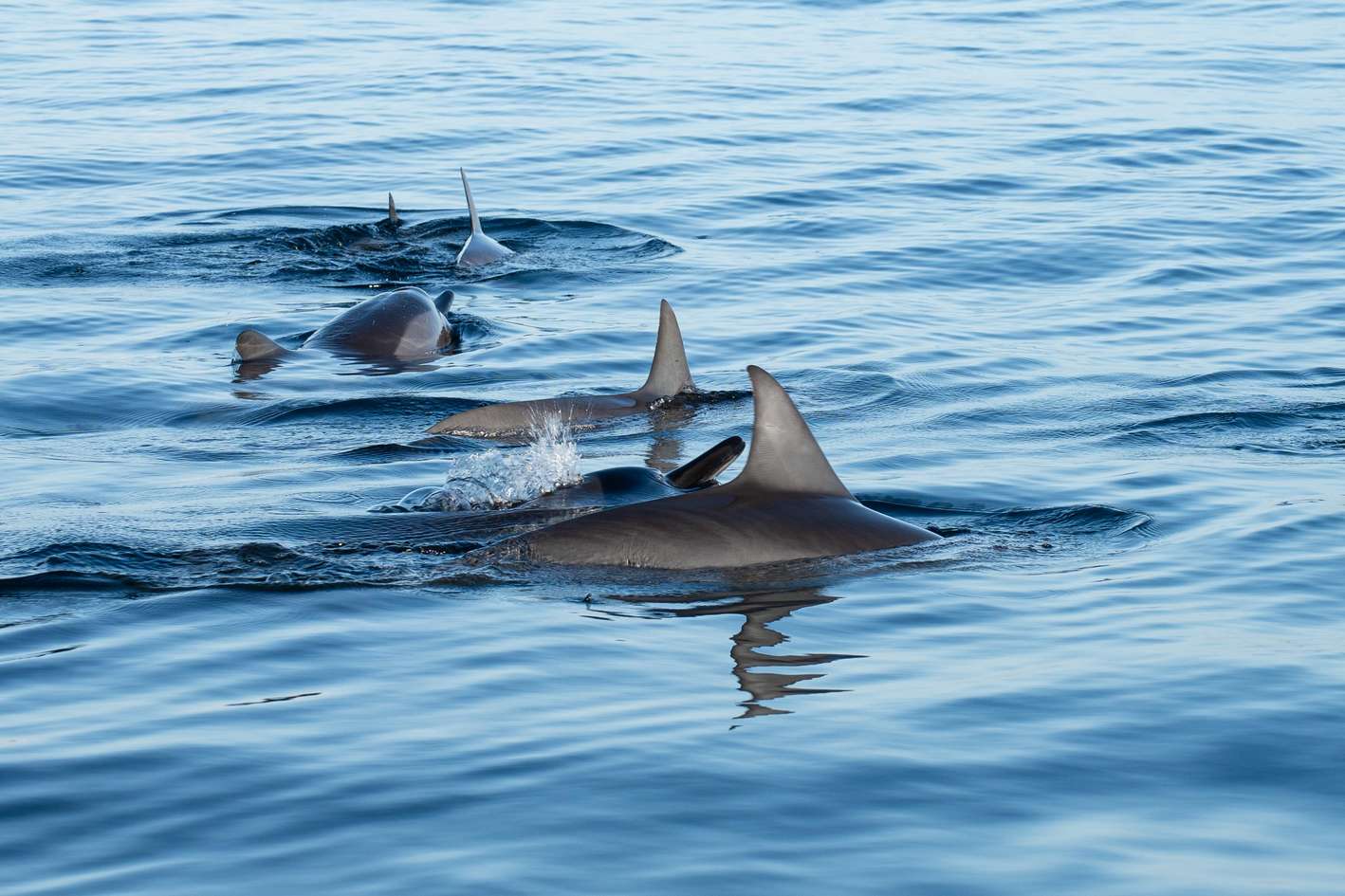
Swim opposite the Hindu temple or in front of Villa Caroline, where the coral heads beat the central public beach.
Read the guide
Snorkel under the peak of Le Morne Brabant, with calm water on the northern side and a skipper for the reef passes.
Read the guide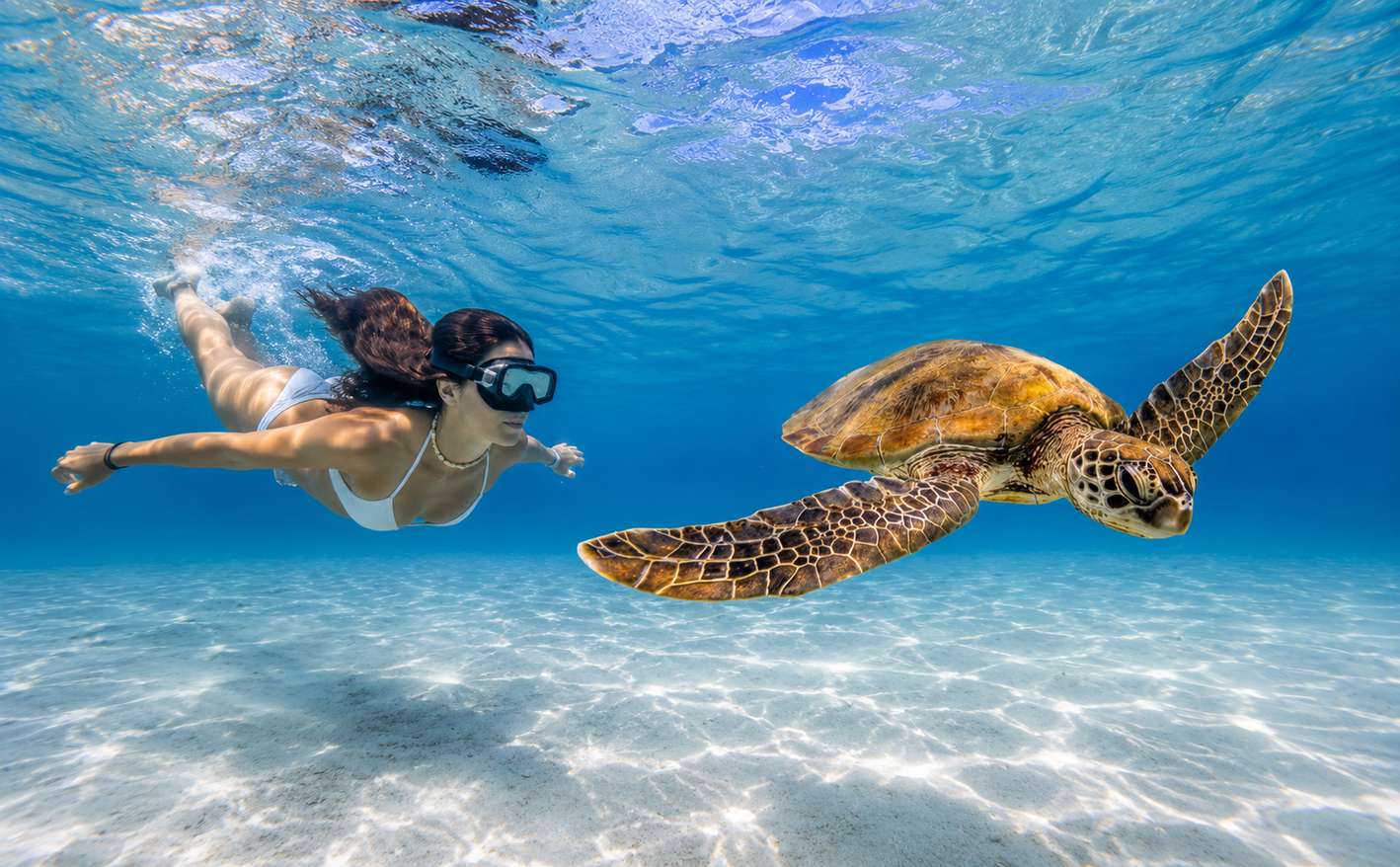
Green and hawksbill turtles feed 50 to 100 meters off Pereybere's sand, closer than almost anywhere else on the island.
Read the guide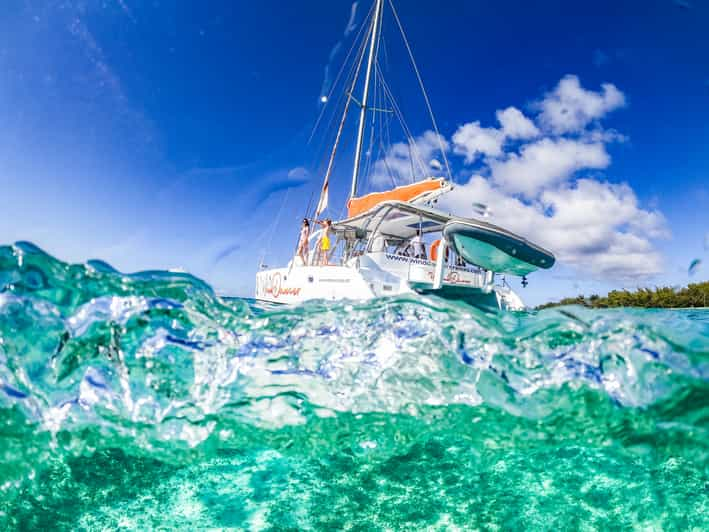
Grand Baie's own bay holds moorings and boat traffic; the coral reward lies outside it, around the northern islets.
Read the guide
Spinner and bottlenose pods rest in Tamarin Bay each morning; boats that leave at dawn meet them before the fleet builds.
Read the guide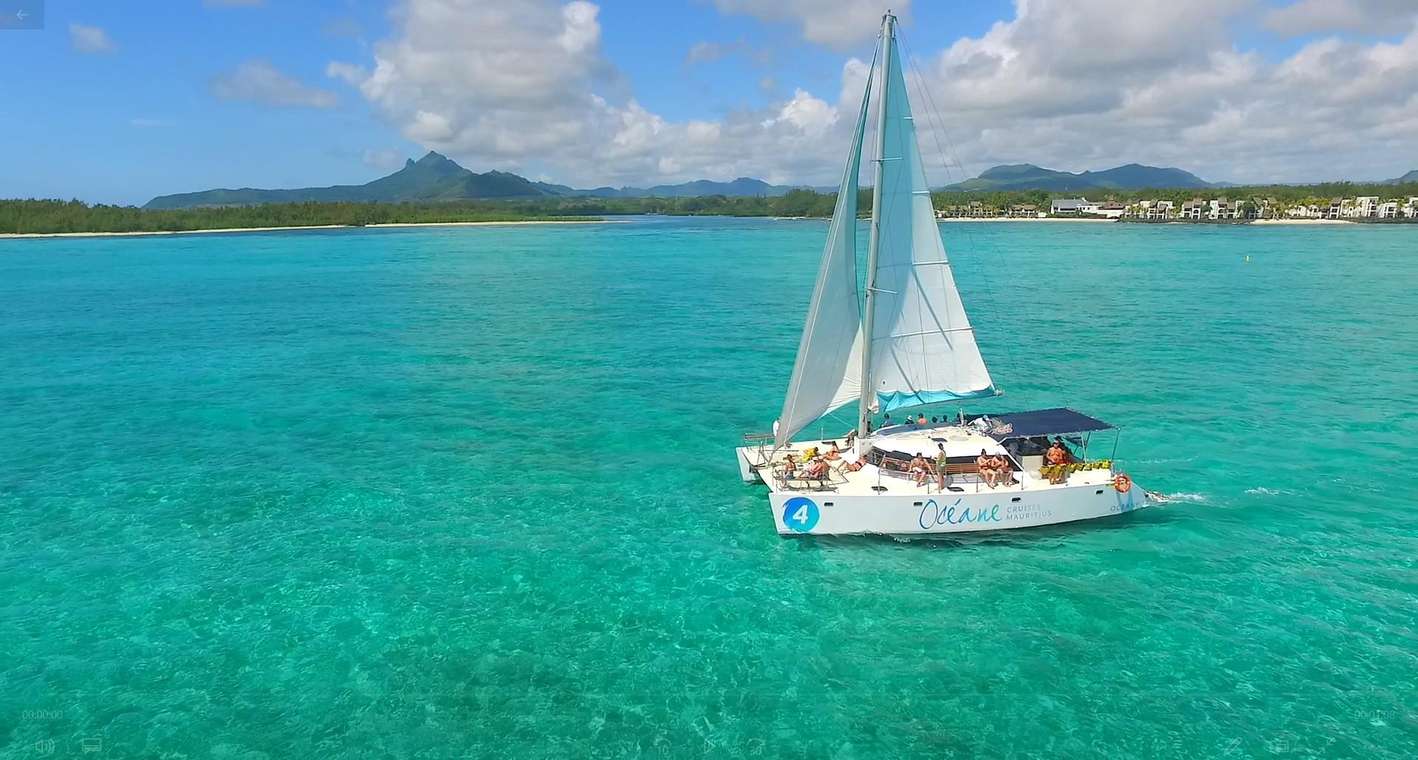
Belle Mare's best coral sits about 500 meters offshore; local boats make the trip because the pass currents can pull.
Read the guide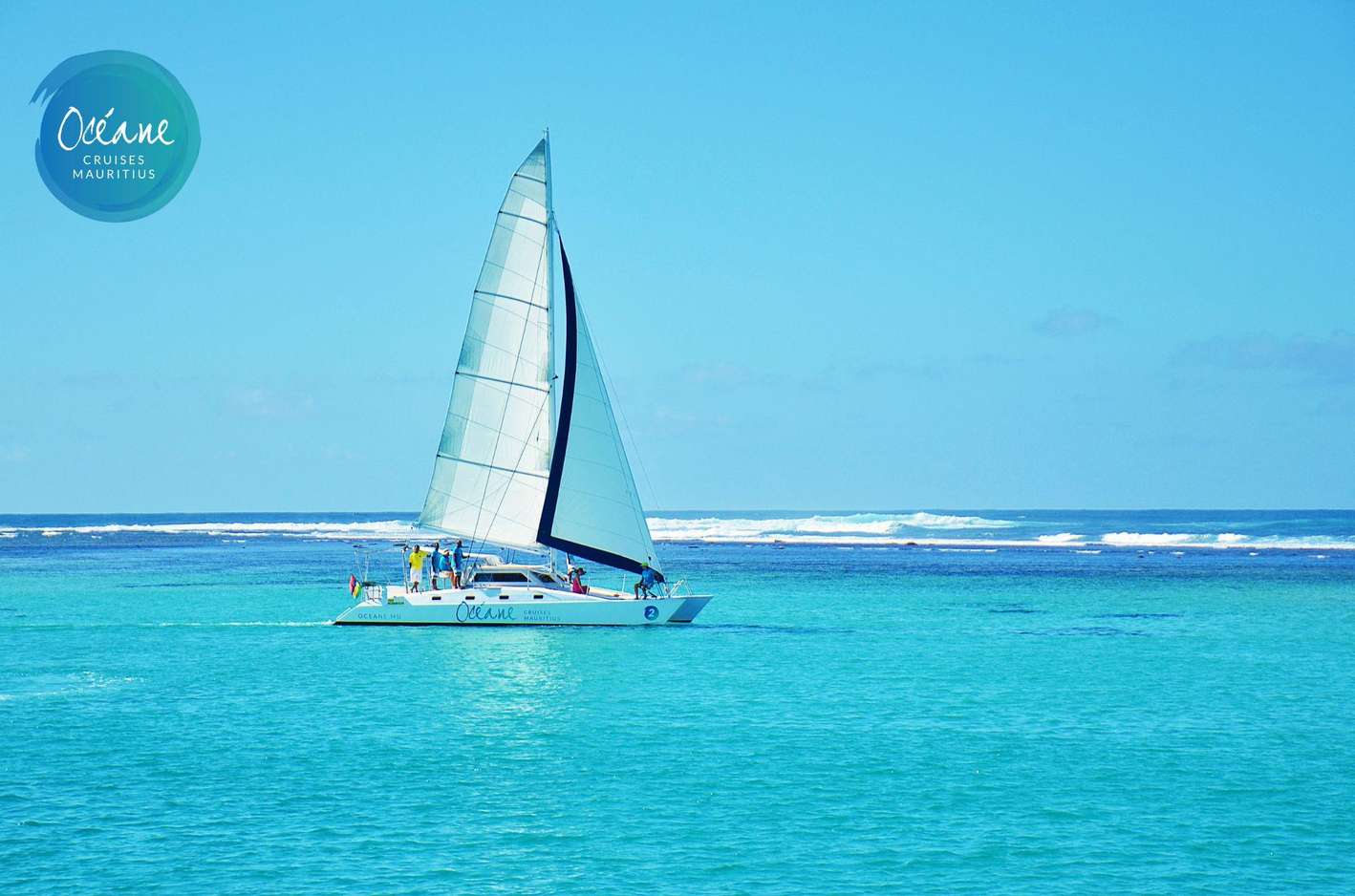
Palmar's lagoon runs barely 250 meters to the reef, calm over sand and scattered coral, best entered in the morning.
Read the guideKuilima Cove lets you walk in over ankle-deep sand to a reef sitting at four to eight feet, with no rocks underfoot.
Read the guide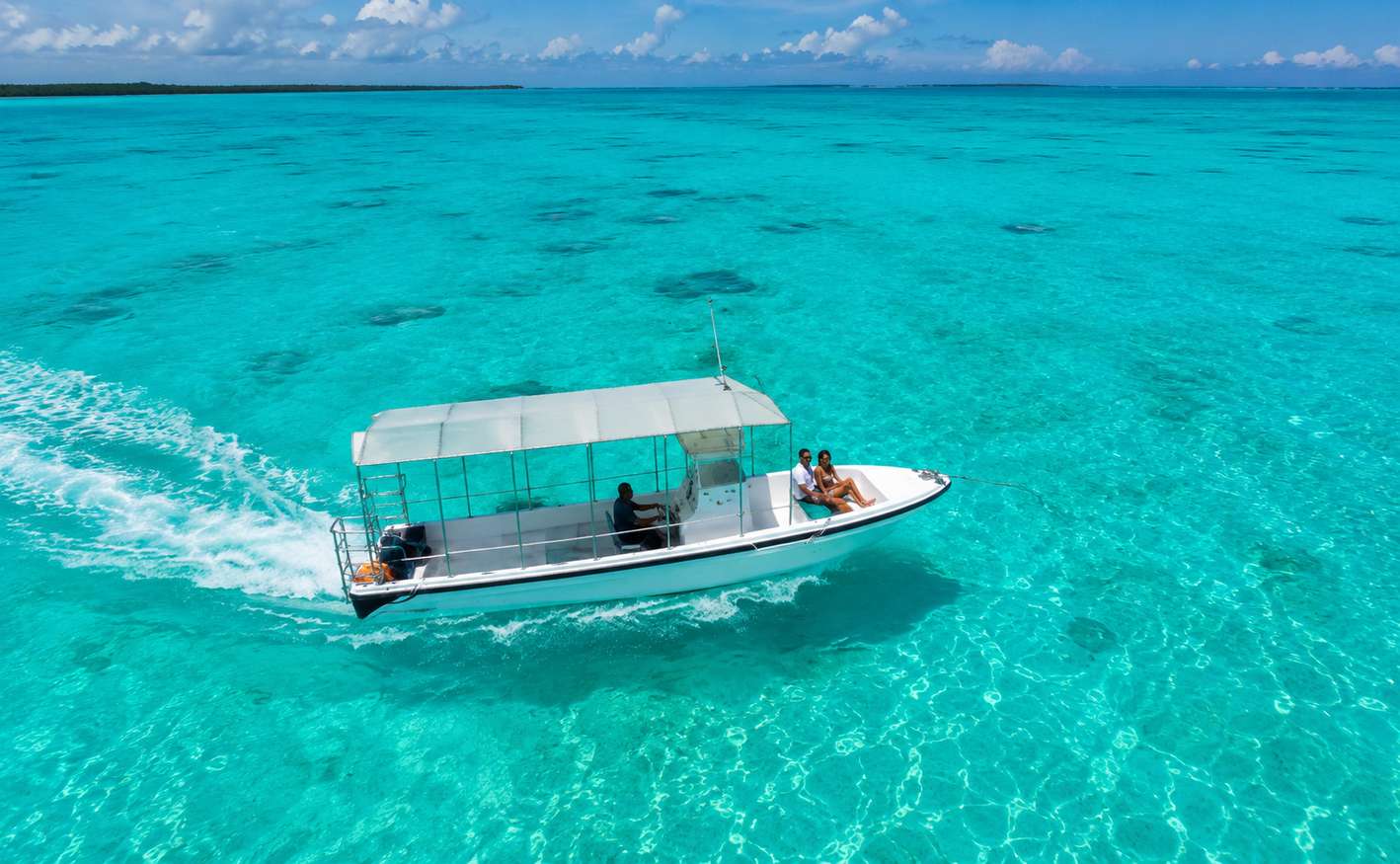
Green sea turtles regularly enter the shallows of Kuilima Cove; the beach entry costs nothing and needs no booking.
Read the guide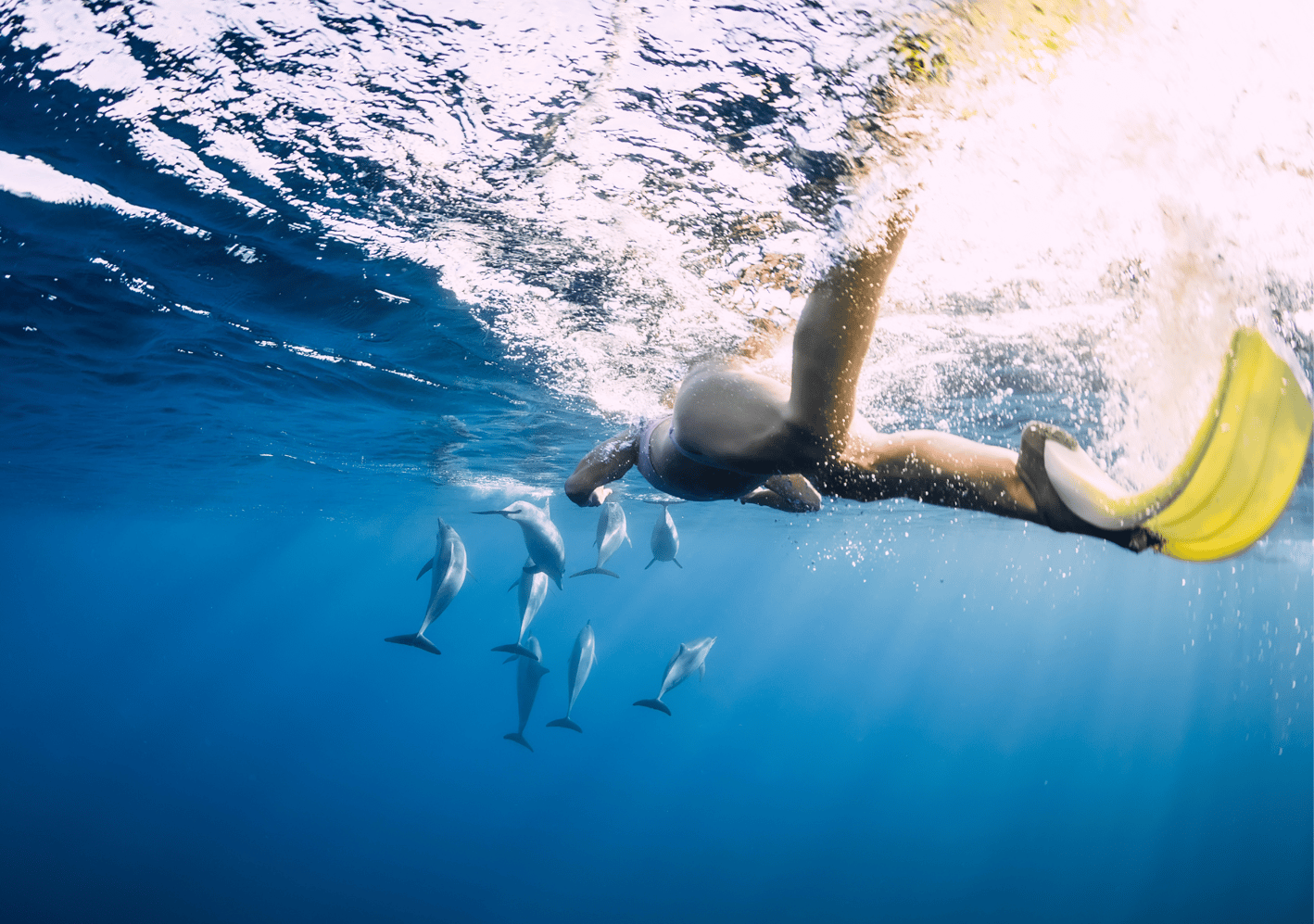
Bel Ombre snorkels off the sand on calm days; aim for mid to high tide, when the deeper water keeps the sand settled.
Read the guide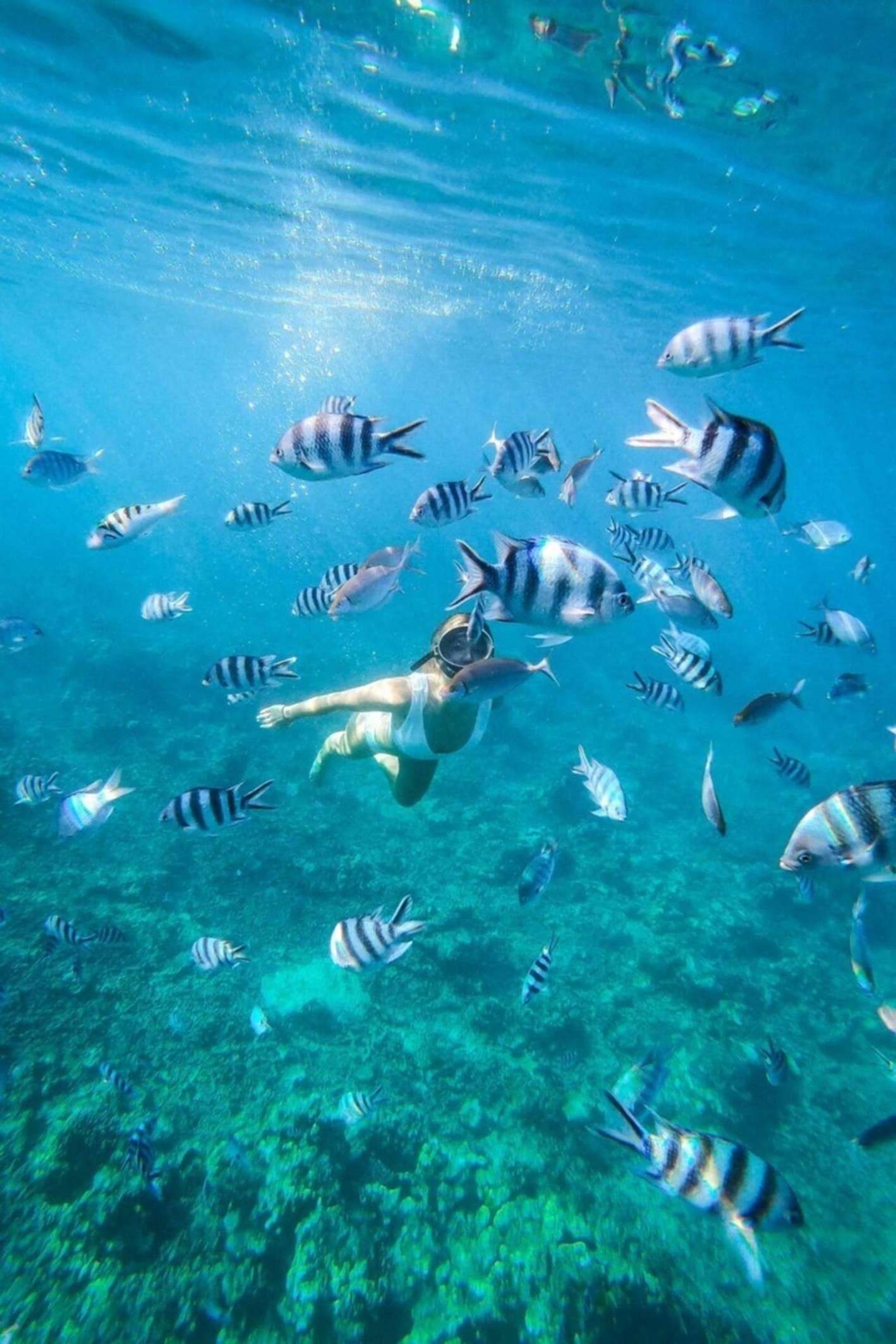
The underwater waterfall is an optical illusion of moving sand, visible only from a seaplane or helicopter, never through a mask.
Read the guide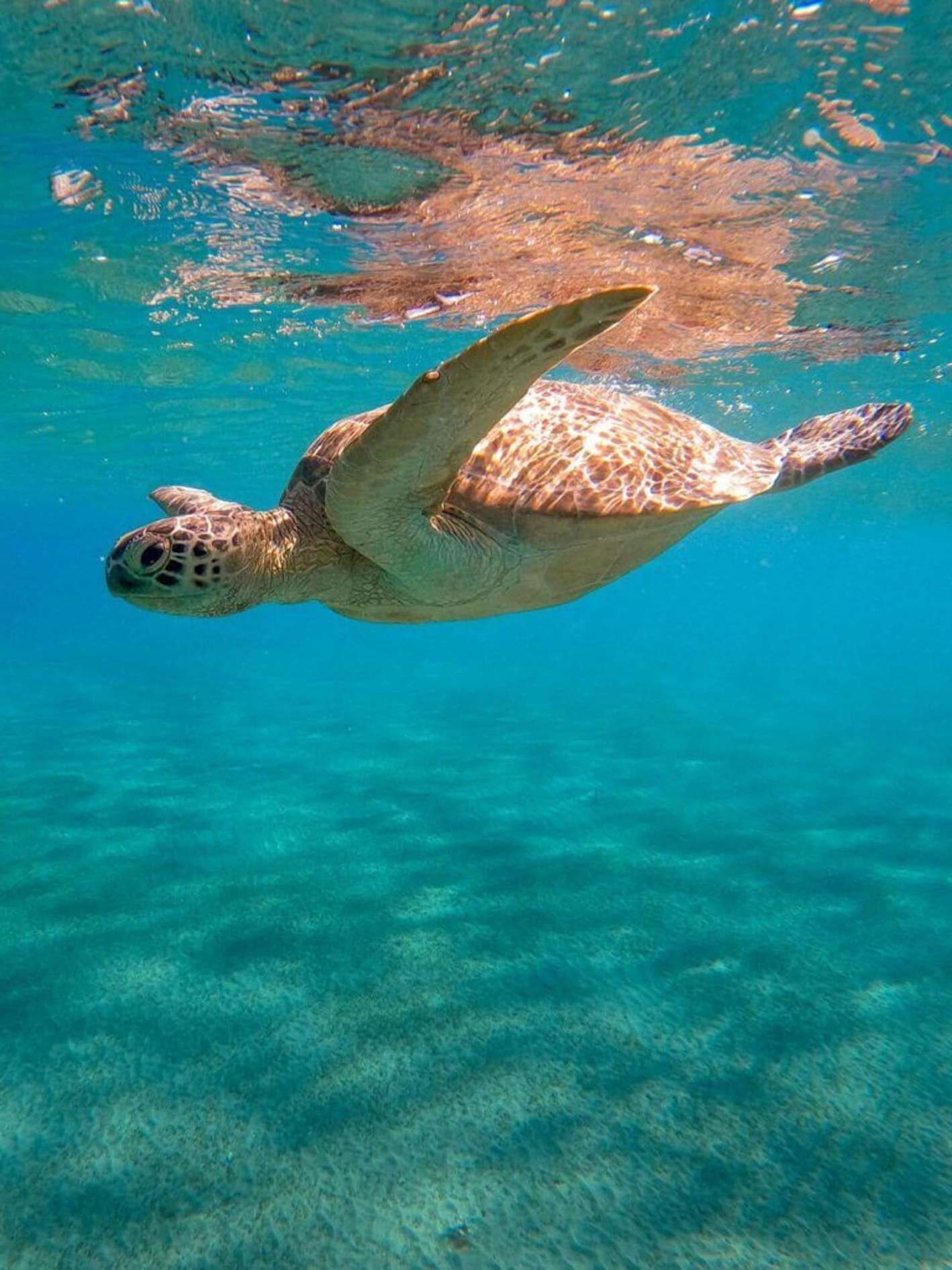
Green turtles graze on seagrass at a handful of reliable spots; the law lets you float and watch, and forbids the rest.
Read the guide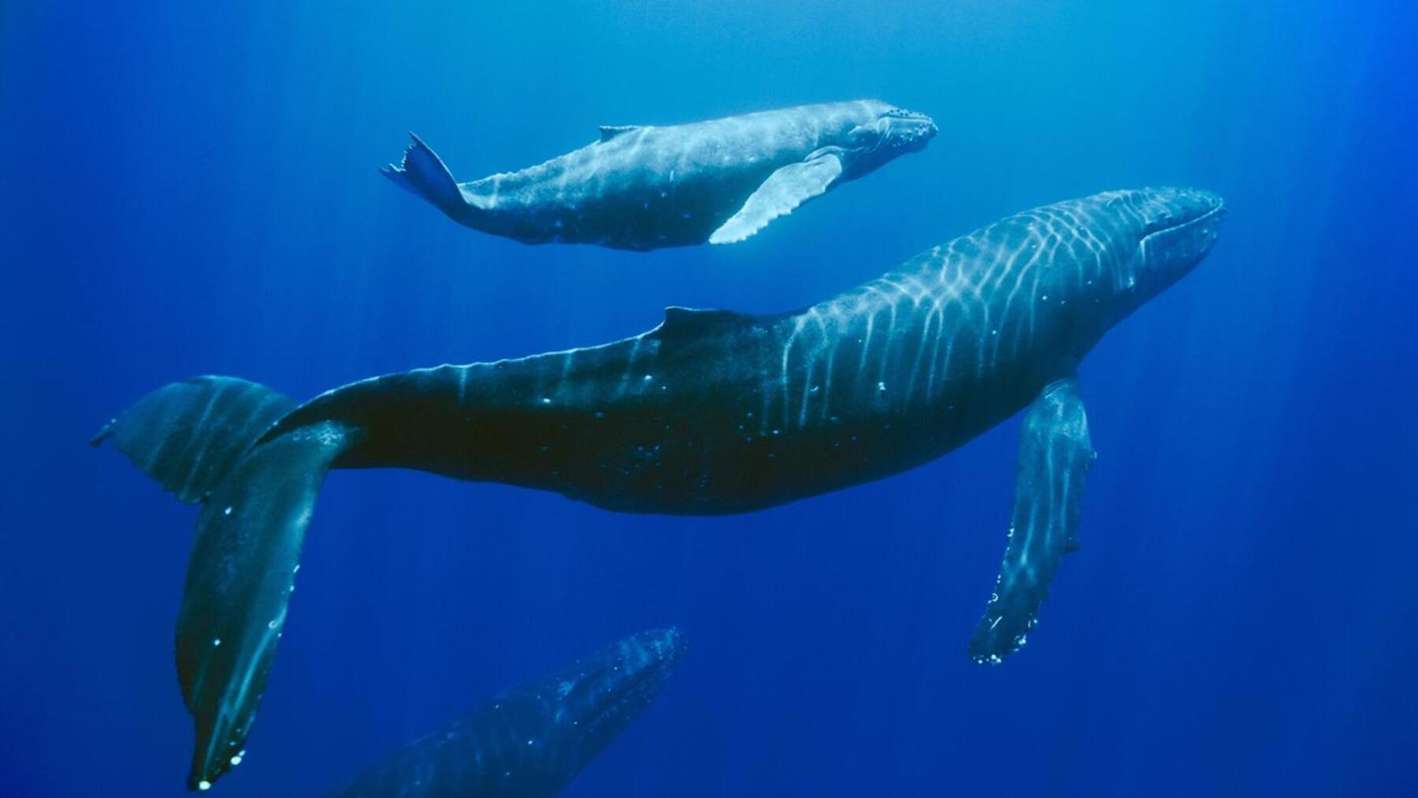
Sperm whales live off the west coast all year; the law keeps you on the boat and 100 meters away, and that is enough.
Read the guide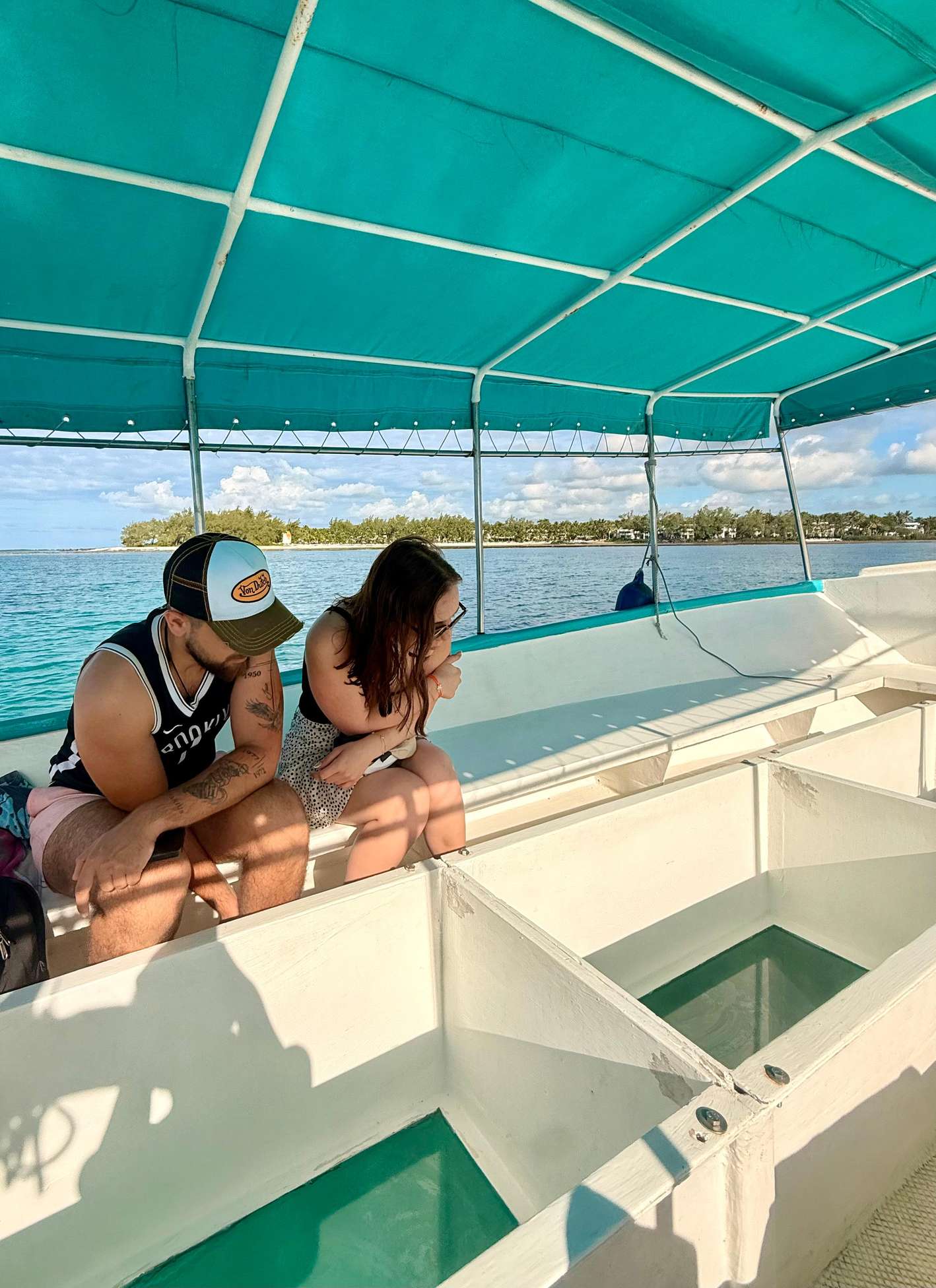
October through December combines warm water, calm seas and the year's best visibility; January to March brings cyclone risk.
Read the guide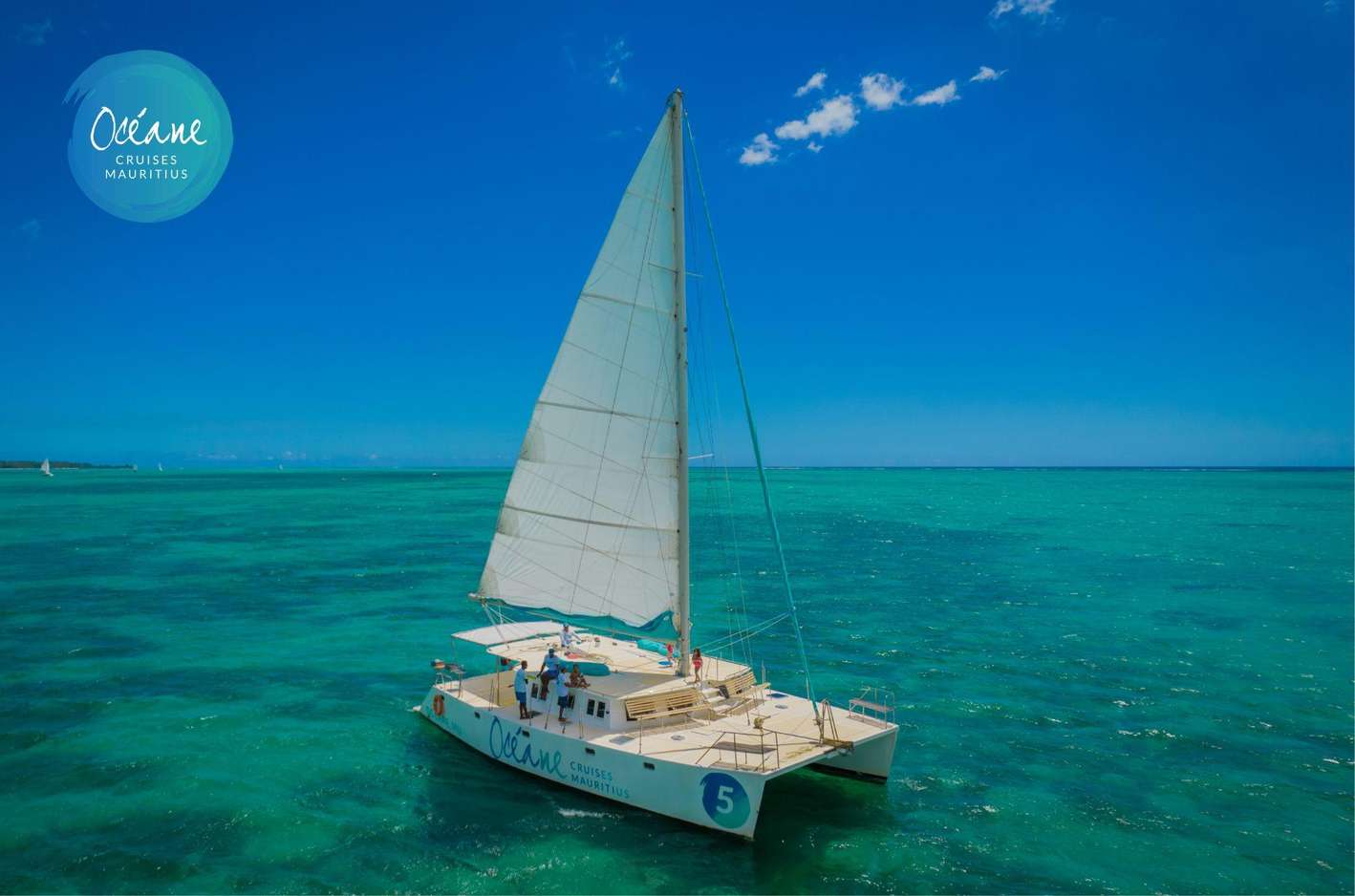
A twin-hulled catamaran sails the flat east coast lagoon to Ile aux Cerfs, with a snorkel stop, a waterfall and a deck barbecue.
Read the guide
A speedboat crosses to Ile aux Cerfs in 10 to 15 minutes against the 45 to 60 minutes a sailing catamaran takes.
Read the guide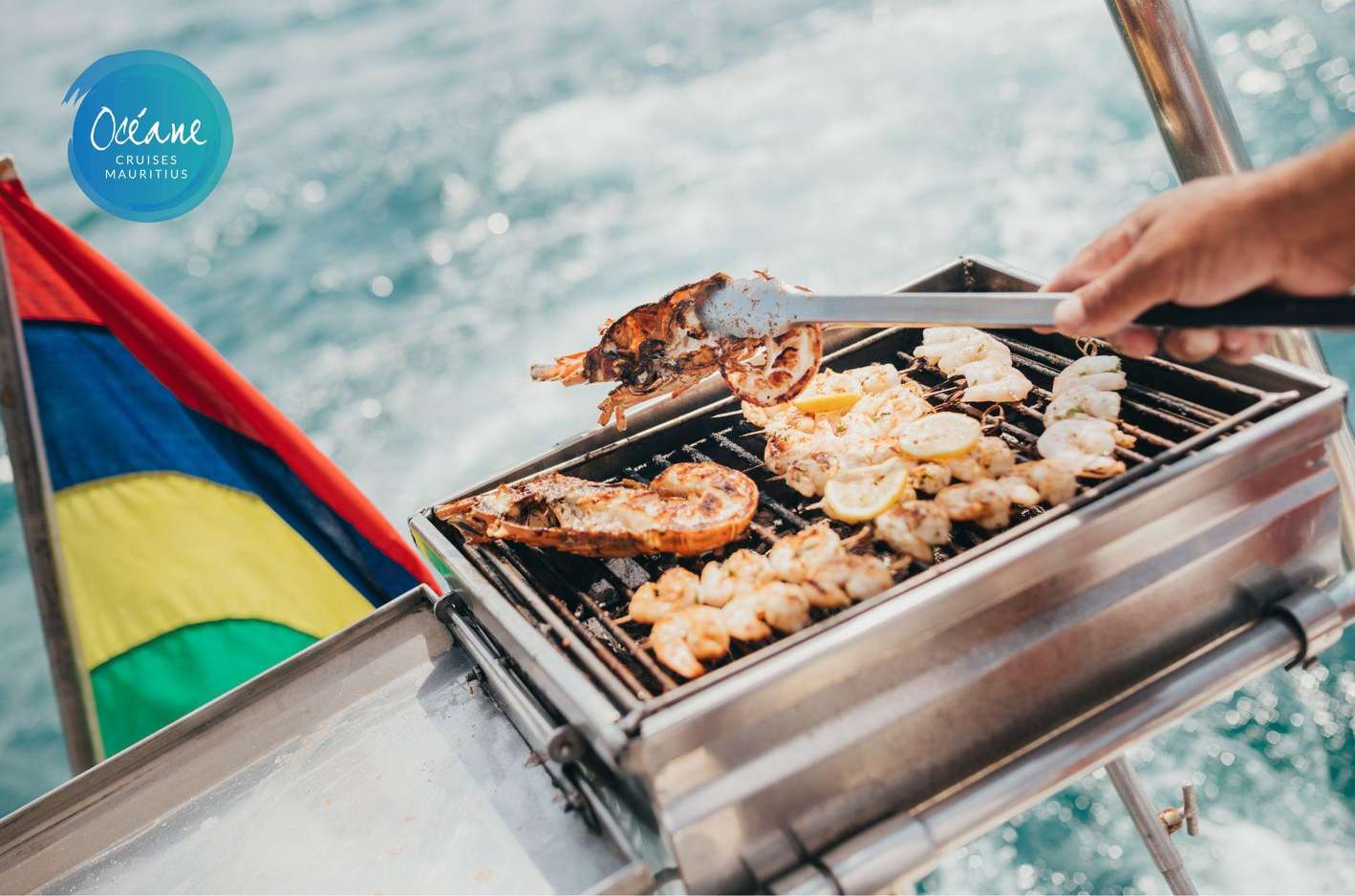
The Ile aux Cerfs beaches fill between 11 am and 3 pm; a private charter gets you there before the ferries and sets its own route.
Read the guideEach chapter covers a different stretch of water that a Trou aux Biches snorkeler weighs, from rival beaches to wildlife trips; choose by coast, coral and what you want to meet.
The comparison that decides where you sleep, swim and book
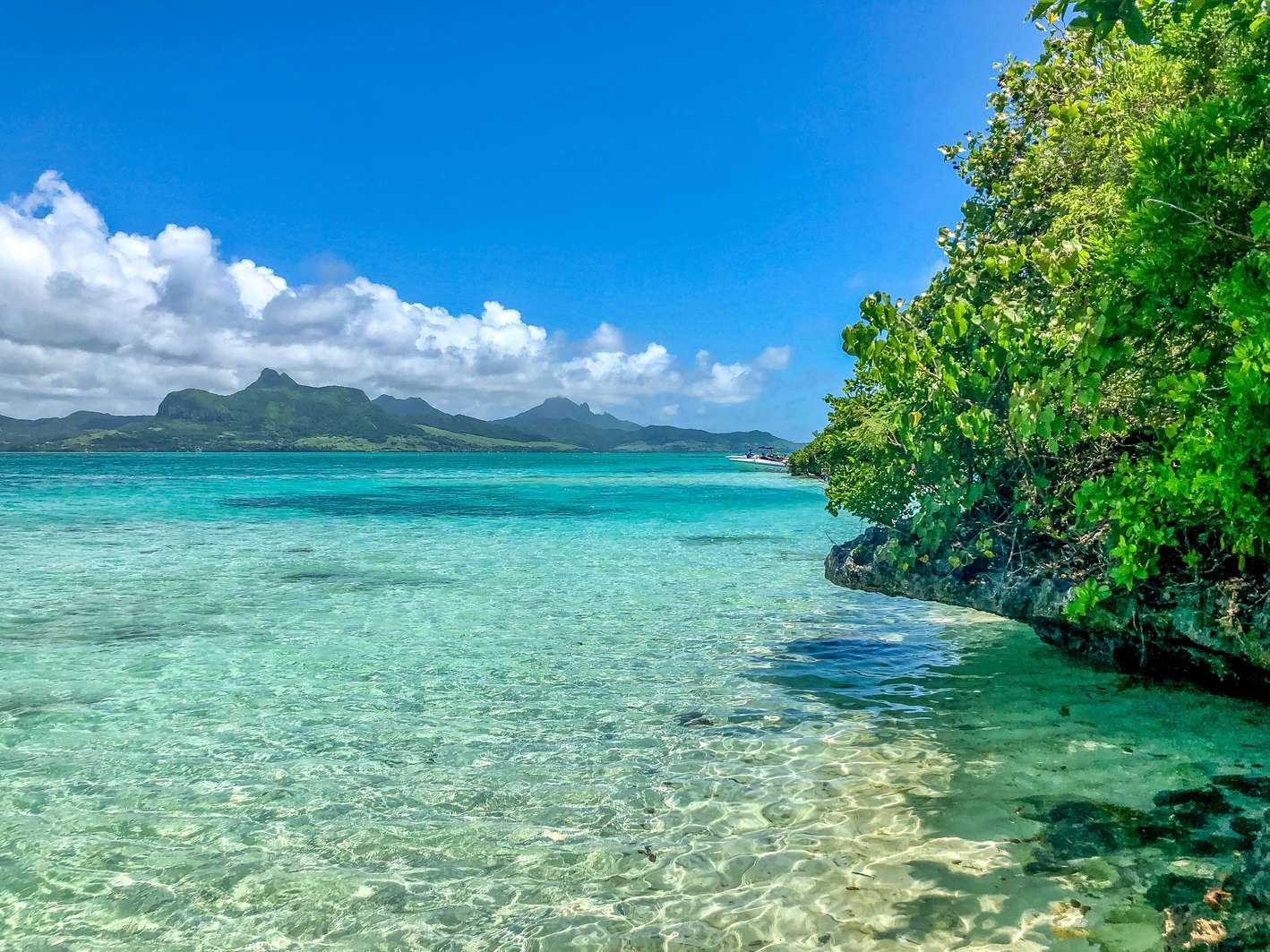
Mauritius wears a coral reef all the way around, and the water on each side behaves differently. From May to September the southeast trades pound the east coast lagoons, where calm days can fall close to zero, while the west and northwest sit in the lee of the mountains and stay flat.
That split shapes your holiday more than any single reef does. A base on the sheltered side, the way Trou aux Biches is, gives you calm water almost every morning; an east coast base trades calmer sand for rougher swims in winter. This guide walks each coast and its trade-offs.
3 hours · ★ 5.0 (4)Blue Bay: Lagoon, Snorkeling, and Creole LunchFrom $87 7 hours · ★ 4.8 (869)Ile aux Cerfs Catamaran Cruise with BBQ Lunch & SnorkelingFrom $68 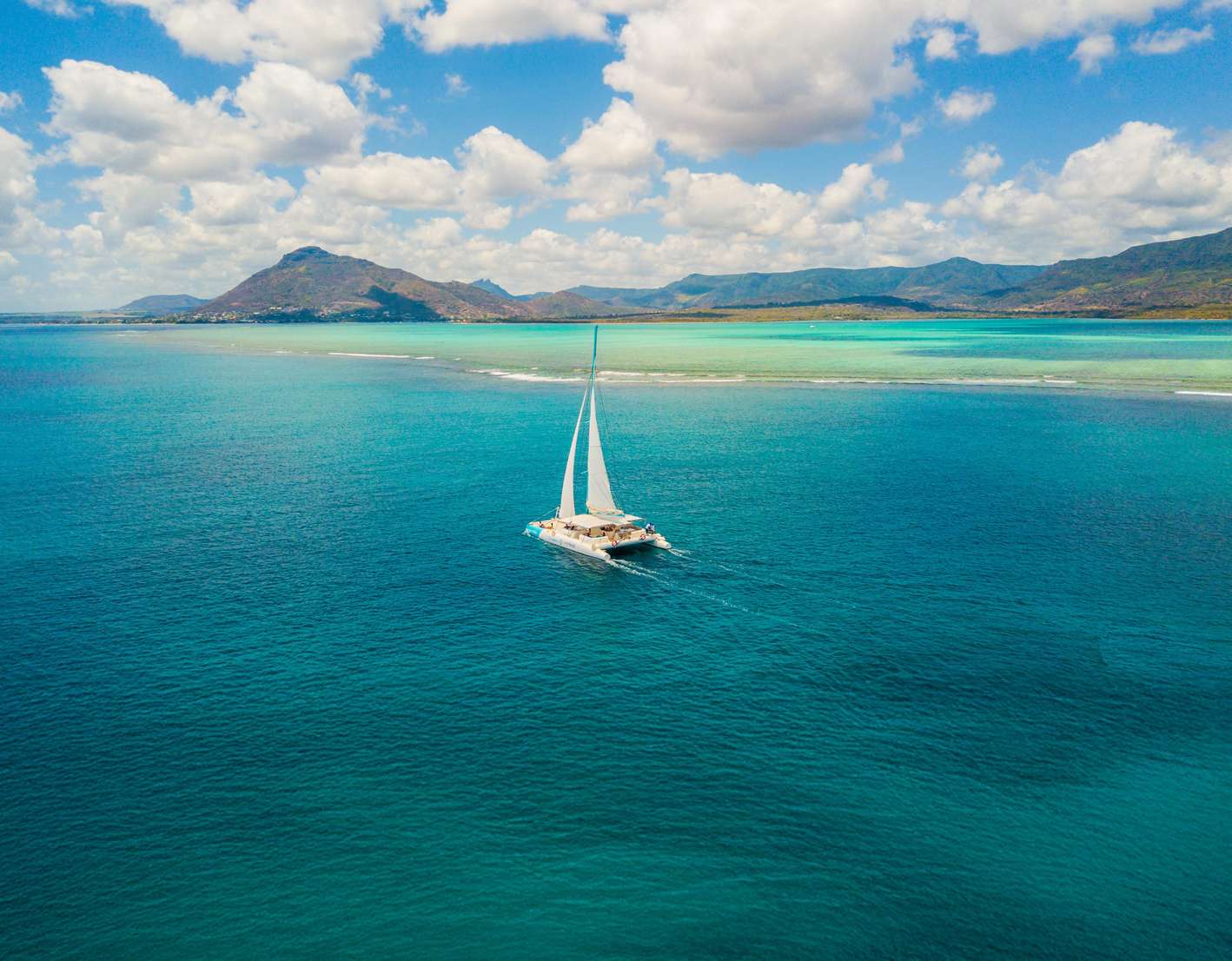 6 hours · ★ 4.7 (363)Mauritius: Catamaran Cruise - Dolphin Watching, BBQ & DrinksFrom $87 2 hours · ★ 4.7 (39)Mauritius: Snorkeling with turtles Le Transporteur speedboatFrom $375 /group
The island's biggest protected coral garden, seen by glass-bottom boat
Blue Bay holds the densest protected coral on the island, a state reserve since 1985, where brain corals span six to seven meters and table colonies reach out over the sand. The park begins about a hundred meters off the public beach, so the first shallows are swimmable from the sand.
A glass-bottom boat does the work for non-swimmers and tired legs: the one-hour trip gives roughly fifteen minutes of viewing through the floor and forty-five minutes at one snorkel spot. Take the two-hour version if you want a second reef location. It sits on the southeast coast, and winter winds stir the water there.
3 hours · ★ 5.0 (4)Blue Bay: Lagoon, Snorkeling, and Creole LunchFrom $87 2 hours · ★ 4.6 (17)Blue Bay Marine Park: Guided Snorkeling with Video Souvenirs and SnackFrom $58 4 hours · ★ 4.5 (306)Blue Bay: Half-Day Snorkeling Trip with Creole Picnic LunchFrom $67 1 hour · ★ 4.4 (155)Blue Bay Marine Park - 1-hour Snorkeling ExcursionFrom $28 One of the calmest lagoons on the island, with coral heads off the sand
Coral at Flic en Flac starts a few dozen meters off the sand, with the better heads about two hundred meters out in a lagoon roughly three hundred meters wide. The markers matter: swim opposite the Hindu temple, or in front of Villa Caroline, where the coral beats the central public beach.
The lagoon ranks among the calmest on the island, and the west coast hides from the winter trades, so morning water stays glassy, clearest between 6 and 9 am. Stonefish and urchins sit unnoticed on rocky patches, so water shoes earn their place in the bag.
8 hours · ★ 5.0 (2)Private Dolphins, Sea Turtles & Île aux Bénitiers TourFrom $850 /group 7 hours · ★ 5.0 (1)Mauritius: Private Whale Watching & Bénitiers BBQFrom $1,025 /group 2 hours · ★ 4.7 (28)Flic en Flac: Private Sunrise Dolphin Watching Boat TourFrom $309 /group 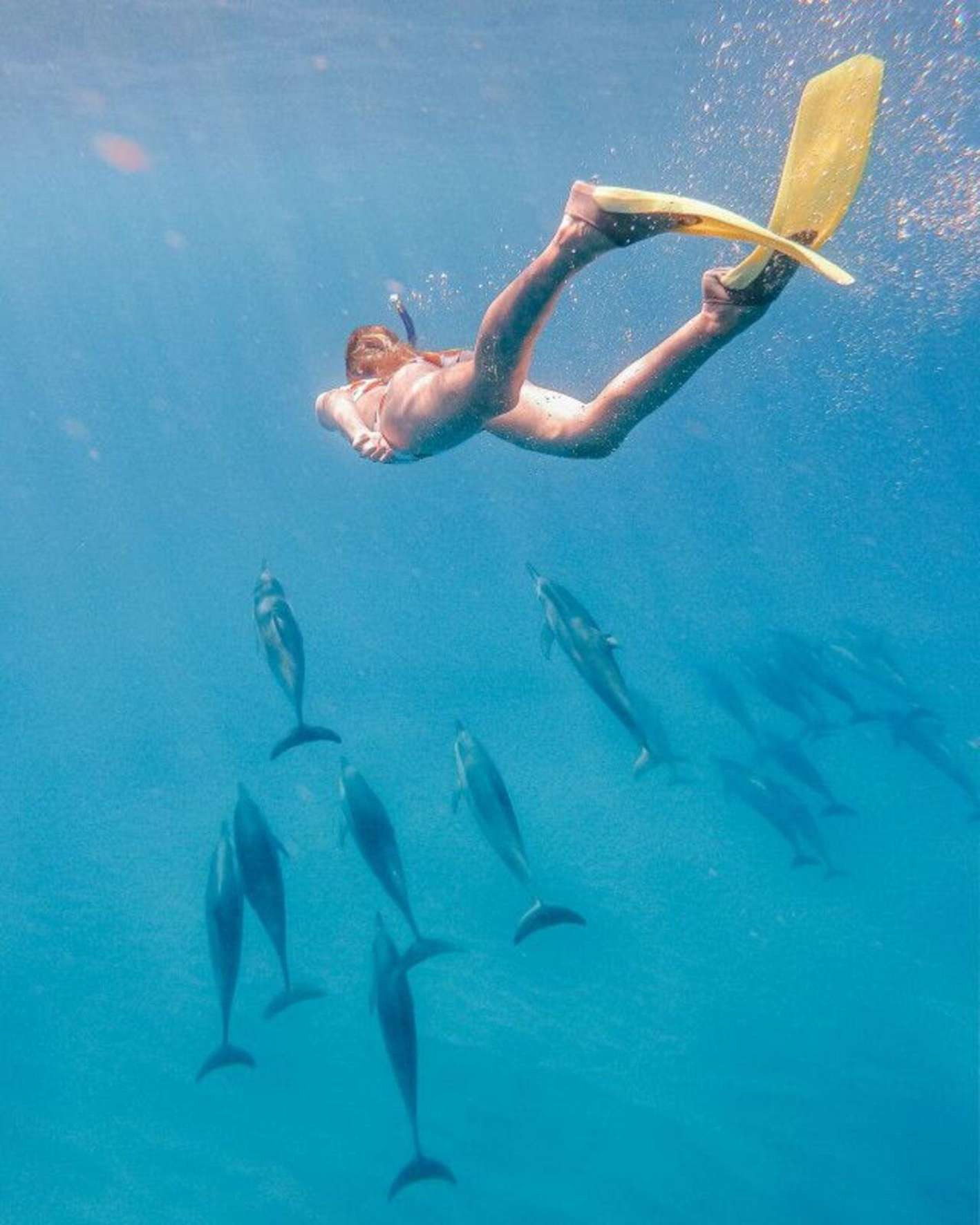 2 hoursMauritius: Private Dolphin Watching and Snorkeling TourFrom $441 /group
The mountain in every mask-full, with Crystal Rock just offshore
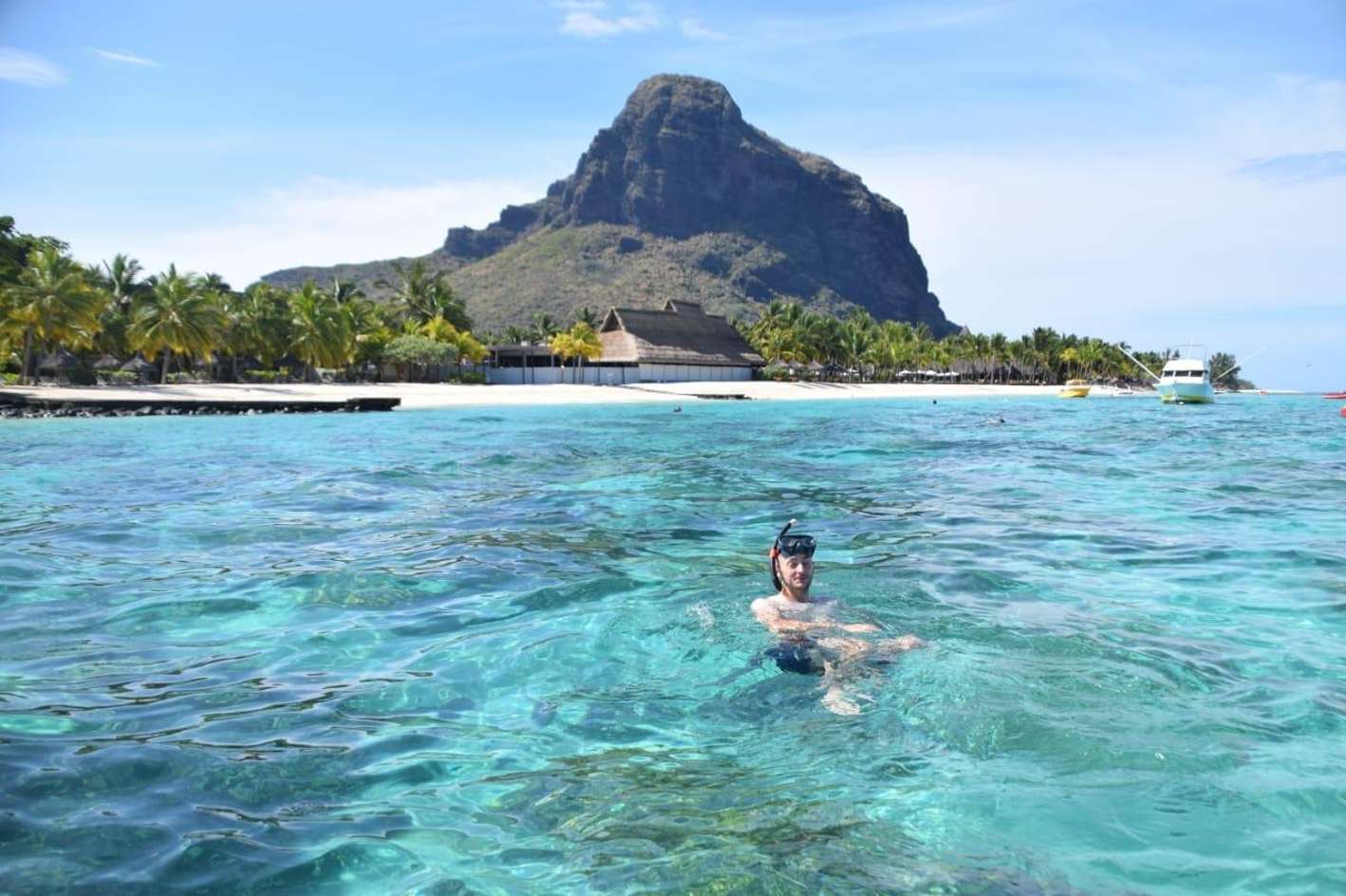
Le Morne gives you the mountain in every mask-full. La Prairie beach south of the peak has reef starting a few meters from shore in waist-deep, sheltered water, and the coral field near Crystal Rock runs from waist-deep down to about four meters.
The current is the thing to respect. On a falling tide the pass at One Eye drains the whole lagoon and runs too strong to paddle against, so reach the reef breaks by boat with a skipper who knows them. Casual swims stay on the calm northern side of the peninsula.
7 hours · ★ 5.0 (5)Private Île aux Bénitiers Boat: Dolphin Snorkeling & LobsterFrom $738 /group 7 hours · ★ 5.0 (1)Mauritius: Private Whale Watching & Bénitiers BBQFrom $1,025 /group  2 hours · ★ 4.9 (151)Mauritius Le Morne: Wild Dolphin Watching & SwimmingFrom $331 /group
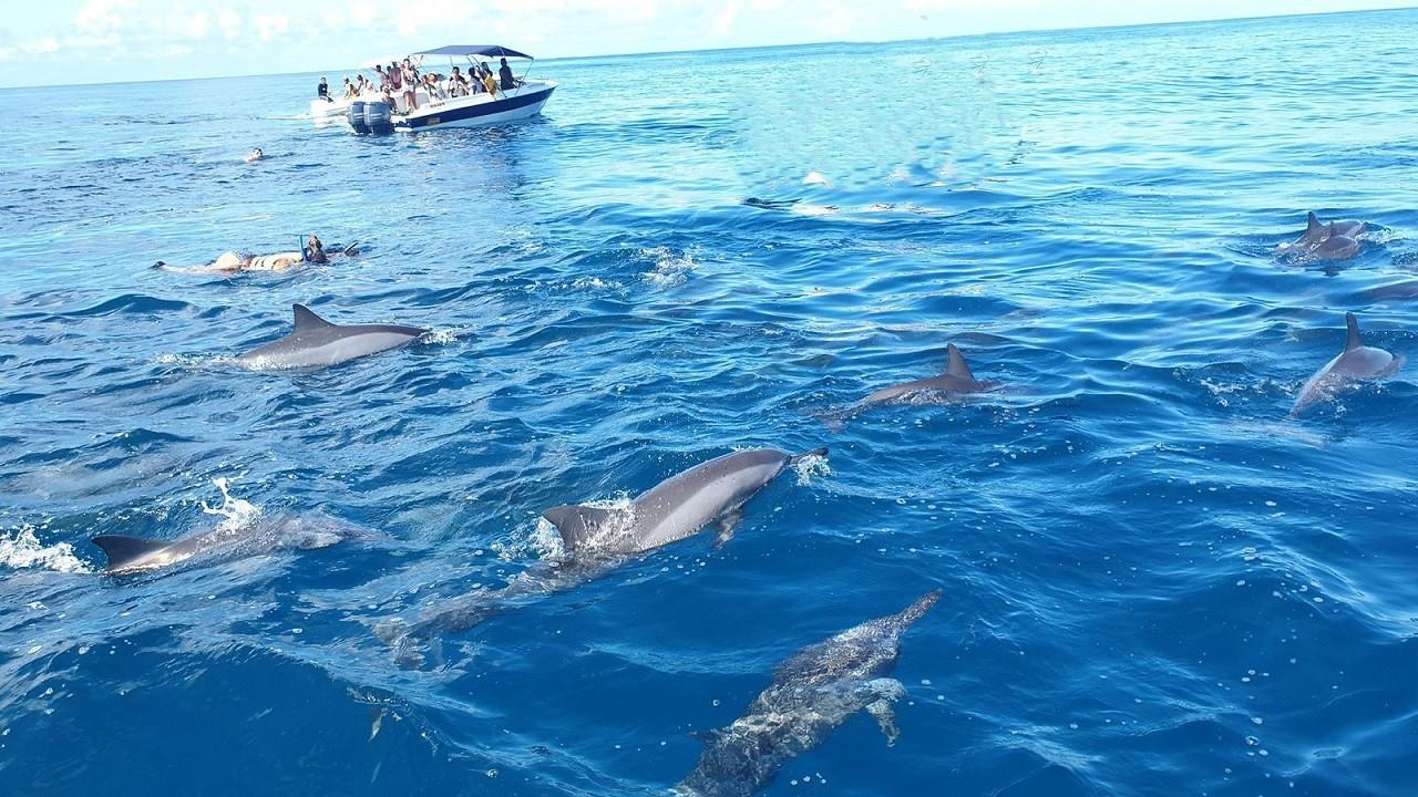 6.5 hours · ★ 4.3 (318)Black River: Swim with Dolphins Speed Boat Tour with lunchFrom $69
Turtles 50 meters from the sand, inside a buoyed boat-free swim zone
Pereybere keeps motorboats out of a buoyed swimming zone in the middle of the cove, and the fish gather at the rocky edges, so walk east past the swim area before you put your mask on. The main reef sits 300 to 350 meters out toward the barrier.
Turtles show up closer than almost anywhere: greens and hawksbills feed 50 to 100 meters from the sand, reachable with fins and patience. Public toilets, showers and changing cabins sit at the beach entrance, and parking fills fast on weekends, so come early.
The launch pad for the northern islets and their healthy coral
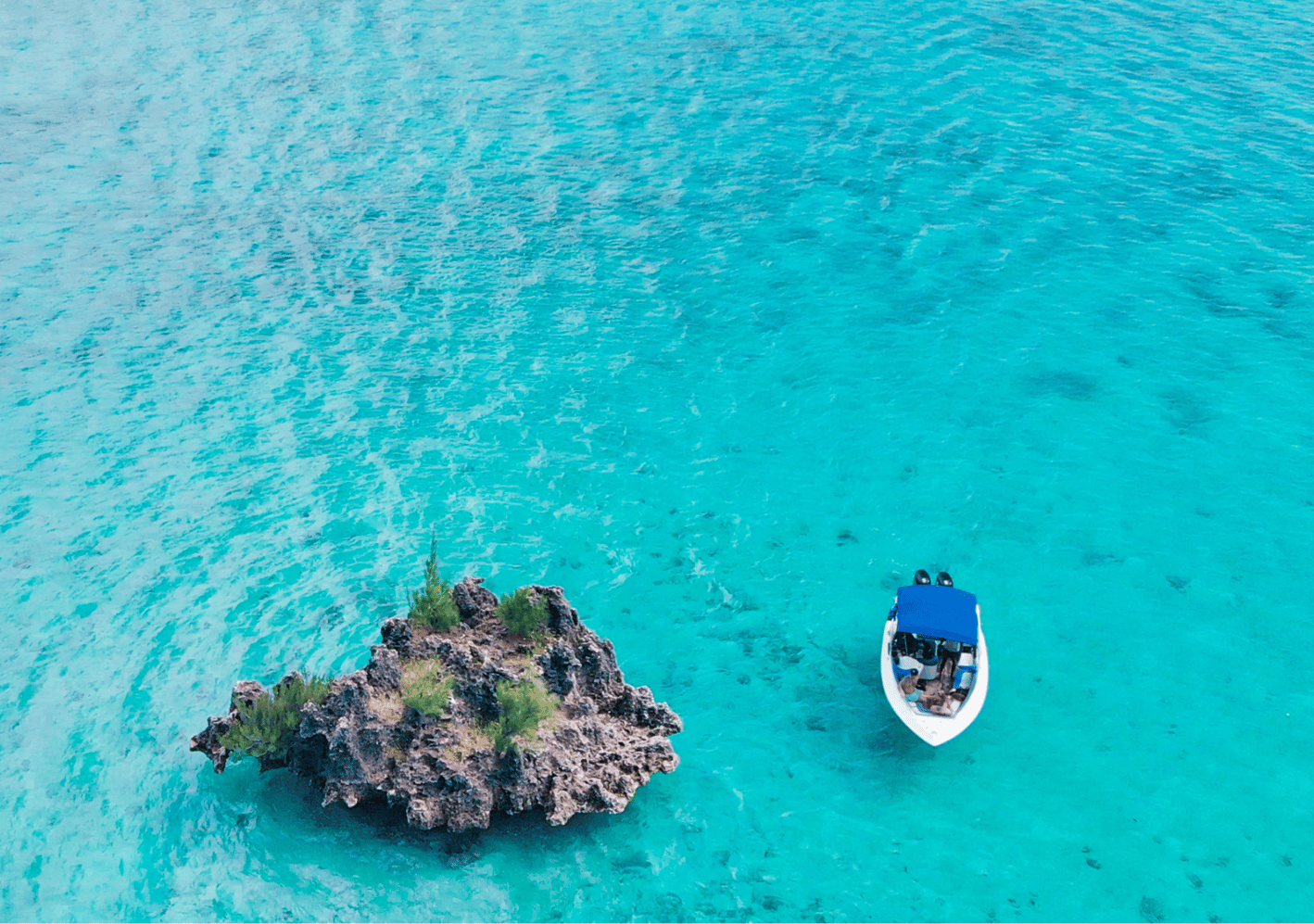
Grand Baie is a launch pad; the inner bay itself holds moorings and steady boat traffic. The reward lies outside it: full-day catamarans and speedboats leave the public beach for the northern islets, where the coral around Coin de Mire ranks among the healthiest in the north.
The open crossing past the headland rolls most in the winter months, with peak waves around a meter and a bit between May and August against barely a meter from October to April. Bring your own mask, since shared boat gear runs old and leaky.
Dolphins at dawn in an open bay that demands respect
Tamarin is about dolphins before it is about reefs. Spinner and bottlenose pods rest in the bay in the early morning, and boats leaving around 6:30 am find them before the tour fleet builds between 8 and 9:30 am.
The bay itself sits open to the ocean: the reef has no outer wall, currents form where the river mouth meets the sea, and the Beach Authority lists it as a hazardous bathing area. Swim with a boat crew, wear the life jacket, and leave the shore swimming to the confident.
7 hours · ★ 5.0 (5)Private Île aux Bénitiers Boat: Dolphin Snorkeling & LobsterFrom $738 /group 6 hours · ★ 4.7 (363)Mauritius: Catamaran Cruise - Dolphin Watching, BBQ & DrinksFrom $87 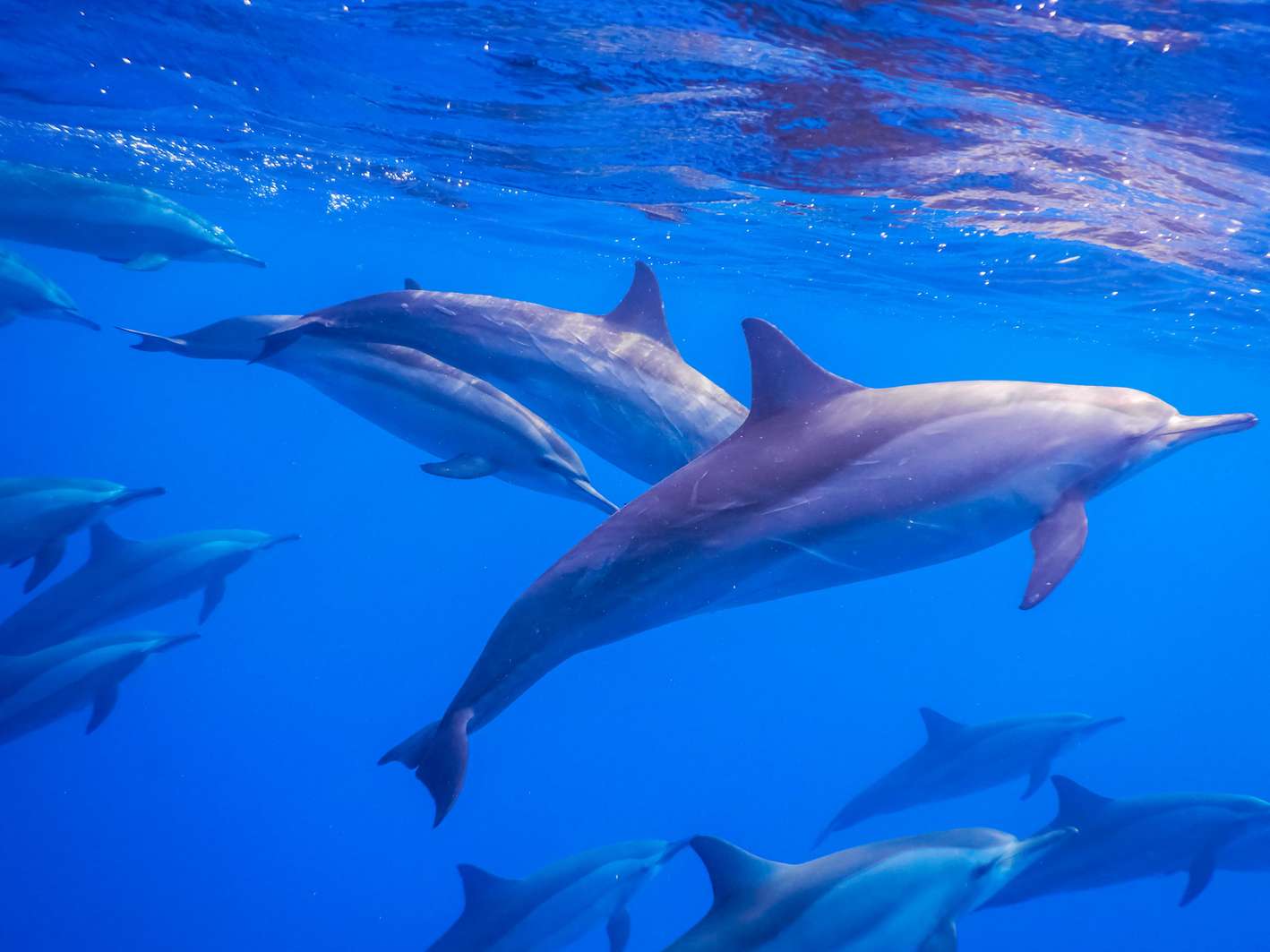 2 - 6 hours · ★ 4.7 (237)Dolphin Watching with Hotel Pickup (Mauritius)From $61 /group
 4 hours · ★ 4.4 (35)Dolphins & Whales: Private Snorkeling TourFrom $528 /group
Calm lagoon pockets and a reef best reached by boat
Belle Mare's best coral sits on a reef roughly 500 meters offshore, and local boats make the trip because currents through the pass can pull even strong swimmers. Inside the protected lagoon, spots like Trou Padi hold flat, calm water with scattered coral heads full of damselfish and butterflyfish.
The east coast faces the southeast trades, so go early, before the wind roughens the lagoon from June through September. East coast tours add hotel pickup from the strip of resorts along the beach, which removes the morning logistics.
A short, easy lagoon that trades seasons with the west
Palmar's lagoon runs barely 250 meters to the reef, calm over sand with scattered coral, seagrass and small tropical fish. Enter early: morning water gives the widest mix of reef fish before swimmers and boats stir the bottom.
From June through September the southeast trades hit this coast hard, with calm days dropping to a handful and peak waves above two meters. Sea urchins sit in the shallow entry area, so wear water shoes from the first step. Boat tours to Ile aux Cerfs leave from Trou d'Eau Douce a few minutes south.
The easiest walk-in entry on the island, over clean sand
Kuilima Cove at Balaclava is the easiest entry on this list: walk in over ankle-deep sand, no rocks underfoot, and the reef sits close to the surface at depths of four to eight feet. The bay faces north, away from the southeast trades, so the water stays calm all year.
Turtles appear here occasionally, more often at Turtle Bay next door. Reef shoes still matter on the rocky volcanic patches along other parts of the shoreline, and currents near the passes can pull, so keep inside the sheltered water.
Green turtles from a free beach entry, channels aside
Turtle Bay earns its name: green sea turtles regularly enter the shallows of Kuilima Cove, and snorkelers meet them over the deeper sandy patches in the middle. Entry from the beach costs nothing and needs no booking.
Boat traffic is the hazard inside the wider bay, so stay out of the marked channels and wear a bright snorkel vest for visibility. The reef runs from near the shore out to about a kilometer past the barrier, and currents near the passes pull, so let a boat do the outer sections.
Quiet southern reefs, timed to the tide
Bel Ombre snorkels straight off the sand on calm days, around rocks and coral patches sitting in the shallows. At low tide the lagoon turns very shallow and murky, so aim for mid to high tide when the deeper water keeps the sand settled.
Currents run strong in the channels toward the reef, so keep out of them and stay inside the yellow swim buoys. This southern stretch sees fewer boats than the north, and the resort nautical centres here run organized snorkel and glass-bottom outings of their own.
A waterfall made of sand that only shows from the air
The famous waterfall is an optical illusion made of sand sliding off a shallow shelf into deep water, and it only shows from the air. Through a mask you will see a few meters of sideways visibility and no drop at all, so book a seaplane or helicopter flight instead of swimming for it.
The reef opening near the sand spit generates real seaward rip currents on an outgoing tide, which makes independent paddling there dangerous. Treat the Le Morne lagoon as the swimming ground and the illusion as a flight from La Prairie beach or the airport.
Where the green turtles graze, and the law that protects them
Mauritius has several reliable turtle grounds: seagrass and algae beds where green turtles graze in shallow, sheltered water. Trou aux Biches itself holds one, along with Blue Bay, Turtle Bay and the reefs off Pereybere.
The law is strict: the Fisheries Act 2023 bans swimming with, touching, feeding or chasing any sea turtle, with fines that reach into the millions of rupees.
Float quietly beside a grazing animal, keep your flippers still, and let it come or go as it likes. Boat tours put you in the water to watch, which stays legal.
8 hours · ★ 5.0 (2)Private Dolphins, Sea Turtles & Île aux Bénitiers TourFrom $850 /group 2 hours · ★ 4.7 (39)Mauritius: Snorkeling with turtles Le Transporteur speedboatFrom $375 /group 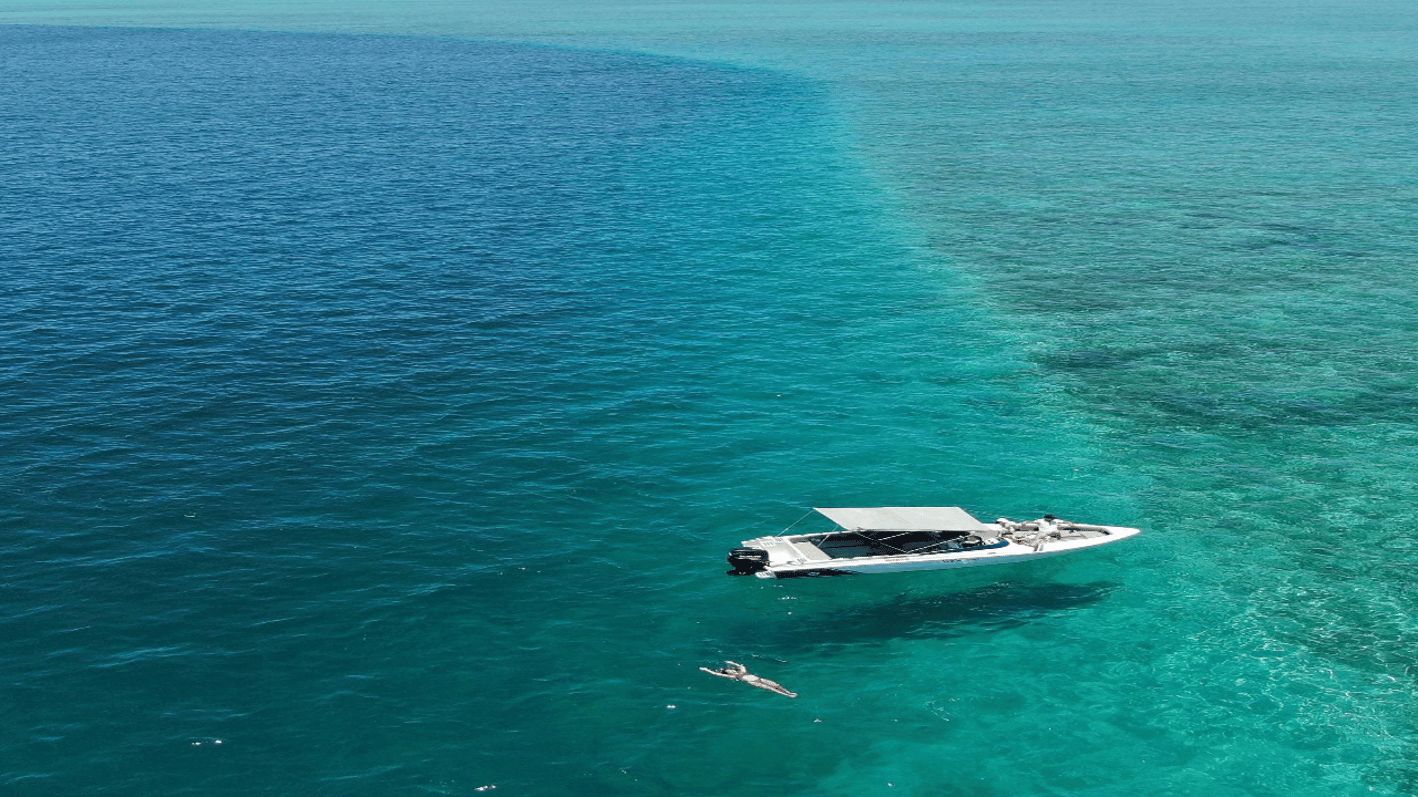 9 hours · ★ 4.3 (188)5 Islands Speedboat with Snorkeling, Sea Turtles, Lunch & DrinksFrom $95 1.5 hours · ★ 4.2 (314)Mauritius: Sea Turtle Adventure and Coral Reef DiscoveryFrom $44
Resident sperm whales, watched from the deck only
Sperm whales live off the west coast all year because the seabed drops to deep water close to shore, and humpbacks pass through between June and October. Both are watched from the boat only: the law forbids entering the water with a whale and requires boats to stay 100 meters away.
Skippers approach from the side at no-wake speed and hold a parallel course, which makes for calm, close observation without crowding the animal. Trips run as private speedboat charters, usually combined with a lagoon snorkel and an island lunch on the way back.
Which month gives you clear, warm, calm water
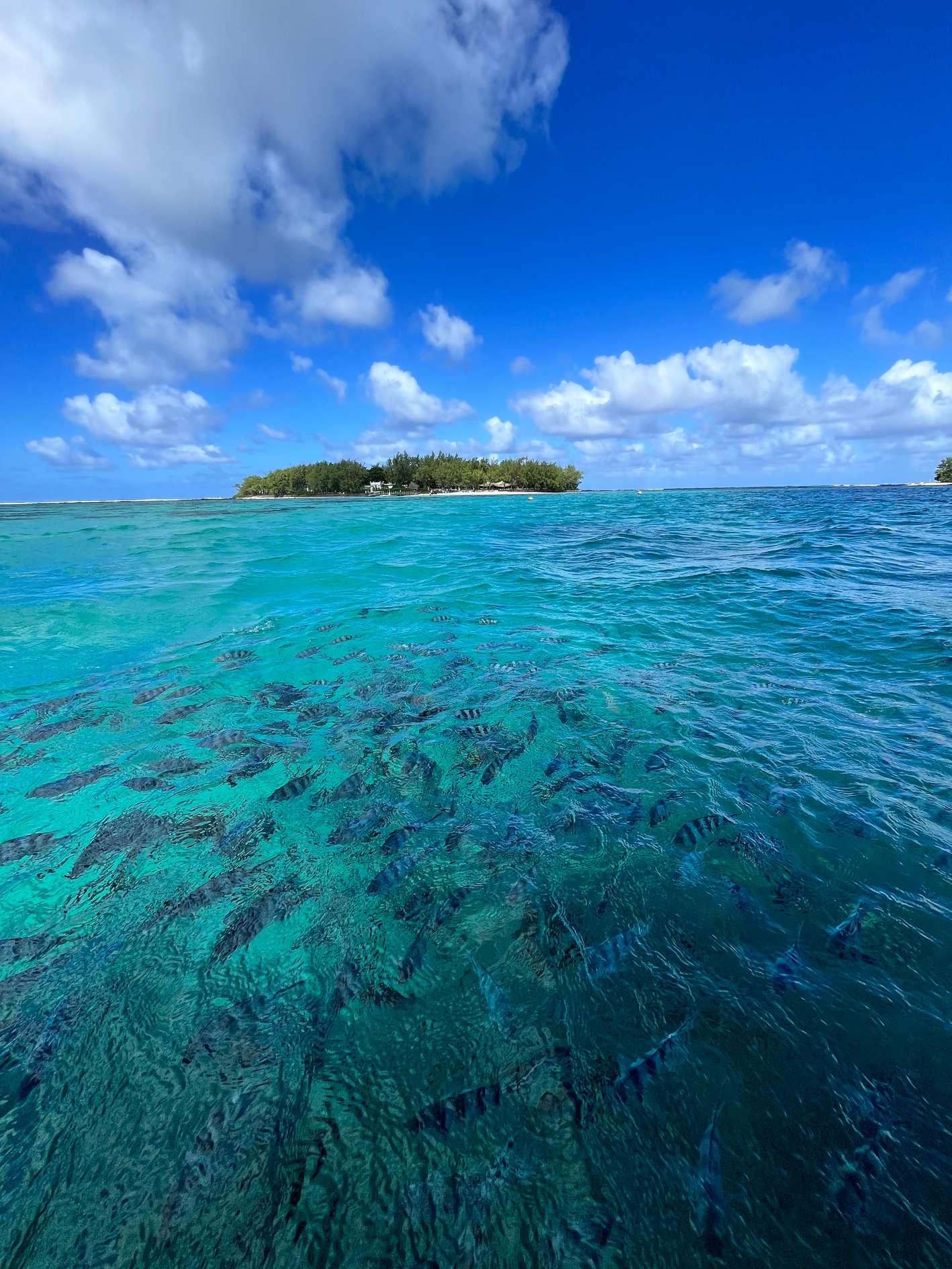
October through December is the sweet spot: water around 26 to 28 degrees, calm seas on most days, and the year's best visibility of 20 to 30 meters in September and October. Summer rains from January to March wash sediment into the lagoons and cloud the water.
Winter from June to August drops the sea to 23 to 25 degrees and stirs the east coast with trade winds, while the west stays sheltered. Cyclones pass directly over the island only every four or five years, but January to March storms suspend boat trips for a day or two at a time.
The classic full-day sail with barbecue lunch and a waterfall detour
The classic east coast day: a twin-hulled catamaran sails the sheltered lagoon to Ile aux Cerfs, stops for a lagoon snorkel, detours up the Grand River South East by small boat to the waterfall, then serves a barbecue lunch with drinks on deck.
The wide hull keeps the ride steady, which matters for anyone who goes green on a speedboat. Expect about an hour to an hour and a half of free time on the island's sand, usually in the afternoon after the snorkeling and the falls. Full days run six to eight hours.
6 hours · ★ 5.0 (11)Île aux Cerfs: Private Catamaran Cruise with Gourmet LunchFrom $1,133 /group 7 hours · ★ 4.8 (869)Ile aux Cerfs Catamaran Cruise with BBQ Lunch & SnorkelingFrom $68 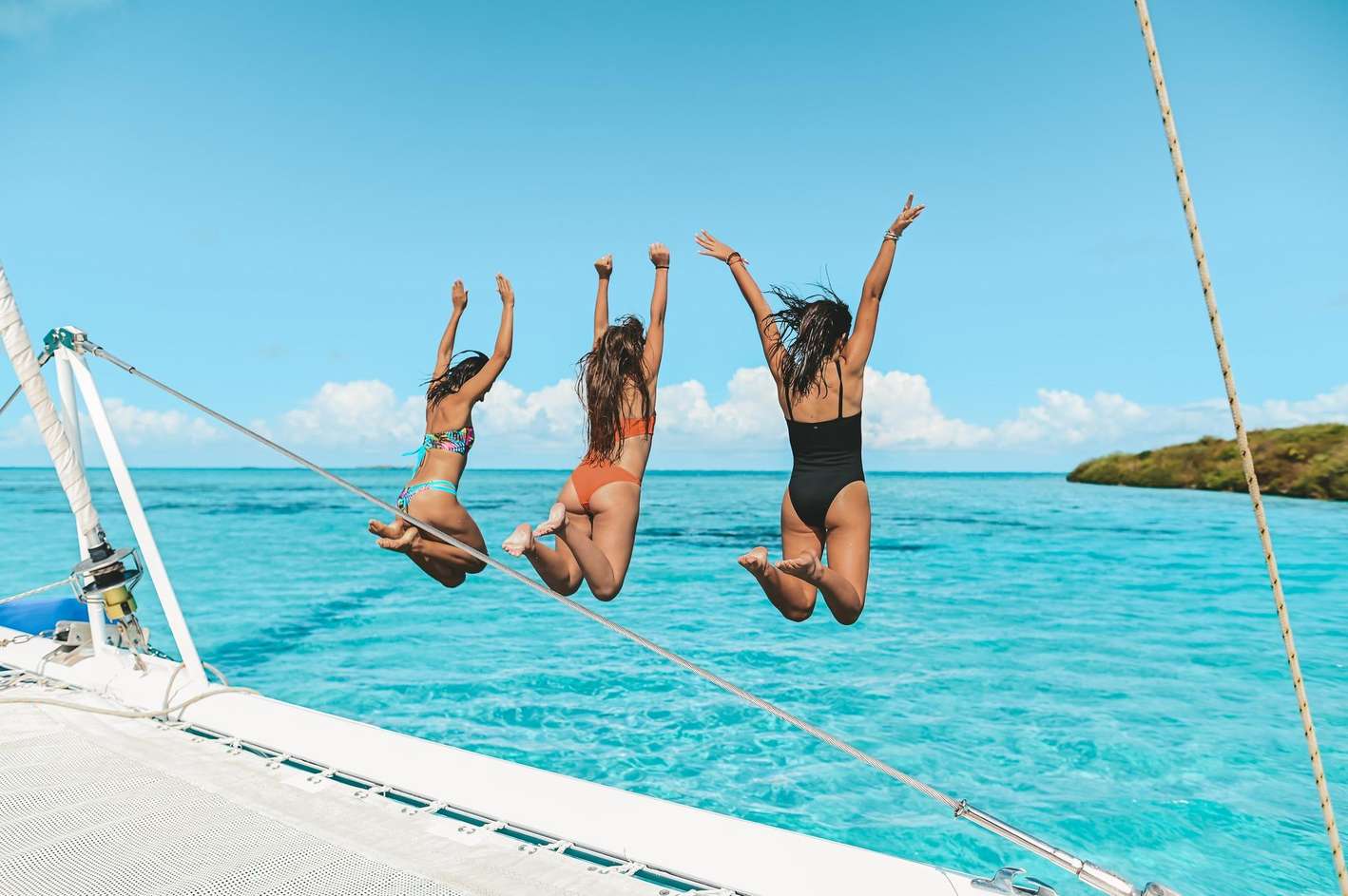 7 - 8 hours · ★ 4.7 (453)Mauritius: Ile aux Cerfs Catamaran, Waterfall & BBQ LunchFrom $62
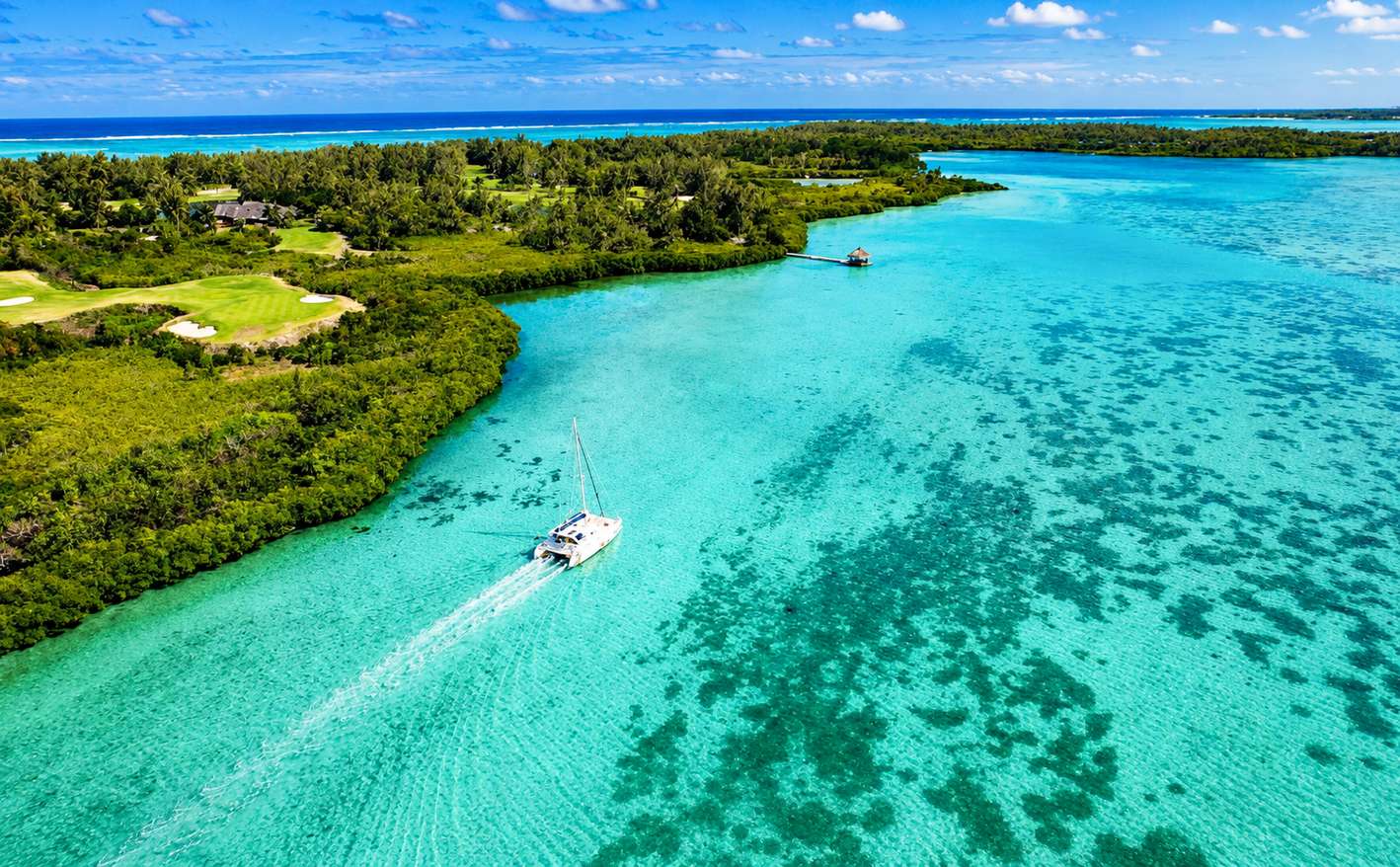 7 hours · ★ 4.6 (104)Mauritius: Ile aux Cerfs Catamaran Cruise, Waterfalls & BBQFrom $84
Ten minutes across the lagoon and an extra half hour on the sand
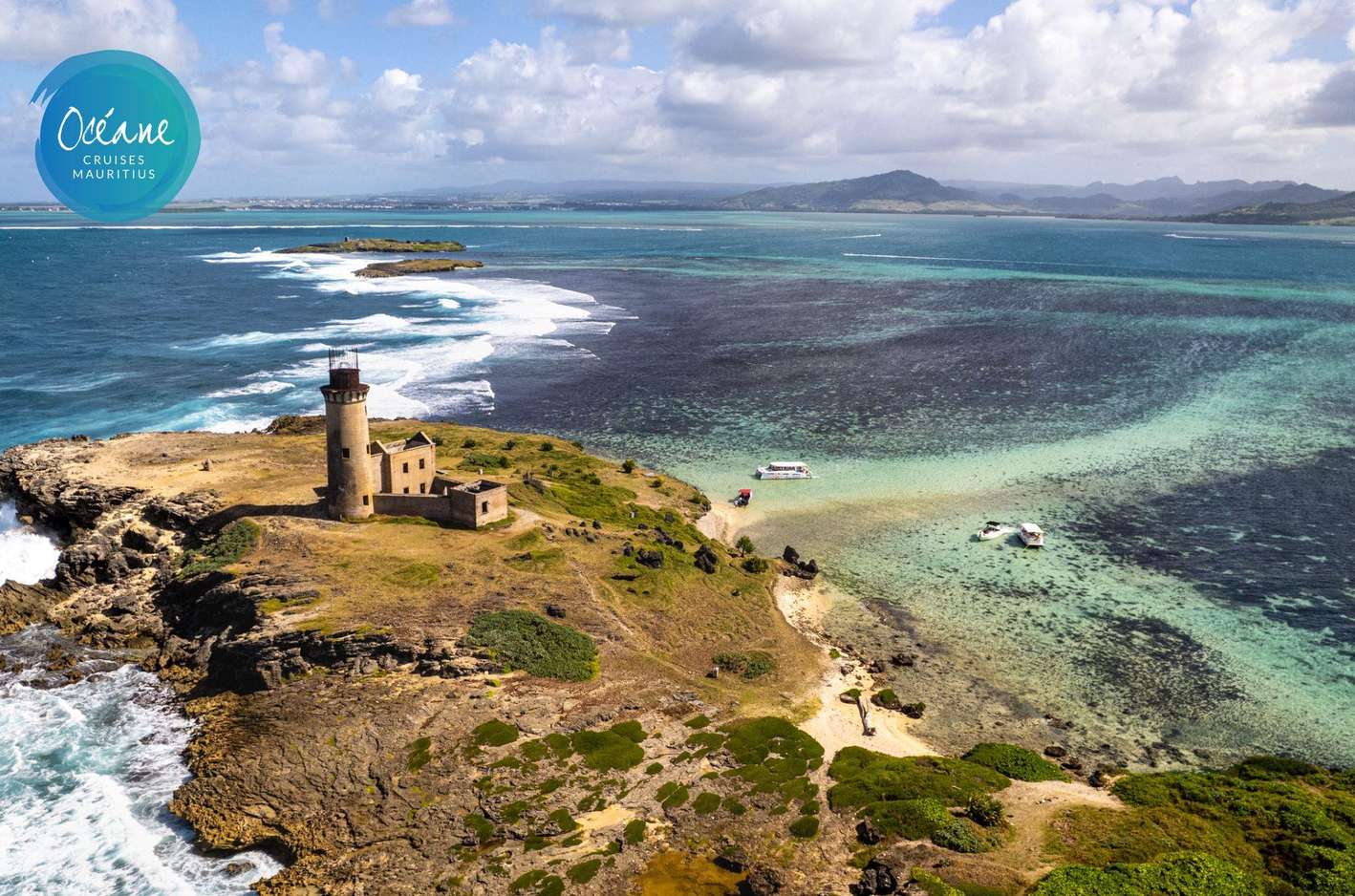
A speedboat crosses the Trou d'Eau Douce lagoon to Ile aux Cerfs in 10 to 15 minutes against the 45 to 60 minutes a sailing catamaran takes, which buys you an extra half hour or more on the beach and room for extra stops.
Shared boats carry up to about 17 passengers, so the day feels smaller and faster. The trade-off is the ride: east coast swells make it bumpy, noticeably so during the June to September trades, and pregnant travelers are excluded from these boats.
6 hours · ★ 5.0 (3)Private Island-Hopping Cruise: 5 Islands, Waterfall & LunchFrom $738 /group 6 - 7 hours · ★ 4.7 (1,451)Trou d'Eau Douce: 5-Island Adventure with BBQ & SnorkelingFrom $95 9 hours · ★ 4.3 (188)5 Islands Speedboat with Snorkeling, Sea Turtles, Lunch & DrinksFrom $95  7 hours · ★ 4.3 (237)Mauritius: 5 Islands Speedboat Lagoon Experience with BBQFrom $74
The island on your own timetable, ahead of the ferries
The main beaches of Ile aux Cerfs fill between 11 am and 3 pm as ferries and shared catamarans land at once. A private charter moves around that: arrive before 10:30 am, hold your own timetable, and pick quiet sandbanks and reef stops your skipper adjusts as you go.
A private speedboat can also run up the shallow river to the base of the Grand River South East waterfall, where larger catamarans anchor out and transfer passengers. Book one if privacy and pace matter more to you than the shared deck party.
hotels often run free reef boat trips
The lagoon at Trou aux Biches runs flat on more than eight days in ten, yet the sand under your feet holds almost no coral. What you do with that fact decides the day.
The inner shallows are sandy flats with a few triggerfish; the live coral sits 200 to 300 meters out on the barrier shelf.
Green turtles graze on seagrass behind coral bommies at the north end toward Mont Choisy, reachable from shore.
In before 9 am: early morning gives the clearest water and the turtles before the boats arrive.
Never swim toward the reef pass or across the boat lanes; currents in the passes pull, and the outer reef is a boat job.
The lagoon stays calm on 80 to 98 percent of days, but February and March cyclone season can suspend any boat plan.
Stay inside the marked swimming zones, keep clear of the floating buoy lines that mark the boat channels, and take a diving flag if you snorkel outside them. For the outer reef, join a boat trip instead of swimming across the channel, and plan around cyclone warnings, when lagoon swimming and reef excursions are suspended.
The public beach runs long and pale, and at first glance the water looks empty. That is honest: the inner shallows are mostly sandy flats with scarce coral and few fish.
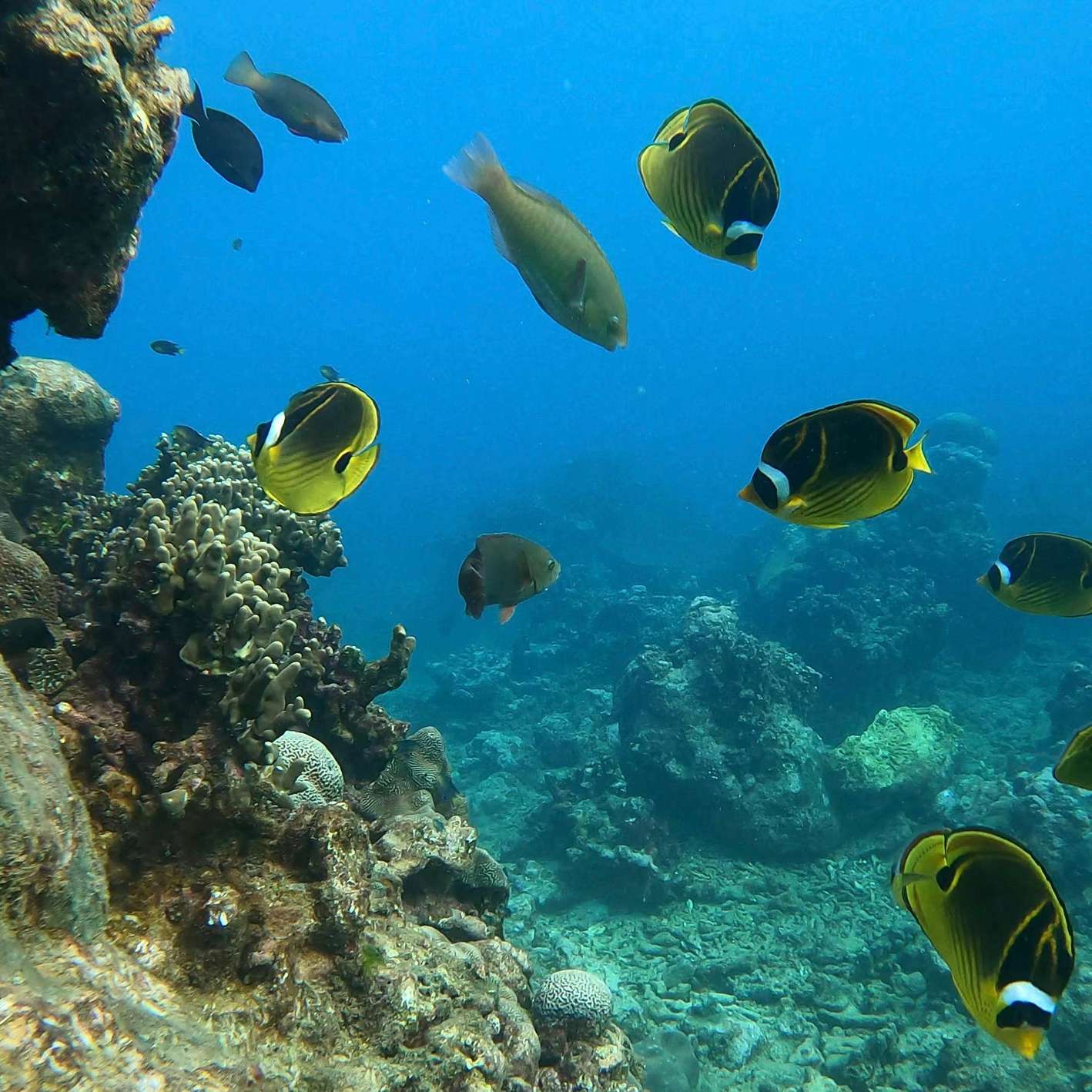
A few triggerfish and butterflyfish patrol close to the shore, orange-spotted starfish sit in the sand, and hermit crabs drag borrowed shells along the bottom. Pleasant, warm, a good warm-up. Not the main event.
The real reef starts 200 to 300 meters out, where the barrier shelf carries denser, more colorful coral that pulls in the fish and the turtles. Between the two lies a wide lagoon, and across it run boat lanes marked by buoys. Swim inside the buoyed swimming areas, never across a channel.
Two free car parks serve the beach, one at the main entrance and a shaded lot near the southern end with room for about 50 cars. Toilets, outdoor showers and changing cabins stand by the entrance, run by the district council from sunrise to sunset. Rinse off, then decide how far out you are going.
Keep that map in your head as you read on: the turtle grounds and the reef shelf sit much closer together than the walk from the car park suggests. Both sit north along the beach, so the walk itself doubles as your warm-up.
First light, and the north end of the beach toward Mont Choisy is where the lagoon earns its reputation.
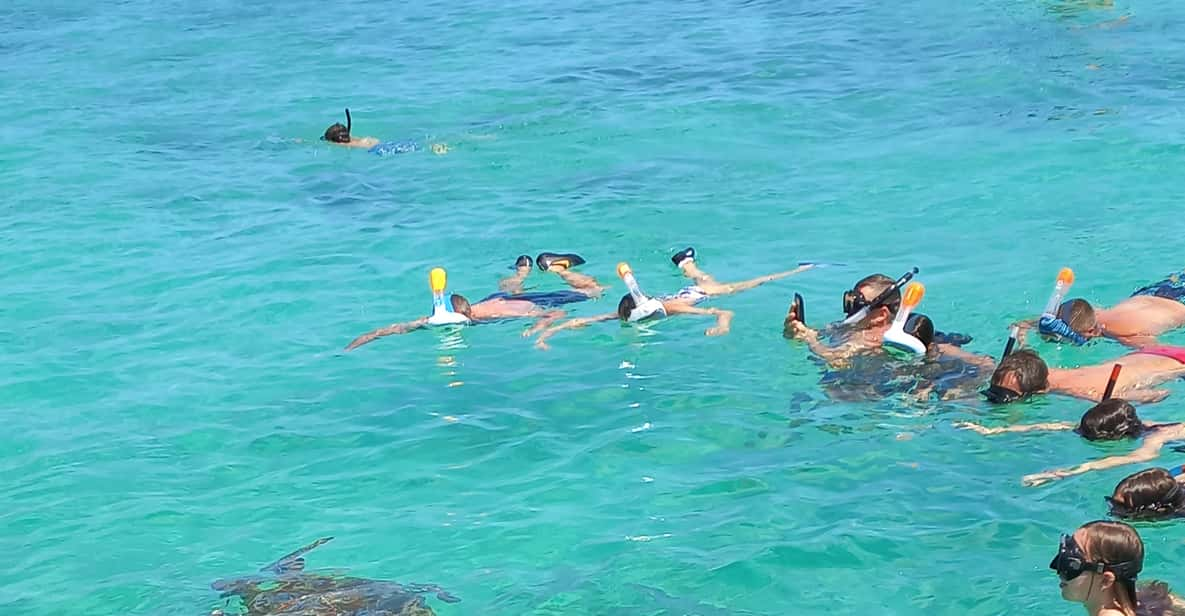
Green sea turtles graze on seagrass beds behind coral bommies, rocky heads rising 3 to 6 meters along the lagoon edge, and the site sits only a few dozen meters from the sand. You reach it on foot, no boat needed.
The window matters more than the distance. Calm water before the tour boats arrive gives the most reliable sightings, so swimmers in the water by 7 or 8 am watch turtles pulling seagrass off the bottom while fish scatter around them.
Come later and motorboats and stirred sand cut your odds. These are wild animals, so some mornings the lagoon is simply empty.
One rule holds everywhere in Mauritius: swimming with, feeding or harassing sea turtles in any form is prohibited. Float quietly at a distance, ease your kicks, and let the turtle decide how close it comes. A turtle that keeps grazing is the sign you got it right.
They are wild animals, and mornings without one happen; go early and the odds climb sharply
It is a known feeding ground that boats and swimmers visit daily, which is exactly why the early slot is calmer
Touching is illegal in Mauritius; the best encounters are the ones where you never get nearer than the turtle chooses
Walk away from every encounter with that last line in mind. The turtles have fed here for years, and the swimmers who respect the distance are the ones the lagoon keeps rewarding.

By ten the lagoon changes character. Speedboats cross to moorings, water-skiers cut their arcs, and the lanes between the buoys fill with engines.
The engines are the reason the swim out is the risky part of the day; the reef itself is calm water. Stay inside the marked swimming zones, where motorized craft are forbidden, and carry a diving flag if you snorkel outside them.
The passes cut through the coral where lagoon water drains to the open ocean, and they carry some of the strongest outward currents on the island.
During swell or after a storm the pull strengthens, and a swimmer can drift seaward faster than they can paddle back. Locals put it simply: do not swim toward the reef or the passes.
The outer shelf is an experienced call in anything but perfect sea, and it needs local knowledge you cannot buy on the sand. A boat does the crossing in minutes and drops you on the coral with a skipper watching from above.
| If this happens | What happens then |
|---|---|
| Rough seas or heavy swell close out the reef crossing | The skipper reroutes to sheltered lagoon spots or reschedules the trip |
| A cyclone warning is issued | Lagoon swimming and all reef excursions are suspended until it clears |
| Wind rises while you are in the water | Head back toward the buoyed swimming zone and out of the boat lanes |
That last row is worth remembering before you ever put your face in the water. The lagoon looks the same from every angle, so the swimmer who checks the wind every few minutes is the one who finishes the morning dry and happy.
One morning tells you everything. At seven the surface lies flat as a table, and the sand stays put; twenty meters of clear water shows you every fish. By noon the coastal wind has arrived, boats and swimmers have churned the bottom, and the same patch of lagoon reads milky.
Early morning before 9 am gives the clearest visibility and calmest surface, before the wind rises and the sandy lagoon gets stirred. Tide decides the rest.
Low tide brings the calmest water and peak clarity over the inner coral patches, while high tide lifts enough water to clear the shallow reef tops and the outer passes. Check both when you plan the morning.
Calmest surface and clearest water before winds and crowds
Wind picks up as boat traffic and swimmers increase
Choppier surface and sand stirred up across lagoon
So the practical pattern is simple: a low-tide morning puts you over the inner patches in glass, and a high-tide morning suits a boat out to the reef tops. Arrive after nine and you take what the wind leaves you.
Trou aux Biches sits on the leeward northwest coast, tucked behind its barrier reef and out of the southeasterly trades that batter the east and south.
Calm conditions hold on 80 to 98 percent of days, with waves usually under a meter and a half and windy days never more than three in any month. The east coast cannot promise that in winter.
The transition months of October, November and April give the island's clearest water overall, and the winter trades from May to September, which churn the eastern lagoons, actually leave the sheltered northwest at its clearest, especially in the morning.
The exception is the cyclone window. February and March are the wettest months, and a passing storm clouds every lagoon with runoff while rough seas legally suspend boat tours.
A Class II warning, issued when 120 km/h gusts are expected within about twelve daylight hours, closes swimming and excursions outright; Class III and IV bar the coast entirely.
November: 5 out of 5 for how busy it gets. Tour numbers reach their annual peak with exceptionally calm waters and waves averaging one metre.
Tap a month to read it.
May: 3 windy days. Bookings remain steady as winter trade winds bring three windy days and slight chop to the lagoon.
Tap a month to read it.
December: calm sea on 98% of days. Popular holiday crowds enjoy the calmest water of the year with 98 percent calm days and no windy days.
Tap a month to read it.
June: waves up to 1.3 m on an average day. Lighter winter crowds find calm seas on over 80 percent of days despite occasional trade winds.
Tap a month to read it.
Read that table one way and the message is plain: this corner of the island almost never roughens, so the season you pick shapes the crowds and the clarity more than the water. Book the boat for the morning after you arrive, and a washed-out February trip still leaves room to rebook.
The honest answer on gear: there is no snorkel rental on Trou aux Biches beach itself. Rental shops sit in nearby Grand Baie, and their shared masks are a lottery of fogging lenses and loose seals.
Bring your own mask and snorkel, especially if your face needs a specific fit. Fins are optional inside the shallow lagoon, but they earn their space the moment you swim out toward the reef.
Water shoes matter more than first-timers expect. Sandy entry needs nothing, but stonefish and sea urchins sit unnoticed on sand, rocks and coral, and their spines break off in skin. Shoes on whenever you head toward coral or rock.
Parking is free and plentiful: a car park at the main beach entrance, a shaded lot near the southern end, and roadside spaces along the coastal road. Toilets, showers and changing cabins stand by the entrance.
One last habit from people who come often: charge the underwater camera the night before, because a dead battery at the reef is a small tragedy that happens every week.
Swim the 200 to 300 meters to the shelf yourself and you cross boat lanes the whole way, with a diving flag for company. Take a boat instead and a local skipper drops you straight on the best coral, no exhausted crossing, no engines overhead.
Ask for the aquarium, the seaward stretch of reef locals know for clear water and dense coral; most visitors chase turtles and never see it.
You can hire a boat on the beach by the day, and rates are negotiated on the spot. Staying at a resort?
Ask the boathouse first, because many hotels run complimentary trips to the reef for guests. Weak swimmers manage comfortably with a life vest for buoyancy, a snorkel for relaxed breathing and flippers for propulsion.
If you want the turtle grounds covered too, one tour operator runs a private speedboat from Grand Baie public beach at 9 am, the calm-water slot, and spends two hours in the Trou aux Biches lagoon with gear, snacks and drinks aboard. The trip depends on the sea forecast, so keep a spare morning.
| Check | Why it matters | Our pick |
|---|---|---|
| Skipper knows the outer spots | The aquarium and turtle bommies are local knowledge you cannot find from the beach | A Grand Baie crew runs the Trou aux Biches lagoon as its home route |
| Morning departure | Before 9 am is the calmest, clearest water | Leaves Grand Baie public beach at 9 am |
| Gear and life vests included | Rental on the sand is unreliable | Snorkeling equipment comes aboard with the crew |
| Group size | A crowded boat stirs the water and shortens your swim | The boat is private to your group |
| Weather policy | Rough seas or a cyclone warning stop the trip | The trip runs on the forecast and can be moved if the sea turns |
Run any turtle trip you find against those five checks and the right one picks itself. The last column shows how the operator above scores, and it covers every box a first-timer needs.
Set expectations now, before you swim. Blue Bay Marine Park on the southeast coast holds the best coral on the island, and even there the reef is recovering from bleaching rather than pristine.
Corals in the Trou aux Biches lagoon are less dense and less impressive, thinned by damage in recent years, though the sections near the barrier reef have been coming back since 2018. Depth differs too: this lagoon rarely tops two meters, while Blue Bay's inner gardens run five to six.
What Trou aux Biches wins on is ease. The calmest lagoon water in the northwest, turtles a few dozen meters from the sand, flat mornings nearly year-round.
The protected reserves around Balaclava and Pointe aux Piments sit just south and add reliable turtle sightings, and the coral around Coin de Mire in the north is among the healthiest going.
Anyone arriving expecting Red Sea or Maldives coral cover will be let down by the reef itself. The reward here is the fish life, the turtles and the easiest water you will ever snorkel, and that combination is exactly why people come back.
One spare day changes the shape of the week. Head south to the Balaclava marine reserve for a walk-in entry over clean sand, or head north to Grand Baie, the launch pad for the northern islets where coral around Coin de Mire ranks among the healthiest in the north.
The choice there is between hulls.
A full-day catamaran is built for lounging, with shaded seating, a steadier twin-hull ride and dedicated snorkel stops; one sailing version collects guests by dinghy from Grand Baie Public Beach around 7:40 am and carries you to Flat Island, Gabriel Island and a snorkel in the water off Coin de Mire.
A speedboat gets you to the beaches and snorkel spots before the catamaran crowds arrive, with less room to sprawl.
Glass-bottom boats sit apart: slower, built around a viewing well, the way non-swimmers and small children see the reef without getting wet, though getting in the water always shows more.
Not swimming well does not rule any of this out. With flotation and a guide, beginners snorkel comfortably; the only real limits are the boats that leave the shelter of the lagoon.
Trou aux Biches makes a good base precisely because the alternatives are short drives. Balaclava sits south along the coast, Grand Baie north, and the west coast turtle and dolphin bays are reachable for a dawn start.
Taxis add up fast on that kind of itinerary; a rental car pays for itself across two or three snorkeling days, and every beach on this stretch has free parking at or near the entrance.
One caution before you assume every northern beach delivers the same water: some suffer from poor visibility and rocky beds, and a resort strip alone tells you nothing about what lies offshore.
Weigh a new beach the way you weighed this one, by its morning light, its buoyed zones and the reef you can see from where you enter.
Then the day has a shape: early in the water at Trou aux Biches, shoes and mask in the boot, a second reef by late morning somewhere sheltered, and home before the afternoon wind erases the difference.
Trou aux Biches gives beginners the easiest turtle snorkeling in Mauritius and gives everyone else a calm home lagoon with its best coral a short boat ride away. Go early, stay inside the buoys, and let a skipper handle the outer reef.
turtles graze best before 9 am
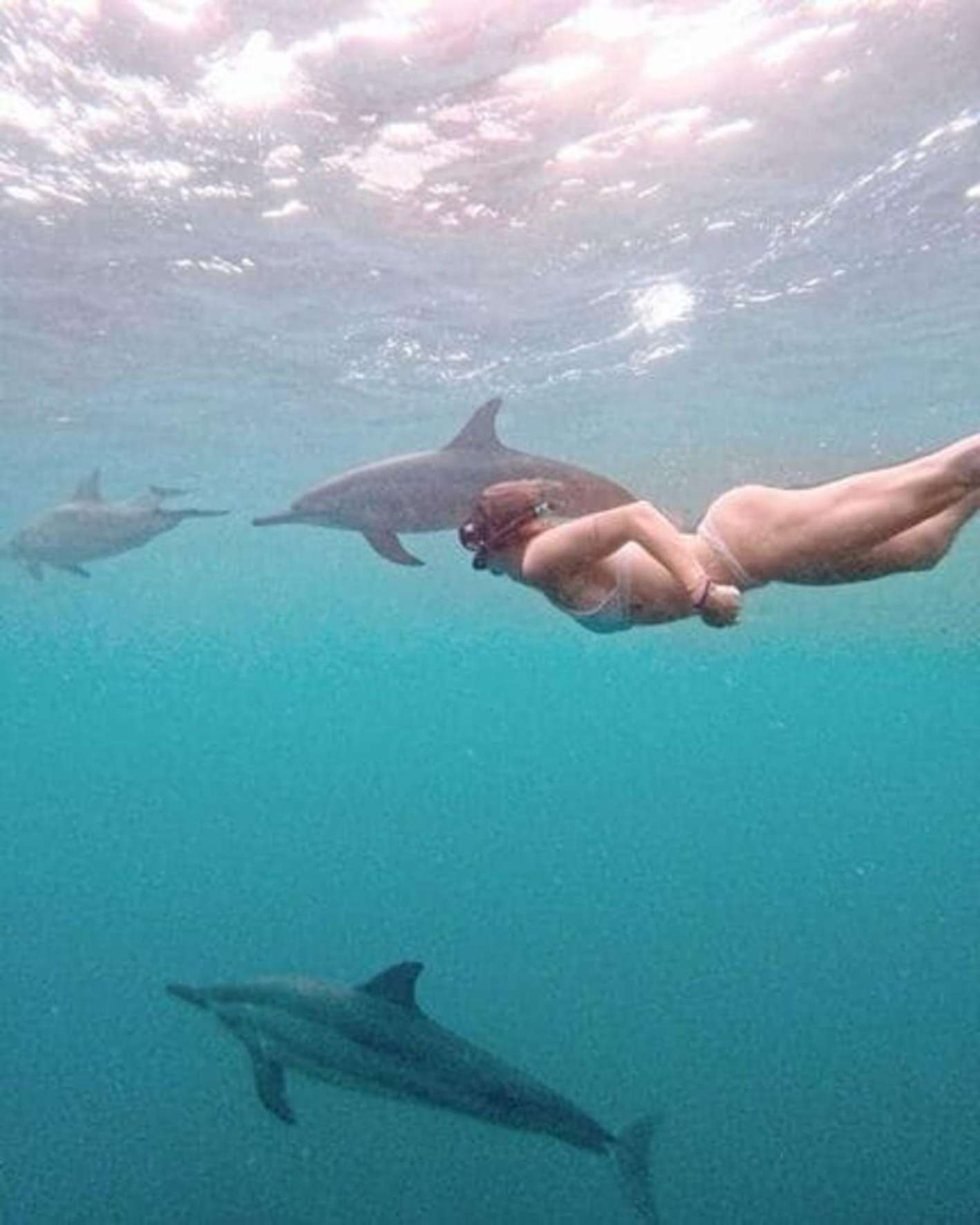
Wild dolphins gather off the west coast, a different kind of marine encounter from the turtles here.

Swimming beside a wild pod takes preparation, from open-water confidence to calm, silent technique.
Tamarin Bay holds Mauritius' most reliable dolphin grounds, with dawn launches beating the boat traffic.
Some west coast trips pair the dolphin swim with a search for whales further offshore.
An early departure puts you on the water before the flotillas arrive and the pods settle to rest.
A private charter skips the shared deck and runs straight to the reef and turtle spots you pick.
Sailing catamarans pair gentle reef stops with lunch and shaded lounge space on deck.

Full-day island cruises from Grand Baie add beach time and offshore snorkeling to a lagoon day.
low tide = clearest water inside
Quick answers to what visitors ask before heading into this lagoon.
Grand Baie2026Green turtles graze on seagrass beds behind coral bommies at Trou aux Biches North Reef, and you can enter on foot straight from the sand. Some turtle spots sit only tens of metres offshore, especially toward the northern end near Mont Choisy.
Go before 9 am. The water is calmest and clearest then, before the coastal winds rise and boats stir up the sandy lagoon. Early morning is also when turtles graze most reliably.
The reef shelf sits 200 to 300 metres out, and swimming to it means crossing busy boat lanes and channels with strong currents. A short boat ride gets you there safely, and even then the outer reef is best in calm, clear sea conditions.
Trou aux Biches sits on the sheltered northwest coast, with flat, calm conditions on 80% to 98% of days and waves averaging under 1.3 metres. Stay inside the marked swimming zones and away from the boat channels, and it makes an easy first lagoon.
The inner shallows are mostly sandy flats with a few triggerfish, butterflyfish and starfish. The denser, more colorful coral and the best turtle sightings sit out along the reef shelf, which most visitors reach by boat.
Not if you stay over sand. Bring them once you head toward coral or rocky patches, because stonefish and sea urchins sit unnoticed on rocks and coral there.
Gear rental is limited, so bring your own mask and snorkel if you can, especially if you need a specific face fit. Fins are optional inside the shallow lagoon but help on the longer swim out to the reef.
Swimming with, feeding, or harassing sea turtles is prohibited by law in Mauritius. Keep your distance, let them graze, and never touch or chase one.
Blue Bay Marine Park has the densest coral on the island, while coral in the Trou aux Biches lagoon is sparser, though the areas near the barrier reef have been recovering since 2018. Water inside the Trou aux Biches lagoon rarely exceeds two metres deep.
Currents form in the passes during strong swell or cyclone conditions and can pull swimmers seaward. Stay clear of the passes and channels, and snorkel the outer reef only when the sea is excellent.
Trou aux Biches public beach has two free car parks, public toilets with outdoor showers, and changing cabins, all free to use. Parking fills fastest at the main entrance on weekends.
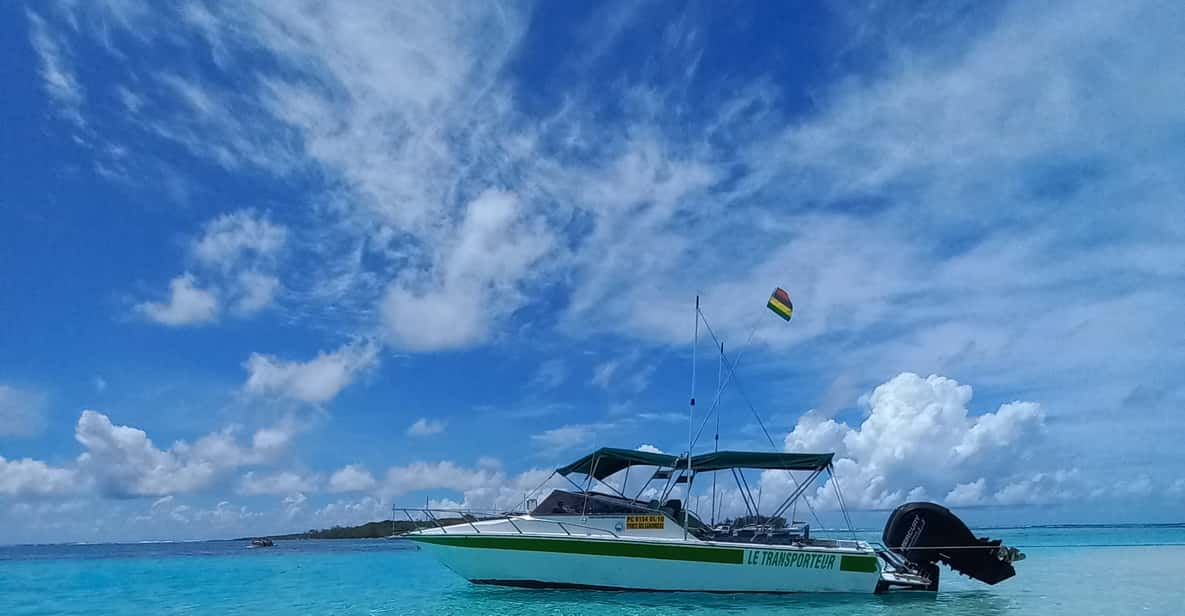
morning sessions leave at 9 am, calmest water
A private speedboat from Grand Baie takes you to the turtle grounds of Trou aux Biches, with gear and snacks included. Cancel up to 24 hours ahead for a full refund.