
2 hours·French, English
4.6(17)
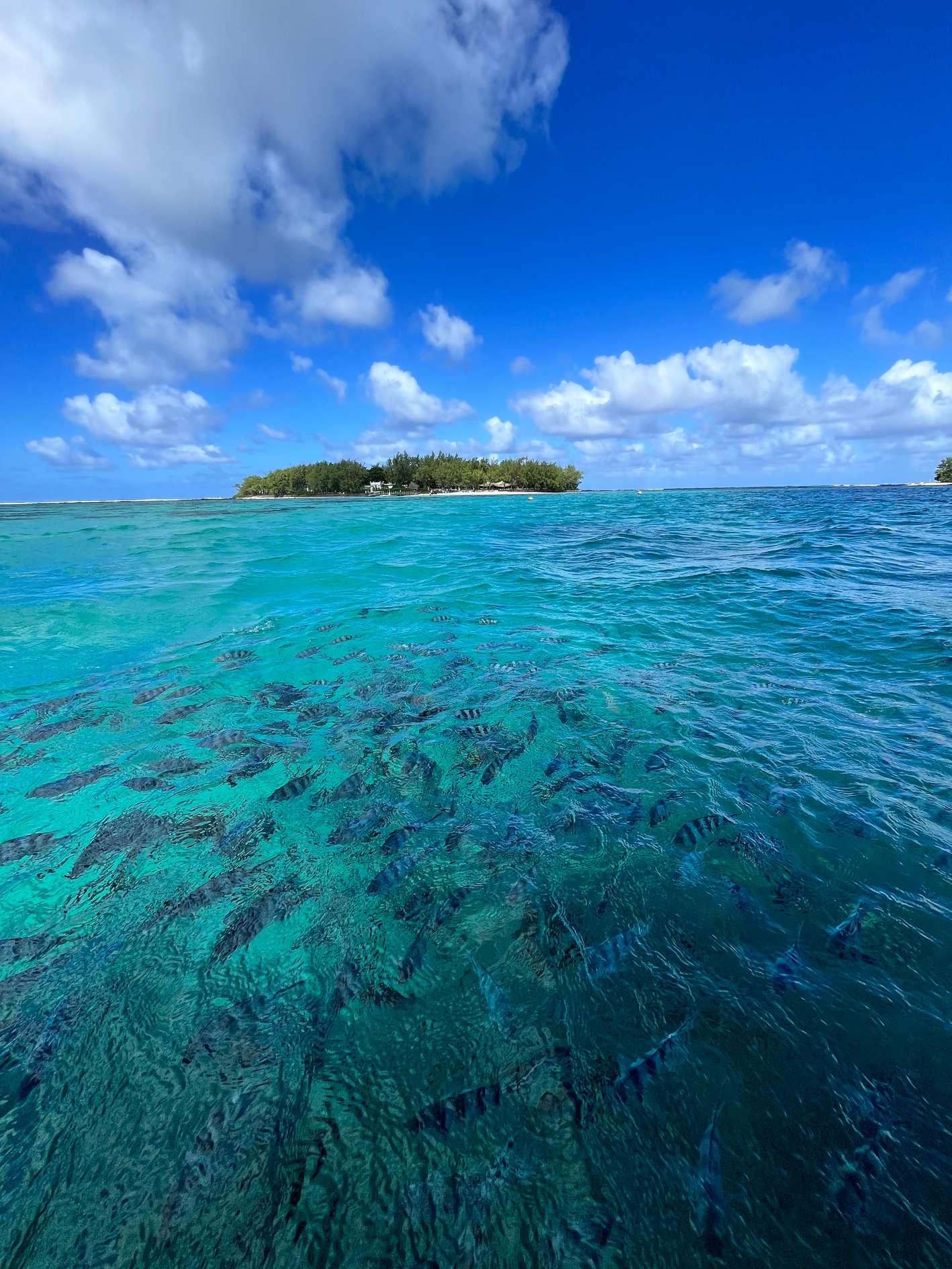
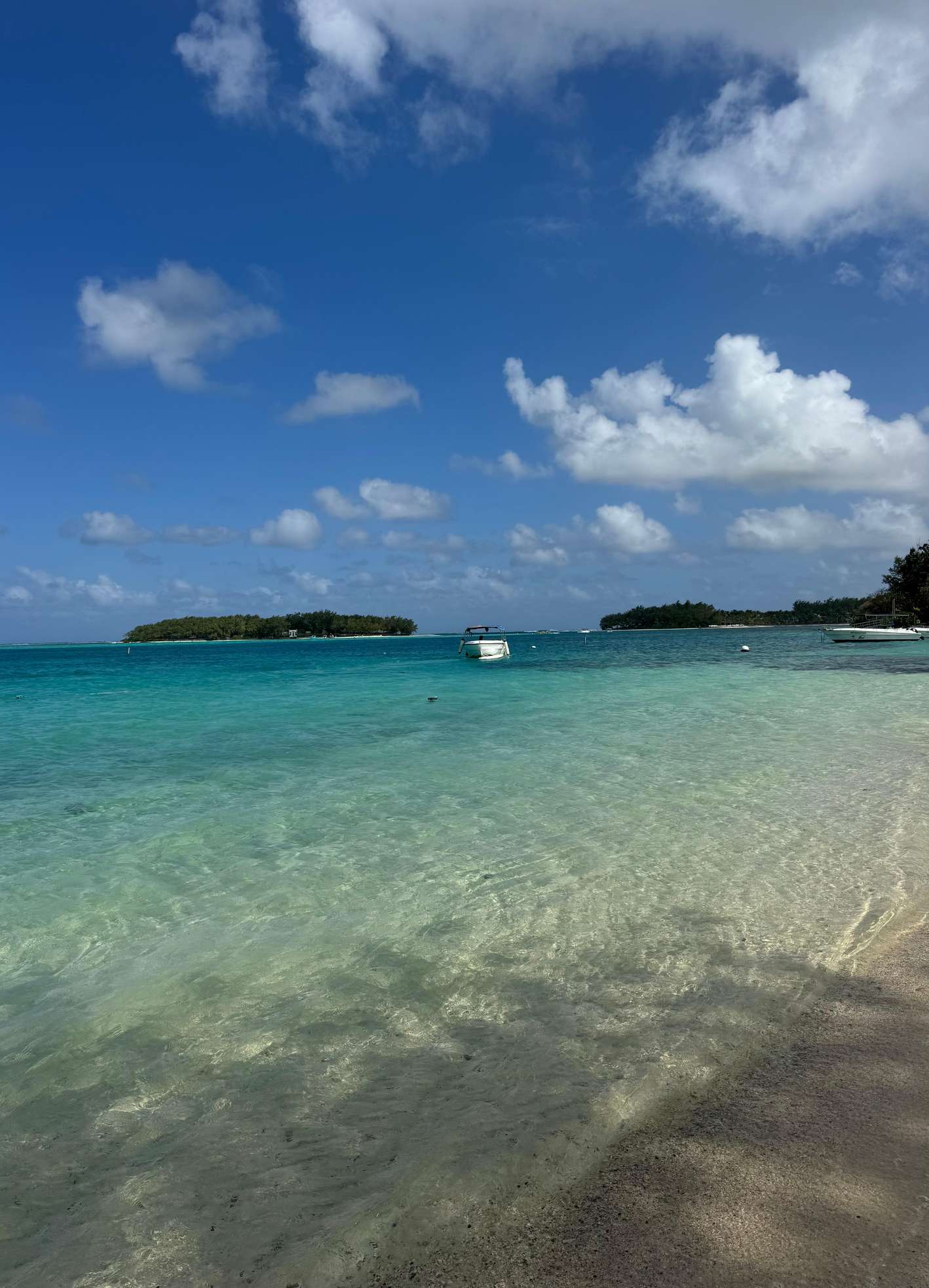
Blue Bay Marine Park: Guided Snorkeling with Video Souvenirs and Snack
Free cancellationBoat trip in the Blue Bay Marine ParkAccompaniment by a passionate local live guide
Time your underwater trip right, month by month. Clear reefs, warm lagoons and calm boats come down to picking the right diving season. Local guides run small-group reef trips all year, and morning departures catch the clearest water. Pick your month, then book the trip that fits it.
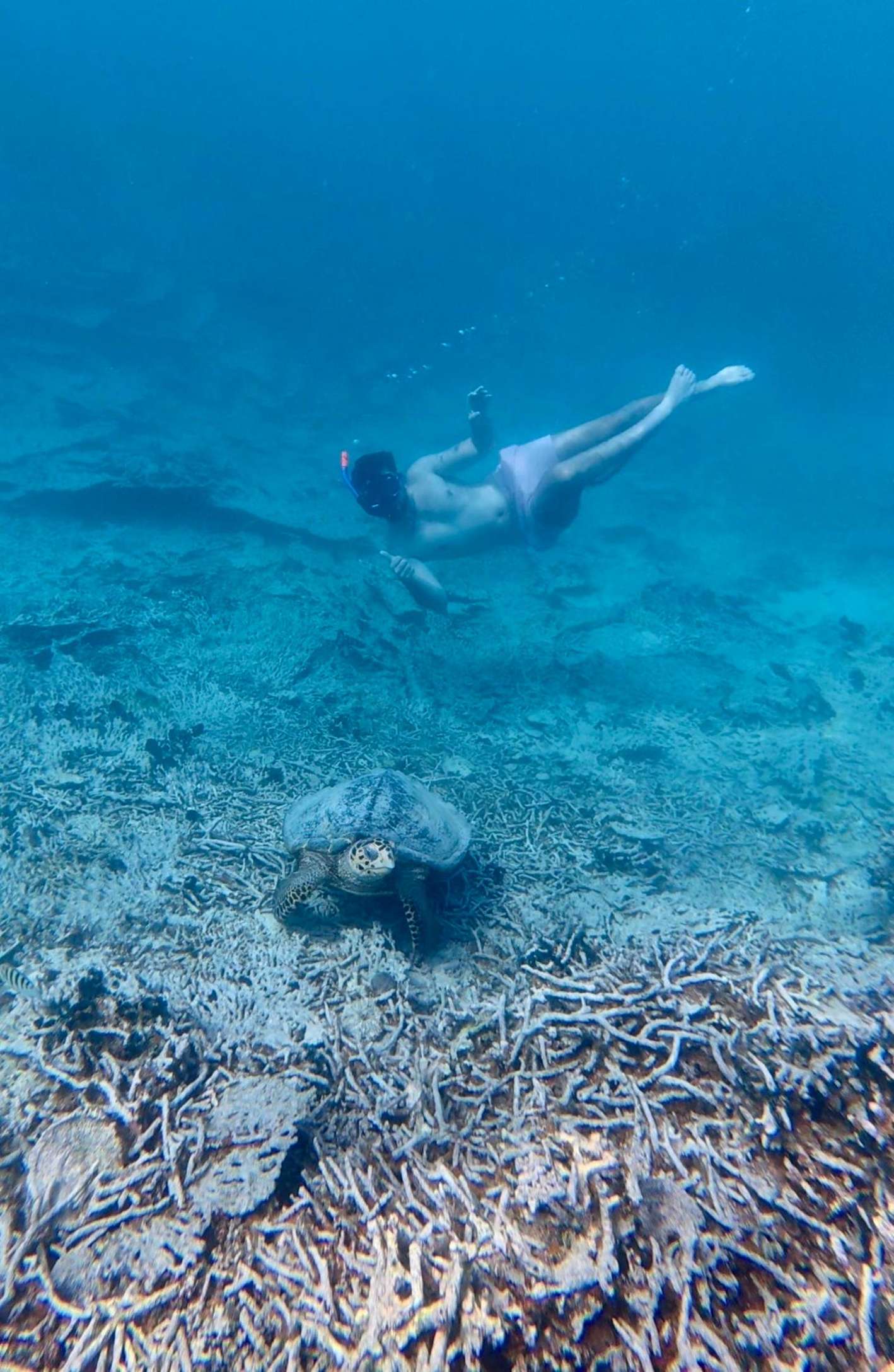
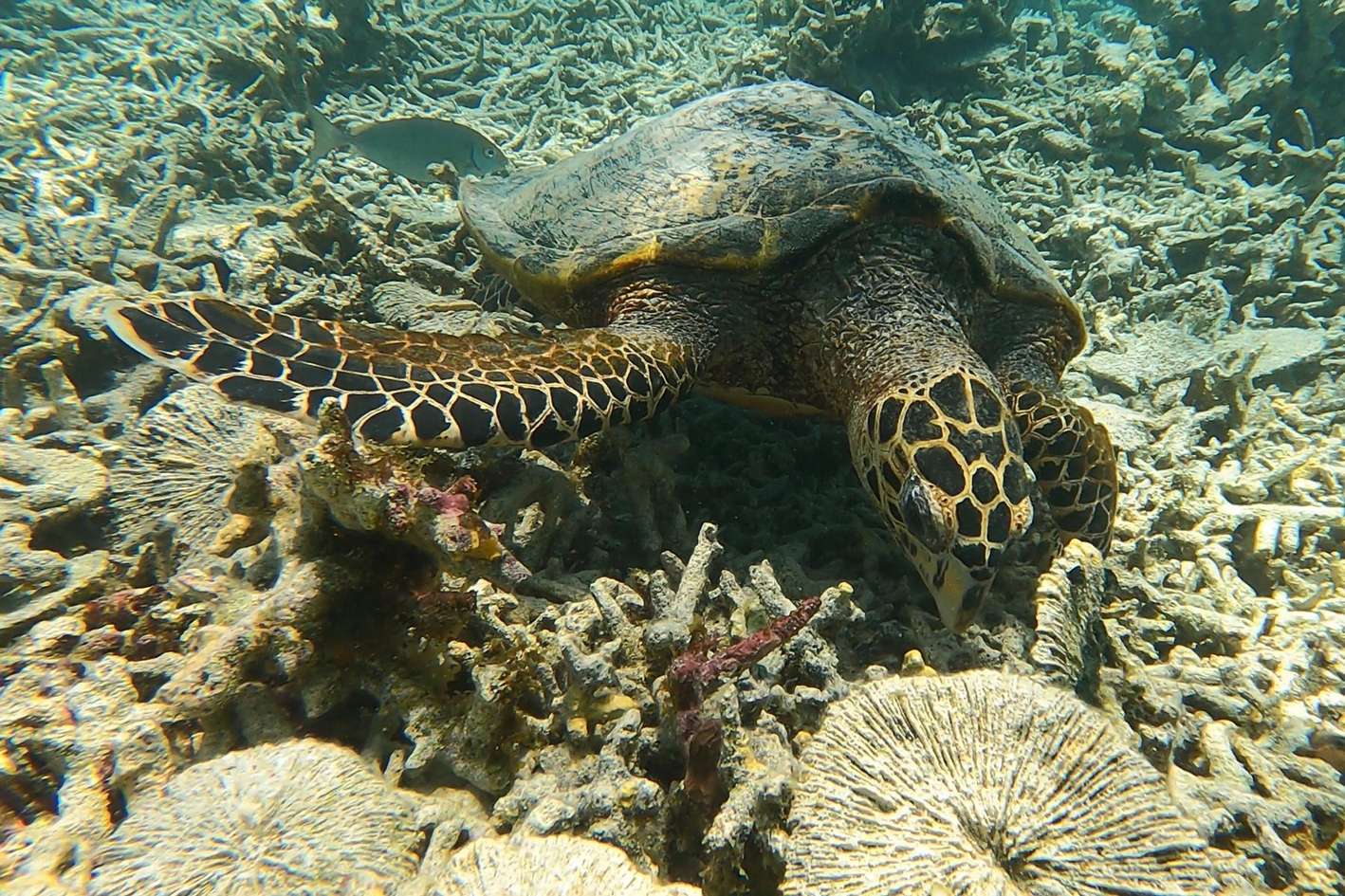
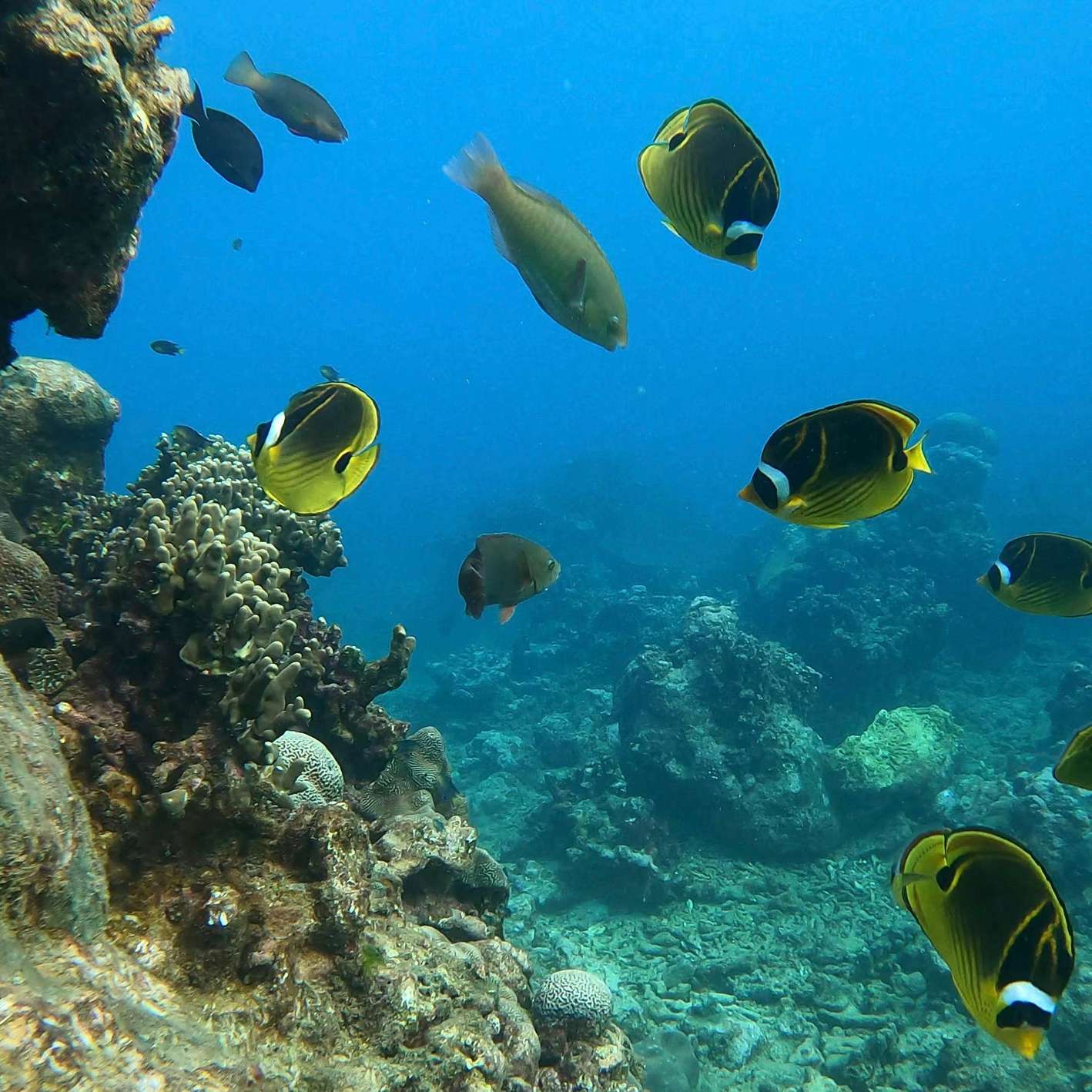
"Amazing family snorkeling trip. Turtles and lots of colorful fish, felt out of time. Constance took time explaining the species and her videos gave us wonderful memories."
clearest water runs september to october


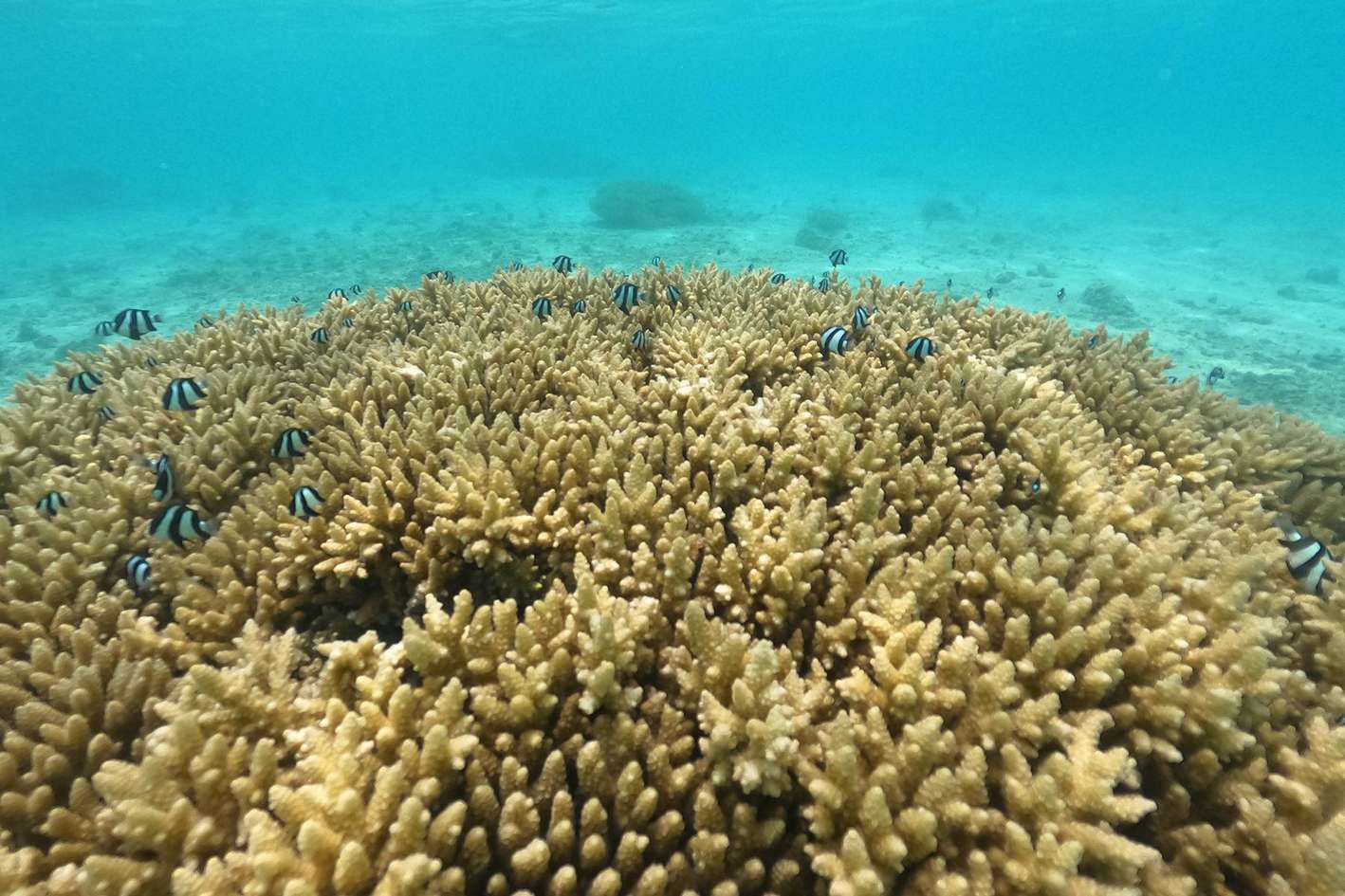
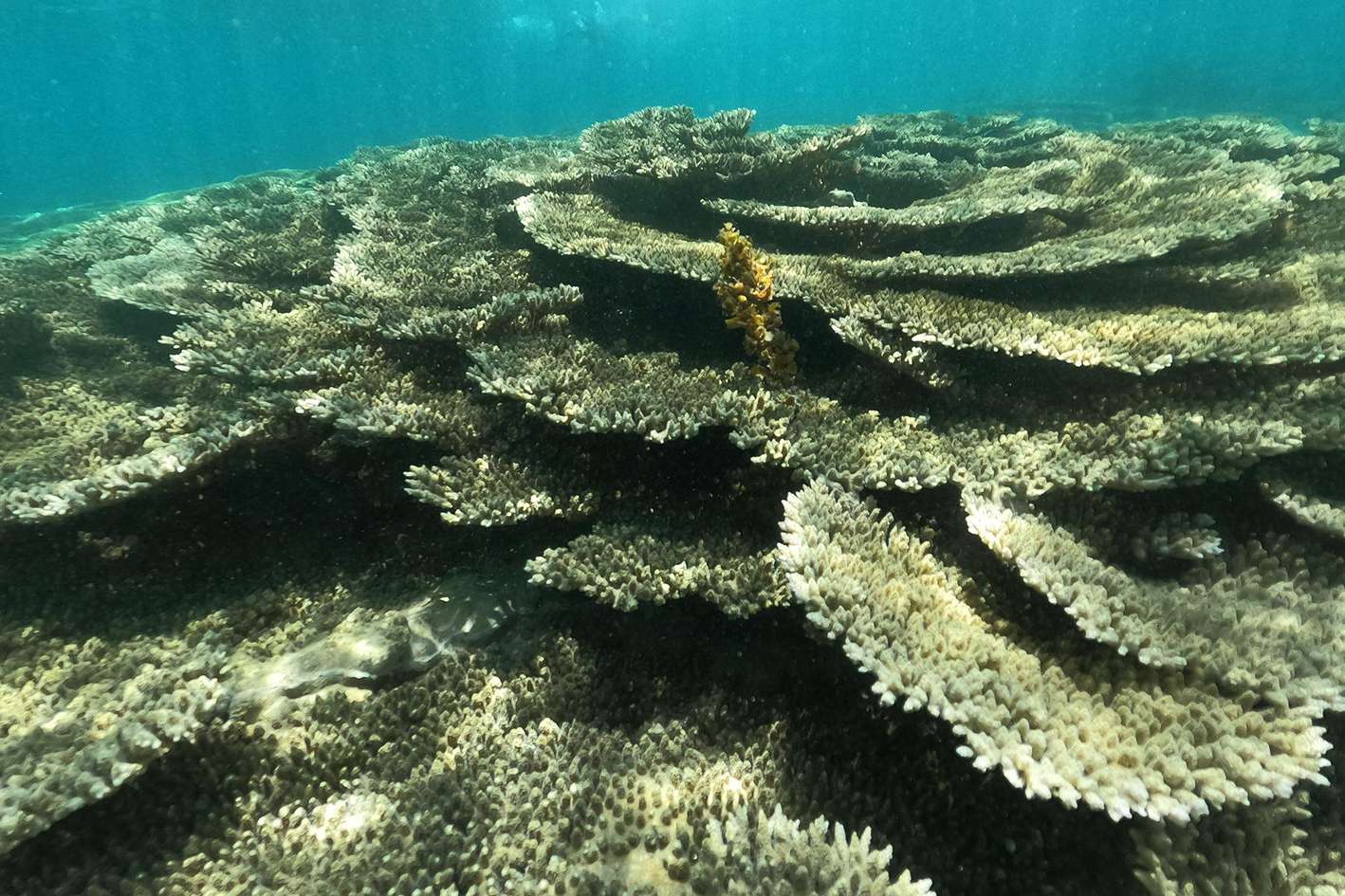
calmest sea days land in december, 87%
Water here runs from 23°C in winter to 29°C in summer, and the clear weeks are not the warm ones. Twelve months, four coasts, one guide to picking the window that fits you.
October to December is the prime window, with March and April a close second.
Summer seas hit 27 to 29°C; winter drops to 23°C and calls for a 5 mm full wetsuit.
Cyclone season is January to March, but direct hits land only every four to five years.
East coast lagoons go rough and murky from June to August, while the west stays sheltered.
Every reef boat leaves in the morning because the wind owns the afternoon.
Stay inside the barrier reef, where sheltered lagoons keep the diving season going all winter. If you want the outer reef drop-offs and drift sites like Passe St Jacques or Le Morne Wall, bring an Advanced Open Water certification or equivalent logged dives, and book the early morning departures when wind and swell are lowest.
The verdict comes first: October to December is the best window, with March and April a solid second. October sits at the sweet spot, when the winter trades have died down and the summer rains have not started, and lagoon clarity regularly reaches 20 to 30 metres. Water is already warm again, around 26°C.
The rest of the year works too, just with trade-offs. Winter from June to August means 23°C water and a wind that chops the east coast. Deep summer brings warm, flat seas and the heaviest rain of the year.
September: 4 out of 5 for how busy it gets. Tour bookings increase as trade winds moderate and dry skies deliver some of the clearest underwater visibility of the year.
Tap a month to read it.
January: 207 mm of rain. Tour traffic is relatively quiet, but heavy summer rainfall and cyclone risks frequently stir up coastal lagoons and reduce underwater clarity.
Tap a month to read it.
July: 23.6 dry days. Quieter mid-winter crowds encounter crisp underwater clarity, but persistent trade winds make sheltered western coasts the best choice.
Tap a month to read it.
May: 2.6 windy days. Bookings remain steady as the dry winter begins, delivering clearer water across sheltered western reefs despite cooling air.
Tap a month to read it.
December: calm sea on 87% of days. The busiest month of the year brings warm water and festive crowds, though increasing summer showers begin to introduce coastal runoff.
Tap a month to read it.
The calm-sea counts need one honest footnote. December actually holds the highest share of calm days of any month, 87%, and October averages nearer seven in ten.
December still loses the top slot because its 125 mm of rain sits right beside the cyclone window, while October pairs near-peak calm with the driest skies of the year. If your dates are fixed, the chapters below tell you exactly what your month does to the water.
Summer, from November to April, is the bath. Water runs 27 to 29°C from January through March, and a 3 mm shorty is all the exposure suit you need. The trade-off is rain: summer is also cyclone season, and the wettest months cloud the lagoons near shore.
Winter, from May to October, cools the sea to 23 to 25°C, bottoming around 23°C in July and August. That means a 5 mm full wetsuit, head to toe. In exchange you get the driest, clearest stretch of the year, and from June to August the lowest crowds on the water.
| 27 to 29°C, peaking January to March | 23 to 25°C, lowest in July and August | |
|---|---|---|
| Wetsuit needed | 3 mm shorty | 5 mm full wetsuit |
| Wind and sea | Lighter breezes, flat lagoons | 15 to 25 knot trades, choppier east coast |
| Visibility | Drops after heavy rains | Clearest of the year, best in September and October |
| Crowds | Higher | Lowest from June to August |
There is no wrong season here, only a choice between comfort in the water and clarity of it. Plenty of regulars pick winter deliberately, throw on the thick suit, and have the reefs half to themselves.
Watch a summer downpour hit the coast and you understand the visibility chart. Rain that falls in an hour runs off the land through river mouths like the Tamarin and Black River, and the lagoons nearby turn cloudy or brown for days.
The outer reef walls stay ocean-clear through all of it, because they sit away from land drainage and get flushed continuously by open sea.
So the same week can be murk near a river-mouth lagoon and wide blue offshore. Heavy cyclone-season rain from December to March is what pulls visibility down across the island; in the dry months from May to November, clarity regularly reaches 20 to 30 metres.
Wind muddies water in a different way. Southeast trades from May to October whip up surface chop along exposed eastern stretches, stirring sediment, though the reef blocks the open-ocean swell and sheltered lee spots such as the lagoon around Île aux Cerfs stay calm.
Visibility only really fails when strong wind coincides with swell pushing over the reef.
The lesson: check what lies near your hotel. A lagoon close to a river mouth needs more forgiveness in the wet months than a site out on the barrier reef.
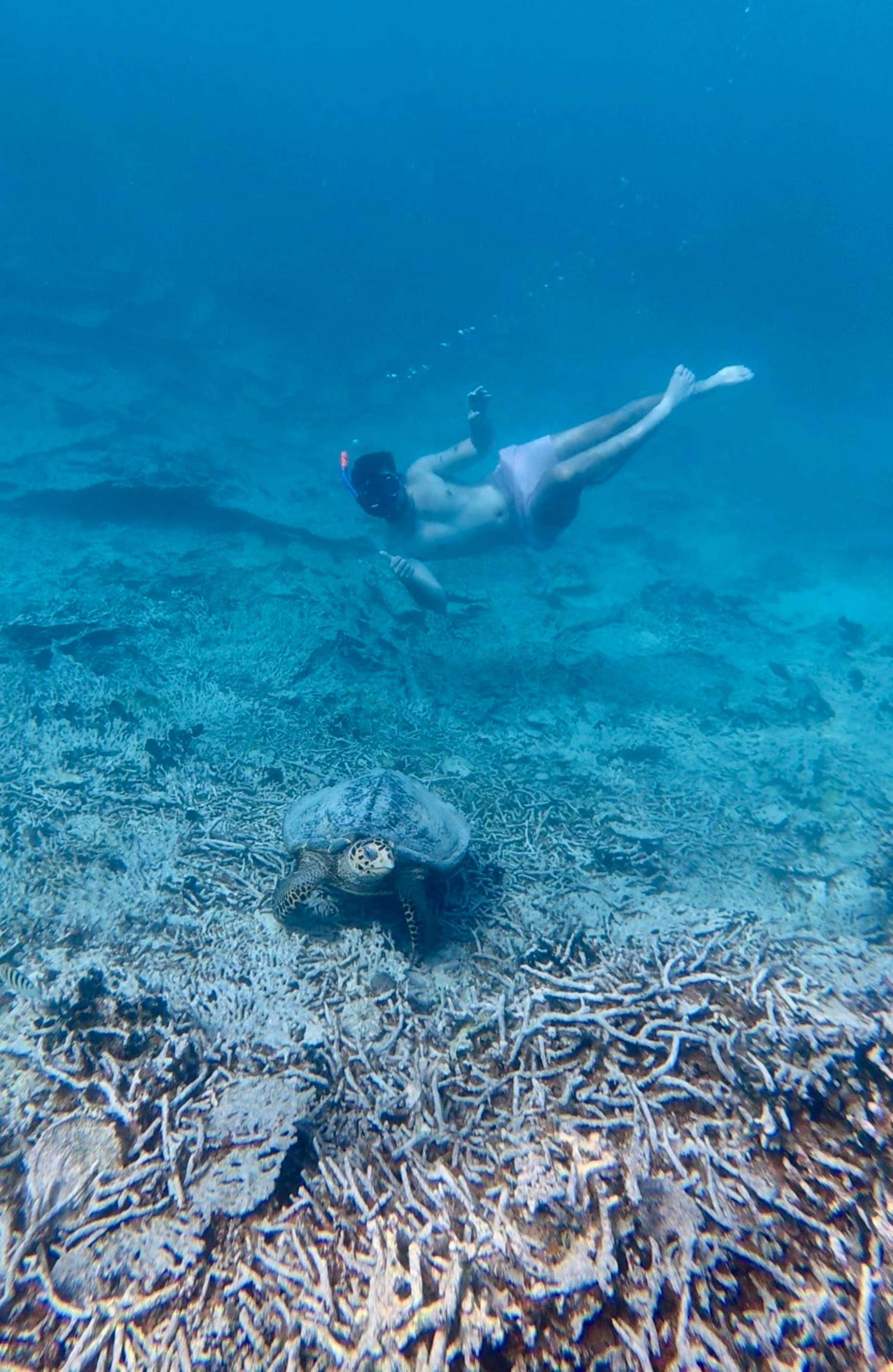
The southeast trades blow across Mauritius all year, peaking from May to October at 15 to 25 knots. Where you stay decides what that does to your trip.
On the exposed east and south coasts, the wind arrives straight off the open ocean: waves of 1.5 to 2.5 metres through the year, reaching 3 to 4 metres in winter.
Around Trou d'Eau Douce and Palmar, calm-sea days drop to almost none between June and August, operators cancel open-reef stops, and routes retreat into sheltered inner channels.
The west and northwest coasts sit in the lee of the central mountains and stay diveable through all of it. Flic en Flac has the most protection of all, its barrier reef holding the lagoon flat year-round.
Tamarin Bay misses the easterly wind but takes ocean swells because it lacks an outer reef. At Le Morne, the northern side of the peninsula stays calm while the southern point catches 15 to 30 knot winds.
The trades are light from November to April, so the whole island is on the table
The leeward shore keeps calm, clear water while the east coast lagoons go rough
Expect boat routes moved into sheltered channels and shore swimming uncomfortable on open stretches
If your heart is set on an east-coast hotel, go between November and April, when the wind lets the whole island breathe.

The honest answer first: a cyclone makes a direct hit on Mauritius only about once every four to five years. But the season itself is real.
From January through March, one or two passing systems typically drag strong winds, rough swells and heavy rain over the island, enough to disrupt boat operations and diving for one to three days at a time.
Under an official Class 2 cyclone warning, offshore marine activities are suspended and every vessel must return to port. Nobody goes out, and that is that. Skippers also cancel departures on their own judgement when passing depressions churn up rough water, and heavy rain clouds the lagoons with runoff afterwards.
The way to plan around it is simple: build slack into the schedule. If your trip sits in February or March, keep one or two days free for the sea to settle and the water to clear, and book your boat trips for the middle of the stay.
Operators are generally accommodating about moving dates when weather forces a cancellation, so a buffer day turns a washed-out morning into a rescheduled one.
Offshore boat trips are suspended and vessels must return to port Keep one or two free days in a January-to-March trip so a storm day does not sink your whole plan
February and March are also the wettest months, with rain on roughly three days in four, so the buffer earns its keep even without a named storm.

Most of what Mauritius offers underwater is resident. Sperm whales live off the west coast all year, spinner and bottlenose dolphins work the bays, and sea turtles graze the reefs in every month.
Timing one species is easy: humpback whales pass between June and November, with sightings concentrated from July through October and the peak in August and September. All whale encounters happen from boats, since swimming or diving with whales has been banned since 2012.
The transitional months give the north its show. Between October and December and again in April and May, the seas between the winter trades and summer storms calm enough for boats to reach the exposed passes off Gunner's Quoin and Round Island, where currents funnel barracuda, kingfish, dogtooth tuna, eagle rays and sharks.
Those crossings are for experienced divers, and the boat ride out runs roughly an hour each way across open water.
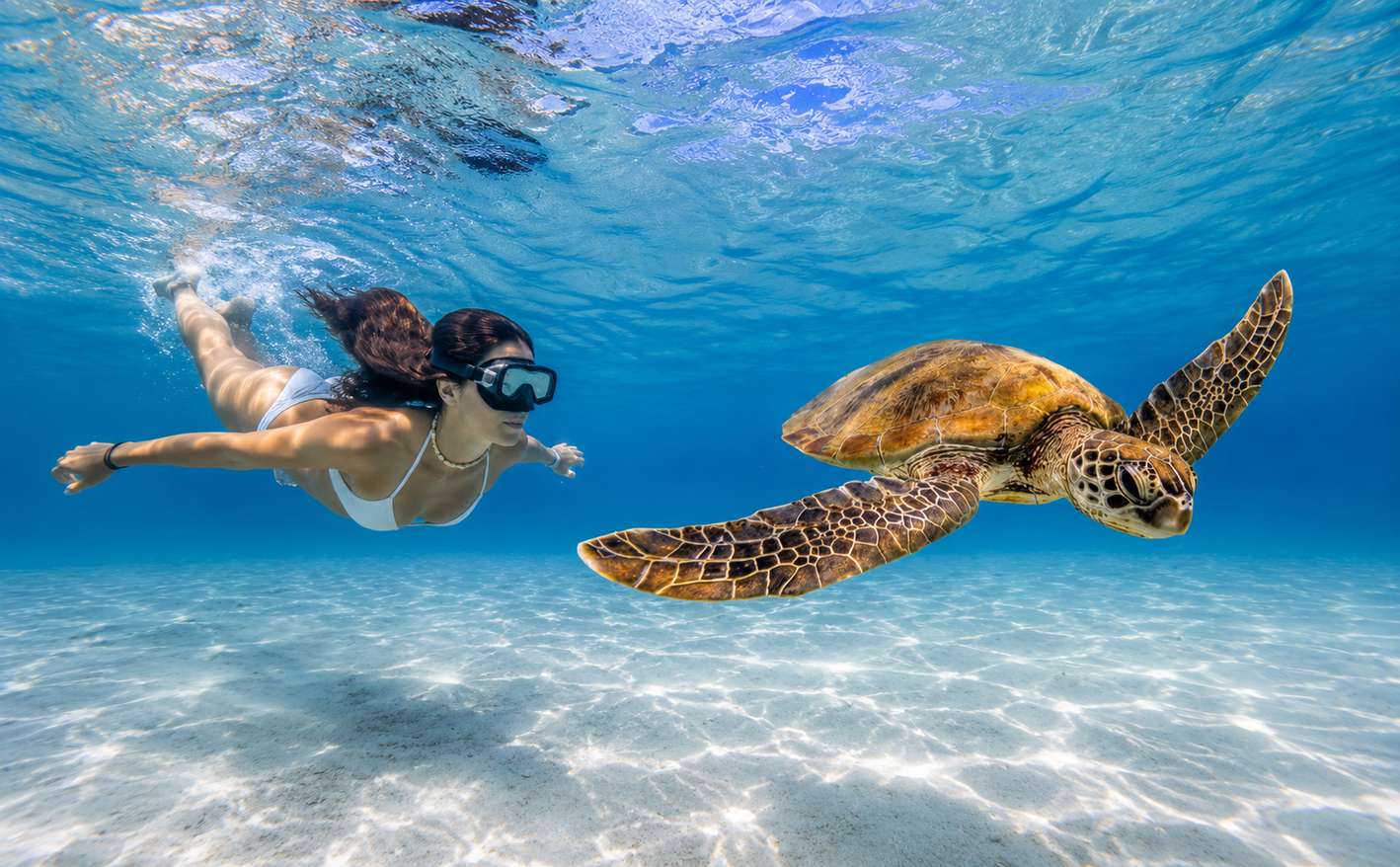
Dolphins and turtles, by contrast, need no special window and no advanced card. A short boat trip out of Pereybere puts you over turtle grazing grounds in an hour and a half, with mask and life jacket supplied.
One expectation to set now: you will not see whales on a coastal reef dive. They live in deep offshore water, and the law keeps it that way.

The island runs on a wind clock, and it ticks early. Operators send outer reef and wreck boats out between 7:30 and 9 in the morning, when wind and open-sea swells sit at their lowest.
From mid-morning onward the trades and coastal breezes build, and by afternoon the surface chop outside the barrier reef is rough enough to eat into visibility and comfort.
The same clock governs the west coast. Dolphins return to sheltered bays around Tamarin and Black River between 6 and 7:30 in the morning, before tour boat traffic peaks between 8 and 9:30, and regulations confine commercial dolphin and whale watching to the hours between 6 am and noon.
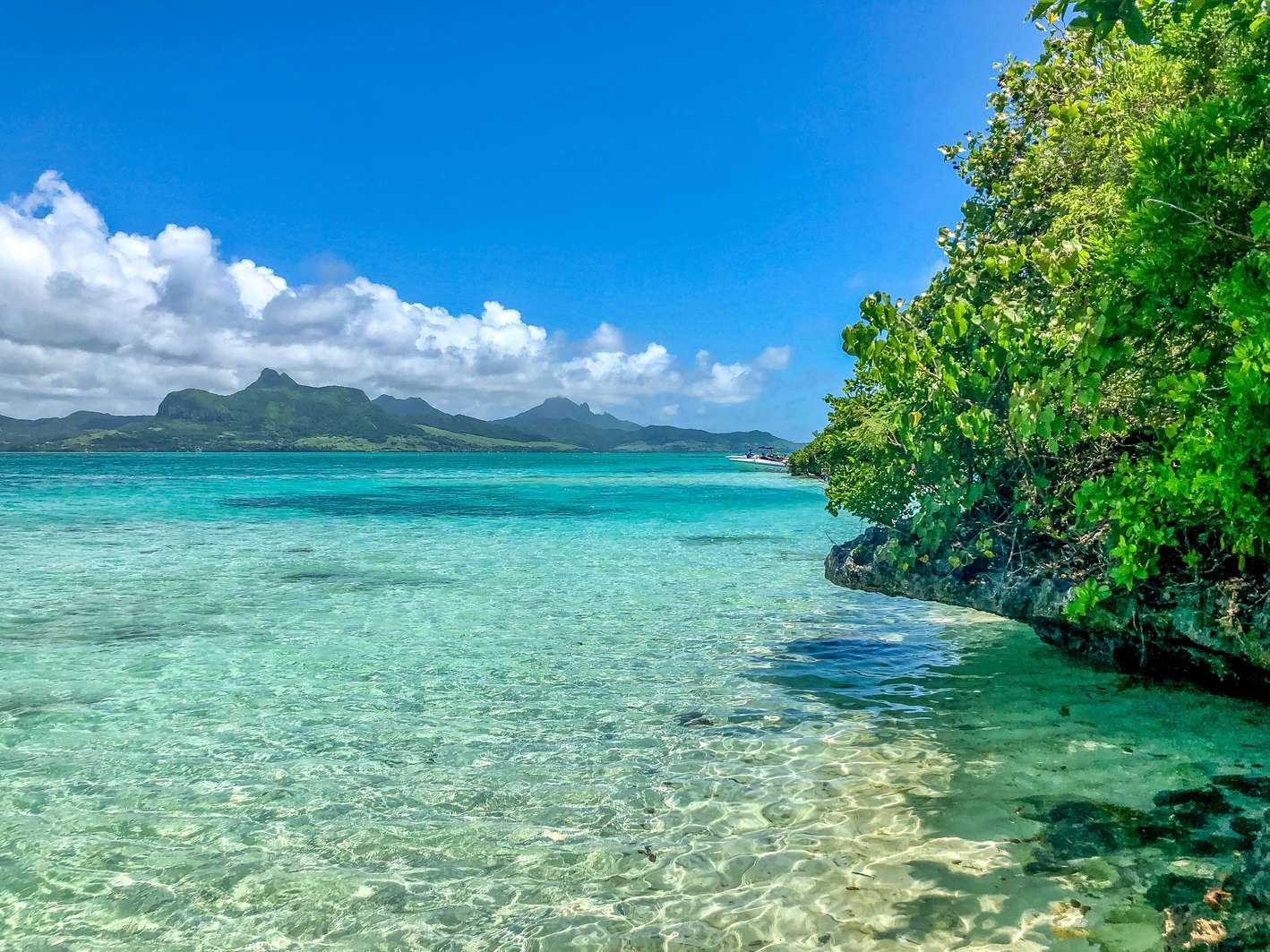
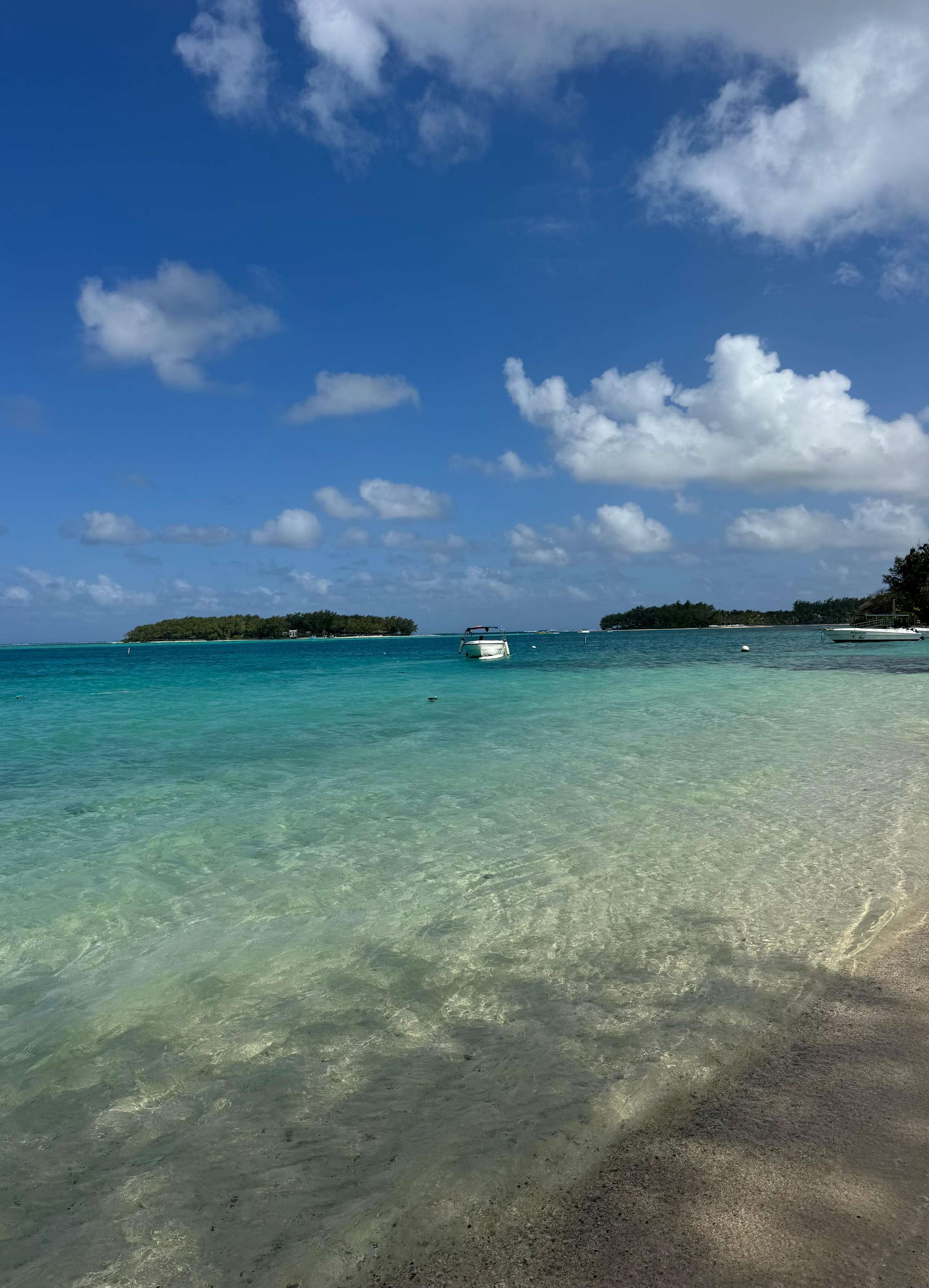
At Blue Bay, the calmest water and clearest visibility run from 7 to 10 in the morning, before wind and current cloud the lagoon.
Calm sea and lowest wind before chop develops.
Breeze begins picking up outside the barrier reef.
Stronger winds create rough swells and surface chop.
Wind speeds gradually ease before sunset.
So book the early slot, always. Dive centres run double-tank mornings partly for this reason: the transit to offshore sites takes real boat time, and the window before the breeze closes fast.
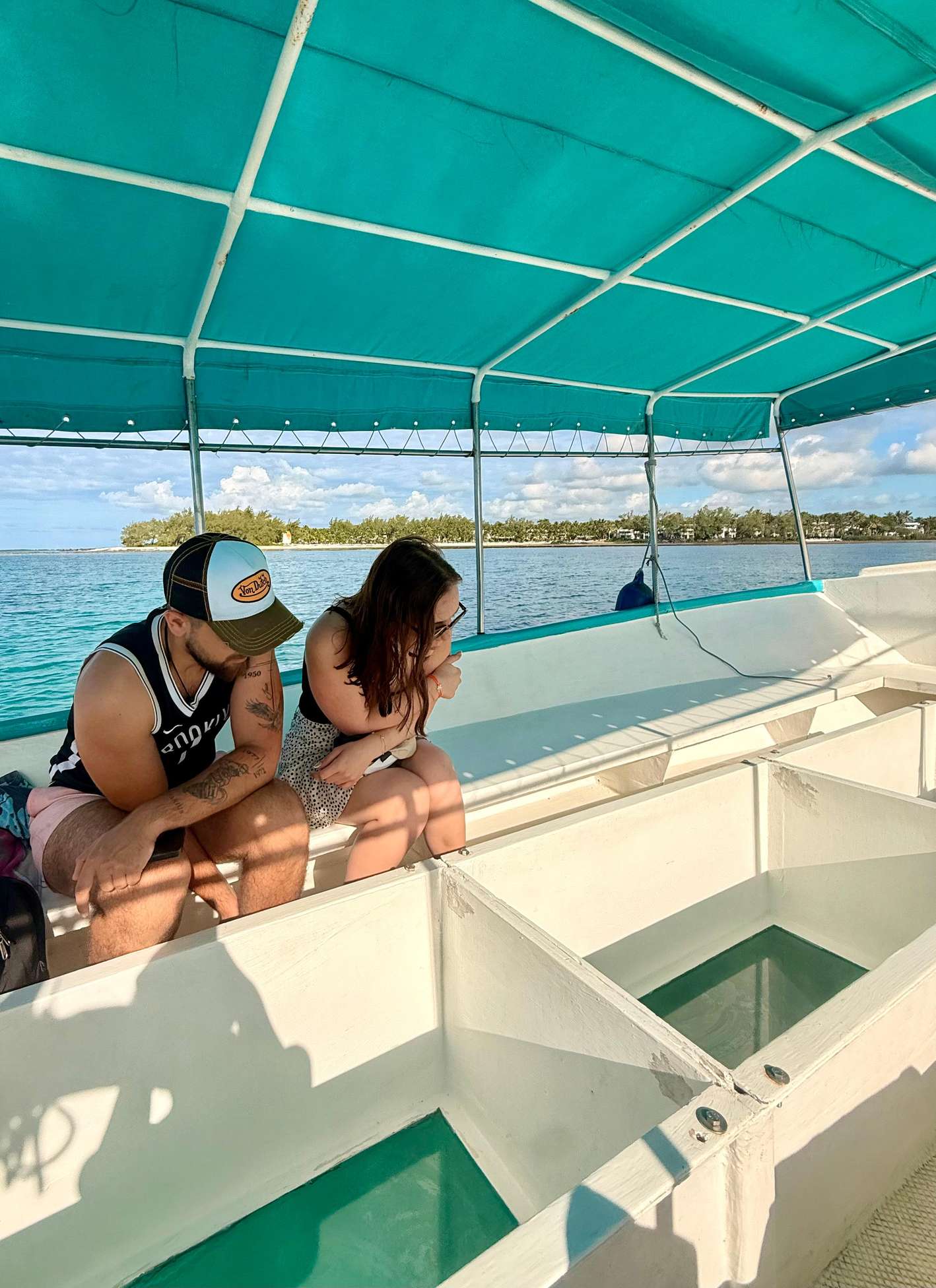
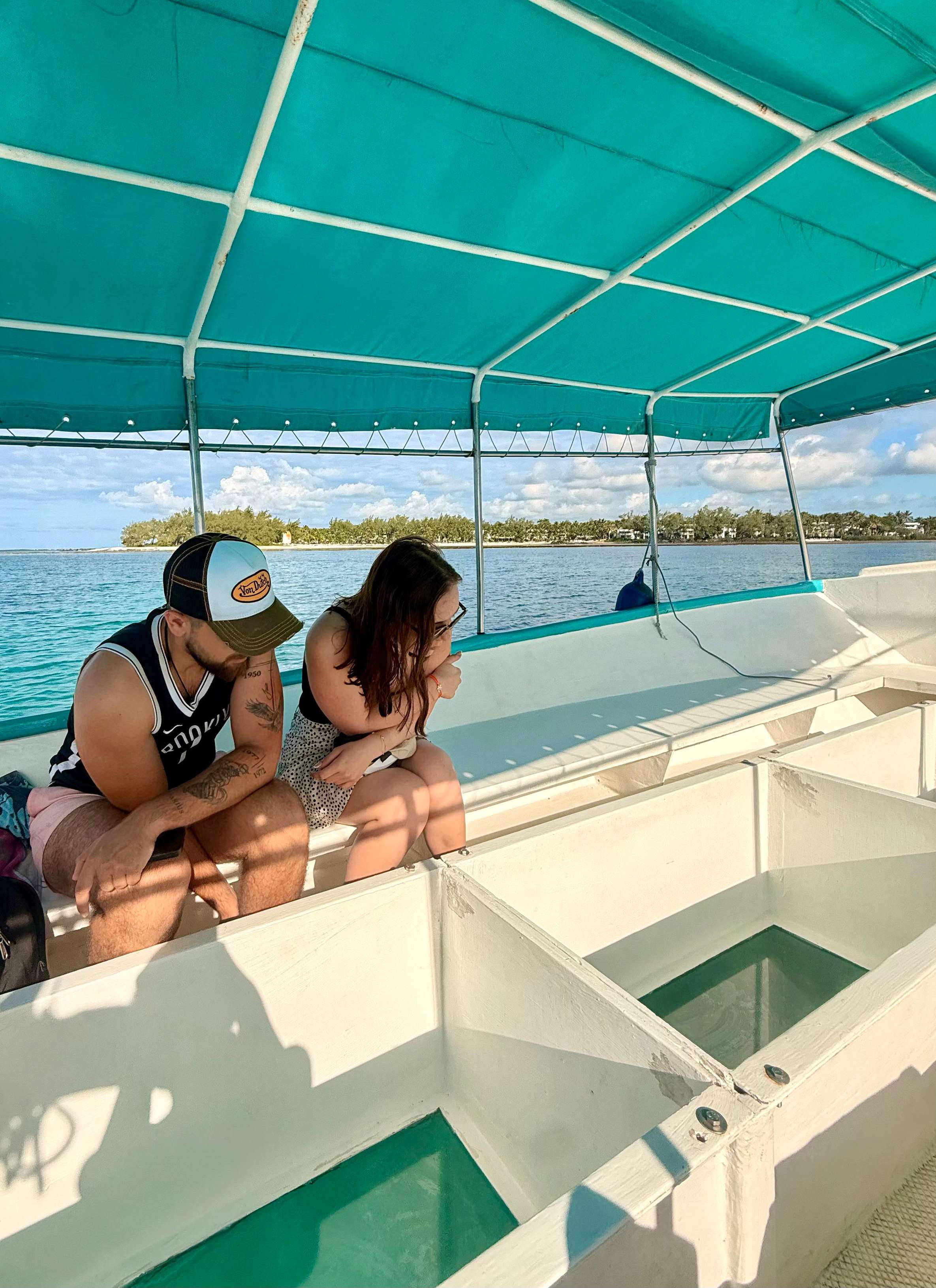
The 2-hour glass-bottom excursion from Blue Bay runs multiple departures a day; take the first one, and the lagoon is at its flattest and clearest before anyone else has stirred it.
Two different countries sit behind one shoreline. Inside the barrier reef, the lagoons are sheltered, shallow and forgiving, and anyone who can swim can enjoy them. Outside lies open ocean, where the passes between lagoon and sea carry the strongest currents on the island.
An ebbing tide is when a pass bites hardest. With swell running, the outgoing current can pull a swimmer seaward faster than they can swim back, and even strong swimmers get carried out. Incoming tides are the friendly ones: currents ease and visibility inside the passes is usually at its clearest.
Winter makes the line sharper. From May through September, heavy trade wind swell means snorkeling stays inside the reef, and outer reef diving at sites like Passe St Jacques or Le Morne Wall asks for an Advanced Open Water certification or equivalent logged experience.
Places to keep beginners clear of: the reef passes off Bel Ombre, the southern lagoon's narrow coral corridors with their lateral currents, and the reef opening near Le Morne's underwater waterfall, where outgoing tidal water generates strong rip currents.
Even the pretty channel between Flat Island and Gabriel Island runs strong along its middle.
Place yourself honestly before you book. Confident, current-experienced, certified: the outer reef is your reward. Otherwise the sheltered lagoons give you the colour without the pull.
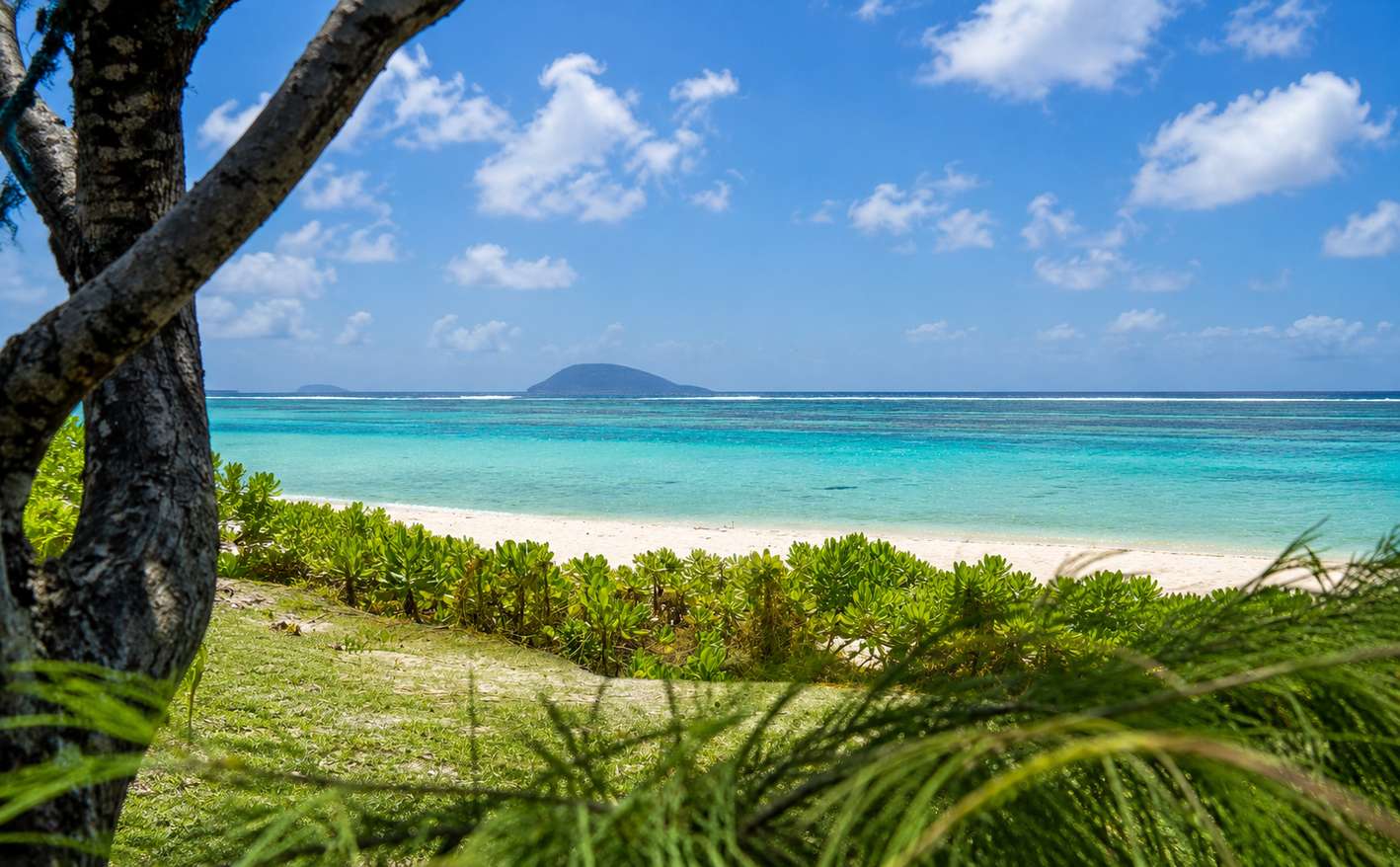
Pack by season and the rest follows. In summer, November through April, water sits between 26 and 29°C and a 3 mm shorty covers a full day of dives.
From May through October the sea drops to 23 to 25°C, and a 5 mm full wetsuit is the difference between a long dive and a short, shivery one.
Boats cover the basics: masks, snorkels and life jackets come standard on most catamarans and excursions, though fins vary by operator and the onboard masks are often shared, older models that fog or leak.
For a reliable, leak-free fit, bring your own mask, snorkel and personal fins. Dive shops at the resorts handle the heavy gear for newer divers, so renting a full scuba setup there is no burden.
For any full day on the water, swimwear goes on before you board, and the deck bag should hold a UV rash guard, a wide-brim hat with a chin strap, polarized sunglasses on a retainer, and high-SPF reef-safe sunscreen.
A light waterproof windbreaker takes the sting out of spray and the breezy afternoon crossings, a towel and dry clothes wait at your seat, and a roll-top dry bag keeps phones and cameras dry when spray sweeps the open deck.
Cash in small Mauritian rupee notes rounds out the list, for beach stalls and kiosks at the island stops.
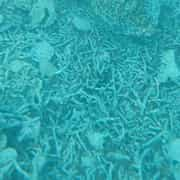
Straight answer: for coral spectacle alone, no. Much of the coral around Mauritius is bleached, and even a healthy reserve like Blue Bay does not match the density and diversity of Egypt, the Maldives or the Seychelles.
Fish life stays active and the turtles, parrotfish and reef sharks are real, but anyone expecting Red Sea walls will be recalibrating on the first dive.
What Mauritius does better than most is the whole day around the dive.
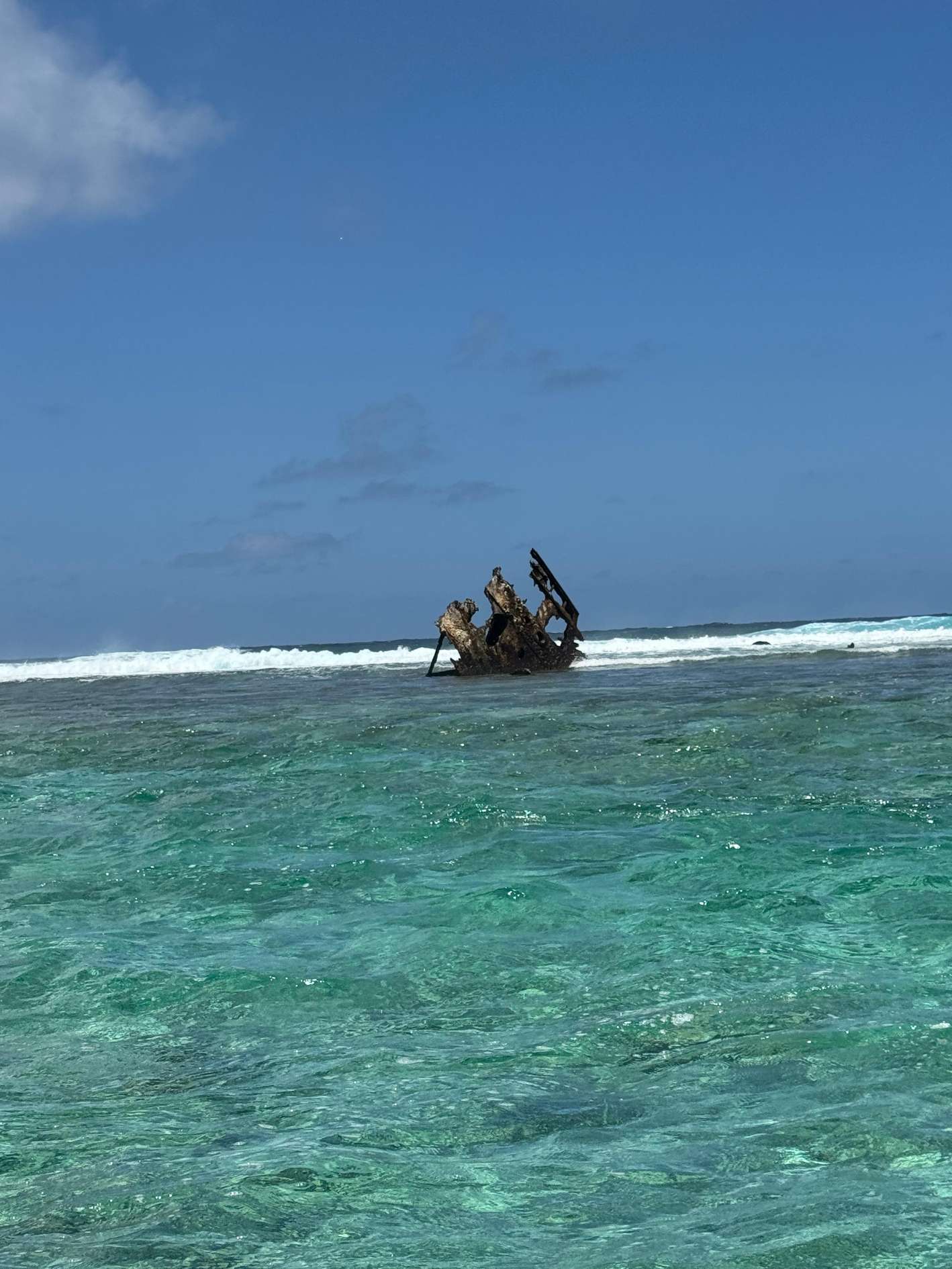
Wreck diving is a genuine strength, the sheltered lagoons make easy water for learners, and the trip mixes reef time with dolphin outings, island beaches and coastal walks in a way the Maldives cannot. Crowds are lighter too, especially from June to August.
Set the shark question to rest while you are at it. Dangerous encounters are practically non-existent; blacktip and whitetip reef sharks appear on outer reef slopes and ignore people. Bull, tiger and great white sharks exist offshore but rarely trouble swimmers inside the lagoons.
Much of the coral is bleached and overall reef density lands a step below the famous destinations
Reef sharks are harmless and rarely seen inshore; big shark encounters are rare offshore events
Whales live in deep offshore water, and swimming or diving with them has been banned since 2012
Book Mauritius for the mix, the wrecks and the easy season, and it repays you.
For a stay in the southeast, Blue Bay sits almost on your doorstep. From Mahébourg it is a 10-minute drive of about 5 kilometres, or 15 minutes on public bus line 46, which leaves the Mahébourg bus station for Blue Bay Public Beach every 20 to 30 minutes between 6:30 am and 6:30 pm.
Coming from the airport, a rental car covers the 10.8 kilometres via the B29 in roughly 16 minutes, and bus line 90 runs directly between the airport and the Blue Bay terminus in about 18 minutes. Few marine parks in the world sit this close to an international runway.
Parking decides the last detail. A free public lot sits right at the entrance to Blue Bay beach, and it fills fast on weekends and school holidays. On a Saturday in high season, arrive early or take the bus.
The bus wins on cost and on calm nerves; the car wins on flexibility if you want to chase an early morning slot and roam the coast afterwards.
Either way, the 7:00 to 9 am rule from earlier still applies, so plan the drive backwards from a first-thing departure.
Every water trip needs a plan B, and the west coast supplies a good one. On a windy or washed-out morning, the drive down the coast is short and the scenery changes with every bend.
La Preneuse is the nearest stop, about nine minutes by car, a natural beach worth an hour of walking even when the boats stay tied up.
Le Morne Brabant takes about 25 minutes to reach and earns its reputation from land as well as sea; the northern side of the peninsula keeps a calm, sheltered swimming shore on most winter days.
For a full dry-weather day inland, Black River Gorges National Park lies about half an hour away, with forest trails and viewpoints that need no sea state at all.
The rhythm that works: water in the morning, land in the afternoon, land in the day after a storm. The coast is compact enough that a rough-sea morning never has to become a wasted day.
Mauritius runs boats in every month of the year; only the water changes. October to December gives you warm seas, flat mornings and clarity reaching 20 to 30 metres.
Winter trades a few degrees for the clearest water and the emptiest reefs, on the sheltered west coast. Whatever your dates, book the early departures and the right wetsuit, and the island delivers.
clearest water: september and october
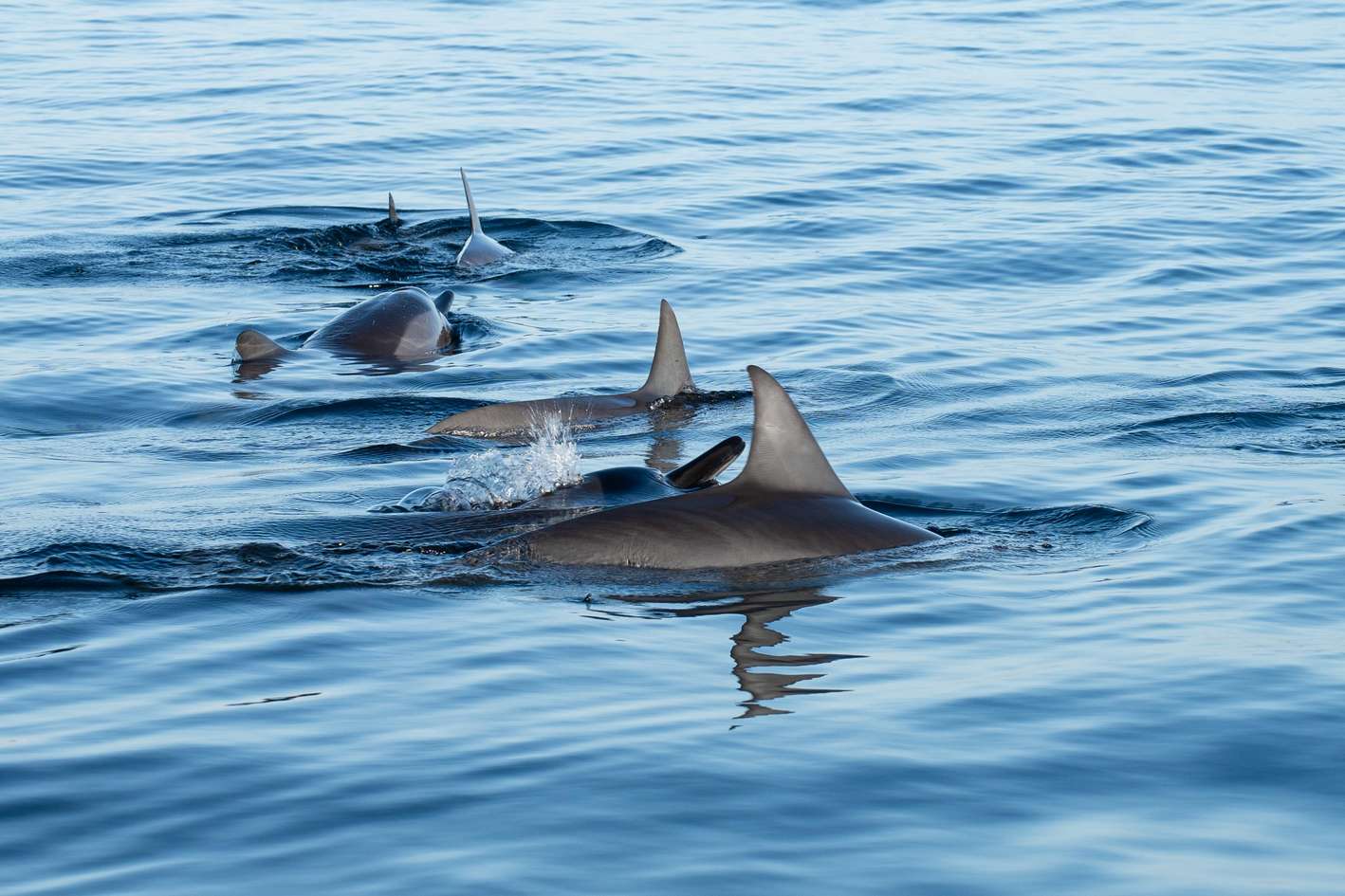
Dolphins stay in Mauritian waters all year, so whale season aside, encounter rules matter more than your month.
Planning an in-water dolphin encounter? See what swimming skill and open-water confidence winter trips demand.

Tamarin's dawn launches run calmest between June and September, when the west coast sits in the wind's lee.

Humpbacks pass between July and October, so a winter trip can pair rough-reef caution with whale sightings.
Early departures beat the mid-morning wind on any coast; see how sunrise trips time the calmest water.
A private charter lets you chase the day's clearest water instead of a fixed route, whatever the month.
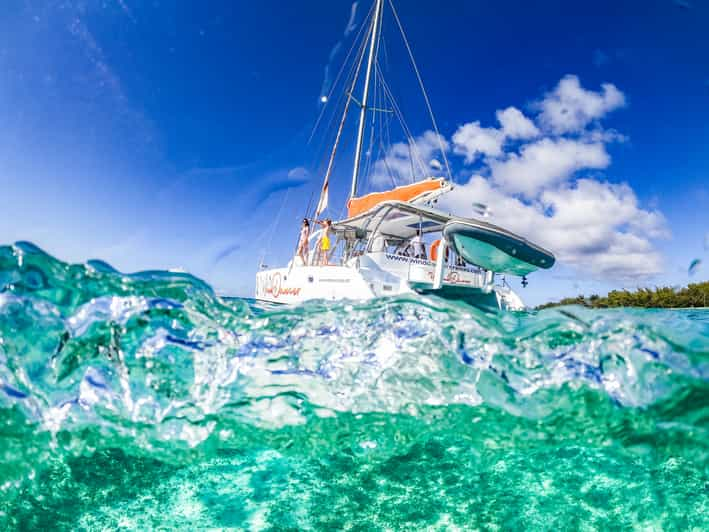
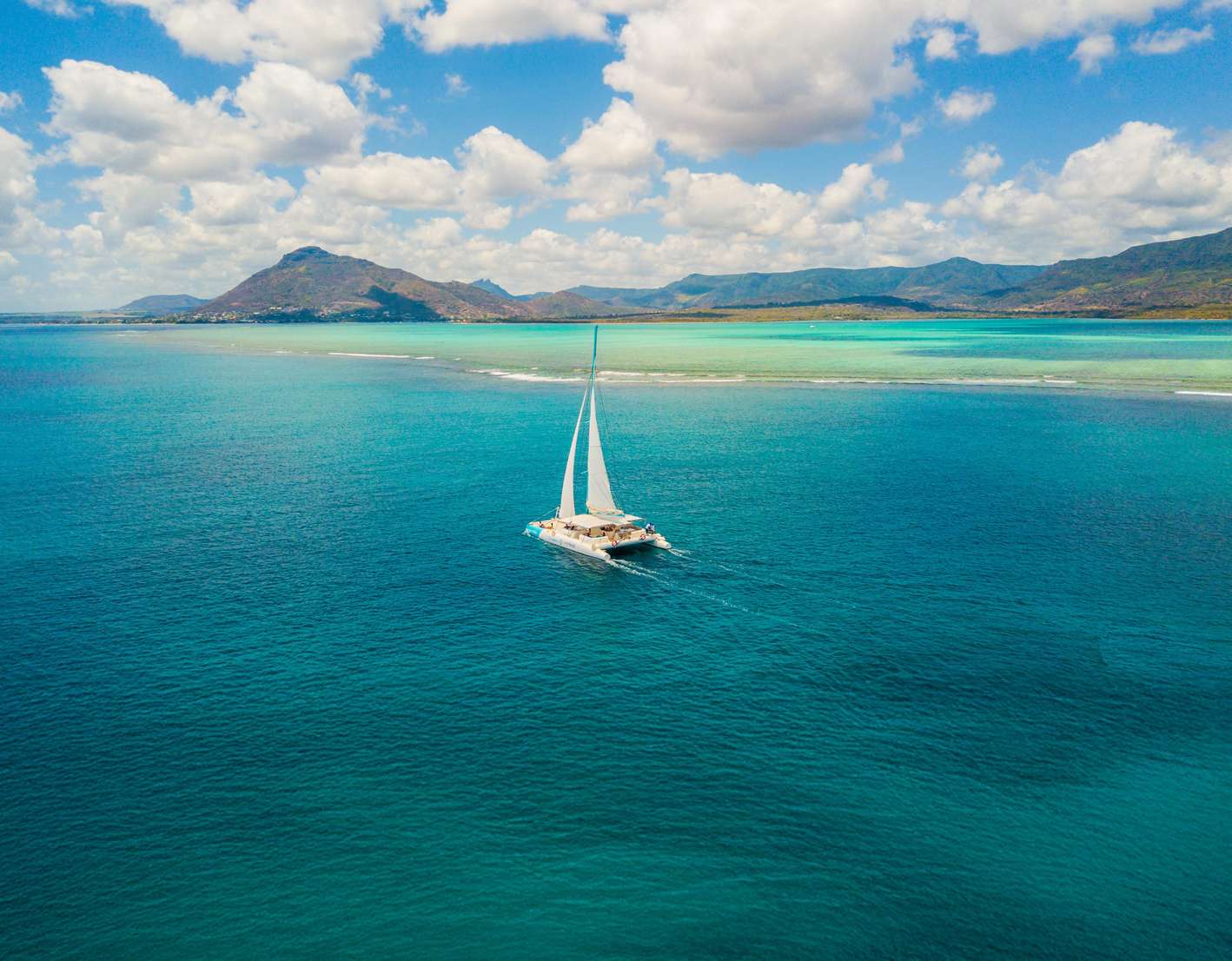
Catamarans stay in sheltered lagoons even in trade-wind season, so sailing trips work when outer reefs do not.

Compare full-day routes and lunch stops coast by coast to match a cruise to your travel dates.
october clarity: 20-30 m
Quick answers on water temperature, visibility, cyclones, and which coast stays calm in each month.
2026The drier months from May to November give the clearest water, and September and October stand out. Rainfall stays low, trade winds ease off, and lagoon clarity regularly reaches 20 to 30 metres.
From January to March, the ocean peaks between 27°C and 29°C. In the southern winter from May to October, temperatures cool to 23°C to 25°C, with the lowest around 23°C in July and August.
From November through April, water runs 26°C to 29°C and a 3 mm shorty is enough. From May to October, temperatures drop to 23°C to 25°C, so bring or rent a 5 mm full wetsuit.
Heavy cyclone-season downpours wash soil and sediment into the coastal lagoons. Lagoons near river mouths, like those by the Tamarin and Black River, can turn cloudy or brown for days, while outer reef walls stay clearer because ocean water keeps flushing them.
Tropical cyclones hit Mauritius directly only about once every four to five years, but January to March brings the peak season. One or two passing systems typically disrupt boat operations and diving for one to three days, and under a Class 2 warning boats return to port.
The west and northwest coasts sit in the lee of the southeasterly winds and stay diveable from June to September, with calm sea days 51% to 65% of the time.
The east and south coasts get waves of 3 to 4 metres in winter, so tours there confine routes to sheltered water or cancel open-reef stops.
Yes, if you pick your coast and dress for the water. The west stays sheltered, visibility is strong, and crowds are at their lowest of the year. You will want a 5 mm wetsuit, since the sea sits around 23°C to 25°C, and morning departures dodge the afternoon chop.
Humpbacks migrate past Mauritius between June and November, with sightings concentrated from July to October and peaking in August and September. Sperm whales live off the west coast year-round, so July through October gives you the best chance of both. All whale encounters happen from the boat.
Between 6 am and 9 am the seas are calmest and sighting rates highest, as pods rest in the bays off Tamarin and Black River before moving offshore. Mauritian law restricts commercial dolphin and whale watching to the hours between 6 am and noon.
It does. Currents run strongest on an ebbing tide, which can carry you seaward, while incoming tides usually bring the clearest water inside the passes. Local operators plan their passes around this, so let them time your dive.
Wind speeds and open-sea swells are lowest before mid-morning, so local operators schedule outer reef and wreck departures between 7:30 am and 9 am. Trade winds pick up from mid-morning and kick up chop that hurts both boat comfort and visibility.
Expect healthy coral, parrotfish, and sea turtles, alongside reef density and fish variety that sit below the top global spots. Mauritius rewards divers who want a mix of time underwater with beaches, boat trips, and wreck dives, and serious divers rate its wrecks a highlight.
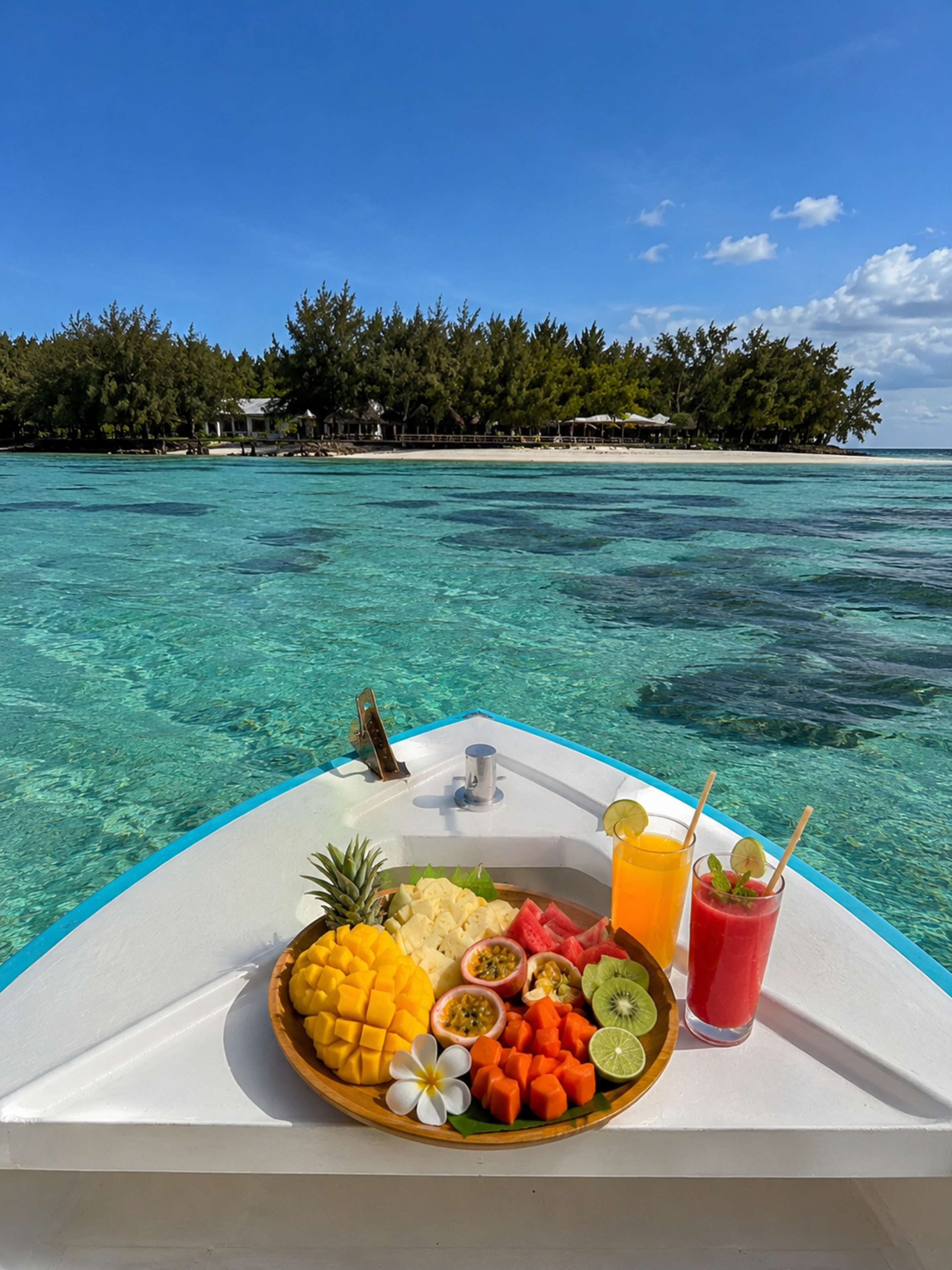
clearest water september to october, 20 to 30 metres
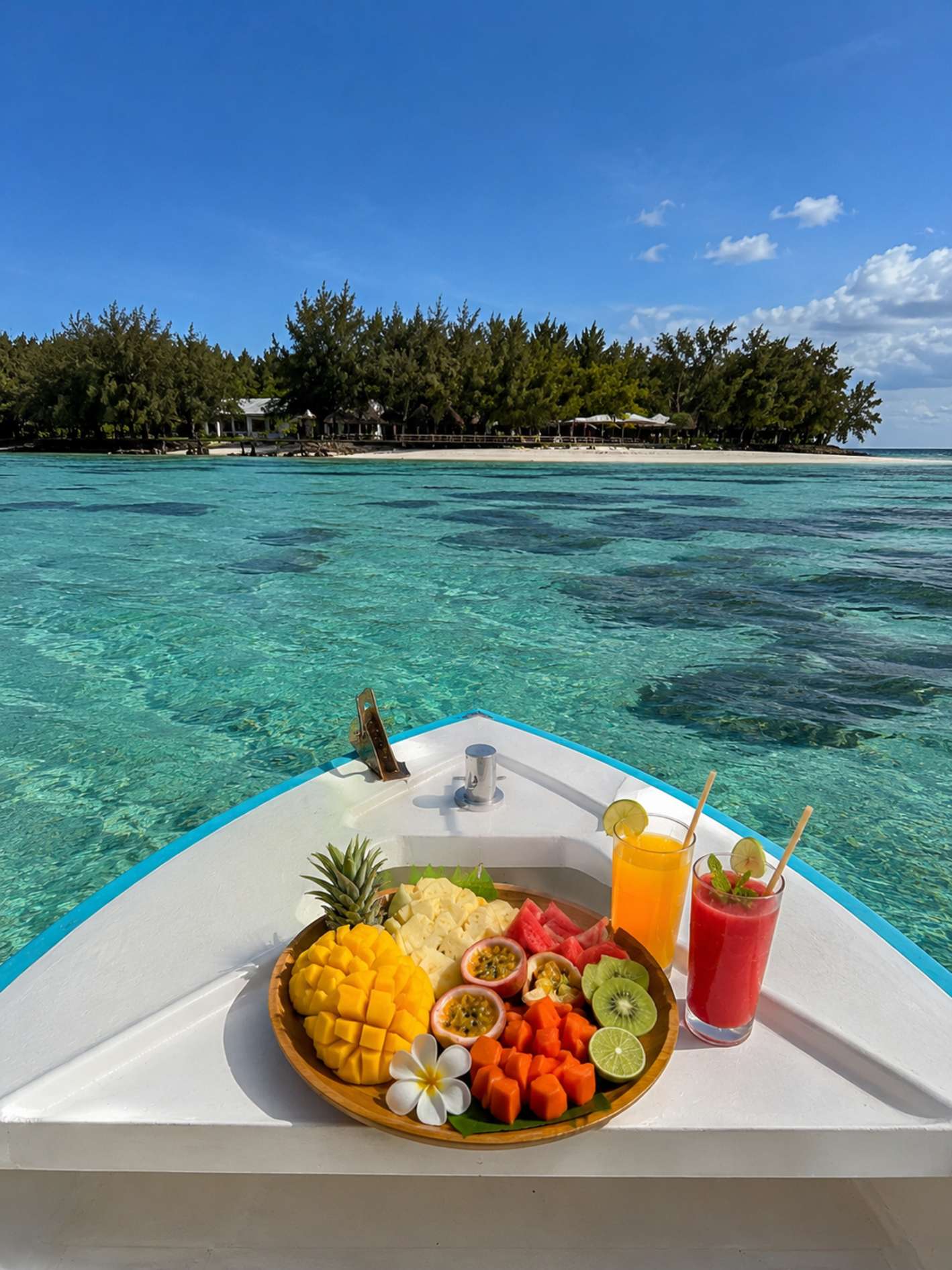
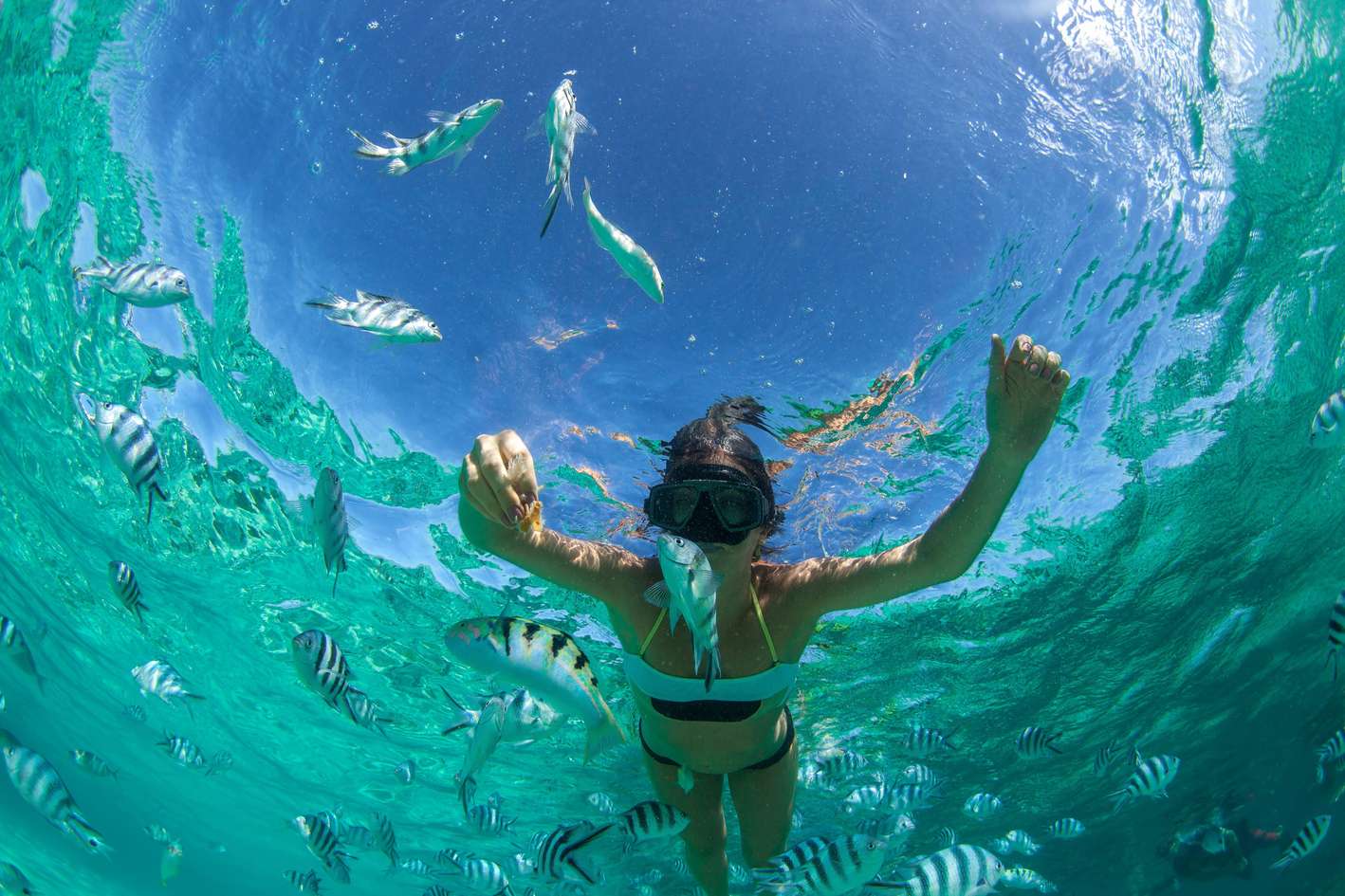
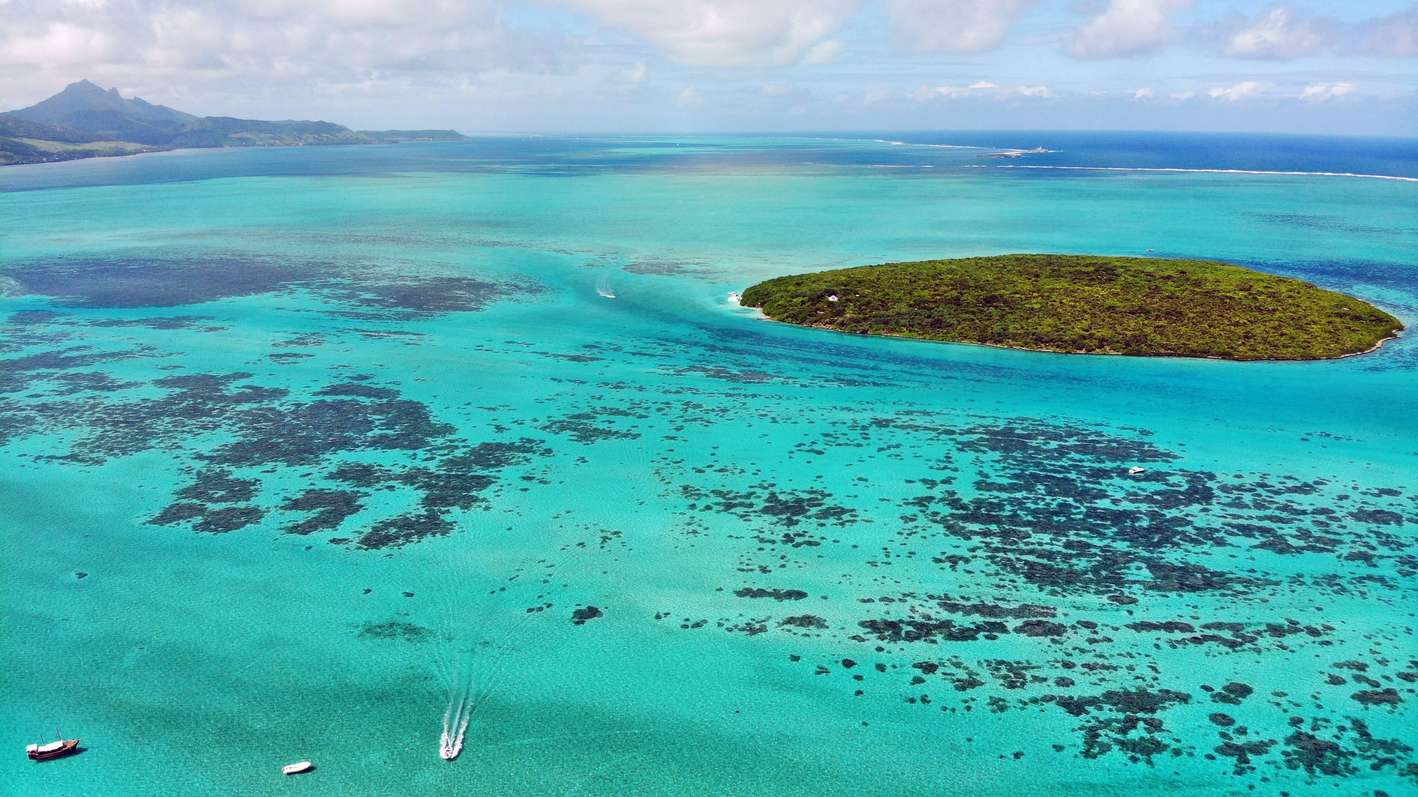
Whenever you come, a guided snorkeling session in Blue Bay Marine Park shows you the reefs at their best. A local guide, small group, GoPro videos and a snack stop on Ile aux Deux Cocos, all in two hours.