
Likely to sell out
1.5 hours·English, French
4.2(314)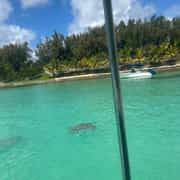
Mauritius: Sea Turtle Adventure and Coral Reef Discovery
Free cancellationSafety briefing before departureExperienced skipper and crew members
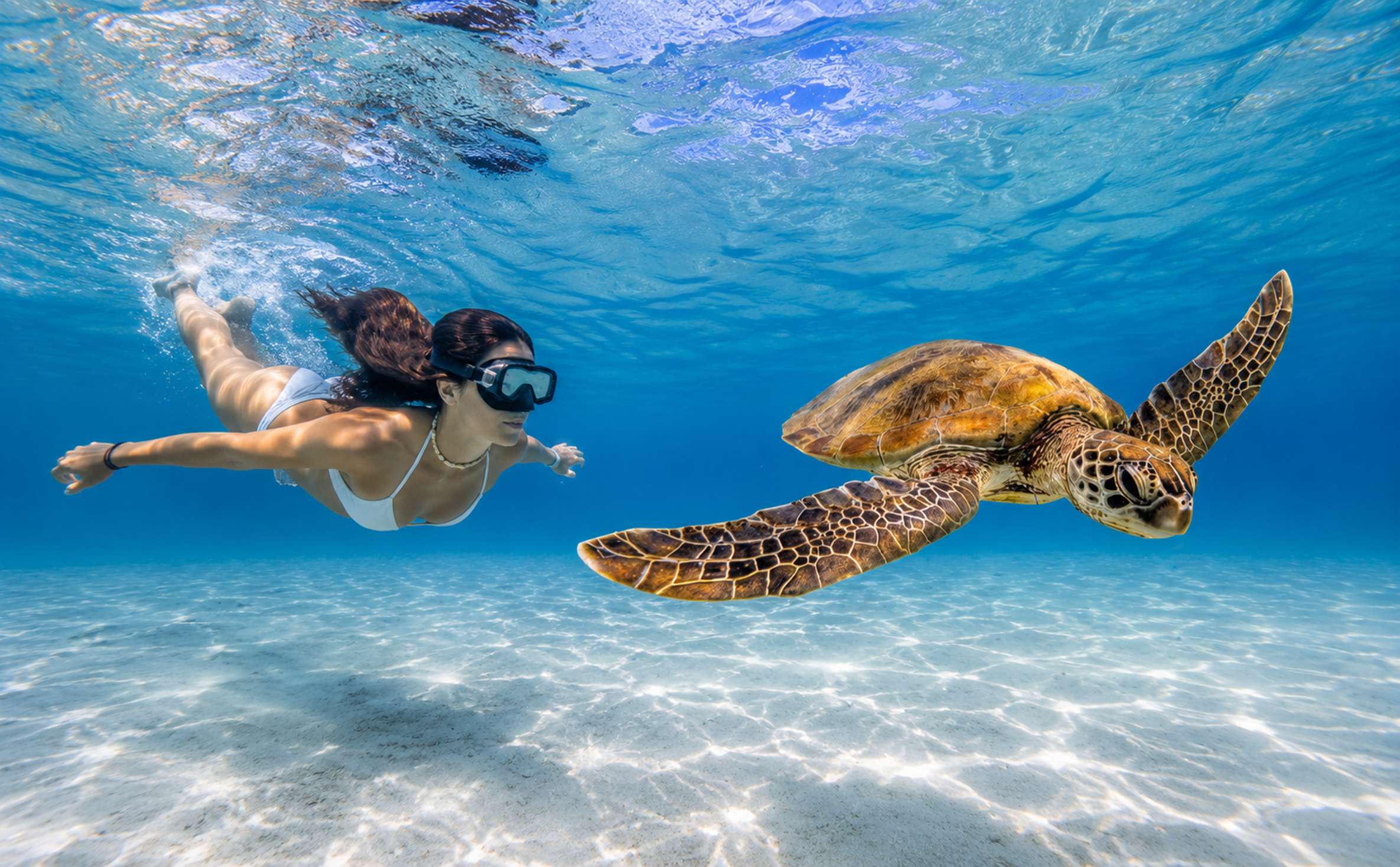
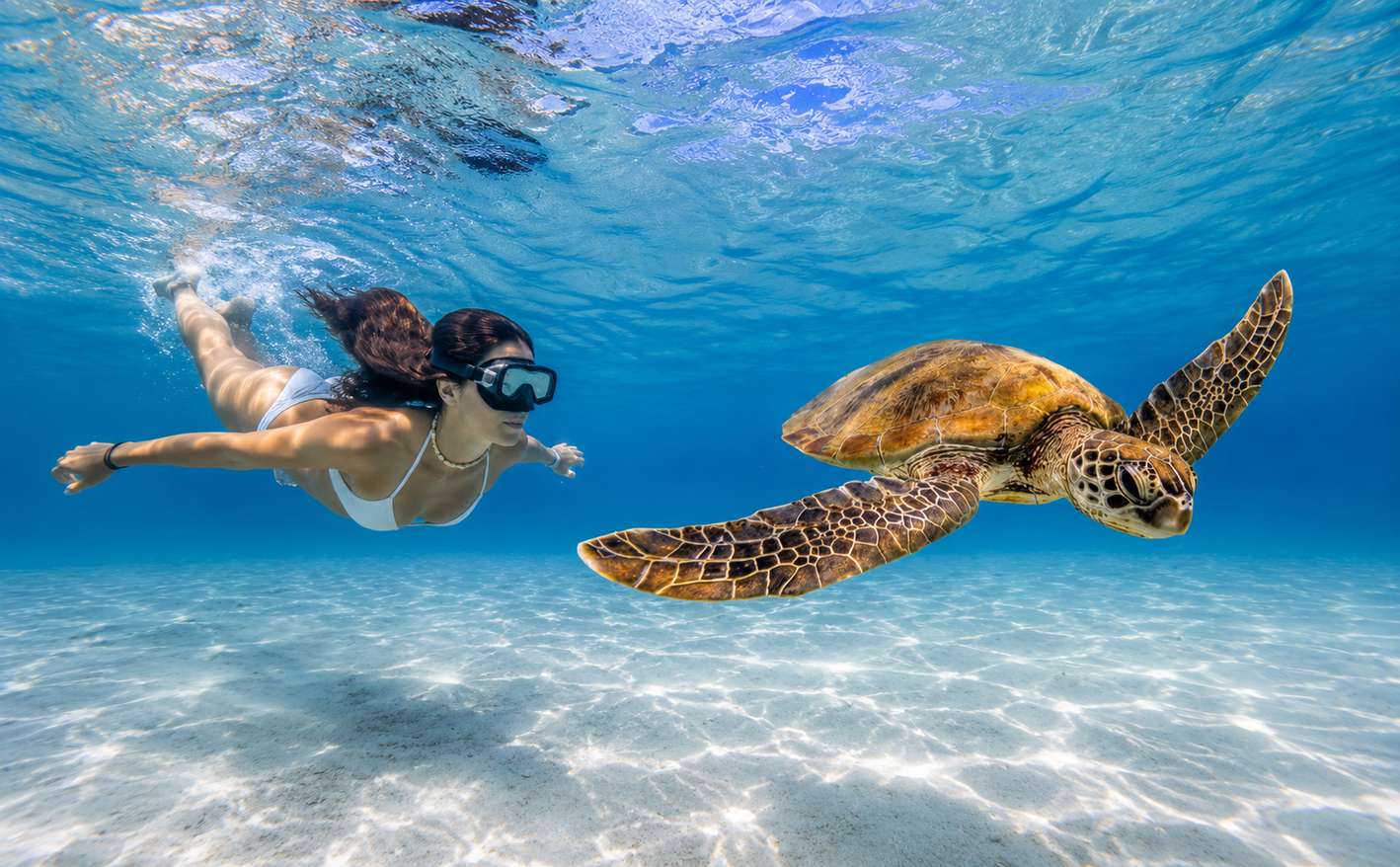
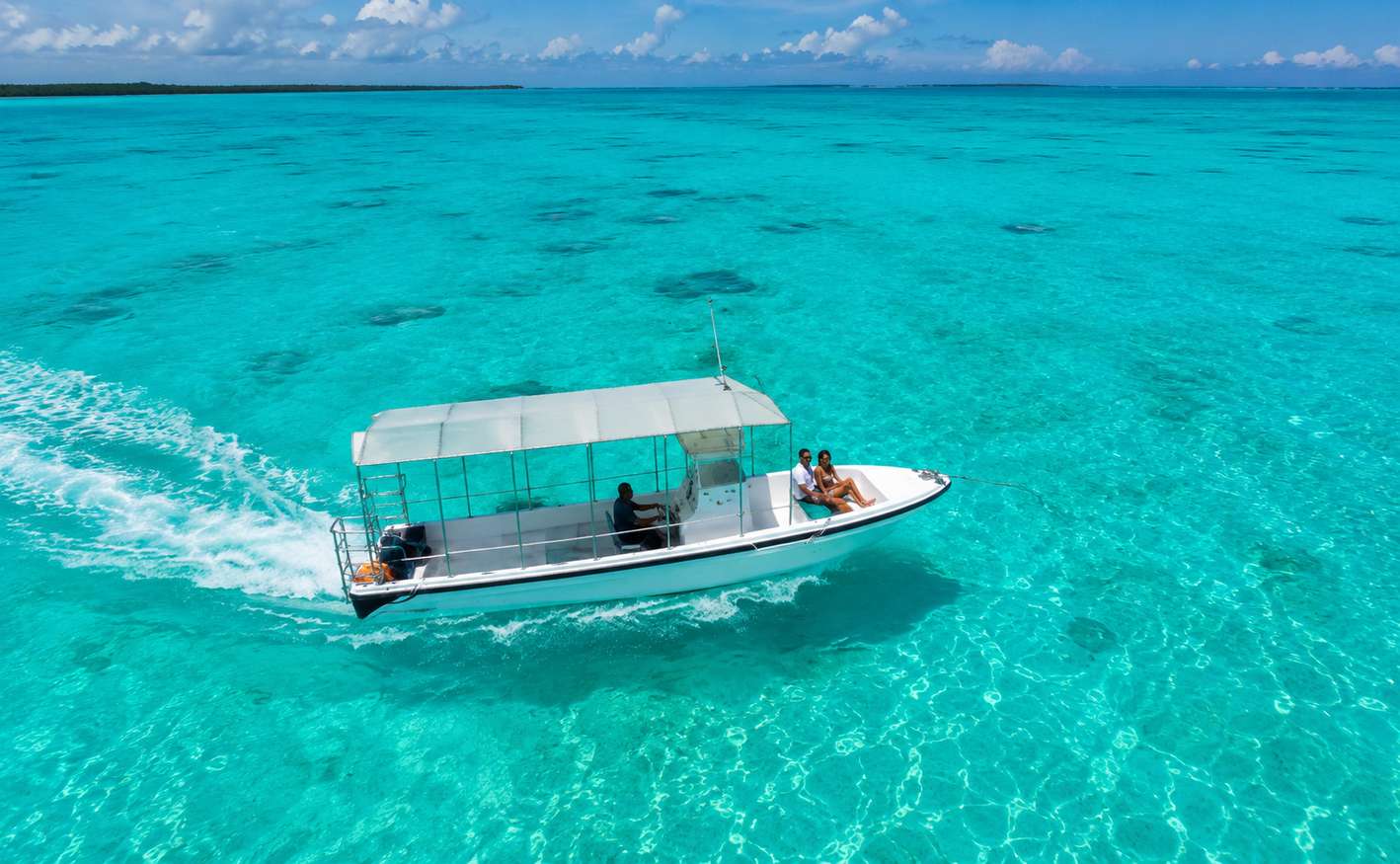
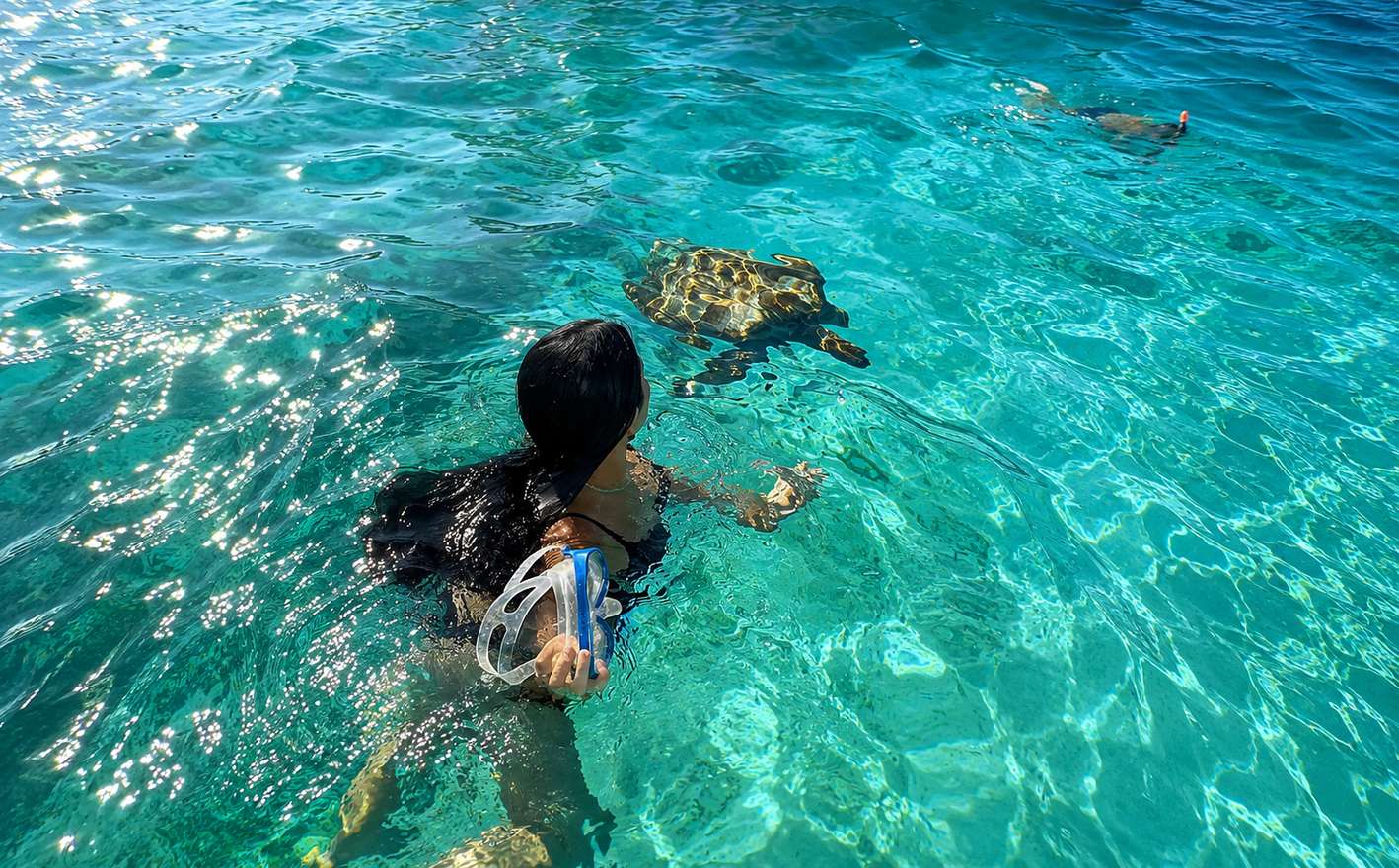
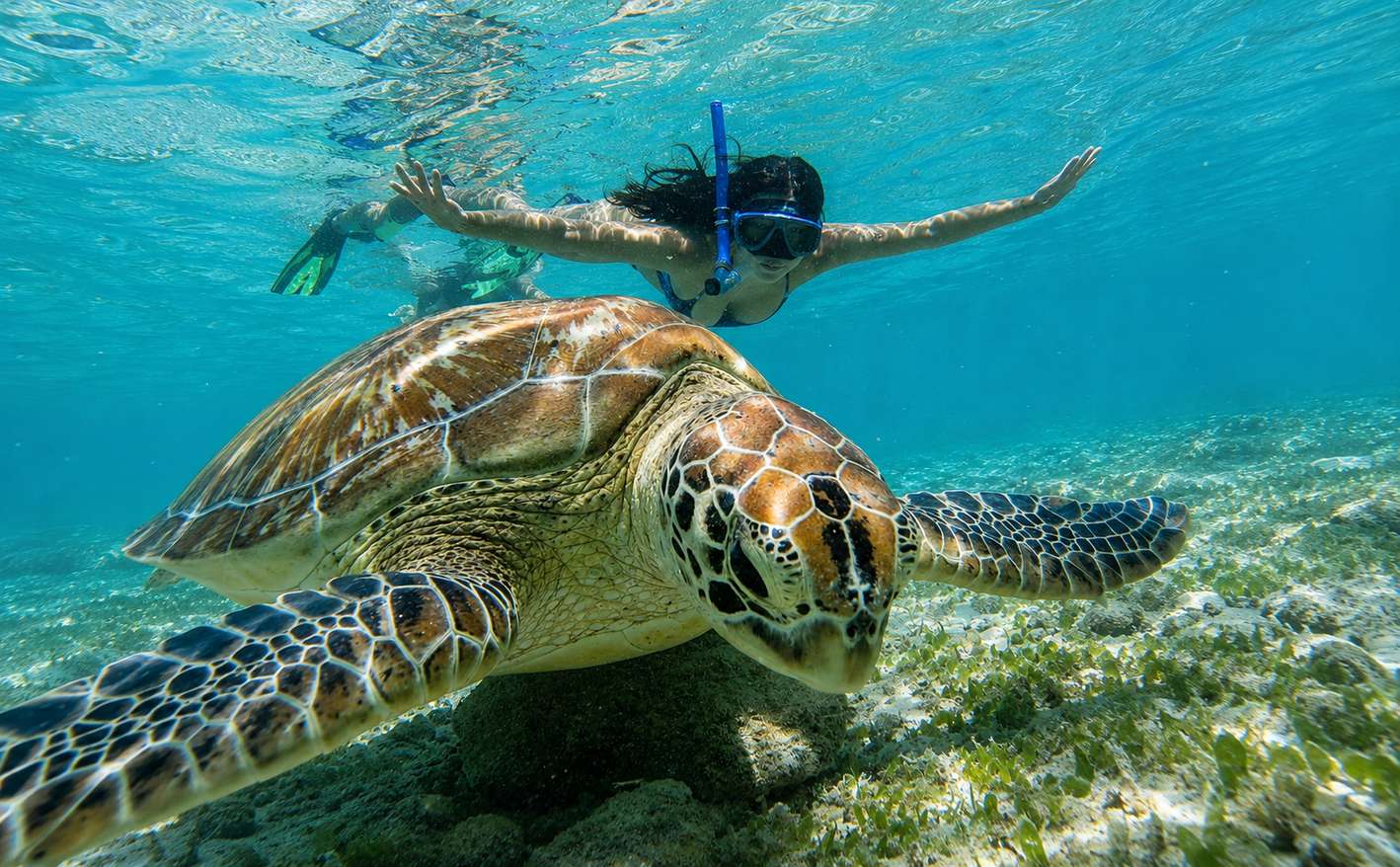
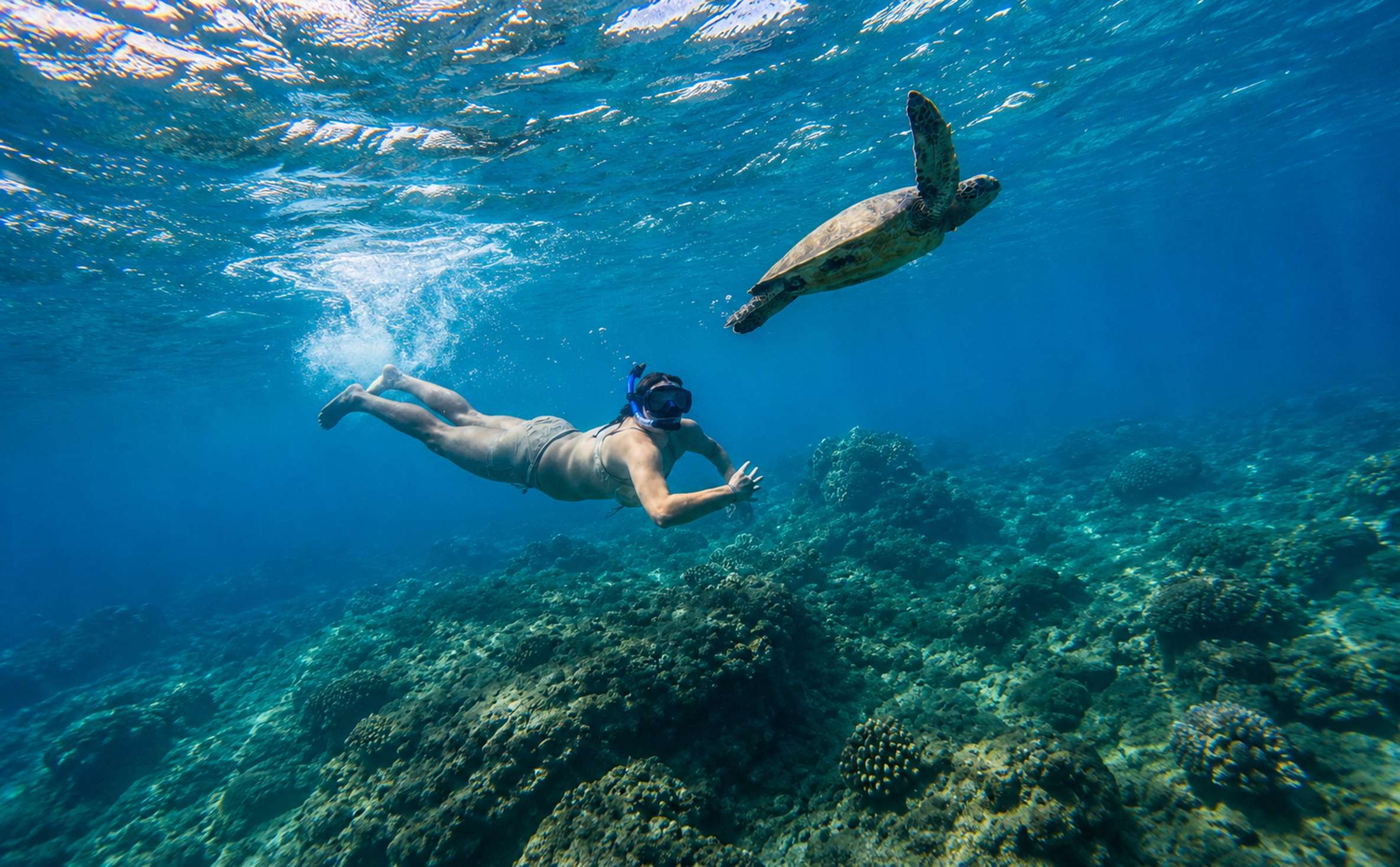
Swim with wild sea turtles minutes from your towel. The boat leaves straight from Pereybere Beach for the turtle feeding grounds, clear of the buoyed swim zone and the boat channels. Pick a morning departure, walk on, and meet the reef.
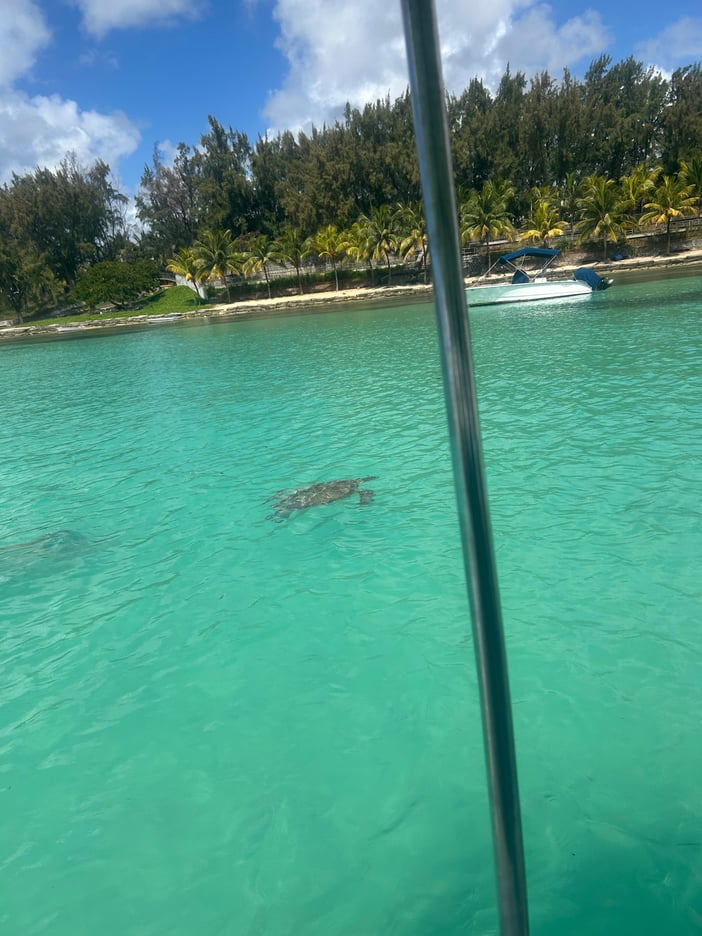
"A 10-15 min boat ride took us to a spot where 3 turtles live. Watching them underwater was so lovely. Really nice trip, wonderful memories."

Settles the question of which side of the island you should sleep on.
Read the guide
Glass-bottom boats and short reef runs inside the biggest reserve in Mauritius.
Read the guide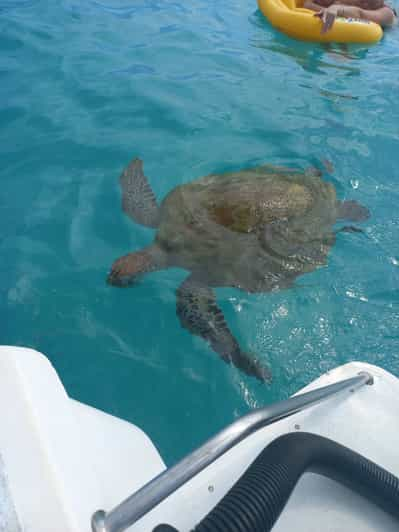
A calm northwest lagoon with turtles on the outer shelf and boats from the beach.
Read the guide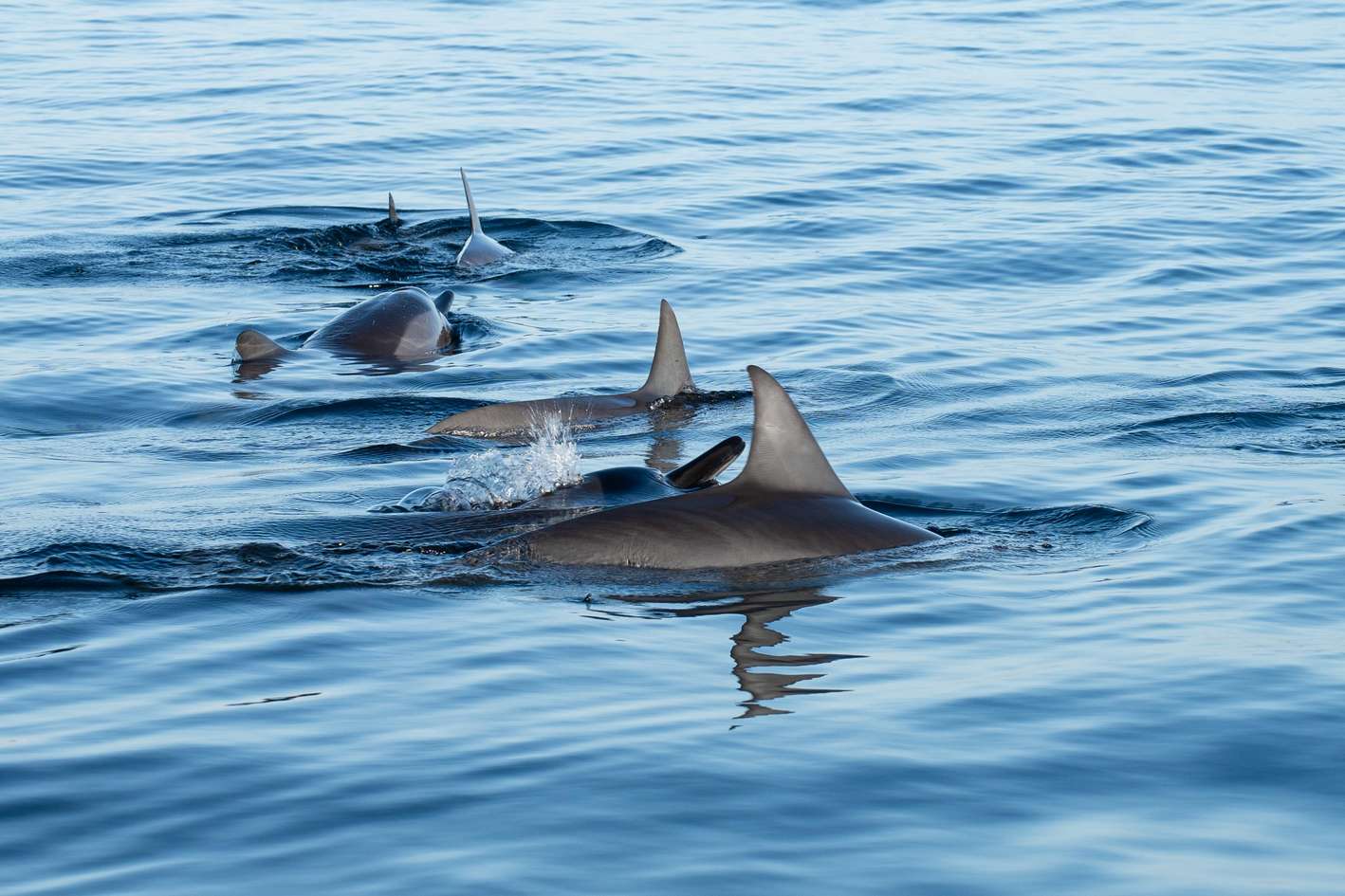
Calm west-coast water with coral heads 200 metres out and local boat pickups.
Read the guide
Lagoon snorkeling at Crystal Rock with the peak filling the view.
Read the guide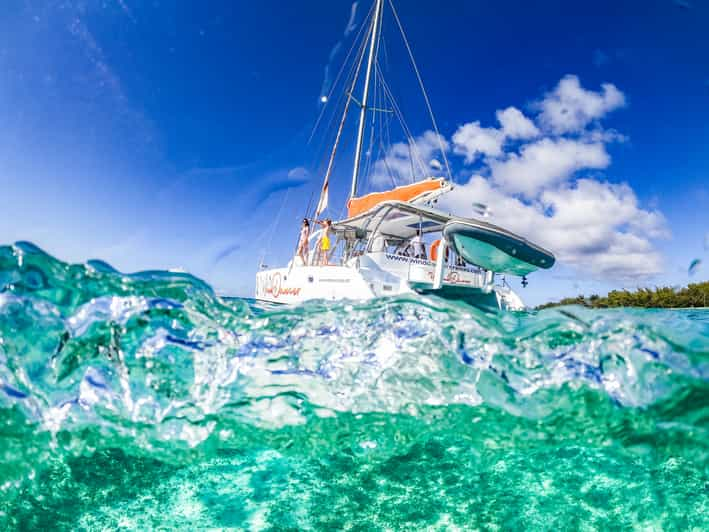
Boats leave the public beach for the northern islands and turtle lagoons.
Read the guide
Dolphin encounters and Crystal Reef runs from Tamarin's launch beaches.
Read the guide
Hotel-pickup trips and calm inner-lagoon spots like Trou Padi.
Read the guide
Calm lagoon water, urchins at entry and easy transfers to the boats.
Read the guide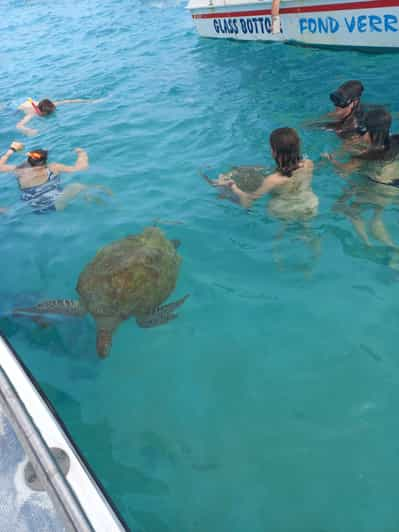
Kuilima Cove and the park's logged coral species on your doorstep.
Read the guideA sheltered bay with turtles in the shallows and boats on the water.
Read the guide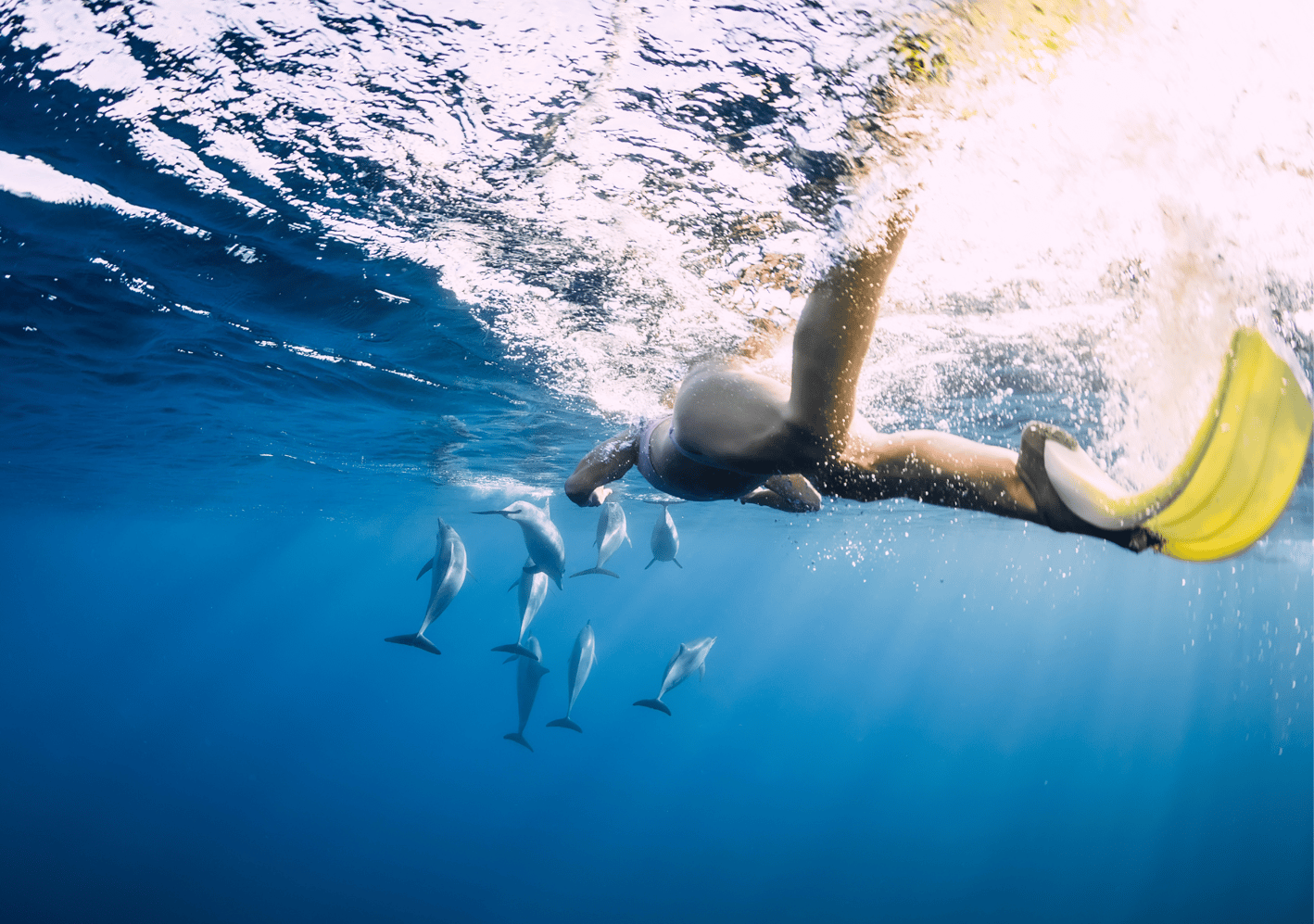
Remote southern reefs with fewer boats, reached from resort nautical centres.
Read the guide
Explains the illusion and points to the reefs and dives that are real.
Read the guide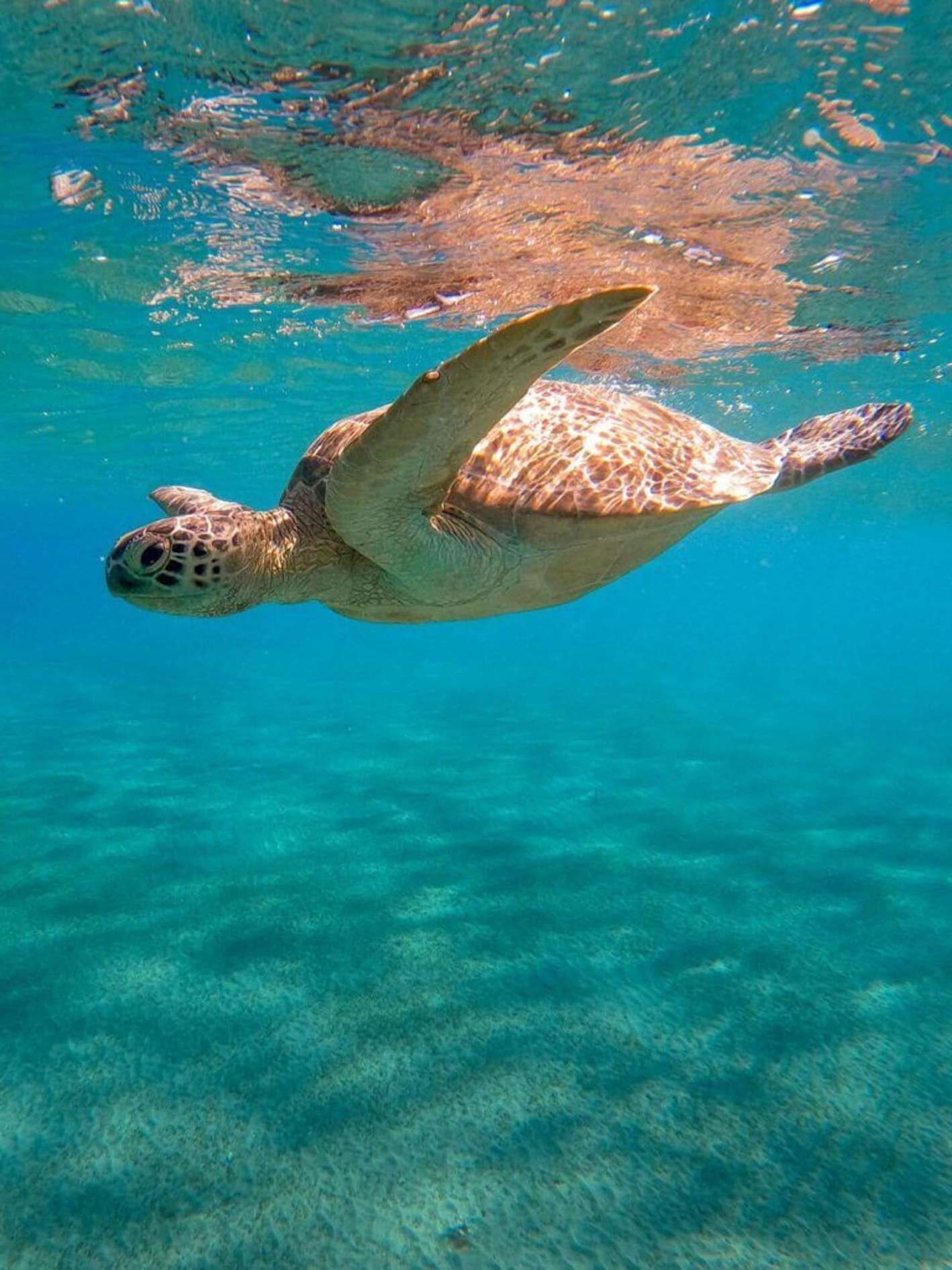
Legal turtle watching: the spots, the ethics and the rules in force.
Read the guide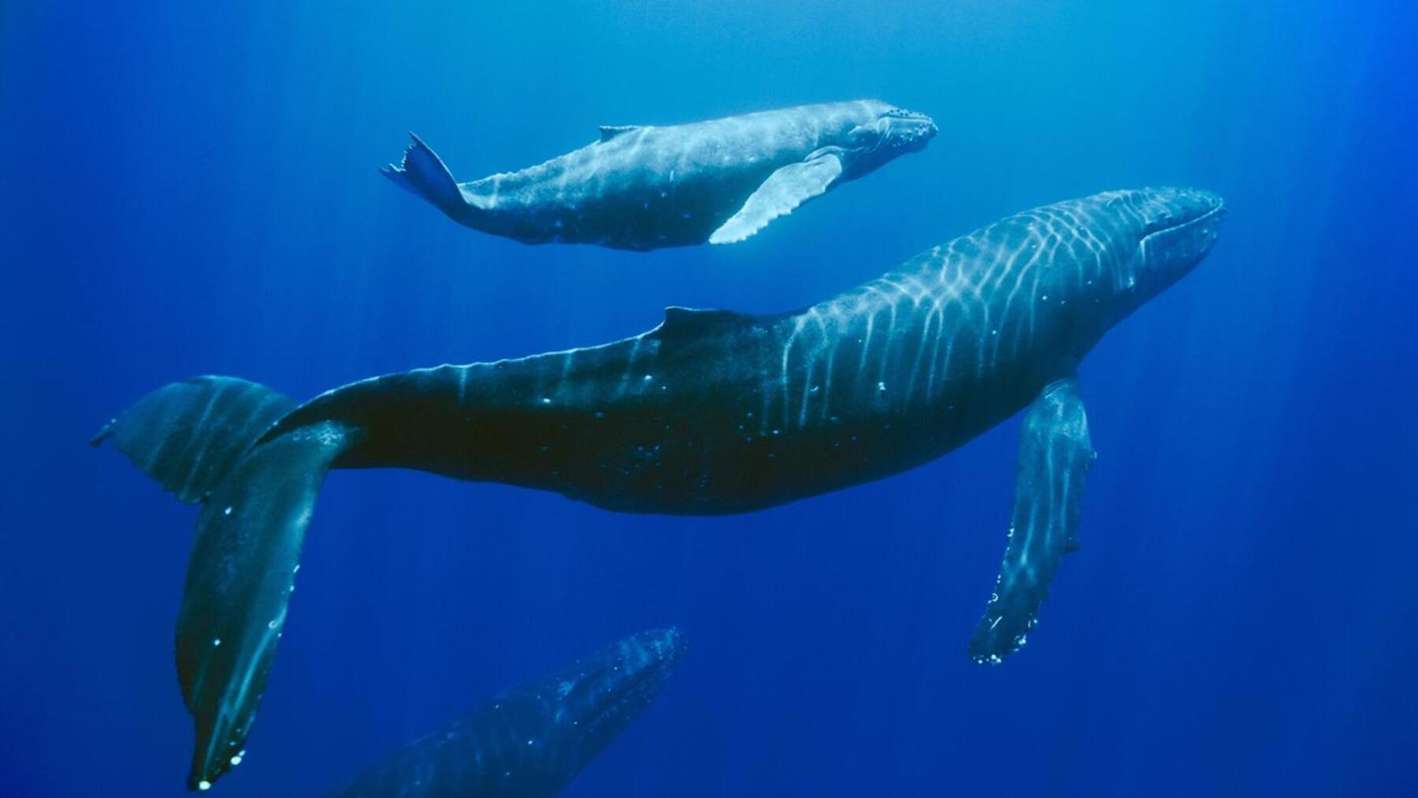
Year-round sperm whale watching under Mauritian rules.
Read the guide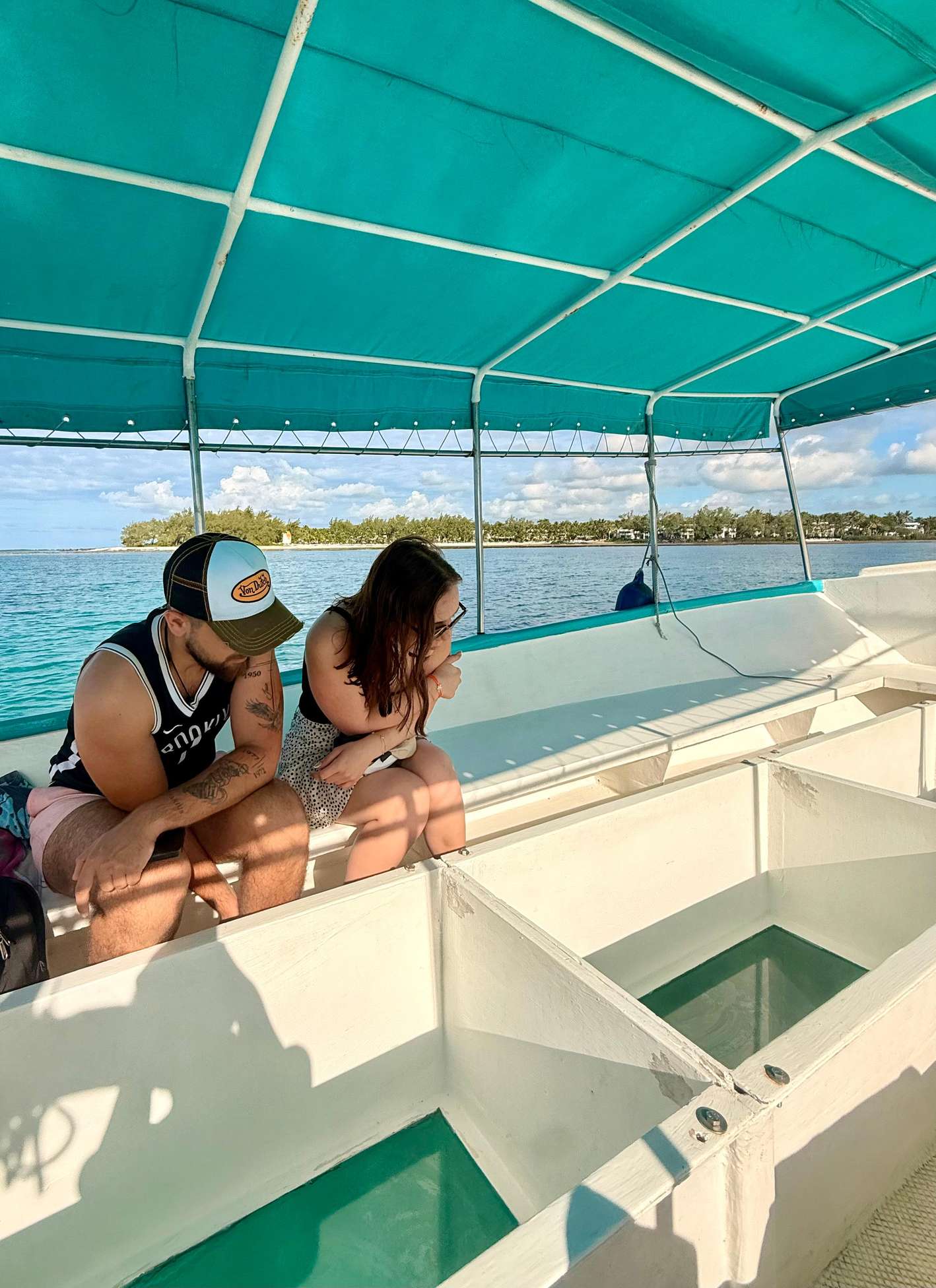
Tells you which weeks give calm seas and the clearest water.
Read the guide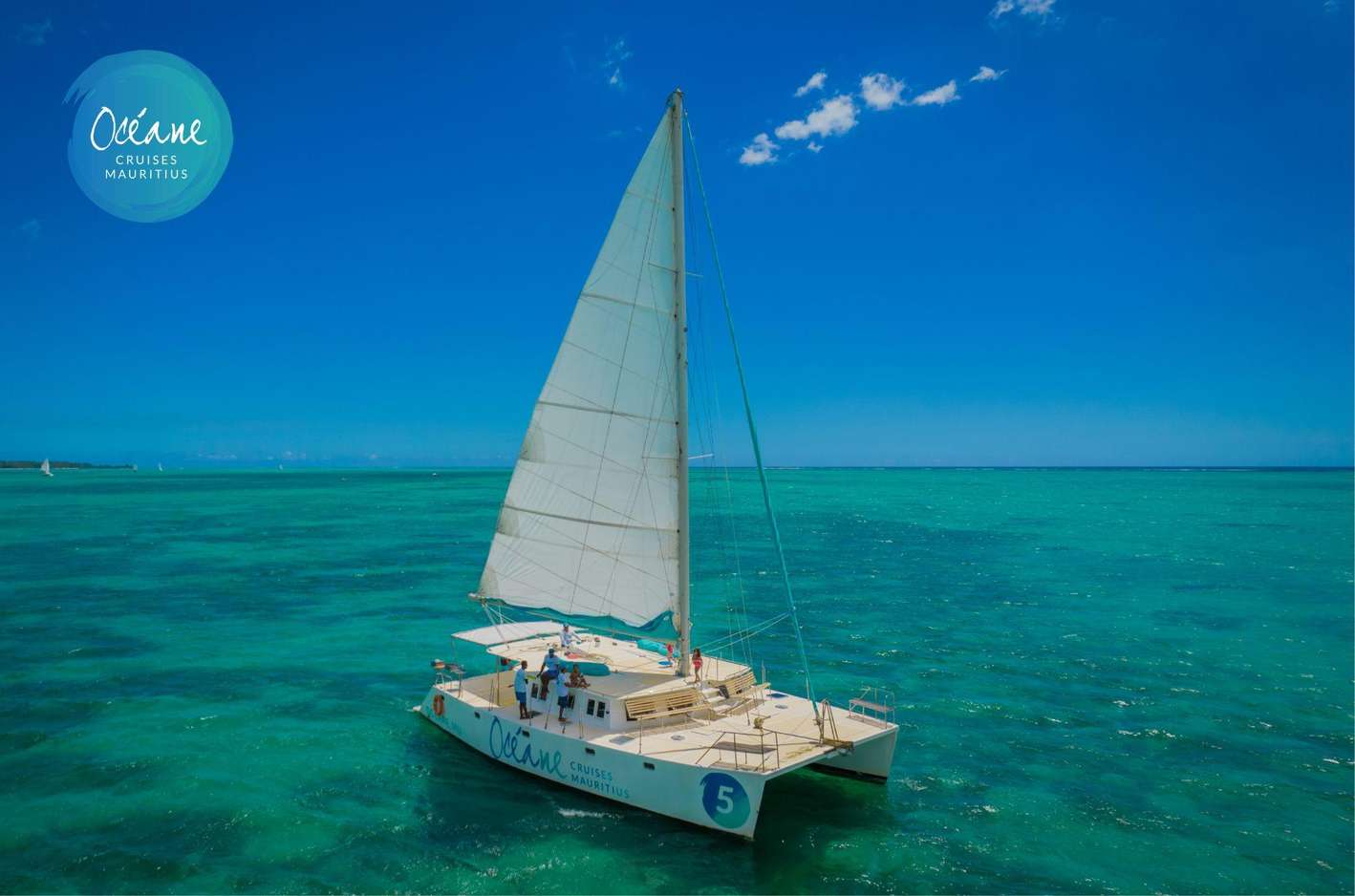
Wide, steady cats that cross the lagoon in 45 to 60 minutes.
Read the guide
Fast transfers and island-hopping runs with 17 or 18 aboard.
Read the guide
Charters that reach the sand before the ferries and linger on quiet reefs.
Read the guideEvery guide here covers one stretch of Mauritius water or one style of boat day. Read them as choices: they differ in coast, calm and crowds, and one will fit where you sleep better than the rest.
Compares all four coasts so you base where the water is right
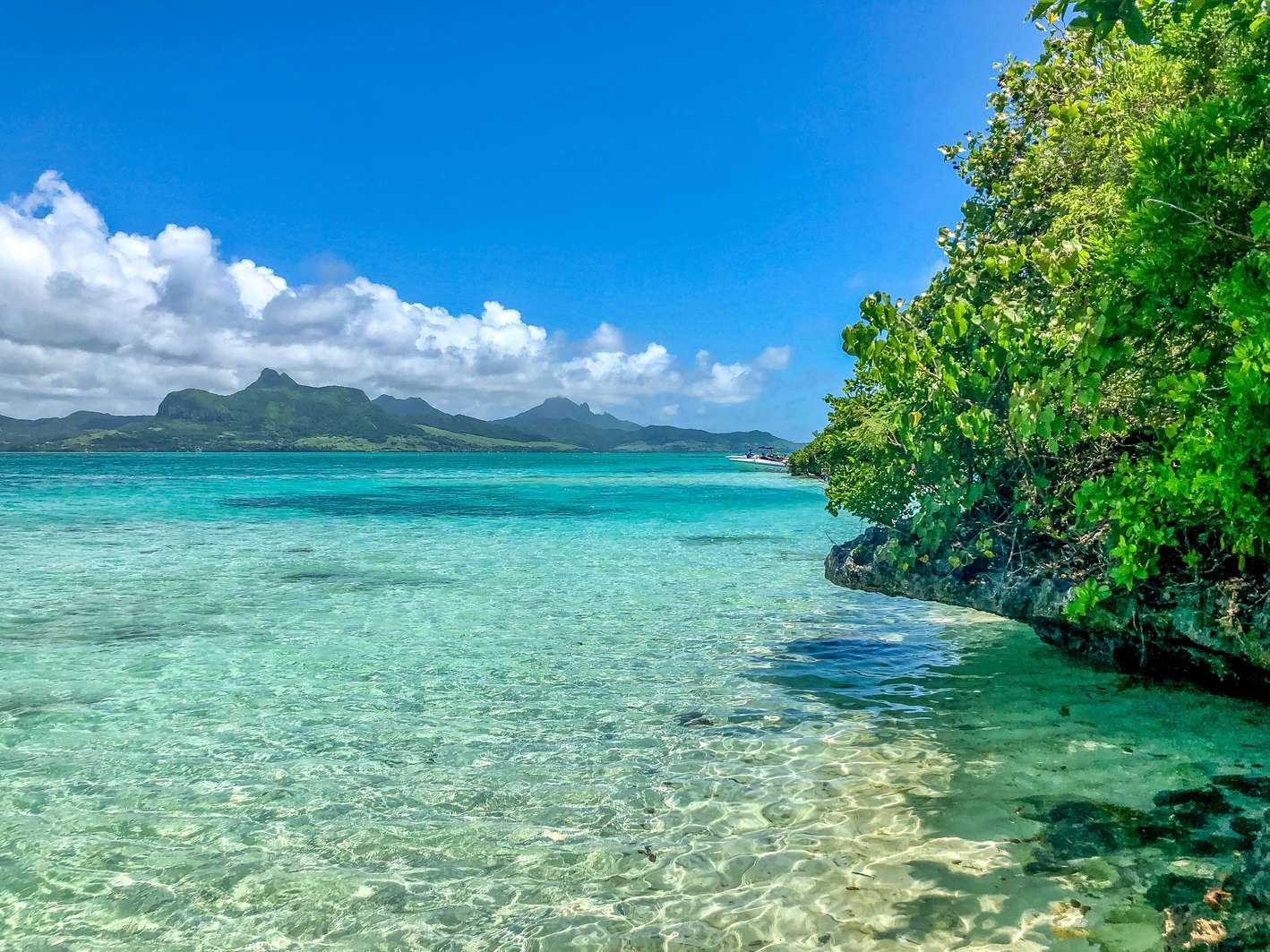
The trades that chop one lagoon leave another glassy. From June to September the southeast blows straight onto the east coast, and calm days around Trou d'Eau Douce drop to almost none, while the central mountains shelter Tamarin, Black River and Flic en Flac. Southern lagoons hide the island's strongest currents near their reef passes.
Match your hotel to the season, because a coast that swims like a pool in January can kick up by July. Note the fine print too: boat excursions across the island exclude pregnant women and most serious medical conditions.
3 hours · ★ 5.0 (4)Blue Bay: Lagoon, Snorkeling, and Creole LunchFrom $87 7 hours · ★ 4.8 (869)Ile aux Cerfs Catamaran Cruise with BBQ Lunch & SnorkelingFrom $68 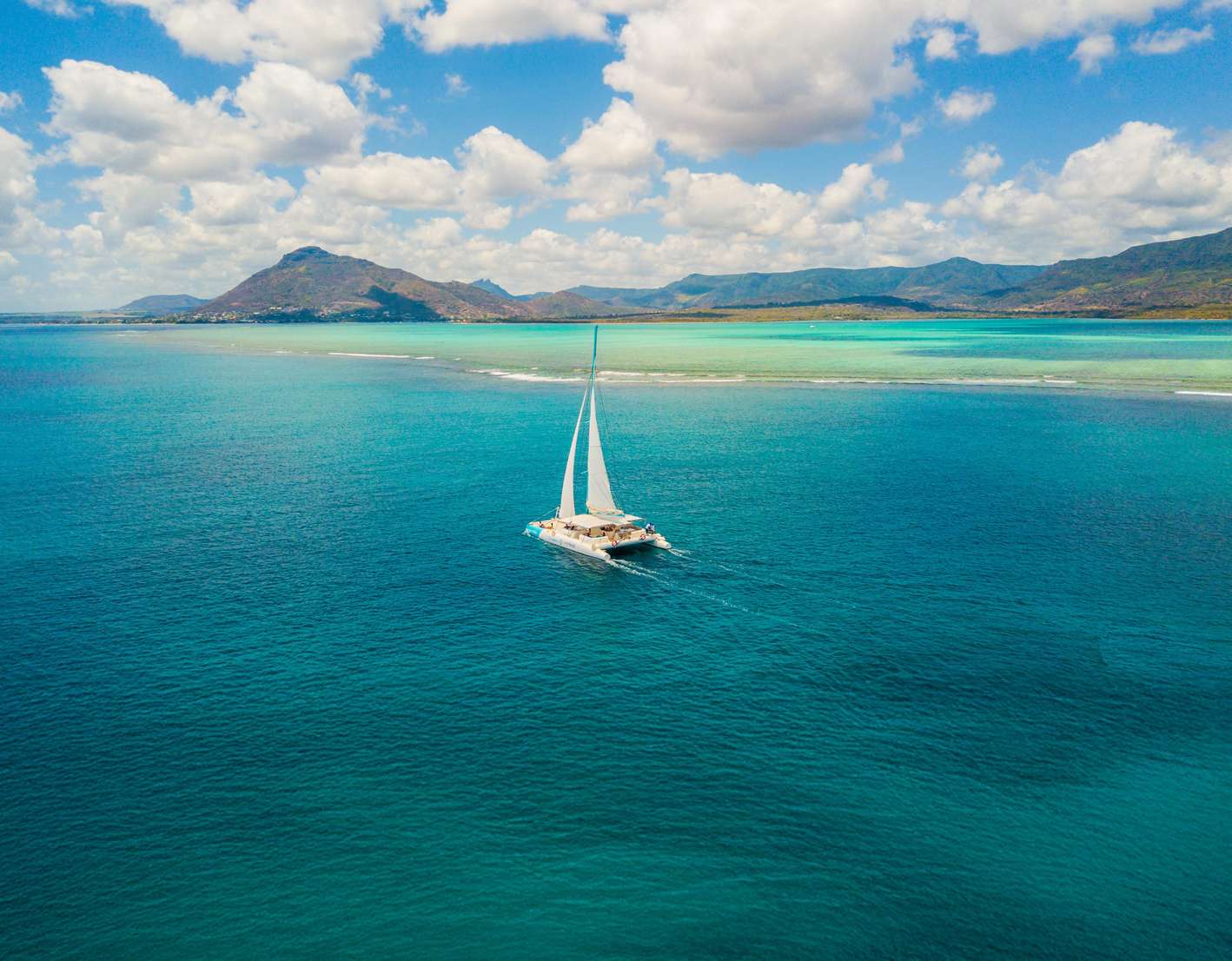 6 hours · ★ 4.7 (363)Mauritius: Catamaran Cruise - Dolphin Watching, BBQ & DrinksFrom $87 2 hours · ★ 4.7 (39)Mauritius: Snorkeling with turtles Le Transporteur speedboatFrom $375 /group
The island's densest protected coral garden, 100 metres from the beach
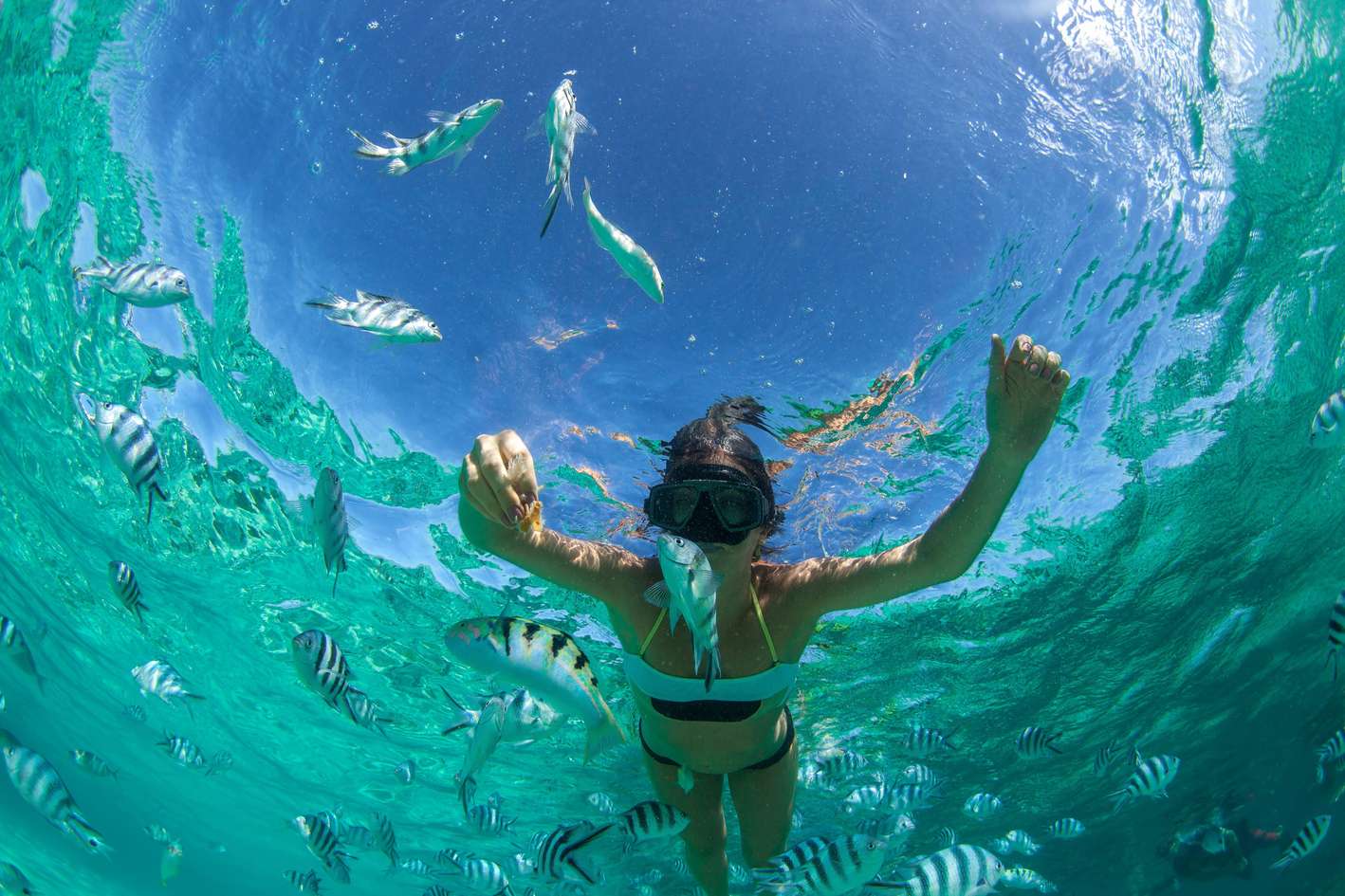
The marine park begins about 100 metres from the public beach and runs a kilometre out, with brain corals six or seven metres across and table corals reaching sixteen. It is the densest protected coral garden on the island, and strict rules keep it that way.
A one-hour glass-bottom trip gives you roughly 45 minutes in the water; two hours buys you a second reef stop. Stay inside the yellow buoy line, since swimming anywhere else in the park is against the rules.
3 hours · ★ 5.0 (4)Blue Bay: Lagoon, Snorkeling, and Creole LunchFrom $87 2 hours · ★ 4.6 (17)Blue Bay Marine Park: Guided Snorkeling with Video Souvenirs and SnackFrom $58 4 hours · ★ 4.5 (306)Blue Bay: Half-Day Snorkeling Trip with Creole Picnic LunchFrom $67 1 hour · ★ 4.4 (155)Blue Bay Marine Park - 1-hour Snorkeling ExcursionFrom $28 Turtles graze the north reef in water that stays flat nearly all year
Turtles graze on seagrass beds along the north reef, and the water stays flat behind the offshore reef on most days of the year. Green turtles rest and feed in a shallow channel where the seabed rises in coral bommies.
The barrier shelf sits 200 to 300 metres from the beach, and the inner shallows are mostly bare sand with a few triggerfish and hermit crabs. The outer reef asks for experience and good sea conditions, so most visitors take a short boat ride instead of swimming across.
One of the calmest lagoons in Mauritius, with coral a short swim out
Walk into the water opposite the Hindu temple and you reach coral and marine life straight from the shore; the central public beach in front of the hotels is patchier by comparison. Denser coral sits about 200 metres out in a lagoon the reef keeps shallow, clear and calm.
The calm lagoon ranks among the safest for children and weaker swimmers, and it can be swum at most tides. Give the boat channels and the reef pass a wide berth, because currents run through them, and expect occasional swell during cyclone season.
8 hours · ★ 5.0 (2)Private Dolphins, Sea Turtles & Île aux Bénitiers TourFrom $850 /group 7 hours · ★ 5.0 (1)Mauritius: Private Whale Watching & Bénitiers BBQFrom $1,025 /group 2 hours · ★ 4.7 (28)Flic en Flac: Private Sunrise Dolphin Watching Boat TourFrom $309 /group 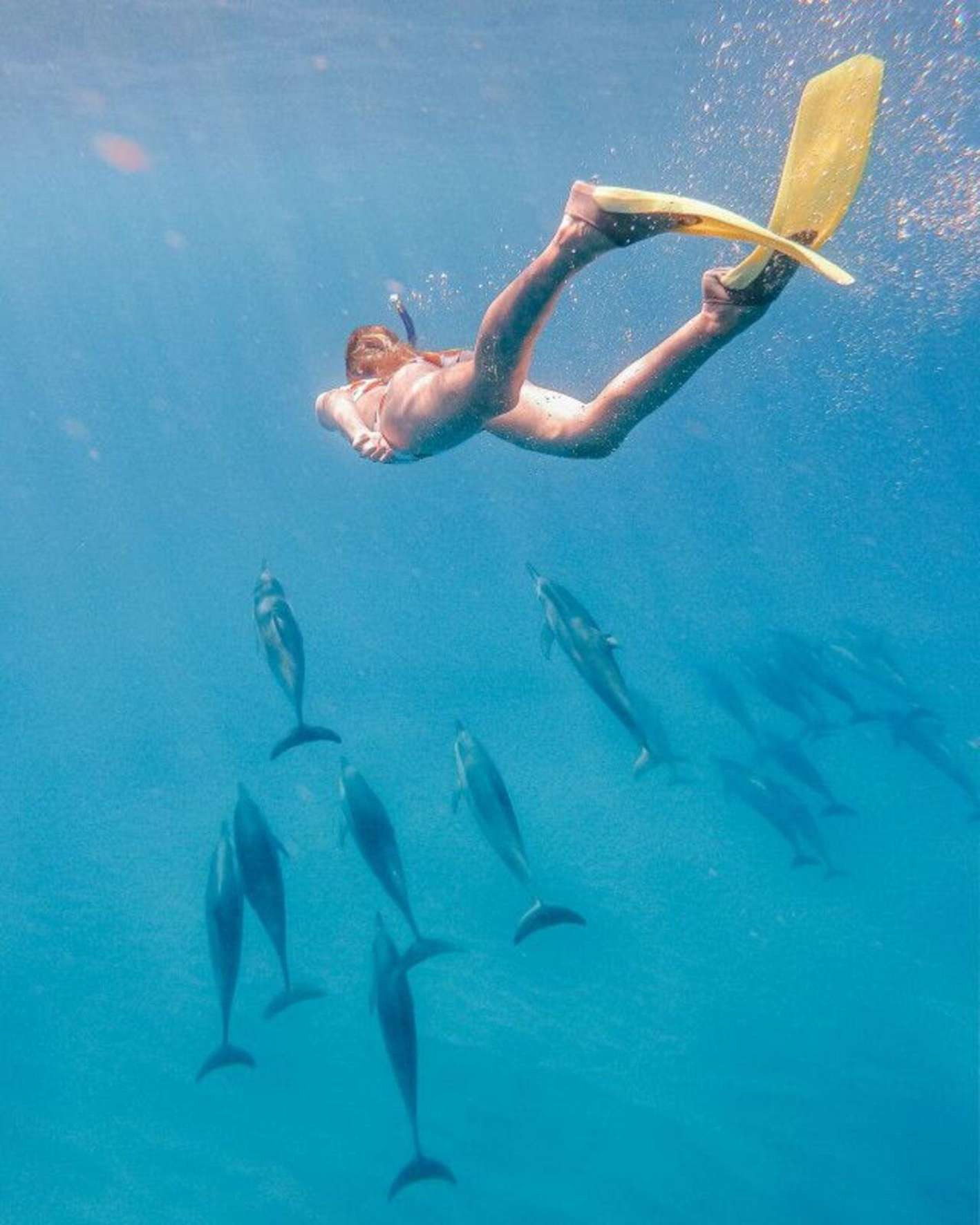 2 hoursMauritius: Private Dolphin Watching and Snorkeling TourFrom $441 /group
Crystal Rock and the shadow of the peak, with fierce passes nearby
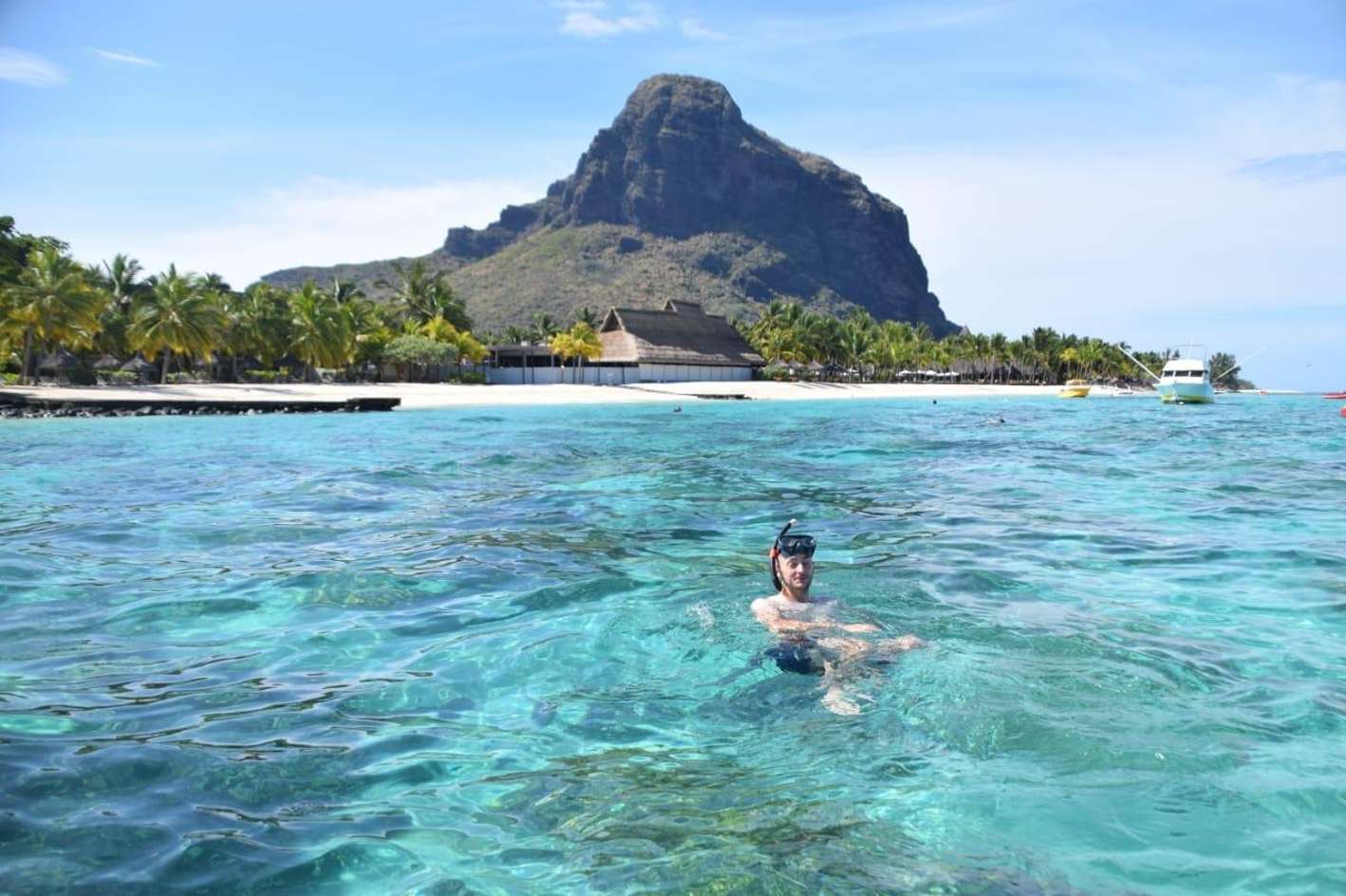
Crystal Rock sits on its own in the lagoon over a sandy bottom, hip-deep in places, with a field of coral blocks nearby where needlefish, pufferfish and reef fish gather. The peak of Le Morne Brabant fills the view the whole time.
The reef passes are the danger here. On a falling tide the current out of the lagoon can outswim any paddler, and the famous reef break at One Eye should be left to boats with local knowledge. La Prairie beach south of the peak offers the easiest calm entry.
7 hours · ★ 5.0 (5)Private Île aux Bénitiers Boat: Dolphin Snorkeling & LobsterFrom $738 /group 7 hours · ★ 5.0 (1)Mauritius: Private Whale Watching & Bénitiers BBQFrom $1,025 /group  2 hours · ★ 4.9 (151)Mauritius Le Morne: Wild Dolphin Watching & SwimmingFrom $331 /group
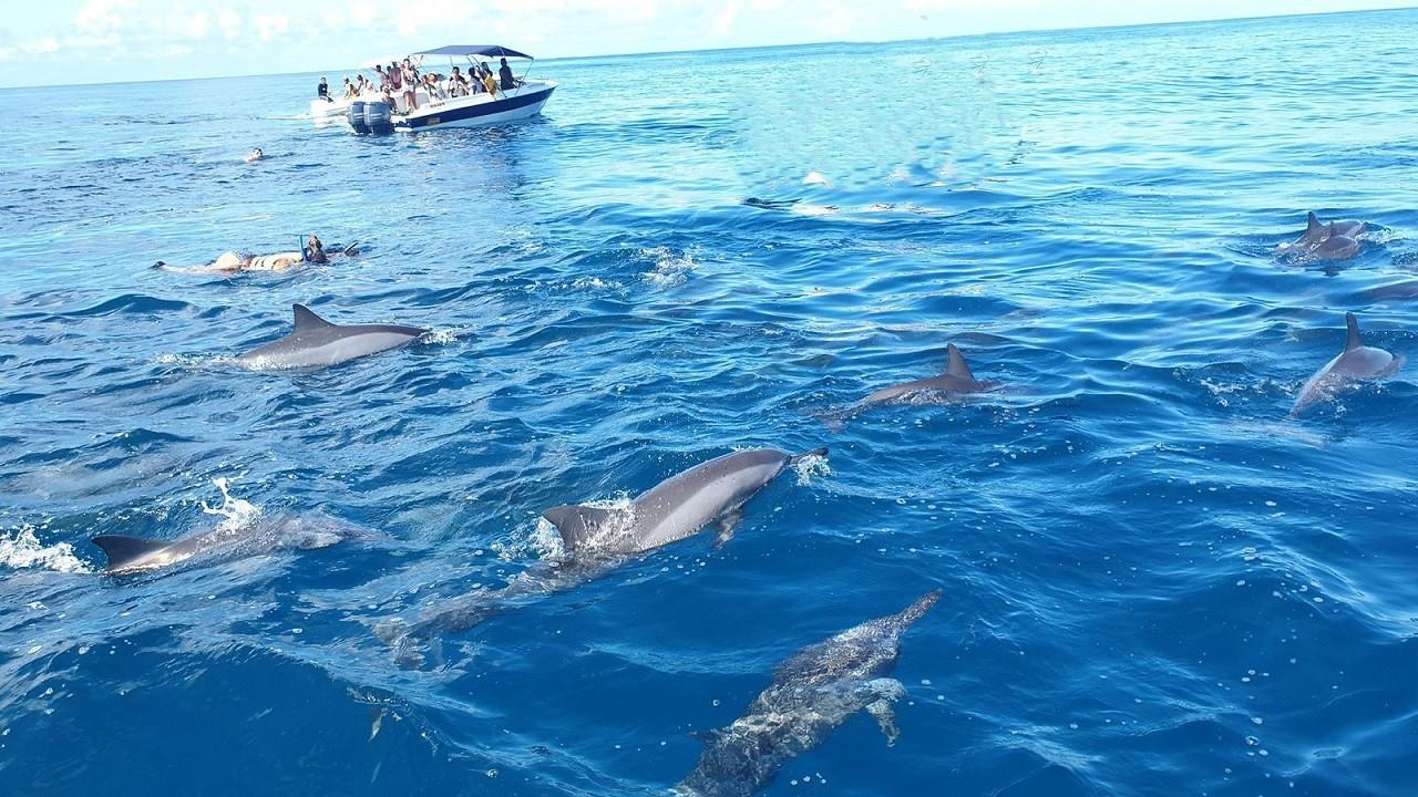 6.5 hours · ★ 4.3 (318)Black River: Swim with Dolphins Speed Boat Tour with lunchFrom $69
A busy bay that launches the north's best island and turtle trips
The town is the departure point for the north's best water. Catamarans and speedboats leave Grand Baie Public Beach for the northern islands, and a private turtle-snorkeling speedboat runs from the same beach to the Trou aux Biches lagoon.
Inside the bay, moorings and boat traffic make the swimming ordinary, and reef shoes earn their keep on the coral flats. The open crossing toward Gabriel Island rolls in the winter trades, so the afternoon return is usually the smooth part.
Licensed dolphin swims with firm rules and a lively open bay
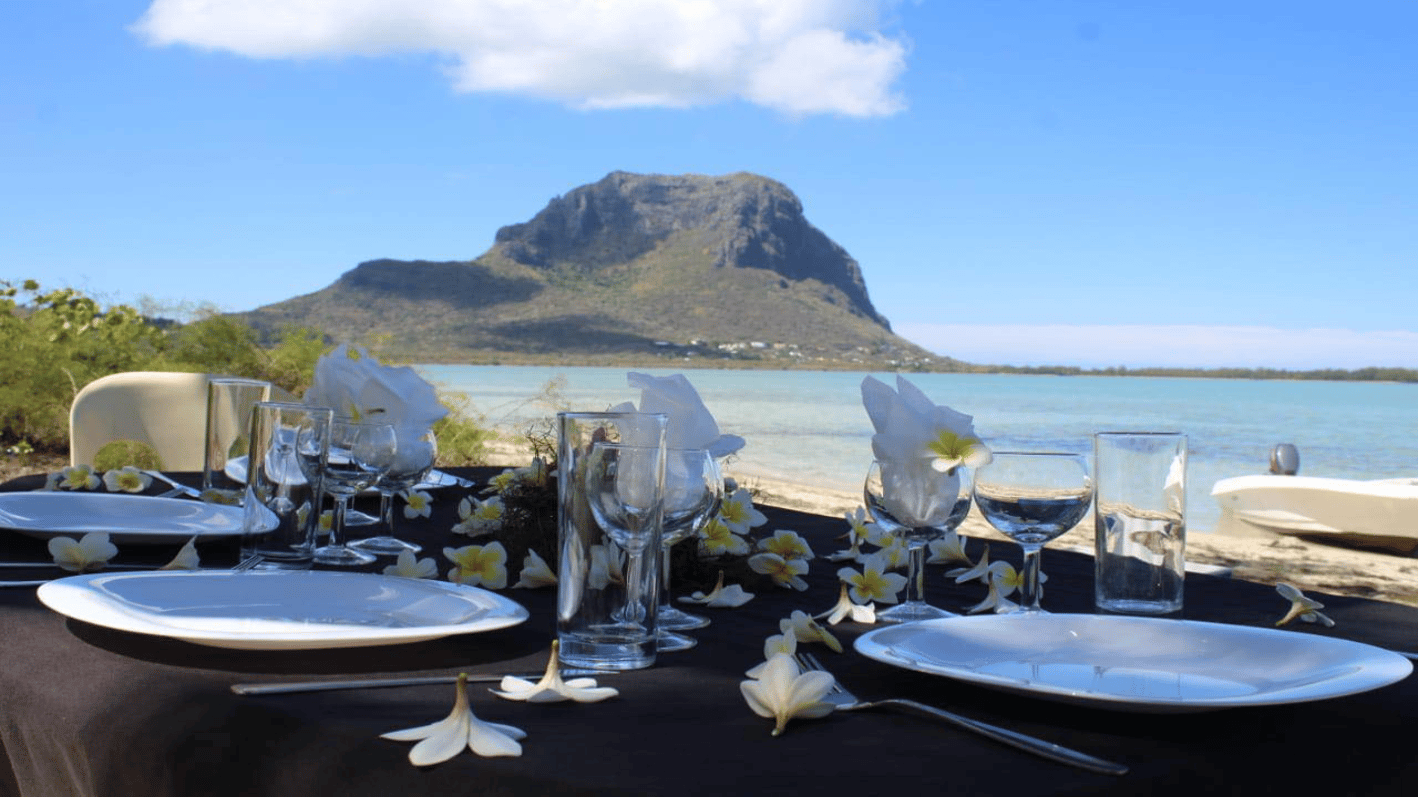
Dolphins are the reason boats launch here, and the rules keep the encounter fair: boats approach from the side at no-wake speed, stay out of a 50-metre circle around the animals, and drop no more than three swimmers at a time. Touching or circling the pods is banned.
In the bay itself, currents form where the river mouth meets the reef opening, and the Beach Authority flags Tamarin as a hazardous bathing area. Out at Crystal Rock the water calms down and visibility reaches 15 to 20 metres on good days.
7 hours · ★ 5.0 (5)Private Île aux Bénitiers Boat: Dolphin Snorkeling & LobsterFrom $738 /group 6 hours · ★ 4.7 (363)Mauritius: Catamaran Cruise - Dolphin Watching, BBQ & DrinksFrom $87 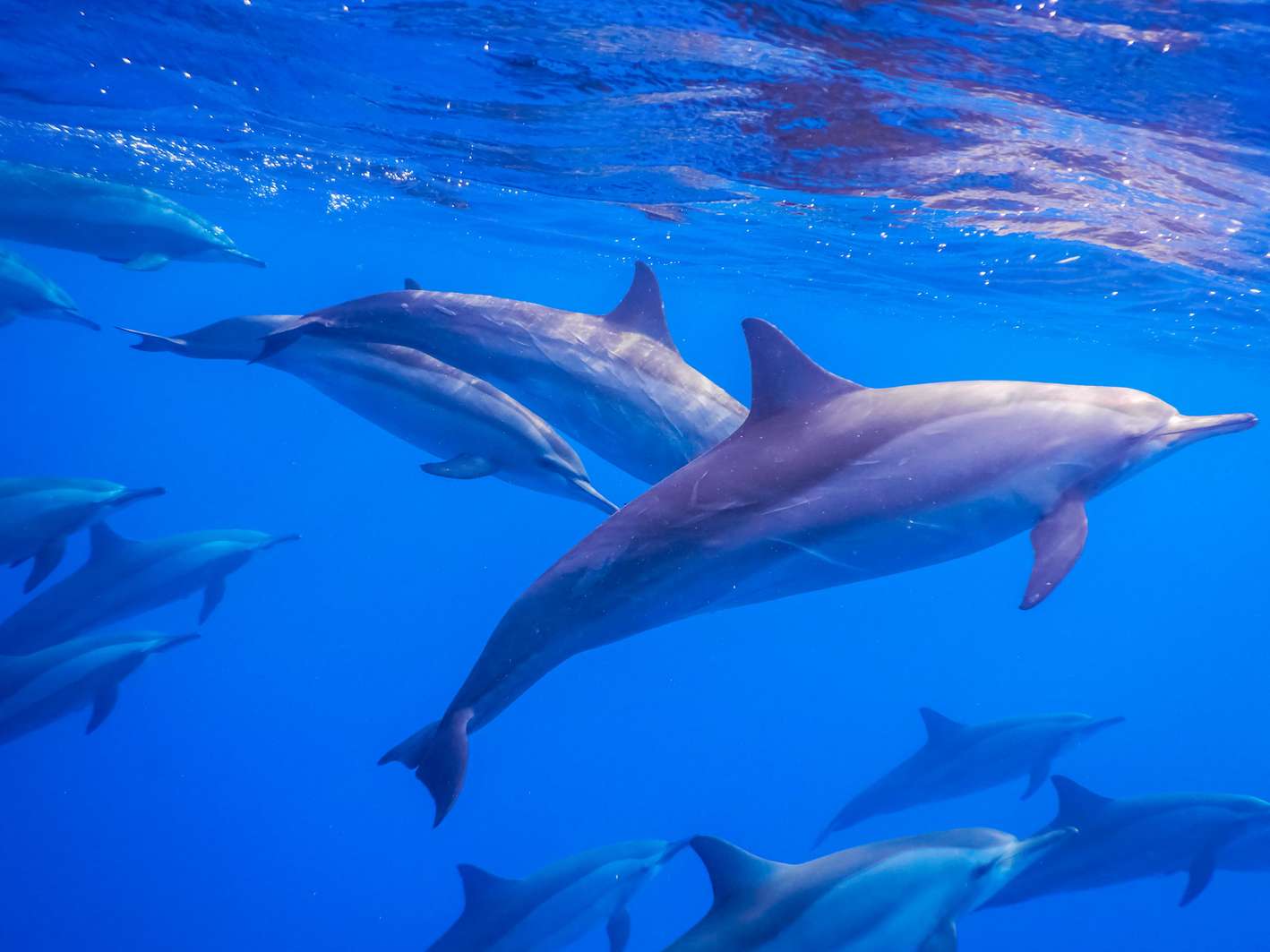 2 - 6 hours · ★ 4.7 (237)Dolphin Watching with Hotel Pickup (Mauritius)From $61 /group
 4 hours · ★ 4.4 (35)Dolphins & Whales: Private Snorkeling TourFrom $528 /group
Protected inner-lagoon sites and a coral reef best reached by boat
Walk-in snorkeling is possible near the black rocks by the Hindu temple, but the best coral sits about 500 metres offshore, and local guides ferry snorkelers out because currents near the passes can pull hard.
Inside the protected lagoon, Trou Padi and the 3 Meters offer flat, calm water with butterflyfish, damselfish and the odd octopus or small moray. East-coast resorts hand you the practical win: several catamarans collect guests at their hotel.
A narrow, calm lagoon a few minutes from the island-jetty
The lagoon here is barely 250 metres wide to the barrier reef, so the water stays calm, and small tropical fish patrol the seagrass and the little rocky points. Watch your feet at entry: burrowing, long-spined and collector urchins share the shallows.
From June through August the trades roughen the lagoon and calm days nearly vanish, so come earlier in the year or in the morning. Resort transfers to the jetty at Trou d'Eau Douce take under ten minutes by car.
Walk-in cove with live coral a few strokes from the sand
Kuilima Cove lets you walk from the beach over ankle-deep sand to a reef that rises close to the surface, 4 to 8 feet deep in places, and live coral sits a few strokes out in front of the dive resort. The bay faces north, so the trades that roughen other coasts leave it flat.
Coral in the park is logged down to the species, but sightings of green turtles over the seagrass are occasional, never daily. Stay clear of the passes, where currents can pull.
Shallow, calm water where green turtles visit the cove
The name draws people, and green sea turtles do turn up in the shallow water of Kuilima Cove, though a boat trip raises the odds. The lagoon is calm and shallow enough for children, and the reef runs from just off the beach out to a kilometre past the barrier.
Mind the traffic: boats cross the bay, so snorkel inside the marked zones and wear a bright vest outside them. Currents near the reef passes can pull, so leave the outer edges to experienced swimmers.
Quieter reefs, strong channels and trips from resort centres
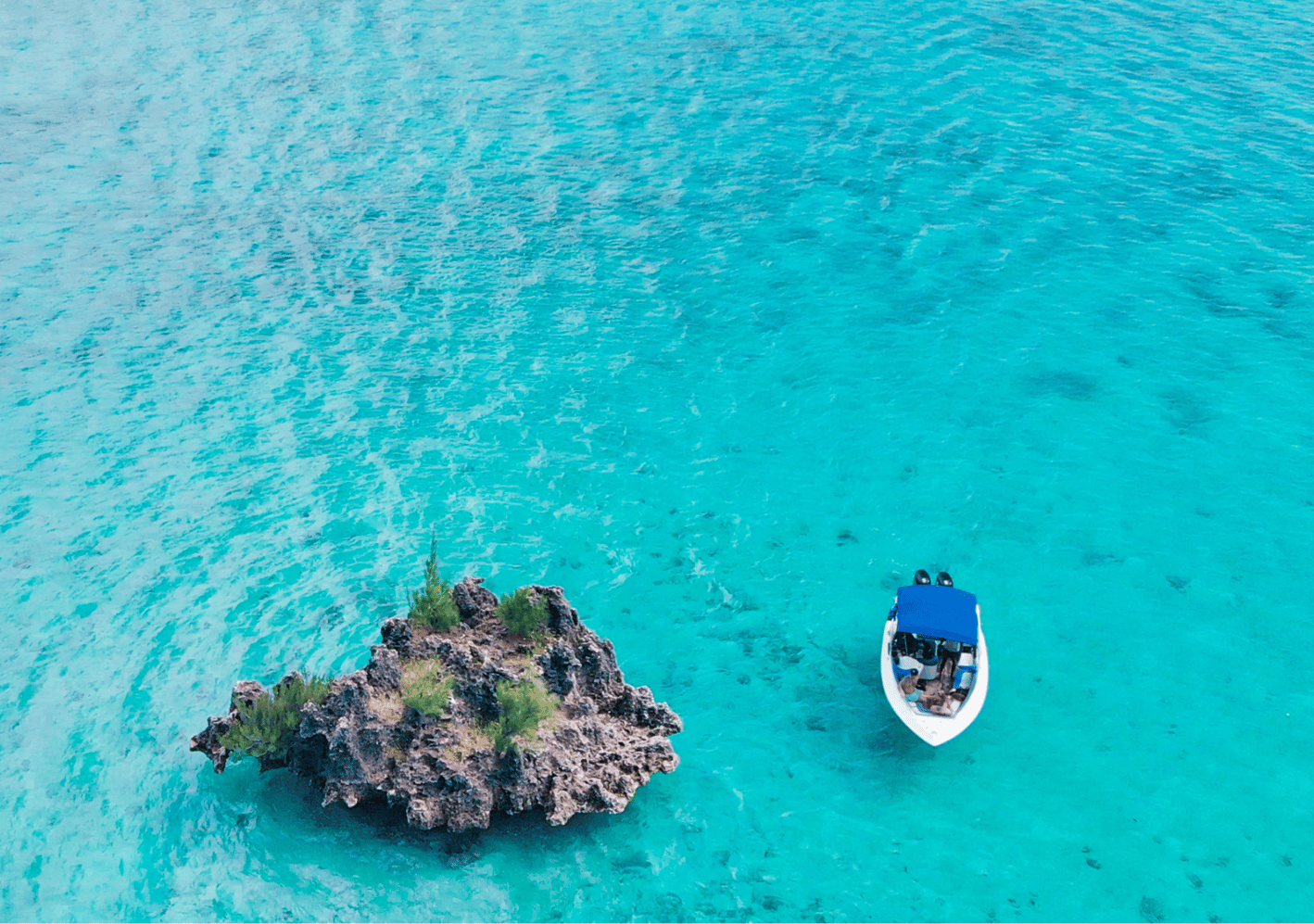
You can snorkel off Bel Ombre Beach where rocks and coral sit in the sand on calm days, but the channels carry very strong currents, so keep to the yellow swimming zones and never go alone. At low tide the lagoon gets so shallow that wading stirs the silt.
The quiet plus here is the lack of crowds: fewer boats and divers than the northern routes, and some runs reach remote southern reefs. Resort nautical centres arrange outings, and most west-coast trips that suit you leave from Tamarin or Black River, 30 to 45 minutes north.
The famous cascade is an illusion seen only from the air
The famous cascade exists only from the air: sand washing off a shallow shelf into a deep canyon, visible from a seaplane or helicopter. From a mask at sea level you see open water, and near the reef opening the outgoing tide generates strong rip currents that make swimming there a serious mistake.
The southwest still rewards the effort. Dive sites such as Passe Saint-Jacques and Le Morne Wall run deep and demand advanced certification, while the shallower lagoon and Crystal Rock suit snorkelers.
Where turtles gather, and the law that protects them
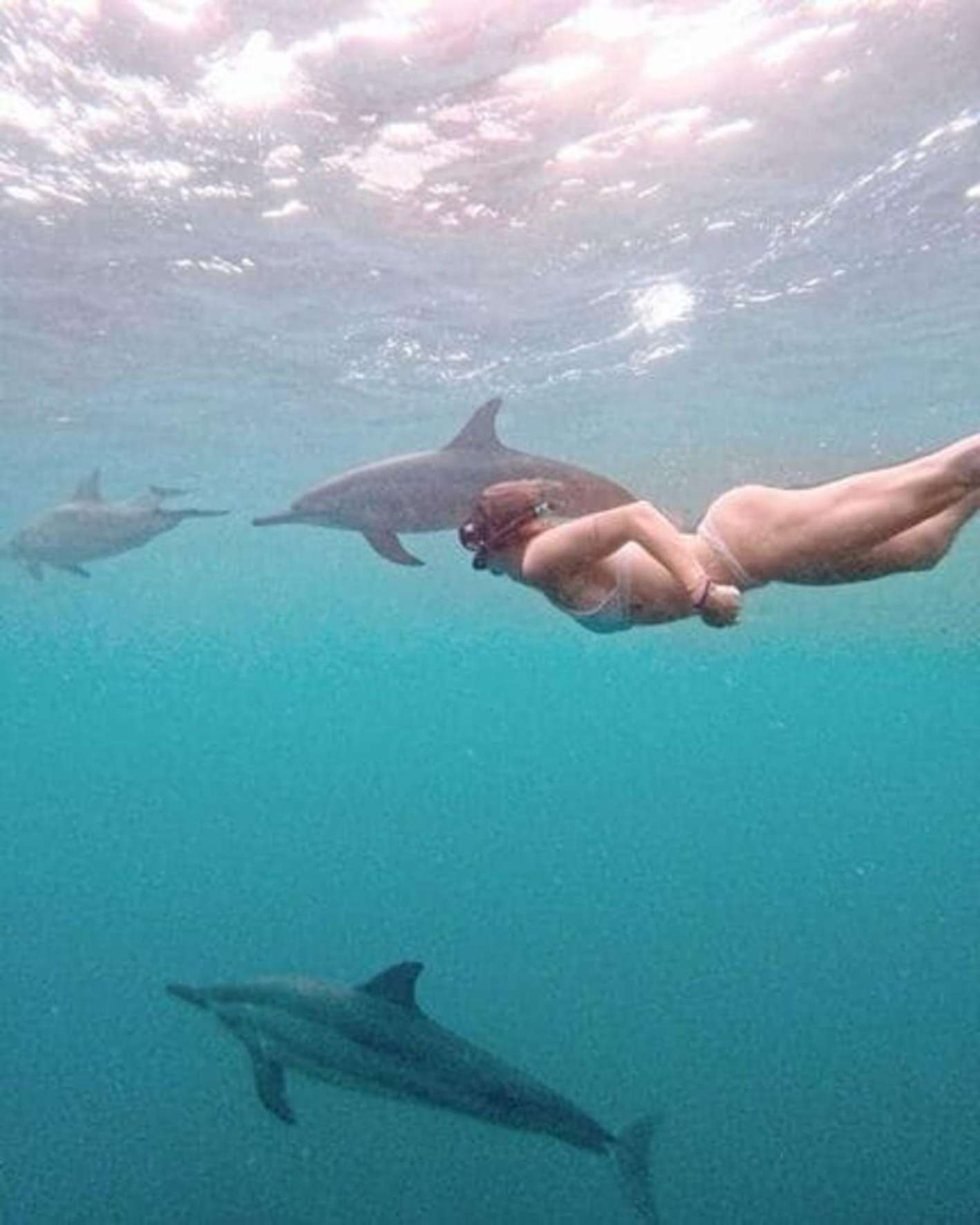
Know the law before you swim: entering the water with a sea turtle is illegal under the Fisheries Act 2023, and so is feeding or harassing one, with penalties that reach heavy fines and prison. Watching from a respectful distance is what the rules allow.
Green turtles graze on seagrass and algae in calm lagoons, and sightings around Coin de Mire are occasional, never guaranteed. Snorkel quietly, keep your flippers still near an animal, and report injured turtles.
8 hours · ★ 5.0 (2)Private Dolphins, Sea Turtles & Île aux Bénitiers TourFrom $850 /group 2 hours · ★ 4.7 (39)Mauritius: Snorkeling with turtles Le Transporteur speedboatFrom $375 /group 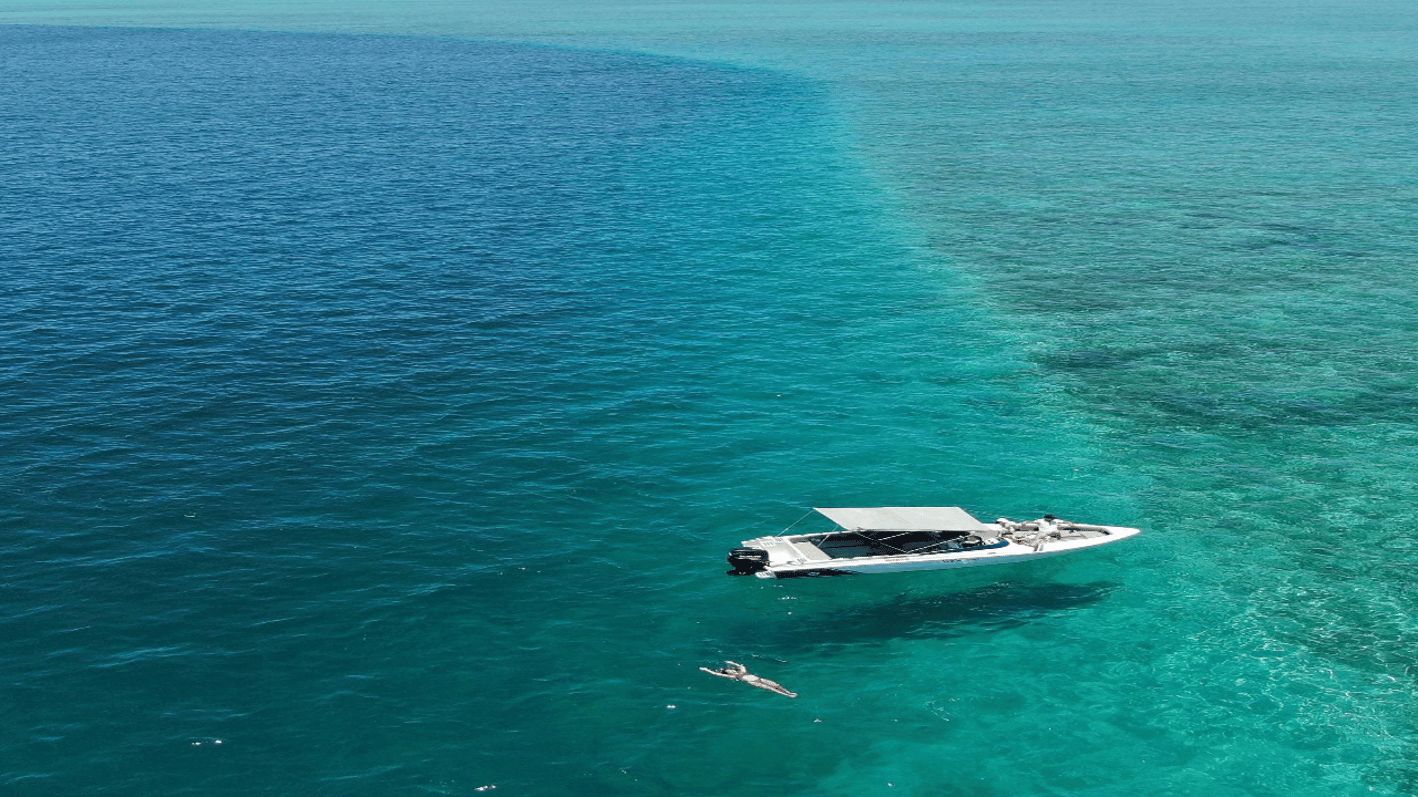 9 hours · ★ 4.3 (188)5 Islands Speedboat with Snorkeling, Sea Turtles, Lunch & DrinksFrom $95 1.5 hours · ★ 4.2 (314)Mauritius: Sea Turtle Adventure and Coral Reef DiscoveryFrom $44
Resident sperm whales watched from the boat, 100 metres out
Sperm whales live off the west coast all year because the seabed drops away to deep water close to shore, and humpbacks pass between June and October. Mauritian law draws a hard line: boats stay outside a 100-metre circle around whales, and swimming with them is forbidden.
Skippers approach from the side, hold a parallel course and idle in neutral when they stop, which keeps encounters calm and legal. Open-ocean trips ride swells that can unsettle anyone prone to seasickness, so pack accordingly.
Month by month: temperature, visibility, wind and cyclones
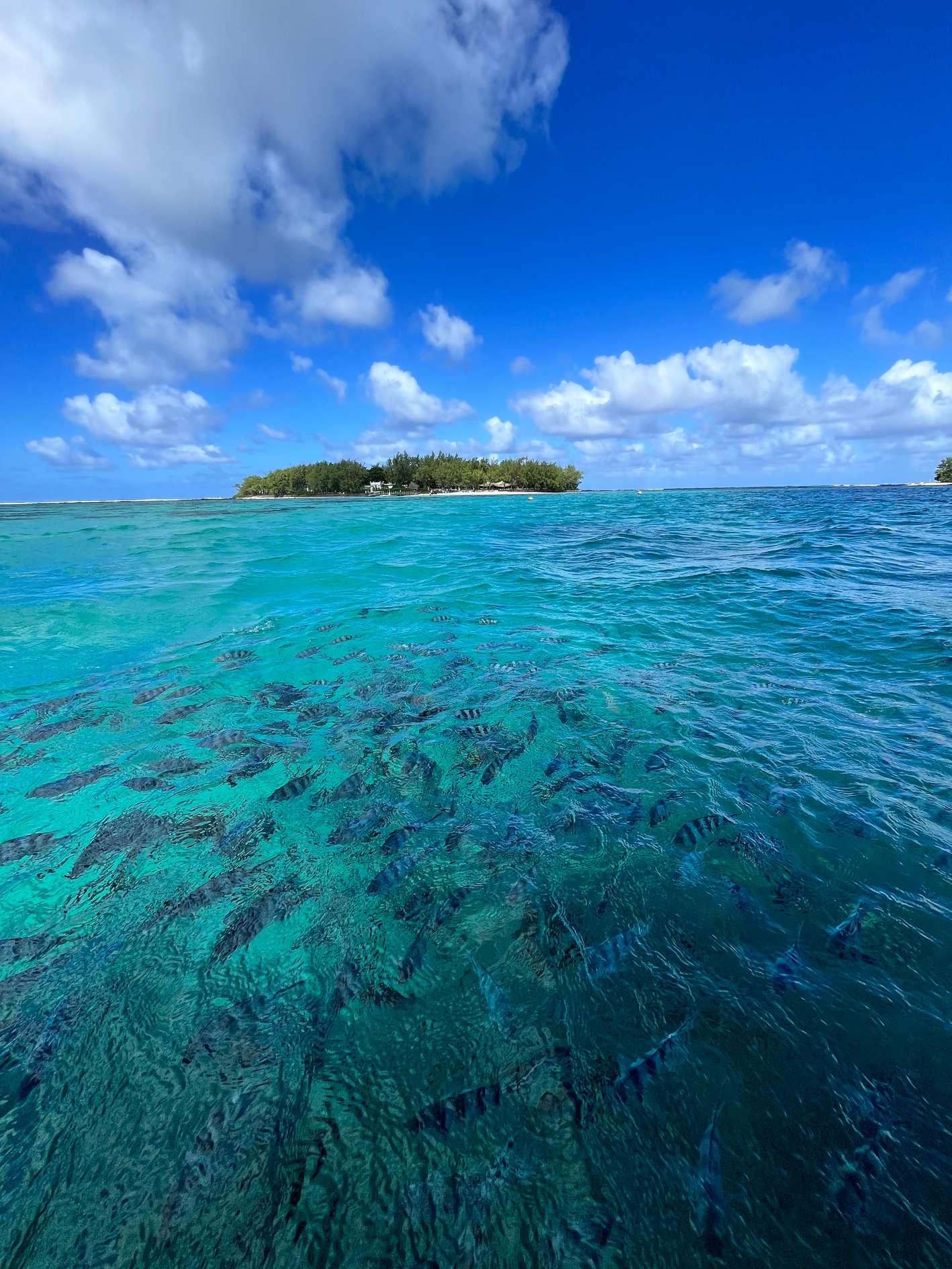
October and November give you the best of everything: warming water near 26 to 28 degrees, calm seas on most days and lagoon clarity that reaches 20 to 30 metres. Winter from June to August cools the sea to around 23 to 25 degrees and blows the trades across the eastern reefs.
A 3 mm shorty covers the summer; winter calls for a thicker suit for many divers. January to March is cyclone season, when a passing system can suspend boat trips for a day or three.
The classic full-day sail with BBQ, drinks and the waterfall
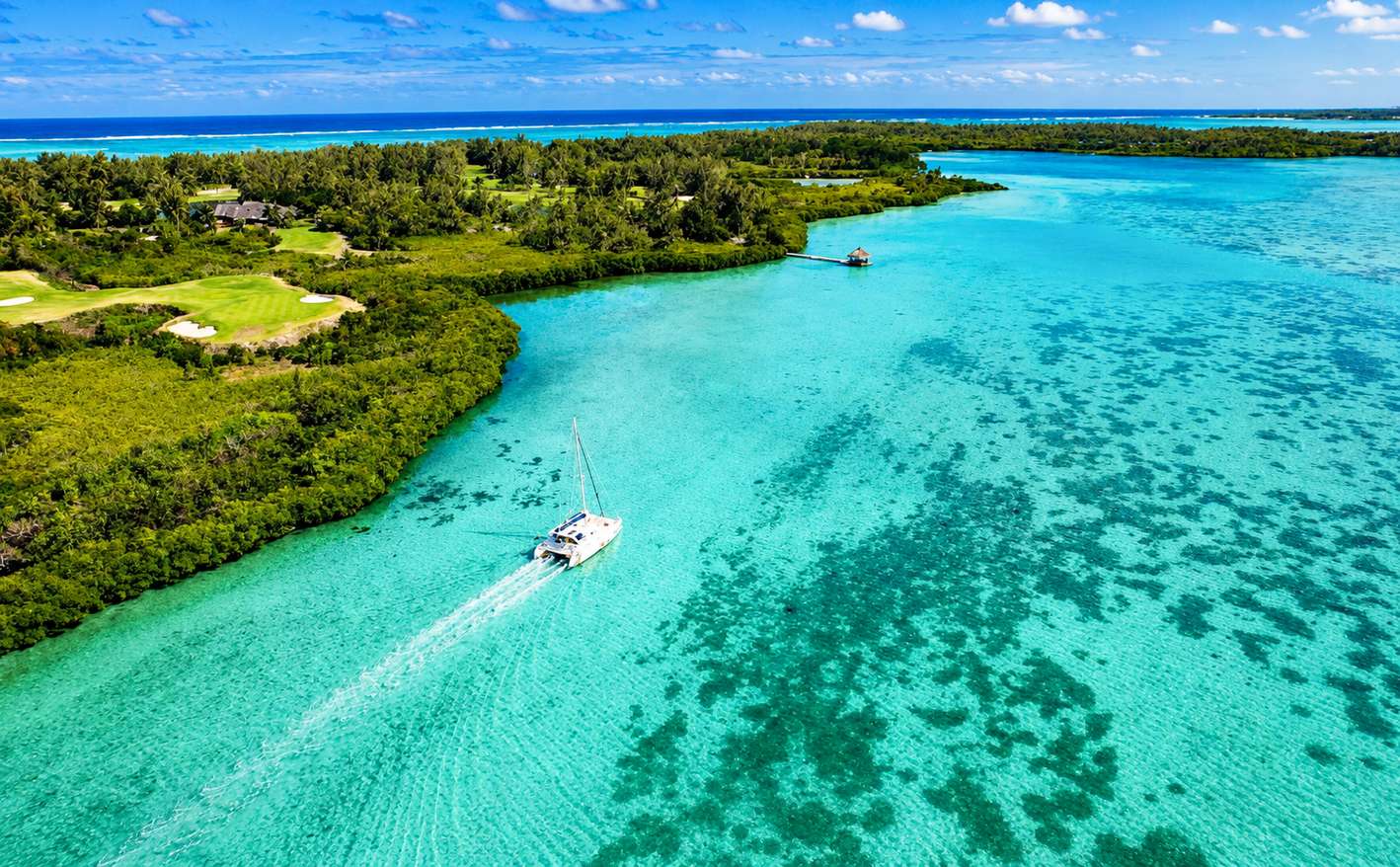
The classic east-coast day: a wide catamaran sails a sheltered lagoon toward Ile aux Cerfs with a snorkeling stop, the Grand River South East waterfall and a barbecue with drinks on deck. Twin hulls keep the ride steady even when the trades blow.
Crossings by catamaran take 45 to 60 minutes, and the bigger boats carry around 30 guests. Very young children sail free on shared departures, so check the age rules when you book.
6 hours · ★ 5.0 (11)Île aux Cerfs: Private Catamaran Cruise with Gourmet LunchFrom $1,133 /group 7 hours · ★ 4.8 (869)Ile aux Cerfs Catamaran Cruise with BBQ Lunch & SnorkelingFrom $68  7 - 8 hours · ★ 4.7 (453)Mauritius: Ile aux Cerfs Catamaran, Waterfall & BBQ LunchFrom $62
 7 hours · ★ 4.6 (104)Mauritius: Ile aux Cerfs Catamaran Cruise, Waterfalls & BBQFrom $84
The same island in 10 to 15 minutes, with more beach time
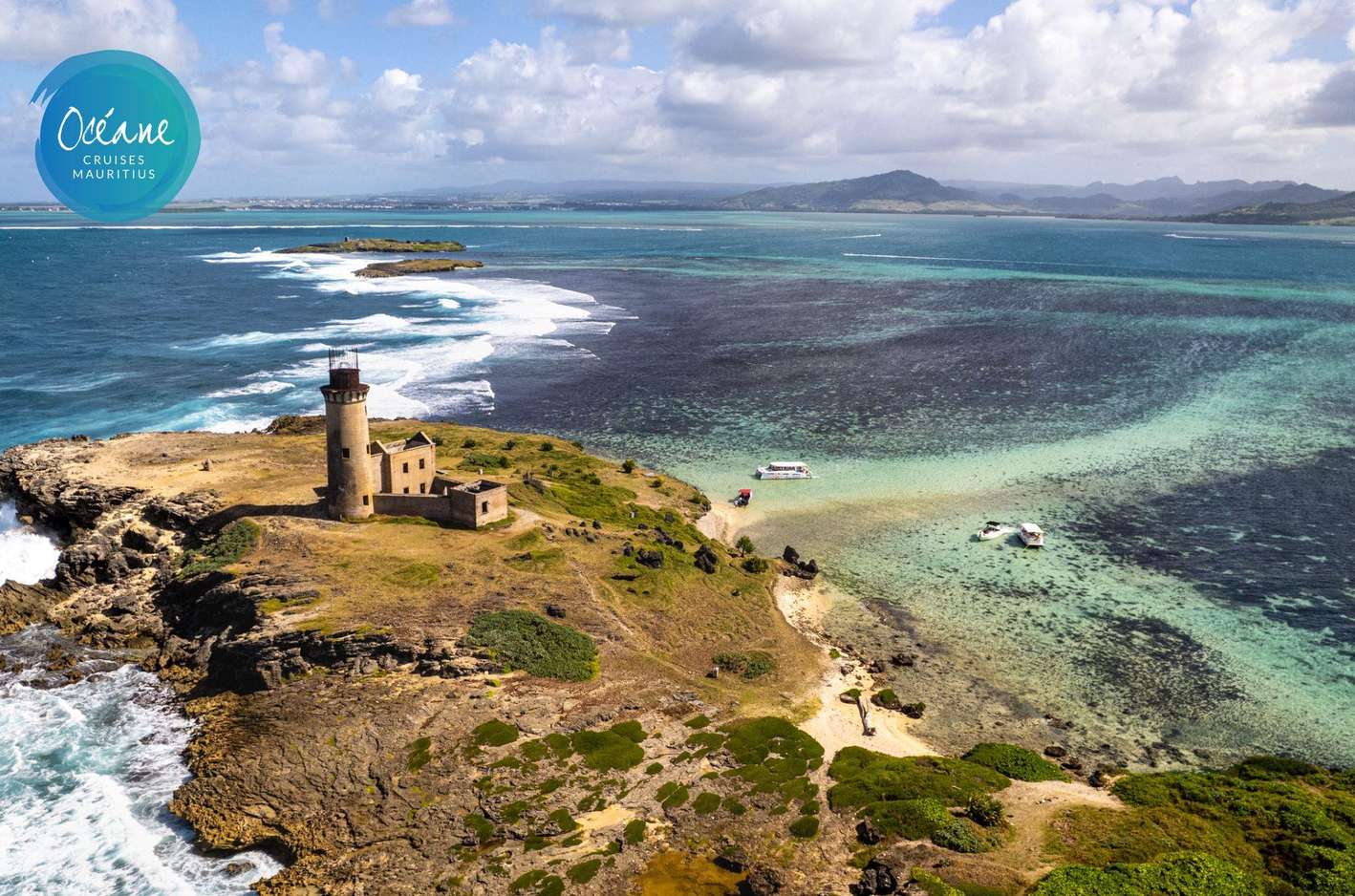
A speedboat crosses the same lagoon in 10 to 15 minutes against a catamaran's 45 to 60, which buys you extra minutes on the island and lets you reach beaches before the big decks unload. Shared boats carry about 17 to 18 passengers.
The ride is livelier: the exposed east coast bumps along in swells, and the trades make it rougher in winter. Island speedboat trips from the east coast are ruled out for pregnant women.
6 hours · ★ 5.0 (3)Private Island-Hopping Cruise: 5 Islands, Waterfall & LunchFrom $738 /group 6 - 7 hours · ★ 4.7 (1,451)Trou d'Eau Douce: 5-Island Adventure with BBQ & SnorkelingFrom $95 9 hours · ★ 4.3 (188)5 Islands Speedboat with Snorkeling, Sea Turtles, Lunch & DrinksFrom $95  7 hours · ★ 4.3 (237)Mauritius: 5 Islands Speedboat Lagoon Experience with BBQFrom $74
Your own boat, your own route, the beaches before the crowds
A private charter gets you to the beaches before 10:30 am, when public ferries and shared catamarans start stacking the northern shore, and the crowds linger until well after 3:30 pm. Yours can be a luxury catamaran with a gourmet lunch or an agile island-hopping boat.
A private skipper adjusts the route to your group, slips upstream to the base of the Grand River South East waterfall, where bigger catamarans cannot go, and lets you linger at a quiet reef. All beaches on the island stay public up to the high-water mark.
calm seas island-wide in oct nov apr
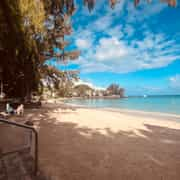
The bay in front of you is calm, sandy and busy with boats by ten. The coral and turtles sit out past the buoys, and knowing where decides whether you see them.
Inside the yellow buoys the water is calm, safe sand; the live reef lies about 300 to 350 metres out past the boat traffic.
Turtles, not coral, are the reason to get in the water here: green and hawksbill turtles feed as close as 50 to 100 metres from the beach.
The clearest water runs from 8 am to 10 am, before wind and boat traffic stir up the sandy lagoon.
Come on a weekday and before 10 am; November, September and October pack the bay hardest, with February the quietest.
Cyclone season swells from December to April can cancel boat departures with little notice.
Book a morning slot with free cancellation up to 24 hours before departure, check the local forecast during cyclone season, and have a backup day in mind for your Pereybere snorkeling plans.
From the top of Pereybere Beach the bay reads simply: a central swimming area ringed by yellow buoys, a channel marked in red on either side where boats and jet skis run in and out of the lagoon, and beyond them the pale line of the barrier reef.
Inside the buoys, no motorized craft may enter. The water there is calm, shallow and sandy, which is why families fill it. The red buoys mark the boat traffic channel, and the water outside the swim line belongs to the boats.
So the map answer is: the reef area facing the public beach starts about 300 to 350 metres out, past the traffic. Finning there from the sand is possible for a confident swimmer, but the bay's boundaries are not a suggestion. Outside the lagoon, currents pick up and boats have right of way.
That line, swim zone to boat water, is the one thing to hold onto before anything else on this beach. Everything else about the day follows from where you put yourself in it.
Wade in at mid-beach and the bottom is plain sand for a while. That surprises people who booked a hotel here expecting a reef under their feet.
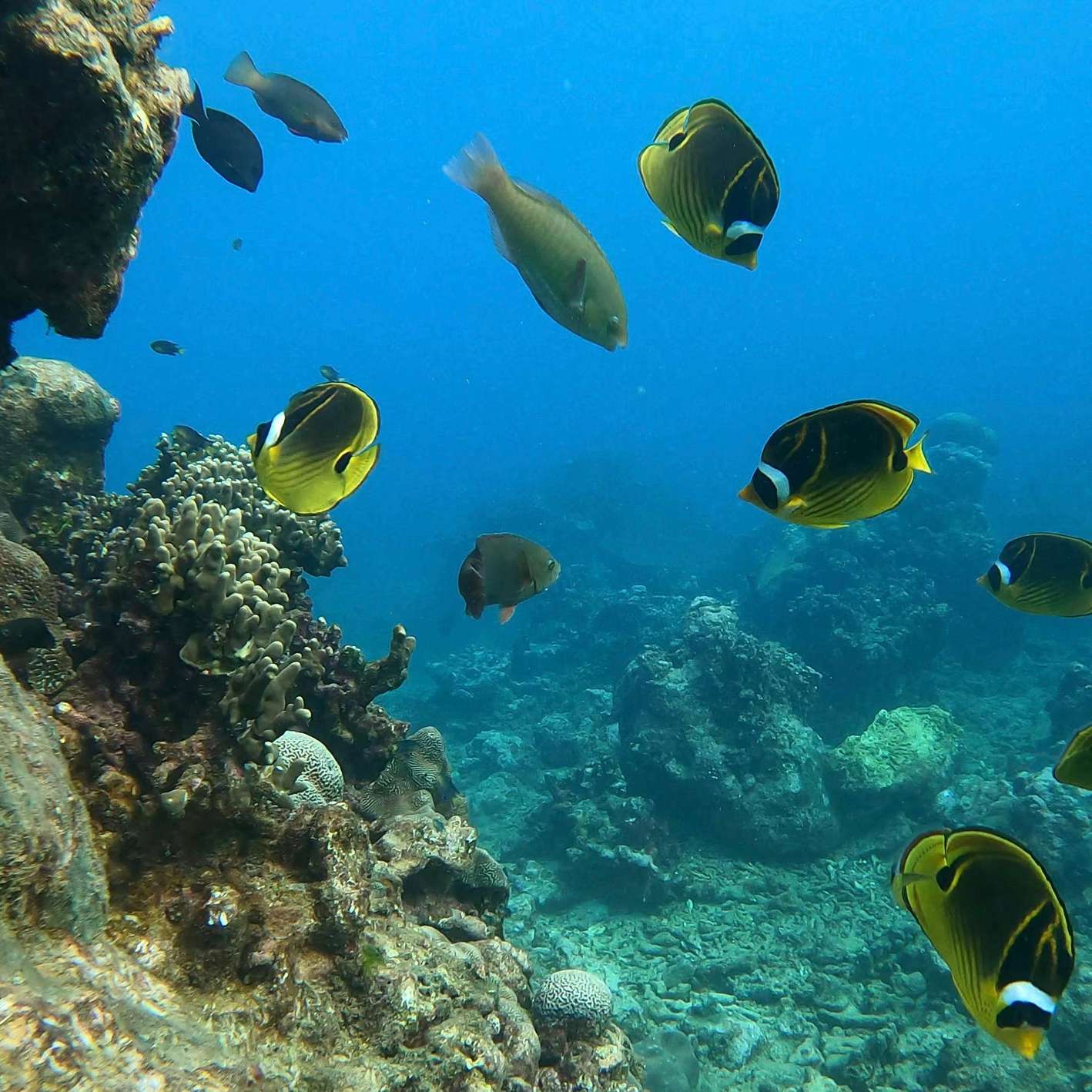
The fish gather where the rocks start, at the edges of the cove. Walk east past the main swimming zone toward the rocky outcropping and the coral and its fish turn up.
The inner reef itself is patchy. Coral quality varies, and at low tide some of it sits just under the surface, close enough to touch with a fin if you drift carelessly.
Regulars who know this coast put it plainly: Pereybere is a lovely swimming bay with enjoyable rocky-edge snorkeling, and nobody crosses Mauritius for this reef alone. A travel guide author who has written the island up says as much, and points anyone wanting real coral at Trou aux Biches just down the coast.
Which is why the boat from this beach exists: it takes you to the part of the bay worth crossing the island for.
The central lagoon at Pereybere is smooth, plain sand; the fish live at the rocky edges
Coral quality on Pereybere's inner reef is variable, and at low tide it can sit just above the surface
A guide author does not recommend traveling across the island for Pereybere's reef alone
Read those three lines before you book anything, because each one shapes the day. Expect sand under the buoys, hunt the edges for fish, and plan a boat for the coral worth the trip.

The bay sorts itself into three bands. Inside the designated swimming area, motorboats and jet skis are banned outright. Beyond the swim boundary, boats and jet skis come and go through channels marked by red buoys. And out toward the barrier, about 300 to 350 metres from the sand, sits the reef.
The middle band is the one to respect. Red buoys mark the boat channel, and boats run outside the swim line all day. Tidal currents also move through the open water near the reef, so a snorkeler drifting past the buoys can end up somewhere the boats expect to be.
The practical rule locals swim by: inside the buoys is safe sand, past them is boat territory, and the ground in between belongs to a boat or a guide. A brightly colored snorkel vest helps too, because it makes you visible to whoever is at the wheel.
If the reef is the goal, take the boat and let the skipper handle the crossing. That single decision takes the channels, the currents and the traffic out of your morning.
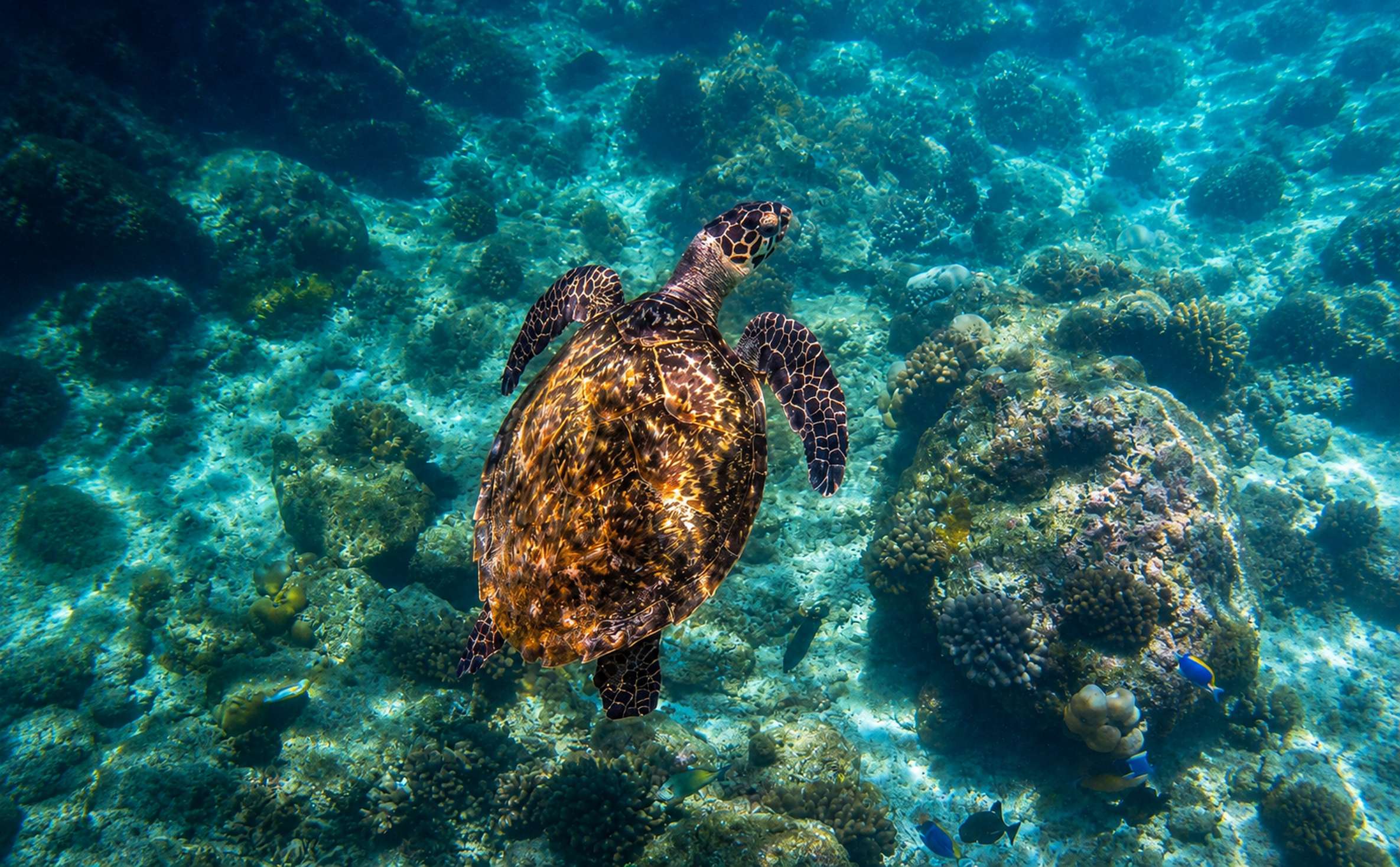
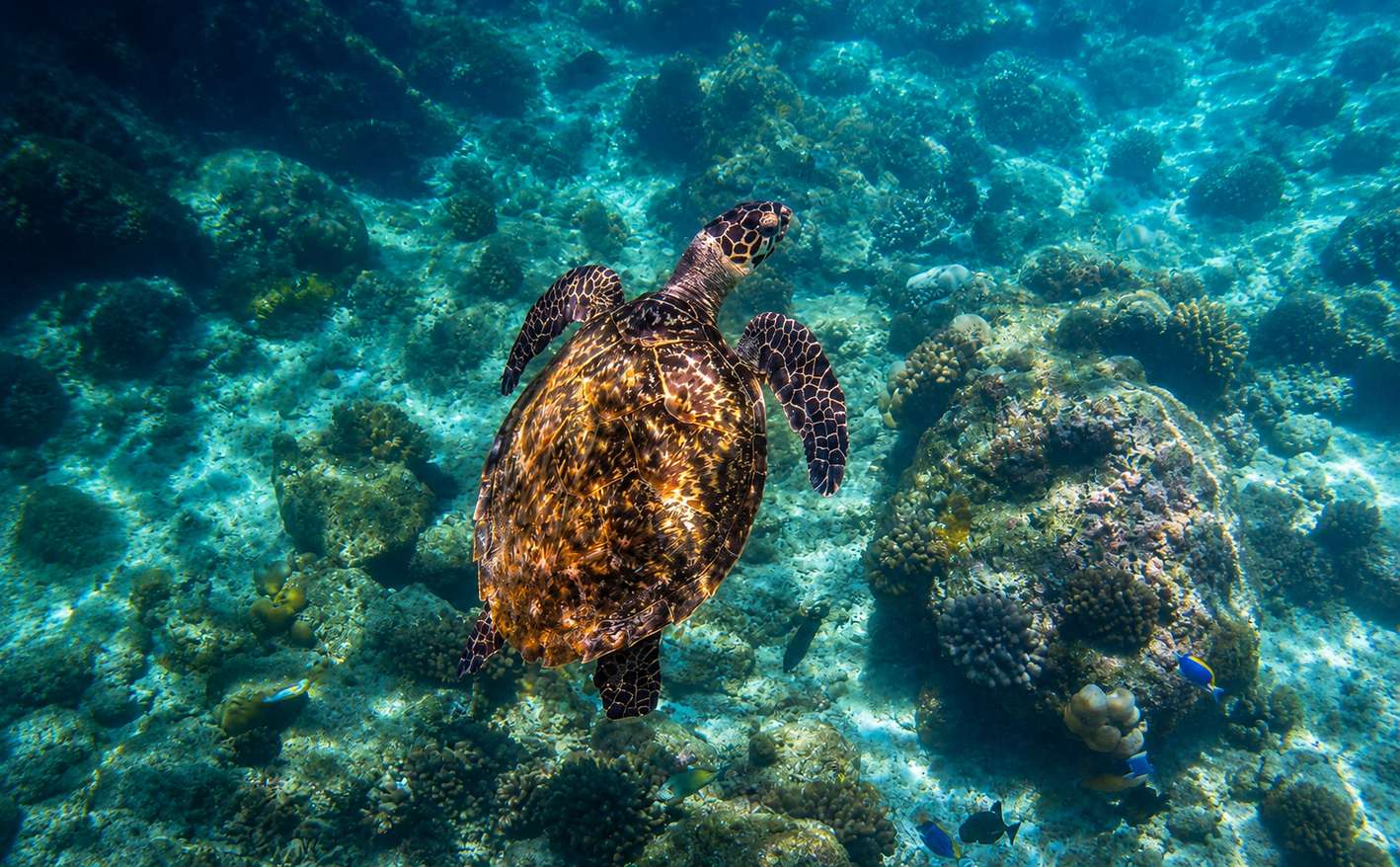
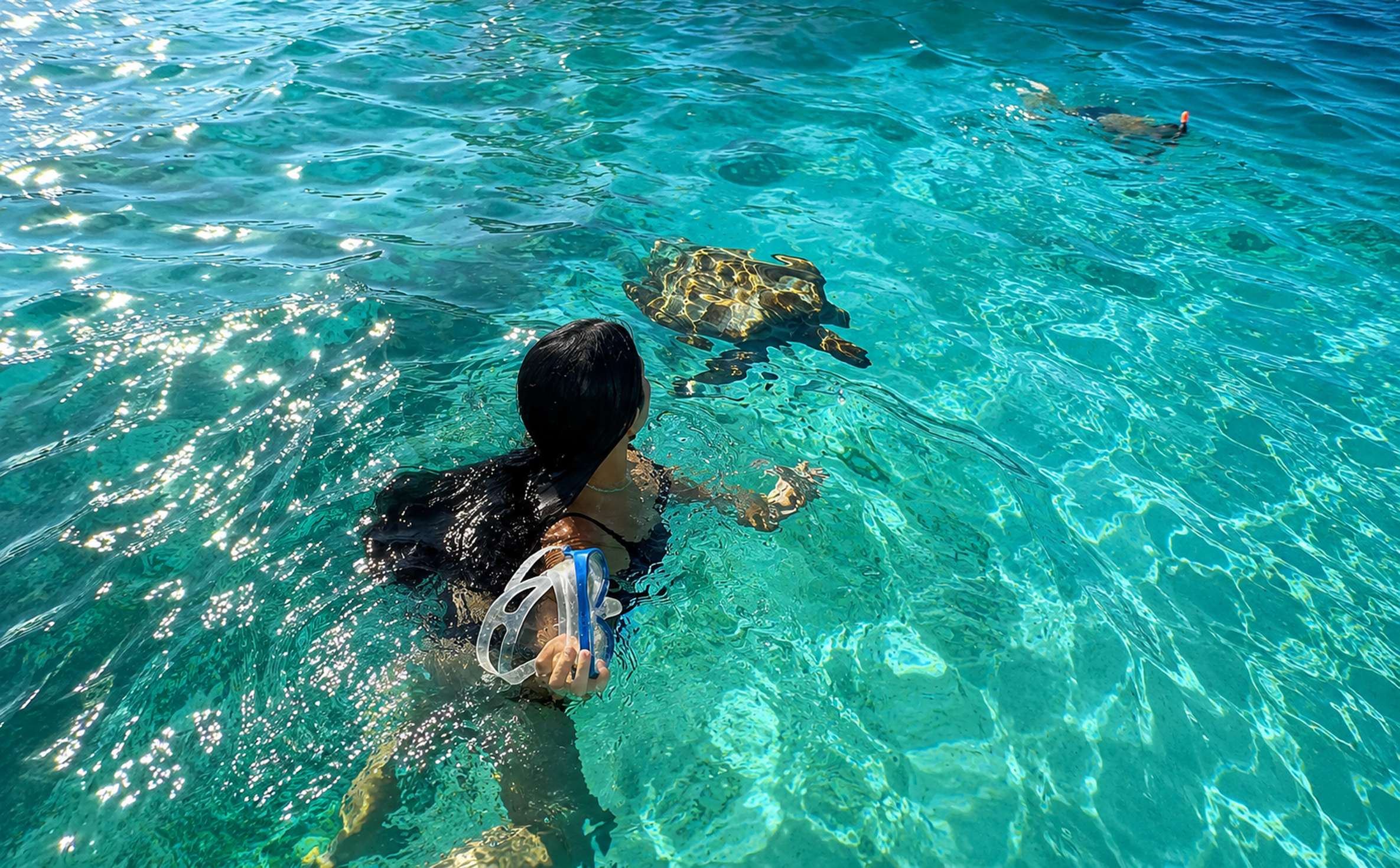
Turtles are the real reason this beach has a name among snorkelers. Pereybere is considered the best spot in Mauritius for meeting sea turtles, and both green and hawksbill turtles feed in the sheltered water facing the public beach, the Beach Club and Plage du Mur.
Turtles also turn up regularly in the calm lagoon north of Pointe d'Azur, in front of Plage des Blancs.
The closest sightings happen 50 to 100 metres from shore. The main feeding grounds sit on the inner reef, roughly 300 to 350 metres out.
Three ways to meet them. You can fin out from the beach with a mask and snorkel, or paddle a kayak or stand-up board.
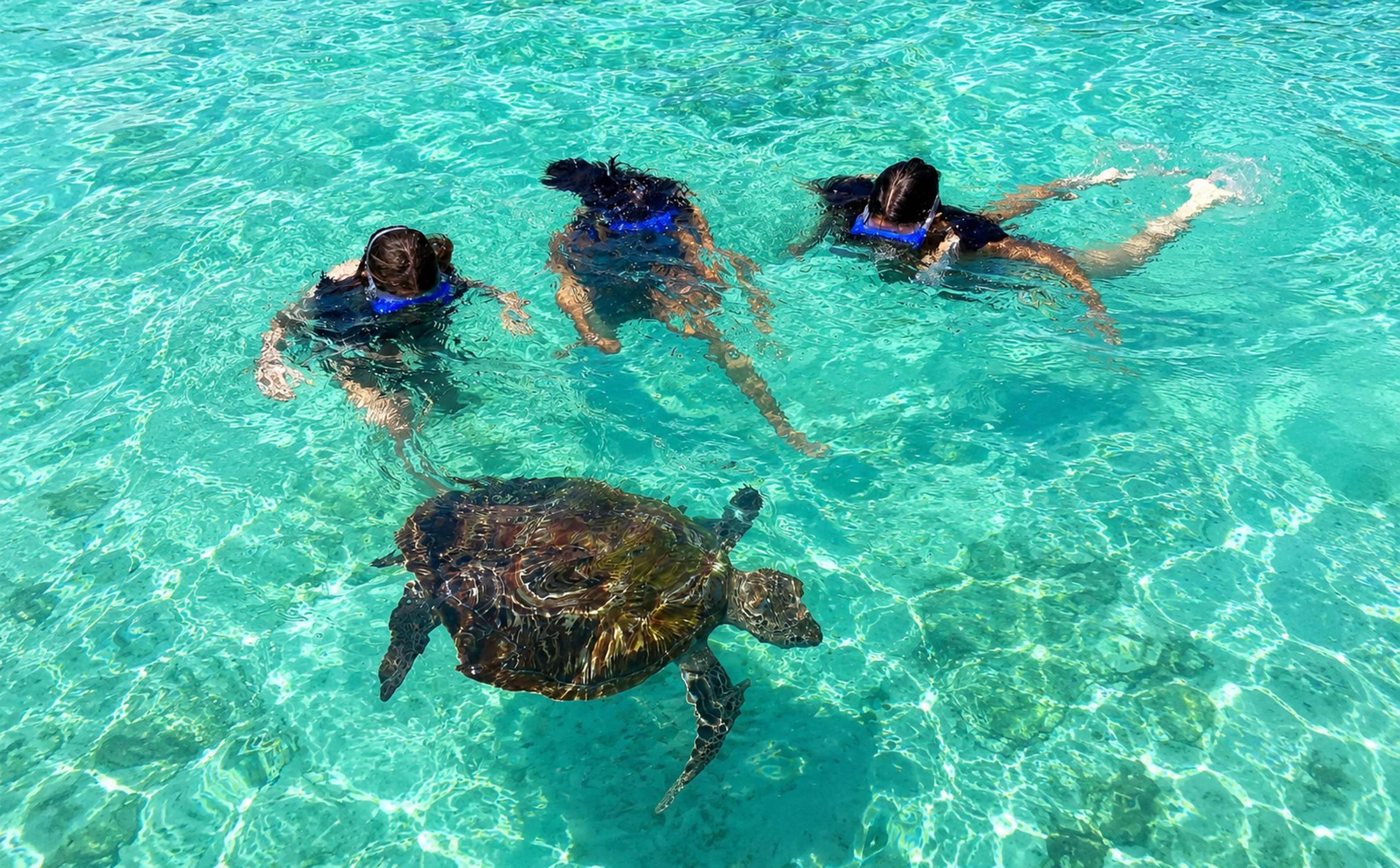
Or you take the boat: the Mauritius: Sea Turtle Adventure and Coral Reef Discovery trip, an hour and a half that departs from Pereybere Beach itself, cruises across the lagoon to the feeding grounds with a mask, snorkel and life jacket included.
The law is blunt either way. Touching, chasing or feeding turtles is banned in Mauritian waters, and the Fisheries Act 2023 prohibits swimming with them as a deliberate activity. If a turtle drifts past, let it move. The boat also welcomes non-swimmers, who watch from the deck.
| Swim from the beach | Kayak or paddleboard | Boat from Pereybere Beach | |
|---|---|---|---|
| Distance to feeding grounds | 300 to 350 metres out, finning against possible current | Same reef, at your own pace, but you fight wind on the way back | The boat covers the crossing in minutes |
| Safety | Crosses the boat channel and open current on your own power | Needs balance, fitness and awareness of traffic | Skipper handles the channels and the currents |
| How close the law lets you get | Watch only; touching, chasing or feeding is banned | Same rules apply on the water | Same rules, with a briefing and the shortest time in the animals' path |
Line those three up and the choice sorts itself out. Finning works for strong, confident swimmers on a calm day, the board needs skill in wind, and the boat wins whenever the crossing or the current gives you any doubt.
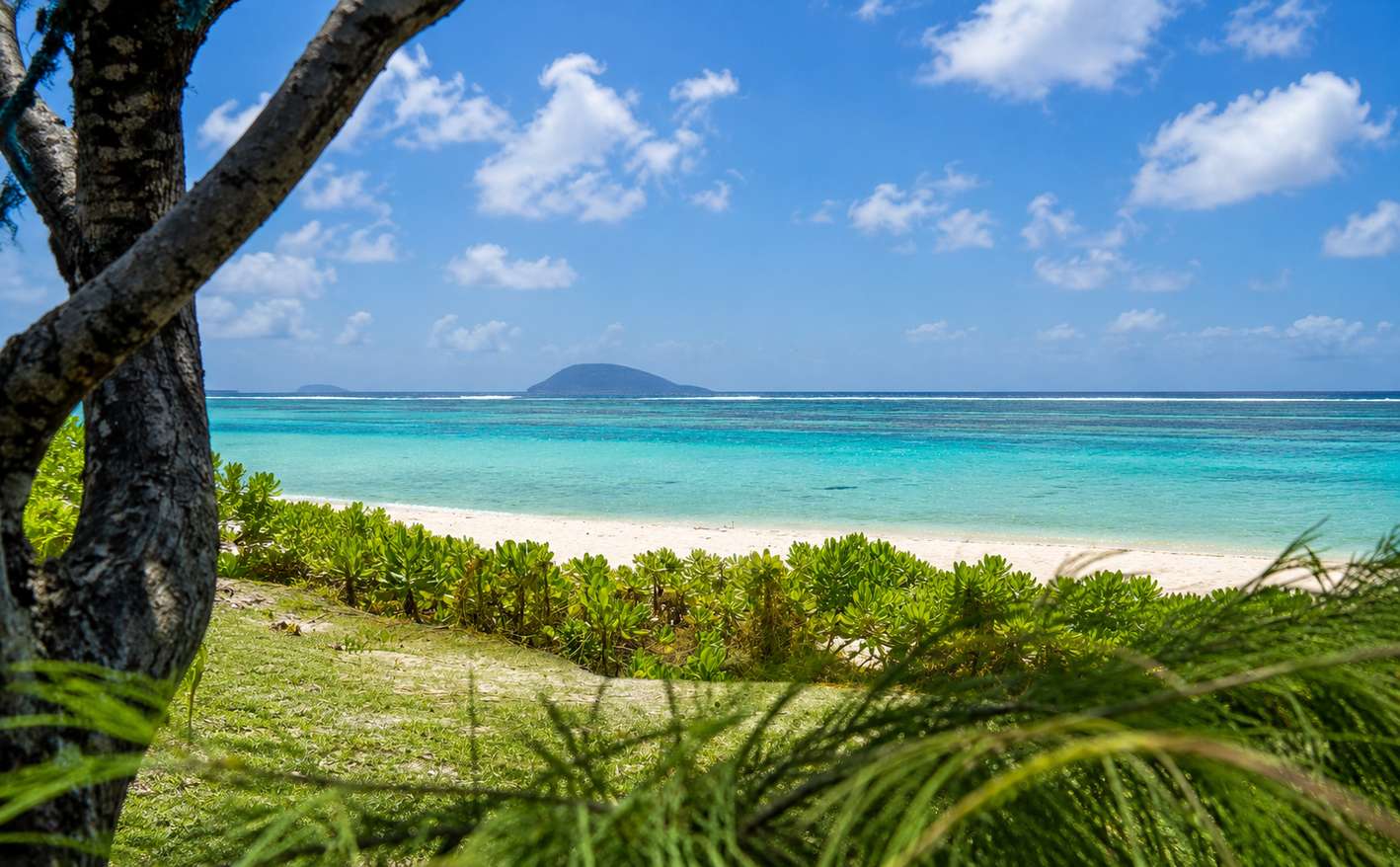
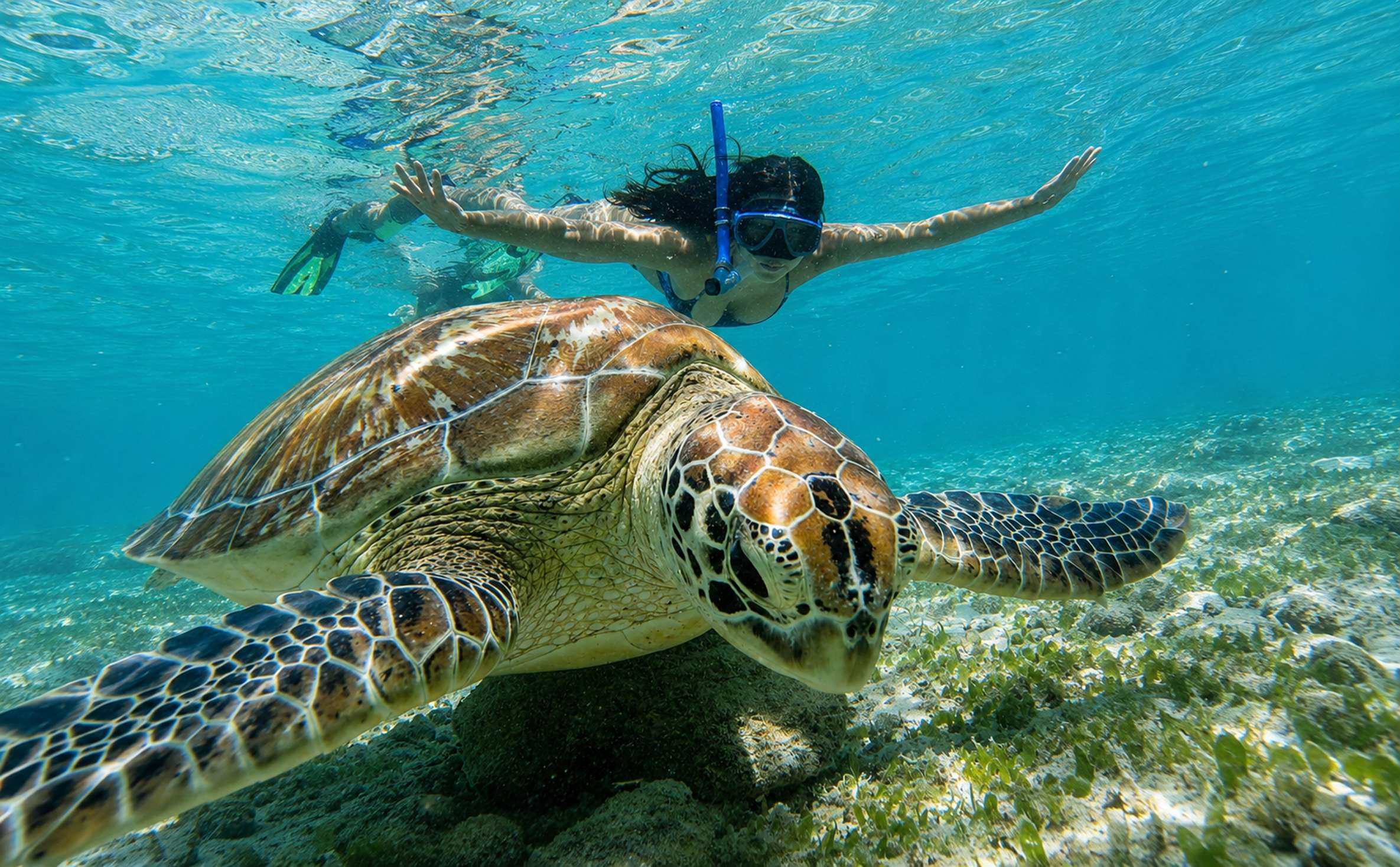
Between 8 am and 10 am the bay sits calm and glassy, and the visibility is at its best. The wind has not picked up, the boats are few, and the sandy lagoon has not been stirred.
Then it changes. By mid-morning, swimmers, boats and jet skis cloud the water, especially where the sandy bottom gets kicked up. On weekends the difference is stark: clear water before 10 am, milky shallows by the middle of the day.
Weekend visitors who want the good water do two things: arrive before 10 am, and snorkel the rocky reef at the northern and southern ends of the bay instead of the central swim zone.
The hour-by-hour picture is worth a glance before you set your alarm.
Calmest water and best visibility before boats and crowds stir up the bay.
Bright overhead light, but rising boat activity and swimmers cloud the water.
Afternoon winds and boat traffic churn up sediment and create small waves.
That table is your whole scheduling argument. The morning row is the one to build the day around, and everything the bay has to offer, from shore snorkeling to a boat slot, is best booked inside it.
This is also why the tour that leaves the beach at 9:30 am works so well for the morning. It is out on the water during the window, and the crossing is done while the bay is still quiet.
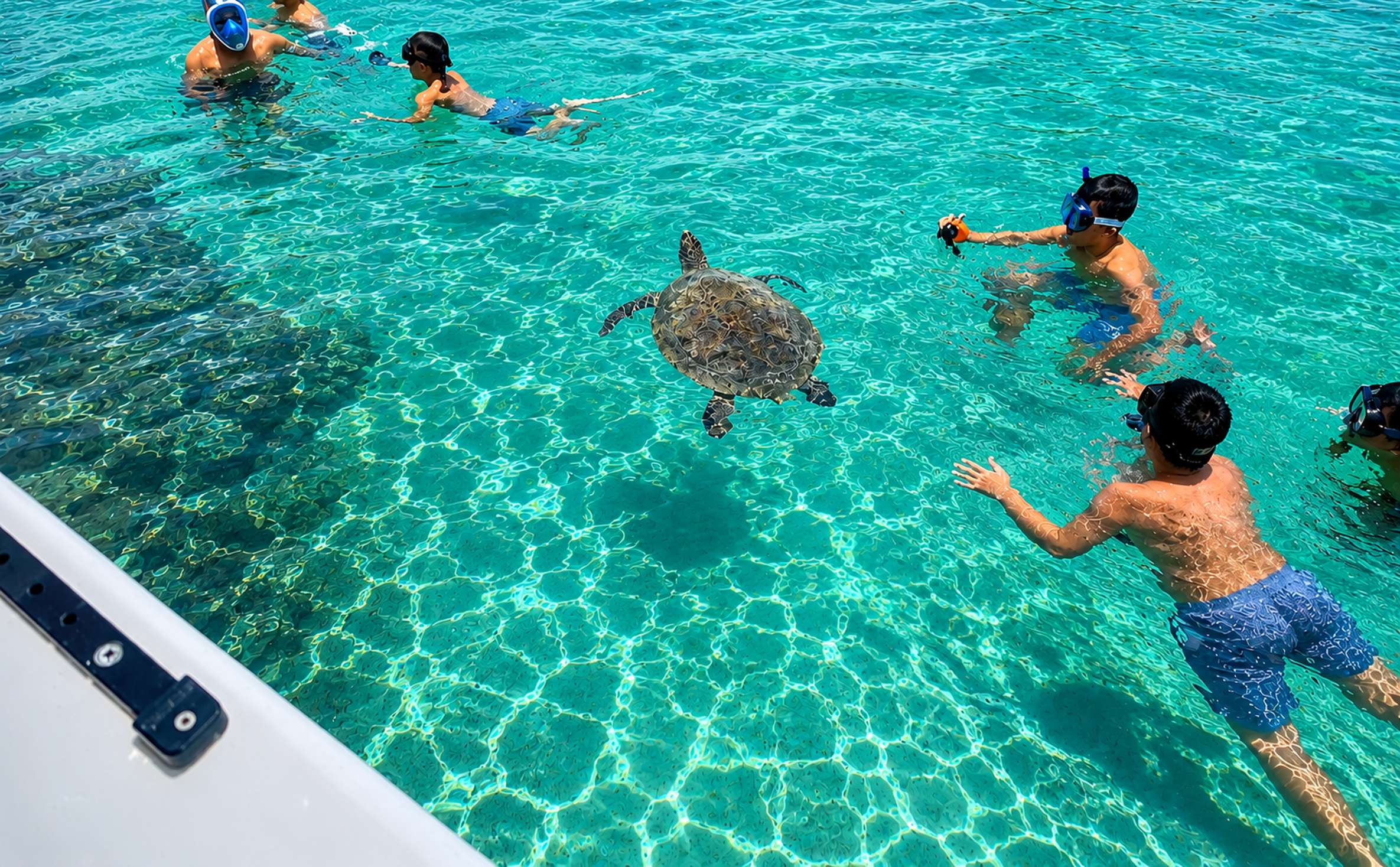
Month by month, the island gives with one hand and takes with the other. October, November and April bring the calmest seas and clearest lagoons across Mauritius.
Then from May to September the southeast trades blow, and the east and south coasts suffer for it, with calm days dropping to barely half. The sheltered north-west, where Pereybere sits, is the exception: those same winter winds leave its water at its clearest for turtles, especially in the morning.
Crowds follow their own calendar, and it is worth seeing where you land.
November: 5 out of 5 for how busy it gets.
Tap a month to read it.
Two things sit in that chart. November is the busiest month of all, with September and October close behind, and February is the quietest.
The reason differs from the sea conditions: the calm-sea figures above come from ocean data for the whole island, while the busy-month numbers simply count how full the beach and boats get, and the two peaks land in different months.
Put them together and the advice is simple: a weekday beats a weekend in every month, and the morning window beats the afternoon in every season. Regulars book their boat slot early, swim the reef edges before 10 am, and leave the central lagoon to the families afterward.
Rentals exist on Pereybere Beach, but the booths come and go with the season, and sizing is luck. Anyone who snorkels more than once on this trip brings their own mask and snorkel.
A mask that fits your face does not leak, and a dry mouthpiece you have not shared beats a fogging loaner every time.
The beach facilities cover the rest of the day well. Public toilets and showers sit at the entrance, with changing cabins among the facilities, and parking in public lots and along the roadside. Bring your own toilet tissue and soap, because the restrooms stock neither.
Parking is the other timing trap. Spaces fill fast on weekends and holidays, so an early arrival matters as much for your spot in the lot as for the water. Swimwear under your clothes, a towel, sunscreen and sunglasses round out the bag, and the same kit serves the turtle boat.
Pereybere rewards the morning swimmer and the boat passenger in equal measure. Come before ten, swim the rocky edges, and let a small boat carry you to the turtle grounds the shore swim only hints at.
The bay earns its reputation for turtles, green and hawksbill both, as close as fifty metres from the sand. Time the window right and book the boat, and this is one of the easiest good mornings on the island.
best water 8-10 am, before the wind
Where to watch dolphins ethically around the island, and how crews follow the government's distance rules.

What the law says about swimming with wild dolphins, from licences to the calm-water entry technique.
Why Tamarin Bay draws the dolphin pods each morning and how to pick a trip from the west coast.
Which tours pair dolphin encounters with seasonal whale sightings, and when humpbacks pass through.
Why the earliest boats see the calmest water and the freshest pods before the traffic builds.
What a private charter gets you: your own boat, your own pace, and space away from the crowds.
How a day on a sailing catamaran compares with a speedboat for reef stops and time in the water.

The full-day cruise routes island-wide, and which coast sails smoothest in the month you visit.
corals sit high at low tide, mind your fins
The things visitors ask before walking onto Pereybere Beach with a mask.
 Grand Baie2026
Yes. Green and hawksbill turtles feed in the sheltered inner reef waters facing the public beach, Beach Club, and Plage du Mur. Some swimmers meet them just 50 to 100 meters from shore.
Touching, chasing, or feeding turtles is banned in Mauritian waters under the Fisheries Act 2023. If one swims near, give it room to move on and keep your kicks gentle around it.
The main feeding reef lies about 300 to 350 meters offshore, and strong swimmers reach it by finning straight from the beach. Stay inside the bay, since the water beyond the lagoon carries currents and boat traffic.
Skip the sandy centre. Coral and tropical fish gather along the rocky outcroppings at the northern and southern edges of the cove, just past the swimming zone.
The buoyed swimming zone keeps motorboats and jet skis out, and red buoys mark the traffic channel where they enter the lagoon. Snorkel inside the buoys and never cross a marked channel.
Between 8 am and 10 am, before the coastal winds pick up and before swimmers, boats, and jet skis stir up the sandy lagoon. This matters most on weekends, when crowds cloud the water by mid-morning.
Very much so. The lagoon is calm, shallow, and gently sloping, and the accessible reefs make a fine first look at underwater life. Children who can already swim do well here.
The inner reef corals vary in quality and can sit close to the surface at low tide. Trou aux Biches, a short drive north, has healthier branching coral over shallow reef you can snorkel straight from the sand.
Local booths on Pereybere Beach rent gear, though availability can be patchy. Bring your own mask and snorkel for a reliable, leak-free fit, especially for children.
Public toilets, showers, and changing cabins sit at the entrance to the beach, and restrooms have no tissue or soap, so pack your own. Public lots and roadside spaces fill fast on weekends and holidays, so arrive early.
Cyclone season runs from December to April, and swells from January to March can cancel boat departures with little notice. Boats that go out for turtles usually run two sessions a day, at 9:30 am and 11:20 am.
During cyclone season, roughly December to April, swells can cancel boat departures with little notice, and swimming can be briefly limited between January and March. Build some flexibility into your plans.
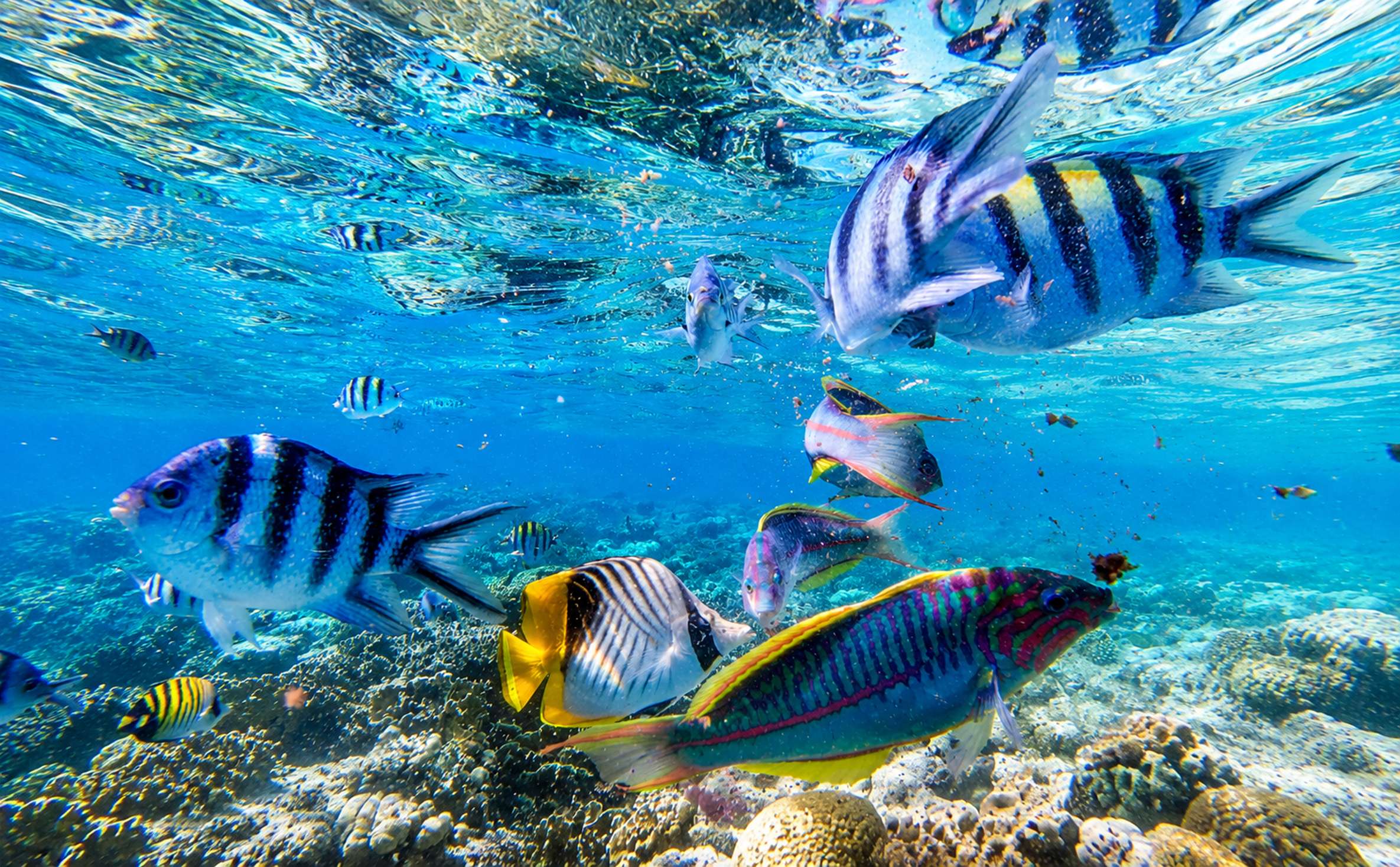
turtles gather 50-100m from shore
Swim with green and hawksbill turtles off Pereybere Beach on a 1.5-hour boat trip, and cancel free up to 24 hours before departure.